



Histone Acetyltransferase
HATs; HAT
Histone acetyltransferases (HATs) are epigenetic enzymes that install acetyl groups onto lysine residues of cellular proteins such as histones, transcription factors, nuclear receptors, and enzymes. HATs are crucial for chromatin restructuring and transcriptional regulation in eukaryotic cells. HATs have been shown to play a role in diseases ranging from cancer and inflammatory diseases to neurological disorders, both through acetylations of histone proteins and non-histone proteins.
HATs can be grouped into at least five different subfamilies (HAT1, Gcn5/PCAF, MYST, p300/CBP, and Rtt109). HATs mediate many different biological processes including cell-cycle progression, dosage compensation, repair of DNA damage, and hormone signaling. Aberrant HAT function is correlated with several human diseases including solid tumors, leukemias, inflammatory lung disease, viral infection, diabetes, fungal infection, and drug addiction.
Histone Acetyltransferase Isoform Specific Products
All Product Categories
-
Histone Acetyltransferase Inhibitors
(178)
View all products
-
Histone Acetyltransferase Agonist
(1)
View all products
-
Histone Acetyltransferase Activators
(12)
View all products
-
Histone Acetyltransferase Modulators
(3)
View all products
-
Histone Acetyltransferase Degraders
(39)
View all products
-
Histone Acetyltransferase Controls
(5)
View all products
-
Histone Acetyltransferase Substrates
(5)
View all products
-
Histone Acetyltransferase Ligands
(11)
View all products
-
Histone Acetyltransferase Related Products (281)
Related Products (281)

-
Antibodies (25)
-
Histone Acetyltransferase Isoform Comparison
-
JG-2016
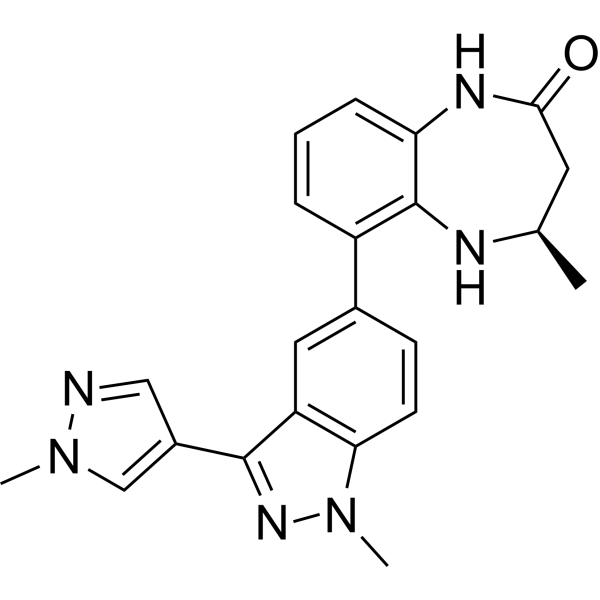
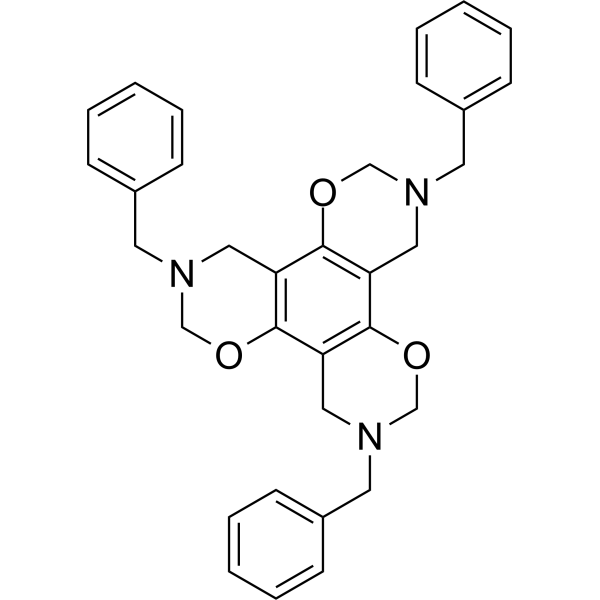
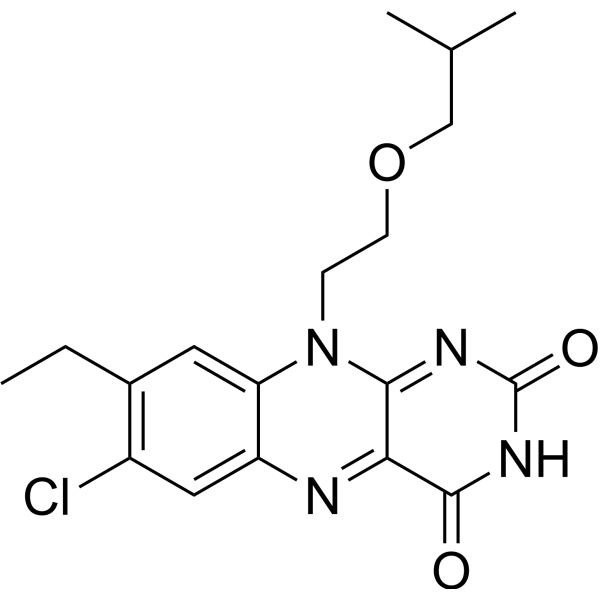 0 ImagesJG-2016 is a potent inhibitor of histone acetyltransferase 1 (HAT1) with an IC50 of 14.8 μM. JG-2016 can inhibit the growth of multiple tumor cells and has anti-tumor activity.
-
NEO2734
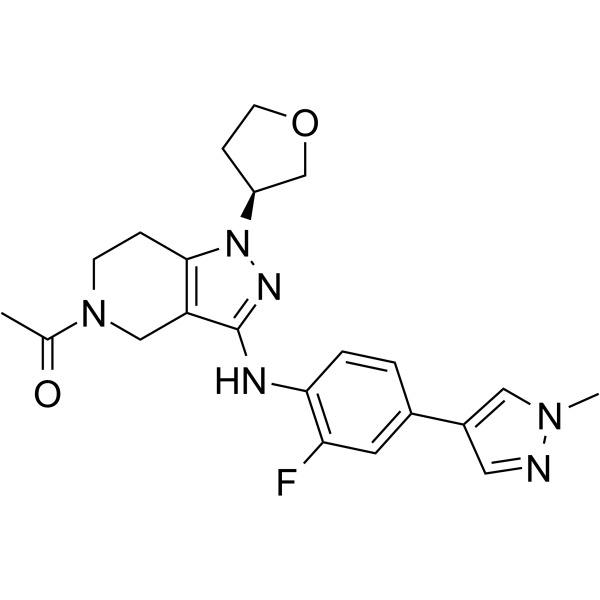
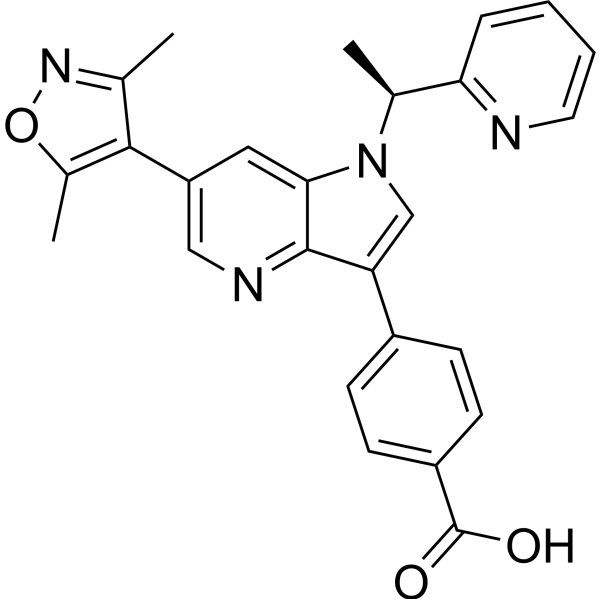
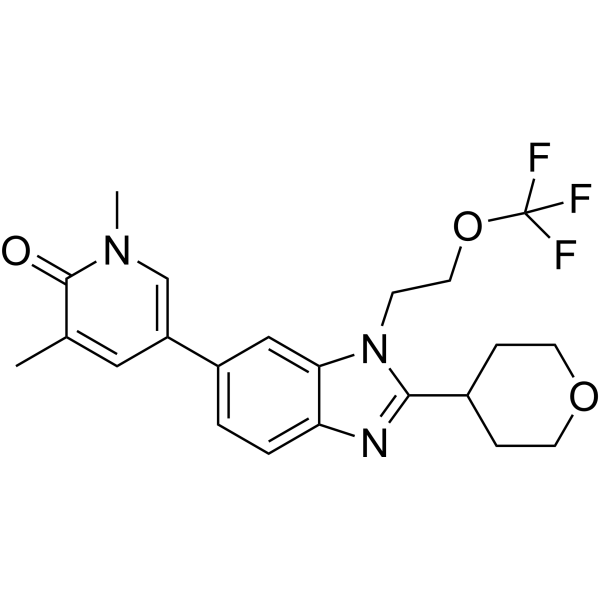 0 ImagesSynonyms: EP31670NEO2734 (EP31670) is an orally active dual p300/CBP and BET bromodomain selective inhibitor, with IC50 values of <30 nM for both p300/CBP and BET bromodomains. NEO2734 is active in SPOP mutant and wild-type prostate cancer.
-
WIZ degrader 9
 0 ImagesWIZ degrader 9 is an orally active molecular glue degrader of the WIZ transcription factor. As a molecular glue, WIZ degrader 9 recruits WIZ to the cereblon E3 ubiquitin ligase complex via its ZF7 domain, driving proteasome-dependent degradation of WIZ. WIZ degrader 9 induces hemoglobin production, reduces the level of H3K9 dimethylation across the whole genome and at the β-globin locus, upregulates the transcription of γ-globin and BGLT3, and increases the level of histone H3K9 acetylation in the promoter region of HBG1/2. WIZ degrader 9 effectively induces fetal hemoglobin production in both mice and cynomolgus monkeys. WIZ degrader 9 can be used for research on sickle cell disease.
-
TH1834
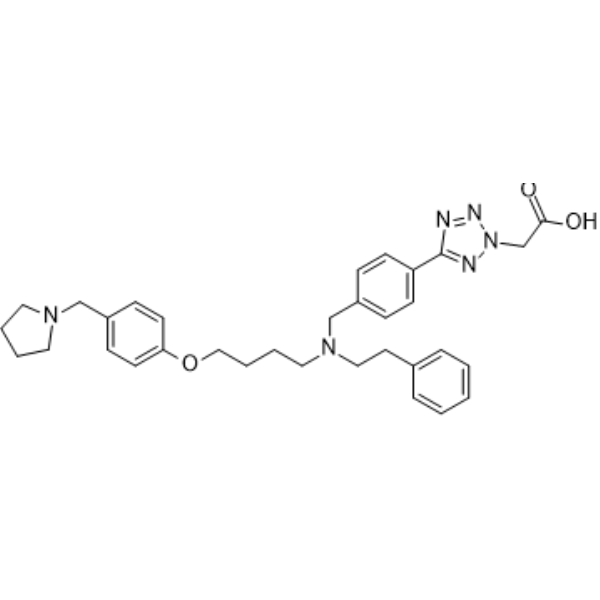 0 ImagesTH1834 is a specific Tip60 (KAT5) histone acetyltransferase (HAT) inhibitor. TH1834 induces apoptosis and increases DNA damage in breast cancer. TH1834 does not affect the activity of related histone acetyltransferase MOF. Anticancer activity.
-
AUR1545
 0 ImagesAUR1545 is a selective KAT2A/KAT2B ((GCN5/PCAF)) PROTAC degrader that induces monocyte differentiation and inhibits the growth of acute myeloid leukemia cells. AUR1545 inhibits cell growth, induces epithelial differentiation and suppresses tumor growth in small cell lung cancer models. AUR1545 inhibits cell growth and induces differentiation in neuroendocrine prostate cancer cells and primary patient-derived organoids. AUR1545 is applicable to research related to acute myeloid leukemia, small cell lung cancer and neuroendocrine prostate cancer.
-
MC4033
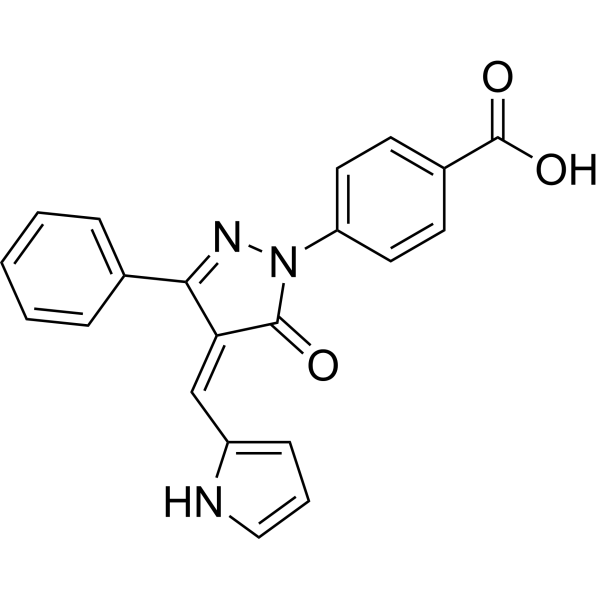
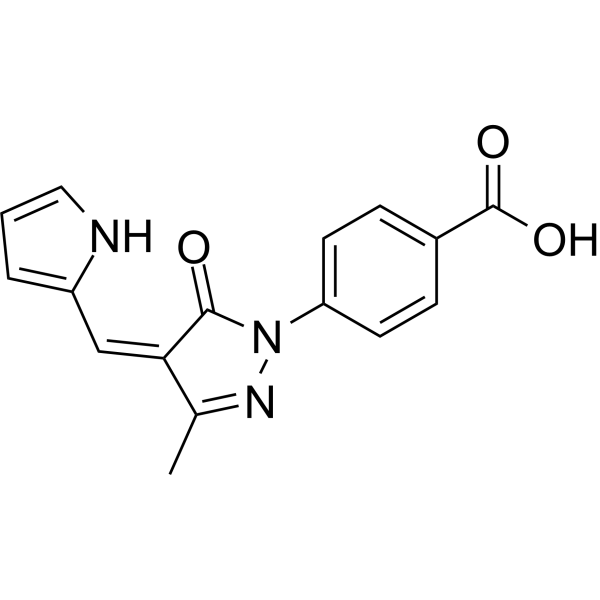 0 ImagesMC4033 shows IC50s of 39.4 μM, 52.1 μM, 41 μM and 30.1 μM in HCT116, H1299, A549 and U937, respectively.
MC4033 (25, 50, 100, and 200 μM, 72 h) reduces the level of H4K16Ac in HT29 cells, suggesting its ability to inhibit KAT8 in cells.
-
BMS-986470
 0 ImagesBMS-986470, a HbF-activating CRBN E3 ligase modulator (CELMoD), is an orally active dual molecular glue degrader targeting ZBTB7A and WIZ. BMS-986470 has potent γ-globin induction activity. BMS-986470 can be used for sickle cell disease (SCD) research.
-
Acetaminophen-d4
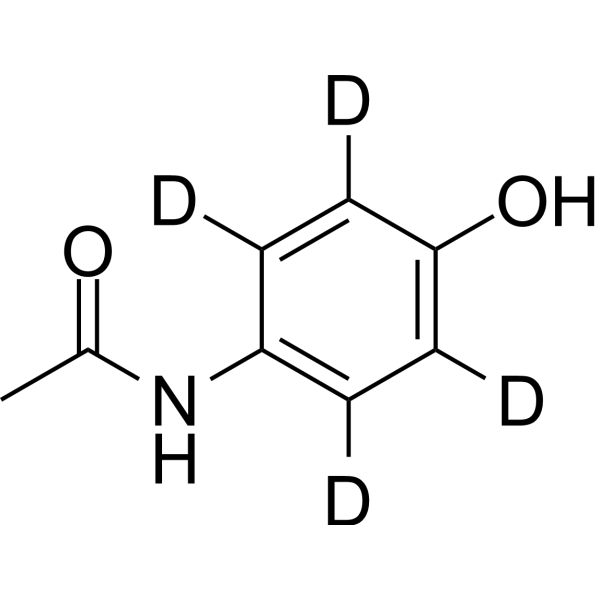 0 ImagesSynonyms: Paracetamol-d4; 4-Acetamidophenol-d4; 4'-Hydroxyacetanilide-d4Acetaminophen-d4 is the deuterium labeled Acetaminophen. Acetaminophen (Paracetamol) is a selective cyclooxygenase-2 (COX-2) inhibitor with an IC50 of 25.8 μM; is a widely used antipyretic and analgesic agent. Acetaminophen is a potent hepatic N-acetyltransferase 2 (NAT2) inhibitor.
-
YF-2
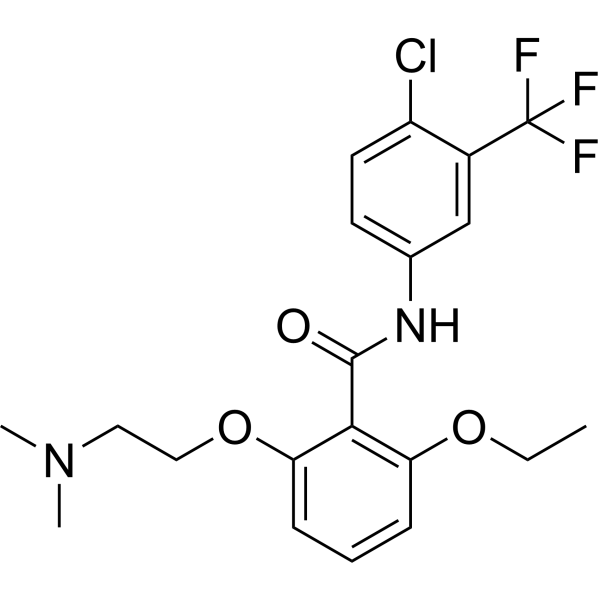 0 ImagesYF-2 is a highly selective, blood-brain-barrier permeable histone acetyltransferase activator, acetylates H3 in the hippocampus, with EC50s of 2.75 μM, 29.04 μM and 49.31 μM for CBP, PCAF, and GCN5, respectively, shows no effect on HDAC. Anti-cancer and anti-Alzheimer's disease.
-
5-Ph-IAA-AM
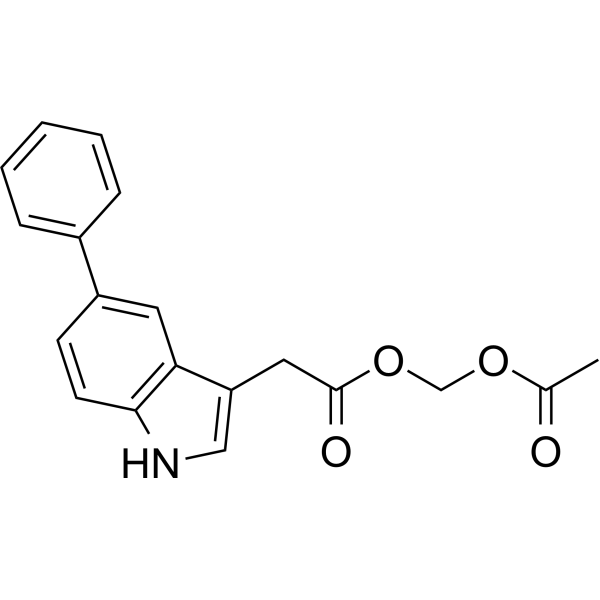 0 Images5-Ph-IAA-AM is an eggshell-permeable 5-Ph-IAA (HY-134653) analog which contains an acetoxymethyl (AM) group. 5-Ph-IAA-AM affords an enhanced protein degradation in laid embryos. 5-Ph-IAA-AM can be used to disclosure the roles of proteins in C. elegans, in particular those that are involved in embryogenesis and development, through temporally controlled protein degradation.
-
Naa50-IN-1
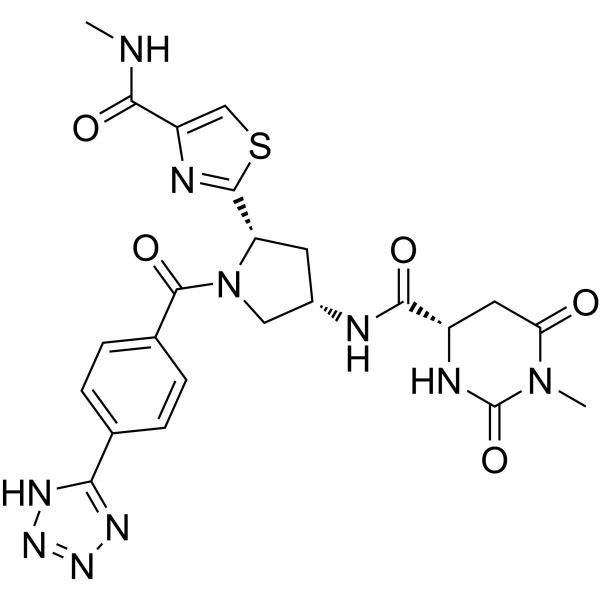 0 ImagesNaa50-IN-1 is an N-alpha-acetyltransferase 50 (Naa50) inhibitor with an IC50 of 7 nM against the human protein. Naa50-IN-1 exhibits selectivity toward the related enzymes Naa10 and Naa60. Naa50-IN-1 binds to the substrate-binding pocket of Naa50, and its binding affinity is enhanced by AcCoA.
-
TH1834 dihydrochloride
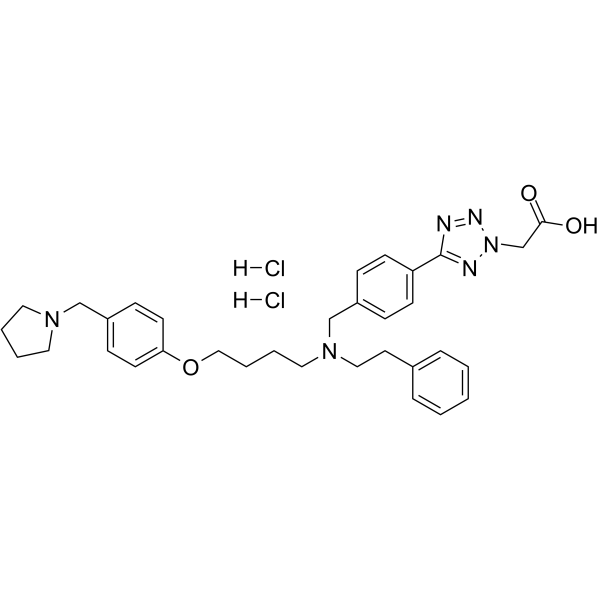 0 ImagesTH1834 dihydrochloride is a specific Tip60 (KAT5) histone acetyltransferase inhibitor. TH1834 dihydrochloride induces apoptosis and increases DNA damage in breast cancer. TH1834 dihydrochloride does not affect the activity of related histone acetyltransferase MOF. Anticancer activity.
-
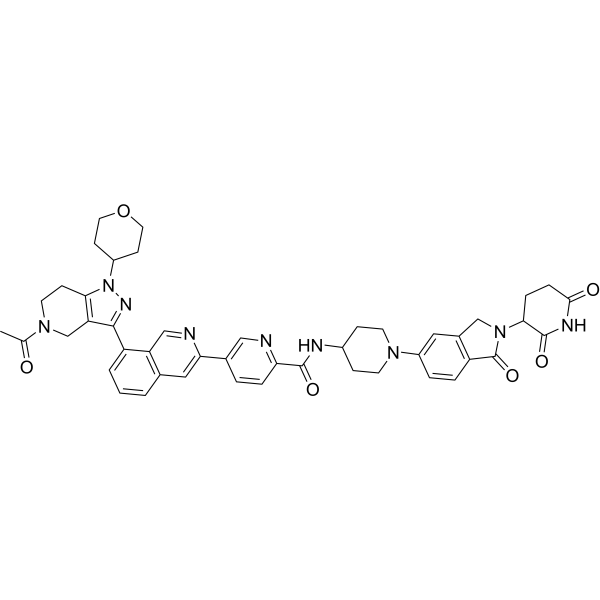
JET-209
 0 ImagesJET-209 is a potent CBP/p300 PROTAC degrader, with DC50 values of 0.05 nM and 0.2 nM for CBP and p300. JET-209 demonstrates remarkable anti-tumor activity against various acute leukemia cell lines and effectively inhibits tumor growth in xenograft tumor models. JET-209 can be used for the study of acute leukemia.




