



Histone Acetyltransferase
HATs; HAT
Histone acetyltransferases (HATs) are epigenetic enzymes that install acetyl groups onto lysine residues of cellular proteins such as histones, transcription factors, nuclear receptors, and enzymes. HATs are crucial for chromatin restructuring and transcriptional regulation in eukaryotic cells. HATs have been shown to play a role in diseases ranging from cancer and inflammatory diseases to neurological disorders, both through acetylations of histone proteins and non-histone proteins.
HATs can be grouped into at least five different subfamilies (HAT1, Gcn5/PCAF, MYST, p300/CBP, and Rtt109). HATs mediate many different biological processes including cell-cycle progression, dosage compensation, repair of DNA damage, and hormone signaling. Aberrant HAT function is correlated with several human diseases including solid tumors, leukemias, inflammatory lung disease, viral infection, diabetes, fungal infection, and drug addiction.
Histone Acetyltransferase Isoform Specific Products
All Product Categories
-
Histone Acetyltransferase Inhibitors
(178)
View all products
-
Histone Acetyltransferase Agonist
(1)
View all products
-
Histone Acetyltransferase Activators
(12)
View all products
-
Histone Acetyltransferase Modulators
(3)
View all products
-
Histone Acetyltransferase Degraders
(39)
View all products
-
Histone Acetyltransferase Controls
(5)
View all products
-
Histone Acetyltransferase Substrates
(5)
View all products
-
Histone Acetyltransferase Ligands
(11)
View all products
-
Histone Acetyltransferase Related Products (281)
Related Products (281)

-
Antibodies (25)
-
Histone Acetyltransferase Isoform Comparison
-
NSC 228155
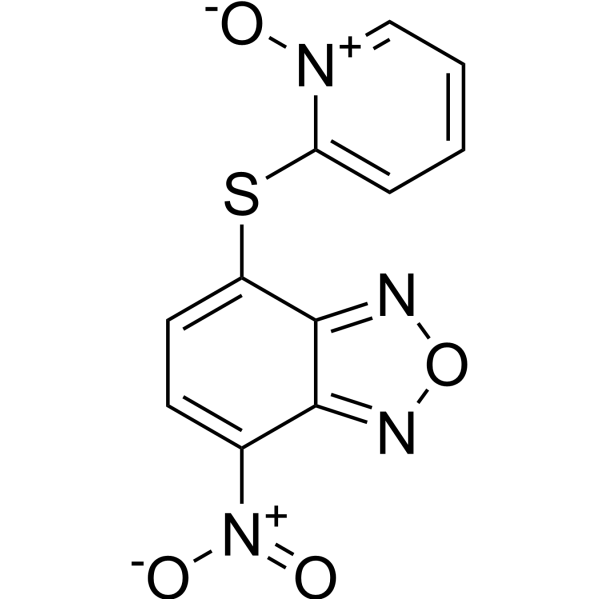 0 ImagesNSC 228155 is an activator of EGFR, binds to the extracellular region of EGFR and enhance tyrosine phosphorylation of EGFR. NSC 228155 is also a potent inhibitor of KIX-KID interaction, inhibits kinase-inducible domain (KID) from CREB and KID-interacting domain (KIX) from CBP, with an IC50 of 0.36 μM.
-
dCBP-1
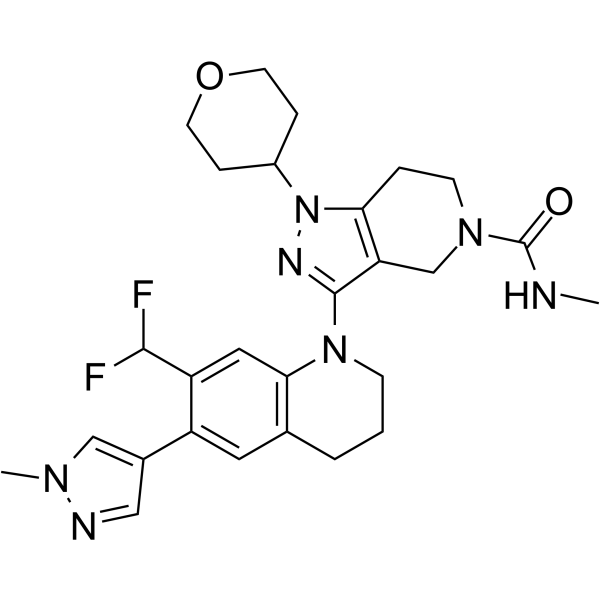
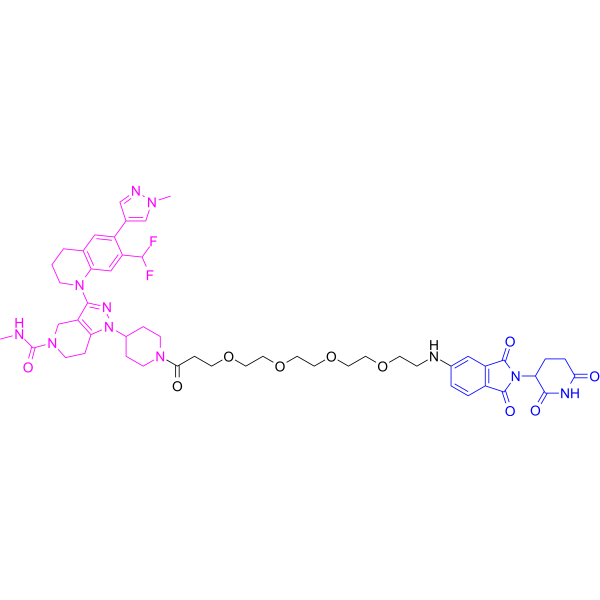 0 ImagesdCBP-1 is a potent and selective heterobifunctional degrader of p300/CBP based on Cereblon ligand. dCBP-1 is exceptionally potent at killing multiple myeloma cells and ablates oncogenic enhancer activity driving MYC expression.
-
Garcinol
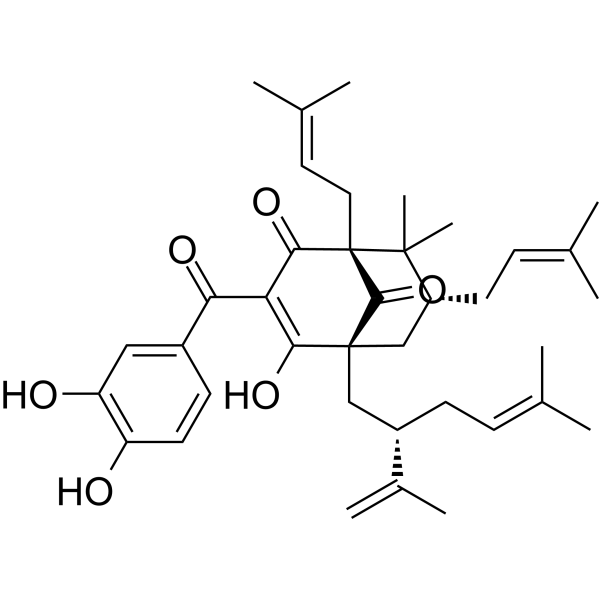 0 ImagesGarcinol, a polyisoprenylated benzophenone harvested from Garcinia indica, exerts anti-cholinesterase properties towards acetyl cholinesterase (AChE) and butyrylcholinesterase (BChE) with IC50s of 0.66 μM and 7.39 μM, respectively. Garcinol also inhibits histone acetyltransferases (HATs, IC50= 7 μM) and p300/CPB-associated factor (PCAF, IC50 = 5 μM). Garcinol has anti-inflammatory and anti-cancer activity.
-
CPTH2
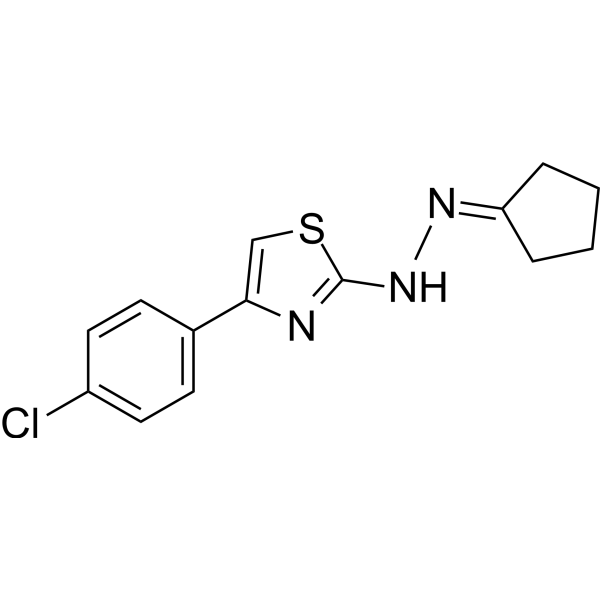 0 ImagesCPTH2 is a potent histone acetyltransferase (HAT) inhibitor. CPTH2 selectively inhibits the acetylation of histone H3 by Gcn5. CPTH2 induces apoptosis and decreases the invasiveness of a clear cell renal carcinoma (ccRCC) cell line through the inhibition of acetyltransferase p300 (KAT3B).
-
PU139
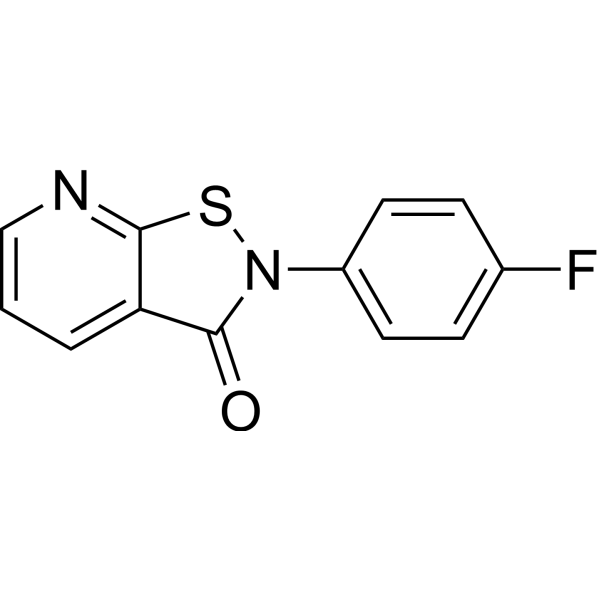 0 ImagesPU139 is a potent pan-histone acetyltransferase (HAT) inhibitor. PU139 blocks the HATs Gcn5, p300/CBP-associated factor (PCAF), CREB (cAMP response element-binding) protein (CBP) and p300 with IC50s of 8.39, 9.74, 2.49 and 5.35 μM, respectively.
-
Manganese chloride tetrahydrate, molecular biology grade,≥99.0% (KT)
 0 ImagesSynonyms: Manganese(Ⅱ) chloride tetrahydrate, molecular biology grade,≥99.0% (KT)Manganese chloride (tetrahydrate), molecular biology grade,≥99.0% (KT) is an orally active and a blood-brain barrier penetrant compound. It affects the activities of multiple enzymes in cells, such as regulating the activities of histone acetyltransferase (HAT) and histone deacetylase (HDAC), thereby affecting gene expression. It has multiple activities such as neurotoxicity, embryotoxicity, and reproductive toxicity. It is currently mainly used in neurodegenerative diseases and toxicology research.
-
TTK21
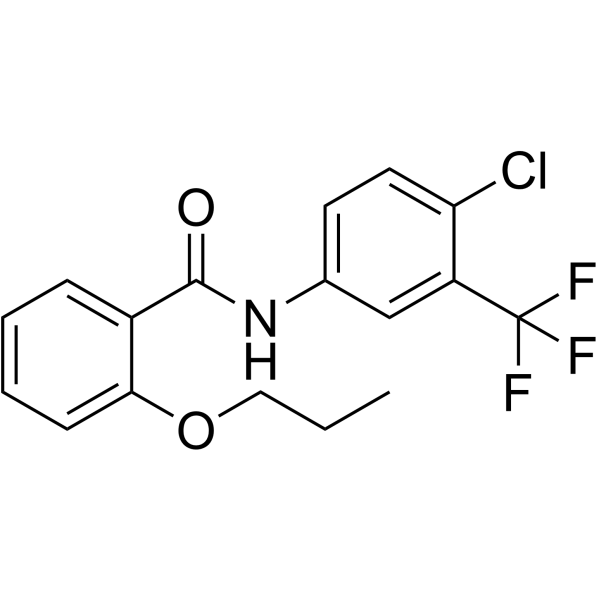 0 ImagesTTK21 is an activator of the histone acetyltransferases CBP/p300. TTK21 passes the blood–brain barrier, induces no toxicity, and reaches different parts of the brain when conjugated to glucose-based carbon nanosphere (CSP). TTK21 has beneficial implications for the brain functions of neurogenesis and long-term memory.CSP-TTK21 can ameliorate Aβ-impaired long-term potentiation (LTP). CSP-TTK21 may enhance the transcription of genes that promote synaptic health and cognitive function. CSP-TTK21 is orally effective and leads to improvements in motor functions, histone acetylation dynamics in a spinal injury rat model.
-
CPI-1612
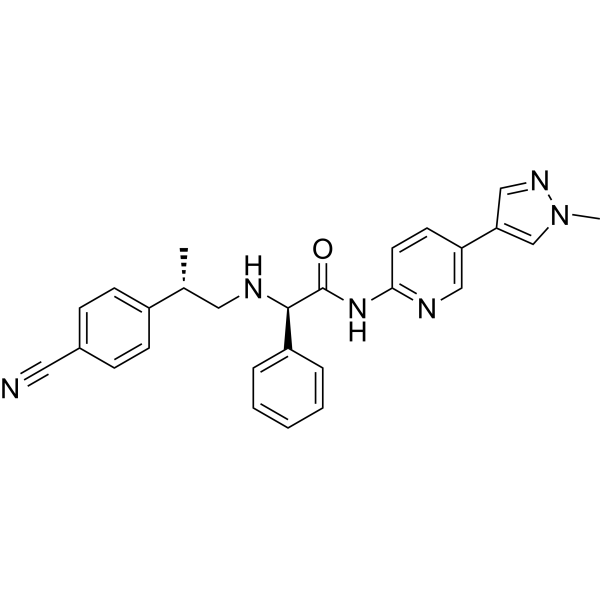 0 ImagesCPI-1612 is a highly potent, orally active EP300/CBP histone acetyltransferase (HAT) inhibitor with an IC50 of 8.1 nM for EP300 HAT. CPI-1612 has an anticancer activity.
-
CBPD-409
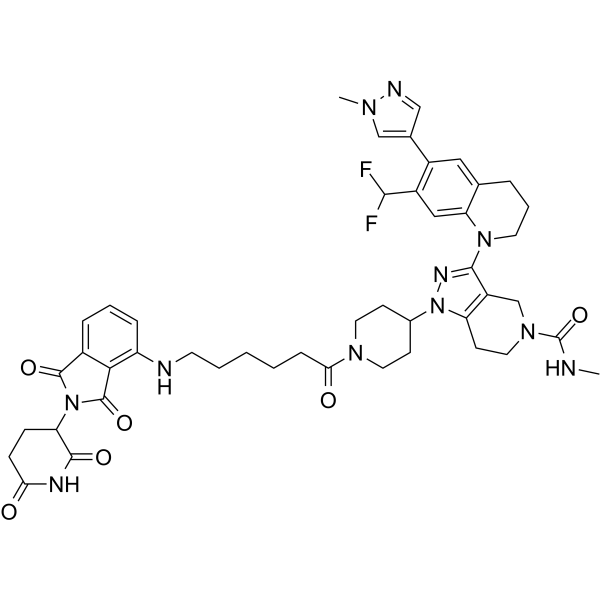
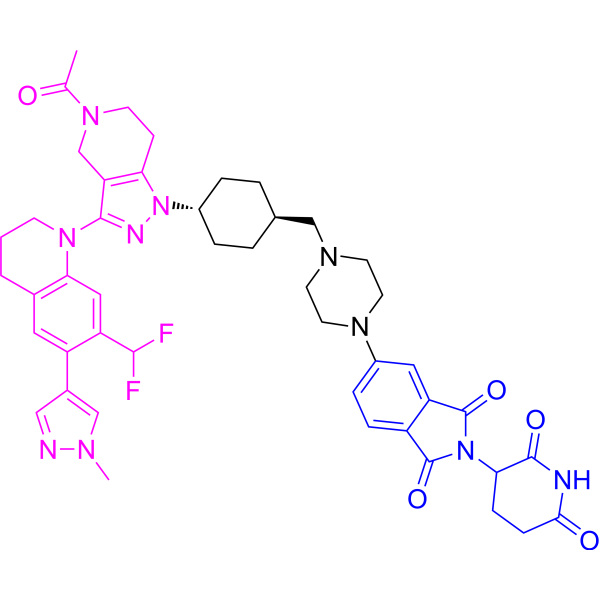 0 ImagesCBPD-409 is an orally active PROTAC degrader for CBP/p300, with DC50 of 0.2–0.4 nM. CBPD-409 exhibits antiproliferative effects in AR+ prostate cancer cell lines VCaP, LNCaP and 22Rv1, with IC50s of 1.2–2.0 nM. CBPD-409 exhibits antitumor efficacy (Red: CBP inhibitor GNE049 (HY-108435); Blue: CRBN/cullin 4A Thalidomide (HY-14658); Black: Linker).
-
Curcumin (Standard)
 0 ImagesSynonyms: Diferuloylmethane (Standard); Natural Yellow 3 (Standard); Turmeric yellow (Standard)Curcumin (Standard) is the analytical standard of Curcumin (HY-N0005). This product is intended for research and analytical applications. Curcumin (Diferuloylmethane), a natural phenolic compound, is a p300/CREB-binding protein-specific inhibitor of acetyltransferase, represses the acetylation of histone/nonhistone proteins and histone acetyltransferase-dependent chromatin transcription. Curcumin is a photosensitizer against microorganisms. Curcumin shows inhibitory effects on NF-κB and MAPKs, and has diverse pharmacologic effects including anti-inflammatory, antioxidant, antiproliferative and antiangiogenic activities. Curcumin induces stabilization of Nrf2 protein through Keap1 cysteine modification.
-
CBP/p300 ligand 2
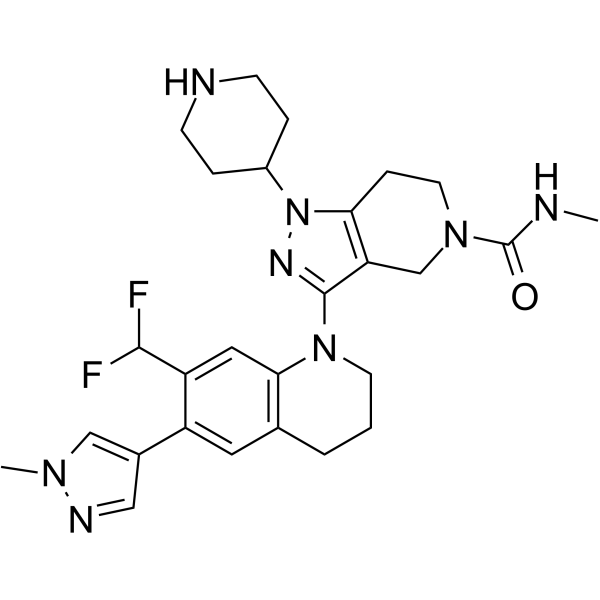 0 ImagesCBP/p300 ligand 2 is a ligand for target protein for PROTAC of dCBP-1. dCBP-1 is a potent and selective heterobifunctional degrader of p300/CBP.
-
JQAD1
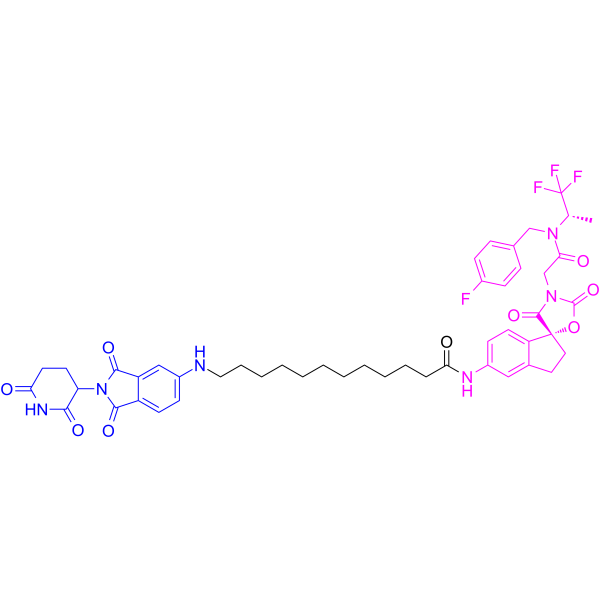 0 ImagesJQAD1 is a EP300 PROTAC degrader. JQAD1 selectively targets EP300 and induces its degradation via the CRBN-dependent proteasomal pathway. JQAD1 reduces the levels of H3K27ac and the expression of MYCN. JQAD1 induces apoptosis (apoptosis) and inhibits cancer cell growth. JQAD1 exerts anti-neuroblastoma effects in vivo in a CRBN-dependent manner. JQAD1 can be used for the research of neuroblastoma.
-
N4-Acetylcytidine
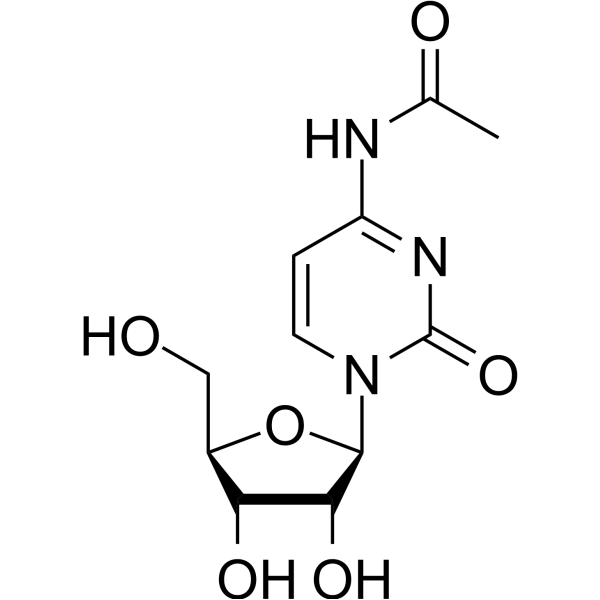 0 ImagesN4-acetylcytidine (N4A) is an endogenous nucleoside metabolite from the degradation of tRNA. N4-Acetylcytidine is formed by N-acetyltransferase 10 and other enzymes. N4-acetylcytidine might sustain NLRP3 inflammasome activation via induction of HMGB1 expression and releasee. N4-Acetylcytidine modifies mRNA, tRNA and rRNA, affecting their stability, translation efficiency (such as enterovirus 71 RNA). N4-Acetylcytidine is used in the study of cancer, neuroinflammatory diseases, viral infections and obesity.




