



Keap1-Nrf2
Keap1-Nrf2 is the major regulator of cytoprotective responses to electrophilic chemicals or reactive oxygen species (ROS). Keap1 is an E3 ligase, which induces the degradation of Nrf2 by ubiquitin-proteasome system (UPS). Upregulation of Nrf2 inducing by inactivation of Keap1 is often observed in cancer cells. Aberrant activation of Nrf2 in cancer cells accelerates proliferation and metabolism. For this case, Nrf2 is an attractive molecule as a therapeutic target in cancer and a lot number of Nrf2 inhibitors are developed. What’s interesting, Nrf2 induction is also reported to be treatment strategies for accelerating the detoxification of carcinogens and protect the body from chemical carcinogenesis.
All Product Categories
-
Keap1-Nrf2 Related Products (525)
Related Products (525)

-
Antibodies (7)
-
Bisdemethoxycurcumin
 0 ImagesCat. No.: HY-N2942CAS No.: 52328-96-8Bisdemethoxycurcumin is an orally effective curcuminoid. Bisdemethoxycurcumin downregulates pro-inflammatory cytokines in macrophages by inhibiting the phosphorylation of PI3K/Akt and p38 MAPK. Bisdemethoxycurcumin relieves autophagy inhibition and promotes lipophagy to clear vascular smooth muscle foam cells by inhibiting the PDK1/Akt/mTOR pathway. Bisdemethoxycurcumin activates the cAMP/Epac/AMPKα axis and the NRF2/HO-1 antioxidant axis, thereby indirectly inhibiting the phosphorylation of NF-κB p65 and pro-inflammatory outputs such as IL-1β/IL-6/TNF-α, so as to alleviate pulmonary oxidative stress, inflammatory infiltration and pulmonary edema. Bisdemethoxycurcumin blocks NLRP3-mediated pyroptosis and protects cartilage extracellular matrix degradation by activating NRF2/HO-1. Bisdemethoxycurcumin also exerts a synergistic effect with potassium iodide against Candida.
-
CF-Carvacrol
 0 ImagesCat. No.: HY-175005CF-Carvacrol is an orally active lipid-lowering agent synthesized by merging the pharmacophores of Carvacrol (HY-N0711) and Clofibric acid (HY-B1415). CF-Carvacrol has a good affinity for PPAR-α. CF-Carvacrol has significant hypolipidemic activity and may exert antioxidant and anti-inflammatory activity by activating the Nrf2/HO-1 signaling pathway to reduce liver injury. CF-Carvacrol can be used for the study of CF-induced liver damage.
-
S217879
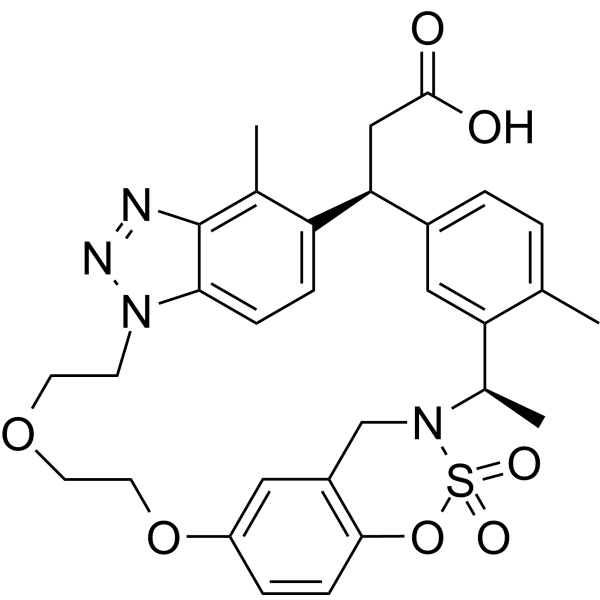 0 ImagesCat. No.: HY-156065CAS No.: 2700303-28-0S217879 is an orally active and selective NRF2 activator. S217879 activates the NRF2 pathway by specifically disrupting the KEAP1 (Kd: 4.15 nM)-NRF2 interaction, and upregulates the antioxidant response. S217879 also ameliorates steatohepatitis and reduces the degree of liver fibrosis. S217879 can be used in the research of metabolic dysfunction-associated steatotic liver disease and nonalcoholic steatohepatitis.
-
Nrf2/HO-1 activator 3
 0 ImagesCat. No.: HY-170867Nrf2/HO-1 activator 3 (Compound C3a) is the activator for Nrf2 signaling pathway that promotes the Nrf2 translocation into nuclei and upregulates the expression of heme oxygenase-1 HO-1. Nrf2/HO-1 activator 3 inhibits the overespression of ROS and MDA in H2O2- or glucose-stimulated H9c2 cardiomyocytes, inhibits the cell viability and colony formation, thereby exhibiting antioxidant efficacy.
-
Alginate oligosaccharides
 0 ImagesCat. No.: HY-N20693Synonyms: AOSAlginate oligosaccharides (AOS) are orally effective linear oligosaccharides with anti-inflammatory, antioxidant and antimicrobial activities. Alginate oligosaccharides inhibit the activation of NLRP3 inflammasome and NF-κB, promote nuclear translocation of Nrf2 and phosphorylation of AMPK, and reduce the enhanced functional level of TRPV1. Alginate oligosaccharides improve oxidative stress, ROS production, mitochondrial bioenergetic dysfunction and gait impairment. Alginate oligosaccharides inhibit the release of neuropeptides; alter the structure and viscoelasticity of mucin matrix; disrupt bacterial and fungal biofilms; regulate gut microbiota; and exert anti-apoptotic effects.
-
Tovophyllin A
 0 ImagesCat. No.: HY-N18091CAS No.: 40738-44-1Tovophyllin A is an orally active xanthonoid compound. Tovophyllin A exerts neuroprotective effects against Parkinson's disease by activating the Akt/GSK3β signaling pathway. Tovophyllin A protects mouse models of liver injury by activating Nrf2. Tovophyllin A exhibits protective anti-inflammatory activity in mouse models of acute lung injury. Tovophyllin A inhibits the activation of NF-κB and subsequent release of pro-inflammatory cytokines. Tovophyllin A reduces apoptotic cell death (Apoptosis). Tovophyllin A has antiplasmodial activity. Tovophyllin A shows cytotoxic activity against lung epithelial cancer cells and breast cancer cells. Tovophyllin A can be used in research related to Parkinson's disease, liver injury, acute lung injury, lung epithelial cancer, and breast cancer.
-
FSVVPSPK
 0 ImagesCat. No.: HY-P11608CAS No.: 2016043-82-4FSVVPSPK is an orally active peptide. FSVVPSPK exerts significant anti-adipogenic, antioxidant and anti-inflammatory effects in vitro and in vivo, mainly through activating the HO-1/Nrf2 pathway. FSVVPSPK can be used in research related to obesity and metabolic disorders.
-
JHB-17
 0 ImagesCat. No.: HY-184115JHB-17 is an IKKβ inhibitor with blood-brain barrier permeability, with an IC50 of 1.1 μM and a KD of 1.293 μM. JHB-17 is a non-ATP competitive inhibitor targeting the allosteric site of IKKβ, and it inhibits the phosphorylation of IKKβ. JHB-17 promotes the nuclear translocation of Nrf2, upregulates the expression of HO-1, SLC7A11 and glutathione, and reduces ROS to exert antioxidant effects. JHB-17 reduces cerebral infarction volume and improves neurobehavioral function. JHB-17 can be used in the research of cerebral ischemia-reperfusion injury.
-
SH543
 0 ImagesCat. No.: HY-180112SH543 is a potent anti-osteoporosis agent. SH543 inhibits nuclear factor κB ligand (RANKL)-induced osteoclastogenesis with an IC50 of 3.3 nM. SH543 directly binds to KEAP1, activates the Nrf2-HO-1 antioxidant pathway, reduces ROS levels, and inhibits PI3K-AKT and MAPK signaling pathways. SH543 attenuates pathological bone loss in ovariectomized mice. SH543 can be used for osteoporosis research.
-
TBE 31
 0 ImagesCat. No.: HY-141439CAS No.: 936475-62-6TBE 31 is an orally active Keap1/Nrf2 pathway activator and NQO1 inducer with a Dm value of 1.1 nM for NQO1. TBE 31 binds to cysteine residues of Keap1, inhibits ubiquitination and degradation of Nrf2, thereby activating the expression of ARE-dependent genes. TBE 31 induces cytoprotective enzymes including NQO1 and GST isoforms, promotes Nrf2 accumulation, and upregulates Nrf2-regulated genes related to antioxidation and lipid metabolism. TBE 31 inhibits pro-inflammatory responses, formation of AFB1-DNA adducts, endoplasmic reticulum stress, cell apoptosis (apoptosis), hepatic fibrosis, oxidative stress, and the expression of ChREBP. TBE 31 reduces the number of tumors in a mouse model of ultraviolet-induced skin carcinogenesis. TBE 31 enhances nerve growth factor-induced neurite outgrowth. TBE 31 attenuates LPS-induced serum TNF-α levels and immobility time in mice. TBE 31 can be used in research related to liver cancer, skin cancer, inflammation-related depression, and non-alcoholic steatohepatitis.
-
Isoeucommin A
 0 ImagesCat. No.: HY-N19615CAS No.: 134859-90-8Isoeucommin A is a lignan compound. Isoeucommin A activates the Nrf2/HO-1 pathway and induces phosphorylation of GSK-3β. Isoeucommin A reduces the levels of pro-inflammatory cytokines TNF-α, IL-1β and IL-6, decreases the oxidative stress marker MDA, increases the antioxidants SOD and GSH, and alleviates oxidative stress in mesangial cells. Isoeucommin A alleviates renal tissue injury, improves impaired renal function and enhances the viability of renal tubular epithelial cells in diabetic nephropathy models. Isoeucommin A can be used in the research of diabetic nephropathy.
-
Propoxur (Standard)
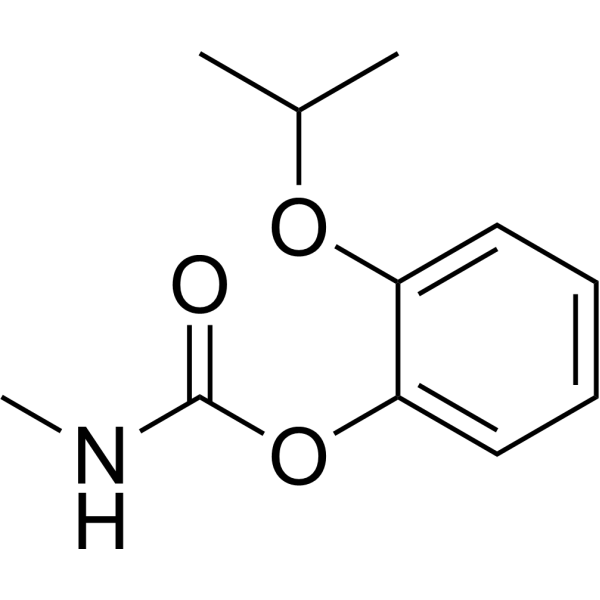 0 ImagesPropoxue (Standard) is the analytical standard of Propoxue (HY-B0916). This product is intended for research and analytical applications. Propoxur is a reversible, competitive, orally active AChE inhibitor that can cross the blood-brain barrier. Propoxur inhibits AChE activity to induce neurotoxicity, while promoting MMP-2 expression and enhancing tumor cell migration and invasion by inducing intracellular ROS generation and activating the ERK/Nrf2 signaling pathway. On the one hand, Propoxur inhibits AChE, leading to acetylcholine accumulation and causing neurological dysfunction; on the other hand, it promotes Nrf2 nuclear translocation through ROS-dependent ERK1/2 phosphorylation, and upregulates MMP-2 and other invasion-related proteins. Propoxur is also a carbamate insecticide used to combat turf, forestry, and household pests.
-
Nrf2 activator 18
 0 ImagesCat. No.: HY-168709Nrf2 activator 18 (Compound 11a) is an orally active activator for Keap1/Nrf2/HO-1 signaling pathway, that promotes the Nrf2 nuclear translocation, and enhances the antioxidant efficacy. Nrf2 activator 18 inhibits the release of IL-6 with an IC50 of 4.816 μM. Nrf2 activator 18 exhibits anti-inflammatory efficacy in mouse PM2.5-induced lung injury model.
-
7-Deacetylgedunin
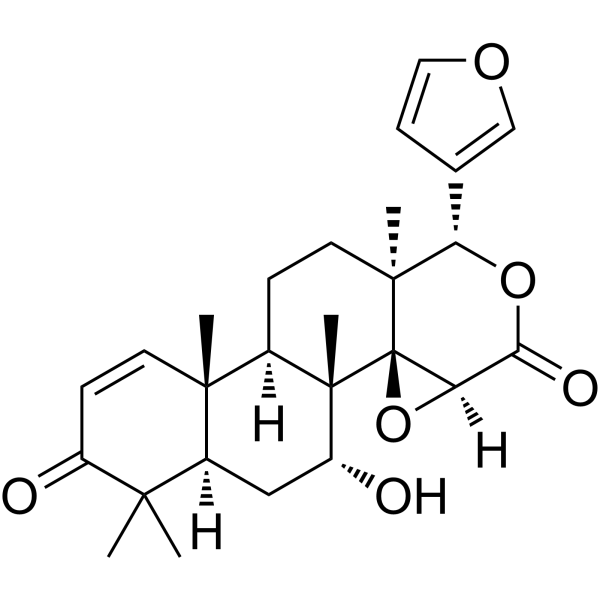 0 ImagesCat. No.: HY-124941CAS No.: 10314-90-67-Deacetylgedunin is an activator of Keap1/Nrf2/HO-1. 7-Deacetylgedunin alleviates mice mortality induced by LPS. 7-Deacetylgedunin inhibits Keap1 expression and suppresses macrophage proliferation. 7-Deacetylgedunin suppresses inflammation in vivo and in vitro.
-
(Rac)-Salvianic acid A sodium (Standard)
 0 ImagesCat. No.: HY-N0106RCAS No.: 67920-52-9Synonyms: (Rac)-Danshensu sodium (Standard); (Rac)-Tanshinol sodium (Standard)(Rac)-Salvianic acid A (sodium) (Standard) is the analytical standard of (Rac)-Salvianic acid A (sodium). This product is intended for research and analytical applications. (Rac)-Salvianic acid A sodium is the racemic form of Salvianic acid A (HY-N1913). Salvianic acid A is an orally active phenolic compound that induces Nrf2/HO-1 activation and inhibits the NF-κB pathway, and it also activates the mitochondrial antioxidant defense system (Mitochondrial Metabolism). Salvianic acid A exhibits anti-inflammatory, antioxidant, and anti-apoptotic properties (Apoptosis), demonstrating potential for research into inflammation and cardiovascular diseases.
-
Propoxur-d7
 0 ImagesCat. No.: HY-W750153CAS No.: 2140327-65-5Propoxur-d7 is the deuterium labeled Propoxur. Propoxur is a reversible, competitive, orally active AChE inhibitor that can cross the blood-brain barrier. Propoxur inhibits AChE activity to induce neurotoxicity, while promoting MMP-2 expression and enhancing tumor cell migration and invasion by inducing intracellular ROS generation and activating the ERK/Nrf2 signaling pathway. On the one hand, Propoxur inhibits AChE, leading to acetylcholine accumulation and causing neurological dysfunction; on the other hand, it promotes Nrf2 nuclear translocation through ROS-dependent ERK1/2 phosphorylation, and upregulates MMP-2 and other invasion-related proteins. Propoxur is also a carbamate insecticide used to combat turf, forestry, and household pests.
-
Pulegone-d8
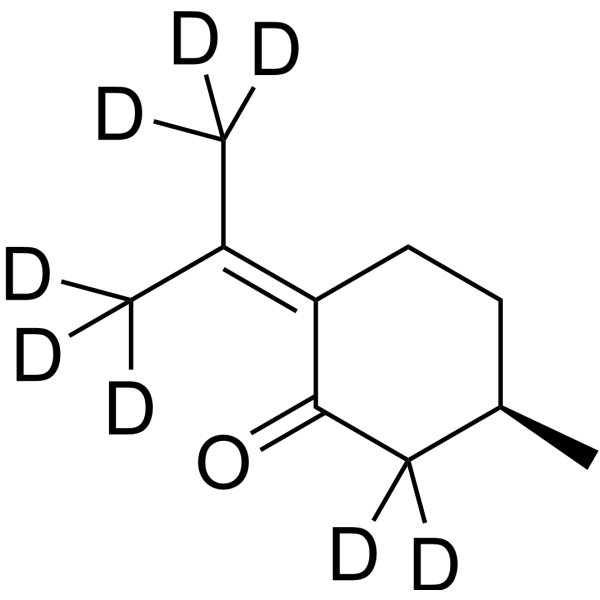 0 ImagesCat. No.: HY-N1500S1CAS No.: 62385-90-4Pulegone-d8 is deuterated labeled Pulegone (HY-N1500). Pulegone is a monoterpene ketone compound widely present in the essential oils of many plants. Pulegone can also be used as a bird repellent. Pulegone has multiple activities such as anti-inflammatory, antibacterial, antifungal, and anti-hyperalgesic effects. Pulegone is particularly effective against bacteria of the Salmonella species.
-
Corynoline (Standard)
 0 ImagesCat. No.: HY-N0826RCAS No.: 18797-79-0Corynoline (Standard) is the analytical standard of Corynoline. This product is intended for research and analytical applications. Corynoline is a reversible and noncompetitive acetylcholinesterase (AChE) inhibitor with an IC50 of 30.6 μM. Corynoline exhibits anti-inflammatory activity by activating Nrf2.
-
Anti-inflammatory agent 72
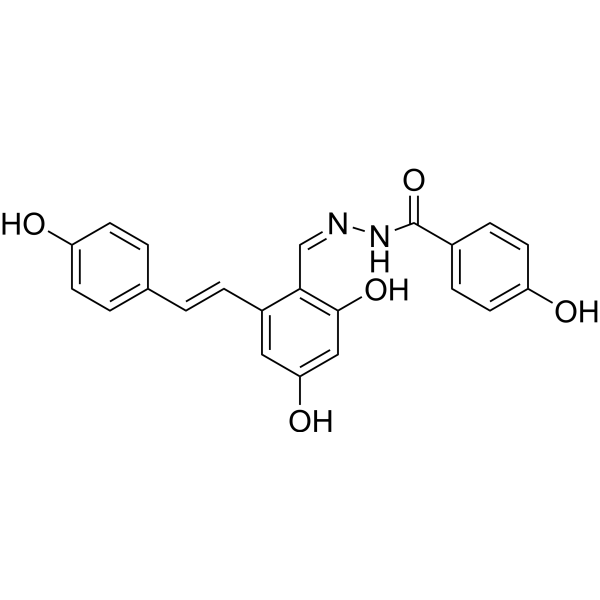 0 ImagesCat. No.: HY-162170CAS No.: 3036299-85-8Anti-inflammatory agent 72 (compound 5) is a novel resveratrol derivative hybrid with benzoylhydrazine. Anti-inflammatory agent 72 shows anti-inflammatory and antioxidant activities by activating Nrf2 and inhibiting NF-κB p65/iNOS and MAPKs signaling pathways.
-
Sesaminol
 0 ImagesCat. No.: HY-N15190CAS No.: 74061-79-3Sesaminol is an orally active activator for Nrf2-ARE pathway, that promotes the the nuclear translocation of Nrf2 and enhances the NQO1 expression, thereby enhances the cell's defense against oxidative stress. Sesaminol inhibits 6-OHDA (HY-B1081)-induced ROS production and apoptosis in cell SH-SY5Y. Sesaminol exhibits neuroprotective efficacy against Rotenone (HY-B1756)-induced Parkinson's disease.




