2408 Results for "

decrease

" in MedChemExpress (MCE) Product Catalog:
Products (2408)

2408 Results for "decrease" in MCE Product Catalog:

14
14 Cited Publications
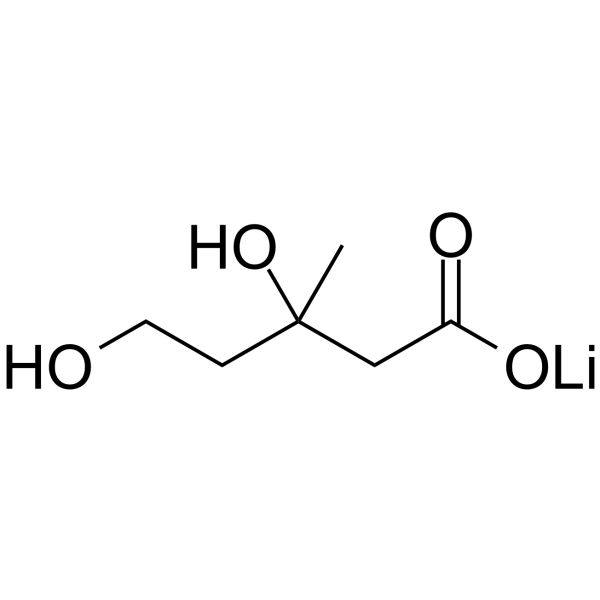
Art. -Nr.: HY-113071A
CAS. Nr.: 2618458-93-6
Reinheit:  ≥98.0%
Synonyms: MVA lithium salt
Mevalonic acid (MVA) lithium salt is a precursor substance of the mevalonate pathway, which is essential for cell growth and proliferation. Mevalonic acid lithium salt is effective in inhibiting Simvastatin (HY-17502)-induced decrease in C2C12 cell viability in vitro. Mevalonic acid lithium salt can be used in studies of myopathy and heart failure .
loading...
    loading...
14
14 Cited Publications
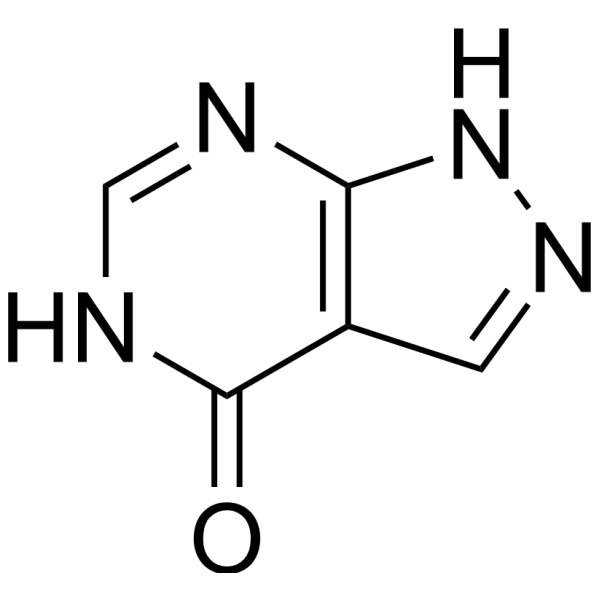
Art. -Nr.: HY-B0219
CAS. Nr.: 315-30-0
Allopurinol is a potent and orally active xanthine oxidase inhibitor with an IC50 value of 0.2-50 μM. Allopurinol can be used in the research of hyperuricemia and gout. Allopurinol decreases the expression of HIF-1α and HIF-2α protein. Allopurinol shows anti-depressant and anti-nociception activity. Anti-leishmanial effect .
loading...
    loading...
14
14 Cited Publications
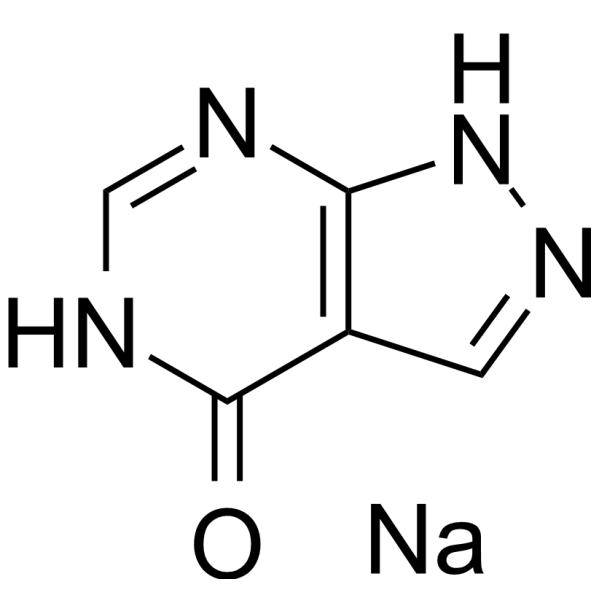
Art. -Nr.: HY-B0219A
CAS. Nr.: 17795-21-0
Allopurinol sodium is a potent and orally active xanthine oxidase inhibitor with an IC50 value of 0.2-50 μM. Allopurinol sodium can be used in the research of hyperuricemia and gout. Allopurinol sodium decreases the expression of HIF-1α and HIF-2α protein. Allopurinol sodium shows anti-depressant and anti-nociception activity. Anti-leishmanial effect .
loading...
    loading...
14
14 Cited Publications
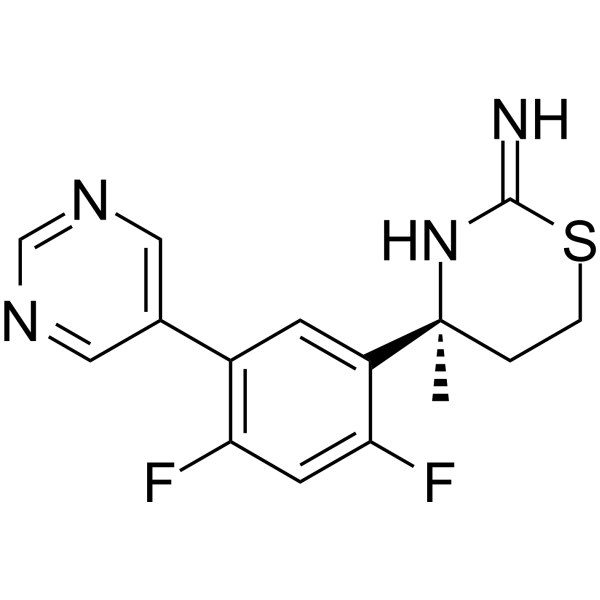
Art. -Nr.: HY-10472
CAS. Nr.: 1194044-20-6
Reinheit:  99.62%
Target:  

Beta-secretase

Forschungsgebiete:  

Neurological Disease

LY2811376 is the first orally available non-peptidic β-secretase (BACE1) inhibitor with IC50 of 239 nM-249 nM, that acts to decrease Aβ secretion with EC50 of 300 nM, and demonstrates to have 10-fold selectivity towards BACE1 over BACE2, and more than 50-fold inhibition over other aspartic proteases including cathepsin D, pepsin, or renin.
loading...
    loading...
14
14 Cited Publications
Art. -Nr.: HY-W009156
CAS. Nr.: 6100-05-6
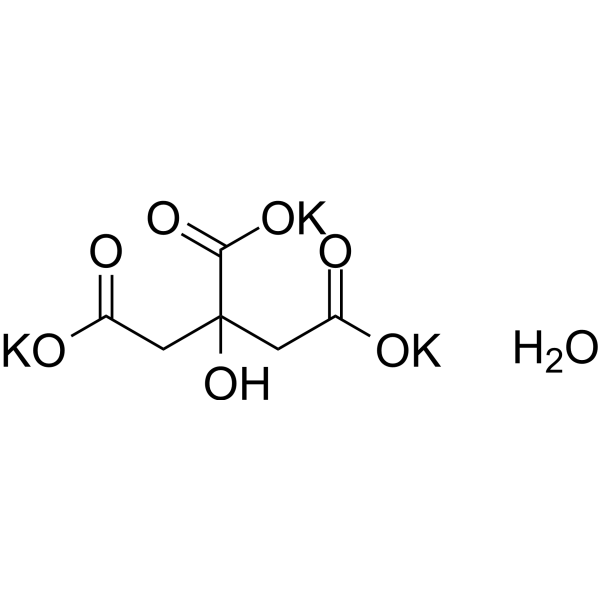
Synonyms: Potassium citrate monohydrate
Citric acid tripotassium hydrate (Potassium citrate monohydrate) is a natural preservative and food tartness enhancer. Citric acid tripotassium hydrate induces apoptosis and cell cycle arrest at G2/M phase and S phase in HaCaT cells. Citric acid tripotassium hydrate cause oxidative damage of the liver by means of the decrease of antioxidative enzyme activities. Citric acid tripotassium hydrate is also an acidulant, emulsifier, sequestrant and buffering agent widely used across many industries .
loading...
    loading...
14
14 Cited Publications
Art. -Nr.: HY-111784
CAS. Nr.: 2222941-37-7
Reinheit:  99.94%
Synonyms: CCS1477
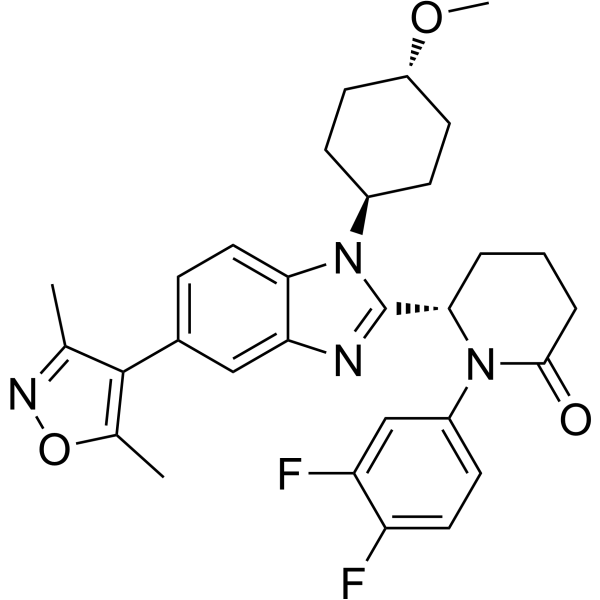
Inobrodib (CCS1477) is an orally active, potent, and selective inhibitor of the p300/CBP bromodomain. Inobrodib binds to p300 and CBP with Kd values of 1.3 and 1.7 nM, respectively, and with 170/130-fold selectivity compared with BRD4 with a Kd of 222 nM. CCS1477 inhibits cell proliferation in prostate cancer cell lines and decreases androgen receptor (AR)- and C-MYC-regulated gene expression .
loading...
    loading...
14
14 Cited Publications
Art. -Nr.: HY-B1295
CAS. Nr.: 6080-58-6
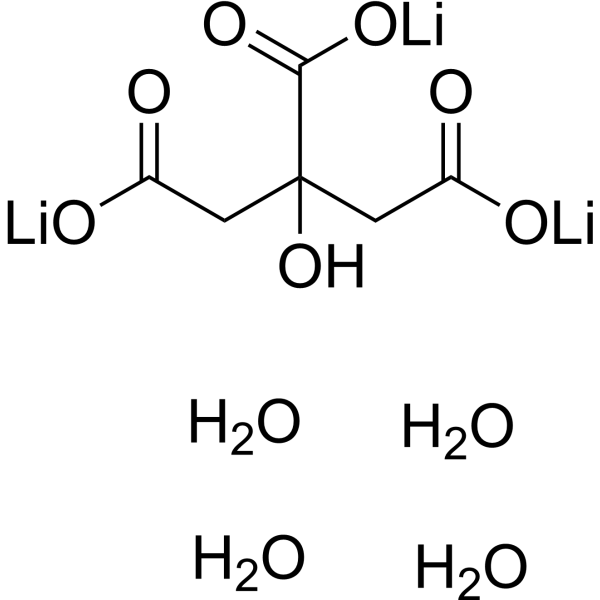
Synonyms: Litarex tetrahydrate
Lithium citrate (Litarex) tetrahydrate is a natural preservative and food tartness enhancer. Lithium citrate tetrahydrate induces apoptosis and cell cycle arrest at G2/M phase and S phase in HaCaT cells. Lithium citrate tetrahydrate cause oxidative damage of the liver by means of the decrease of antioxidative enzyme activities. Lithium citrate tetrahydrate is also an acidulant, emulsifier, sequestrant and buffering agent widely used across many industries .
loading...
    loading...
14
14 Cited Publications
Art. -Nr.: HY-B0331
CAS. Nr.: 75847-73-3
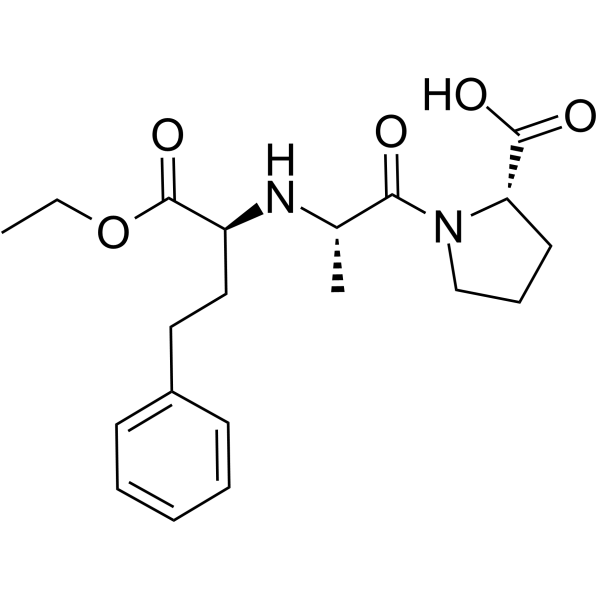
Synonyms: MK-421
Enalapril (MK-421) is an orally active angiotensin-converting enzyme inhibitor. Enalapril blocks the conversion of angiotensin I to angiotensin II, regulates the renin-angiotensin system, reduces preload and afterload, and decreases plasma angiotensin II levels. Enalapril inhibits apoptosis, reduces nitric oxide metabolite levels, stabilizes endothelial cells, enhances endothelial antioxidant defense, scavenges reactive oxygen species (ROS), and alleviates neuronal damage. Enalapril attenuates glutathione depletion, protein/lipid oxidation, tissue damage, and type III collagen immunolabeling in organs of diabetic rats. Enalapril reduces systolic blood pressure and urinary albumin excretion, and delays the progression of diabetic cardiac/renal injury. Enalapril is used in research related to asymptomatic left ventricular dysfunction, congestive heart failure, Alzheimer's disease, diabetes mellitus, acute myocardial infarction, atrial fibrillation, hypertension, cerebral ischemia, chronic heart failure, and single-ventricle physiology .
loading...
    loading...
14
14 Cited Publications
Art. -Nr.: HY-B0331A
CAS. Nr.: 76095-16-4
Synonyms: MK-421 maleate
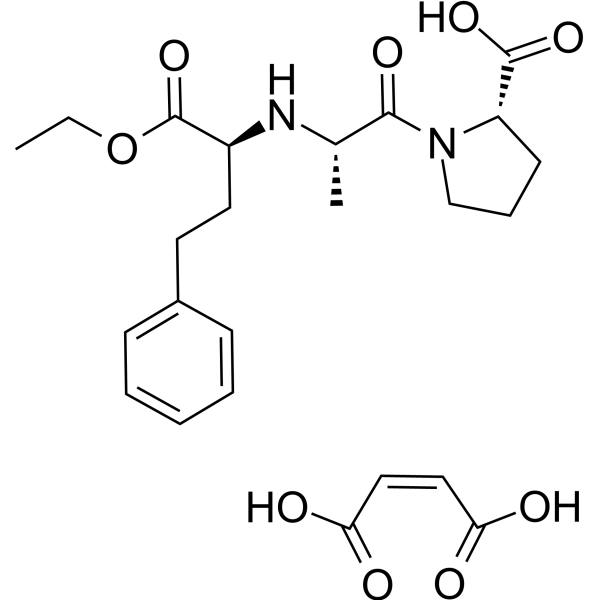
Enalapril maleate (MK-421 maleate) is an orally active angiotensin-converting enzyme inhibitor. Enalapril maleate blocks the conversion of angiotensin I to angiotensin II, regulates the renin-angiotensin system, reduces preload and afterload, and decreases plasma angiotensin II levels. Enalapril maleate inhibits apoptosis, reduces nitric oxide metabolite levels, stabilizes endothelial cells, enhances endothelial antioxidant defense, scavenges reactive oxygen species (ROS), and alleviates neuronal damage. Enalapril maleate attenuates glutathione depletion, protein/lipid oxidation, tissue damage, and type III collagen immunolabeling in organs of diabetic rats. Enalapril maleate reduces systolic blood pressure and urinary albumin excretion, and delays the progression of diabetic cardiac/renal injury. Enalapril maleate is used in research related to asymptomatic left ventricular dysfunction, congestive heart failure, Alzheimer's disease, diabetes mellitus, acute myocardial infarction, atrial fibrillation, hypertension, cerebral ischemia, chronic heart failure, and single-ventricle physiology .
loading...
    loading...
13
13 Cited Publications
Art. -Nr.: HY-136979
CAS. Nr.: 2360851-29-0
Reinheit:  99.80%
Target:  

PARP

Forschungsgebiete:  

Inflammation/Immunology Cancer

RBN012759 is a potent, selective and orally active inhibitor of PARP14, with an IC50 of <3 nM. RBN012759 displays 300-fold selectivity over the monoPARPs and 1000-fold selectivity over the polyPARPs. RBN012759 decreases pro-tumor macrophage function and elicits inflammatory responses in tumor explants .
loading...
    loading...
13
13 Cited Publications
Art. -Nr.: HY-117661
CAS. Nr.: 1818389-84-2
Target:  

SRPK VEGFR

Forschungsgebiete:  

Cardiovascular Disease Cancer

SPHINX31 is a potent and selective SRPK1 inhibitor, with an IC50 of 5.9 nM. SPHINX31 inhibits phosphorylation of serine/arginine-rich splicing factor 1 (SRSF1). SPHINX31 also decreases the mRNA expression of pro-angiogenic VEGF-A165a isoform. SPHINX31 can be used to research neovascular eye disease .
loading...
    loading...
13
13 Cited Publications
Art. -Nr.: HY-B2201
CAS. Nr.: 68-04-2
Synonyms: Sodium citrate; Trisodium citrate anhydrous
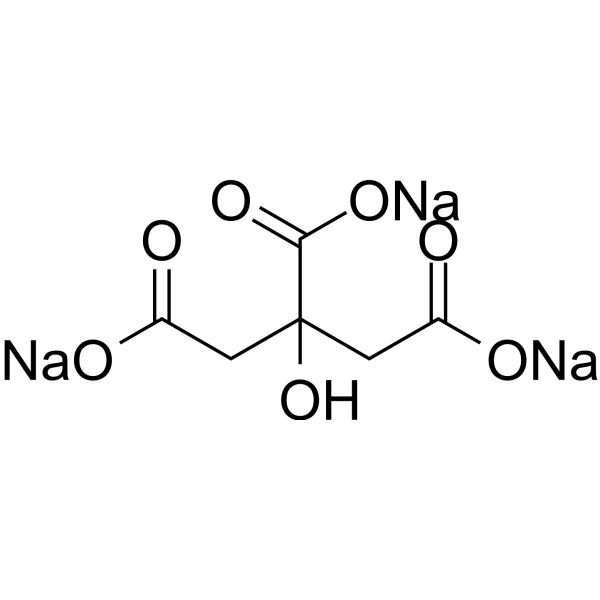
Citric acid trisodium (Sodium citrate) is a natural preservative and food tartness enhancer. Citric acid trisodium induces apoptosis and cell cycle arrest at G2/M phase and S phase in HaCaT cells. Citric acid trisodium cause oxidative damage of the liver by means of the decrease of antioxidative enzyme activities. Citric acid trisodium is also an acidulant, emulsifier, sequestrant and buffering agent widely used across many industries .
loading...
    loading...
13
13 Cited Publications
Art. -Nr.: HY-14985
CAS. Nr.: 648903-57-5
Reinheit:  99.91%
Target:  

Syk Apoptosis

Forschungsgebiete:  

Inflammation/Immunology Cancer

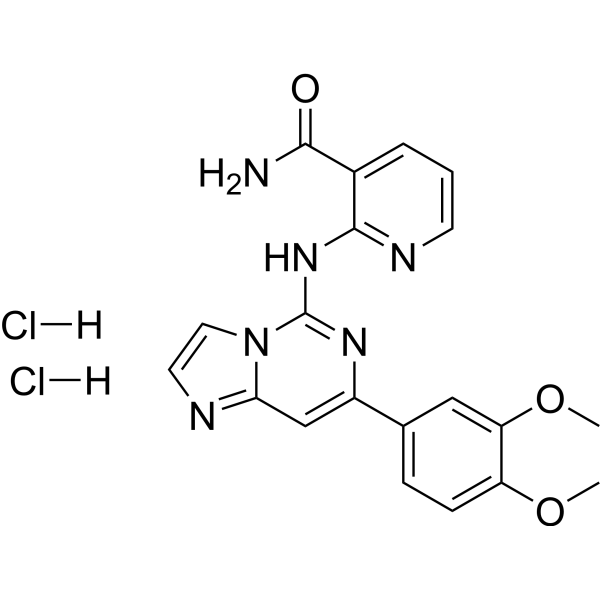
BAY 61-3606 dihydrochloride is an orally available, ATP-competitive, reversible and highly selective Syk inhibitor with a Ki of 7.5 nM an IC50 of 10 nM . BAY 61-3606 dihydrochloride reduces ERK1/2 and Akt phosphorylation in neuroblastoma cell . BAY 61-3606 dihydrochloride induces a large decrease of Syk phosphorylation in K-rn cell lysates . Bay 61-3606 dihydrochloride sensitizes TRAIL-induced apoptosis by downregulating Mcl-1 in breast cancer cells .
loading...
    loading...
13
13 Cited Publications
Art. -Nr.: HY-B1232
CAS. Nr.: 54-36-4
Synonyms: Su-4885
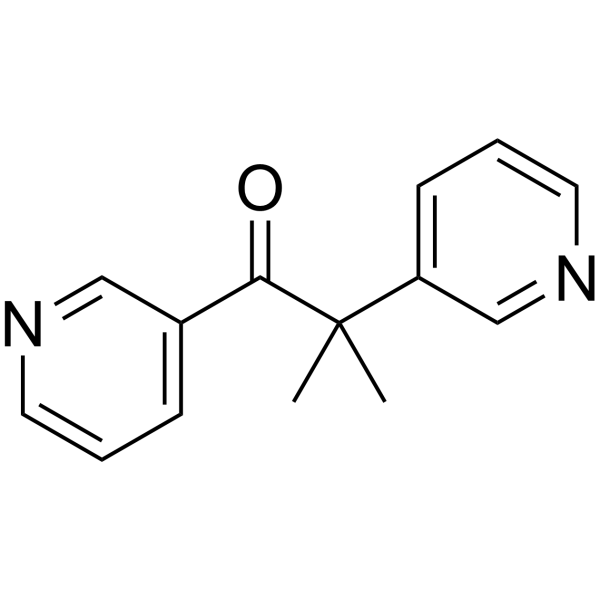
Metyrapone (Su-4885) is a potent and orally active 11β-hydroxylase inhibitor and an autophagy activator, also inhibits the production of aldosterone. Metyrapone inhibits synthesis of endogenous adrenal corticosteroid, decreases glucocorticoid levels, and also affects behavior and emotion. In addition, Metyrapone increases the efficiency of autophagic process via downregulation of mTOR pathway, and interacts with Pseudomonas putida cytochrome P-450. Metyrapone can be used for researching Cushing's syndrome and depression .
loading...
    loading...
12
12 Cited Publications
Art. -Nr.: HY-13287
CAS. Nr.: 1025065-69-3
Reinheit:  99.35%
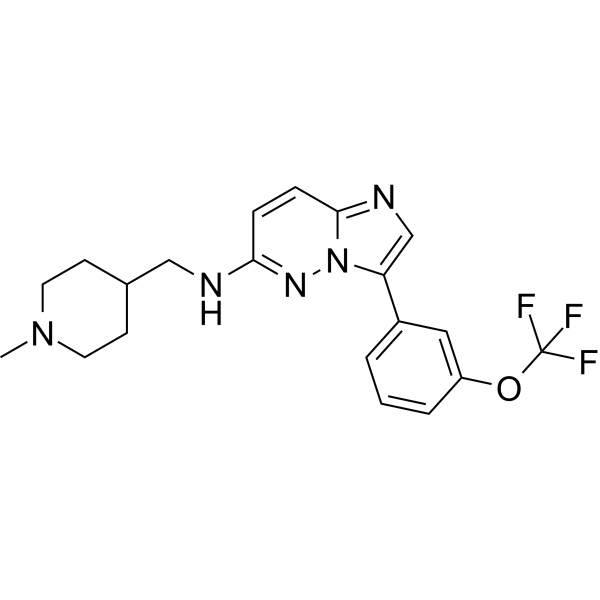
SGI-1776 free base is an orally active Pim kinase and FLT3 inhibitor with IC50 values of 7 nM, 363 nM, 69 nM, and 44 nM for Pim-1, Pim-2, Pim-3, and FLT3, respectively. SGI-1776 free base downregulates C/EBP-α, PPAR-γ, FAS, Leptin, and RANTES, and decreases STAT-3 phosphorylation. SGI-1776 free base induces Apoptosis, cell cycle arrest, mitochondrial depolarization, and reduces RNA synthesis, protein synthesis, and Mcl-1. SGI-1776 free base inhibits adipogenesis and lipid accumulation. SGI-1776 free base has anticancer activity against leukemia .
loading...
    loading...
12
12 Cited Publications
Art. -Nr.: HY-13535
CAS. Nr.: 262438-43-7
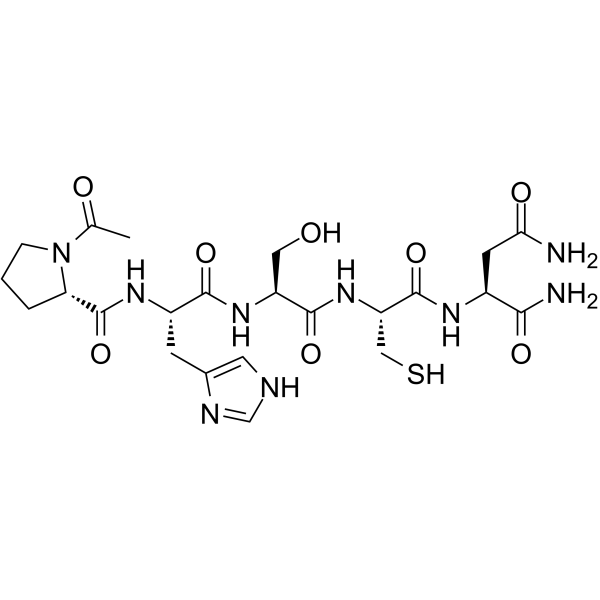
ATN-161 is an antagonist of α5β1 integrin and αvβ3 integrin, as well as an inhibitor of fibrosis, an inhibitor of oxidative stress, a tight junction stabilizer, a mitochondrial integrity protector, an angiogenesis inhibitor and an antiviral agent. ATN-161 inhibits NLRP3, MAPK, and ROS. ATN-161 protects mice from SARS-CoV-2 infection . ATN-161 reduces infarct volume, alleviates edema, decreases immune cell infiltration, reduces the area of choroidal neovascularization lesions, lowers tumor microvessel density and viral load. ATN-161 can be used in research related to ischemic stroke, choroidal neovascularization, breast cancer, coronavirus disease 2019 (COVID-19), and liver metastasis of colorectal cancer .
loading...
    loading...
11
11 Cited Publications
Art. -Nr.: HY-N2342
CAS. Nr.: 37064-30-5
Synonyms: PCC1
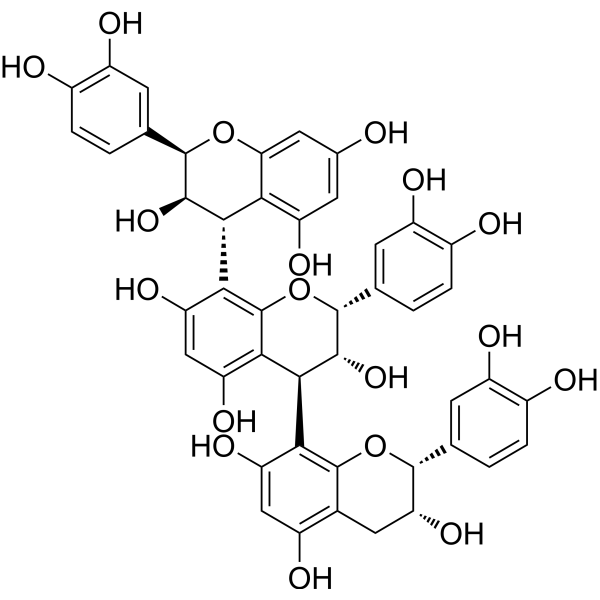
Procyanidin C1 (PCC1), a natural polyphenol with oral activity, causes DNA damage, cell cycle arrest and induces apoptosis. Procyanidin C1 decreases the level of Bcl-2, but enhances BAX, caspase 3 and 9 expression in cancer cells. Procyanidin C1 shows senotherapeutic activity and increases lifespan in mice .
loading...
    loading...
11
11 Cited Publications
Art. -Nr.: HY-14463
CAS. Nr.: 912999-49-6
Reinheit:  99.92%
Synonyms: AT13387
Target:  

HSP

Forschungsgebiete:  

Cancer

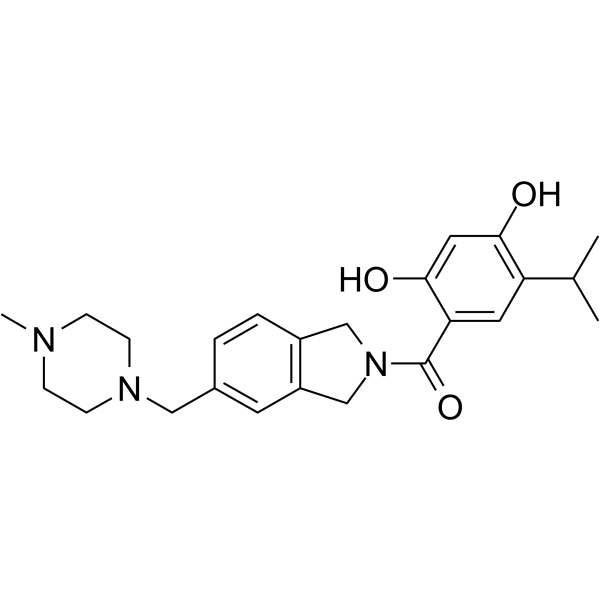
Onalespib (AT13387) is a potent and cross the blood-brain barrier heat-shock-protein-90 (Hsp90) inhibitor. Onalespib inhibits the proliferation, survival and migration. Onalespib decreases the expression of EGFR, p-EGFR, AKT, P-AKT, ERK1/2, P-ERK1/2, S6, P-S6 protein. Onalespib shows antitumor activity. Onalespib has the potential for the research of non-small cell lung cancer (NSCLC) .
loading...
    loading...
11
11 Cited Publications
Art. -Nr.: HY-N0264
CAS. Nr.: 1124-11-4
Synonyms: Chuanxiongzine; Tetramethylpyrazine
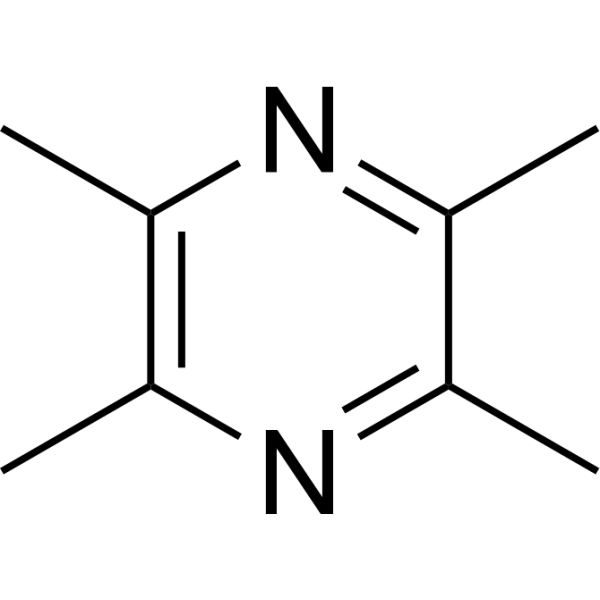
Ligustrazine (Chuanxiongzine) is an orally active, blood-brain barrier-permeable alkaloid. It can be isolated from Ligusticum striatum DC. Ligustrazine reduces ROS, upregulates the levels of p-Akt/Akt and p-eNOS/eNOS, and decreases ALT and AST. It inhibits glutamate excitotoxicity, calcium overload, oxidative stress, ischemia-reperfusion injury and atherosclerotic plaque progression, enhances synaptic plasticity, and improves neurological function, cerebral infarct volume and brain water content. Ligustrazine possesses anti-inflammatory, antioxidant, lipid-lowering, endothelial protective and hepatoprotective activities. It can be used in studies related to ischemic stroke, cerebral ischemia-reperfusion injury and atherosclerosis .
loading...
    loading...
11
11 Cited Publications
Art. -Nr.: HY-N0935
CAS. Nr.: 76494-51-4
Synonyms: Chuanxiongzine hydrochloride; Tetramethylpyrazine hydrochloride
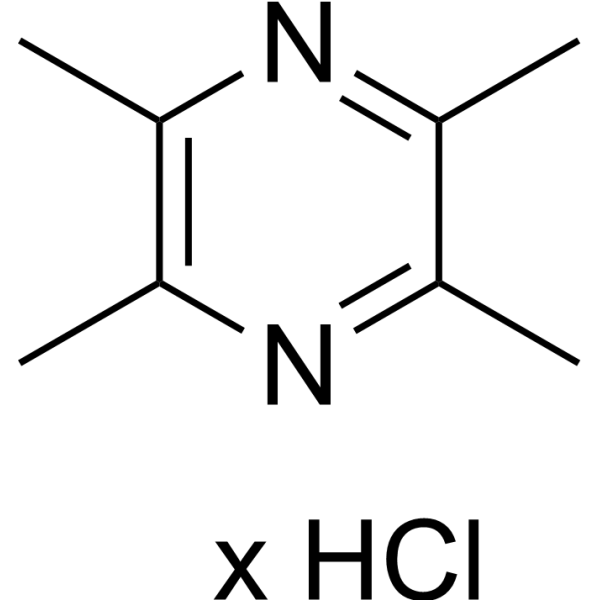
Ligustrazine hydrochloride (Chuanxiongzine hydrochloride) is an orally active, blood-brain barrier-permeable alkaloid. It can be isolated from Ligusticum striatum DC. Ligustrazine hydrochloride reduces ROS, upregulates the levels of p-Akt/Akt and p-eNOS/eNOS, and decreases ALT and AST. It inhibits glutamate excitotoxicity, calcium overload, oxidative stress, ischemia-reperfusion injury and atherosclerotic plaque progression, enhances synaptic plasticity, and improves neurological function, cerebral infarct volume and brain water content. Ligustrazine hydrochloride possesses anti-inflammatory, antioxidant, lipid-lowering, endothelial protective and hepatoprotective activities. It can be used in studies related to ischemic stroke, cerebral ischemia-reperfusion injury and atherosclerosis .
loading...
    loading...

