2408 Results for "

decrease

" in MedChemExpress (MCE) Product Catalog:
Products (2408)

2408 Results for "decrease" in MCE Product Catalog:

10
10 Cited Publications
Art. -Nr.: HY-13030A
CAS. Nr.: 1268524-71-5
Reinheit:  99.66%
Forschungsgebiete:  

Cancer

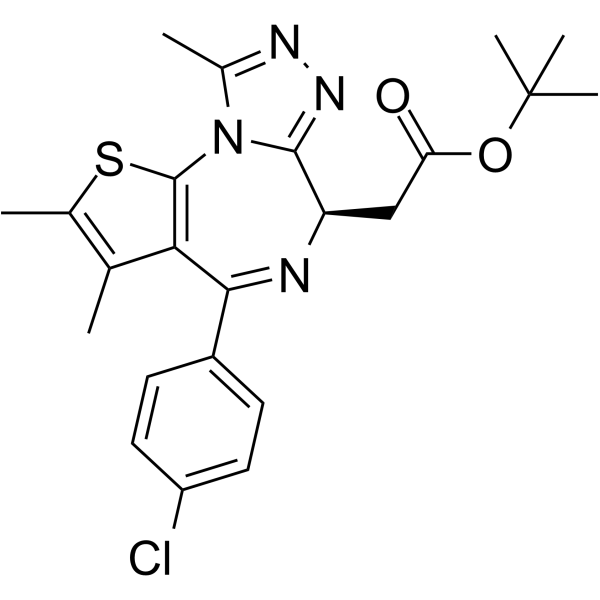
(R)-(-)-JQ1 Enantiomer is the stereoisomer of (+)-JQ1. (+)-JQ1 potently decreases expression of both BRD4 target genes, whereas (R)-(-)-JQ1 Enantiomer has no effect.
loading...
    loading...
10
10 Cited Publications
Art. -Nr.: HY-148189
CAS. Nr.: 2904601-67-6
Reinheit:  99.37%
Synonyms: LXY-05-029
Forschungsgebiete:  

Metabolic Disease

Aldometanib (LXY-05-029) is an orally active aldolase inhibitor. Aldometanib can activate lysosomal adenosine monophosphate-activated protein kinase (AMPK) and decreases blood glucose. Aldometanib can be used for the research of metabolic homeostasis .
loading...
    loading...
10
10 Cited Publications
Art. -Nr.: HY-17029
CAS. Nr.: 152044-54-7
Synonyms: EPO 906; Patupilone
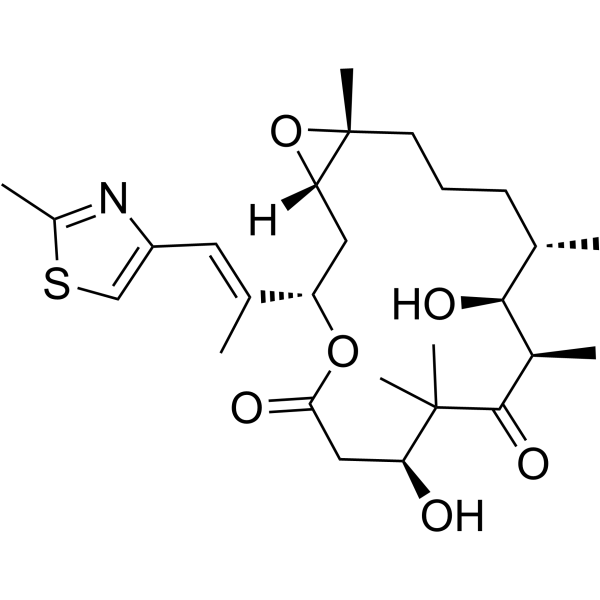
Epothilone B is a microtubule stabilizer (MSA) with a Ki of 0.71μM, and is a MSA with blood-brain barrier permeability. Epothilone B acts by binding to the αβ-tubulin heterodimer subunit which causes decreasing of αβ-tubulin dissociation .
loading...
    loading...
10
10 Cited Publications
Art. -Nr.: HY-N1428A
CAS. Nr.: 5949-29-1
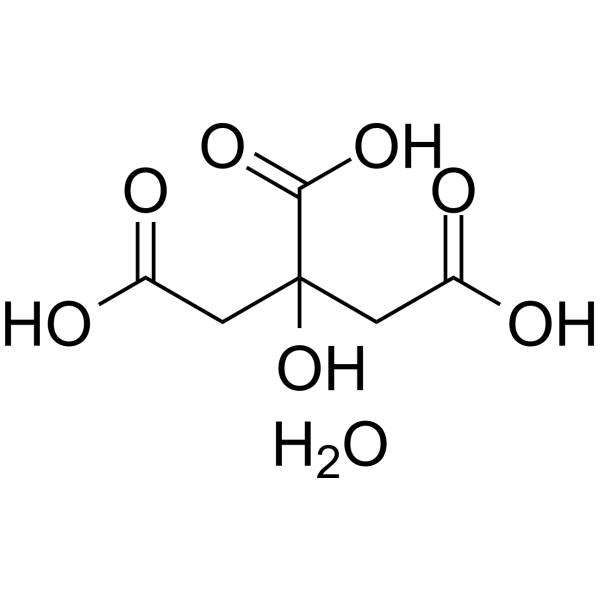
Citric acid monohydrate is a natural preservative and food tartness enhancer. Citric acid monohydrate induces apoptosis and cell cycle arrest at G2/M phase and S phase in HaCaT cells. Citric acid monohydrate cause oxidative damage of the liver by means of the decrease of antioxidative enzyme activities. Citric acid monohydrate is also an acidulant, emulsifier, sequestrant and buffering agent widely used across many industries .
loading...
    loading...
10
10 Cited Publications
Art. -Nr.: HY-B1529A
CAS. Nr.: 3458-72-8
Synonyms: Triammonium citrate
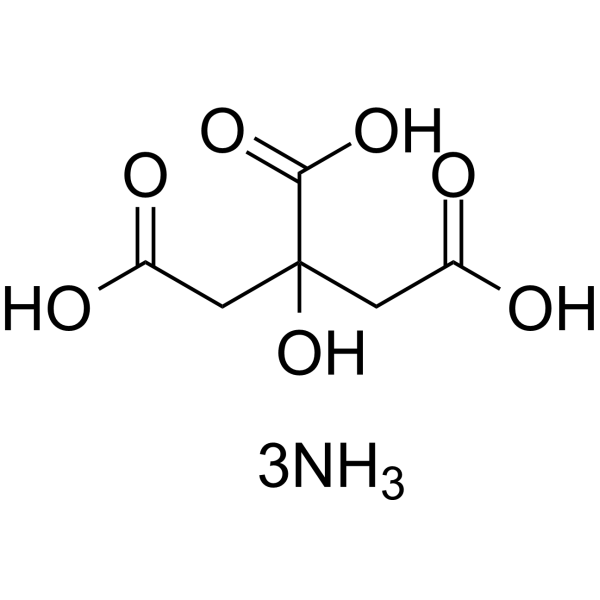
Citric acid triammonium (Triammonium citrate) is a natural preservative and food tartness enhancer. Citric acid triammonium induces apoptosis and cell cycle arrest at G2/M phase and S phase in HaCaT cells. Citric acid triammonium cause oxidative damage of the liver by means of the decrease of antioxidative enzyme activities. Citric acid triammonium is also an acidulant, emulsifier, sequestrant and buffering agent widely used across many industries .
loading...
    loading...
10
10 Cited Publications
Art. -Nr.: HY-B1529
CAS. Nr.: 3012-65-5
Synonyms: Ammonium hydrogencitrate, 99%; Diammonium hydrogen citrate, 99%
Ammonium citrate dibasic, 99% (Ammonium hydrogencitrate, 99%; Diammonium hydrogen citrate, 99%) is a natural preservative and food tartness enhancer. Ammonium citrate dibasic, 99% induces apoptosis and cell cycle arrest at G2/M phase and S phase in HaCaT cells. Ammonium citrate dibasic, 99% cause oxidative damage of the liver by means of the decrease of antioxidative enzyme activities. Ammonium citrate dibasic, 99% is also an acidulant, emulsifier, sequestrant and buffering agent widely used across many industries .
loading...
    loading...
10
10 Cited Publications
Art. -Nr.: HY-19975
CAS. Nr.: 946387-07-1
Target:  

TRP Channel

Forschungsgebiete:  

Neurological Disease Cancer

RN-1734 is selective antagonist of the TRPV4 channel, completely antagonizes 4αPDD-mediated activation of TRPV4 with comparable, low micromolar IC50s for all three species (hTRPV4: 2.3 μM, mTRPV4: 5.9 μM, rTRPV4: 3.2 μM) . RN-1734 clearly decreases the production of tumor necrosis factor α (TNF-α) and interleukin 1β (IL-1β) without altering the number of olig2-positive cells .
loading...
    loading...
9
9 Cited Publications
Art. -Nr.: HY-135747
CAS. Nr.: 2553218-46-3
Reinheit:  98.23%
Synonyms: GR-7
Target:  

Bacterial

Forschungsgebiete:  

Infection

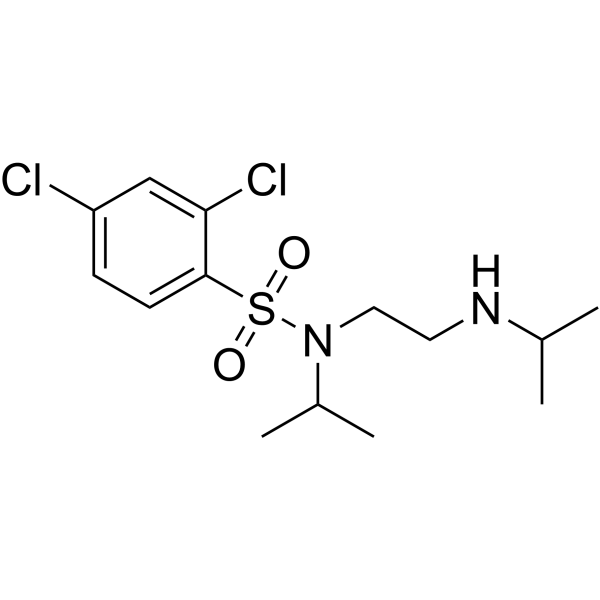
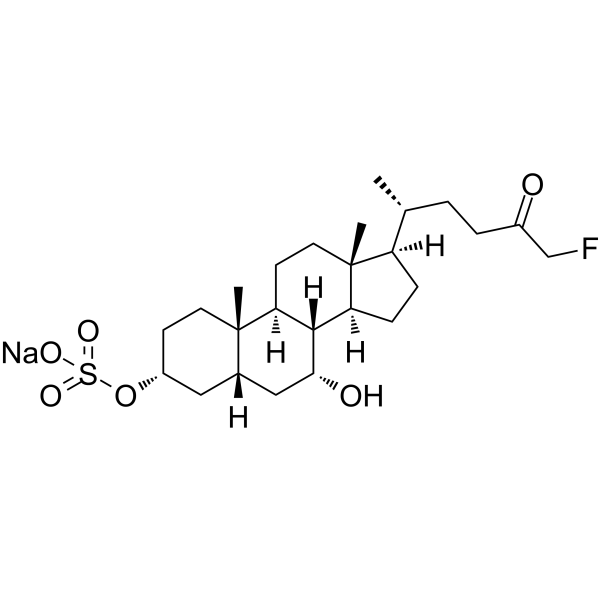
Gut restricted-7 (GR-7) is a potent, covalent and orally active pan-bile salt hydrolase (BSH) inhibitor. Gut restricted-7 has a tissue-selective and is restricted to the gut. Gut restricted-7 decreases gut bacterial BSHs and decreases deconjugated bile acid levels in feces of mice .
loading...
    loading...
9
9 Cited Publications
Art. -Nr.: HY-104037
CAS. Nr.: 2055536-64-4
Reinheit:  99.14%
Synonyms: LYC-55716
Target:  

ROR

Forschungsgebiete:  

Cancer

Cintirorgon (LYC-55716) is a first-in-class, selective and orally bioavailable RORγ agonist. Cintirorgon (LYC-55716) modulates gene expression of RORγ expressing T lymphocyte immune cells, resulting in enhanced effector function, as well as decreased immunosuppression, resulting in decreased tumor growth, and improved survival .
loading...
    loading...
9
9 Cited Publications
Art. -Nr.: HY-B2230
CAS. Nr.: 499-44-5
Synonyms: β-Thujaplicin
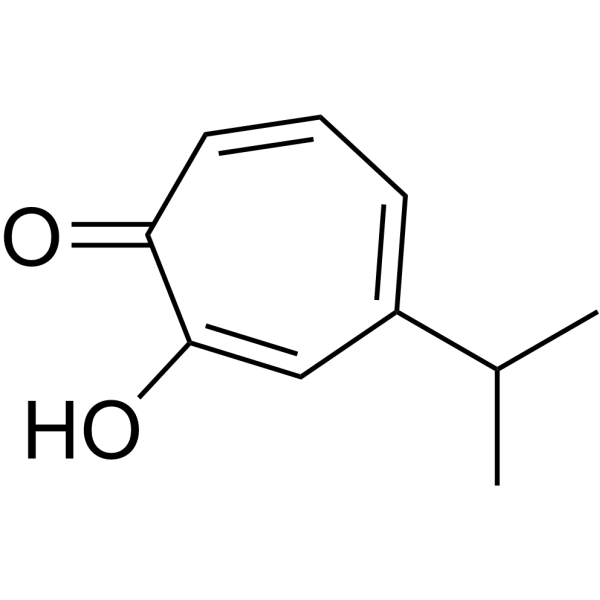
Hinokitiol is a component of essential oils isolated from Chymacyparis obtusa, reduces Nrf2 expression, and decreases DNMT1 and UHRF1 mRNA and protein expression, with anti-infective, anti-oxidative, and anti-tumor activities.
loading...
    loading...
9
9 Cited Publications
Art. -Nr.: HY-N0831
CAS. Nr.: 18085-97-7
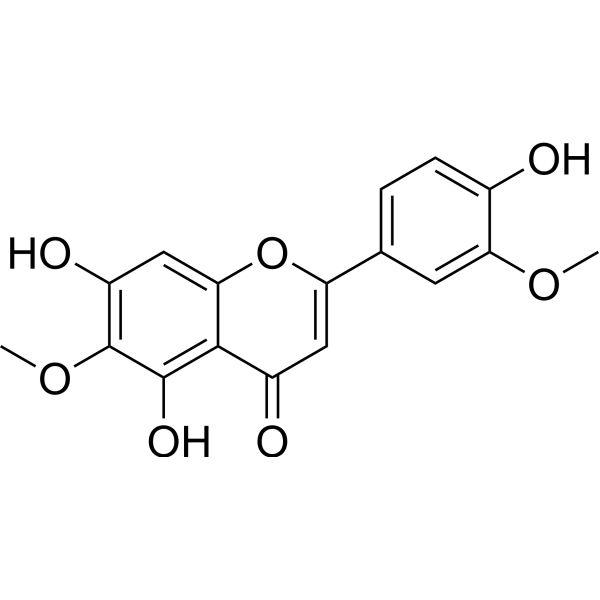
Jaceosidin is a flavonoid isolated from Artemisia vestita, induces apoptosis in cancer cells, activates Bax and down-regulates Mcl-1 and c-FLIP expression . Jaceosidin exhibits anti-cancer , anti-inflammatory activities, decreases leves of inflammatory markers, and suppresses COX-2 expression and NF-κB activation .
loading...
    loading...
9
9 Cited Publications
Art. -Nr.: HY-122218
CAS. Nr.: 1998725-11-3
Reinheit:  ≥98.0%
Target:  

Glutaminase

Forschungsgebiete:  

Neurological Disease

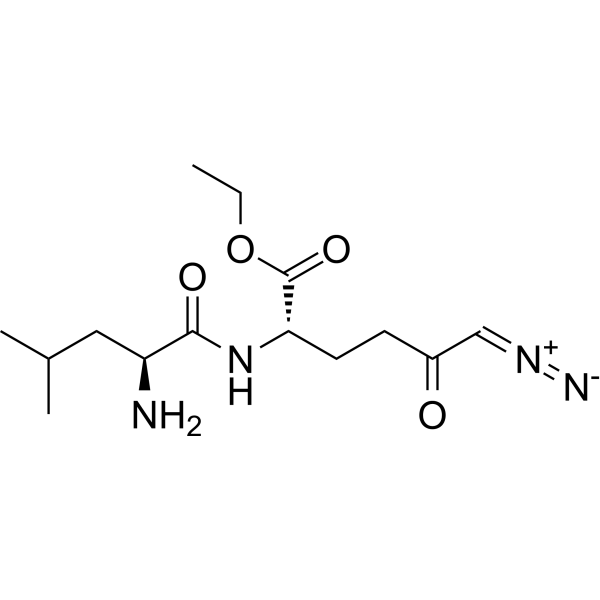
JHU-083, a proagent of 6-diazo-5-oxo-L-norleucine (DON; HY-108357), is an orally active and selective glutaminase antagonist. JHU-083 blocks glutaminase activity in brain CD11b + cells and experimental cerebral malaria (ECM) resulting in a net decrease of glutamate levels in the animals .
loading...
    loading...
9
9 Cited Publications
Art. -Nr.: HY-P1098
CAS. Nr.: 151988-33-9
Target:  

Annexin A NF-κB

Forschungsgebiete:  

Inflammation/Immunology

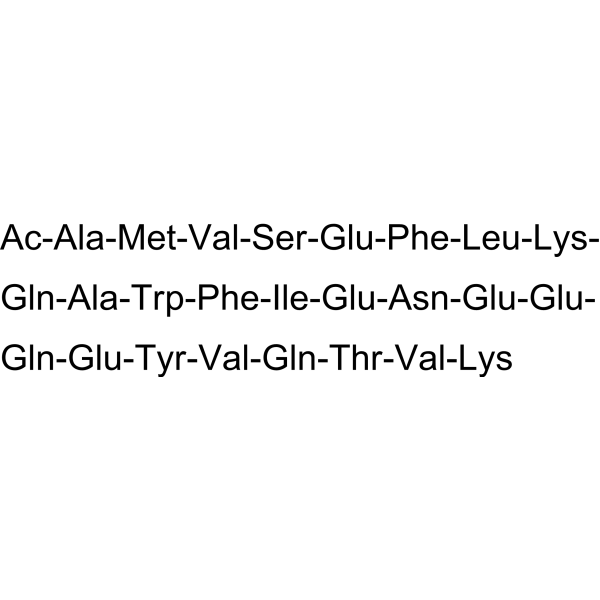
Ac2-26 is the N-terminal peptide of annexin 1, and has anti-inflammatory activity. Ac2-26 induces a decrease in IKKβ protein in lysosomes by chaperone-mediated autophagy (CMA). Ac2-26 ameliorates lung ischemia-reperfusion injury. Ac2-26 also inhibits airway inflammation and hyperresponsiveness in an asthma rat model .
loading...
    loading...
9
9 Cited Publications
Art. -Nr.: HY-P1098A
Target:  

Annexin A NF-κB

Forschungsgebiete:  

Inflammation/Immunology

Ac2-26 TFA is the N-terminal peptide of annexin 1, and has anti-inflammatory activity. Ac2-26 induces a decrease in IKKβ protein in lysosomes by chaperone-mediated autophagy (CMA). Ac2-26 ameliorates lung ischemia-reperfusion injury. Ac2-26 also inhibits airway inflammation and hyperresponsiveness in an asthma rat model .
loading...
    loading...
9
9 Cited Publications
Art. -Nr.: HY-P1098B
Target:  

IKK

Forschungsgebiete:  

Inflammation/Immunology

Ac2-26 ammonium is the N-terminal peptide of annexin 1, and has anti-inflammatory activity. Ac2-26 ammonium induces a decrease in IKKβ protein in lysosomes by chaperone-mediated autophagy (CMA). Ac2-26 ammonium ameliorates lung ischemia-reperfusion injury. Ac2-26 ammonium also inhibits airway inflammation and hyperresponsiveness in an asthma rat model .
loading...
    loading...
9
9 Cited Publications
Art. -Nr.: HY-W107464
CAS. Nr.: 2457232-14-1
Target:  

PDI

G6PDi-1 is a reversible and non-competitive glucose-6-phosphate dehydrogenase (G6PD) inhibitor with an IC50 of 0.07 μM for human G6PD. G6PDi-1 depletes NADPH most strongly in lymphocytes. G6PDi-1 markedly decreases inflammatory cytokine production in T cells .
loading...
    loading...
9
9 Cited Publications
Art. -Nr.: HY-15260
CAS. Nr.: 1169558-38-6
Reinheit:  99.76%
Synonyms: BMS-863233
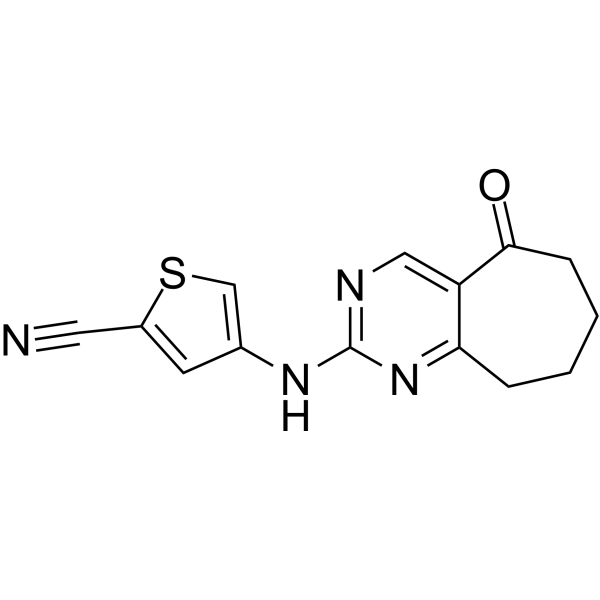
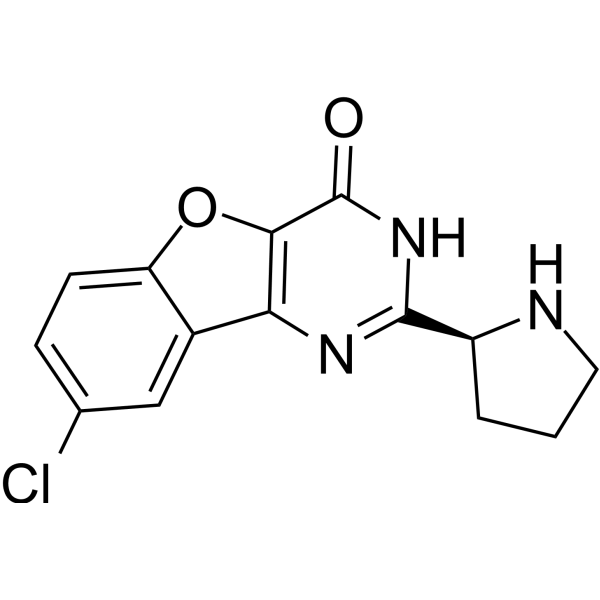
XL413 (BMS-863233) is an orally active, ATP-competitive, selective CDC7 kinase inhibitor. XL413 reduces MCM2 phosphorylation levels, decreases DNA replication origin activation, and inhibits CD69 upregulation in stimulated lymphocytes. XL-413 possesses cell-dependent antiproliferative and pro-apoptotic activities. XL413 attenuates ATR inhibitor-induced excessive origin activation, altered replication fork speed, and antiproliferative effects in sensitive cancer cells. XL413 inhibits SARS-CoV-2 infection. XL413 can be used for research related to cancer and SARS-CoV-2 infection .
loading...
    loading...
9
9 Cited Publications
Art. -Nr.: HY-15260A
CAS. Nr.: 2062200-97-7
Reinheit:  99.65%
Synonyms: BMS-863233 monohydrochloride
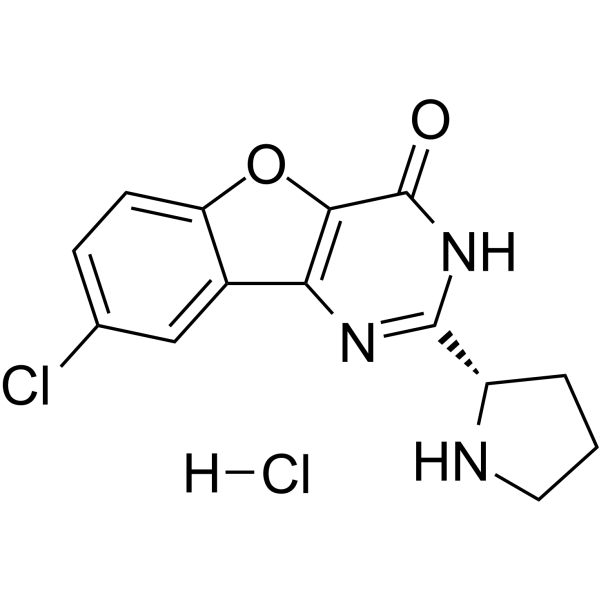
XL413 monohydrochloride (BMS-863233 monohydrochloride) is an orally active, ATP-competitive, selective CDC7 kinase inhibitor. XL413 monohydrochloride reduces MCM2 phosphorylation levels, decreases DNA replication origin activation, and inhibits CD69 upregulation in stimulated lymphocytes. XL-413 possesses cell-dependent antiproliferative and pro-apoptotic activities. XL413 monohydrochloride attenuates ATR inhibitor-induced excessive origin activation, altered replication fork speed, and antiproliferative effects in sensitive cancer cells. XL413 monohydrochloride inhibits SARS-CoV-2 infection. XL413 monohydrochloride can be used for research related to cancer and SARS-CoV-2 infection .
loading...
    loading...
9
9 Cited Publications
Art. -Nr.: HY-100742
CAS. Nr.: 1802977-61-2
Reinheit:  99.38%
GNE-140 racemate is a racemic mixture of (R)-GNE-140 (HY-100742A) and (S)-GNE-140 (HY-100742B), and also a tautomer of GNE-140 (HY-118241). GNE-140 racemate is an orally active lactate dehydrogenase inhibitor, with an IC50 of 3 nM against human LDHA and an IC50 of 5 nM against LDHB. GNE-140 racemate reduces the phosphorylation level and total protein expression of p38 MAPK, and inhibits EGF-induced AKT phosphorylation. GNE-140 racemate decreases lactate production, regulates glycolysis, the pentose phosphate pathway and nucleotide biosynthesis, increases extracellular pH, inhibits cell proliferation, migration and invasion, and induces caspase-3 activation and ROS accumulation. GNE-140 racemate can be used in research related to breast cancer, cystic fibrosis and pancreatic cancer .
loading...
    loading...
8
8 Cited Publications
Art. -Nr.: HY-N0703
CAS. Nr.: 51938-32-0
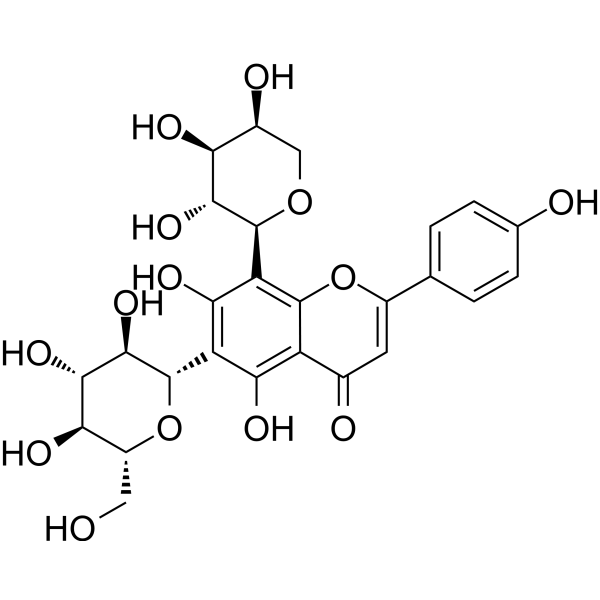
Schaftoside is a flavonoid found in a variety of Chinese herbal medicines, such as Eleusine indica. Schaftoside inhibits the expression of TLR4 and Myd88. Schaftoside also decreases Drp1 expression and phosphorylation, and reduces mitochondrial fission .
loading...
    loading...

