



Tapinarof
Based on 16 publication(s) in Google Scholar
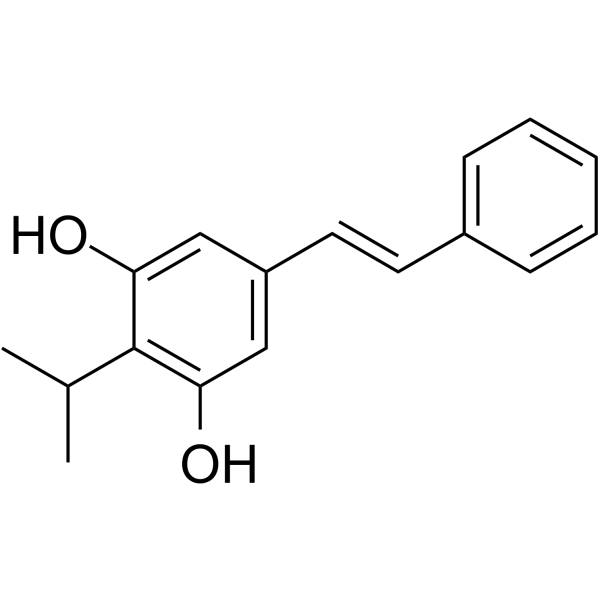
Tapinarof (WBI-1001) is a natural aryl hydrocarbon receptor (AhR) agonist with an EC50 of 13 nM. Tapinarof resolves skin inflammation in mice.
For research use only. We do not sell to patients.
- Purity : 99.95%
- CAS No.: 79338-84-4
- Formula: C17H18O2
- Molecular Weight:254.32
-
Storage:
4°C, protect from light
* In solvent : -80°C, 1 year; -20°C, 6 months (protect from light)

To place orders, for customer services and technical support, please contact: MedChemExpress USA
Tel: 609-228-6898 E-mail: [email protected] [email protected]


-
 Biological Activity
-
Chemical Information
-
Solvent & Solubility
- Protocols
- Purity & Documentation
- References
-
 Help & FAQs


-
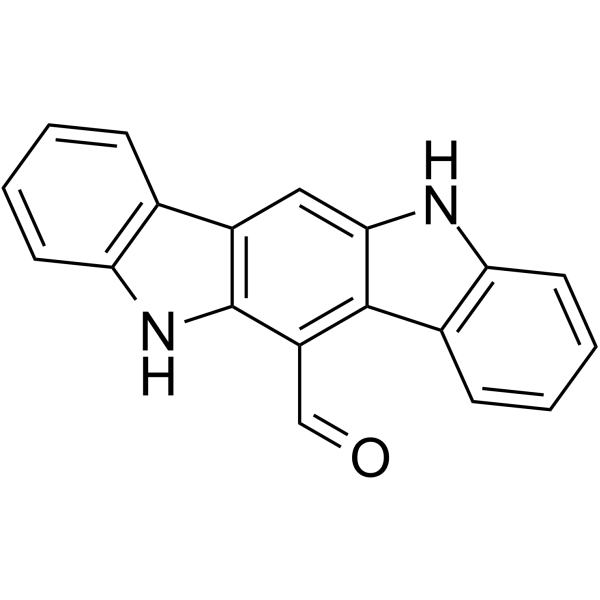
HY-12451
FICZAhR Agonist -
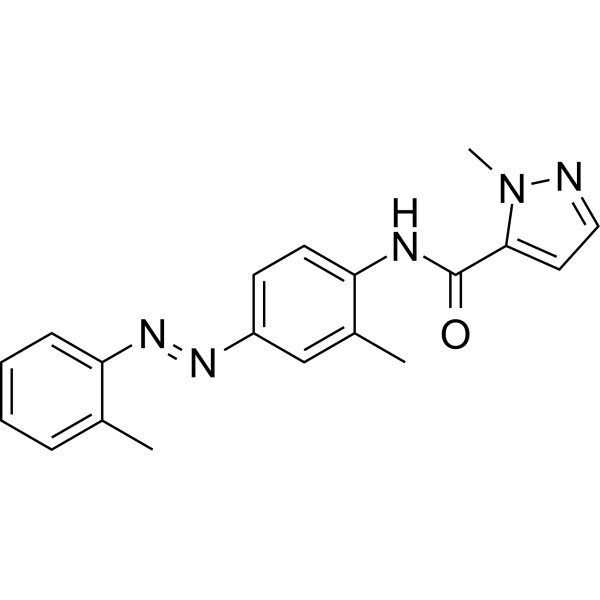
HY-12684
CH-223191AhR Antagonist -
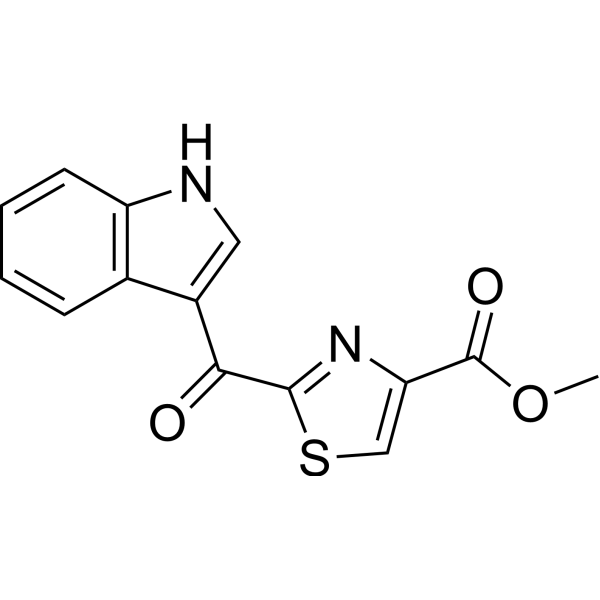
HY-19317
ITEAryl Hydrocarbon Receptor Agonist -
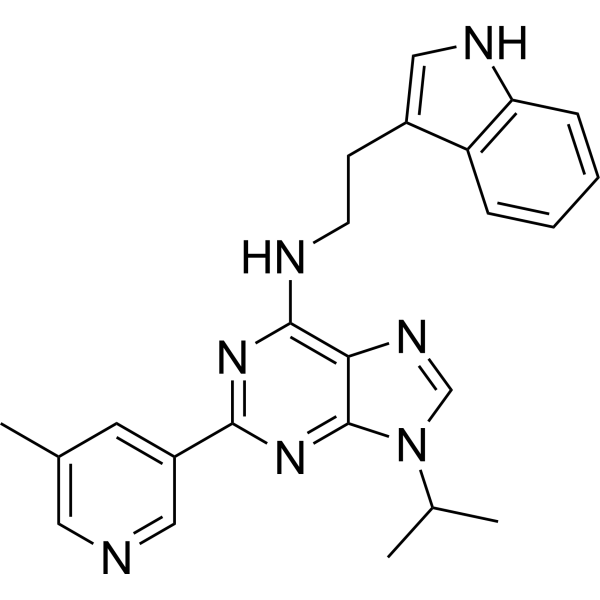
HY-102023
GNF351AHR Antagonist -
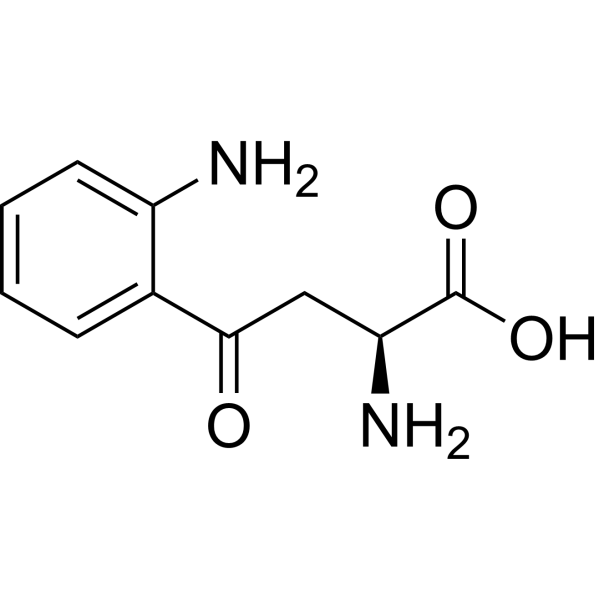
HY-104026
L-KynurenineAryl Hydrocarbon Receptor Agonist -
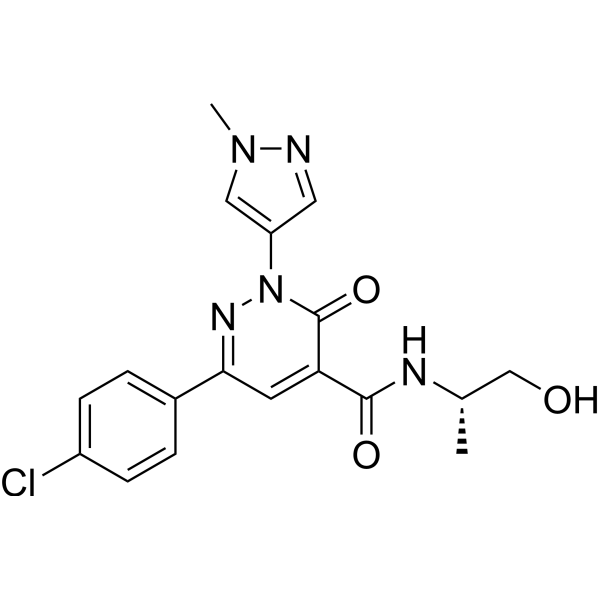
HY-135829
BAY 2416964AHR Antagonist -
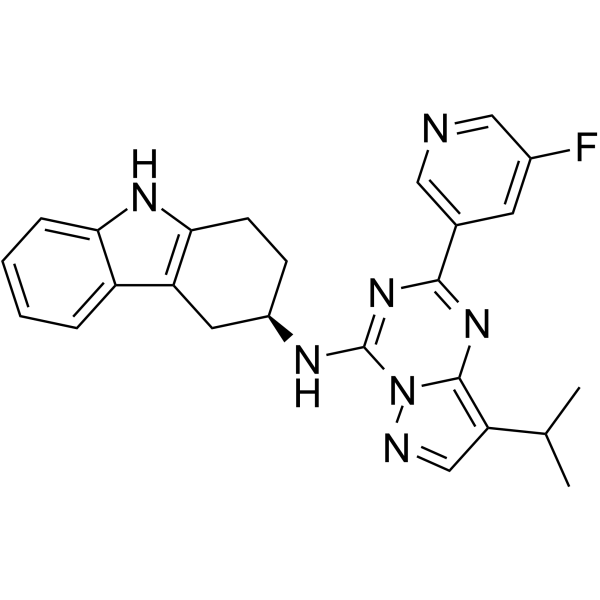
HY-141609
IK-175AHR Inhibitor -
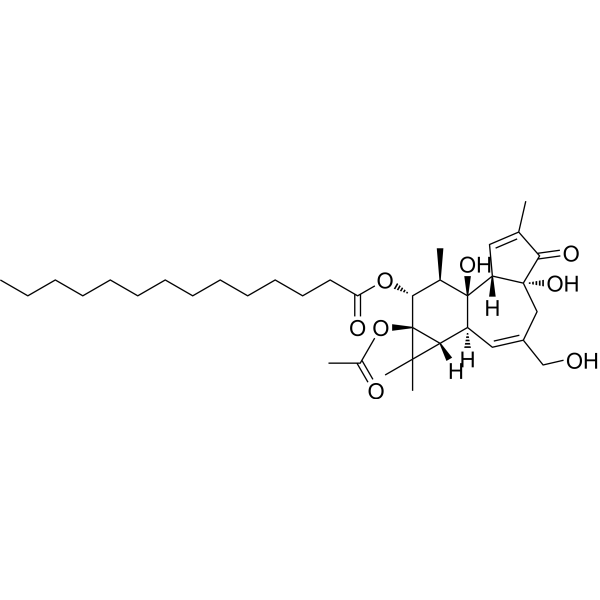
HY-18739
Phorbol 12-myristate 13-acetatePKC Activator -
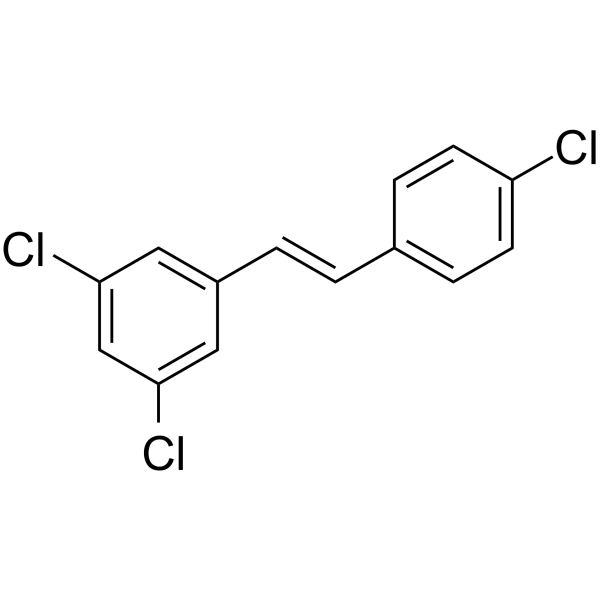
HY-112629
PDM2Aryl Hydrocarbon Receptor Antagonist -
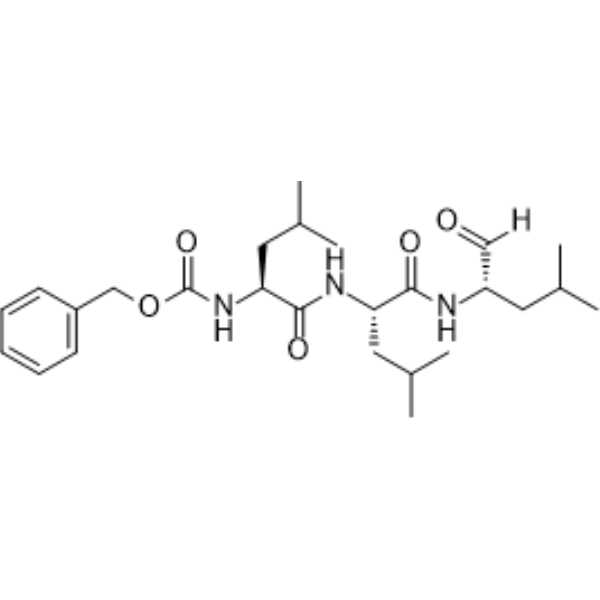
HY-13259
MG-132Proteasome Inhibitor -
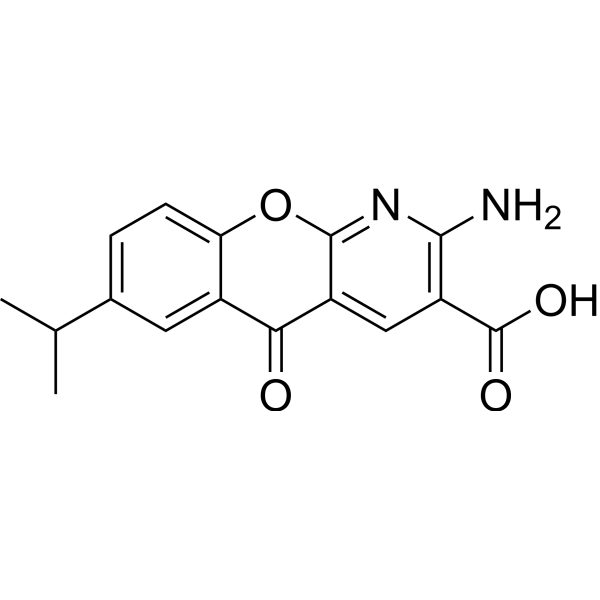
HY-B0713
AmlexanoxIKK Inhibitor -
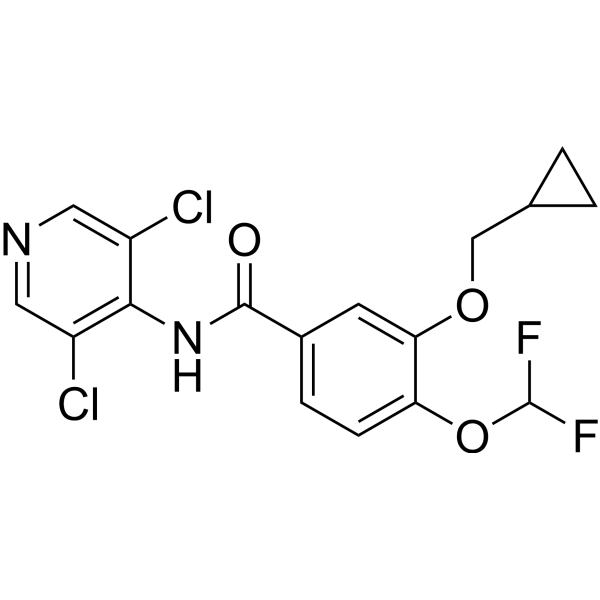
HY-15455
RoflumilastPDE4 Inhibitor
Publications Citing Use of MedChemExpress (MCE) Tapinarof
More- Redox Biol. 2021 Oct:46:102110. [Abstract]
- Cell Death Discov. 2026 Jan 9;12(1):16. [Abstract]
- Proc Natl Acad Sci U S A. 2025 Jun 17;122(24):e2424985122. [Abstract]
- Cell Chem Biol. 2026 Jan 15;33(1):91-101.e12. [Abstract]
- EMBO J. 2026 Jan;45(1):261-277. [Abstract]
- Antioxidants (Basel). 2024 Jun 17;13(6):732. [Abstract]
- J Invest Dermatol. 2023 Oct;143(10):1964-1972.e4. [Abstract]
- JCI Insight. 2021 Mar 8;6(5):e145185. [Abstract]
- Int J Mol Sci. 2026 Jun 28;27(13):5828.
- Cell Oncol (Dordr). 2025 Dec 23;49(1):3. [Abstract]
- Int J Mol Sci. 2024 Jul 19;25(14):7910. [Abstract]
- J Mol Cell Cardiol. 2025 Oct 21:209:104-118. [Abstract]
- Res Microbiol. 2023 Sep-Oct;174(7):104081. [Abstract]
- Immun Inflamm Dis. 2023 Jun;11(6):e903. [Abstract]
- Exp Dermatol. 2024 Jan;33(1):e14862. [Abstract]
- Clemson University. 2025.
 Customer Validation & Images

-
WB
-
Bio/Physico-chemical Assay
-
WB
-
Bio/Physico-chemical Assay
-
Bio/Physico-chemical Assay


Biological Activity
Description
IC50 & Target
EC50: 13 nM (AhR)[1]
Cellular Effect
|
Cell Line

|
Type | Value | Description | References |
|---|---|---|---|---|
| CD4+ve Th | IC50 |
5.2 μM
Compound: Tapi
|
Induction of apoptosis in human CD4+ve Th cells
Induction of apoptosis in human CD4+ve Th cells
|
[PMID: 35123295] |
In Vitro
Tapinarof activates the AhR pathway through direct binding. Tapinarof dose-dependently induces nuclear translocation of AhR in immortalized keratinocytes (HaCaT) (EC50=0.16 nM)[1].
MedChemExpress (MCE) has not independently confirmed the accuracy of these methods. They are for reference only. Further protocols information, click here.
In Vivo
MedChemExpress (MCE) has not independently confirmed the accuracy of these methods. They are for reference only.
Clinical Trial
| NCT Number | Sponsor | Condition | Start Date |
Phase
|
|---|---|---|---|---|
| NCT01329991 | Plexxikon| | 2011-05 | PHASE1 |


Chemical Information
-
CAS No. 79338-84-4
-
Appearance Solid
-
Molecular Weight 254.32
-
Formula C17H18O2
-
Color White to light yellow
-
SMILES
OC1=C(C(C)C)C(O)=CC(/C=C/C2=CC=CC=C2)=C1
-
Synonyms
WBI-1001; Benvitimod; GSK2894512
-
Shipping
Room temperature in continental US; may vary elsewhere.
-
Storage
4°C, protect from light
* In solvent : -80°C, 1 year; -20°C, 6 months (protect from light)


Publications (16)
-
Journal Impact Factor
-
Most Recent
-
Redox Biol
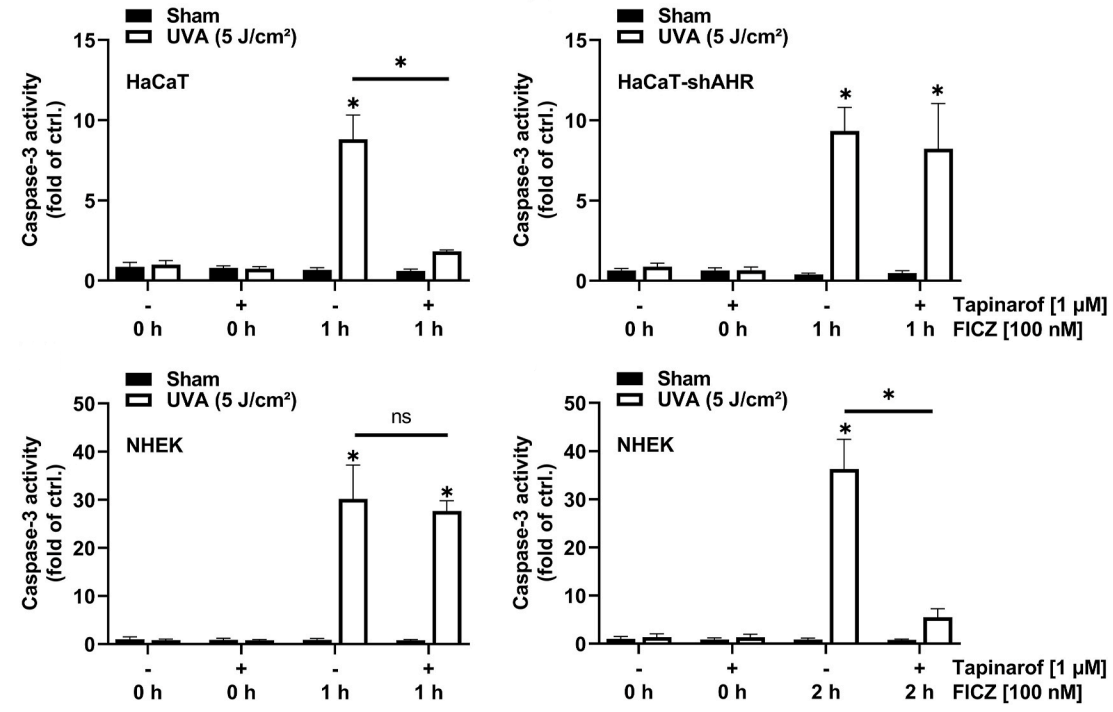
Inhibition of 6-formylindolo[3,2-b]carbazole metabolism sensitizes keratinocytes to UVA-induced apoptosis: Implications for vemurafenib-induced phototoxicity. [Abstract]2021 Oct:46:102110. PMID: 34418602
Tapinarof purchased from MedChemExpress. Usage Cited in: Redox Biol. 2021 Oct:46:102110. [Abstract]
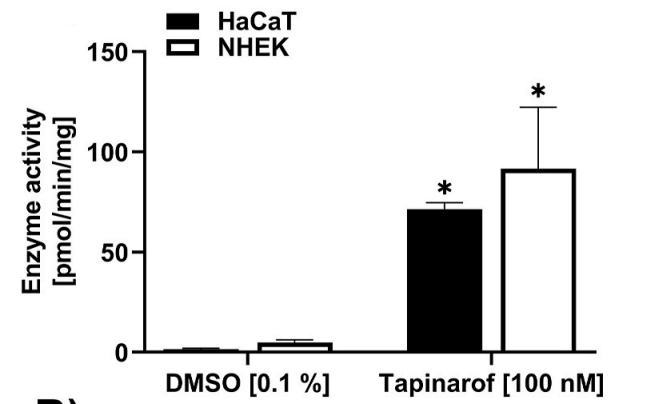
CYP1A1 enzyme activity measurement in HaCaT cells and NHEKs treated for 24 h with 100 nM Tapinarof (n = 3).
Tapinarof purchased from MedChemExpress. Usage Cited in: Redox Biol. 2021 Oct:46:102110. [Abstract]
CYP1A1 enzyme activity measurement in HaCaT cells and NHEKs treated for 24 h with 100 nM Tapinarof (n = 3).
-
Cell Death Discov
ALDH3A1-dependent Nrf2/HO-1/GPX4 pathway supports AHR as a promising therapeutic target for ferroptosis and promotes imperatorin-mediated lung protection. [Abstract]2026 Jan 9;12(1):16. PMID: 41513604 -
Proc Natl Acad Sci U S A
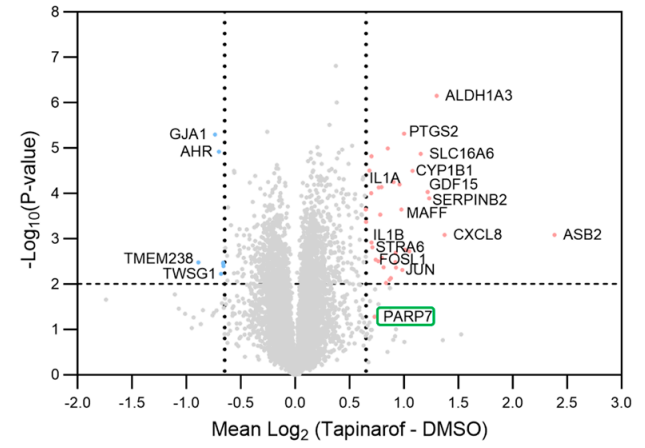
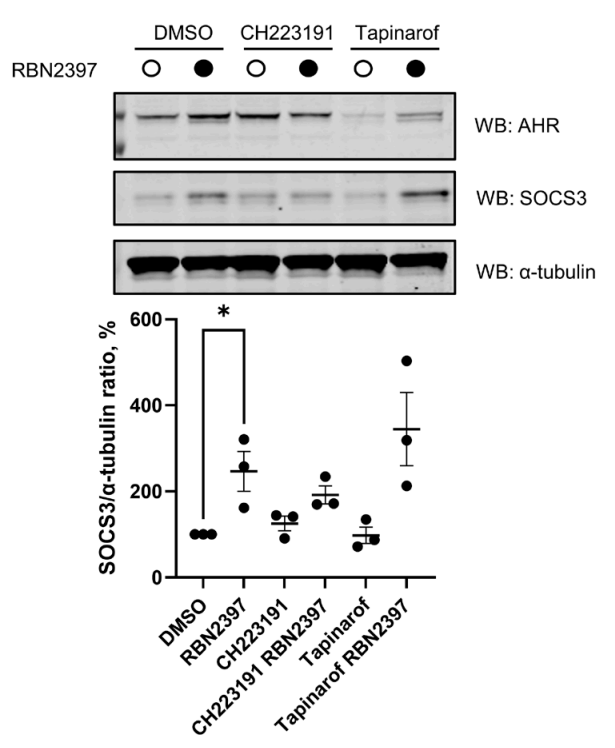
CRISPR screens and quantitative proteomics reveal remodeling of the aryl hydrocarbon receptor-driven proteome through PARP7 activity. [Abstract]2025 Jun 17;122(24):e2424985122. PMID: 40493189
Tapinarof purchased from MedChemExpress. Usage Cited in: Proc Natl Acad Sci U S A. 2025 Jun 17;122(24):e2424985122. [Abstract]
Quantitative proteomics (TMT 18-plex) volcano plots showing significantly upregulated (red) and downregulated (blue) proteins in HCC44 cells treated with 1 μM Tapinarof (24 h).
Tapinarof purchased from MedChemExpress. Usage Cited in: Proc Natl Acad Sci U S A. 2025 Jun 17;122(24):e2424985122. [Abstract]
Western blotting analysis of AHR and SOCS3 levels in HCC44 cells treated with 1 µM RBN2397 with or without 1 µM CH223191 and 1 µM Tapinarof (24 h).
-
Cell Chem Biol
Identification of aryl hydrocarbon receptor as a functional target that enhances astrocytic ApoE secretion. [Abstract]2026 Jan 15;33(1):91-101.e12. PMID: 41483807 -
EMBO J
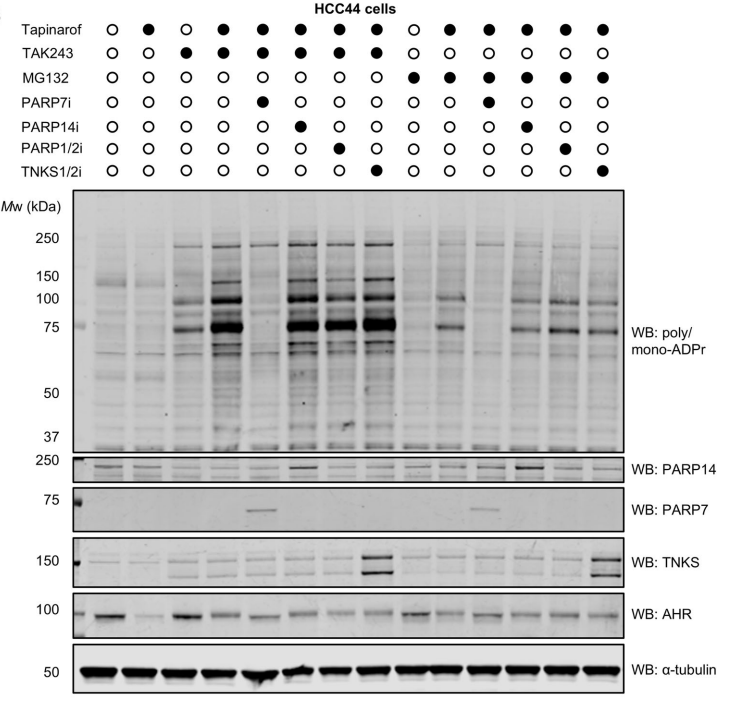
Ubiquitin pathway blockade reveals endogenous ADP-ribosylation marking PARP7 and AHR for degradation. [Abstract]2026 Jan;45(1):261-277. PMID: 41326691
Tapinarof purchased from MedChemExpress. Usage Cited in: EMBO J. 2026 Jan;45(1):261-277. [Abstract]
HCC44 cells were pre-treated with DMSO, 1 µM Tapinarof and PARP inhibitors (PARP1/2 (1 µM Olaparib), PARP7 (100 nM RBN2397), PARP14 (200 nM RBN012759), TNKS (1 µM AZ6102)) for 20 h followed by an additional 4 h of 1 µM TAK243 or 10 µM MG132 treatment.
-
Antioxidants (Basel)
Induction of Semaphorin 3A by Resveratrol and Pinostilbene via Activation of the AHR-NRF2 Axis in Human Keratinocytes. [Abstract]2024 Jun 17;13(6):732. PMID: 38929171 -
J Invest Dermatol
Ligand-activation of the aryl hydrocarbon receptor up-regulates epidermal UDP-glucose ceramide glucosyltransferase and glucosylceramides. [Abstract]2023 Oct;143(10):1964-1972.e4. PMID: 37004877 -
JCI Insight
2021 Mar 8;6(5):e145185. PMID: 33497363 -
-
Cell Oncol (Dordr)
PARP7 and aryl hydrocarbon receptor differentially regulate mammary cancer cell proliferation and STING-induced type I interferon signalling. [Abstract]2025 Dec 23;49(1):3. PMID: 41432900 -
Int J Mol Sci
Difamilast, a Topical Phosphodiesterase 4 Inhibitor, Produces Soluble ST2 via the AHR-NRF2 Axis in Human Keratinocytes. [Abstract]2024 Jul 19;25(14):7910. PMID: 39063153 -
J Mol Cell Cardiol
Beneficial effects of aryl hydrocarbon receptor activation on post-infarction myocardial metabolism, inflammation and fibrosis: implications from multi-omics. [Abstract]2025 Oct 21:209:104-118. PMID: 41130496 -
Res Microbiol
2023 Sep-Oct;174(7):104081. PMID: 37196776 -
Immun Inflamm Dis
AhR agonist tapinarof ameliorates lupus autoimmunity by suppressing Tfh cell differentiation via regulation of the JAK2-STAT3 signaling pathway. [Abstract]2023 Jun;11(6):e903. PMID: 37382269 -
Exp Dermatol
2024 Jan;33(1):e14862. PMID: 37350230 -


Solvent & Solubility
In Vitro:
Ethanol : ≥ 100 mg/mL (393.21 mM)
DMSO : 100 mg/mL (393.21 mM; Need ultrasonic; Hygroscopic DMSO has a significant impact on the solubility of product, please use newly opened DMSO)
* "≥" means soluble, but saturation unknown.
Please refer to the solubility information to select the appropriate solvent. Once prepared, please aliquot and store the solution to prevent product inactivation from repeated freeze-thaw cycles.
Storage method and period of stock solution: -80°C, 1 year; -20°C, 6 months (protect from light). When stored at -80°C, please use it within 1 year. When stored at -20°C, please use it within 6 months.
Please refer to the solubility information to select the appropriate solvent. Once prepared, please aliquot and store the solution to prevent product inactivation from repeated freeze-thaw cycles.
Storage method and period of stock solution: -80°C, 1 year; -20°C, 6 months (protect from light). When stored at -80°C, please use it within 1 year. When stored at -20°C, please use it within 6 months.
Concentration (start) × Volume (start) = Concentration (final) × Volume (final)
In Vivo:
Select the appropriate dissolution method based on your experimental animal and administration route.
- For the following dissolution methods, please ensure to first prepare a clear stock solution using an In Vitro approach and then sequentially add co-solvents:
- To ensure reliable experimental results, the clarified stock solution can be appropriately stored based on storage conditions. As for the working solution for In Vivo experiments, it is recommended to prepare freshly and use it on the same day.
- The percentages shown for the solvents indicate their volumetric ratio in the final prepared solution. If precipitation or phase separation occurs during preparation, heat and/or sonication can be used to aid dissolution.
Add each solvent one by one: 10% DMSO 40% PEG300 5% Tween-80 45% Saline
Solubility: ≥ 2.5 mg/mL (9.83 mM); Clear solution
This protocol yields a clear solution of ≥ 2.5 mg/mL (saturation unknown).
Taking 1 mL working solution as an example, add 100 μL DMSO stock solution (25.0 mg/mL) to 400 μL PEG300, and mix evenly; then add 50 μL Tween-80 and mix evenly; then add 450 μL Saline to adjust the volume to 1 mL.
Preparation of Saline: Dissolve 0.9 g sodium chloride in ddH₂O and dilute to 100 mL to obtain a clear Saline solution.
Add each solvent one by one: 10% DMSO 90% (20% SBE-β-CD in Saline)
Solubility: ≥ 2.5 mg/mL (9.83 mM); Clear solution
This protocol yields a clear solution of ≥ 2.5 mg/mL (saturation unknown).
Taking 1 mL working solution as an example, add 100 μL DMSO stock solution (25.0 mg/mL) to 900 μL 20% SBE-β-CD in Saline, and mix evenly.
Preparation of 20% SBE-β-CD in Saline (4°C, storage for one week): 2 g SBE-β-CD powder is dissolved in 10 mL Saline, completely dissolve until clear.
In Vivo Dissolution Calculator
Please enter the basic information of animal experiments:
-
-
-
-
Recommended: Prepare an additional quantity of animals to account for potential losses during experiments.
Please enter your animal formula composition:
-
%DMSO +
Recommended: Keep the proportion of DMSO in working solution below 2% if your animal is weak.
-
%+
-
+%Tween-80 + +
-
%Saline +
The co-solvents required include: DMSO, . All of co-solvents are available by MedChemExpress (MCE). , Tween 80. All of co-solvents are available by MedChemExpress (MCE).
Working solution concentration: 0.22 mg/mL
Method for preparing stock solution: mg drug dissolved in μL DMSO. Stock solution concentration: mg/mL. * In solvent : -80°C, 1 year; -20°C, 6 months (protect from light)
1. Take μL DMSO stock solution;
2. Add μL .
μL , mix evenly;
3. Then add μL Tween 80, mix evenly;
4. Then add μL
Please ensure that the stock solution in the first step is dissolved to a clear state, and add co-solvents in sequence. You can use ultrasonic heating (ultrasonic cleaner, recommended frequency 20-40 kHz), vortexing, etc. to assist dissolution.

Protocols
-
Imiquimod-Induced Psoriasiform Dermatitis
Imiquimod (IMQ)-induced psoriasiform dermatitis is a widely used murine model in which topical application of IMQ, a Toll-like receptor 7 (TLR7) agonist, triggers innate immune activation in the skin and induces a psoriasis-like inflammatory cascade characterized by epidermal hyperplasia, immune cell infiltration, and cytokine production dominated by the IL-23/IL-17 axis. This inflammatory response is mediated through activation of dendritic cells and downstream induction of IL-23, IL-17A, IL-22, and related pro-inflammatory mediators, recapitulating key features of human plaque psoriasis and enabling mechanistic and therapeutic studies. The model is commonly induced using Aldara (5% IMQ cream) applied topically to murine skin, resulting in rapid onset of erythema, scaling, and thickening that can be quantified as disease severity indices and validated histologically.
-
TPA/Croton Oil Ear Edema and Dermatitis
The TPA (12-O-tetradecanoylphorbol-13-acetate) and croton oil-induced mouse ear edema model is a well-established acute cutaneous inflammation system used to evaluate topical anti-inflammatory activity by measuring edema formation, neutrophil infiltration, vascular permeability, and cytokine-mediated skin responses in vivo. The inflammatory response is triggered by topical application of phorbol esters (TPA) or croton oil constituents, leading to rapid activation of protein kinase C signaling, leukocyte recruitment, and increased vascular permeability, which can be quantified by ear thickness, weight, dye extravasation, and biochemical markers such as myeloperoxidase (MPO) activity and pro-inflammatory mediators in ear tissue homogenates. This model is widely used for screening anti-inflammatory agents, where reductions in edema and inflammatory biomarkers reflect suppression of acute dermal inflammation and immune cell infiltration. Histological evaluation typically confirms epidermal
-
Contact Hypersensitivity Dermatitis
Contact hypersensitivity (CHS) dermatitis is a T cell-mediated delayed-type (Type IV) immune reaction in which low-molecular-weight haptens applied to the skin bind host proteins to form complete antigens, triggering sensitization followed by a secondary inflammatory response upon re-exposure (elicitation phase), which is commonly quantified by ear swelling as a readout of skin inflammation in murine models. This model is widely used to study allergic contact dermatitis because it is antigen-specific, reproducible, and reflects key immunological events including dendritic cell activation, T cell priming in draining lymph nodes, and effector T cell-driven tissue inflammation. DNFB- and oxazolone-induced CHS models are standard systems for evaluating both acute and chronic T cell-dependent skin inflammation and for testing immunomodulatory interventions.
-
Research Protocol for Inflammation-related Diseases
The NLRP3 inflammasome is a cytosolic innate immune signaling platform that integrates priming signals and danger-signal activation to promote caspase-1 activation, maturation of IL-1β and IL-18, and gasdermin D-mediated pyroptotic cell death. The core experimental logic is to determine whether inflammatory disease phenotypes are driven by increased NLRP3 expression, ASC-containing inflammasome assembly, caspase-1 cleavage, GSDMD cleavage, and extracellular release of IL-1β/IL-18 rather than by nonspecific cell injury alone. The pathway is strongly linked to inflammation-related disease phenotypes because monosodium urate crystals activate NALP3/NLRP3 inflammasome signaling in gout-like crystal inflammation, cholesterol crystals activate NLRP3 inflammasomes in atherogenesis models, and DSS-induced intestinal inflammation has been reported to involve NLRP3 inflammasome activity. However, experimental colitis studies also show context-dependent protective effects of NLRP3 inflammasome co


Purity & Documentation
-
Data Sheet (284 KB)
-
SDS (394 KB)
- English - EN (394 KB)
- Français - FR (394 KB)
- Deutsch - DE (394 KB)
- Norwegian - NO (394 KB)
- Español - ES (394 KB)
- Swedish - SV (394 KB)
- Italian - IT (394 KB)
- Korean - KR (394 KB)
- Portuguese - PT (394 KB)
-
Handling Instructions (2659 KB)
References


Complete Stock Solution Preparation Table
Please refer to the solubility information to select the appropriate solvent. Once prepared, please aliquot and store the solution to prevent product inactivation from repeated freeze-thaw cycles.
Storage method and period of stock solution: -80°C, 1 year; -20°C, 6 months (protect from light). When stored at -80°C, please use it within 1 year. When stored at -20°C, please use it within 6 months.
| Optional Solvent | Concentration Solvent Mass | 1 mg | 5 mg | 10 mg | 25 mg |
|---|---|---|---|---|---|
| Ethanol / DMSO | 1 mM | 3.9321 mL | 19.6603 mL | 39.3205 mL | 98.3013 mL |
| 5 mM | 0.7864 mL | 3.9321 mL | 7.8641 mL | 19.6603 mL | |
| 10 mM | 0.3932 mL | 1.9660 mL | 3.9321 mL | 9.8301 mL | |
| 15 mM | 0.2621 mL | 1.3107 mL | 2.6214 mL | 6.5534 mL | |
| 20 mM | 0.1966 mL | 0.9830 mL | 1.9660 mL | 4.9151 mL | |
| 25 mM | 0.1573 mL | 0.7864 mL | 1.5728 mL | 3.9321 mL | |
| 30 mM | 0.1311 mL | 0.6553 mL | 1.3107 mL | 3.2767 mL | |
| 40 mM | 0.0983 mL | 0.4915 mL | 0.9830 mL | 2.4575 mL | |
| 50 mM | 0.0786 mL | 0.3932 mL | 0.7864 mL | 1.9660 mL | |
| 60 mM | 0.0655 mL | 0.3277 mL | 0.6553 mL | 1.6384 mL | |
| 80 mM | 0.0492 mL | 0.2458 mL | 0.4915 mL | 1.2288 mL | |
| 100 mM | 0.0393 mL | 0.1966 mL | 0.3932 mL | 0.9830 mL |


Tapinarof Related Classifications
HY-109044 Related Classifications
 Powered by Bioz