



ROC-325
Based on 4 publication(s) in Google Scholar
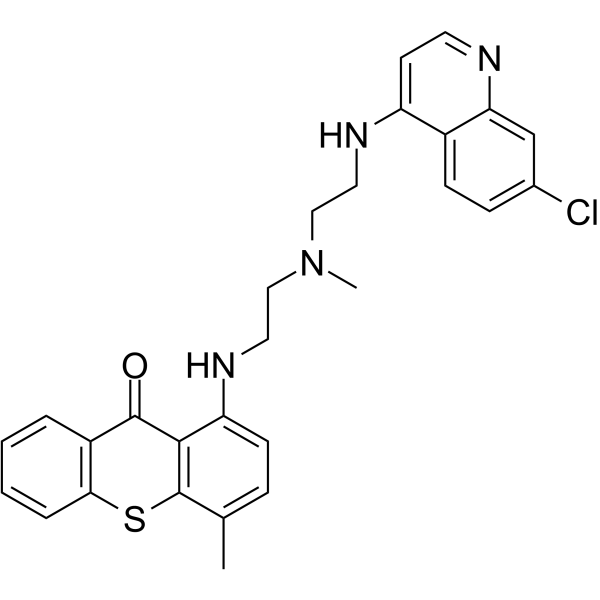
ROC-325 is a potent and orally active autophagy inhibitor with a strong anticancer activity. ROC-325 induces the deacidification of lysosomes, accumulation of autophagosomes, and disrupted autophagic flux. ROC-325 also induces renal cell carcinoma apoptosis.
Nos produits utilisent uniquement pour la recherche. Nous ne vendons pas aux patients.
- Pureté : 98.73%
- CAS No.: 1859141-26-6
- Formule: C28H27ClN4OS
- Masse moléculaire:503.06
-
Stockage:Powder -20°C, 3 years , 4°C, 2 years ; In solvent -80°C, 2 years , -20°C, 1 year

To place orders, for customer services and technical support, please contact: MedChemExpress USA
Tel: 609-228-6898 E-mail: [email protected] [email protected]


-
 Activité biologique
-
Chemical Information
-
Solvant et solubilité
- Protocole
- Pureté et documentation
- Références
-
 Help & FAQs


-
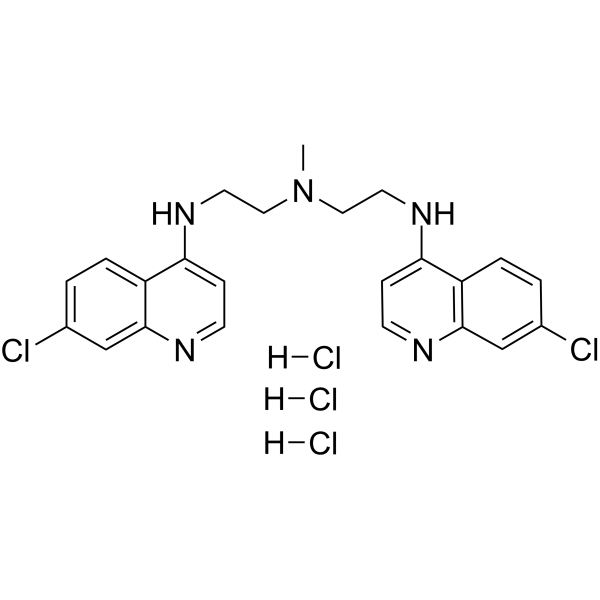
HY-12855A
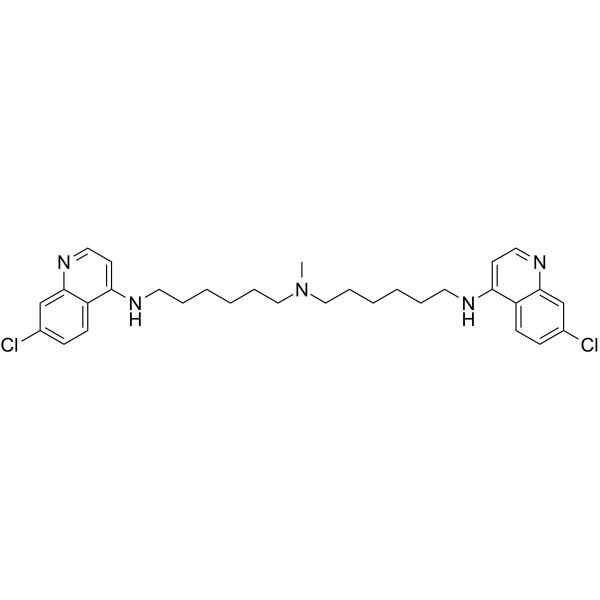
Lys05 -
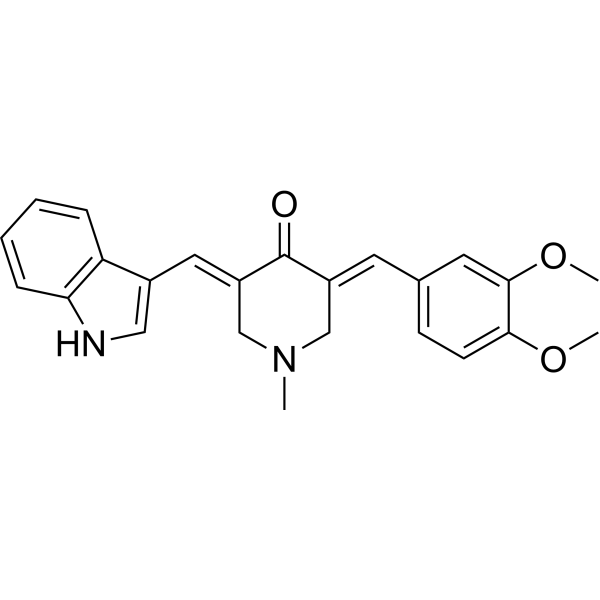
HY-112698
CA-5fLate-Stage Autophagy Inhibitor -
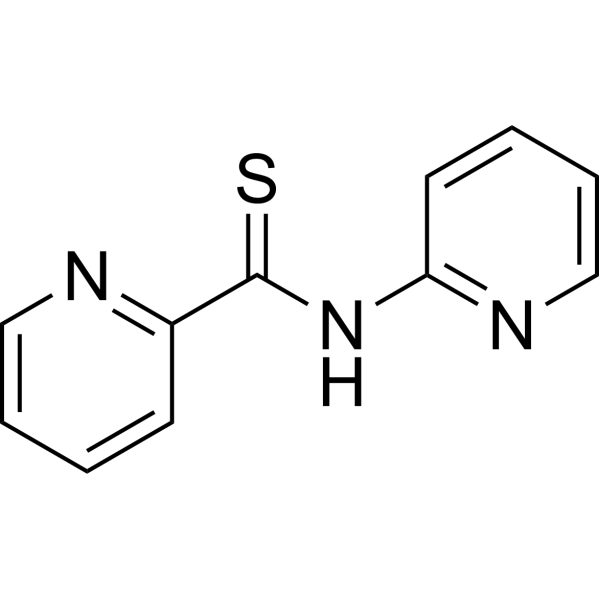
HY-125169
NSC 185058ATG4B Inhibitor -
HY-111621
DC661PPT1 Inhibitor -
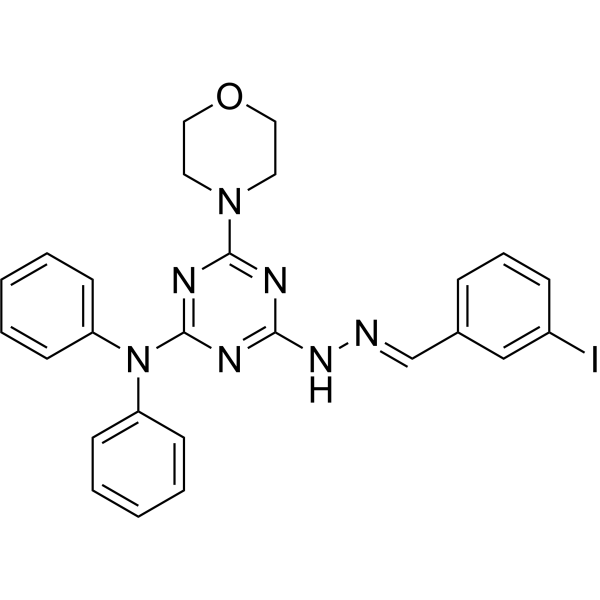
HY-118630
Vacuolin-1PIKfyve Inhibitor -
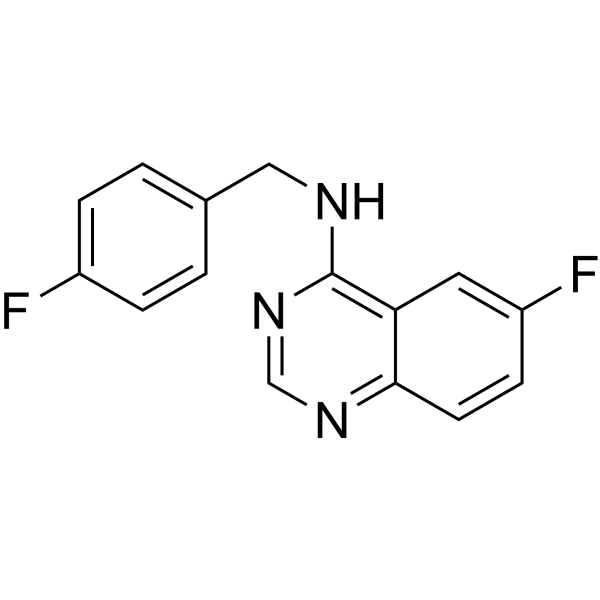
HY-12990
Spautin-1Autophagy Inhibitor -
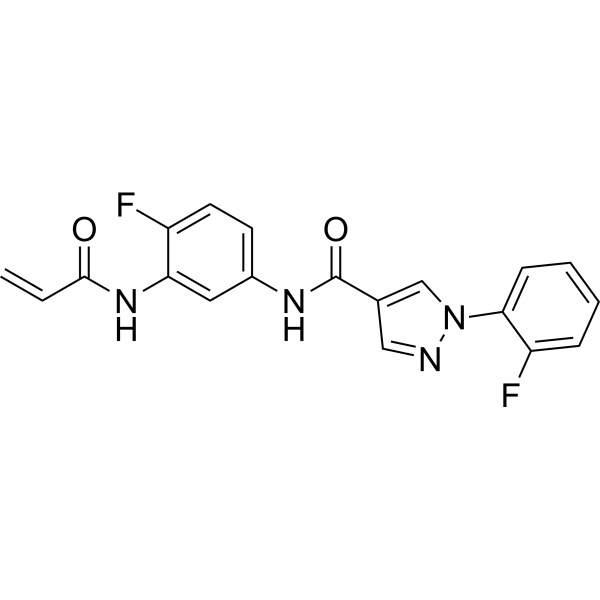
HY-128892
EN6Autophagy Activator -
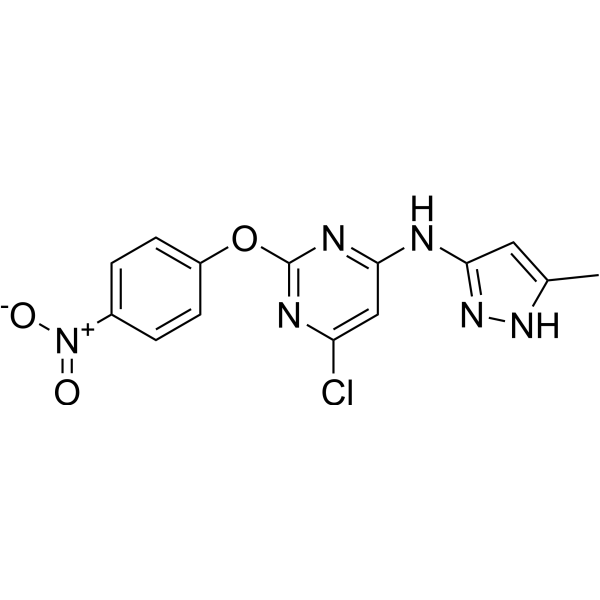
HY-101920
AutophinibVPS34 Inhibitor -
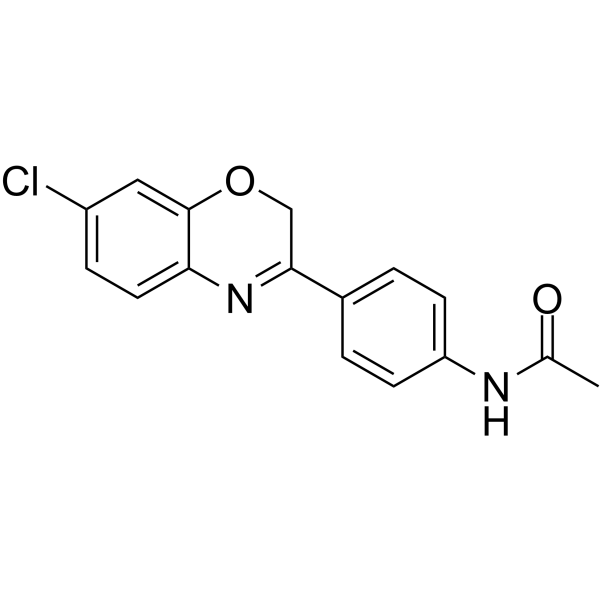
HY-112483
QX77CMA activator -
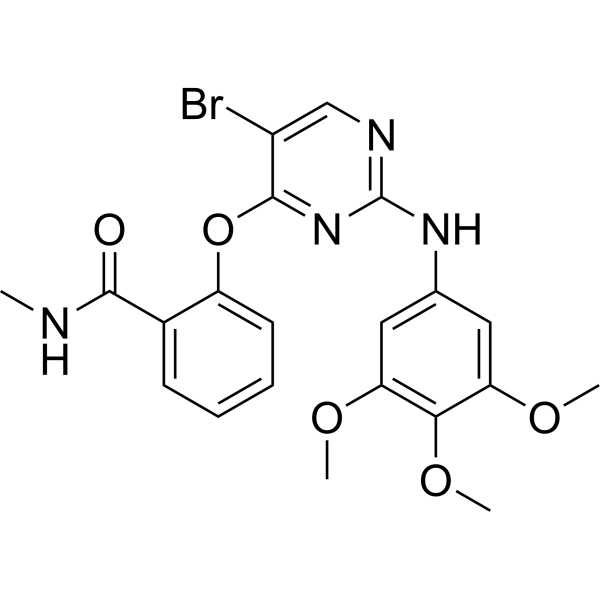
HY-16966
SBI-0206965ULK1/AMPK Inhibitor -
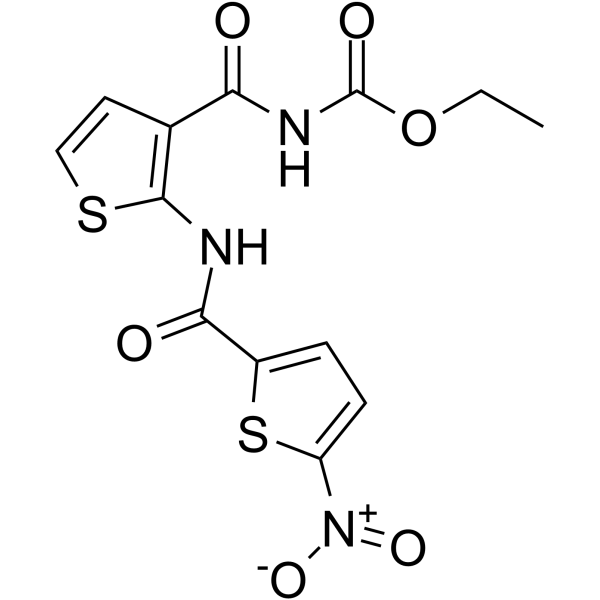
HY-129111
EACCAutophagy Inhibitor -
HY-100746
STF-62247Autophagy Inducer
Publications Citing Use of MedChemExpress (MCE) ROC-325
More Customer Validation & Images

-
WB

-
IF

-
Histological Imaging/Staining

-
In Vivo Efficacy Study


Activité biologique
Description
IC50 & Target
Autophagy[1]
In Vitro
ROC-325 antagonizes renal cell carcinoma (RCC) growth and survival in an ATG5/7-dependent manner, induces apoptosis, and exhibits favorable selectivity. ROC-325 inhibits cells growth with IC50 values of 4.9 μM, 11 μM, 4.6 μM, 5.4 μM, 7.4 μM, 11 μM, 8.2 μM, 5.8 μM, 5.0 μM, 11 μM, 8.4 μM and 6.0 μM for A498, A549, CFPAC-1, COLO-205, DLD-1, IGROV-1, MCF-7, MiaPaCa-2, NCI-H69, PC-3, RL and UACC-62 cells, respectively. ROC-325 induces hallmark features of autophagy inhibition and antagonizes autophagic flux[1].
ROC-325 triggers a highly significant increase in cathepsin D (CTSD) levels. Treatment with 5 μM ROC-325 for 24 hours leads to the formation of LC3B punctae and a robust increase in LC3B levels in both A498 and 786-0 RCC cells. Immunoblotting analysis conducted in both A498 and 786-0 cells demonstrates that ROC-325 promotes a dose-dependent increase in LC3B expression in a manner that correlated with a corresponding increase in the levels of p62 and cathepsin D[1].
MedChemExpress (MCE) has not independently confirmed the accuracy of these methods. They are for reference only. Further protocols information, click here.
In Vivo
MedChemExpress (MCE) has not independently confirmed the accuracy of these methods. They are for reference only.


Chemical Information
-
CAS No. 1859141-26-6
-
Appearance Solid
-
Masse moléculaire 503.06
-
Formule C28H27ClN4OS
-
Color Light yellow to orange
-
SMILES
O=C1C2=C(SC3=C1C=CC=C3)C(C)=CC=C2NCCN(CCNC4=CC=NC5=CC(Cl)=CC=C45)C
-
Livraison
Room temperature in continental US; may vary elsewhere.
-
Stockage
Powder -20°C 3 years 4°C 2 years In solvent -80°C 2 years -20°C 1 year


Publications (4)
-
Journal Impact Factor
-
Most Recent
-
J Extracell Vesicles
Neuronal Extracellular Vesicles Carrying APOE Downregulate Filament Actin Polymerization Signaling to Inhibit Synapse Formation in Alzheimer's Disease. [Abstract]2026 Mar;15(3):e70248. PMID: 41806350 -
-
Eur J Pharmacol
Autophagic inhibitor ROC-325 ameliorates glomerulosclerosis and podocyte injury via inhibiting autophagic flux in experimental FSGS mice. [Abstract]2024 Nov 15:983:177007. PMID: 39307335
ROC-325 purchased from MedChemExpress. Usage Cited in: Eur J Pharmacol. 2024 Nov 15:983:177007. [Abstract]
Western blotting showed the expression of the p62, LC3A/B and GAPDH in MPCs treated with YAP siRNA or added ROC-325 with the concentration of 2.5 μM and 5 μM, respectively.
ROC-325 purchased from MedChemExpress. Usage Cited in: Eur J Pharmacol. 2024 Nov 15:983:177007. [Abstract]
Immunofluorescence staining for mRFP (red puncta) and GFP (green puncta) in the MPCs treated with ROC-325 (5 μM).
ROC-325 purchased from MedChemExpress. Usage Cited in: Eur J Pharmacol. 2024 Nov 15:983:177007. [Abstract]
Representative light microscopy of kidney sections by periodic acid–Schiff (PAS) staining from the mice treated with ROC-325 (50 mg/kg, i.g.).
ROC-325 purchased from MedChemExpress. Usage Cited in: Eur J Pharmacol. 2024 Nov 15:983:177007. [Abstract]
Representative images of the three experimental groups of mice and kidney. Body weight, kidney weight and kidney/body weight treated with ROC-325 (50 mg/kg, i.g.).
-


Solvant et solubilité
In Vitro:
DMSO : 4.55 mg/mL (9.04 mM; Need ultrasonic and warming; Hygroscopic DMSO has a significant impact on the solubility of product, please use newly opened DMSO)
H2O : < 0.1 mg/mL (insoluble)
Please refer to the solubility information to select the appropriate solvent. Once prepared, please aliquot and store the solution to prevent product inactivation from repeated freeze-thaw cycles.
Storage method and period of stock solution: -80°C, 2 years; -20°C, 1 year. When stored at -80°C, please use it within 2 years. When stored at -20°C, please use it within 1 year.
Please refer to the solubility information to select the appropriate solvent. Once prepared, please aliquot and store the solution to prevent product inactivation from repeated freeze-thaw cycles.
Storage method and period of stock solution: -80°C, 2 years; -20°C, 1 year. When stored at -80°C, please use it within 2 years. When stored at -20°C, please use it within 1 year.
Concentration (start) × Volume (start) = Concentration (final) × Volume (final)

Protocole
-
Apoptosis
Apoptosis, also called programmed cell death, is generally characterized by distinct morphological characteristics.
-
TUNEL staining for apoptotic DNA fragmentation
TUNEL staining detects DNA strand breaks by using terminal deoxynucleotidyl transferase to add labeled nucleotides to exposed 3′-OH DNA termini, generating either microscopic staining in fixed cells or tissue sections, or fluorescence/cytometric signal in cell suspensions. TUNEL positivity reflects DNA fragmentation but should not be interpreted alone as definitive apoptosis, because TUNEL can also label necrotic, autolytic, mechanically damaged, or DNA-repair-associated DNA breaks.
-
Annexin V plus membrane-impermeant dye apoptosis staining
Annexin V-based apoptosis assays rely on the detection of phosphatidylserine (PS) externalization from the inner leaflet of the plasma membrane to the outer leaflet, an early biochemical hallmark of apoptosis. Fluorescently labeled Annexin V binds PS in a calcium-dependent manner, enabling identification of early apoptotic cells by flow cytometry or fluorescence microscopy. When combined with a membrane-impermeant DNA-binding dye (e. g. , propidium iodide), this approach allows discrimination between viable (Annexin V−/dye−), early apoptotic (Annexin V+/dye−), and late apoptotic or necrotic (Annexin V+/dye+) cell populations by assessing membrane integrity and PS exposure.
-
Autophagy
Autophagy is a process in which eukaryotic cells use lysosomes to degrade their own cytoplasmic proteins and damaged organelles under the regulation of autophagy related gene (Atg). Microtubule-associated proteins light chain 3 (LC3) is recognized as autophagy marker, which transfers from cytoplasmic LC3 (LC3-I) to membrane type (LC3-II). LC3-II/I ratio could be detected by Western Blot and fluorescence microscopy.
-
Apoptosis Solutions
Apoptosis is a regulated, generally non-lytic cell-death pathway that removes unwanted, damaged, infected, or abnormal cells through coordinated morphological changes, caspase activation, DNA fragmentation, and membrane remodeling. The intrinsic apoptosis pathway is controlled mainly by mitochondrial outer membrane permeabilization, BCL-2 family proteins, cytochrome c release, apoptosome formation, caspase-9 activation, and downstream executioner caspase-3/7 activation. The extrinsic apoptosis pathway is initiated by death receptors such as Fas, TNFR, and TRAIL receptors, which recruit adaptor proteins and activate caspase-8 before engaging executioner caspases or mitochondrial amplification through BID cleavage. Apoptosis is linked to many phenotypes, including cancer cell killing, tissue homeostasis, immune regulation, neurodegeneration, infection response, and treatment-induced cytotoxicity; unresolved questions include how apoptosis interacts with necroptosis, pyroptosis, ferroptos
-
Lysosome and acidic-vesicle live-cell staining
Lysosome and acidic-vesicle live-cell staining detects acidic intracellular compartments by using membrane-permeant acidotropic probes that accumulate in low-pH vesicles, including lysosomes, late endosomes, autolysosomes, and acidic phagosomes. LysoTracker staining is commonly used as an intensity-based readout of acidic lysosomal compartment abundance or enlargement, while acridine orange produces green fluorescence in less concentrated compartments and red fluorescence after concentration-dependent accumulation in acidic vesicular organelles. Loss or reduction of acridine-orange red signal can be used as a readout of lysosomal membrane permeabilization or reduced acidic-vesicle integrity. This protocol is designed for live cultured cells and can be adapted for fluorescence microscopy, high-content imaging, plate-reader readout, or flow cytometry when the selected literature supports the readout. Because these dyes report acidotropic accumulation rather than lysosome identity alone,
-
Macroautophagy Solutions
Macroautophagy is a conserved lysosome-dependent degradation pathway in which cytoplasmic material is sequestered into double-membrane autophagosomes and delivered to lysosomes for degradation and recycling. The pathway supports cellular homeostasis during nutrient limitation, organelle stress, protein-aggregate accumulation, infection, differentiation, and tissue remodeling by coupling cargo sequestration, autophagosome maturation, lysosomal fusion, and degradation of cargo-derived macromolecules. The core molecular sequence includes initiation by nutrient- and stress-regulated autophagy machinery, autophagosome nucleation, LC3/ATG8-family conjugation to autophagosomal membranes, cargo selection through receptors such as SQSTM1/p62, autophagosome-lysosome fusion, and lysosomal degradation. LC3 was identified as a mammalian homolog of yeast Atg8 that localizes to autophagosomal membranes after processing, and p62/SQSTM1 was shown to connect ubiquitinated cargo with autophagic degradati


Pureté et documentation
-
Fiche technique (279 KB)
-
SDS (393 KB)
- English - EN (393 KB)
- Français - FR (393 KB)
- Deutsch - DE (393 KB)
- Norwegian - NO (393 KB)
- Español - ES (393 KB)
- Swedish - SV (393 KB)
- Italian - IT (393 KB)
- Korean - KR (393 KB)
- Portuguese - PT (393 KB)
-
Instruction de manipulation (2659 KB)
Références


Complete Stock Solution Preparation Table
Please refer to the solubility information to select the appropriate solvent. Once prepared, please aliquot and store the solution to prevent product inactivation from repeated freeze-thaw cycles.
Storage method and period of stock solution: -80°C, 2 years; -20°C, 1 year. When stored at -80°C, please use it within 2 years. When stored at -20°C, please use it within 1 year.
| Optional Solvent | Concentration Solvent Mass | 1 mg | 5 mg | 10 mg | 25 mg |
|---|---|---|---|---|---|
| DMSO | 1 mM | 1.9878 mL | 9.9392 mL | 19.8783 mL | 49.6959 mL |
| 5 mM | 0.3976 mL | 1.9878 mL | 3.9757 mL | 9.9392 mL |


ROC-325 Related Classifications
HY-103706 Related Classifications
 Powered by Bioz