



Saruparib
Based on 25 publication(s) in Google Scholar
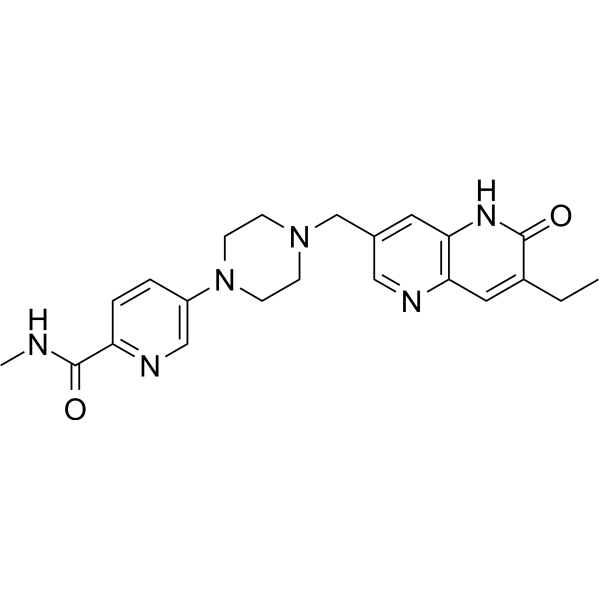
Saruparib (AZD5305) is a potent, orally active and selective PARP inhibitor and trapper with IC50 values of 3 nM and 1400 nM for PARP1 and PARP2, respectively. Saruparib has anti-proliferative activity and inhibits growth in cells with deficiencies in DNA repair.
Nos produits utilisent uniquement pour la recherche. Nous ne vendons pas aux patients.
- Pureté : 99.76%
- CAS No.: 2589531-76-8
- Formule: C22H26N6O2
- Masse moléculaire:406.48
-
Stockage:Powder -20°C, 3 years , 4°C, 2 years ; In solvent -80°C, 6 months , -20°C, 1 month

To place orders, for customer services and technical support, please contact: MedChemExpress USA
Tel: 609-228-6898 E-mail: [email protected] [email protected]


-
 Activité biologique
-
Chemical Information
-
Solvant et solubilité
- Protocole
- Pureté et documentation
- Références
-
 Help & FAQs


-
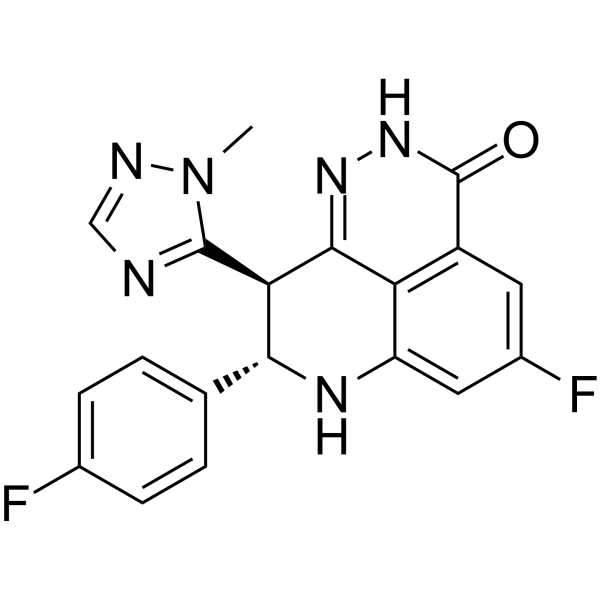
HY-16106
TalazoparibPARP Inhibitor -
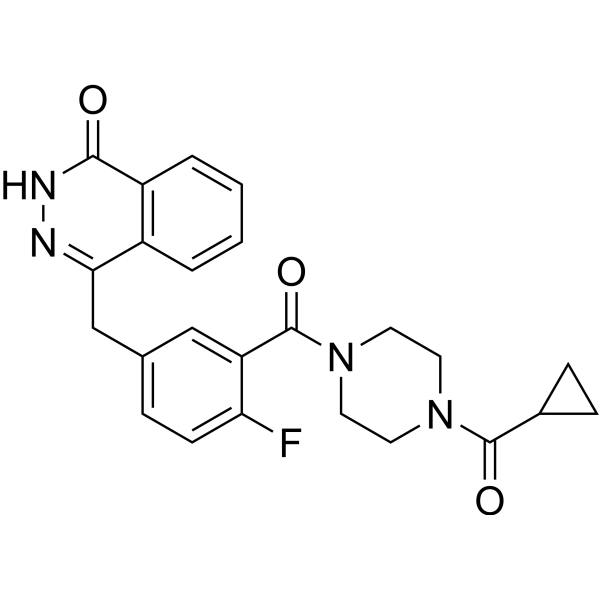
HY-10162
OlaparibPARP Inhibitor -
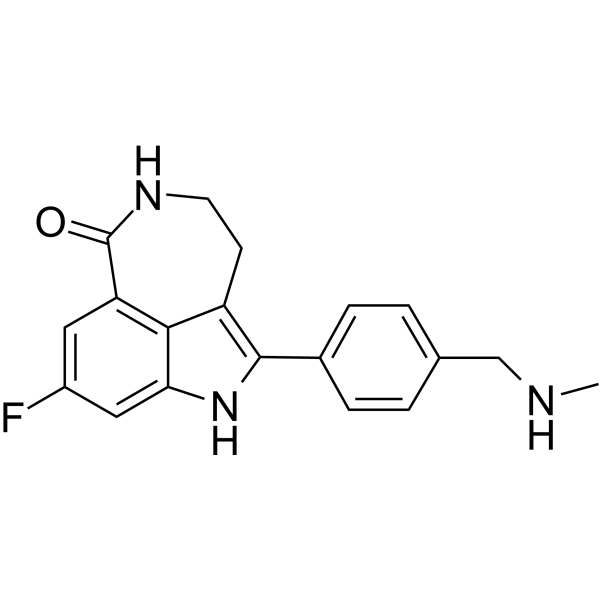
HY-10617A
RucaparibPARP Inhibitor -
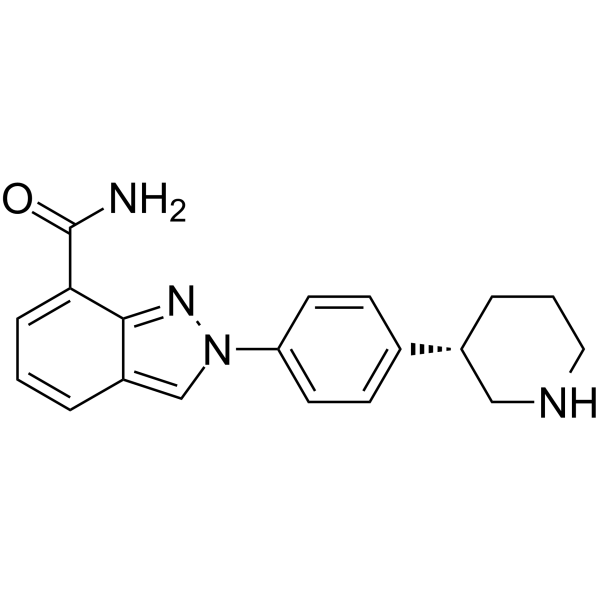
HY-10619
NiraparibPARP Inhibitor -
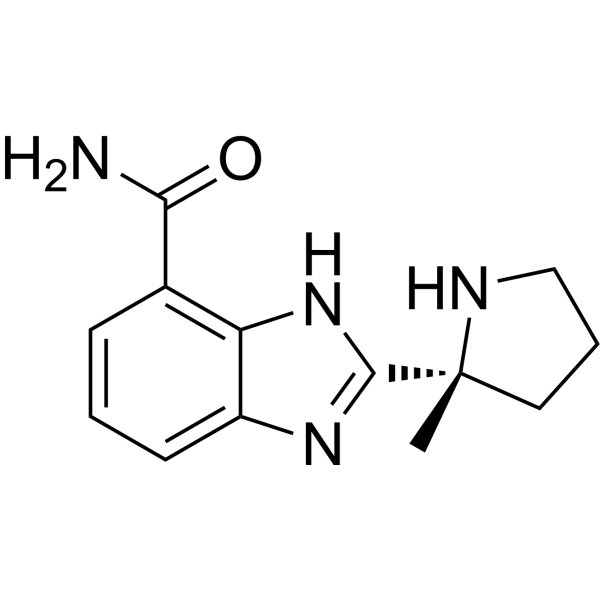
HY-10129
VeliparibPARP Inhibitor -
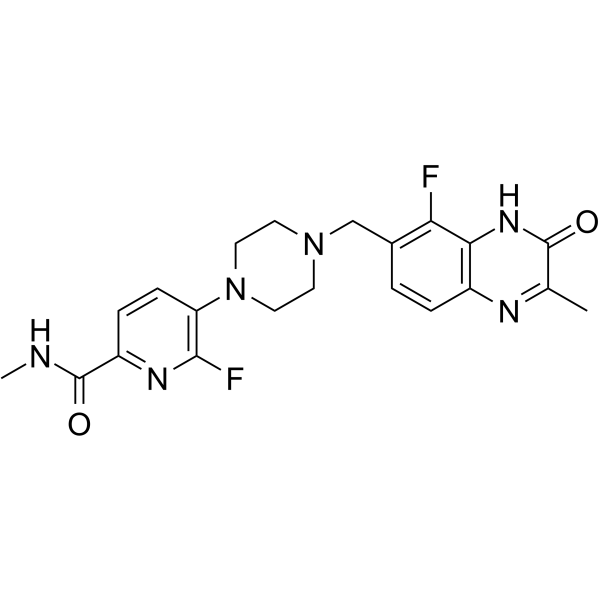
HY-145804
PalacaparibPARP1 Inhibitor -
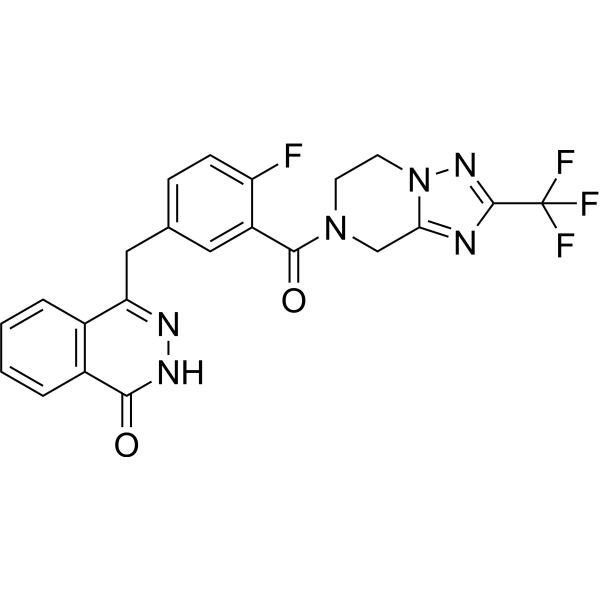
HY-114778
FluzoparibPARP1 Inhibitor -
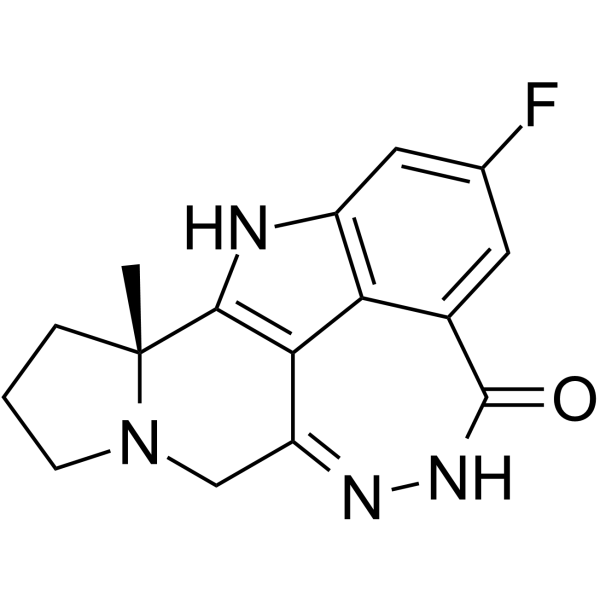
HY-104044
PamiparibPARP1/2 Inhibitor -
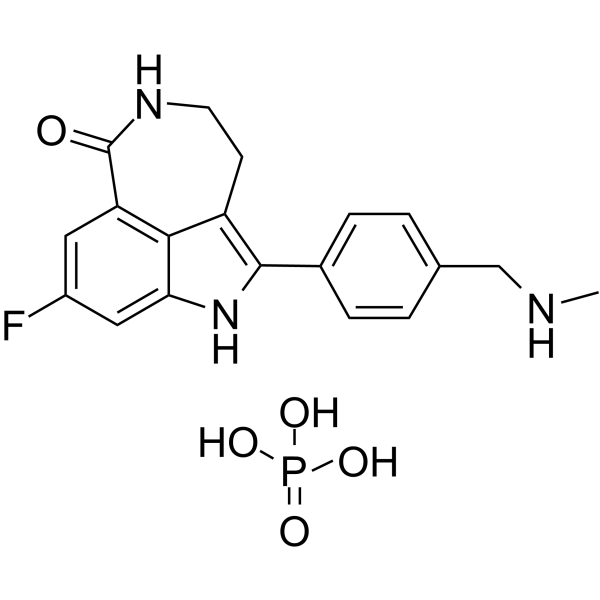
HY-10617
Rucaparib phosphatePARP Inhibitor -
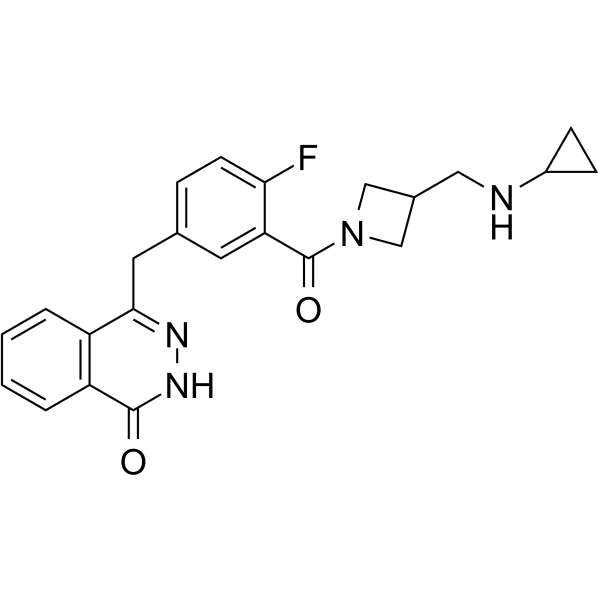
HY-137457
VenadaparibPARP 1/2 Inhibitor -
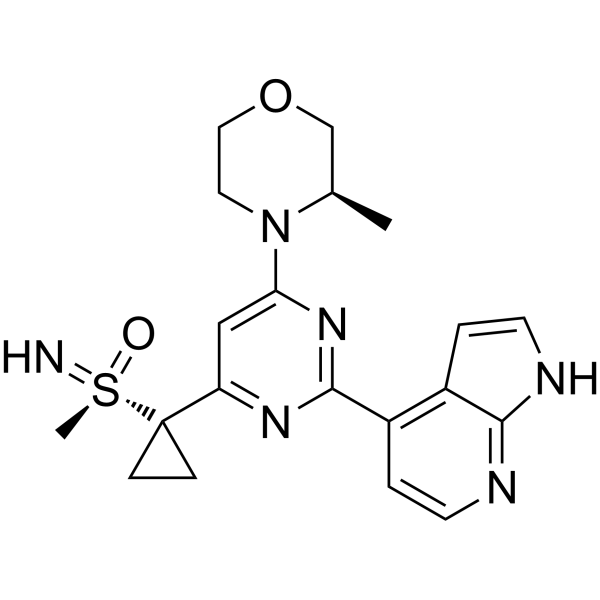
HY-19323
CeralasertibATR Inhibitor -
HY-15531
VenetoclaxBCL-2 Inhibitor
Publications Citing Use of MedChemExpress (MCE) Saruparib
More- Nature. 2025 Sep;645(8082):1071-1080. [Abstract]
- Nat Genet. 2025 Mar;57(3):522-529. [Abstract]
- Cancer Res. 2026 Jul 17.
- Mol Cell. 2025 Mar 6;85(5):865-876.e4. [Abstract]
- Cell Rep Med. 2026 May 19;7(5):102750. [Abstract]
- Clin Cancer Res. 2026 Jul 13. [Abstract]
- Proc Natl Acad Sci U S A. 2025 Jun 10;122(23):e2426743122. [Abstract]
- Clin Transl Med. 2024 Dec;14(12):e70111. [Abstract]
- Cell Rep. 2026 May 4;45(5):117350. [Abstract]
- Cell Rep. 2023 Sep 6;42(9):113113. [Abstract]
- J Med Chem. 2026 Jul 23;69(14):16629-16657. [Abstract]
- Mol Cancer Ther. 2026 Jul 15:10.1158/1535-7163.MCT-26-0182.
- Mol Cancer Ther. 2025 Jul 2. [Abstract]
- FEBS Lett. 2026 Mar 31. [Abstract]
- Biochemistry. 2023 Aug 15;62(16):2382-2390. [Abstract]
- J Anal Sci Technol. 2023 Aug 9.
- Biomed Pharmacother. 2026 Sep:202:119803.
- bioRxiv. 2026 May 1:2026.04.28.717272. [Abstract]
- Comput Biol Med. 2025 Oct 18;198(Pt B):111201. [Abstract]
- SSRN. 2025 Sep 26.
- bioRxiv. 2025 August 25.
- University of Arizona. 2025.
- bioRxiv. 2025 April 24.
- Research Square Preprint. 2024 Nov 06.
- bioRxiv. 2024 Nov 6:2024.11.04.621884. [Abstract]
 Customer Validation & Images

-
Cell Proliferation/Viability Assay
-
Cell Proliferation/Viability Assay
-
Histological Imaging/Staining
-
Histological Imaging/Staining
-
Histological Imaging/Staining


Activité biologique
Description
IC50 & Target
[1]|
PARP1 3 nM (IC50) |
PARP2 1400 nM (IC50) |
Cellular Effect
|
Cell Line

|
Type | Value | Description | References |
|---|---|---|---|---|
| DLD-1 | IC50 |
0.002 μM
Compound: 25
|
Antiproliferative activity against human DLD-1 deficient in BRCA-2 cells measured after 7 days
Antiproliferative activity against human DLD-1 deficient in BRCA-2 cells measured after 7 days
|
[PMID: 34570508] |
| DLD-1 | IC50 |
0.915 nM
Compound: AZD5305
|
Antiproliferative activity against human DLD-1 cells harbouring BRCA-2 mutant assessed as inhibition of cell growth
Antiproliferative activity against human DLD-1 cells harbouring BRCA-2 mutant assessed as inhibition of cell growth
|
[PMID: 36343904] |
| DLD-1 | IC50 |
12.06 μM
Compound: AZD5305
|
Antiproliferative activity against human DLD-1 cells harbouring wild type BRCA assessed as inhibition of cell growth
Antiproliferative activity against human DLD-1 cells harbouring wild type BRCA assessed as inhibition of cell growth
|
[PMID: 36343904] |
In Vitro
Saruparib (AZD5305) (0.1 nM-100 μM) inhibits PARylation in A549 WT cells by selectively blocking PARP1 enzymatic activity with an IC50 value of 2.3 nM[1].
AZD5305 (0.1 nM-100 μM; A549 WT cells) is a potent and selective trapper of PARP1 in a dose-dependent manner by single digit nanomolar concentrations[1].
AZD5305 (0.1 nM-100 μM; 48 h; DLD1 WT and DLD1 BRCA2-/-) has anti-proliferative activity and targets cancer cells with HRR-deficiency, inducing DNA damage accumulation and cell-cycle arrest[1].
MedChemExpress (MCE) has not independently confirmed the accuracy of these methods. They are for reference only.
In Vivo
MedChemExpress (MCE) has not independently confirmed the accuracy of these methods. They are for reference only.
-
Animal Model:Female Han Wistar rats with BRCAm xenograft and PDX models (12-13 weeks of age)[1]
-
Dosage:0.01, 0.03, 0.1, and 0.3 mg/kg
-
Administration:Oral administration; daily, for 35 days
-
Result:Had antitumor efficacy in a dose-dependent manner.
Essai clinique
| NCT Number | Sponsor | Condition | Start Date |
Phase
|
|---|---|---|---|---|
| NCT01329991 | 2011-05 | PHASE1 |


Chemical Information
-
CAS No. 2589531-76-8
-
Appearance Solid
-
Masse moléculaire 406.48
-
Formule C22H26N6O2
-
Color Off-white to light yellow
-
SMILES
O=C(C1=NC=C(N2CCN(CC3=CC(N4)=C(N=C3)C=C(CC)C4=O)CC2)C=C1)NC
-
Synonyms
AZD5305
-
Livraison
Room temperature in continental US; may vary elsewhere.
-
Stockage
Powder -20°C 3 years 4°C 2 years In solvent -80°C 6 months -20°C 1 month


Publications (25)
-
Journal Impact Factor
-
Most Recent
-
Nature
2025 Sep;645(8082):1071-1080. PMID: 40804522 -
Nat Genet
The transcriptomic architecture of common cancers reflects synthetic lethal interactions. [Abstract]2025 Mar;57(3):522-529. PMID: 40033056
Saruparib purchased from MedChemExpress. Usage Cited in: Nat Genet. 2025 Mar;57(3):522-529. [Abstract]
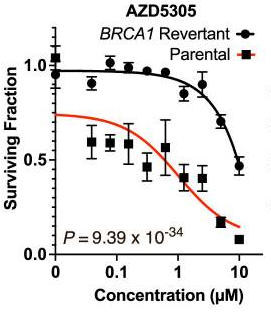
Dose response survival curves illustrating the cell inhibitory effects of AZD5305 (0-10 μM, 7 d) in isogenic BRCA1 mutant (mutant/HR defective) and BRCA1 revertant (HR proficient) SUM149 cells.
-
-
Mol Cell
2025 Mar 6;85(5):865-876.e4. PMID: 39889708 -
Cell Rep Med
Targeting RNase H2: A dual-mechanism strategy to elevate replication stress, DNA damage, and antitumor immunity in TNBC. [Abstract]2026 May 19;7(5):102750. PMID: 42013846 -
Clin Cancer Res
The pharmacological profile of ART6043, a first-in-class clinical DNA polymerase theta polymerase domain inhibitor potentiating PARP inhibitor efficacy. [Abstract]2026 Jul 13. PMID: 42440368 -
Proc Natl Acad Sci U S A
BRCA2 reversion mutation-independent resistance to PARP inhibition through impaired DNA prereplication complex function. [Abstract]2025 Jun 10;122(23):e2426743122. PMID: 40460119
Saruparib purchased from MedChemExpress. Usage Cited in: Proc Natl Acad Sci U S A. 2025 Jun 10;122(23):e2426743122. [Abstract]
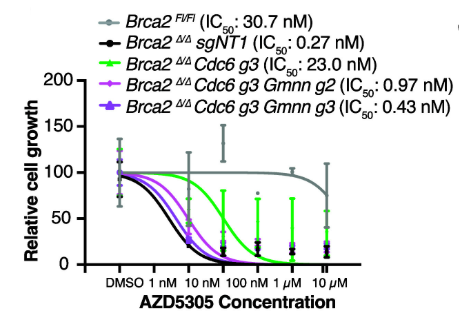
7-d olaparib dose–response viability assay in Brca2Δ/Δ Trp53Δ/Δ PtenΔ/Δ organoids stably expressing the indicated sgRNAs (sgNT2, Cdt1 g2-14, and Cdt1 g4-2) in LentiCRISPR-GFP treated with AZD5305.
-
Clin Transl Med
2024 Dec;14(12):e70111. PMID: 39690136 -
Cell Rep
2026 May 4;45(5):117350. PMID: 42090288 -
Cell Rep
2023 Sep 6;42(9):113113. PMID: 37676774 -
J Med Chem
Identification of XZ8078 as a Dual-Target Degrader Targeting PARP1 and IKZF3 for Broad Spectrum Anticancer Treatment. [Abstract]2026 Jul 23;69(14):16629-16657. PMID: 42380731 -
-
Mol Cancer Ther
Harnessing senolytics and PARP inhibition to expand the antitumor activity of CDK4/6 inhibitors in prostate cancer. [Abstract]2025 Jul 2. PMID: 40601842 -
FEBS Lett
2026 Mar 31. PMID: 41914023 -
Biochemistry
2023 Aug 15;62(16):2382-2390. PMID: 37531469 -
-
-
bioRxiv
2026 May 1:2026.04.28.717272. PMID: 42094395 -
Comput Biol Med
2025 Oct 18;198(Pt B):111201. PMID: 41110298 -
-
Saruparib purchased from MedChemExpress. Usage Cited in: bioRxiv. 2025 August 25.
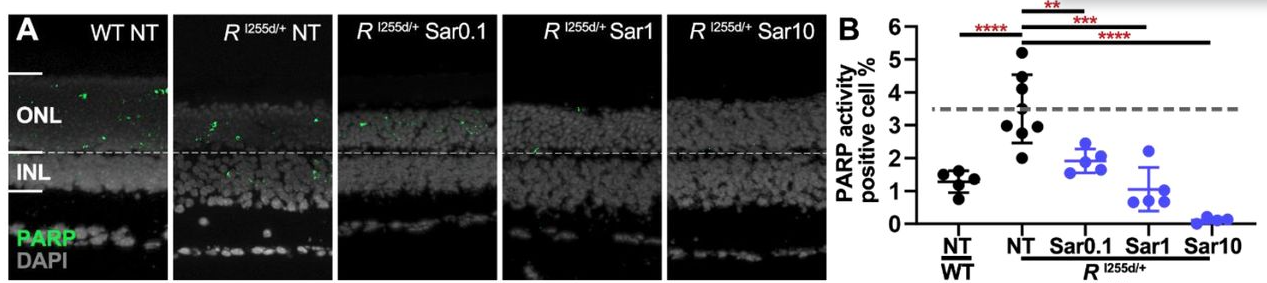
Saruparib (0.1, 1, or 10 µM) treatment significantly reduced PARP-positive cells (green) in the outer nuclear layer (ONL).
Saruparib purchased from MedChemExpress. Usage Cited in: bioRxiv. 2025 August 25.
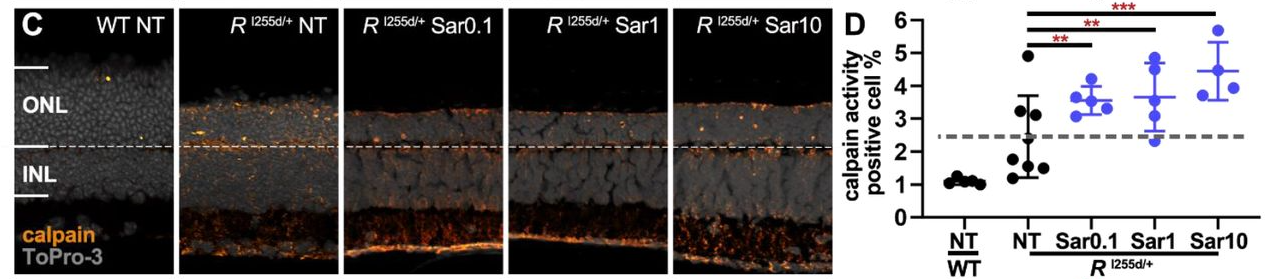
Calpain activity-positive cells (orange) were increased by Saruparib (0.1, 1, or 10 µM) treatment.
Saruparib purchased from MedChemExpress. Usage Cited in: bioRxiv. 2025 August 25.
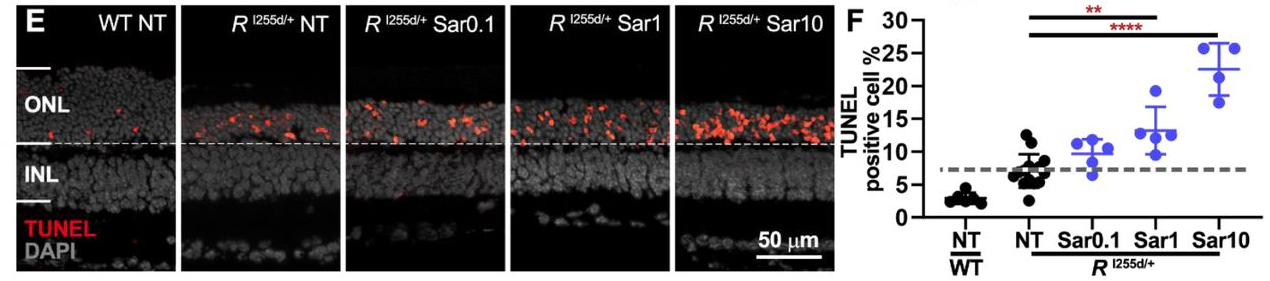
ONL cell death, visualized via TUNEL assay (red), was dose-dependently increased by Saruparib (0.1, 1, or 10 µM) treatment.
-
-
-
-
bioRxiv
PAIRWISE: Deep Learning-based Prediction of Effective Personalized Drug Combinations in Cancer. [Abstract]2024 Nov 6:2024.11.04.621884. PMID: 39574568


Solvant et solubilité
In Vitro:
DMSO : 25 mg/mL (61.50 mM; ultrasonic and warming and heat to 60°C; Hygroscopic DMSO has a significant impact on the solubility of product, please use newly opened DMSO)
Please refer to the solubility information to select the appropriate solvent. Once prepared, please aliquot and store the solution to prevent product inactivation from repeated freeze-thaw cycles.
Storage method and period of stock solution: -80°C, 6 months; -20°C, 1 month. When stored at -80°C, please use it within 6 months. When stored at -20°C, please use it within 1 month.
Please refer to the solubility information to select the appropriate solvent. Once prepared, please aliquot and store the solution to prevent product inactivation from repeated freeze-thaw cycles.
Storage method and period of stock solution: -80°C, 6 months; -20°C, 1 month. When stored at -80°C, please use it within 6 months. When stored at -20°C, please use it within 1 month.
Concentration (start) × Volume (start) = Concentration (final) × Volume (final)
In Vivo:
Select the appropriate dissolution method based on your experimental animal and administration route.
- For the following dissolution methods, please ensure to first prepare a clear stock solution using an In Vitro approach and then sequentially add co-solvents:
- To ensure reliable experimental results, the clarified stock solution can be appropriately stored based on storage conditions. As for the working solution for In Vivo experiments, it is recommended to prepare freshly and use it on the same day.
- The percentages shown for the solvents indicate their volumetric ratio in the final prepared solution. If precipitation or phase separation occurs during preparation, heat and/or sonication can be used to aid dissolution.
Add each solvent one by one: 10% DMSO 40% PEG300 5% Tween-80 45% Saline
Solubility: ≥ 1 mg/mL (2.46 mM); Clear solution
This protocol yields a clear solution of ≥ 1 mg/mL (saturation unknown).
Taking 1 mL working solution as an example, add 100 μL DMSO stock solution (10.0 mg/mL) to 400 μL PEG300, and mix evenly; then add 50 μL Tween-80 and mix evenly; then add 450 μL Saline to adjust the volume to 1 mL.
Preparation of Saline: Dissolve 0.9 g sodium chloride in ddH₂O and dilute to 100 mL to obtain a clear Saline solution.
Add each solvent one by one: 10% DMSO 90% (20% SBE-β-CD in Saline)
Solubility: ≥ 1 mg/mL (2.46 mM); Clear solution
This protocol yields a clear solution of ≥ 1 mg/mL (saturation unknown).
Taking 1 mL working solution as an example, add 100 μL DMSO stock solution (10.0 mg/mL) to 900 μL 20% SBE-β-CD in Saline, and mix evenly.
Preparation of 20% SBE-β-CD in Saline (4°C, storage for one week): 2 g SBE-β-CD powder is dissolved in 10 mL Saline, completely dissolve until clear.
In Vivo Dissolution Calculator
Please enter the basic information of animal experiments:
-
-
-
-
Recommended: Prepare an additional quantity of animals to account for potential losses during experiments.
Please enter your animal formula composition:
-
%DMSO +
Recommended: Keep the proportion of DMSO in working solution below 2% if your animal is weak.
-
%+
-
+%Tween-80 + +
-
%Saline +
The co-solvents required include: DMSO, . All of co-solvents are available by MedChemExpress (MCE). , Tween 80. All of co-solvents are available by MedChemExpress (MCE).
Working solution concentration: 0.22 mg/mL
Method for preparing stock solution: mg drug dissolved in μL DMSO. Stock solution concentration: mg/mL.
1. Take μL DMSO stock solution;
2. Add μL .
μL , mix evenly;
3. Then add μL Tween 80, mix evenly;
4. Then add μL
Please ensure that the stock solution in the first step is dissolved to a clear state, and add co-solvents in sequence. You can use ultrasonic heating (ultrasonic cleaner, recommended frequency 20-40 kHz), vortexing, etc. to assist dissolution.


Pureté et documentation
-
Fiche technique (273 KB)
-
SDS (393 KB)
- English - EN (393 KB)
- Français - FR (393 KB)
- Deutsch - DE (393 KB)
- Norwegian - NO (393 KB)
- Español - ES (393 KB)
- Swedish - SV (393 KB)
- Italian - IT (393 KB)
- Korean - KR (393 KB)
- Portuguese - PT (393 KB)
-
Instruction de manipulation (2659 KB)
Références
[1]. Illuzzi G, et, al. Preclinical Characterization of AZD5305, A Next-Generation, Highly Selective PARP1 Inhibitor and Trapper. Clin Cancer Res. 2022 Nov 1;28(21):4724-4736. [Content Brief]
[2]. Johannes JW, et, al. Discovery of 5-{4-[(7-Ethyl-6-oxo-5,6-dihydro-1,5-naphthyridin-3-yl)methyl]piperazin-1-yl}-N-methylpyridine-2-carboxamide (AZD5305): A PARP1-DNA Trapper with High Selectivity for PARP1 over PARP2 and Other PARPs. J Med Chem. 2021 Oct 14;64(19):14498-14512. [Content Brief]


Complete Stock Solution Preparation Table
Please refer to the solubility information to select the appropriate solvent. Once prepared, please aliquot and store the solution to prevent product inactivation from repeated freeze-thaw cycles.
Storage method and period of stock solution: -80°C, 6 months; -20°C, 1 month. When stored at -80°C, please use it within 6 months. When stored at -20°C, please use it within 1 month.
| Optional Solvent | Concentration Solvent Mass | 1 mg | 5 mg | 10 mg | 25 mg |
|---|---|---|---|---|---|
| DMSO | 1 mM | 2.4601 mL | 12.3007 mL | 24.6015 mL | 61.5036 mL |
| 5 mM | 0.4920 mL | 2.4601 mL | 4.9203 mL | 12.3007 mL | |
| 10 mM | 0.2460 mL | 1.2301 mL | 2.4601 mL | 6.1504 mL | |
| 15 mM | 0.1640 mL | 0.8200 mL | 1.6401 mL | 4.1002 mL | |
| 20 mM | 0.1230 mL | 0.6150 mL | 1.2301 mL | 3.0752 mL | |
| 25 mM | 0.0984 mL | 0.4920 mL | 0.9841 mL | 2.4601 mL | |
| 30 mM | 0.0820 mL | 0.4100 mL | 0.8200 mL | 2.0501 mL | |
| 40 mM | 0.0615 mL | 0.3075 mL | 0.6150 mL | 1.5376 mL | |
| 50 mM | 0.0492 mL | 0.2460 mL | 0.4920 mL | 1.2301 mL | |
| 60 mM | 0.0410 mL | 0.2050 mL | 0.4100 mL | 1.0251 mL |


Saruparib Related Classifications
HY-132167 Related Classifications
 Powered by Bioz