



FABP
Fatty acid-binding protein
Fatty acid-binding proteins (FABPs) are members of the intracellular lipid-binding protein (iLBP) family and are involved in reversibly binding intracellular hydrophobic ligands and trafficking them throughout cellular compartments, including the peroxisomes, mitochondria, endoplasmic reticulum and nucleus. FABPs have broad specificity, including the ability to bind long-chain (C16-C20) fatty acids, eicosanoids, bile salts and peroxisome proliferators. FABPs demonstrate strong evolutionary conservation and are present in a spectrum of species including Drosophila melanogaster, Caenorhabditis elegans, mouse and human.
FABPs are widely expressed throughout the body and play an integral role in a multitude of physiological processes such as lipid metabolism, inflammation and neuronal signaling. FABPs of the mammalian central and peripheral nervous systems have been shown to facilitate the intracellular transport of NAEs, particularly the endocannabinoid arachidonoyl ethanolamide (anandamide, AEA), as well as catabolism by the endoplasmic reticulum-localized enzyme fatty acid amide hydrolase (FAAH).
Most mammals produce 12 distinct subtypes of FABPs, although humans produce up to 10. These include liver-(L-FABP, FABP1), intestine-(I-FABP, FABP2), heart-(H-FABP, FABP3), adipocyte-(A-FABP, FABP4), epidermal-(E-FABP, FABP5), ileal-(Il-FABP, FABP6), brain-(B-FABP, FABP7), myelin-(M-FABP, FABP8), testis-(T-FABP, FABP9) and FABP12, and three of which are expressed in the brain, including FABP3, FABP5 and FABP7.
FABPs have diverse and highly specified roles in regulating the metabolism and actions of the ligands they bind. They are important targets for drug development and therapy for many metabolic diseases.
All Product Categories
-
FABP Verwandte Produkte (35)
Verwandte Produkte (35)

-
Antibodies (13)
- 1
- 2
-
BMS-309403
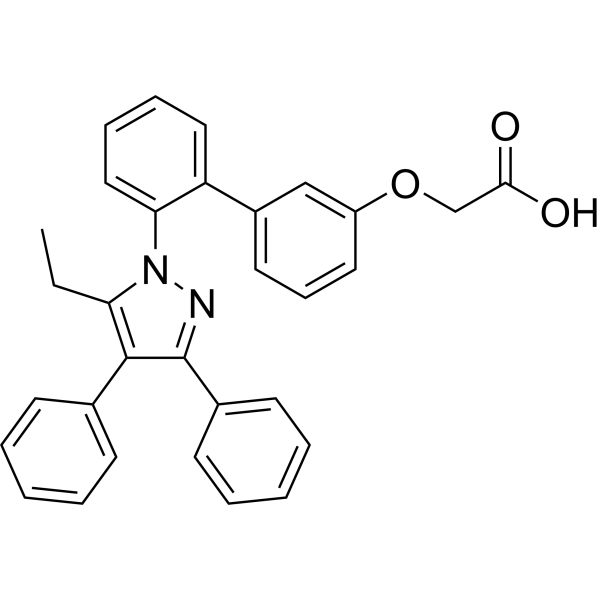 0 ImagesBMS-309403 is a potent, orally active and selective adipocyte fatty acid binding protein (also known as FABP4, aP2) inhibitor with Kis of <2, 250, and 350 nM for FABP4, FABP3, and FABP5, respectively. BMS-309403 interacts with the fatty-acid-binding pocket within the interior of the protein and competitively inhibits the binding of endogenous fatty acids. BMS-309403 improves endothelial function in apolipoprotein E-deficient mice and in cultured human endothelial cells.
-
BMS-309403 sodium
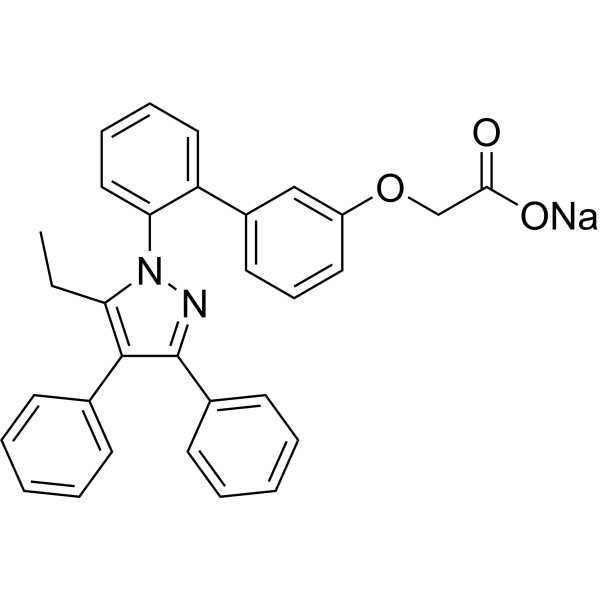 0 ImagesBMS-309403 sodium is a potent, orally active, and selective adipocyte fatty acid binding protein (also known as FABP4, aP2) inhibitor, with Kis of <2, 250, and 350 nM for FABP4, FABP3, and FABP5, respectively. BMS-309403 sodium interacts with the fatty-acid-binding pocket within the interior of the protein and competitively inhibits the binding of endogenous fatty acids. BMS-309403 sodium improves endothelial function in apolipoprotein E-deficient mice and in cultured human endothelial cells.
-
FABPs ligand 6
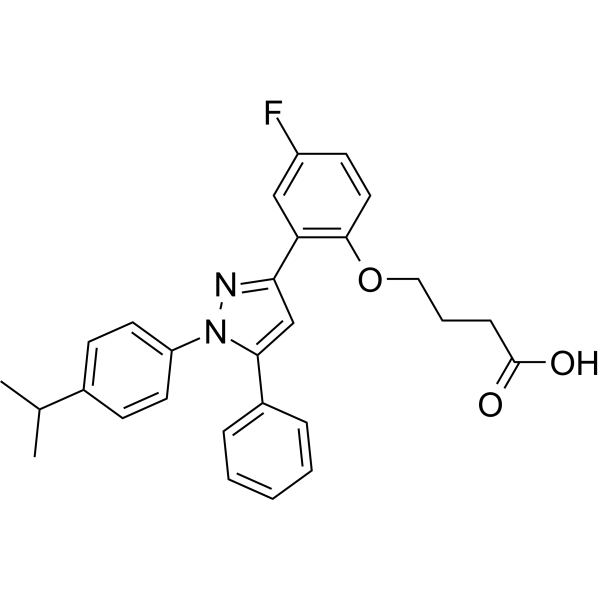 0 ImagesSynonyms: MF6FABPs ligand 6 (MF6) is an FABP5 and FABP7 inhibitor with KD values of 874 nM and 20 nM, respectively. FABPs ligand 6 can be used for multiple sclerosis research.
-
FABP1-IN-1
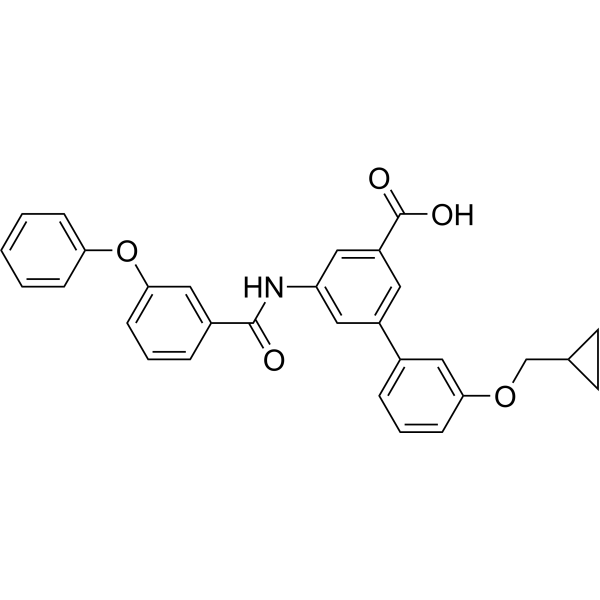 0 ImagesFABP1-IN-1 (44) is a selective FABP1 inhibitor, with an IC50 of 4.46 μM. FABP1-IN-1 (44) can be used for the research of NASH.
-
RO6806051
 0 ImagesRO6806051 is a selectivity FABP4 and FABP5 inhibitor with human FABP4 Ki values of 0.011 μM and 0.23 μM, and human FABP5 Ki values of 0.086 μM and 1.17 μM. RO6806051 can be used for the research of inflammation-related diseases.
-
1-Palmitoyl-2-glutaryl-sn-glycero-3-phosphocholine
 0 ImagesSynonyms: PGPC1-Palmitoyl-2-glutaryl-sn-glycero-3-phosphocholine is an oxidized phospholipid. 1-Palmitoyl-2-glutaryl-sn-glycero-3-phosphocholine reduces the viability of HUVECs, increases the levels of ferrous ions and lipid peroxidation, promotes the production of superoxide anions, and decreases the levels of glutathione and GPX4 in cells. 1-Palmitoyl-2-glutaryl-sn-glycero-3-phosphocholine upregulates the mRNA and protein levels of FABP3 in HUVECs, impairs mitochondrial membrane potential, and induces ferroptosis-related changes as well as mitochondrial dysfunction and damage. 1-Palmitoyl-2-glutaryl-sn-glycero-3-phosphocholine activates caspase-11 and promotes the continuous release of IL-1β from macrophages and dendritic cells. 1-Palmitoyl-2-glutaryl-sn-glycero-3-phosphocholine inhibits the proliferation of aortic smooth muscle cells and induces apoptosis in these cells. 1-Palmitoyl-2-glutaryl-sn-glycero-3-phosphocholine is applicable to relevant research on atherosclerosis.
-
CID-145925339
 0 ImagesArt. -Nr.: HY-187805CAS. Nr.: 1022924-71-5CID-145925339 is a binder of fatty acid-binding protein 4 (FABP4). CID-145925339 binds to the active site of FABP4 and forms stable interactions with key amino acid residues of this protein. Computational prediction shows that CID-145925339 inhibits FABP4, which is overexpressed in colorectal adenocarcinoma, with favorable druglike properties and no obvious toxicity. CID-145925339 can be used in studies related to colorectal adenocarcinoma.
-
CM002
 0 ImagesArt. -Nr.: HY-184895CM002 is a circadian clock activator. CM002 inhibits the lineage commitment and terminal differentiation of preadipocytes by activating the circadian clock, thereby blocking the adipogenesis process driven by Wnt signaling-mediated transcriptional induction. CM002 attenuates lipid storage in a clock-dependent manner via inhibition of the lipogenic program in mature adipocytes. CM002 enhances circadian clock output across various adipose depots in both lean and obese mice through BMAL1/CLOCK-dependent metabolic reprogramming, inhibits adipocyte development and hypertrophy, and improves insulin sensitivity. CM002 can be used in research on obesity and type 2 diabetes.
-
HTS01037
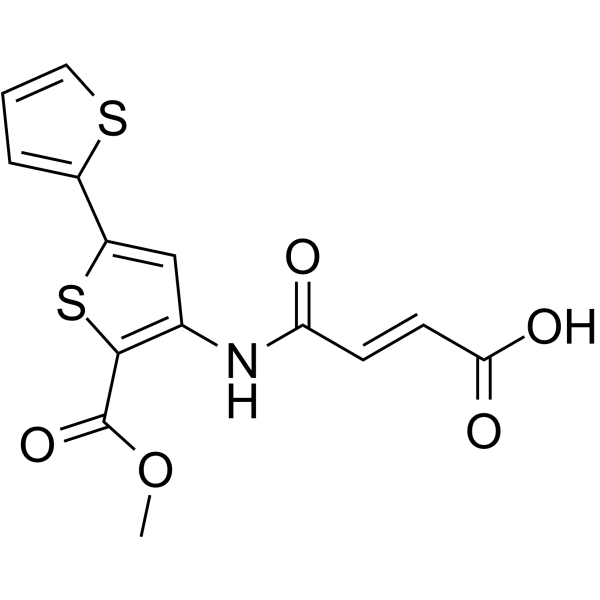 0 ImagesHTS01037 is an inhibitor of fatty acid binding; and a competitive antagonist of protein-protein interactions mediated by AFABP/aP2 with a Ki of 0.67 μM.
-
Flavokawain C
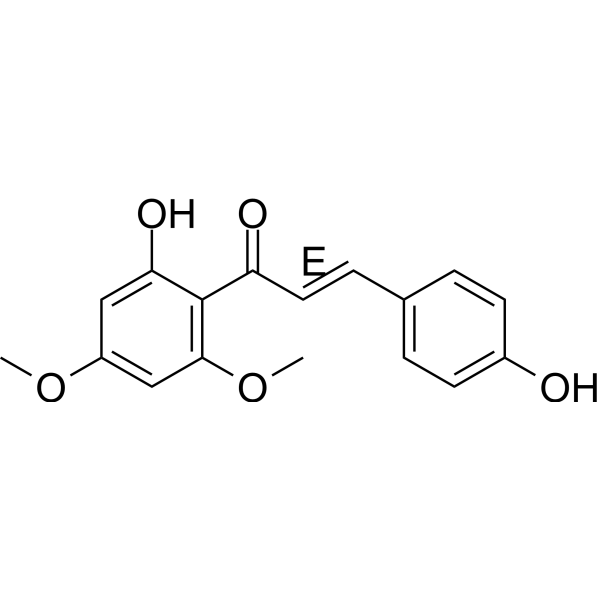 0 ImagesFlavokawain C is an orally active natural chalcone. Flavokawain C inhibits the proliferation of various cancer cells. Flavokawain C upregulates GADD153 in cancer cells, inhibits the phosphorylation of Akt and JNK, suppresses early ERK phosphorylation, activates late ERK phosphorylation, activates caspase related subtypes, induces PARP-1 cleavage, causes upregulation of p21 and p27, downregulation of mutant p53 and anti-apoptotic IAP proteins, elevates intracellular ROS levels, reduces SOD activity, and induces apoptosis. Flavokawain C downregulates FABP4, induces autophagy in cancer cells, and activates the AMPK/mTOR pathway. Flavokawain C decreases the expression of glycolysis-related proteins GLUT1 and HK2, and inhibits glycolysis in nasopharyngeal carcinoma cells. Flavokawain C inhibits the activation of the EGFR/PI3K/Akt/mTOR signaling pathway and reduces the expression of HSP90B1. Flavokawain C inhibits angiogenesis by decreasing the expression of angiogenic proteins Ang-1 and VEGF in human umbilical vein endothelial cells. Flavokawain C increases γ-H2AX levels in cells, inhibits the phosphorylation of FAK, PI3K and AKT in cells, and induces DNA damage in cells. Flavokawain C exerts anti-tumor activity in multiple tumor xenograft mouse models. Flavokawain C is applicable to research related to colorectal cancer, colon adenocarcinoma, nephroblastoma, nasopharyngeal carcinoma and liver cancer.
-
FABP4-IN-3
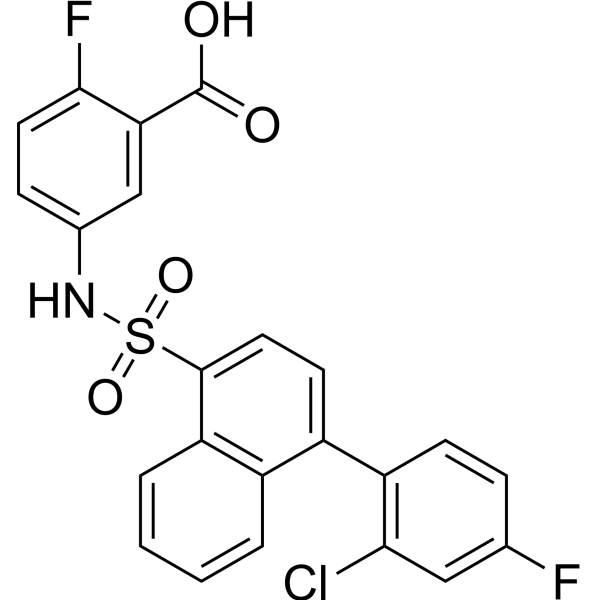
 0 ImagesFABP4-IN-3 (compound C3) is a highly selective FABP4 inhibitor (FABP4 Ki = 25 ± 3a nM, FABP3 Ki = 15.03 μM) which exhibits a 601-fold selectivity over FABP3. FABP4-IN-3 also shows metabolic stability and potent cellular anti-inflammatory activity, making it promising to get involved in the research of metabolic disease, cardiac dysfunction and inflammation-related disease.
-
Garcinia cambogia extract
 0 ImagesArt. -Nr.: HY-N14035CAS. Nr.: 90045-23-1Garcinia cambogia extract is an orally active anti-obesity agent. Garcinia cambogia extract upregulates the gene expression of aP2, SREBP1c, PPARγ2 and C/EBPα. Garcinia cambogia extract reduces the rate of body weight gain, visceral fat accumulation, lipid levels in blood and liver, as well as plasma insulin and leptin levels. Garcinia cambogia extract ameliorates high-fat diet-induced obesity.
-
FABP-IN-2
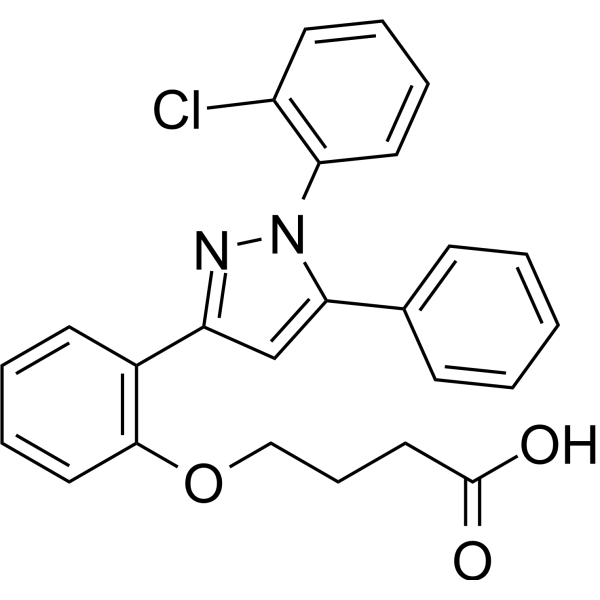 0 ImagesFABP-IN-2 is a novel FABP3 ligand. FABP-IN-2 inhibits FABP3/FABP4 with an IC50 of 1.16 μM and 4.27 μM respectively.
-
ISX-1
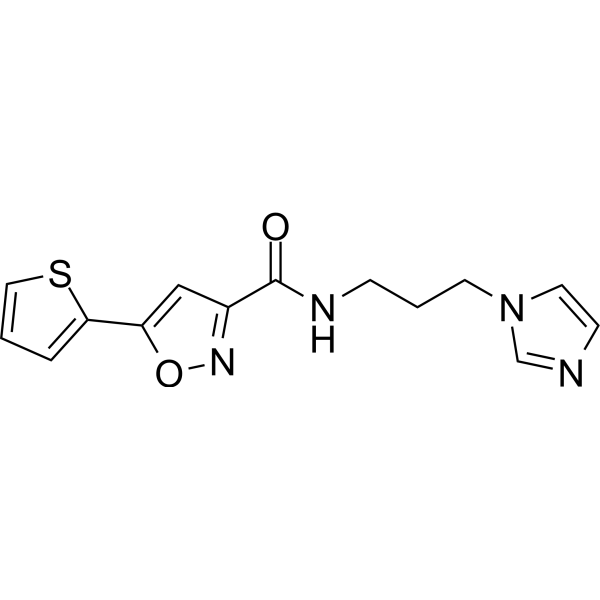 0 ImagesISX-1 is an isoxazole. ISX-1 has anti-adipogenic and pro-osteogenic activities. ISX-1 can be used for the research of osteopenia and osteoporosis.
-
Tartronic acid
 0 ImagesTartronic acid, a dicarboxylic acid derive, is an inhibitor of the transformation of carbohydrates into fat under fat-deficient diet conditions. Tartronic acid promotes 3T3-L1 adipocyte differentiation by increasing the protein expression of FABP-4, PPARγ and SREBP-1. Tartronic acid promotes de novo lipogenesis and inhibits CPT-1β by upregulating acetyl-CoA and malonyl-CoA. Tartronic acid promotes weight gain and induces adipocyte hypertrophy in epididymal white adipose tissue and lipid accumulation in the livers of high-fat diet induced obese mice. Tartronic acid can be used for lipid metabolic disease research.
-
Eriocalyxin B
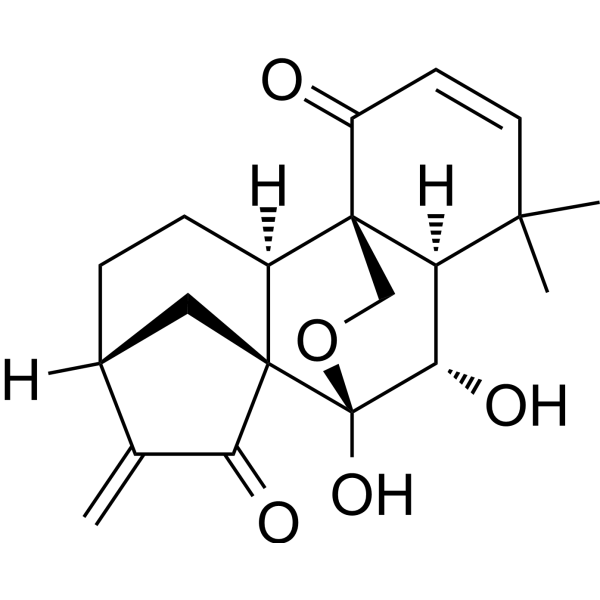 0 ImagesEriocalyxin B is a diterpenoid compound that can be isolated from Chinese herb Isodon eriocalyx. Eriocalyxin B exhibits multiple activities, such as anti-cancer, anti-inflammatory, and inhibition of adipogenesis. Eriocalyxin B is capable of inducing apoptosis and autophagy in tumor cells. Eriocalyxin B can be used in the research of cancers, autoimmune diseases, and other conditions.
-
FABP4-IN-2
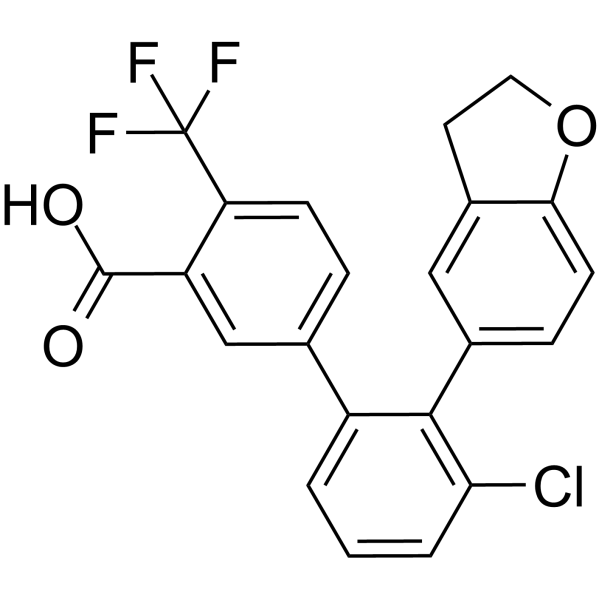 0 ImagesArt. -Nr.: HY-149953CAS. Nr.: 2983117-36-6FABP4-IN-2 (Compd 10g) is a selective and orally active FABP4 inhibitor with the Ki values of 0.51 μM for FABP4, 33.01 μM for FABP3. FABP4-IN-2 can be used in the research of inflammation-related diseases.
-
ABP/PPAR modulator 1
 0 ImagesArt. -Nr.: HY-172883CAS. Nr.: 3104894-76-7ABP/PPAR modulator 1 is an orally active FABP and PPAR multiple modulator (IC50s of 0.65 μM and 1.08 μM for FABP1 and FABP4, EC50 s of 9.19 μM, 2.20 μM and 1.58 μM for PPARα, PPARγ and PPARδ). ABP/PPAR modulator 1 has potent anti-metabolic dysfunction-associated steatohepatitis (MASH) activity. ABP/PPAR modulator 1 dose-dependently ameliorates multiple pathological characteristics of fatty liver in WD + Carbon tetrachloride-induced MASH mice model.
-
PROTAC CRABP-II Degrader-2
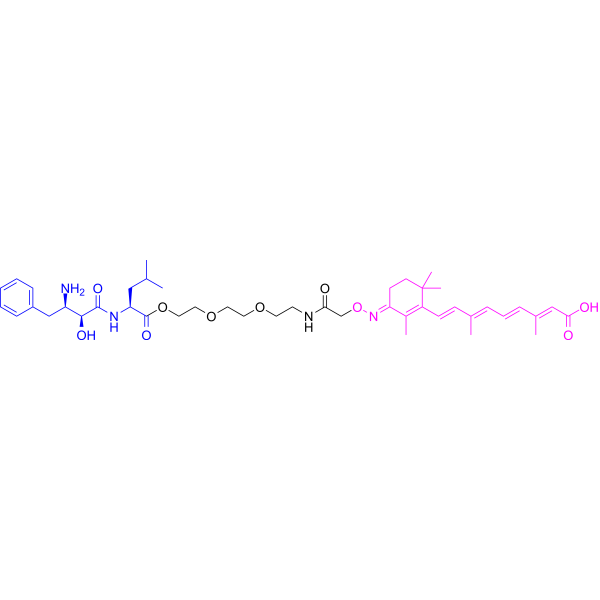 0 ImagesArt. -Nr.: HY-111841CAS. Nr.: 1225383-38-9
- 1
- 2




