356 Results for "

activation system

" in MedChemExpress (MCE) Product Catalog:
Products (356)

356 Results for "activation system" in MCE Product Catalog:

168
168 Publications Verification
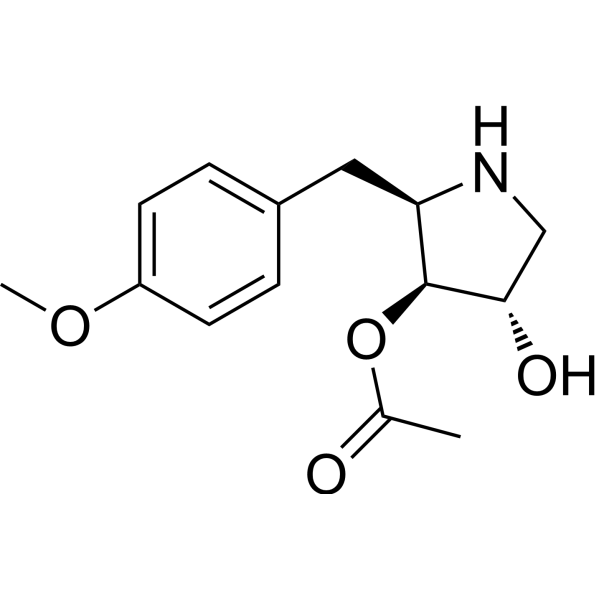
Art. -Nr.: HY-18982
CAS. Nr.: 22862-76-6
Synonyms: Flagecidin; Wuningmeisu C
Anisomycin is a potent protein synthesis inhibitor which interferes with protein and DNA synthesis by inhibiting peptidyl transferase or the 80S ribosome system . Anisomycin is a JNK activator, which increases phospho-JNK . Anisomycin is a bacterial antibiotic .
loading...
    loading...
75
75 Cited Publications
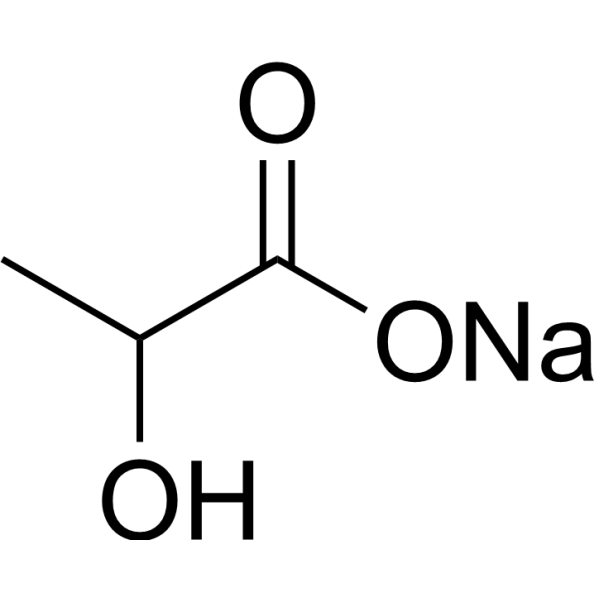
Art. -Nr.: HY-B2227B
CAS. Nr.: 72-17-3
Synonyms: DL-Lactic acid sodium; E-270 sodium
Lactic acid (DL-Lactic acid) sodium (60% w/w in water) is a hydroxycarboxylic acid receptor 1 (HCAR1) activator and an epigenetic modulator inducing lysine residues lactylation. Lactic acid sodium (60% w/w in water) is a glycolysis end-product, bridging the gap between glycolysis and oxidative phosphorylation. Lactic acid sodium (60% w/w in water) is an oncometabolite and has immune protective role of lactate in anti-tumor immunity . Lactic acid sodium (60% w/w in water) also has antimicrobial activity, which can be used as a food preservative .
This product has a content (w/w) of 60%, and 1 mL of the system contains 798 mg of Lactic acid sodium, i.e., a concentration of 798 mg/mL (i.e., 7.12 M).
The product specifications provided below indicate the total amount only; they do not represent the actual content of Lactic acid sodium.
loading...
    loading...
60
60 Cited Publications
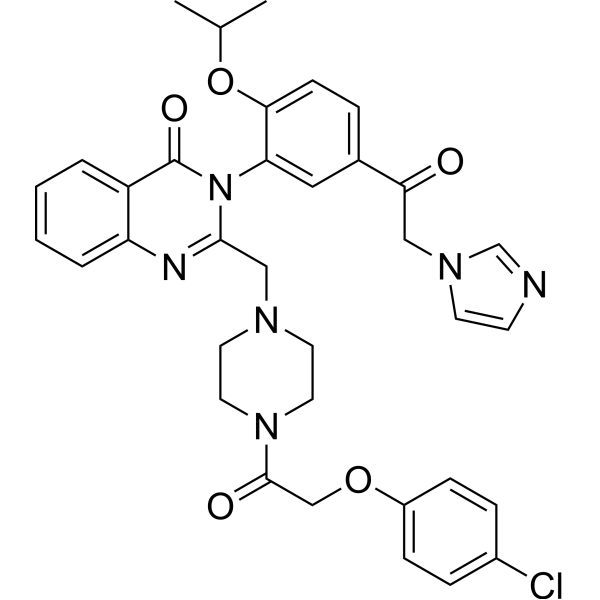
Art. -Nr.: HY-114481
CAS. Nr.: 1801530-11-9
Reinheit:  99.77%
Synonyms: IKE
Target:  

Ferroptosis

Forschungsgebiete:  

Cancer

Imidazole ketone erastin is a potent, selective, and metabolically stable inhibitor of the cystine-glutamate antiporter, system xc - and an activator of ferroptosis. Imidazole ketone erastin has anti-tumor activity .
loading...
    loading...
15
15 Cited Publications
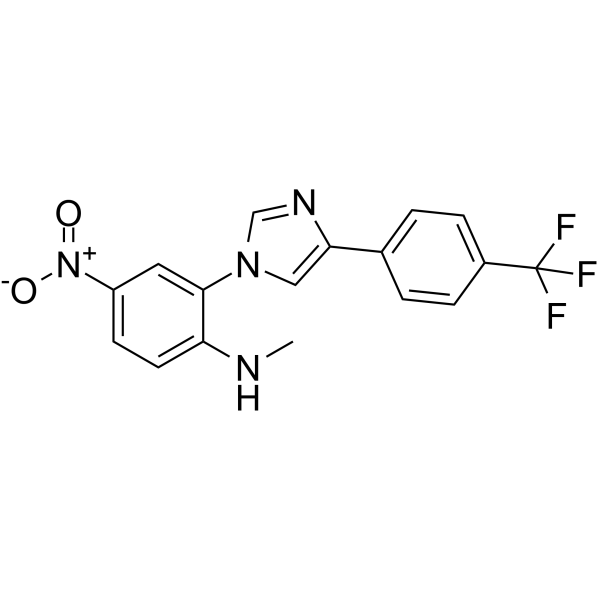
Art. -Nr.: HY-110353
CAS. Nr.: 1821387-73-8
Reinheit:  99.96%
Forschungsgebiete:  

Inflammation/Immunology Cancer

CU-T12-9 is a specific TLR1/2 agonist with EC50 of 52.9 nM in HEK-Blue hTLR2 SEAP assay. CU-T12-9 activates both the innate and the adaptive immune systems. CU-T12-9 selectively activates the TLR1/2 heterodimer, not TLR2/6. CU-T12-9 signals through NF-κB and invokes an elevation of the downstream effectors TNF-α, IL-10, and iNOS .
loading...
    loading...
15
15 Cited Publications
Art. -Nr.: HY-B0298
CAS. Nr.: 15686-51-8
Synonyms: HS-592; Meclastine
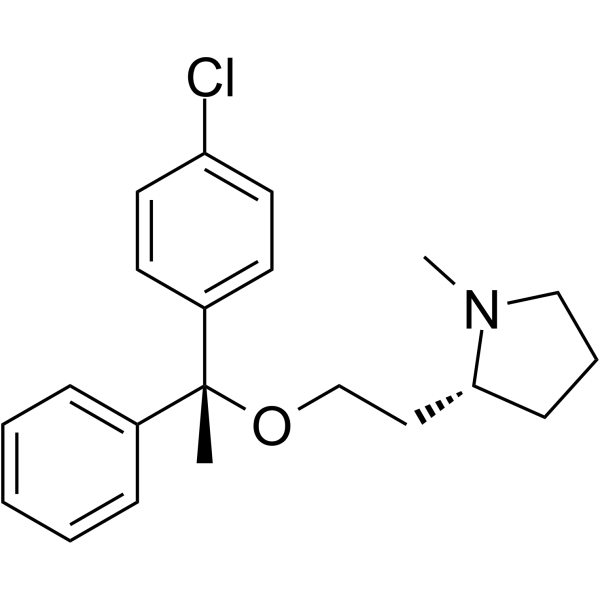
Clemastine (HS-592; Meclastine) is an orally active, blood-brain barrier-permeable H1 histamine receptor (H1 histamine receptor) antagonist with potent antiallergic effects. Clemastine also antagonizes muscarinic acetylcholine receptors (mAChR), particularly the M1 and M4 subtypes. In addition to antihistamine effects, Clemastine exhibits multiple pharmacological activities, especially in promoting central nervous system remyelination, activating autophagy and pyroptosis, exerting anti-apoptotic and neuroprotective effects, and suppressing inflammation .
loading...
    loading...
15
15 Cited Publications
Art. -Nr.: HY-B0298A
CAS. Nr.: 14976-57-9
Synonyms: HS-592 fumarate; Meclastine fumarate
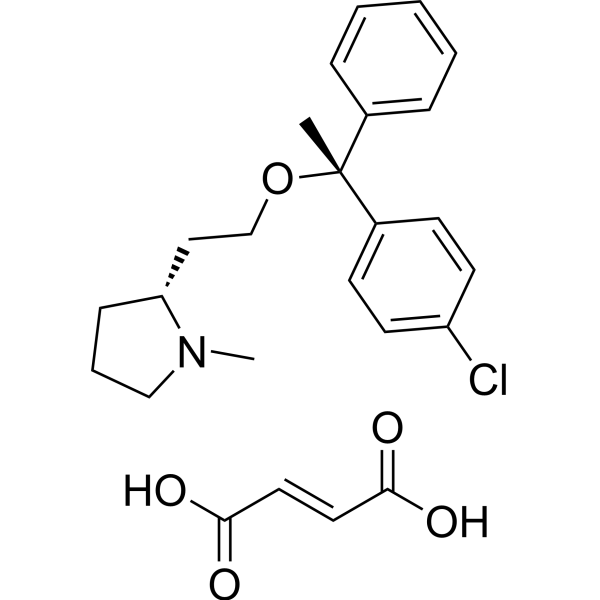
Clemastine (HS-592; Meclastine) fumarate is an orally active, blood-brain barrier-permeable H1 histamine receptor (H1 histamine receptor) antagonist with potent antiallergic effects. Clemastine fumarate also antagonizes muscarinic acetylcholine receptors (mAChR), particularly the M1 and M4 subtypes. In addition to antihistamine effects, Clemastine fumarate exhibits multiple pharmacological activities, especially in promoting central nervous system remyelination, activating autophagy and pyroptosis, exerting anti-apoptotic and neuroprotective effects, and suppressing inflammation .
loading...
    loading...
12
12 Cited Publications
Art. -Nr.: HY-P1944
CAS. Nr.: 217082-58-1
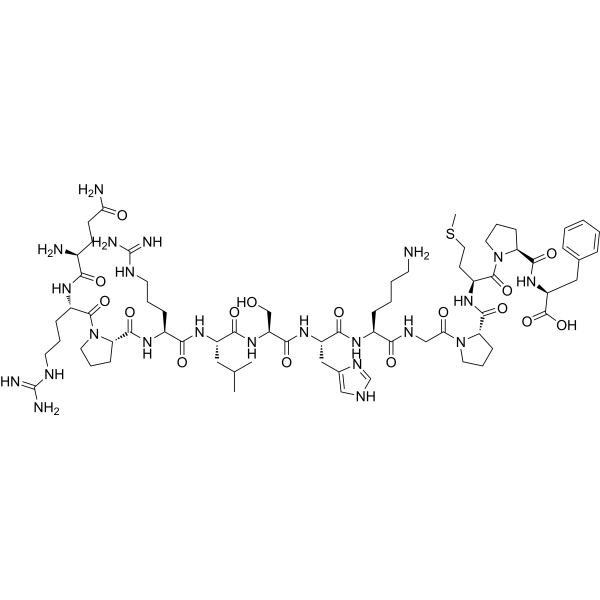
Apelin-13 is an endogenous ligand for the G-protein coupled receptor angiotensin II protein J (APJ), activating this G protein-coupled receptor with an EC 50 value of 0.37 nM. Apelin-13 is widely distributed in the central and peripheral nervous systems. Apelin-13 has vasodilatory and antihypertensive effects. Apelin-13 also can be used for researching type 2 diabetes and metabolic syndrome .
loading...
    loading...
11
11 Cited Publications
Art. -Nr.: HY-113313
CAS. Nr.: 52-39-1
Reinheit:  98.93%
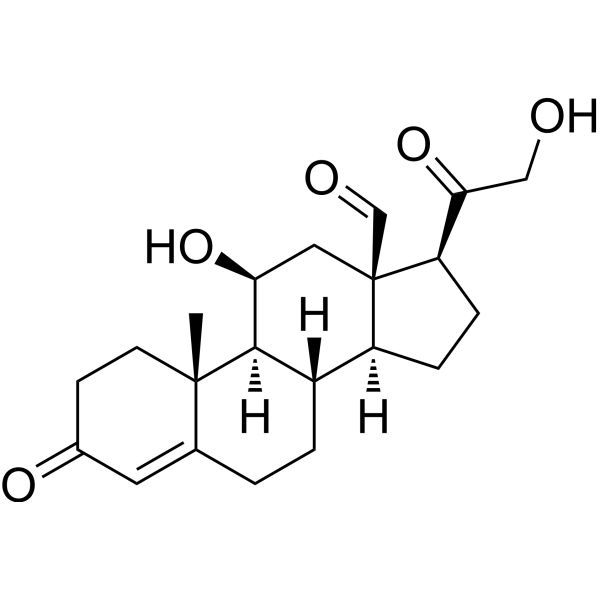
Aldosterone is the primary mineralocorticoid. Aldosterone is a steroid hormone, and it is synthesized and secreted in response to renin-angiotensin system activation (RAS) or high dietary potassium by the zona glomerulosa (ZG) of the adrenal cortex. Aldosterone activity is dependent by the binding and activation of the cytoplasmic/nuclear mineralocorticoid receptor (MR) at cellular level .
loading...
    loading...
11
11 Cited Publications
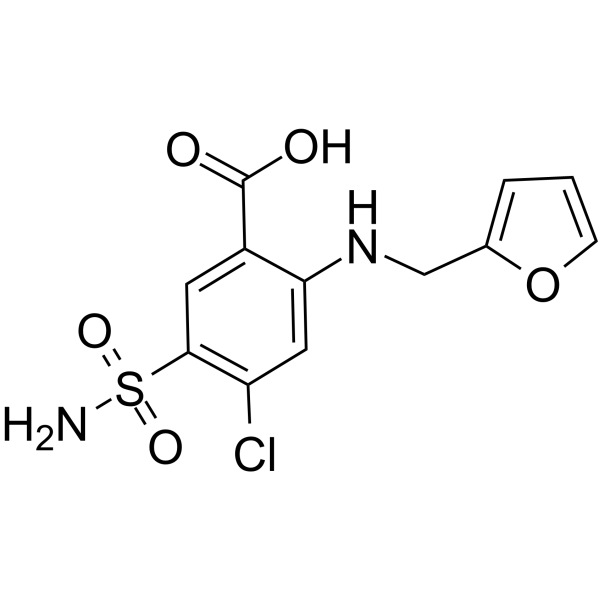
Art. -Nr.: HY-B0135
CAS. Nr.: 54-31-9
Target:  

GABA Receptor NKCC

Forschungsgebiete:  

Cardiovascular Disease Endocrinology

Furosemide is an orally active NKCC2 inhibitor that can cross the blood-brain barrier. Furosemide inhibits NKCC1, NKCC2, KCC2, KCC3, and KCC4. Furosemide selectively antagonizes GABAA receptors containing α6 and β2/3 or β3γ2 subunits. Furosemide penetrates the blood-brain barrier and blocks renal tubular sodium-chloride reabsorption, increases urinary excretion of sodium, chloride, potassium, and calcium, and activates the renin-angiotensin-aldosterone system. Furosemide can be used in research on congestive heart failure, hypertension, and edema .
loading...
    loading...
11
11 Cited Publications
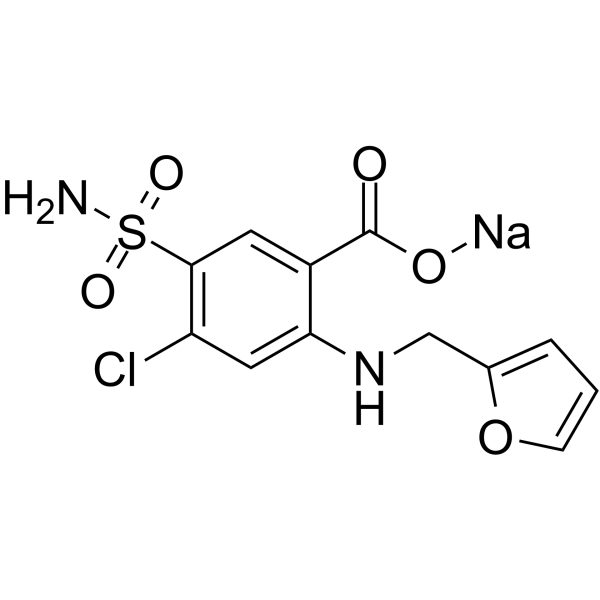
Art. -Nr.: HY-B0135A
CAS. Nr.: 41733-55-5
Target:  

GABA Receptor NKCC

Forschungsgebiete:  

Cardiovascular Disease Endocrinology

Furosemide sodium is an orally active NKCC2 inhibitor that can cross the blood-brain barrier. Furosemide sodium inhibits NKCC1, NKCC2, KCC2, KCC3, and KCC4. Furosemide sodium selectively antagonizes GABAA receptors containing α6 and β2/3 or β3γ2 subunits. Furosemide sodium penetrates the blood-brain barrier and blocks renal tubular sodium-chloride reabsorption, increases urinary excretion of sodium, chloride, potassium, and calcium, and activates the renin-angiotensin-aldosterone system. Furosemide sodium can be used in research on congestive heart failure, hypertension, and edema .
loading...
    loading...
10
10 Cited Publications
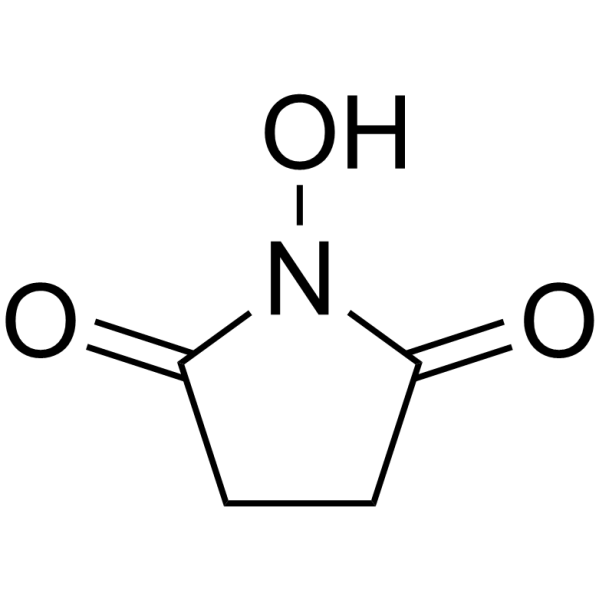
Art. -Nr.: HY-Y0623
CAS. Nr.: 6066-82-6
Synonyms: HOSu; 1-Hydroxy-2,5-pyrrolidinedione
N-Hydroxysuccinimide (HOSu; 1-Hydroxy-2,5-pyrrolidinedione) is a covalent crosslinker commonly used in bioconjugation technology with a primary amine group. N-Hydroxysuccinimide reacts with amino groups (-NH2) to form a stable amide bond, which can modify amino-containing biomolecules. N-Hydroxysuccinimide can be used, for example, for protein labeling with fluorescent dyes and enzymes, surface activation of chromatography supports, microbeads, nanoparticles and microarray slides, and chemical synthesis of peptides. N-Hydroxysuccinimide has a wide range of applications in biomaterial synthesis (such as collagen, chitosan crosslinking), drug delivery systems (such as hydrogel preparation) and tissue engineering .
loading...
    loading...
8
8 Cited Publications
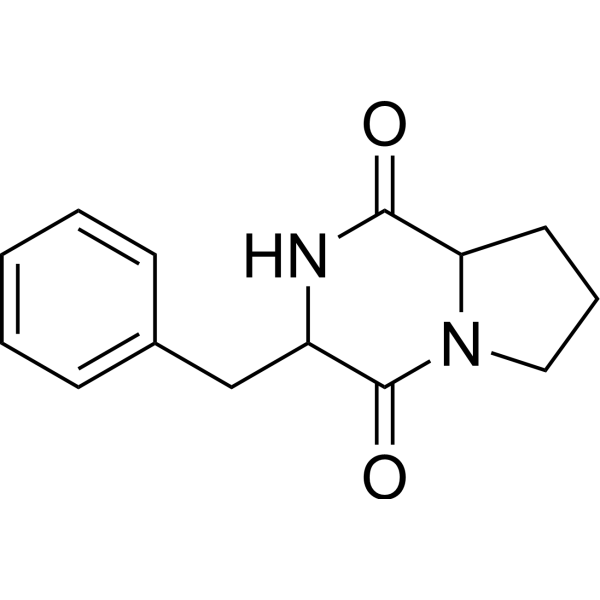
Art. -Nr.: HY-P1934
CAS. Nr.: 14705-60-3
Synonyms: Cyclo(phenylalanylprolyl); A-64863
Forschungsgebiete:  

Infection

Cyclo(Phe-Pro) (Cyclo(phenylalanylprolyl)) is a quorum-sensing molecule of Vibrio vulnificus that specifically interacts with RIG-I, inhibiting RIG-I polyubiquitination, suppressing IRF-3 activation, and reducing type I interferon production. Cyclo(Phe-Pro) enhances susceptibility to HCV and influenza virus and also alleviates plant aluminum toxicity stress. The mechanism of Cyclo(Phe-Pro) involves the regulation of host immune signaling pathways, bacterial virulence gene expression, and plant antioxidant systems, making it a promising candidate for research in viral infections, bacterial virulence regulation, and agricultural stress resistance .
loading...
    loading...
7
7 Cited Publications
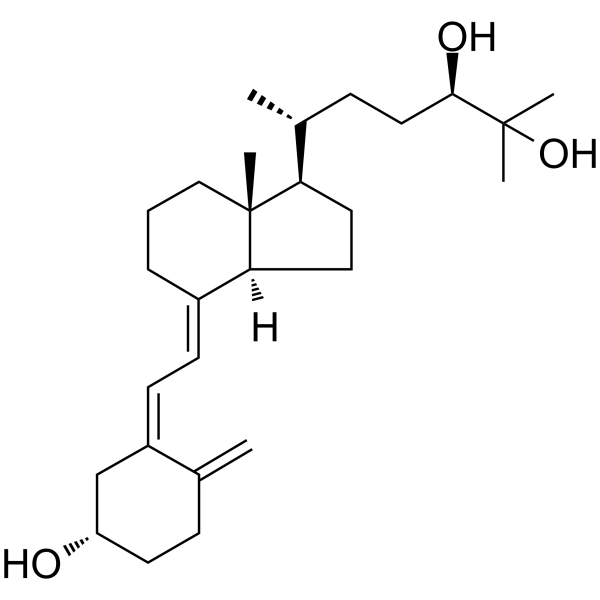
Art. -Nr.: HY-32343
CAS. Nr.: 55721-11-4
Synonyms: (24R)-24,25-Dihydroxyvitamin D3
Secalciferol ((24R)-24,25-Dihydroxyvitamin D3) is the major active metabolite of Vitamin D. Secalciferol activates vitamin D receptor (VDR) with an EC50 value of 150 nM. Secalciferol is involved in a wide range of biological functions such as calcium homeostasis, cellular differentiation and proliferation processes, as well as other functions related to the immune system, which is promising for research of rickets, osteomalacia, hypercalcemia and autoimmune disorders .
loading...
    loading...
6
6 Cited Publications
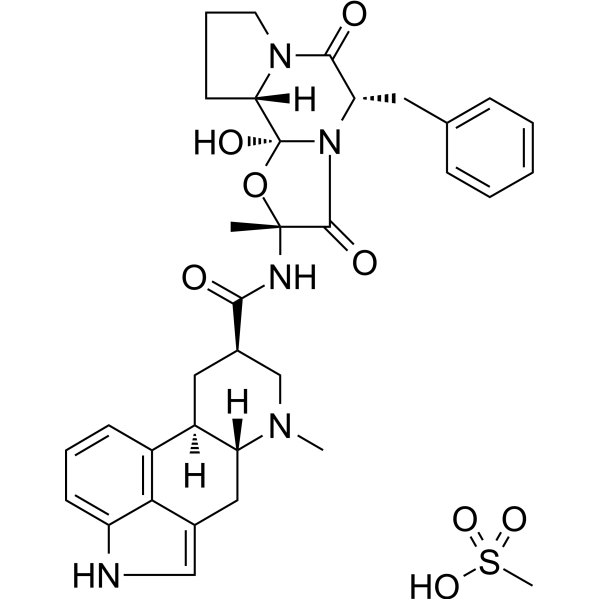
Art. -Nr.: HY-B0670A
CAS. Nr.: 6190-39-2
Dihydroergotamine mesylate is a blood-brain barrier-permeable semi-synthetic ergot alkaloid, acting as a full agonist of 5-HT1B/1D receptors (Ki values of 0.3 nM and 2.5 nM, respectively; functional IC50 values of 2 nM and 2.2 nM, respectively). Dihydroergotamine mesylate inhibits Forskolin (HY-15371)-stimulated cAMP accumulation, possesses α-adrenergic receptor antagonistic activity and weak dopaminergic agonistic activity. It mediates intracranial cerebrovascular contraction, inhibits the release of neuropeptides such as CGRP/substance P, and suppresses neurogenic inflammation by activating 5-HT1B/1D receptors in the trigeminovascular system. Dihydroergotamine mesylate binds to the catalytic site of Trypanosoma cruzi trypanothione reductase and exhibits trypanocidal activity in vitro. Dihydroergotamine mesylate can be used in studies related to migraine and trypanosome infections .
loading...
    loading...
6
6 Cited Publications
Art. -Nr.: HY-B0670
CAS. Nr.: 511-12-6
Synonyms: DFN-19
Dihydroergotamine (DFN-19) is a blood-brain barrier-permeable semi-synthetic ergot alkaloid, acting as a full agonist of 5-HT1B/1D receptors (Ki values of 0.3 nM and 2.5 nM, respectively; functional IC50 values of 2 nM and 2.2 nM, respectively). Dihydroergotamine inhibits Forskolin (HY-15371)-stimulated cAMP accumulation, possesses α-adrenergic receptor antagonistic activity and weak dopaminergic agonistic activity. It mediates intracranial cerebrovascular contraction, inhibits the release of neuropeptides such as CGRP/substance P, and suppresses neurogenic inflammation by activating 5-HT1B/1D receptors in the trigeminovascular system. Dihydroergotamine binds to the catalytic site of Trypanosoma cruzi trypanothione reductase and exhibits trypanocidal activity in vitro. Dihydroergotamine can be used in studies related to migraine and trypanosome infections .
loading...
    loading...
5
5 Cited Publications
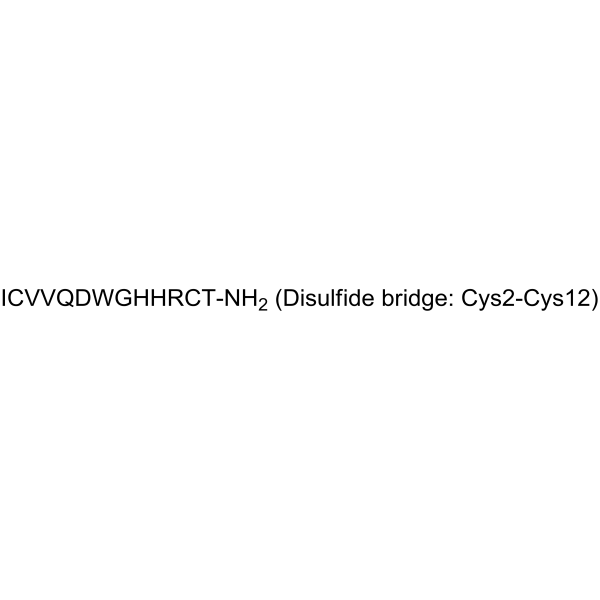
Art. -Nr.: HY-P1036
CAS. Nr.: 206645-99-0
Target:  

Complement System

Forschungsgebiete:  

Others

Compstatin, a 13-residue cyclic peptide, is a potent inhibitor of the complement system C3 with species specificity. Compstatin binds to baboon C3 and is resistant to proteolytic cleavage in baboon blood (similar to humans). Compstatin inhibits only the activation of primates’ complement system. Compstatin exhibits IC50 values of 63 μM and 12 μM for classical and alterative complement pathway, respectively .
loading...
    loading...
5
5 Cited Publications
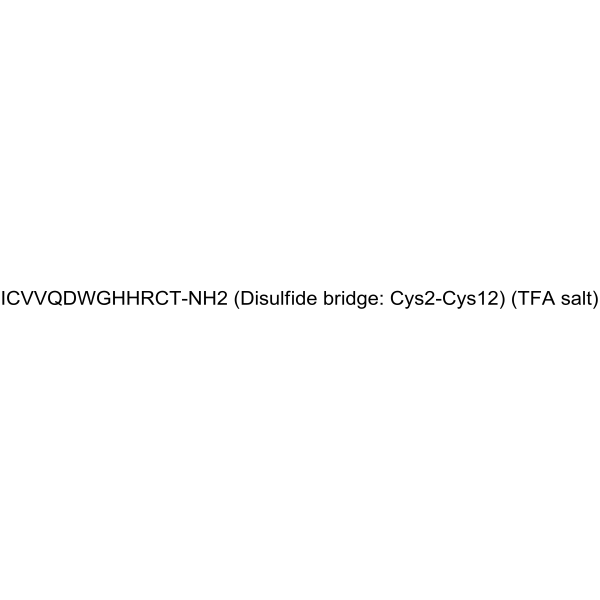
Art. -Nr.: HY-P1036A
Target:  

Complement System

Forschungsgebiete:  

Others

Compstatin TFA, a 13-residue cyclic peptide, is a potent inhibitor of the complement system C3 with species specificity. Compstatin TFA binds to baboon C3 and is resistant to proteolytic cleavage in baboon blood (similar to humans). Compstatin TFA inhibits only the activation of primates’ complement system. Compstatin TFA exhibits IC50 values of 63 μM and 12 μM for classical and alterative complement pathway, respectively .
loading...
    loading...
5
5 Cited Publications
Art. -Nr.: HY-13463
CAS. Nr.: 570406-98-3
Reinheit:  99.83%
Synonyms: AKR-501; E5501; YM477
Forschungsgebiete:  

Inflammation/Immunology Cancer

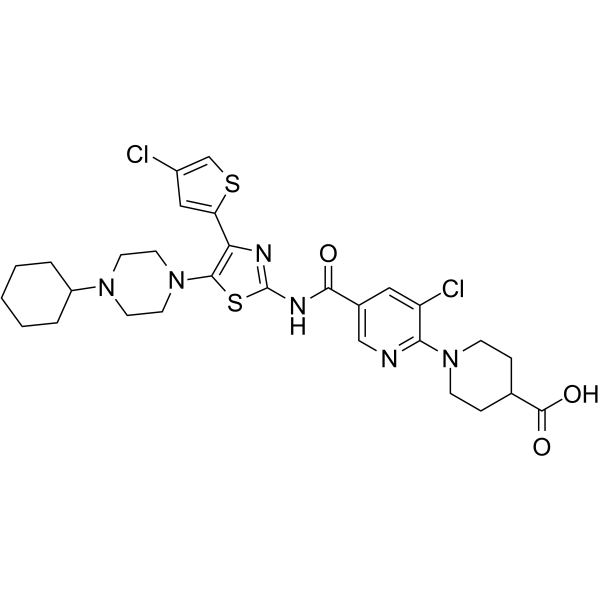
Avatrombopag (AKR-501) is an orally active, nonpeptide thrombopoietin (TPO) receptor agonist (EC50=3.3 nM). Avatrombopag mimics the biological activities of TPO. Avatrombopag increases platelet production by activating the intracellular signaling system, and promotes production of platelets and megakaryocytes from hemopoietic precursor cells. Avatrombopag is a substrate of cytochrome P450 (CYP) 2C9 and CYP3A .
loading...
    loading...
5
5 Cited Publications
Art. -Nr.: HY-13463A
CAS. Nr.: 677007-74-8
Reinheit:  99.88%
Synonyms: AKR-501 maleate; E5501 maleate; YM477 maleate
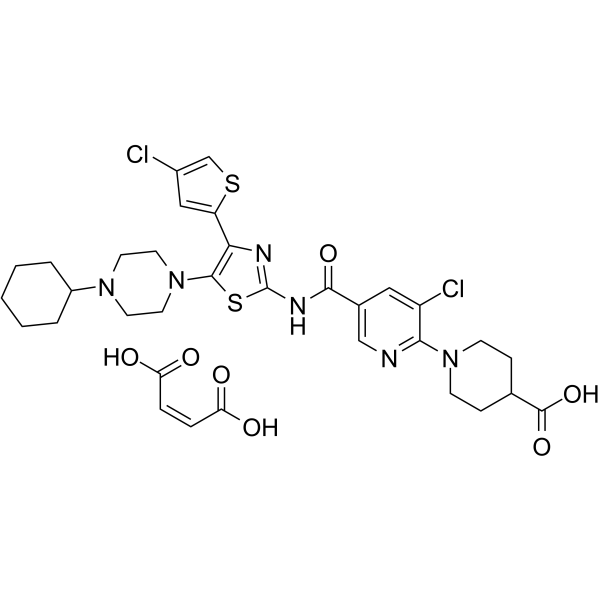
Avatrombopag (AKR-501) maleate is an orally active, non-peptide thrombopoietin receptor (TPO receptor) agonist (EC50: 3.3 nM). Avatrombopag maleate mimics the biological activity of TPO. Avatrombopag maleate increases platelet production by activating intracellular signaling systems and promotes the production of platelets and megakaryocytes from hematopoietic precursor cells. Avatrombopag maleate is a substrate for cytochrome P450 (CYP) 2C9 and CYP3A .
loading...
    loading...
5
5 Cited Publications
Art. -Nr.: HY-13463B
CAS. Nr.: 570403-17-7
Reinheit:  97.05%
Synonyms: AKR-501 hydrochloride; E5501 hydrochloride; YM477 hydrochloride
Forschungsgebiete:  

Cardiovascular Disease Cancer

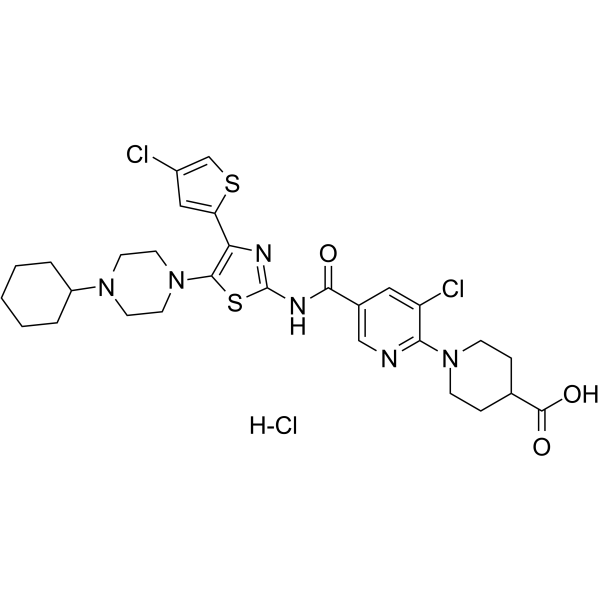
Avatrombopag (AKR-501) hydrochloride is an orally active, nonpeptide thrombopoietin (TPO) receptor agonist (EC50=3.3 nM). Avatrombopag hydrochloride mimics the biological activities of TPO. Avatrombopag hydrochloride increases platelet production by activating the intracellular signaling system, and promotes production of platelets and megakaryocytes from hemopoietic precursor cells. Avatrombopag hydrochloride is a substrate of cytochrome P450 (CYP) 2C9 and CYP3A .
loading...
    loading...

