



Trelagliptin succinate (Standard)
Trelagliptin (succinate) (Standard) is the analytical standard of Trelagliptin (succinate). This product is intended for research and analytical applications. Trelagliptin (SYR-472) succinate is a potent, orally active and highly selective DPP-4 inhibitor with an IC50 of 4 nM. Trelagliptin succinate improves glycemic control in vivo and can be used for the study of type 2 diabetes mellitus (T2DM).
Nur für Forschungszwecke. Wir verkaufen nicht an Patienten.
- Reinheit : 98%
- CAS. Nr.: 1029877-94-8
- Formel: C22H26FN5O6
- Molecular Weight:475.47
-
Speicherung:
Please store the product under the recommended conditions in the Certificate of Analysis.


To place orders, for customer services and technical support, please contact: MedChemExpress USA
Tel: 609-228-6898 E-mail: [email protected] [email protected]


-
 Product Information
-
Chemical Information
- Reinheit & Dokumentation
-
 Help & FAQs


-
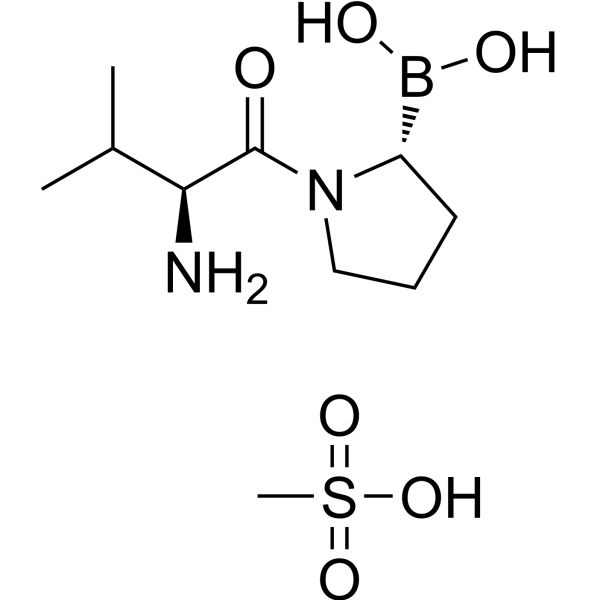
HY-13233A
Talabostat mesylateDipeptidyl Peptidase Inhibitor -
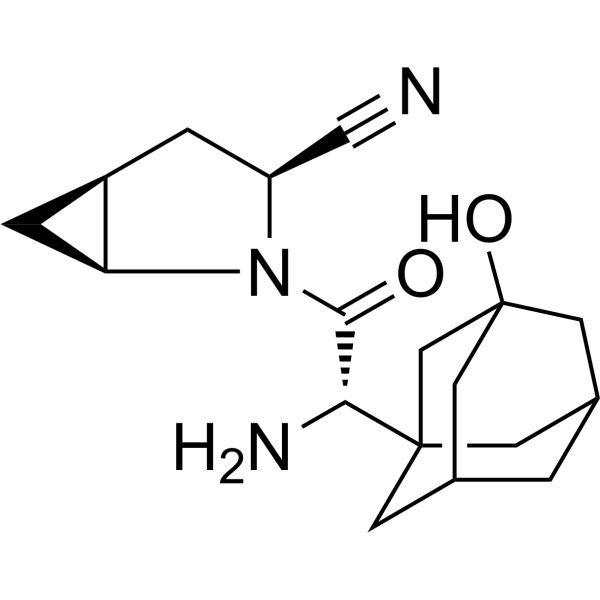
HY-10285
SaxagliptinDPP-4 Inhibitor -
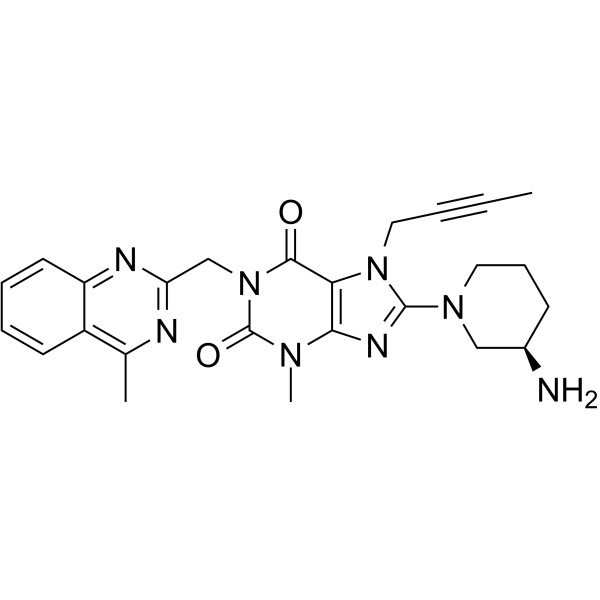
HY-10284
LinagliptinDPP-4 Inhibitor -
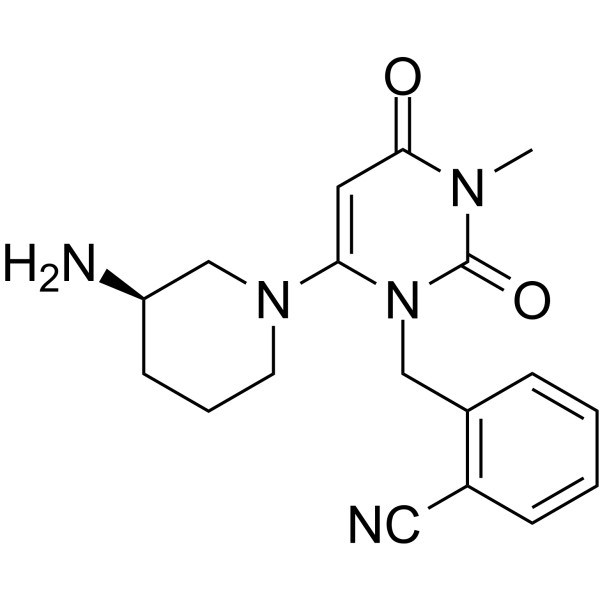
HY-A0023A
AlogliptinDPP-4 Inhibitor -
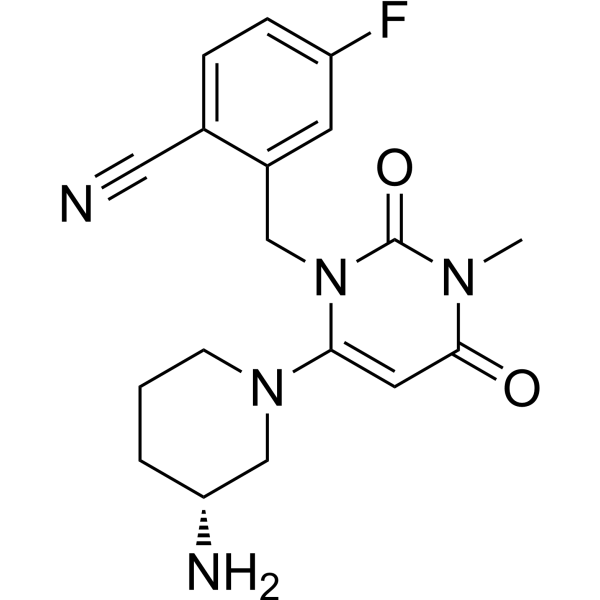
HY-15408
TrelagliptinDPP-4 Inhibitor -
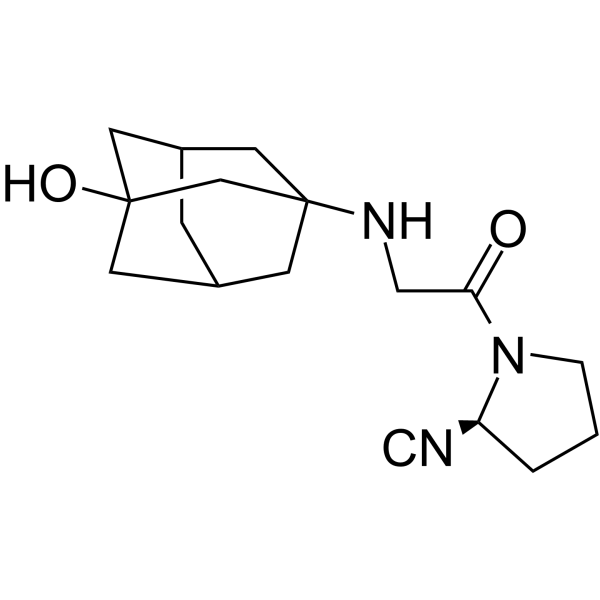
HY-14291
VildagliptinDPP-IV Inhibitor -
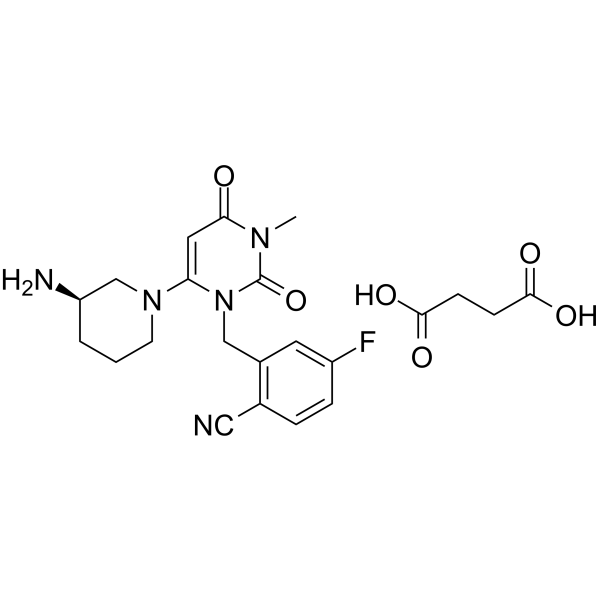
HY-15408A
Trelagliptin succinateDPP-4 Inhibitor -
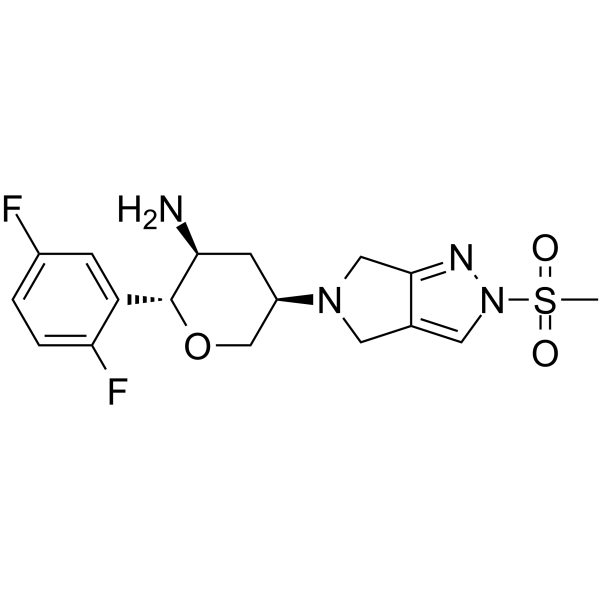
HY-15981
OmarigliptinDPP-4 Inhibitor -
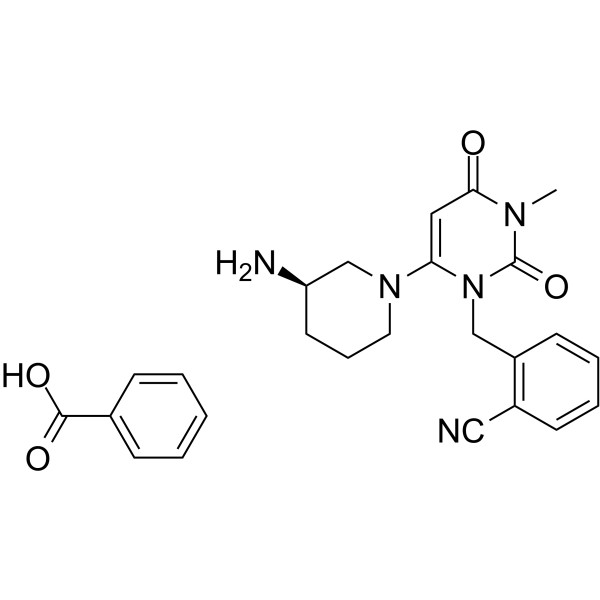
HY-A0023
Alogliptin BenzoateDPP-4 Inhibitor -
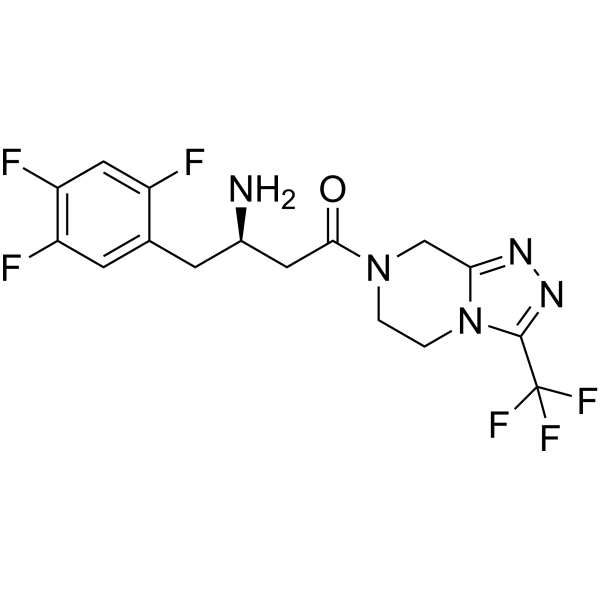
HY-13749
SitagliptinDPP4 Inhibitor -
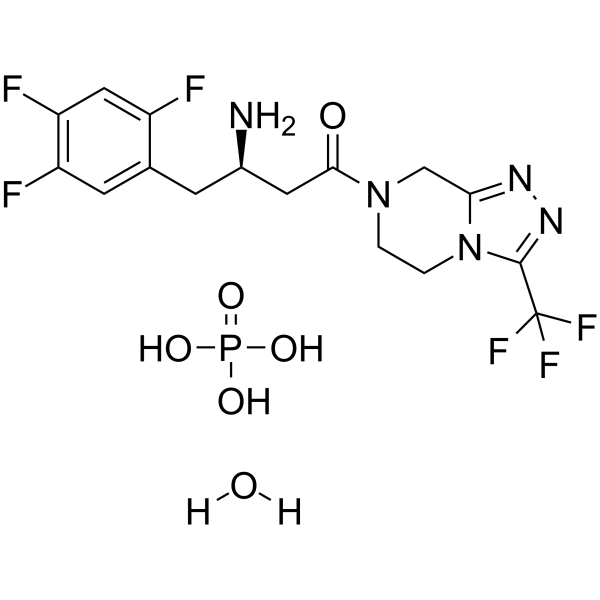
HY-13749B
Sitagliptin phosphate monohydrateDPP4 Inhibitor -
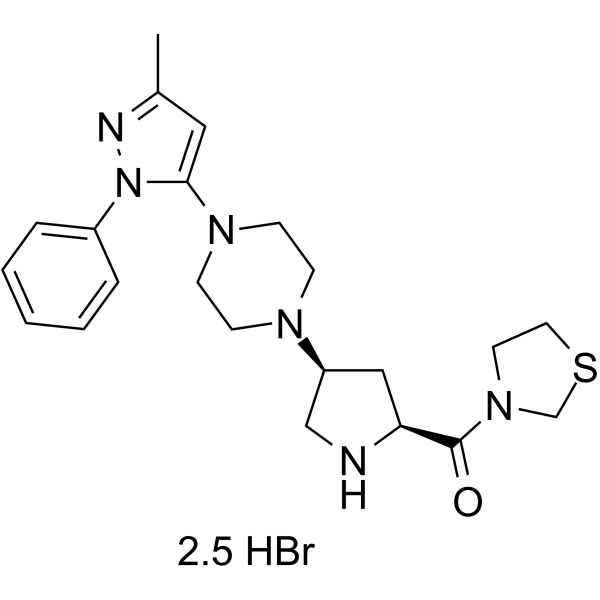
HY-14806A
Teneligliptin hydrobromideDipeptidyl Peptidase Inhibitor


Product Information
Information
Anwendung
The compound is the grade of analytical standard, which is the reference standard supplied assay. It is commonly used in qualitative, quantitative and methodological research experiments in HPLC, GC and MS.


Chemical Information
-
CAS. Nr. 1029877-94-8
-
Molecular Weight 475.47
-
Formel C22H26FN5O6
-
SMILES
O=C(C=C(N1C[C@H](N)CCC1)N2CC3=C(C#N)C=CC(F)=C3)N(C)C2=O.O=C(O)CCC(O)=O
-
Synonyms
SYR-472 succinate (Standard)
-
Versand
Room temperature in continental US; may vary elsewhere.
-
Speicherung
Please store the product under the recommended conditions in the Certificate of Analysis.


Reinheit & Dokumentation
Verweise
[1]. Bhumika D Patel, et al. Recent approaches to medicinal chemistry and therapeutic potential of dipeptidyl peptidase-4 (DPP-4) inhibitors. Eur J Med Chem. 2014 Mar 3;74:574-605. [Content Brief]
[2]. Charles E Grimshaw, et al. Trelagliptin (SYR-472, Zafatek), Novel Once-Weekly Treatment for Type 2 Diabetes, Inhibits Dipeptidyl Peptidase-4 (DPP-4) via a Non-Covalent Mechanism. PLoS One. 2016 Jun 21;11(6):e0157509. [Content Brief]
[3]. Shiliang Li, et al. Discovery of a Natural-Product-Derived Preclinical Candidate for Once-Weekly Treatment of Type 2 Diabetes. J Med Chem. 2019 Mar 14;62(5):2348-2361. [Content Brief]

Calculators
Konzentration (Stammlösung) × Volumen (Stammlösung) = Konzentration (Ziellösung) × Volumen (Ziellösung)


Trelagliptin succinate (Standard) Related Classifications
HY-15408AR Related Classifications
 Powered by Bioz