



DVR-01
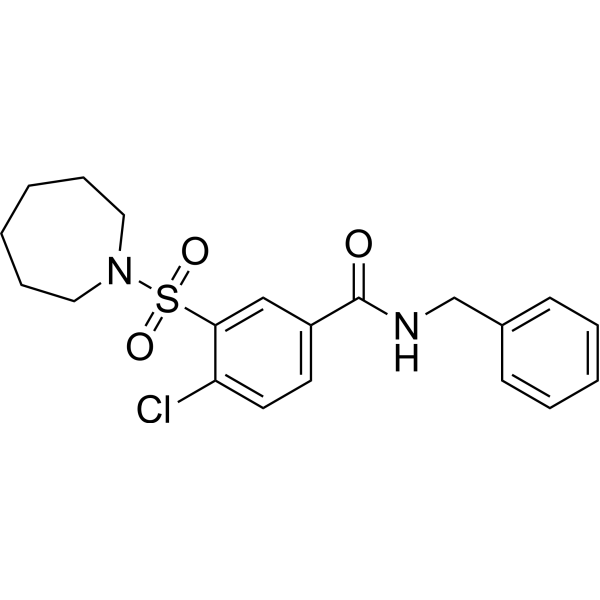
DVR-01 is a HBV inhibitor with EC50 values of 1.7 and 1.6 μM in AML12HBV10 and HepDES19 cells, respectively. DVR-01 shows antiviral activity against drug-resistant HBV mutants with EC50s of 2.403-3.273 μM. DVR-01 can be used for the research of HBV infection and related diseases.
For research use only. We do not sell to patients.
- CAS No.: 330461-34-2
- Formula: C20H23ClN2O3S
- Molecular Weight:406.93
-
Storage:
Please store the product under the recommended conditions in the Certificate of Analysis.

To place orders, for customer services and technical support, please contact: MedChemExpress USA
Tel: 609-228-6898 E-mail: [email protected] [email protected]


-
 Biological Activity
-
Chemical Information
- Protocols
- Purity & Documentation
- References
-
 Help & FAQs


-
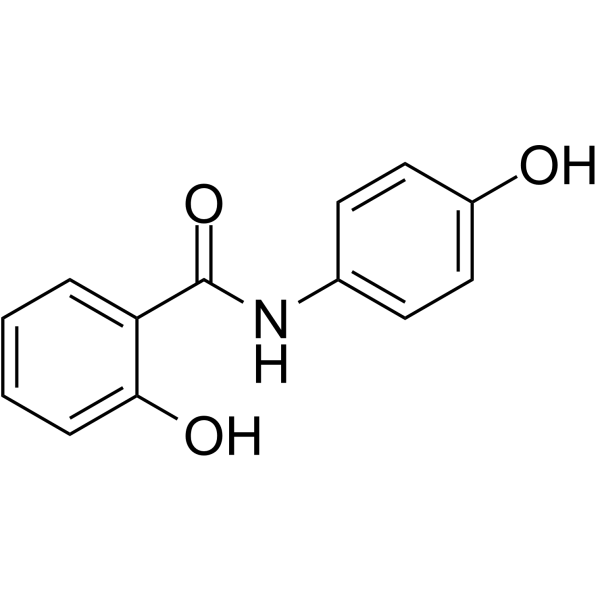
HY-B2116
OsalmidHBV Inhibitor -
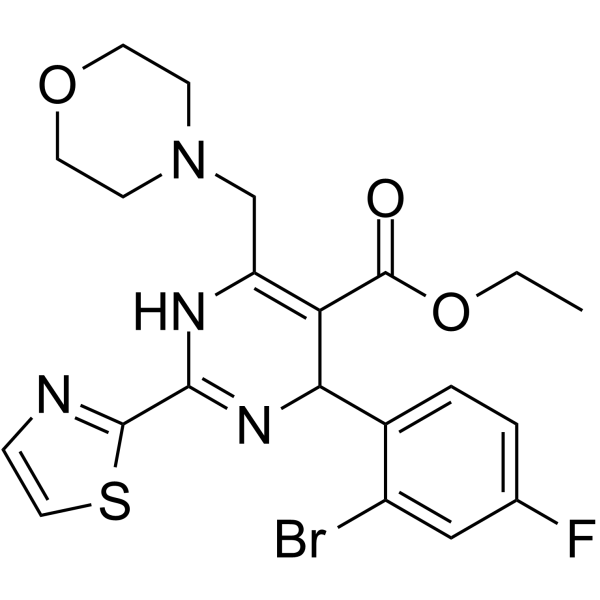
HY-108917
MorphothiadinHBV Inhibitor -
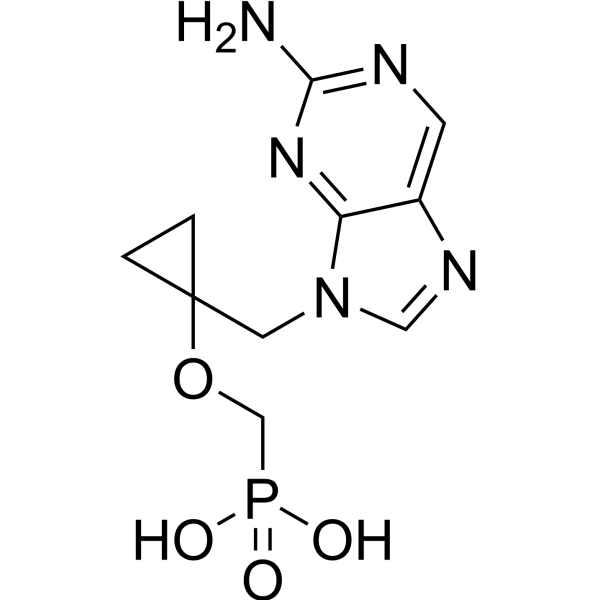
HY-19447
BesifovirHBV Inhibitor -
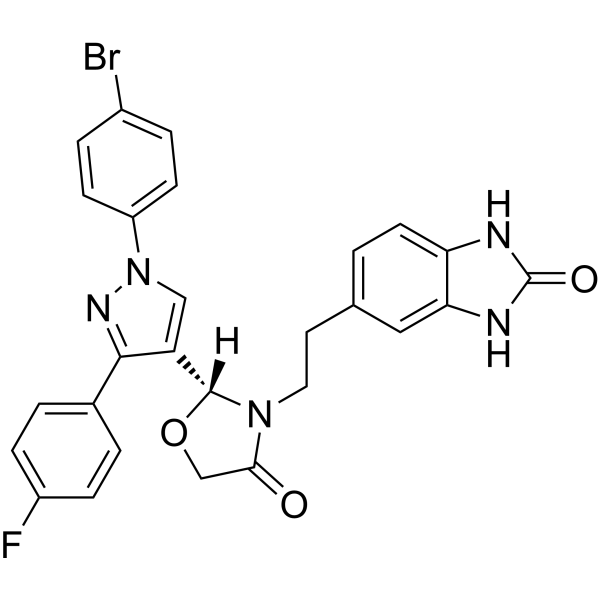
HY-147255
CanocapavirAntiviral Agent -
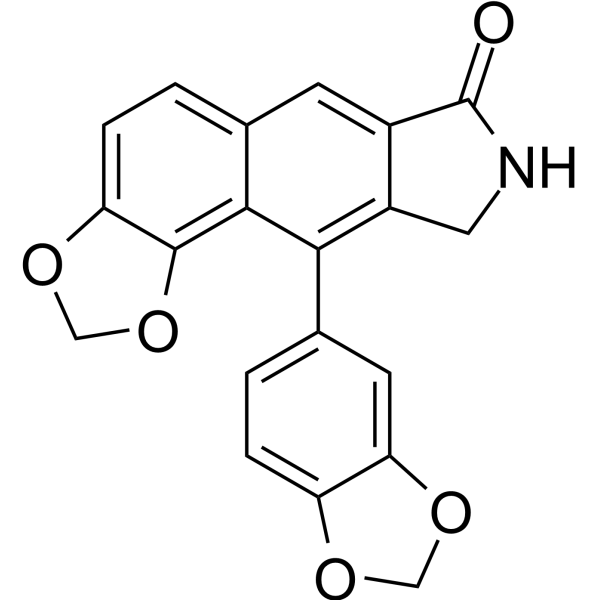
HY-16679
Helioxanthin derivative 5-4-2HBV Inhibitor -
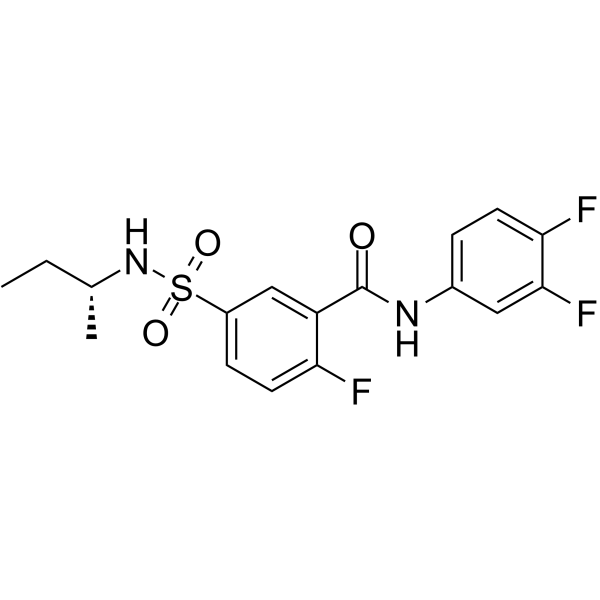
HY-112142
AB-423 -
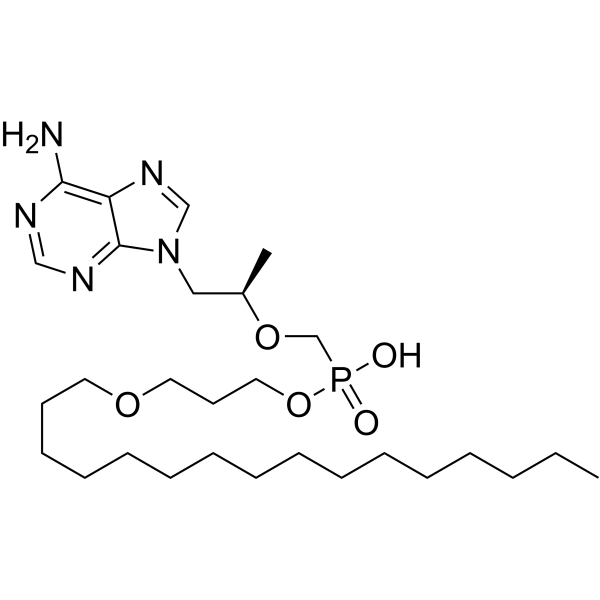
HY-109014
Tenofovir exalidexHIV Inhibitor -
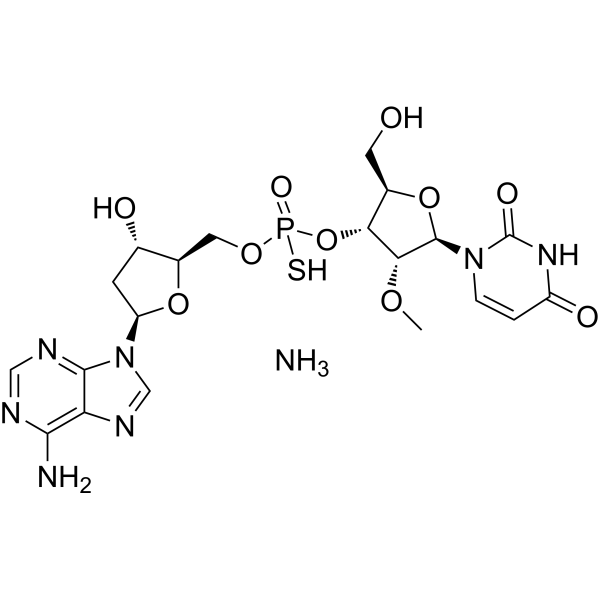
HY-101954A
Inarigivir ammoniumHBV Inhibitor -
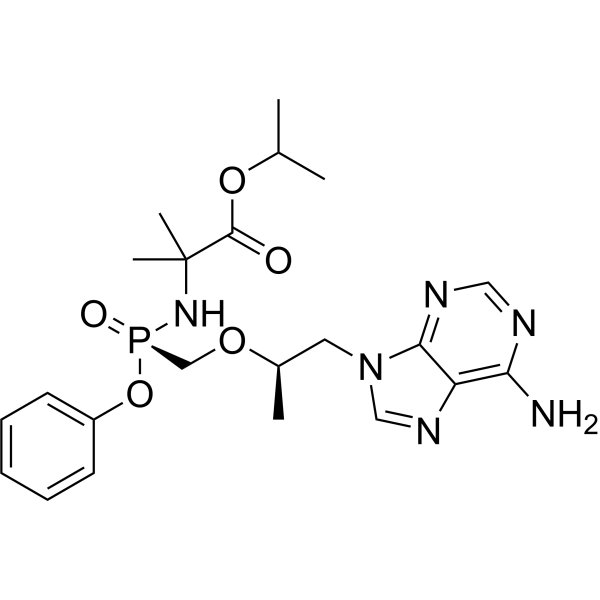
HY-137453
Tenofovir amibufenamideAntiviral Agent -
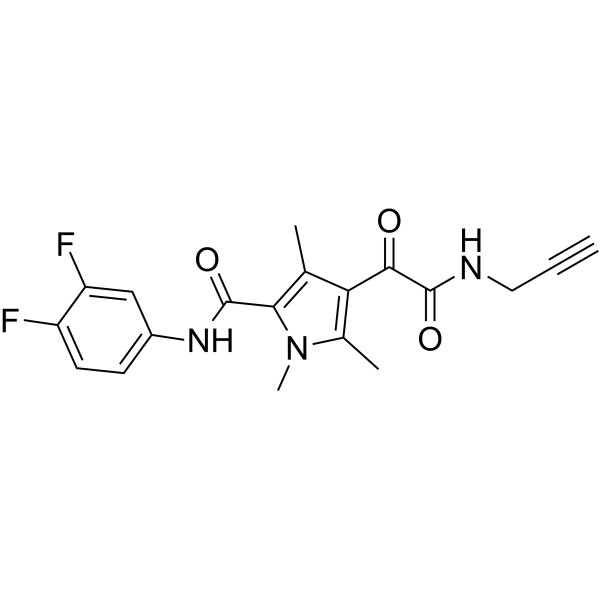
HY-124614
GLP-26HBV Capsid Effector -
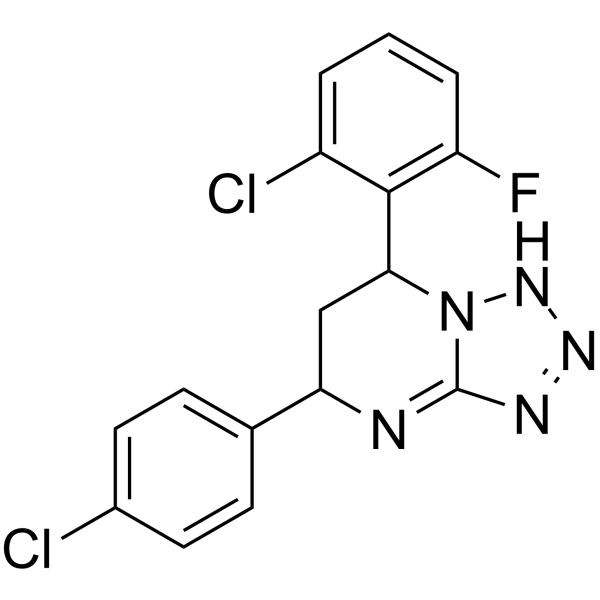
HY-126970
HBF-0259HBsAg Secretion Inhibitor -

HY-109014R
Tenofovir exalidex (Standard)HIV Inhibitor


Biological Activity
Description
In Vitro
DVR-01 (0-10 μM; 4 d) inhibits HBV in human hepatoma cells with EC50 values of 1.7 and 1.6 μM in AML12HBV10 and HepDES19 cells, respectively[1]. DVR-01 (0.156-10 μM; 2 d) selectively disrupts the pgRNA encapsidation by HBV[1]. DVR-01 (3 d) shows antiviral activity against hepadnaviruses in human hepatoma cells with EC50s of 2.899, >10 and >25 μM for HBV, WHV and DHBV, respectively[1]. DVR-01 (0.0097-10 μM; 2 d) shows antiviral activity against drug-resistant HBV mutants with EC50s of 2.899, 3.273, 3.180, 2.752, 2.567 and 2.403 μM for wt, rtL180 M/rtM204V, rtA181V, rtN236T, rtM204I and rtL180 M/rtM204V/rtT184G/rtS202I, respectively[1].
MedChemExpress (MCE) has not independently confirmed the accuracy of these methods. They are for reference only. Further protocols information, click here.


Chemical Information
-
CAS No. 330461-34-2
-
Molecular Weight 406.93
-
Formula C20H23ClN2O3S
-
SMILES
O=C(NCC1=CC=CC=C1)C2=CC=C(C(S(N3CCCCCC3)(=O)=O)=C2)Cl
-
Shipping
Room temperature in continental US; may vary elsewhere.
-
Storage
Please store the product under the recommended conditions in the Certificate of Analysis.

Protocols
-
Research Protocol for Infectious Diseases
Infectious-disease experiments test how pathogens interact with host barriers, innate immune receptors, inflammatory signaling, pathogen replication, and tissue injury; pattern-recognition receptors such as TLRs, RIG-I-like receptors, NOD-like receptors, and inflammasomes detect microbial molecules and activate NF-κB, interferon, and cytokine responses. The central hypothesis is that infection severity reflects the balance between pathogen burden and host response: protective inflammation restricts pathogen growth, whereas excessive or mislocalized inflammation contributes to tissue damage and disease phenotype. Unresolved questions include which host pathways are protective versus pathogenic, why some infection models fail to translate to human disease, and which combined readouts best predict clinically relevant infection outcomes.


Purity & Documentation
-
Data Sheet (268 KB)
-
SDS (252 KB)
- Français - FR (252 KB)
- Deutsch - DE (252 KB)
- Norwegian - NO (252 KB)
- Español - ES (252 KB)
- Swedish - SV (252 KB)
- Italian - IT (252 KB)
- Korean - KR (252 KB)
- Portuguese - PT (252 KB)
-
Handling Instructions (2659 KB)
References

Calculators
Concentration (start) × Volume (start) = Concentration (final) × Volume (final)


DVR-01 Related Classifications
HY-122209 Related Classifications
 Powered by Bioz