



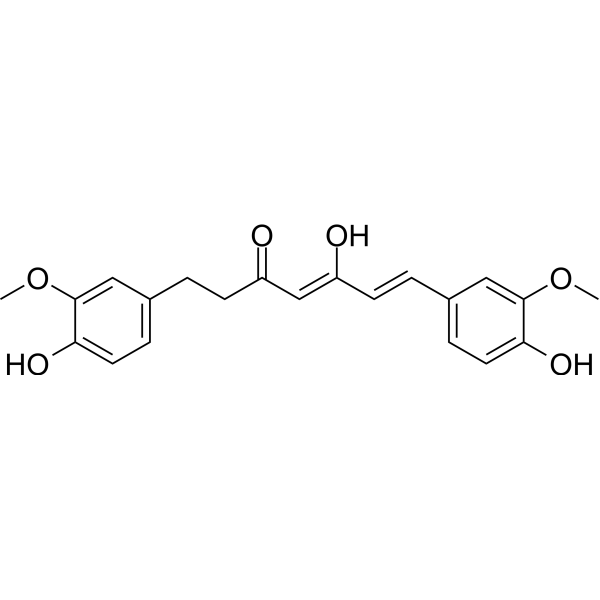
Dihydrocurcumin

Based on 1 Customer Validation
Dihydrocurcumin, a major metabolites of curcumin, reduces lipid accumulation and oxidative stress. Dihydrocurcumin regulates mRNA and protein expression levels of SREBP-1C, PNPLA3 and PPARα, increases protein expression levels of pAKT and PI3K, and reduced the levels of cellular NO and ROS via Nrf2 signaling pathways.
For research use only. We do not sell to patients.
- Purity : 99.15%
- CAS No.: 76474-56-1
- Formula: C21H22O6
- Molecular Weight:370.40
-
Storage:
4°C, protect from light
* In solvent : -80°C, 6 months; -20°C, 1 month (protect from light)

To place orders, for customer services and technical support, please contact: MedChemExpress USA
Tel: 609-228-6898 E-mail: [email protected] [email protected]


-
 Biological Activity
-
Chemical Information
-
Solvent & Solubility
- Protocols
- Purity & Documentation
- References
-
 Help & FAQs


-
HY-N0005
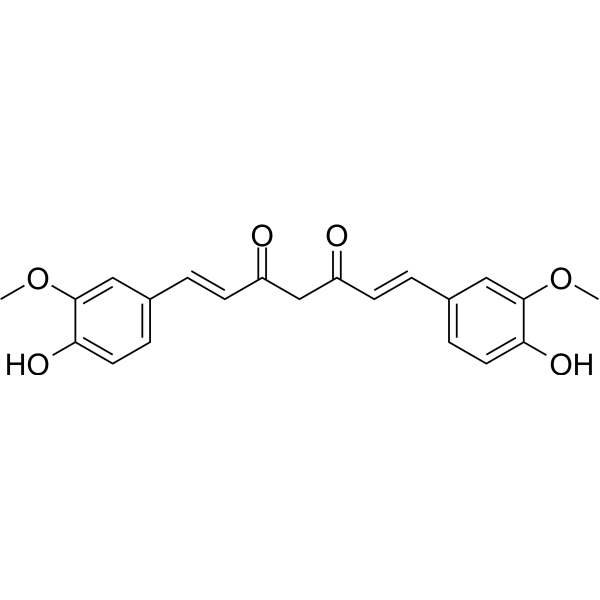
Curcuminp300 Histone Acetylatransferase Inhibitor -
HY-12364
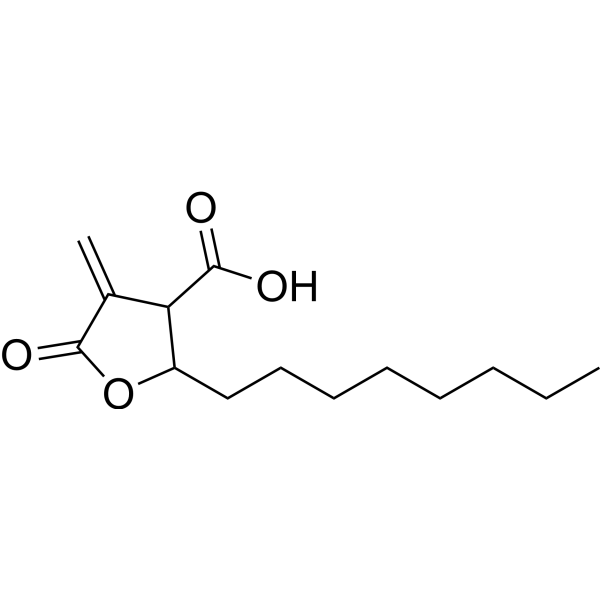
C75Fatty Acid Synthase Inhibitor -
HY-14452
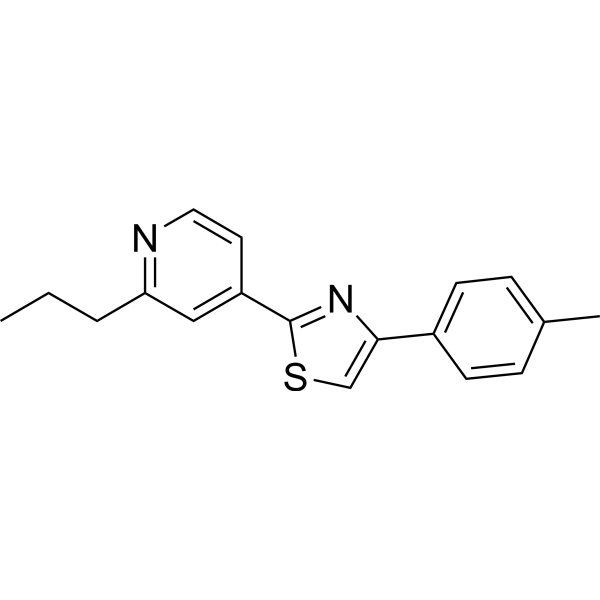
FatostatinSREBP Activation Inhibitor -
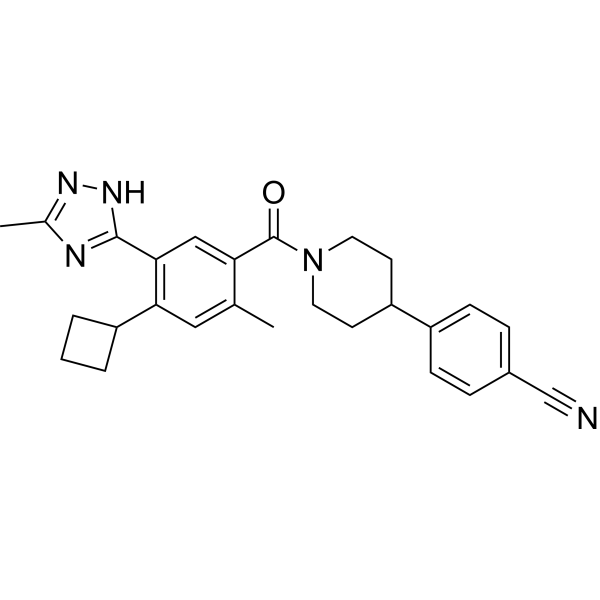
HY-112829
DenifanstatFASN Inhibitor -
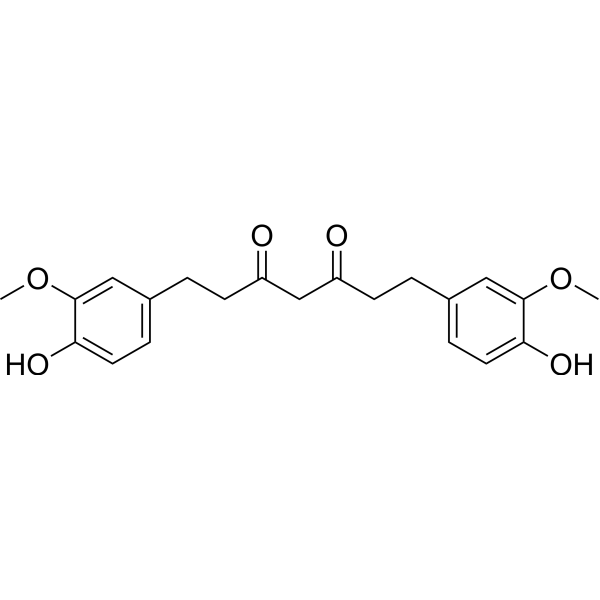
HY-N0893
TetrahydrocurcuminCytochrome P450 Inhibitor -
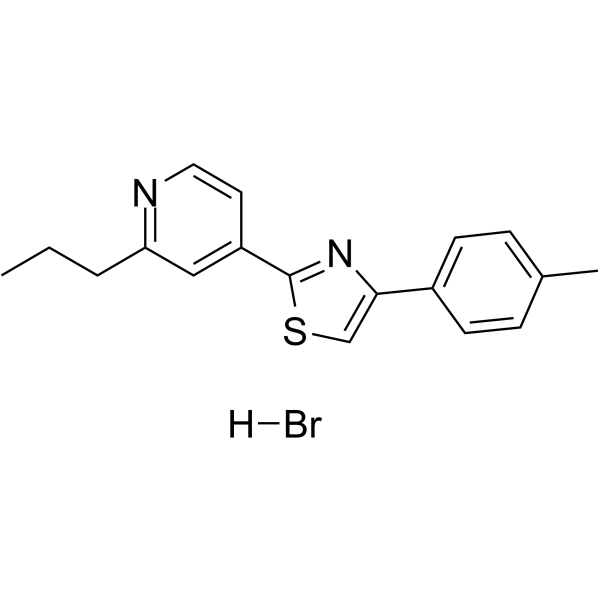
HY-14452A
Fatostatin hydrobromideSREBP Activation Inhibitor -
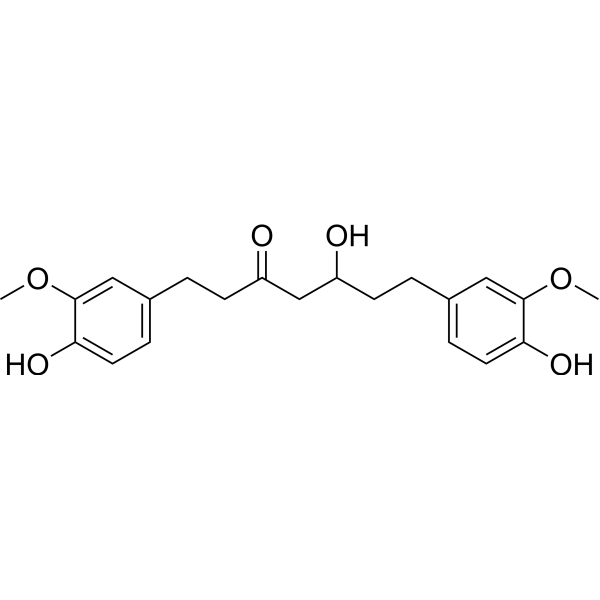
HY-N0929
HexahydrocurcuminCOX-2 Inhibitor -
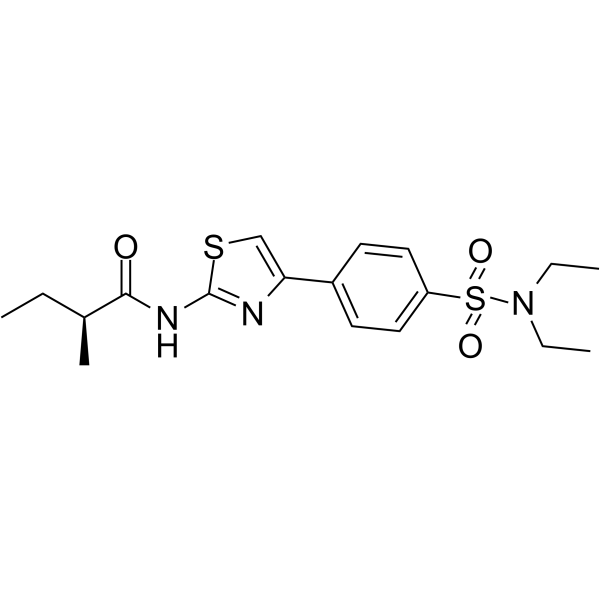
HY-111777
FASN-IN-1Fatty Acid Synthase Inhibitor -
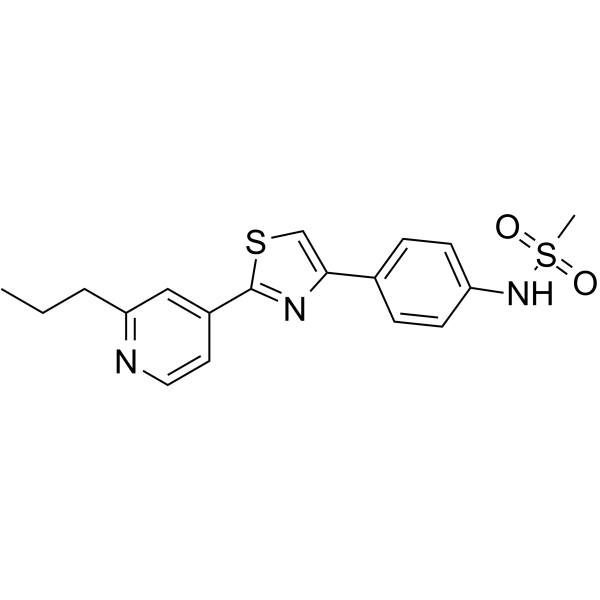
HY-16207
FGH10019FASN Inhibitor -
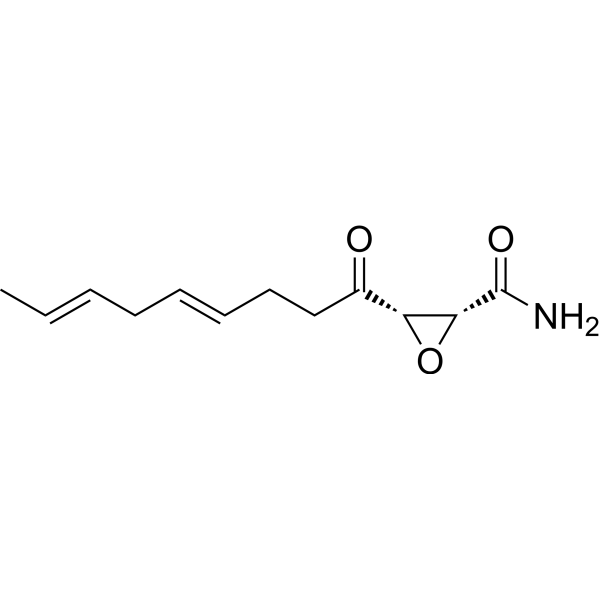
HY-A0210
CeruleninFASN Inhibitor -
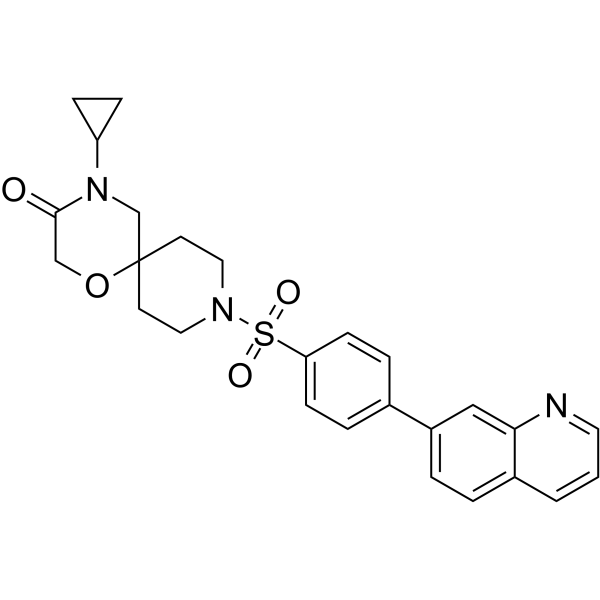
HY-12648
FASN-IN-4FASN Inhibitor -
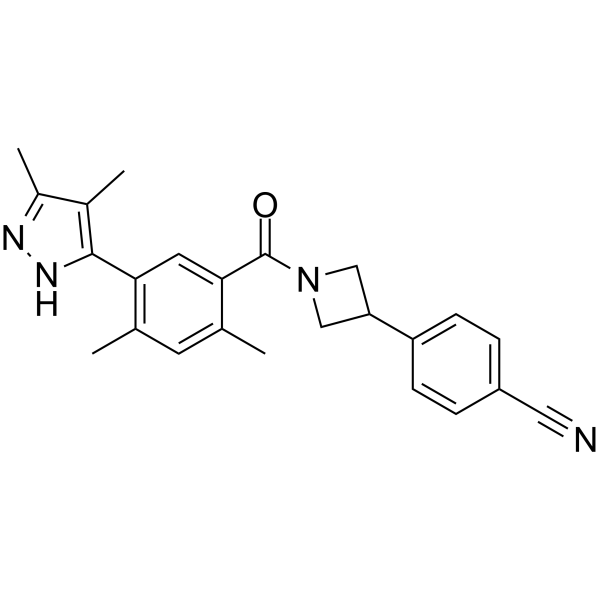
HY-U00436
FASN-IN-3


Biological Activity
Description
In Vitro
Dihydrocurcumin (0-50 μM, 24 h) decreases OA induced TG level in HepG2 and L02 cells[1].
Dihydrocurcumin (0-50 μM, 24 h) promotes glucose uptake and reduces the levels of cellular NO and ROS[1].
MedChemExpress (MCE) has not independently confirmed the accuracy of these methods. They are for reference only. Further protocols information, click here.


Chemical Information
-
CAS No. 76474-56-1
-
Appearance Solid
-
Molecular Weight 370.40
-
Formula C21H22O6
-
Color White to yellow
-
SMILES
O=C(/C=C(O)/C=C/C1=CC=C(O)C(OC)=C1)CCC2=CC=C(O)C(OC)=C2
-
Structure Classification
-
Initial Source
-
Shipping
Room temperature in continental US; may vary elsewhere.
-
Storage
4°C, protect from light
* In solvent : -80°C, 6 months; -20°C, 1 month (protect from light)


Solvent & Solubility
In Vitro:
DMSO : 25 mg/mL (67.49 mM; ultrasonic and warming and heat to 60°C; Hygroscopic DMSO has a significant impact on the solubility of product, please use newly opened DMSO)
Please refer to the solubility information to select the appropriate solvent. Once prepared, please aliquot and store the solution to prevent product inactivation from repeated freeze-thaw cycles.
Storage method and period of stock solution: -80°C, 6 months; -20°C, 1 month (protect from light). When stored at -80°C, please use it within 6 months. When stored at -20°C, please use it within 1 month.
Please refer to the solubility information to select the appropriate solvent. Once prepared, please aliquot and store the solution to prevent product inactivation from repeated freeze-thaw cycles.
Storage method and period of stock solution: -80°C, 6 months; -20°C, 1 month (protect from light). When stored at -80°C, please use it within 6 months. When stored at -20°C, please use it within 1 month.
Concentration (start) × Volume (start) = Concentration (final) × Volume (final)

Protocols
-
3T3-L1 preadipocyte-to-adipocyte differentiation
3T3-L1 preadipocytes are induced to differentiate after growth arrest using adipogenic media containing insulin, dexamethasone, and IBMX; differentiation is assessed by lipid-droplet accumulation, triglyceride increase, Oil Red O staining, and adipocyte-marker induction such as PPARγ and C/EBPα.
-
RNA extraction experimental
By lysing cells, releasing RNA, and removing impurities such as proteins and DNA, high-purity RNA products are finally obtained. The commonly used traditional method is the guanidine isothiocyanate/phenol/chloroform method (Trizol), which is suitable for a variety of animal materials including animal tissues, microorganisms, cultured cells, etc., and most plant materials.
-
Western Blot
Western blotting (WB) is a commonly used experimental method in molecular biology, biochemistry, and immunogenetics for identifying and quantifying target proteins. It combines gel electrophoresis with immunoassay, enabling researchers to analyze protein expression, post-translational modifications, and molecular weight.
-
ROS/oxidative-stress fluorescent staining
ROS/oxidative-stress fluorescent staining uses cell-permeant fluorogenic probes that become fluorescent after oxidation inside cells or tissues; commonly used examples include DCFH-DA/DCFDA for broad cellular oxidant detection, DHE for superoxide-related signal detection, MitoSOX for mitochondrial superoxide-related signal detection, and CellROX probes for oxidative-stress-associated fluorescence readouts. The assay detects probe oxidation rather than a single ROS species unless the probe and analysis method have been chemically validated for that species. DCFH-DA enters cells, is deacetylated by intracellular esterases to DCFH, and produces fluorescent DCF after oxidation, so the readout is used as an operational measure of total cellular oxidative stress rather than a species-specific ROS measurement. DHE and MitoSOX can report superoxide-related oxidation, but red fluorescence alone can include non-specific ethidium-like oxidation products; HPLC or optimized spectral approaches are
-
Lipid Droplets: Oil Red O/Sudan Dye Lipid Staining
Lipid droplets are intracellular organelles with a neutral-lipid core that stores triacylglycerols and sterol esters, and Oil Red O or Sudan dyes detect these hydrophobic lipid deposits by partitioning into retained lipids in fresh or frozen specimens. Oil Red O stains neutral triglycerides and lipids in frozen tissue sections or air-dried cytologic preparations, while Sudan Black B has also been used as a histochemical fat stain for lipid-rich tissue structures.
-
Protocol For Protein Expression And Purification
Recombinant protein expression in Escherichia coli followed by purification of a His-tagged soluble protein by immobilized metal affinity chromatography (IMAC), with optional MBP fusion and TEV tag removal when the construct includes these elements. The biological readout is production of the encoded target protein, detected as an inducible band at the expected molecular mass by SDS-PAGE and quantified by total protein assay or chromatographic absorbance; the purification readout is enrichment of the target protein in elution fractions after selective binding of polyhistidine residues to immobilized Ni2+/metal-chelate resin and elution by imidazole-containing buffer. Expression is driven by an inducible bacterial expression system, commonly T7/lac-based, in which IPTG or lactose/auto-induction activates transcription and translation of the cloned gene; lower induction temperature, lower inducer concentration, induction timing, and solubility-enhancing fusion tags can influence the frac


Purity & Documentation
-
Data Sheet (268 KB)
-
SDS (252 KB)
- English - EN (252 KB)
- Français - FR (252 KB)
- Deutsch - DE (252 KB)
- Norwegian - NO (252 KB)
- Español - ES (252 KB)
- Swedish - SV (252 KB)
- Italian - IT (252 KB)
- Korean - KR (252 KB)
- Portuguese - PT (252 KB)
-
Handling Instructions (2659 KB)
References


Complete Stock Solution Preparation Table
Please refer to the solubility information to select the appropriate solvent. Once prepared, please aliquot and store the solution to prevent product inactivation from repeated freeze-thaw cycles.
Storage method and period of stock solution: -80°C, 6 months; -20°C, 1 month (protect from light). When stored at -80°C, please use it within 6 months. When stored at -20°C, please use it within 1 month.
| Optional Solvent | Concentration Solvent Mass | 1 mg | 5 mg | 10 mg | 25 mg |
|---|---|---|---|---|---|
| DMSO | 1 mM | 2.6998 mL | 13.4989 mL | 26.9978 mL | 67.4946 mL |
| 5 mM | 0.5400 mL | 2.6998 mL | 5.3996 mL | 13.4989 mL | |
| 10 mM | 0.2700 mL | 1.3499 mL | 2.6998 mL | 6.7495 mL | |
| 15 mM | 0.1800 mL | 0.8999 mL | 1.7999 mL | 4.4996 mL | |
| 20 mM | 0.1350 mL | 0.6749 mL | 1.3499 mL | 3.3747 mL | |
| 25 mM | 0.1080 mL | 0.5400 mL | 1.0799 mL | 2.6998 mL | |
| 30 mM | 0.0900 mL | 0.4500 mL | 0.8999 mL | 2.2498 mL | |
| 40 mM | 0.0675 mL | 0.3375 mL | 0.6749 mL | 1.6874 mL | |
| 50 mM | 0.0540 mL | 0.2700 mL | 0.5400 mL | 1.3499 mL | |
| 60 mM | 0.0450 mL | 0.2250 mL | 0.4500 mL | 1.1249 mL |


Dihydrocurcumin Related Classifications
HY-N1967 Related Classifications
 Powered by Bioz