



E6446 dihydrochloride
Based on 9 publication(s) in Google Scholar
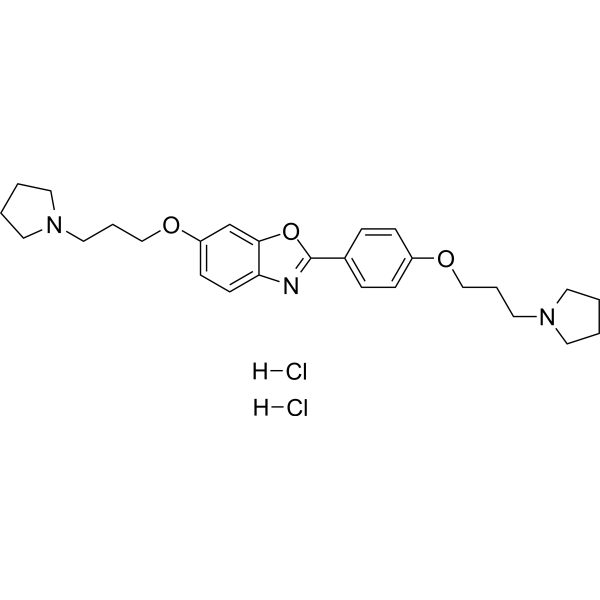
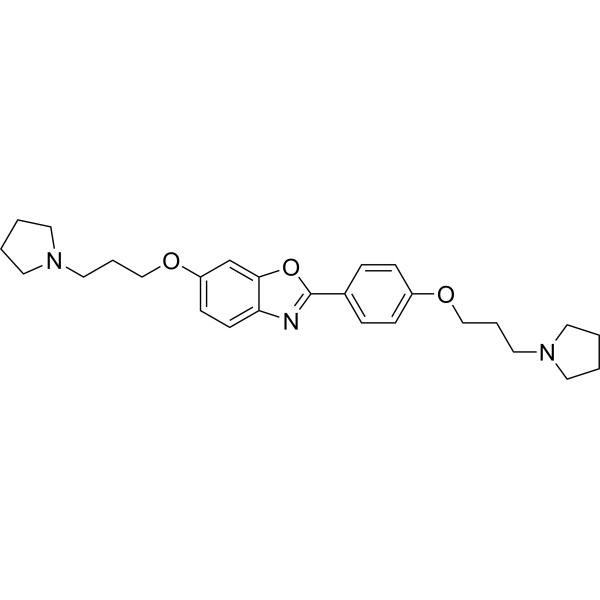
E6446 dihydrochloride is a potent and orally acitve TLR7 and TLR9 antagonist, used in the research of deleterious inflammatory responses. E6446 dihydrochloride is also a potent SCD1 inhibitor (KD: 4.61 μM), significantly inhibiting adipogenic differentiation and hepatic lipogenesis through SCD1-ATF3 signaling. E6446 dihydrochloride also improves liver pathology in high-fat diet (HFD)-fed mice and may be useful in the study of non-alcoholic fatty liver disease (NAFLD).
For research use only. We do not sell to patients.
- Purity : 99.29%
- CAS No.: 1345675-25-3
- Formula: C27H37Cl2N3O3
- Molecular Weight:522.51
-
Storage:Powder -20°C, 3 years , 4°C, 2 years ; In solvent -80°C, 2 years , -20°C, 1 year

To place orders, for customer services and technical support, please contact: MedChemExpress USA
Tel: 609-228-6898 E-mail: [email protected] [email protected]


-
 Biological Activity
-
Chemical Information
-
Solvent & Solubility
- Protocols
- Purity & Documentation
- References
-
 Help & FAQs


-
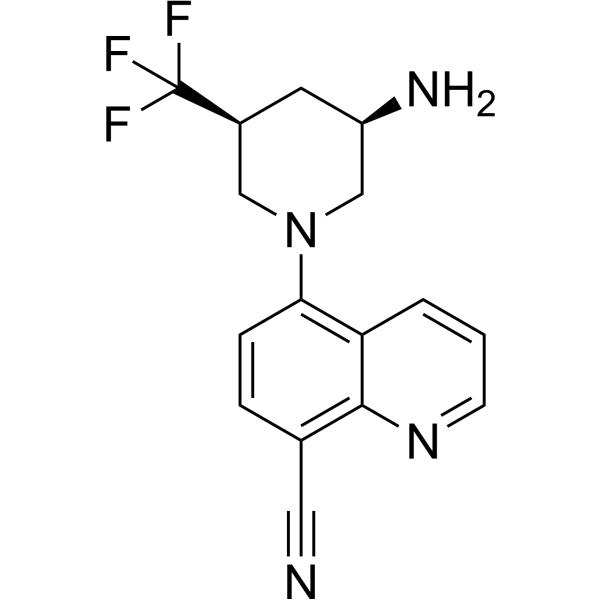
HY-134581
EnpatoranTLR7/8 Antagonist -
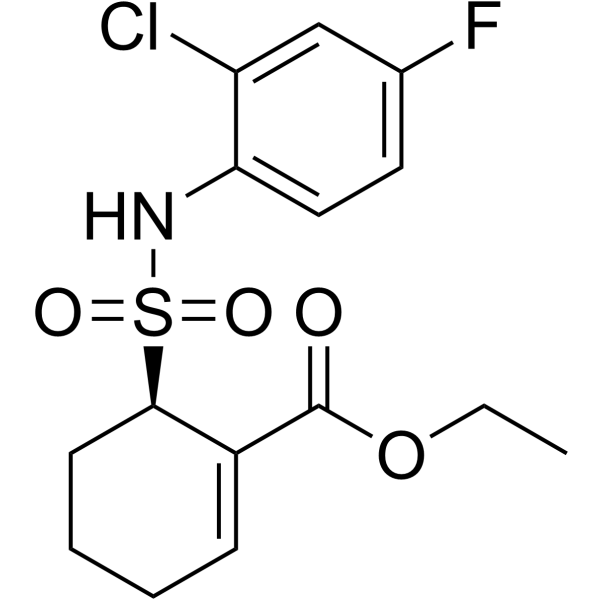
HY-11109
ResatorvidTLR4 Inhibitor -
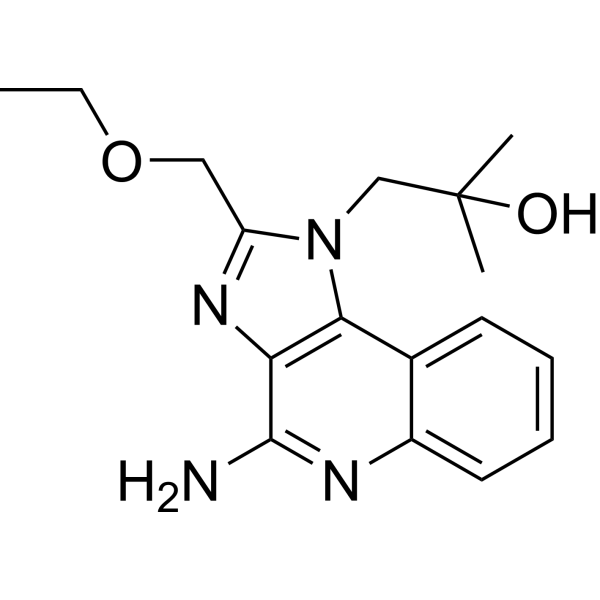
HY-13740
ResiquimodTLR7/8 Agonist -
HY-139567
AfimetoranTLR7/8 Antagonist -
HY-108471
CU-CPT22TLR1/TLR2 Antagonist -
HY-112667
CU-CPT-9aToll-like Receptor (TLR) Antagonist -
HY-139397
TJ-M2010-5MyD88 Inhibitor -
HY-12756
E6446TLR/SCD1 Inhibitor -
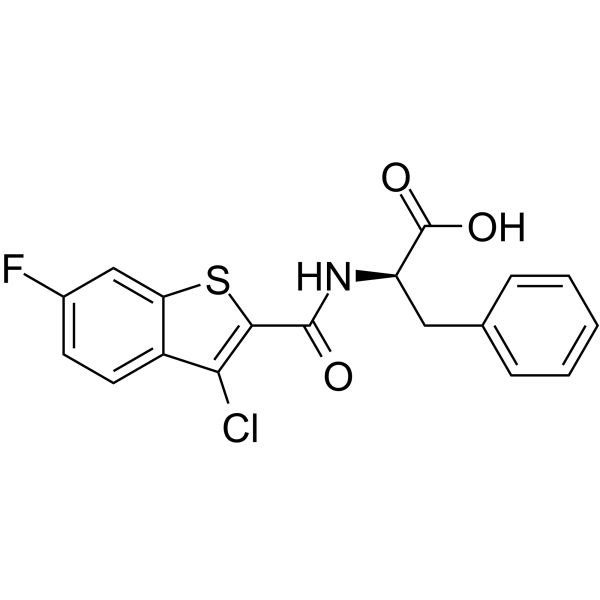
HY-108473
CU-CPT 4aTLR3 Inhibitor -
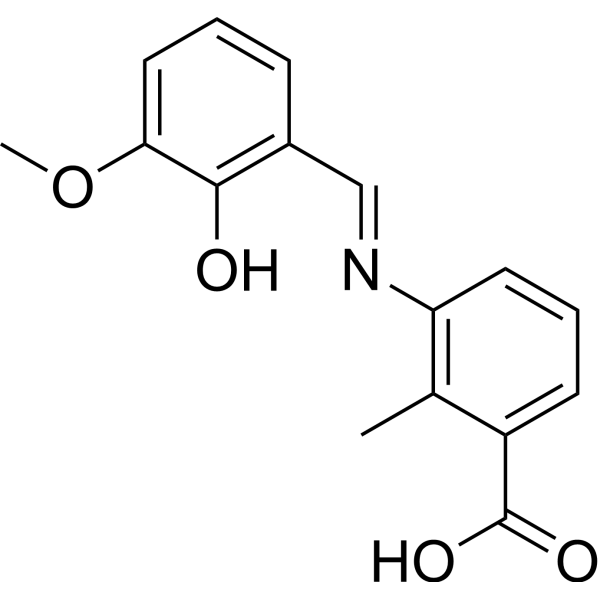
HY-100461
C29TLR2 Inhibitor -

HY-12756AR
E6446 dihydrochloride (Standard)TLR/SCD1 Inhibitor -
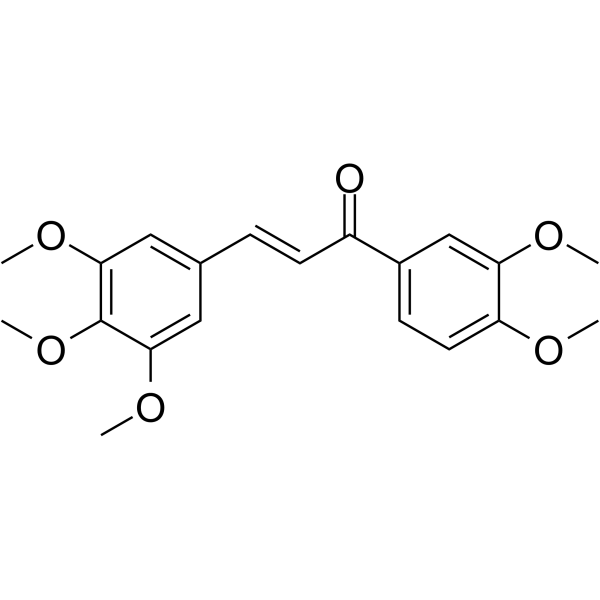
HY-103483
MD2-IN-1MD2 Inhibitor
Publications Citing Use of MedChemExpress (MCE) E6446 dihydrochloride
More- Cell Commun Signal. 2023 Sep 30;21(1):268. [Abstract]
- Cell Rep. 2025 Jun 13;44(6):115851. [Abstract]
- J Virol. 2025 Jul 22;99(7):e0069025. [Abstract]
- Infect Immun. 2019 Dec 17;88(1):e00697-19. [Abstract]
- Vet Microbiol. 2017 Aug:207:56-62. [Abstract]
- SSRN. 2025 Sep 10.
- Patent. US20210388060A1.
- Research Square Preprint. 2021 Mar.
- Oxid Med Cell Longev. 2019 Apr 28:2019:6527638. [Abstract]


Biological Activity
Description
|
TLR7 |
TLR9 |
In Vitro
E6446 dihydrochloride is a potent and orally acitve TLR7 and TLR9 inhibitor. E6446 potently suppresses DNA stimulation of HEK:TLR9 cells, with an IC50 value of 10 nM, but is significantly less effective at suppressing LPS endotoxin stimulation of HEK:TLR4 cells or R848 stimulation of HEK:TLR7 cells. E6446 potently inhibits IL-6 production induced by CpG2216 but is ineffective against induction by the TLR3 ligand poly inosine-cytosine. The ability of E6446 to inhibit TLR7 is ligand dependent, E6446 is a potent inhibitor of IL-6 induction by RNA but a relatively poor inhibitor of IL-6 induction by the small molecule imidazoquinoline ligand R-848. E6446 suppress TLR9-DNA interaction in vitro, with an IC50 in the 1 to 10 μM range[1]. E6446 (0.01-0.03 μM) specifically inhibits TLR9 activation with CpG ODN 2006, and blocks TLR7/8 activated by the imidazoquinoline compound R848 at 2-8 μM. E6446 reduces 50% of TLR4 activation at 30 μM, and shows IC50s of 0.01 μM and 0.23 μM in HEK-TLR9 cells stimulated with oligo 2006 and in human PBMCs stimulated with oligo 2216, respectively[2].
MedChemExpress (MCE) has not independently confirmed the accuracy of these methods. They are for reference only. Further protocols information, click here.
In Vivo
MedChemExpress (MCE) has not independently confirmed the accuracy of these methods. They are for reference only.


Chemical Information
-
CAS No. 1345675-25-3
-
Appearance Solid
-
Molecular Weight 522.51
-
Formula C27H37Cl2N3O3
-
Color White to off-white
-
SMILES
[H]Cl.[H]Cl.C1(C2=CC=C(OCCCN3CCCC3)C=C2)=NC4=CC=C(OCCCN5CCCC5)C=C4O1
-
Shipping
Room temperature in continental US; may vary elsewhere.
-
Storage
Powder -20°C 3 years 4°C 2 years In solvent -80°C 2 years -20°C 1 year


Publications (9)
-
Journal Impact Factor
-
Most Recent
-
Cell Commun Signal
Identification of novel SCD1 inhibitor alleviates nonalcoholic fatty liver disease: critical role of liver-adipose axis. [Abstract]2023 Sep 30;21(1):268. PMID: 37777801 -
Cell Rep
ENPP1 governs the metabolic regulation of effector T cells in autoimmunity by detecting cytosolic mitochondrial DNA. [Abstract]2025 Jun 13;44(6):115851. PMID: 40516055 -
J Virol
African swine fever virus infection enhances CD14-dependent phagocytosis of porcine alveolar macrophages to promote bacterial uptake and apoptotic body-mediated viral transmission. [Abstract]2025 Jul 22;99(7):e0069025. PMID: 40503879 -
Infect Immun
Toll-Like Receptor 2 (TLR2) and TLR4 Mediate the IgA Immune Response Induced by Mycoplasma hyopneumoniae. [Abstract]2019 Dec 17;88(1):e00697-19. PMID: 31611272 -
Vet Microbiol
Porcine parvovirus infection activates inflammatory cytokine production through Toll-like receptor 9 and NF-κB signaling pathways in porcine kidney cells. [Abstract]2017 Aug:207:56-62. PMID: 28757040 -
-
-
-
Oxid Med Cell Longev
Triptolide Inhibits Preformed Fibril-Induced Microglial Activation by Targeting the MicroRNA155-5p/SHIP1 Pathway. [Abstract]2019 Apr 28:2019:6527638. PMID: 31182996


Solvent & Solubility
In Vitro:
H2O : ≥ 100 mg/mL (191.38 mM)
DMSO : 5 mg/mL (9.57 mM; ultrasonic and warming and heat to 60°C; Hygroscopic DMSO has a significant impact on the solubility of product, please use newly opened DMSO)
* "≥" means soluble, but saturation unknown.
Please refer to the solubility information to select the appropriate solvent. Once prepared, please aliquot and store the solution to prevent product inactivation from repeated freeze-thaw cycles.
Storage method and period of stock solution: -80°C, 2 years; -20°C, 1 year. When stored at -80°C, please use it within 2 years. When stored at -20°C, please use it within 1 year.
* Note: If you choose water as the stock solution, please dilute it to the working solution, then filter and sterilize it with a 0.22 μm filter before use.
Please refer to the solubility information to select the appropriate solvent. Once prepared, please aliquot and store the solution to prevent product inactivation from repeated freeze-thaw cycles.
Storage method and period of stock solution: -80°C, 2 years; -20°C, 1 year. When stored at -80°C, please use it within 2 years. When stored at -20°C, please use it within 1 year.
* Note: If you choose water as the stock solution, please dilute it to the working solution, then filter and sterilize it with a 0.22 μm filter before use.
Concentration (start) × Volume (start) = Concentration (final) × Volume (final)

Protocols
-
Protocol for Hematoxylin-Eosin (H&E) Staining
Hematoxylin-eosin staining is a routine histological method that stains nuclei mainly blue-purple with hemalum and stains cytoplasm, extracellular matrix, and many stromal components pink with eosin, allowing tissue architecture, cell morphology, necrosis, inflammation, fibrosis, tumor growth pattern, and treatment-associated injury to be evaluated by light microscopy. In cancer cells, primary neurons, mouse tumor models, intestinal organoids, inflammatory macrophage preparations, and drug-screening tissues, H&E is a morphology assay rather than a molecular assay; it should be interpreted with complementary molecular or immunostaining assays when the biological question concerns specific proteins, RNA levels, ferroptosis, mitophagy, or immune phenotypes.
-
Research Protocol for Metabolic Diseases
AMP-activated protein kinase, AMPK, is a conserved cellular energy sensor that responds to reduced cellular energy status and coordinates metabolism by increasing ATP-generating catabolic pathways while suppressing ATP-consuming anabolic processes. In metabolic disease research, the AMPK pathway is experimentally relevant because it regulates hepatic lipid synthesis, fatty acid oxidation, glucose production, skeletal-muscle glucose disposal, mTORC1-linked biosynthesis, autophagy, mitochondrial homeostasis, and whole-body energy balance. The central pathway logic is that energy stress, metformin, exercise-like stimulation, or direct AMPK activators increase AMPKα Thr172 phosphorylation and downstream substrate phosphorylation, including ACC and RAPTOR. Phosphorylation of ACC suppresses lipogenesis and supports fatty acid oxidation, whereas phosphorylation of RAPTOR suppresses mTORC1 signaling and links cellular energy status to growth and protein synthesis control. The pathway is linked


Purity & Documentation
-
Data Sheet (276 KB)
-
SDS (393 KB)
- English - EN (393 KB)
- Français - FR (393 KB)
- Deutsch - DE (393 KB)
- Norwegian - NO (393 KB)
- Español - ES (393 KB)
- Swedish - SV (393 KB)
- Italian - IT (393 KB)
- Korean - KR (393 KB)
- Portuguese - PT (393 KB)
-
Handling Instructions (2659 KB)
References
[1]. Lamphier M, et al. Novel small molecule inhibitors of TLR7 and TLR9: mechanism of action and efficacy in vivo. Mol Pharmacol. 2014 Mar;85(3):429-40. [Content Brief]
[2]. Franklin BS, et al. Therapeutical targeting of nucleic acid-sensing Toll-like receptors prevents experimental cerebral malaria. Proc Natl Acad Sci U S A. 2011 Mar 1;108(9):3689-94. [Content Brief]
[3]. Wang W, et al. Identification of novel SCD1 inhibitor alleviates nonalcoholic fatty liver disease: critical role of liver-adipose axis. Cell Commun Signal. 2023 Sep 30;21(1):268. [Content Brief]


Complete Stock Solution Preparation Table
Please refer to the solubility information to select the appropriate solvent. Once prepared, please aliquot and store the solution to prevent product inactivation from repeated freeze-thaw cycles.
Storage method and period of stock solution: -80°C, 2 years; -20°C, 1 year. When stored at -80°C, please use it within 2 years. When stored at -20°C, please use it within 1 year.
| Optional Solvent | Concentration Solvent Mass | 1 mg | 5 mg | 10 mg | 25 mg |
|---|---|---|---|---|---|
| DMSO / H2O | 1 mM | 1.9138 mL | 9.5692 mL | 19.1384 mL | 47.8460 mL |
| 5 mM | 0.3828 mL | 1.9138 mL | 3.8277 mL | 9.5692 mL | |
| H2O | 10 mM | 0.1914 mL | 0.9569 mL | 1.9138 mL | 4.7846 mL |
| 15 mM | 0.1276 mL | 0.6379 mL | 1.2759 mL | 3.1897 mL | |
| 20 mM | 0.0957 mL | 0.4785 mL | 0.9569 mL | 2.3923 mL | |
| 25 mM | 0.0766 mL | 0.3828 mL | 0.7655 mL | 1.9138 mL | |
| 30 mM | 0.0638 mL | 0.3190 mL | 0.6379 mL | 1.5949 mL | |
| 40 mM | 0.0478 mL | 0.2392 mL | 0.4785 mL | 1.1961 mL | |
| 50 mM | 0.0383 mL | 0.1914 mL | 0.3828 mL | 0.9569 mL | |
| 60 mM | 0.0319 mL | 0.1595 mL | 0.3190 mL | 0.7974 mL | |
| 80 mM | 0.0239 mL | 0.1196 mL | 0.2392 mL | 0.5981 mL | |
| 100 mM | 0.0191 mL | 0.0957 mL | 0.1914 mL | 0.4785 mL |
* Note: If you choose water as the stock solution, please dilute it to the working solution, then filter and sterilize it with a 0.22 μm filter before use.


E6446 dihydrochloride Related Classifications
HY-12756A Related Classifications
 Powered by Bioz