



Israpafant
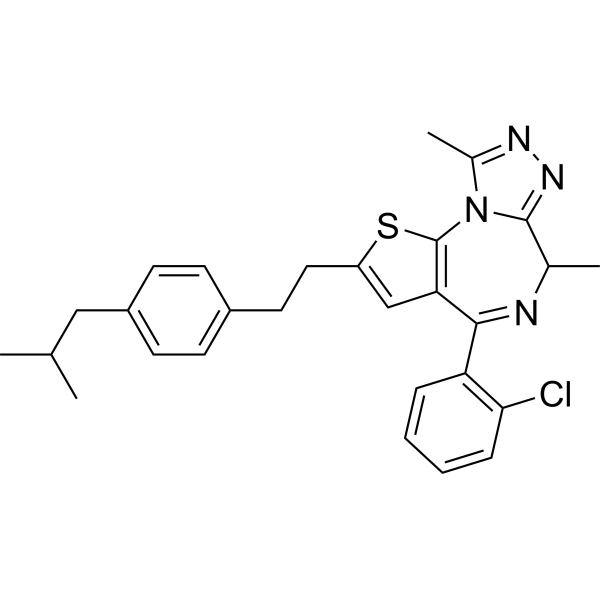
Israpafant (Y-24180) is a potent, selective and long-acting platelet activation factor (PAF) receptor antagonist with IC50s of 0.84 nM and 3.84 nM against PAF-induced human and rabbit platelet aggregation, respectively. Israpafant stimulates both extracellular Ca2+ influx and intracellular Ca2+ release in prostate cancer cells. Israpafant suppresses the allergic cutaneous reactions including eosinophilia, cytokine production, edema and erythema in mice.
연구목적의 판매만을 진행합니다. 환자를 대상으로 한 판매는 하지 않습니다.
- CAS No.: 117279-73-9
- 화학식: C28H29ClN4S
- 분자량:489.07
-
보관:
Please store the product under the recommended conditions in the Certificate of Analysis.

To place orders, for customer services and technical support, please contact: MedChemExpress USA
Tel: 609-228-6898 E-mail: [email protected] [email protected]


-
 Biological Activity
-
Chemical Information
- Protocol
- 순도&문서
- References
-
 Help & FAQs


-
HY-109897
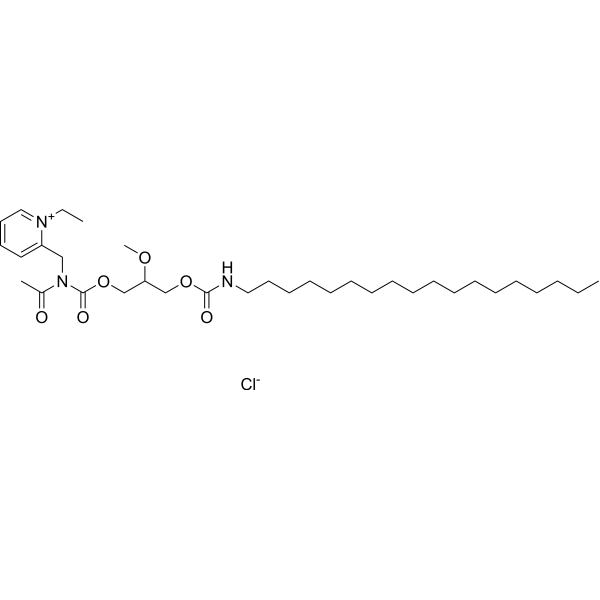
CV-6209PAF Antagonist -
HY-N10663
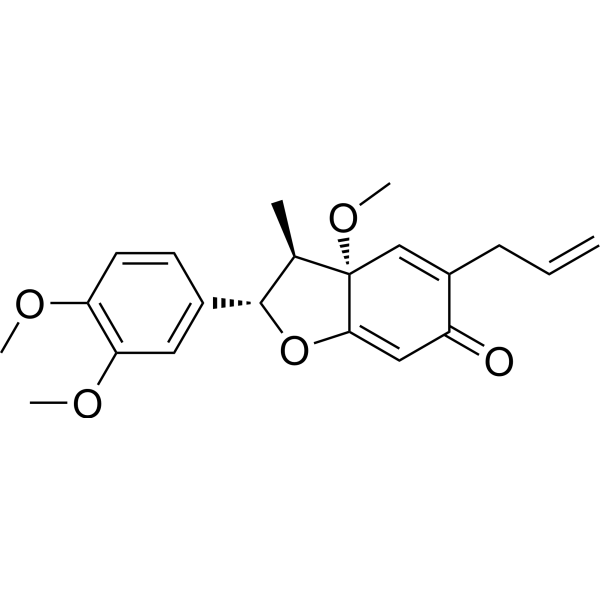
KadsurenonePlatelet-activating Factor Antagonist -
HY-130345
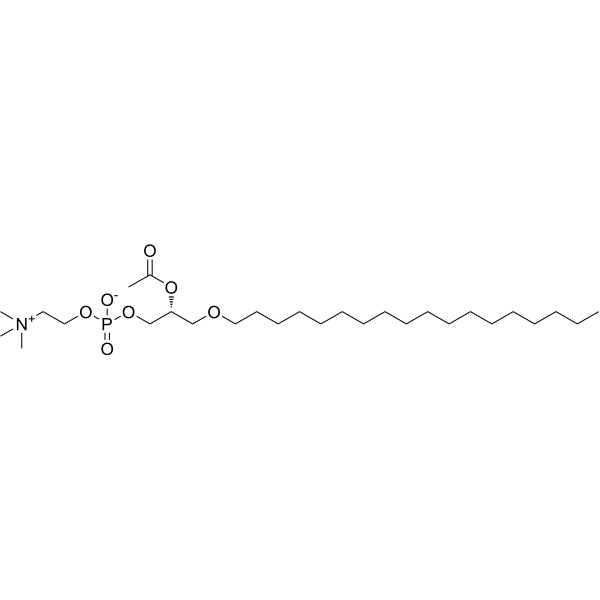
PAF (C18)Platelet Activating Factor -
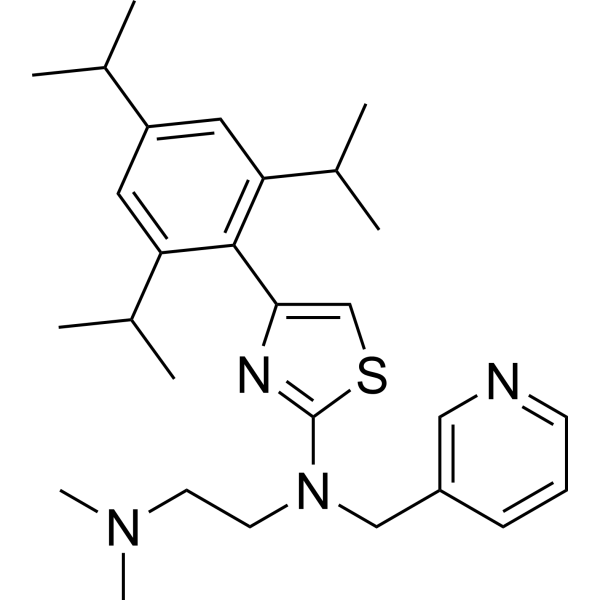
HY-128694
ForopafantPAF Receptor Antagonist -
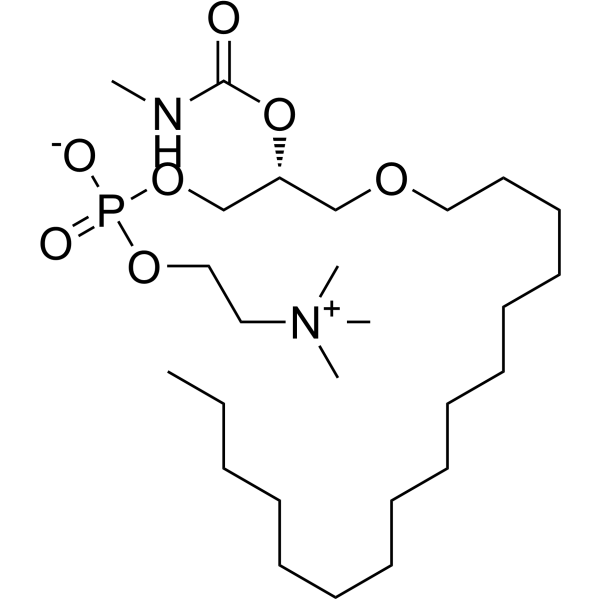
HY-137257
Carbamyl-PAFPAF receptor Agonist -
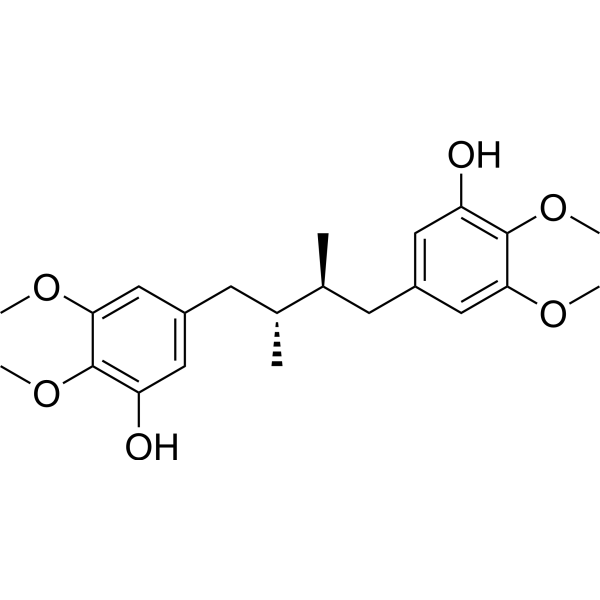
HY-N7343
PregomisinNatural Compound -
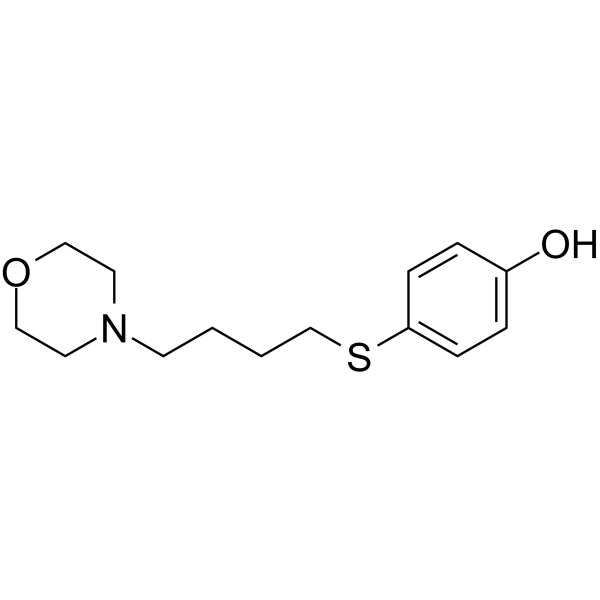
HY-114745
MoTPPAF Receptor Antagonist -
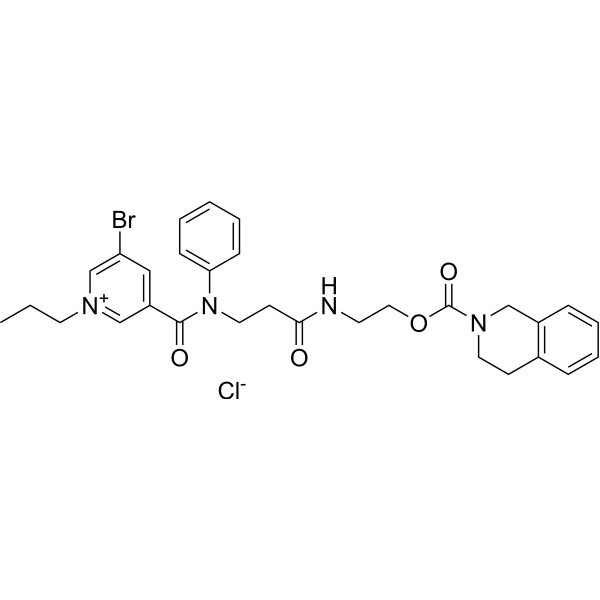
HY-19121A
TCV-309 chloridePAF Antagonist -

HY-N1717
2-Acetylbenzoic acidPlatelet Aggregation Inhibitor -
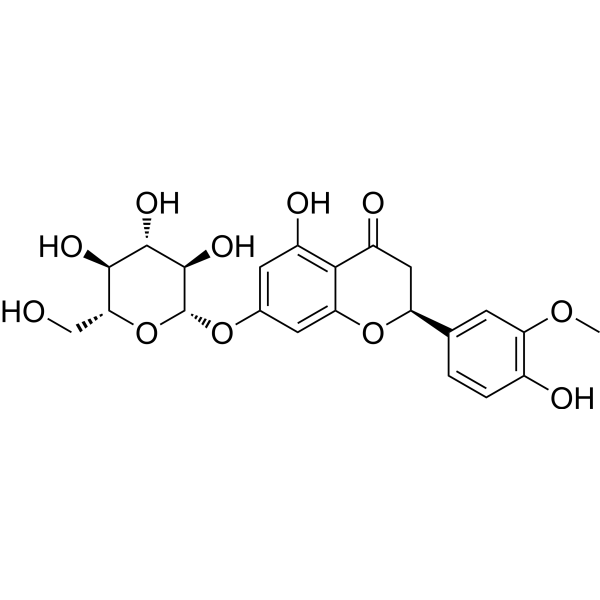
HY-N8218
Homoeriodictyol 7-O-β-D-glucosidePAF Antagonist -

HY-121007
Bepafant -

HY-W040221
Butanoyl PAFPAF Agonist


Biological Activity
제품 설명
IC50 & Target
IC50: 0.84 nM (PAF-induced human platelet aggregation), 3.84 nM (PAF-induced rabbit platelet aggregation)[1]


Chemical Information
-
CAS No. 117279-73-9
-
분자량 489.07
-
화학식 C28H29ClN4S
-
SMILES
CC1=NN=C2N1C3=C(C(C4=C(Cl)C=CC=C4)=NC2C)C=C(S3)CCC5=CC=C(C=C5)CC(C)C
-
Synonyms
Y 24180
-
선적
Room temperature in continental US; may vary elsewhere.
-
보관
Please store the product under the recommended conditions in the Certificate of Analysis.

Protocol
-
Ca2+ Staining Technique
Ca2+ staining is an experimental technique that utilizes specific fluorescent probes (such as Fluo-4 AM, Fura-2, etc.) to qualitatively or quantitatively detect dynamic changes in intracellular Ca2+ concentrations; this is achieved by monitoring the changes in fluorescent signals generated when these probes bind to free intracellular calcium ions. The underlying principle relies primarily on the presence of chelating groups within the probe's molecular structure that possess high affinity for calcium ions.
-
Research Protocol for Inflammation-related Diseases
The NLRP3 inflammasome is a cytosolic innate immune signaling platform that integrates priming signals and danger-signal activation to promote caspase-1 activation, maturation of IL-1β and IL-18, and gasdermin D-mediated pyroptotic cell death. The core experimental logic is to determine whether inflammatory disease phenotypes are driven by increased NLRP3 expression, ASC-containing inflammasome assembly, caspase-1 cleavage, GSDMD cleavage, and extracellular release of IL-1β/IL-18 rather than by nonspecific cell injury alone. The pathway is strongly linked to inflammation-related disease phenotypes because monosodium urate crystals activate NALP3/NLRP3 inflammasome signaling in gout-like crystal inflammation, cholesterol crystals activate NLRP3 inflammasomes in atherogenesis models, and DSS-induced intestinal inflammation has been reported to involve NLRP3 inflammasome activity. However, experimental colitis studies also show context-dependent protective effects of NLRP3 inflammasome co


순도&문서
References

Calculators
Concentration (start) × Volume (start) = Concentration (final) × Volume (final)


Israpafant Related Classifications
HY-106837 Related Classifications
 Powered by Bioz