



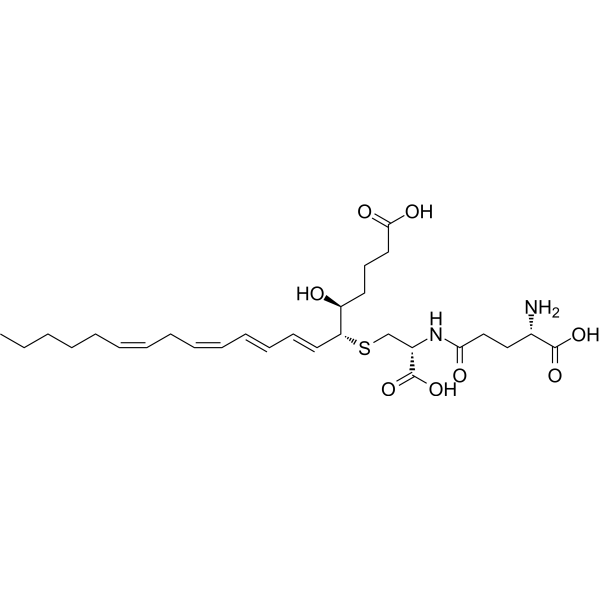
Leukotriene D4
Based on 3 publication(s) in Google Scholar
Leukotriene D4 is a potent bronchoconstrictor. Leukotriene D4 has the potential for the research of asthma. Leukotriene D4 induces edema and increases capillary permeability.
For research use only. We do not sell to patients.
- Purity : 98.5%
- CAS No.: 73836-78-9
- Formula: C25H40N2O6S
- Molecular Weight:496.66
-
Storage:
Solution, -20°C, 2 years

To place orders, for customer services and technical support, please contact: MedChemExpress USA
Tel: 609-228-6898 E-mail: [email protected] [email protected]


-
 Biological Activity
-
Chemical Information
- Protocols
- Purity & Documentation
- References
-
 Help & FAQs


-
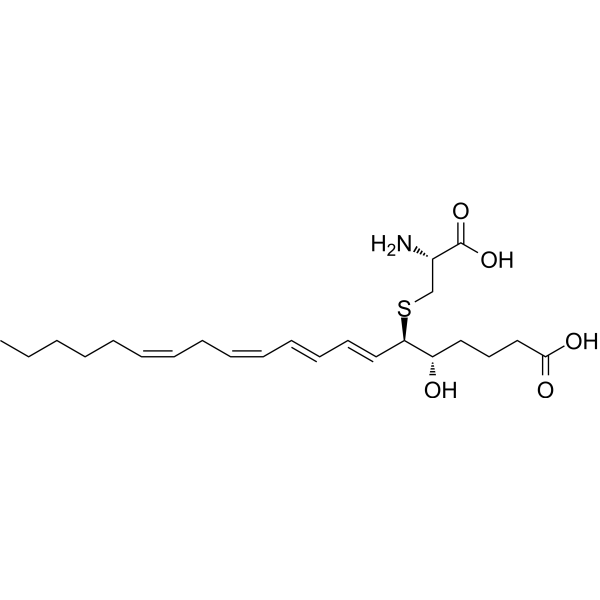
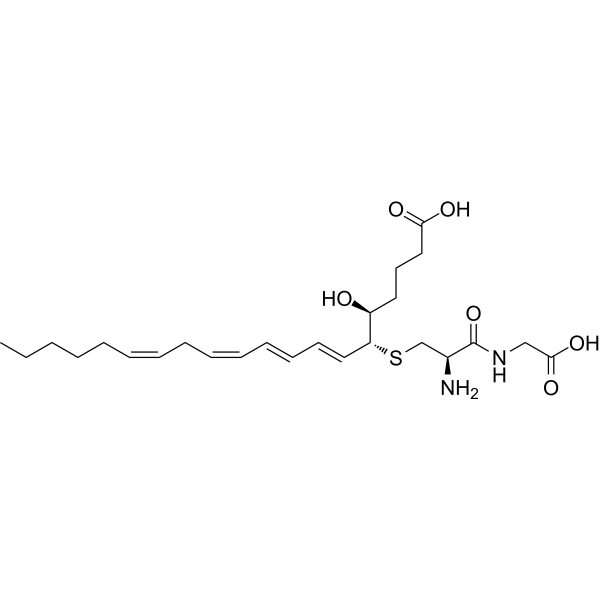
HY-113465
Leukotriene E4Cysteinyl Leukotriene Pathway Marker -

HY-13757A
TamoxifenEstrogen Receptor Modulator -
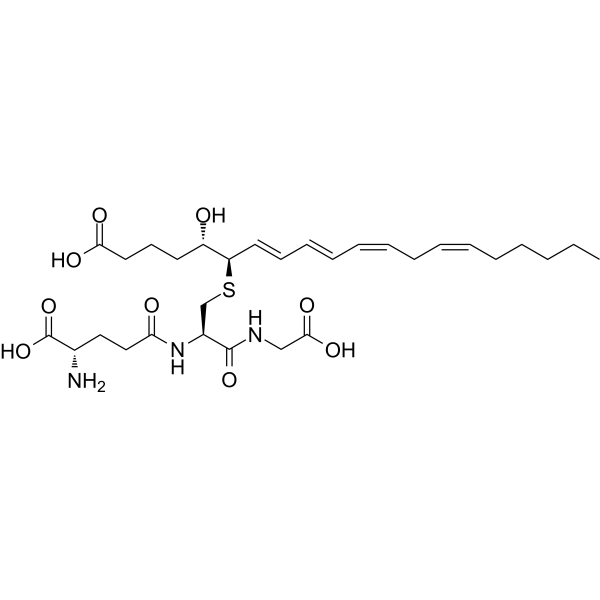
HY-113446
Leukotriene C4Endogenous Metabolite -
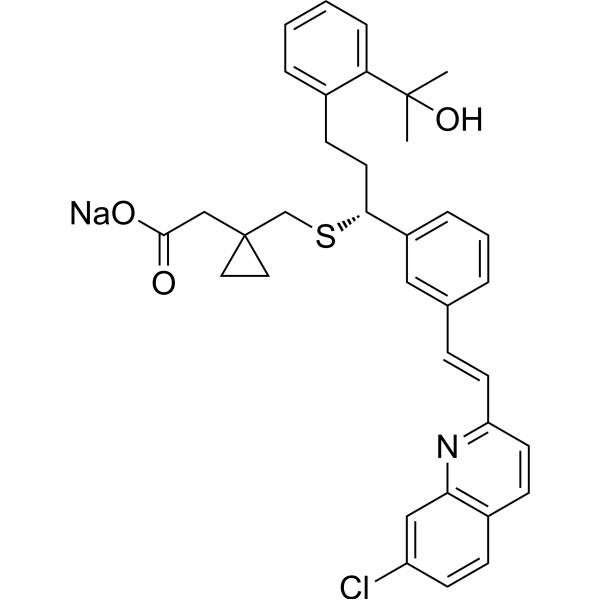
HY-13315
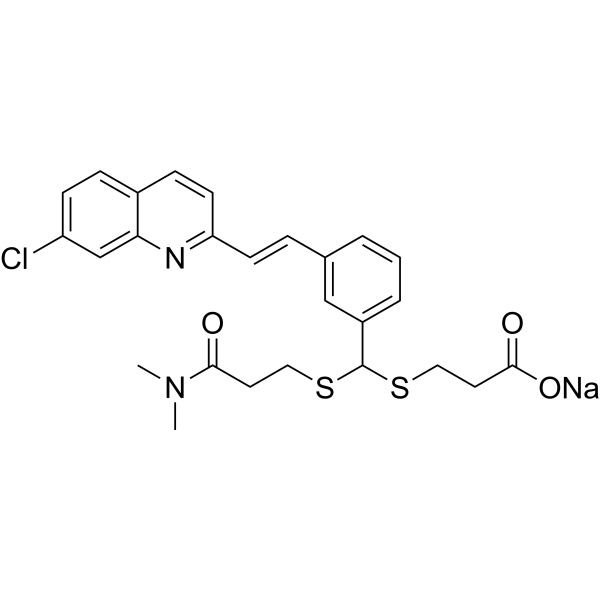
Montelukast sodiumCysltr1 Antagonist -
HY-19989A
MK-571 sodiumABCC1/MRP4 Inhibitor -
HY-124404A
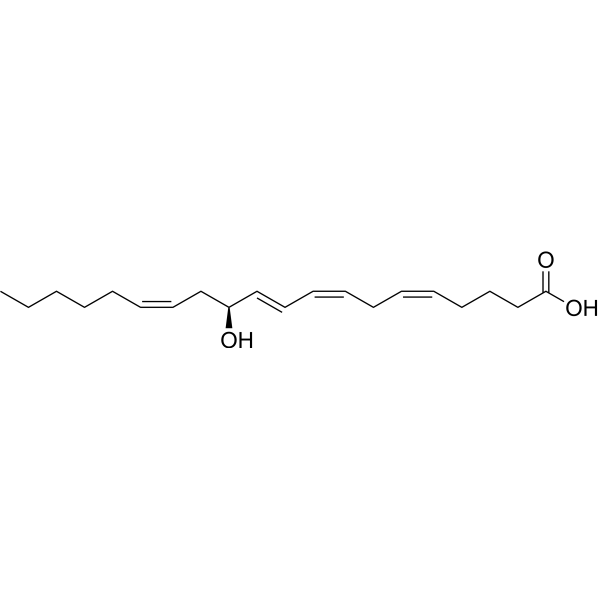
12(S)-HETEP38 MAPK/ERK Activator -
HY-117853
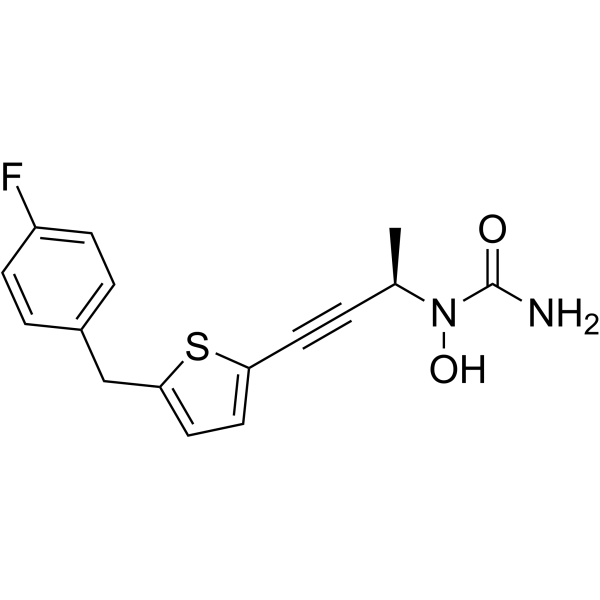
Atreleuton5-Lipoxygenase Inhibitor -
HY-W747565
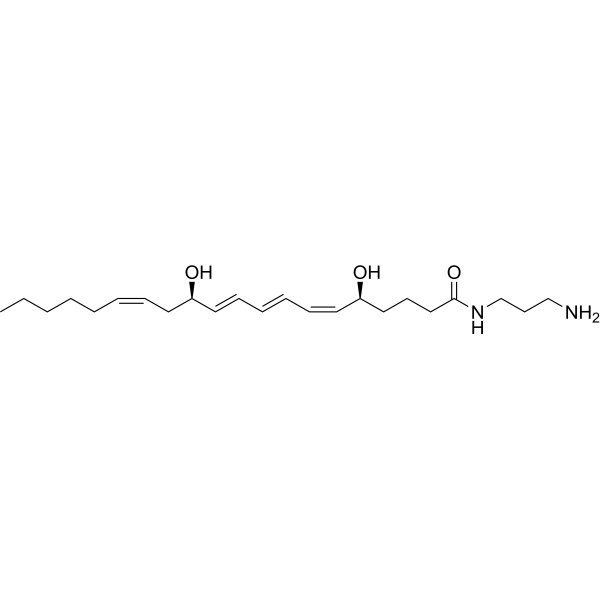
Leukotriene B4-3-aminopropylamideLeukotriene -

HY-113484
Leukotriene B5 -
HY-130440
Leukotriene F4Arachidonic Metabolite
Publications Citing Use of MedChemExpress (MCE) Leukotriene D4
More Customer Validation & Images

-
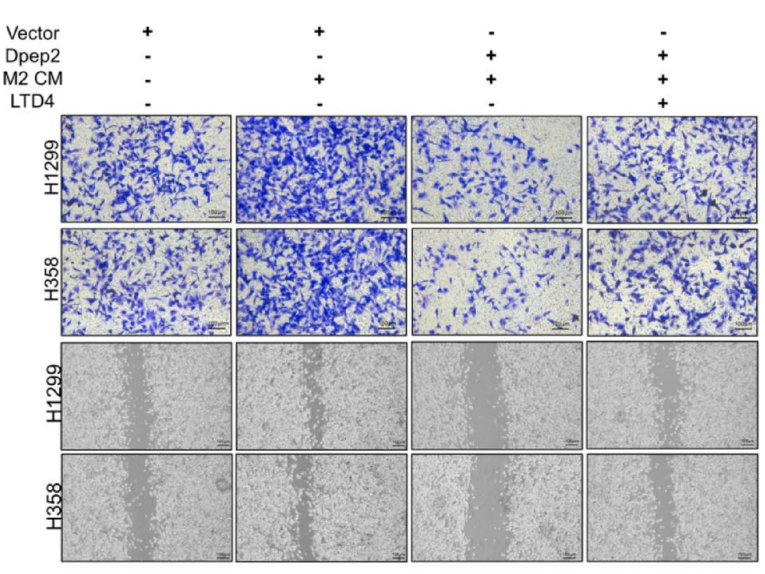
Cell Migration/Invasion Assay
-
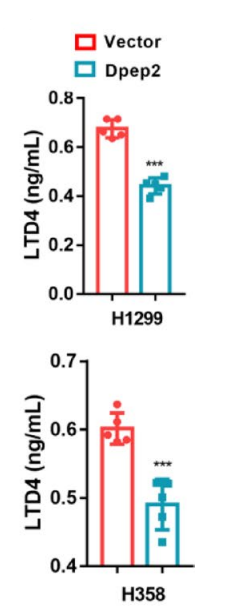
ELISA
-
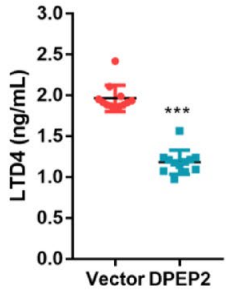
Bio/Physico-chemical Assay
All Endogenous Metabolite Isoforms
More

Biological Activity
Description
IC50 & Target
|
Human Endogenous Metabolite |
Cellular Effect
|
Cell Line

|
Type | Value | Description | References |
|---|---|---|---|---|
| CHO-K1 | IC50 |
0.7 nM
Compound: LTD4
|
Displacement of [3H]LTD4 from human recombinant cysteinyl leukotriene receptor 1 expressed in CHOK1 cells after 30 mins
Displacement of [3H]LTD4 from human recombinant cysteinyl leukotriene receptor 1 expressed in CHOK1 cells after 30 mins
|
[PMID: 23403082] |
| Sf9 | IC50 |
5.48 μM
Compound: Leukotrien D4
|
TP_TRANSPORTER: inhibition of E217betaG uptake (E217betaG: 0.055 uM) in membrane vesicles from Mrp2-expressing Sf9 cells
TP_TRANSPORTER: inhibition of E217betaG uptake (E217betaG: 0.055 uM) in membrane vesicles from Mrp2-expressing Sf9 cells
|
[PMID: 11306690] |
In Vivo
MedChemExpress (MCE) has not independently confirmed the accuracy of these methods. They are for reference only.
-
Animal Model:21-24 g, Balb/c male mice[2]
-
Dosage:1.5, 3, 6, 12, 24 µg/paw
-
Administration:Injected intradermally (10 µL was injected into the left hind paw)
-
Result:Caused significant edematous response and dye extravasation at doses of 1.5-6 ~g/paw.
Clinical Trial
| NCT Number | Sponsor | Condition | Start Date |
Phase
|
|---|---|---|---|---|
| NCT01329991 | Plexxikon| | 2011-05 | PHASE1 |


Chemical Information
-
CAS No. 73836-78-9
-
Appearance Liquid
-
Molecular Weight 496.66
-
Formula C25H40N2O6S
-
Color Colorless to light yellow
-
SMILES
O=C(O)CNC([C@H](CS[C@@H]([C@@H](O)CCCC(O)=O)/C=C/C=C/C=C\C/C=C\CCCCC)N)=O
-
Structure Classification
-
Initial Source
-
Shipping
Room temperature in continental US; may vary elsewhere.
-
Storage
Solution, -20°C, 2 years


Publications (3)
-
Journal Impact Factor
-
Most Recent
-
Anal Chem
Ultrahigh Flow Regulated Discharge Coupling with Targeted Mass Spectrometry Analysis: Real Time Capturing Biomolecules in Exhaled Breath. [Abstract]2025 May 13;97(18):9827-9835. PMID: 40302637 -
Cancer Cell Int
DPEP2 suppresses metastasis via NF-κB-mediated epithelial-mesenchymal transition and M2 polarization in p53-loss non-small cell lung cancer. [Abstract]2025 Nov 17;25(1):408. PMID: 41250029
Leukotriene D4 purchased from MedChemExpress. Usage Cited in: Cancer Cell Int. 2025 Nov 17;25(1):408. [Abstract]
The transwell and wound healing analyses of Vector/DPEP2 cells cultured with M2 CM or LTD4 (Leukotriene D4, 100 nM, 48 h).
Leukotriene D4 purchased from MedChemExpress. Usage Cited in: Cancer Cell Int. 2025 Nov 17;25(1):408. [Abstract]
ELISA detected the level of LTD4 in the medium of M2 cocultured with Vector/DPEP2 cells.
Leukotriene D4 purchased from MedChemExpress. Usage Cited in: Cancer Cell Int. 2025 Nov 17;25(1):408. [Abstract]
Total LTD4 levels in lung metastases.
-

Protocols
-
Transepithelial/transendothelial electrical resistance assay
TEER measures electrical resistance across epithelial or endothelial monolayers cultured on permeable supports, and the readout reflects ionic conductance through the cell barrier, especially the paracellular pathway regulated by junctional integrity. TEER can be measured without destroying the monolayer and is commonly used before or during transport, permeability, barrier-disruption, and barrier-maturation experiments. TEER values are influenced by biological maturation and technical conditions; reported factors include temperature, medium formulation, passage number, electrode geometry, membrane properties, and junctional length during early monolayer maturation. Therefore, TEER should be interpreted with blank-insert subtraction, area normalization, repeated readings, and, when possible, orthogonal barrier readouts such as FITC-dextran flux or tight-junction staining.


Purity & Documentation
-
Data Sheet (267 KB)
-
SDS (796 KB)
- English - EN (796 KB)
- Français - FR (796 KB)
- Deutsch - DE (796 KB)
- Norwegian - NO (796 KB)
- Español - ES (796 KB)
- Swedish - SV (796 KB)
- Italian - IT (796 KB)
- Korean - KR (796 KB)
- Portuguese - PT (796 KB)
-
Handling Instructions (2659 KB)
References

Calculators
Concentration (start) × Volume (start) = Concentration (final) × Volume (final)


Leukotriene D4 Related Classifications
HY-113456 Related Classifications
 Powered by Bioz