



PSI
Based on 2 publication(s) in Google Scholar
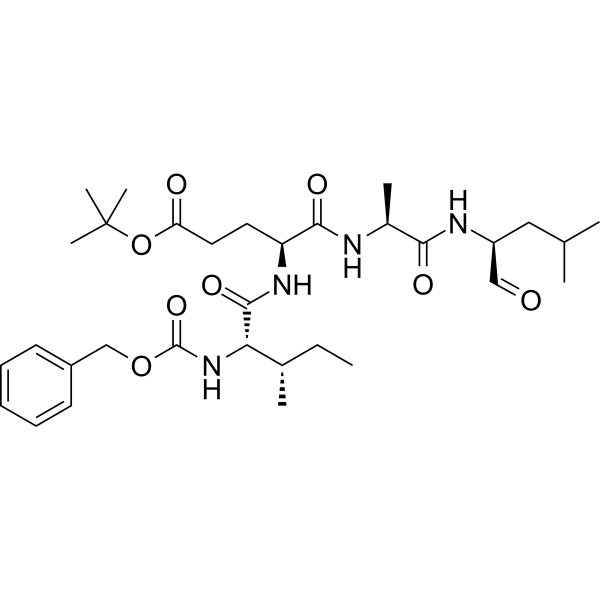
PSI (Proteasome Inhibitor 1) is a potent proteasome inhibitor. PSI inhibits the proliferation of primary effusion lymphoma (PEL) cells. PSI has the potential for the research of Kaposi’s sarcoma-associated herpesvirus (KSHV) infection and KSHV-associated lymphomas.
For research use only. We do not sell to patients.
- Purity : 99.00%
- CAS No.: 158442-41-2
- Formula: C32H50N4O8
- Molecular Weight:618.76
-
Storage:
Sealed storage, away from moisture.
Powder -80°C, 2 years , -20°C, 1 year* In solvent : -80°C, 6 months; -20°C, 1 month (sealed storage, away from moisture)

To place orders, for customer services and technical support, please contact: MedChemExpress USA
Tel: 609-228-6898 E-mail: [email protected] [email protected]


-
 Biological Activity
-
Chemical Information
-
Solvent & Solubility
- Protocols
- Purity & Documentation
- References
-
 Help & FAQs


-
HY-13259
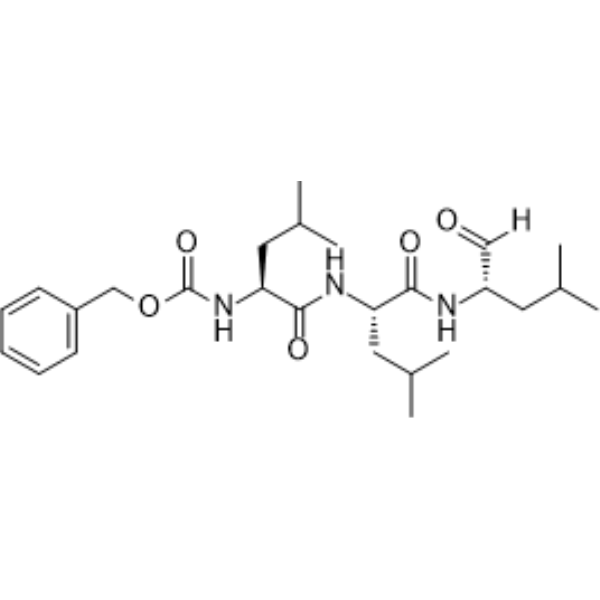
MG-132Proteasome Inhibitor -
HY-19312
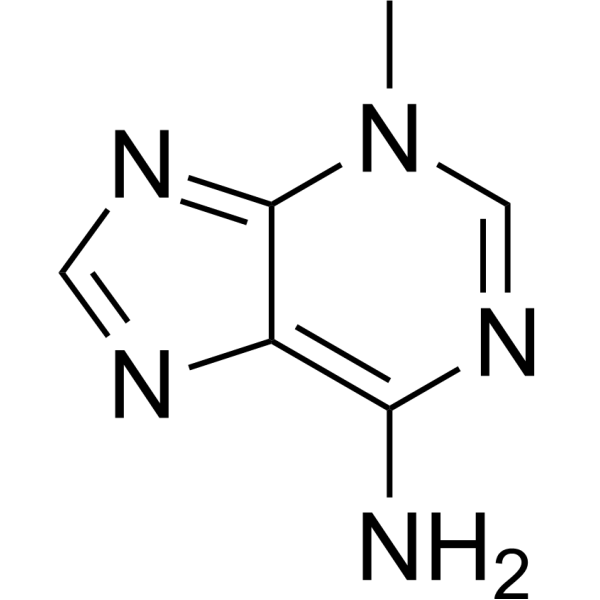
3-MethyladenineAutophagy/PI3K Inhibitor -
HY-18964
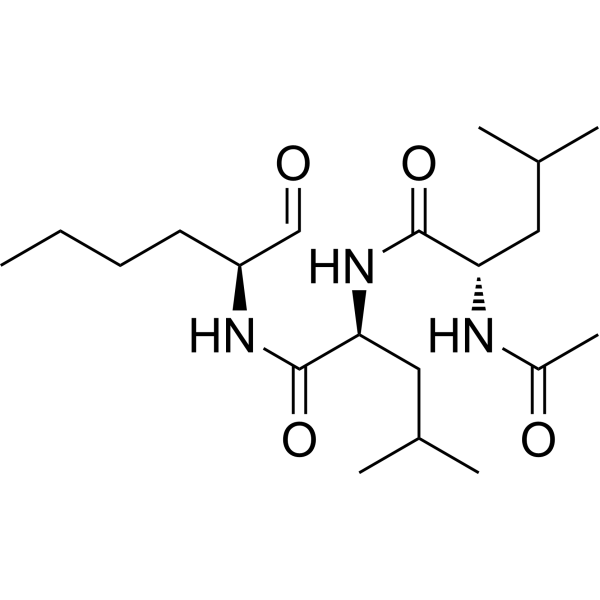
MG-101Cysteine Protease Inhibitor -
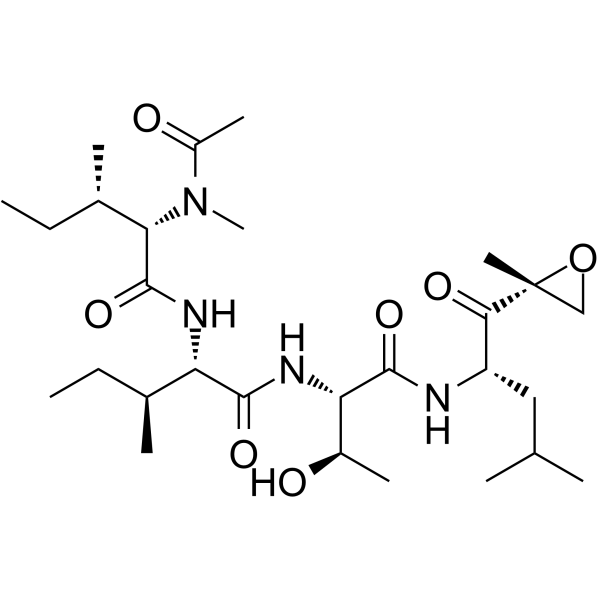
HY-13821
EpoxomicinProteasome Inhibitor -
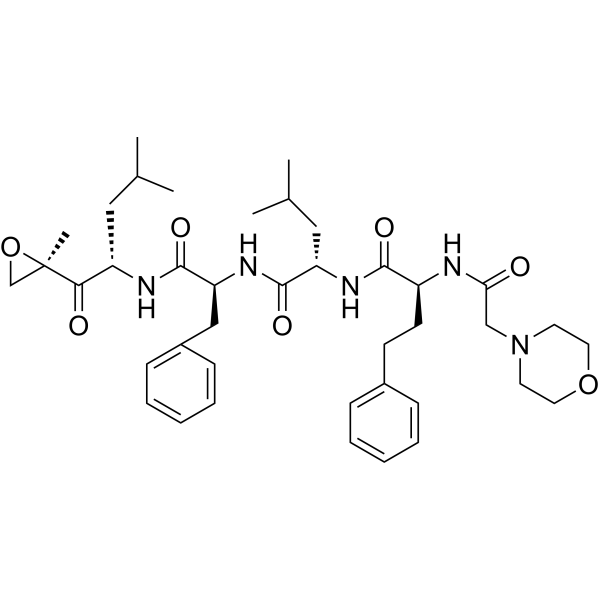
HY-10455
CarfilzomibProteasome Inhibitor -
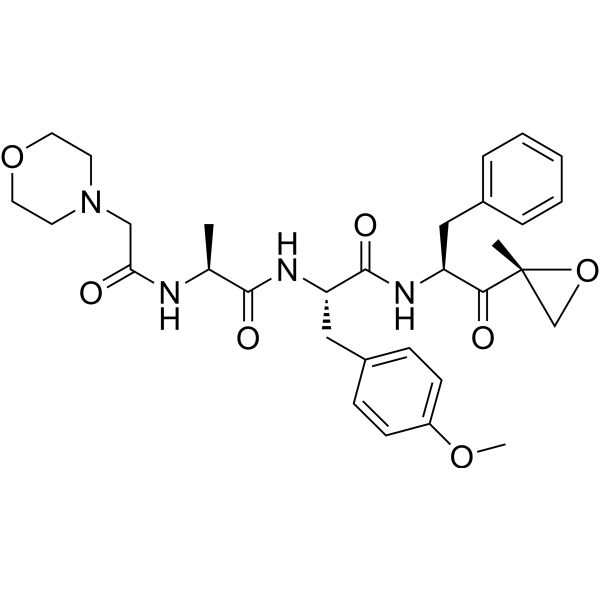
HY-13207
ONX-0914Proteasome Inhibitor -
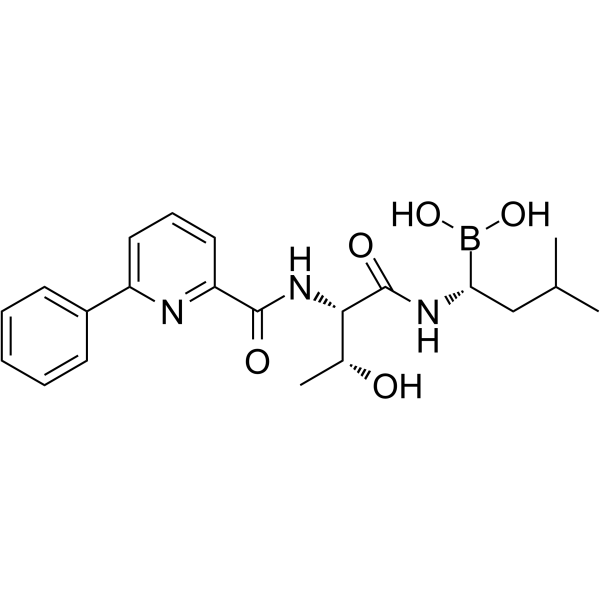
HY-10454
DelanzomibProteasome Inhibitor -
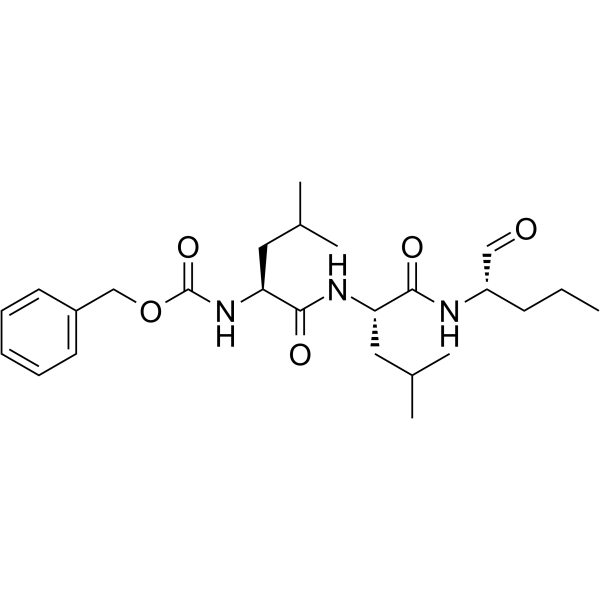
HY-108552
MG-115Proteasome Inhibitor -
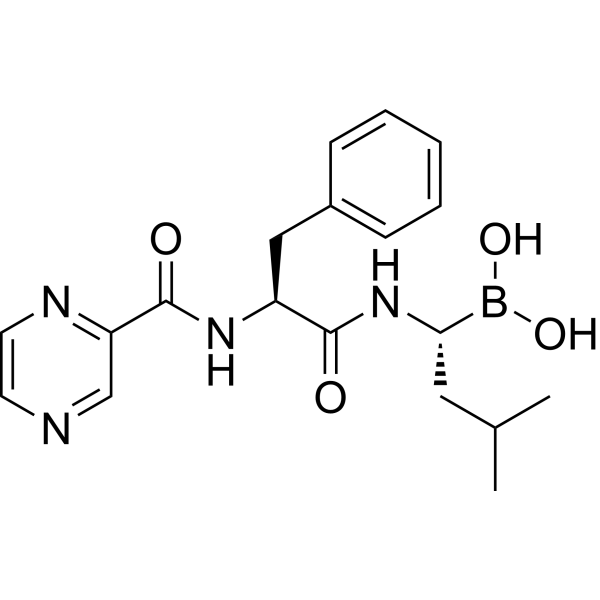
HY-10227
BortezomibProteasome Inhibitor -
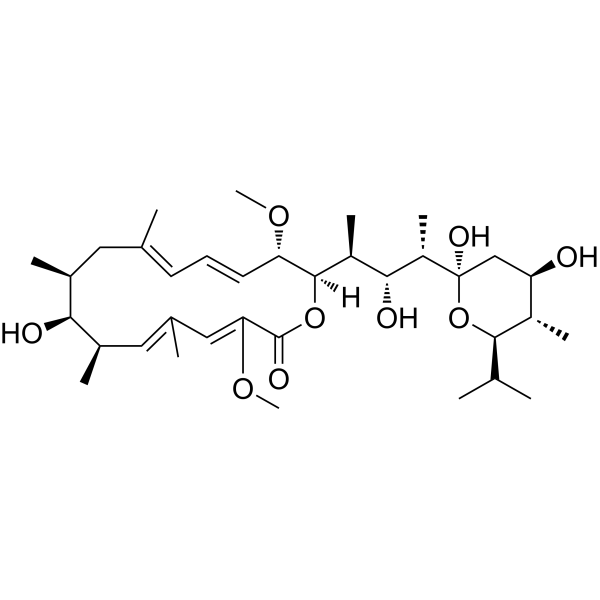
HY-100558
Bafilomycin A1V-ATPase Inhibitor -
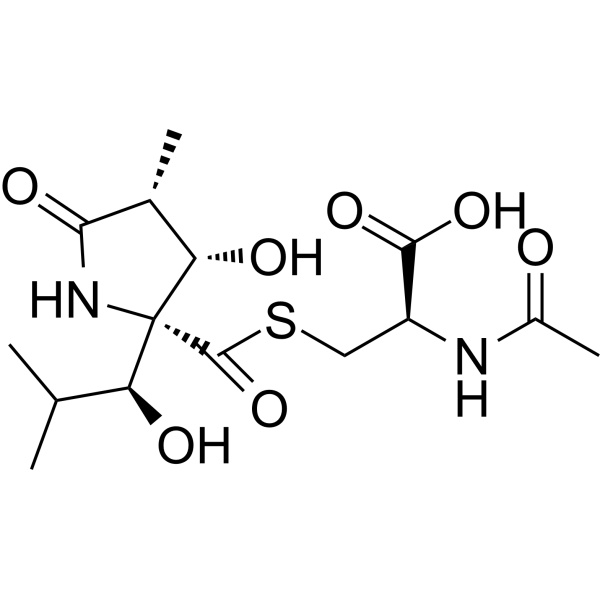
HY-16594
LactacystinProteasome Inhibitor -
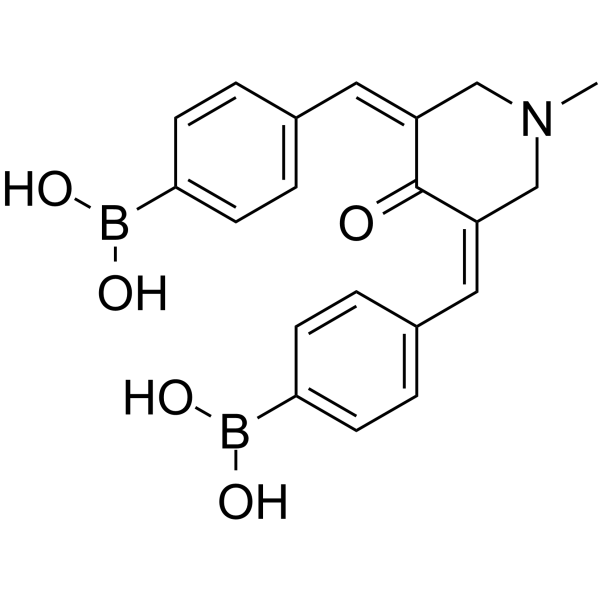
HY-107412
Proteasome inhibitor IX20S Proteasome Inhibitor
Publications Citing Use of MedChemExpress (MCE) PSI
More

Biological Activity
Description
Cellular Effect
|
Cell Line

|
Type | Value | Description | References |
|---|---|---|---|---|
| PC-3 | IC50 |
375 nM
Compound: 3
|
Antiproliferative activity against human PC3 cell line
Antiproliferative activity against human PC3 cell line
|
[PMID: 16686537] |
In Vitro
PSI (24 h) inhibits the proliferation of primary effusion lymphoma (PEL) cells at low nanomolar concentrations (CC50s of 205, 190, 22.0, 53.0 nM FOR BJAB, Ramos, BC3, BCBL1 cells, respectively)[1].
PSI (50 nM; 6 h) increases caspase-3/7 activity by 8-fold compared with control[1].
PSI (50 nM; 6 h) decreases the transcriptional activity of NF-κB by 52%[1].
PSI (1, 5 nM; 3 days) inhibits the growth of BC3 cells at a high concentration (5 nM)[1].
MedChemExpress (MCE) has not independently confirmed the accuracy of these methods. They are for reference only.
-
Cell Line:BC3, BCBL1, Ramos, BJAB cells
-
Concentration:
-
Incubation Time:24 h
-
Result:Inhibited the proliferation of primary effusion lymphoma (PEL) cells at low nanomolar concentrations (CC50s of 205, 190, 22.0, 53.0 nM FOR BJAB, Ramos, BC3, BCBL1 cells, respectively).
-
Cell Line:HBL6 cells
-
Concentration:50 nM
-
Incubation Time:6 h
-
Result:Decreased the NF-κB activity by 52%.


Chemical Information
-
CAS No. 158442-41-2
-
Appearance Solid
-
Molecular Weight 618.76
-
Formula C32H50N4O8
-
Color White to off-white
-
Synonyms
Proteasome Inhibitor 1; Z-Ile-Glu(OtBu)-Ala-Leu-CHO
-
Shipping
Room temperature in continental US; may vary elsewhere.
-
Storage
Sealed storage, away from moisture
Powder -80°C 2 years -20°C 1 year * In solvent : -80°C, 6 months; -20°C, 1 month (sealed storage, away from moisture)


Publications (2)
-
Journal Impact Factor
-
Most Recent
-
Signal Transduct Target Ther
Selective depletion of tumor-associated SAMHD1 enhances chemotherapeutic efficacy and antitumor immune responses. [Abstract]2025 Dec 15;10(1):406. PMID: 41392286 -
Br J Pharmacol
Fenofibrate potentiates the therapeutic efficacy of EZH2 inhibitors on melanoma via TRIM21- and OTUD4-mediated EZH2 ubiquitination. [Abstract]2026 Jun;183(11):2675-2694. PMID: 41652905


Solvent & Solubility
In Vitro:
DMSO : ≥ 100 mg/mL (161.61 mM; Hygroscopic DMSO has a significant impact on the solubility of product, please use newly opened DMSO)
H2O : < 0.1 mg/mL (adjust pH to 2 with Acetic acid) (insoluble)
* "≥" means soluble, but saturation unknown.
Please refer to the solubility information to select the appropriate solvent. Once prepared, please aliquot and store the solution to prevent product inactivation from repeated freeze-thaw cycles.
Storage method and period of stock solution: -80°C, 6 months; -20°C, 1 month (sealed storage, away from moisture). When stored at -80°C, please use it within 6 months. When stored at -20°C, please use it within 1 month.
Please refer to the solubility information to select the appropriate solvent. Once prepared, please aliquot and store the solution to prevent product inactivation from repeated freeze-thaw cycles.
Storage method and period of stock solution: -80°C, 6 months; -20°C, 1 month (sealed storage, away from moisture). When stored at -80°C, please use it within 6 months. When stored at -20°C, please use it within 1 month.
Concentration (start) × Volume (start) = Concentration (final) × Volume (final)


Purity & Documentation
-
Data Sheet (274 KB)
-
SDS (254 KB)
- English - EN (254 KB)
- Français - FR (254 KB)
- Deutsch - DE (254 KB)
- Norwegian - NO (254 KB)
- Español - ES (254 KB)
- Swedish - SV (254 KB)
- Italian - IT (254 KB)
- Korean - KR (254 KB)
- Portuguese - PT (254 KB)
-
Handling Instructions (2659 KB)
References


Complete Stock Solution Preparation Table
Please refer to the solubility information to select the appropriate solvent. Once prepared, please aliquot and store the solution to prevent product inactivation from repeated freeze-thaw cycles.
Storage method and period of stock solution: -80°C, 6 months; -20°C, 1 month (sealed storage, away from moisture). When stored at -80°C, please use it within 6 months. When stored at -20°C, please use it within 1 month.
| Optional Solvent | Concentration Solvent Mass | 1 mg | 5 mg | 10 mg | 25 mg |
|---|---|---|---|---|---|
| DMSO | 1 mM | 1.6161 mL | 8.0807 mL | 16.1614 mL | 40.4034 mL |
| 5 mM | 0.3232 mL | 1.6161 mL | 3.2323 mL | 8.0807 mL | |
| 10 mM | 0.1616 mL | 0.8081 mL | 1.6161 mL | 4.0403 mL | |
| 15 mM | 0.1077 mL | 0.5387 mL | 1.0774 mL | 2.6936 mL | |
| 20 mM | 0.0808 mL | 0.4040 mL | 0.8081 mL | 2.0202 mL | |
| 25 mM | 0.0646 mL | 0.3232 mL | 0.6465 mL | 1.6161 mL | |
| 30 mM | 0.0539 mL | 0.2694 mL | 0.5387 mL | 1.3468 mL | |
| 40 mM | 0.0404 mL | 0.2020 mL | 0.4040 mL | 1.0101 mL | |
| 50 mM | 0.0323 mL | 0.1616 mL | 0.3232 mL | 0.8081 mL | |
| 60 mM | 0.0269 mL | 0.1347 mL | 0.2694 mL | 0.6734 mL | |
| 80 mM | 0.0202 mL | 0.1010 mL | 0.2020 mL | 0.5050 mL | |
| 100 mM | 0.0162 mL | 0.0808 mL | 0.1616 mL | 0.4040 mL |


PSI Related Classifications
HY-P1258 Related Classifications
 Powered by Bioz