



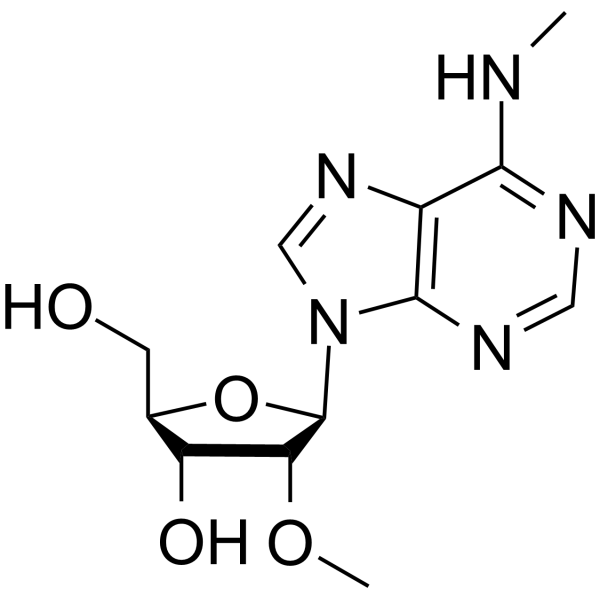
N6,2′-O-Dimethyladenosine

Based on 1 Customer Validation
N6,2′-O-Dimethyladenosine is a FTO substrate and reversible RNA modification. N6,2′-O-Dimethyladenosine acts as a demethylation substrate for FTO, which removes its methyl groups. N6,2′-O-Dimethyladenosine correlates with enhanced mRNA stability, improved translation efficiency and increased protein expression levels. N6,2′-O-Dimethyladenosine is applicable to research related to obesity and colorectal cancer.
For research use only. We do not sell to patients.
- Purity : 99.86%
- CAS No.: 57817-83-1
- Formula: C12H17N5O4
- Molecular Weight:295.29
-
Storage:
4°C, protect from light
* In solvent : -80°C, 6 months; -20°C, 1 month (protect from light)

To place orders, for customer services and technical support, please contact: MedChemExpress USA
Tel: 609-228-6898 E-mail: [email protected] [email protected]


-
 Biological Activity
-
Chemical Information
-
Solvent & Solubility
- Protocols
- Purity & Documentation
- References
-
 Help & FAQs


-
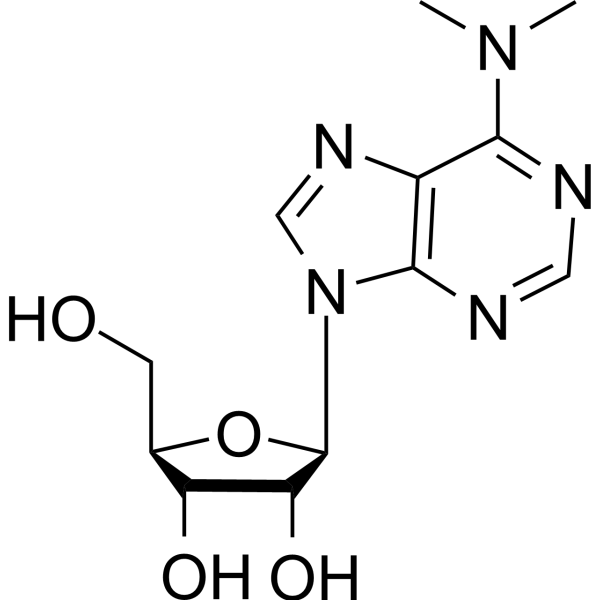
HY-101984
N6,N6-DimethyladenosineModified Ribonucleoside -
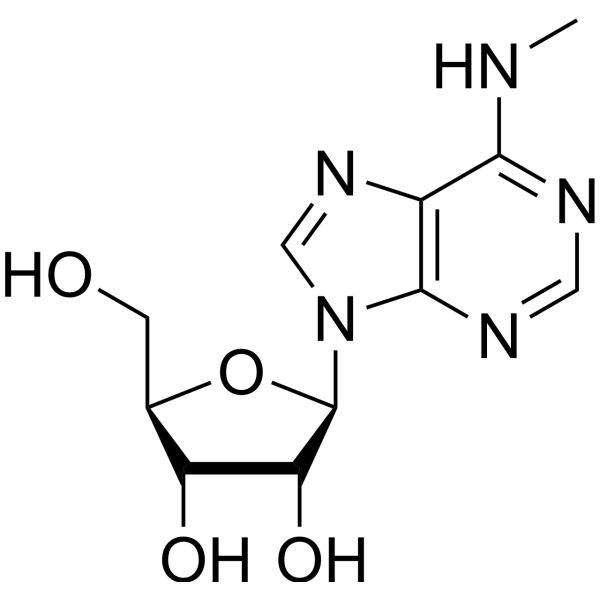
HY-N0086
N6-MethyladenosineViral RNA Modified Agent -
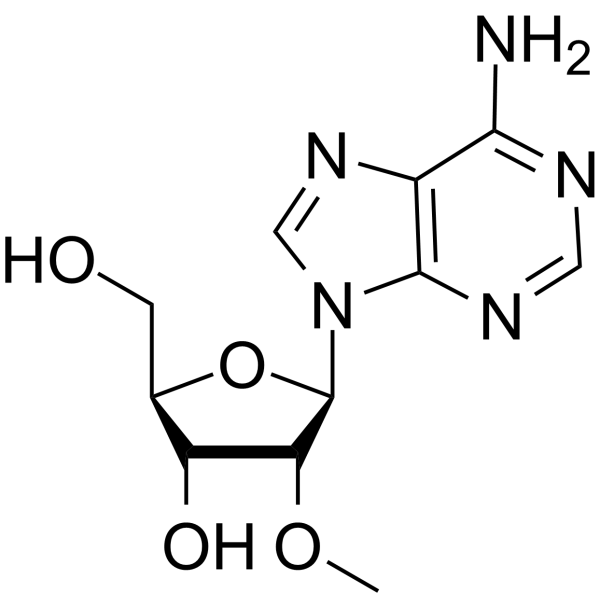
HY-W011552
2'-O-MethyladenosineHypertensive Compound -
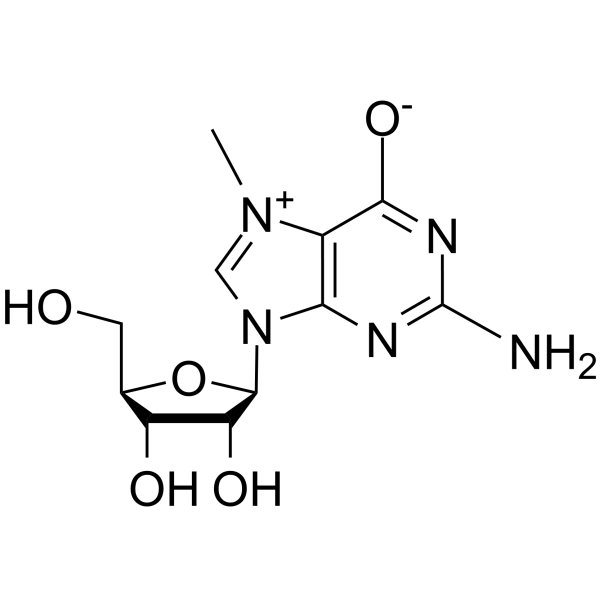
HY-122524
7-MethylguanosineNucleotide Analog -
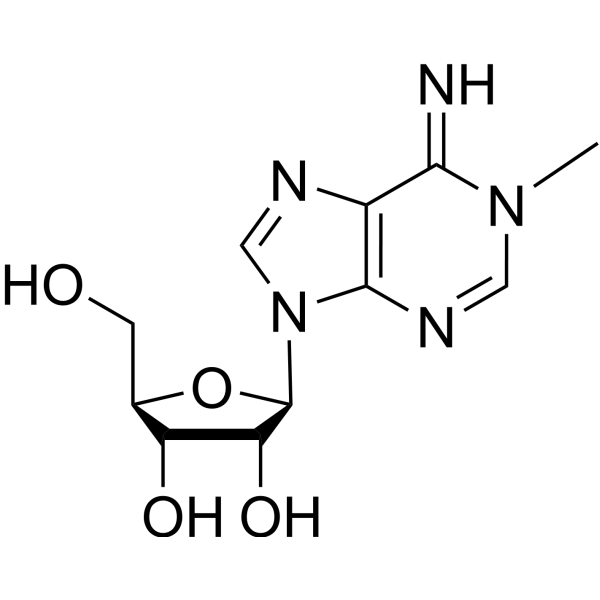
HY-113081
1-MethyladenosineEndogenous Metabolite -
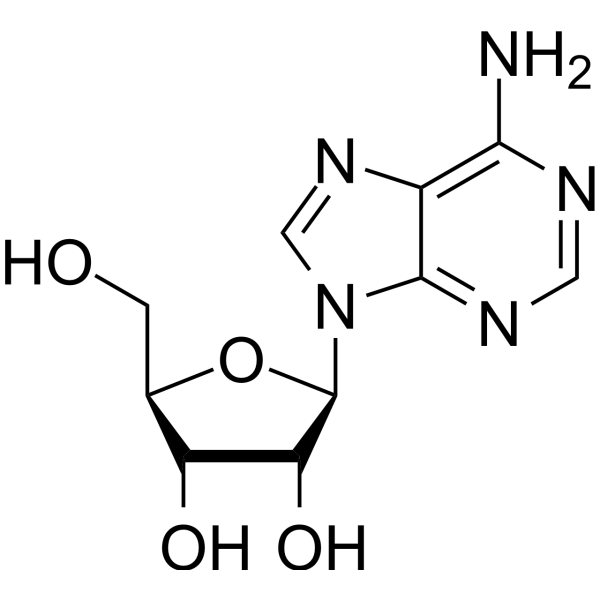
HY-B0228
AdenosineEndogenous Autacoid -
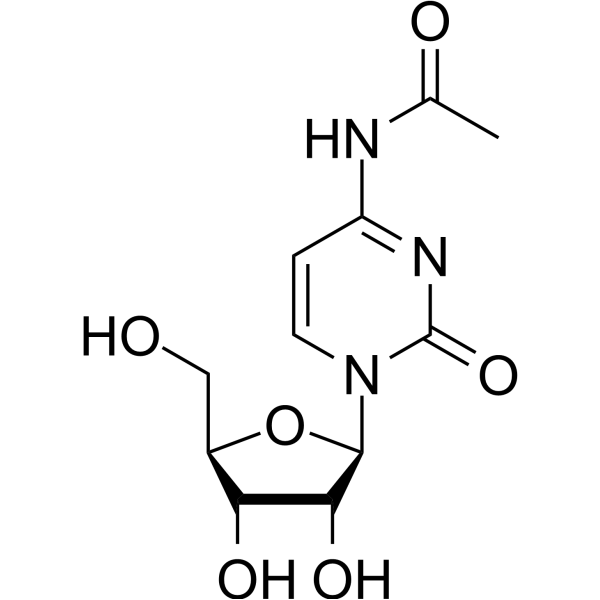
HY-W019670
N4-AcetylcytidineRNA Modifying Substance -
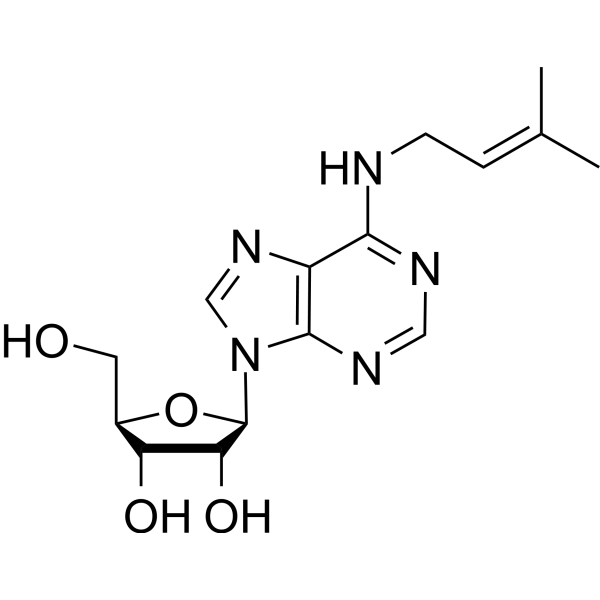
HY-W011209
N6-IsopentenyladenosineCytokinin Nucleoside/Autophagy Inhibitor -
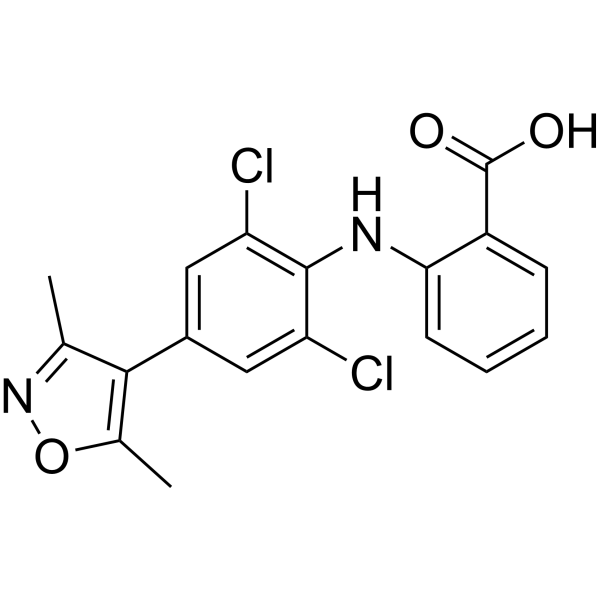
HY-137187
FB23FTO Inhibitor -
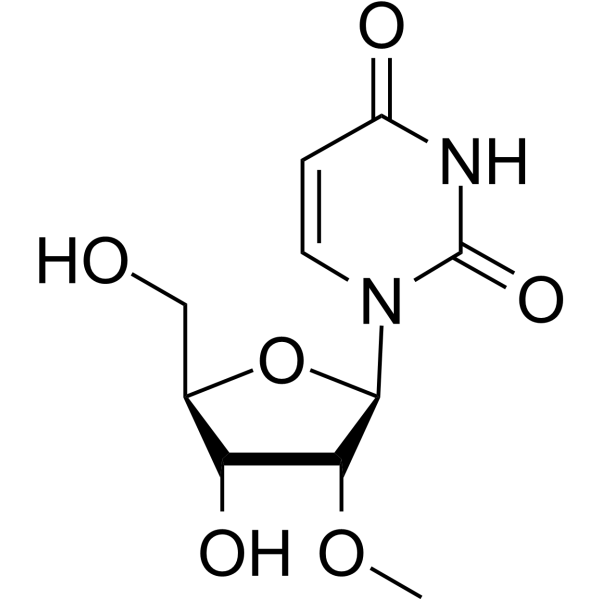
HY-W011824
2′-O-MethyluridineModified Nucleoside -

HY-B0228R
Adenosine (Standard)Endogenous Autacoid -
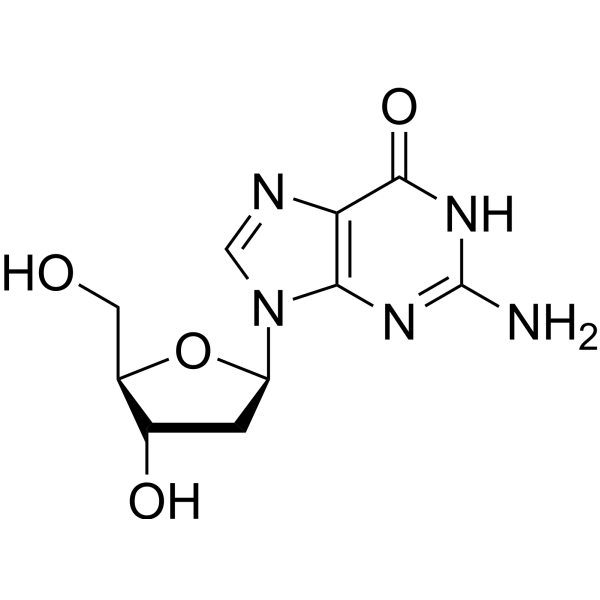
HY-17563
2'-DeoxyguanosineEndogenous Metabolite


Biological Activity
Description
In Vitro
Endogenous N6,2′-O-Dimethyladenosine (m6Am) modification on transcripts from Mettl3 knockout mouse embryonic stem cells correlates with increased mRNA stability, translation efficiency, and higher protein expression[1].
N6,2′-O-Dimethyladenosine, via the m6AmPred model built with XgbDart and EIIP-PseEIIP encoding, accurately identifies N6,2′-O-dimethyladenosine (m6Am) sites on HEK293 cell-derived full transcript and mature RNA sequences, achieving up to 0.958 AUC0-t via 10-fold cross-validation for mature RNA sequences[2].
MedChemExpress (MCE) has not independently confirmed the accuracy of these methods. They are for reference only. Further protocols information, click here.
In Vivo
N6,2′-O-Dimethyladenosine modification is dynamically regulated in genetically obese ob/ob mice, with loss of m6Am associated with downregulated target gene mRNA and protein expression, and gain of m6Am associated with upregulated expression[1].
MedChemExpress (MCE) has not independently confirmed the accuracy of these methods. They are for reference only.


Chemical Information
-
CAS No. 57817-83-1
-
Appearance Solid
-
Molecular Weight 295.29
-
Formula C12H17N5O4
-
Color White to off-white
-
SMILES
O[C@H]1[C@@H](OC)[C@H](N2C(N=CN=C3NC)=C3N=C2)O[C@@H]1CO
-
Shipping
Room temperature in continental US; may vary elsewhere.
-
Storage
4°C, protect from light
* In solvent : -80°C, 6 months; -20°C, 1 month (protect from light)


Solvent & Solubility
In Vitro:
DMSO : 100 mg/mL (338.65 mM; ultrasonic and warming and heat to 60°C; Hygroscopic DMSO has a significant impact on the solubility of product, please use newly opened DMSO)
Please refer to the solubility information to select the appropriate solvent. Once prepared, please aliquot and store the solution to prevent product inactivation from repeated freeze-thaw cycles.
Storage method and period of stock solution: -80°C, 6 months; -20°C, 1 month (protect from light). When stored at -80°C, please use it within 6 months. When stored at -20°C, please use it within 1 month.
Please refer to the solubility information to select the appropriate solvent. Once prepared, please aliquot and store the solution to prevent product inactivation from repeated freeze-thaw cycles.
Storage method and period of stock solution: -80°C, 6 months; -20°C, 1 month (protect from light). When stored at -80°C, please use it within 6 months. When stored at -20°C, please use it within 1 month.
Concentration (start) × Volume (start) = Concentration (final) × Volume (final)
In Vivo:
Select the appropriate dissolution method based on your experimental animal and administration route.
- For the following dissolution methods, please ensure to first prepare a clear stock solution using an In Vitro approach and then sequentially add co-solvents:
- To ensure reliable experimental results, the clarified stock solution can be appropriately stored based on storage conditions. As for the working solution for In Vivo experiments, it is recommended to prepare freshly and use it on the same day.
- The percentages shown for the solvents indicate their volumetric ratio in the final prepared solution. If precipitation or phase separation occurs during preparation, heat and/or sonication can be used to aid dissolution.
Add each solvent one by one: 10% DMSO 40% PEG300 5% Tween-80 45% Saline
Solubility: ≥ 2.5 mg/mL (8.47 mM); Clear solution
This protocol yields a clear solution of ≥ 2.5 mg/mL (saturation unknown).
Taking 1 mL working solution as an example, add 100 μL DMSO stock solution (25.0 mg/mL) to 400 μL PEG300, and mix evenly; then add 50 μL Tween-80 and mix evenly; then add 450 μL Saline to adjust the volume to 1 mL.
Preparation of Saline: Dissolve 0.9 g sodium chloride in ddH₂O and dilute to 100 mL to obtain a clear Saline solution.
Add each solvent one by one: 10% DMSO 90% (20% SBE-β-CD in Saline)
Solubility: ≥ 2.5 mg/mL (8.47 mM); Clear solution
This protocol yields a clear solution of ≥ 2.5 mg/mL (saturation unknown).
Taking 1 mL working solution as an example, add 100 μL DMSO stock solution (25.0 mg/mL) to 900 μL 20% SBE-β-CD in Saline, and mix evenly.
Preparation of 20% SBE-β-CD in Saline (4°C, storage for one week): 2 g SBE-β-CD powder is dissolved in 10 mL Saline, completely dissolve until clear.
In Vivo Dissolution Calculator
Please enter the basic information of animal experiments:
-
-
-
-
Recommended: Prepare an additional quantity of animals to account for potential losses during experiments.
Please enter your animal formula composition:
-
%DMSO +
Recommended: Keep the proportion of DMSO in working solution below 2% if your animal is weak.
-
%+
-
+%Tween-80 + +
-
%Saline +
The co-solvents required include: DMSO, . All of co-solvents are available by MedChemExpress (MCE). , Tween 80. All of co-solvents are available by MedChemExpress (MCE).
Working solution concentration: 0.22 mg/mL
Method for preparing stock solution: mg drug dissolved in μL DMSO. Stock solution concentration: mg/mL. * In solvent : -80°C, 6 months; -20°C, 1 month (protect from light)
1. Take μL DMSO stock solution;
2. Add μL .
μL , mix evenly;
3. Then add μL Tween 80, mix evenly;
4. Then add μL
Please ensure that the stock solution in the first step is dissolved to a clear state, and add co-solvents in sequence. You can use ultrasonic heating (ultrasonic cleaner, recommended frequency 20-40 kHz), vortexing, etc. to assist dissolution.

Protocols
-
RNA extraction experimental
By lysing cells, releasing RNA, and removing impurities such as proteins and DNA, high-purity RNA products are finally obtained. The commonly used traditional method is the guanidine isothiocyanate/phenol/chloroform method (Trizol), which is suitable for a variety of animal materials including animal tissues, microorganisms, cultured cells, etc., and most plant materials.
-
Western Blot
Western blotting (WB) is a commonly used experimental method in molecular biology, biochemistry, and immunogenetics for identifying and quantifying target proteins. It combines gel electrophoresis with immunoassay, enabling researchers to analyze protein expression, post-translational modifications, and molecular weight.
-
Research Protocol for Metabolic Diseases
AMP-activated protein kinase, AMPK, is a conserved cellular energy sensor that responds to reduced cellular energy status and coordinates metabolism by increasing ATP-generating catabolic pathways while suppressing ATP-consuming anabolic processes. In metabolic disease research, the AMPK pathway is experimentally relevant because it regulates hepatic lipid synthesis, fatty acid oxidation, glucose production, skeletal-muscle glucose disposal, mTORC1-linked biosynthesis, autophagy, mitochondrial homeostasis, and whole-body energy balance. The central pathway logic is that energy stress, metformin, exercise-like stimulation, or direct AMPK activators increase AMPKα Thr172 phosphorylation and downstream substrate phosphorylation, including ACC and RAPTOR. Phosphorylation of ACC suppresses lipogenesis and supports fatty acid oxidation, whereas phosphorylation of RAPTOR suppresses mTORC1 signaling and links cellular energy status to growth and protein synthesis control. The pathway is linked
-
Protocol For Protein Expression And Purification
Recombinant protein expression in Escherichia coli followed by purification of a His-tagged soluble protein by immobilized metal affinity chromatography (IMAC), with optional MBP fusion and TEV tag removal when the construct includes these elements. The biological readout is production of the encoded target protein, detected as an inducible band at the expected molecular mass by SDS-PAGE and quantified by total protein assay or chromatographic absorbance; the purification readout is enrichment of the target protein in elution fractions after selective binding of polyhistidine residues to immobilized Ni2+/metal-chelate resin and elution by imidazole-containing buffer. Expression is driven by an inducible bacterial expression system, commonly T7/lac-based, in which IPTG or lactose/auto-induction activates transcription and translation of the cloned gene; lower induction temperature, lower inducer concentration, induction timing, and solubility-enhancing fusion tags can influence the frac


Purity & Documentation
-
Data Sheet (279 KB)
-
SDS (252 KB)
- English - EN (252 KB)
- Français - FR (252 KB)
- Deutsch - DE (252 KB)
- Norwegian - NO (252 KB)
- Español - ES (252 KB)
- Swedish - SV (252 KB)
- Italian - IT (252 KB)
- Korean - KR (252 KB)
- Portuguese - PT (252 KB)
-
Handling Instructions (2659 KB)
References
[1]. Ben-Haim MS, et al. Dynamic regulation of N6,2'-O-dimethyladenosine (m6Am) in obesity. Nat Commun. 2021 Dec 10;12(1):7185. [Content Brief]
[2]. Jiang J, et al. m6AmPred: Identifying RNA N6, 2'-O-dimethyladenosine (m6Am) sites based on sequence-derived information. Methods. 2022;203:328-334. [Content Brief]


Complete Stock Solution Preparation Table
Please refer to the solubility information to select the appropriate solvent. Once prepared, please aliquot and store the solution to prevent product inactivation from repeated freeze-thaw cycles.
Storage method and period of stock solution: -80°C, 6 months; -20°C, 1 month (protect from light). When stored at -80°C, please use it within 6 months. When stored at -20°C, please use it within 1 month.
| Optional Solvent | Concentration Solvent Mass | 1 mg | 5 mg | 10 mg | 25 mg |
|---|---|---|---|---|---|
| DMSO | 1 mM | 3.3865 mL | 16.9325 mL | 33.8650 mL | 84.6625 mL |
| 5 mM | 0.6773 mL | 3.3865 mL | 6.7730 mL | 16.9325 mL | |
| 10 mM | 0.3387 mL | 1.6933 mL | 3.3865 mL | 8.4663 mL | |
| 15 mM | 0.2258 mL | 1.1288 mL | 2.2577 mL | 5.6442 mL | |
| 20 mM | 0.1693 mL | 0.8466 mL | 1.6933 mL | 4.2331 mL | |
| 25 mM | 0.1355 mL | 0.6773 mL | 1.3546 mL | 3.3865 mL | |
| 30 mM | 0.1129 mL | 0.5644 mL | 1.1288 mL | 2.8221 mL | |
| 40 mM | 0.0847 mL | 0.4233 mL | 0.8466 mL | 2.1166 mL | |
| 50 mM | 0.0677 mL | 0.3387 mL | 0.6773 mL | 1.6933 mL | |
| 60 mM | 0.0564 mL | 0.2822 mL | 0.5644 mL | 1.4110 mL | |
| 80 mM | 0.0423 mL | 0.2117 mL | 0.4233 mL | 1.0583 mL | |
| 100 mM | 0.0339 mL | 0.1693 mL | 0.3387 mL | 0.8466 mL |


N6,2′-O-Dimethyladenosine Related Classifications
HY-101082 Related Classifications
 Powered by Bioz