



FHT-1015
Based on 2 publication(s) in Google Scholar
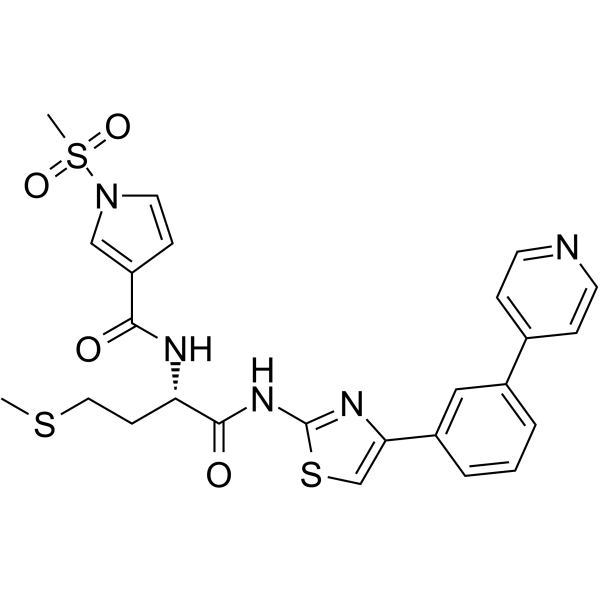
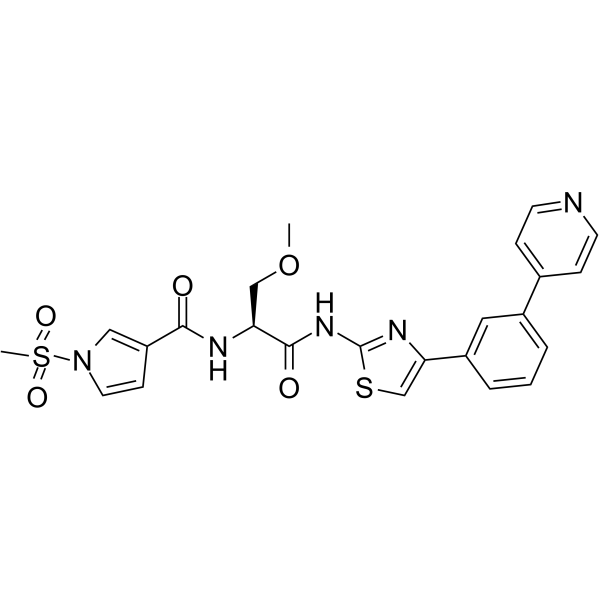
FHT-1015 is a selective SMARCA4 (IC50 = 4 nM) and SMARCA2 (IC50 = 5 nM) (also known as BRG1 and BRM) inhibitor. FH-1015 is an allosteric inhibitor that causes conformation change in the BRG1/BRM protein upon interaction with an allosteric site, inhibiting ATPase activity. FH-1015 interferes with tumor cell growth and migration. FH-1015 can be studied in research for uveal melanoma and hematologic cancer.
For research use only. We do not sell to patients.
- Purity : 98.41%
- CAS No.: 2368903-18-6
- Formula: C25H25N5O4S3
- Molecular Weight:555.69
-
Storage:Powder -20°C, 3 years , 4°C, 2 years ; In solvent -80°C, 6 months , -20°C, 1 month

To place orders, for customer services and technical support, please contact: MedChemExpress USA
Tel: 609-228-6898 E-mail: [email protected] [email protected]


-
 Biological Activity
-
Chemical Information
-
Solvent & Solubility
- Protocols
- Purity & Documentation
- References
-
 Help & FAQs


-
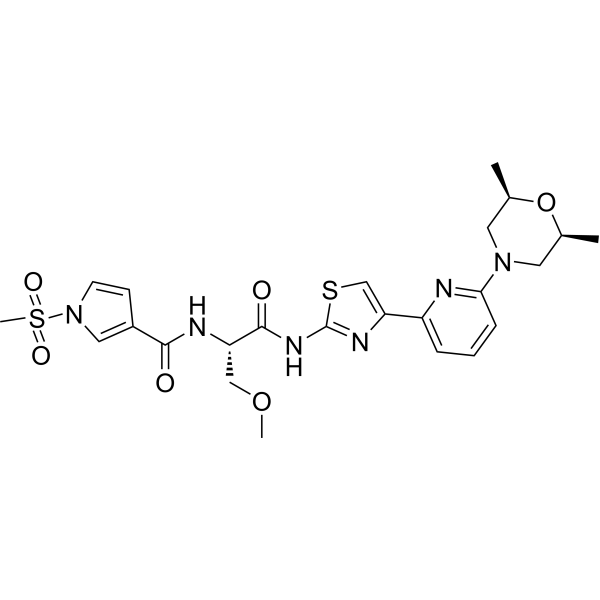
HY-144835
CamibirstatBRG1/BRM ATPase Inhibitor -
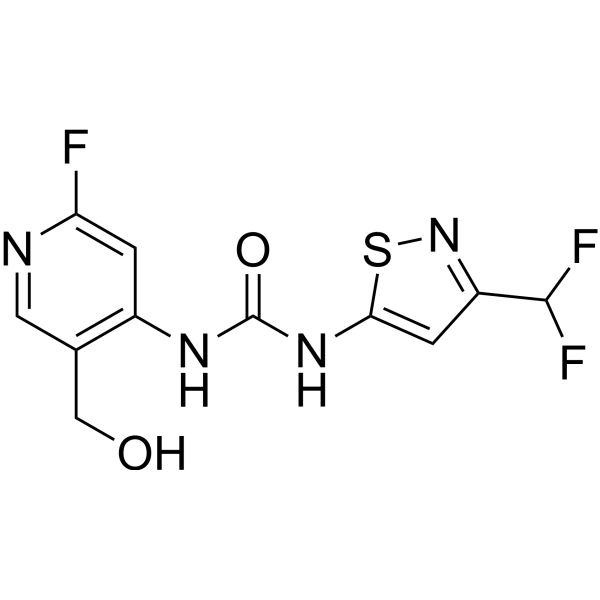
HY-119374
BRM/BRG1 ATP Inhibitor-1BRM/BRG1 ATP Inhibitor -
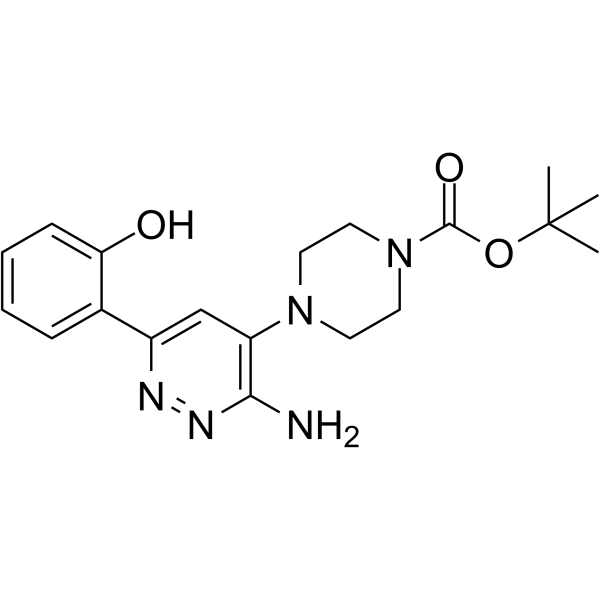
HY-145446
SGC-SMARCA-BRDVIIIPB1(5)/SMARCA2/4 Inhibitor -
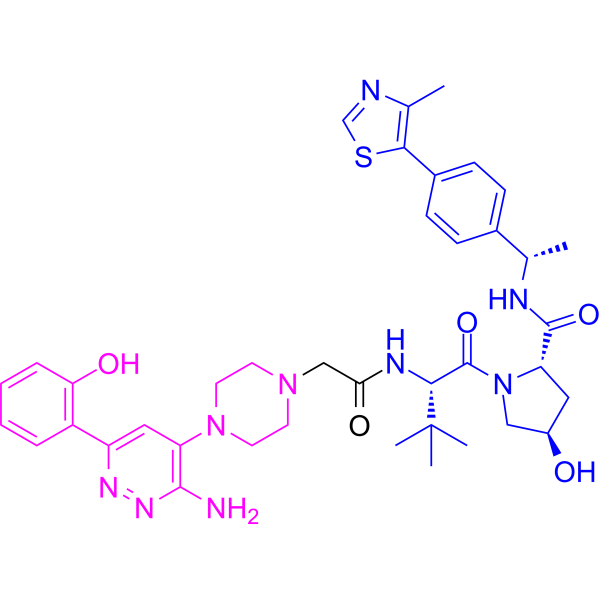
HY-145388
AU-15330Anticancer Reagent -
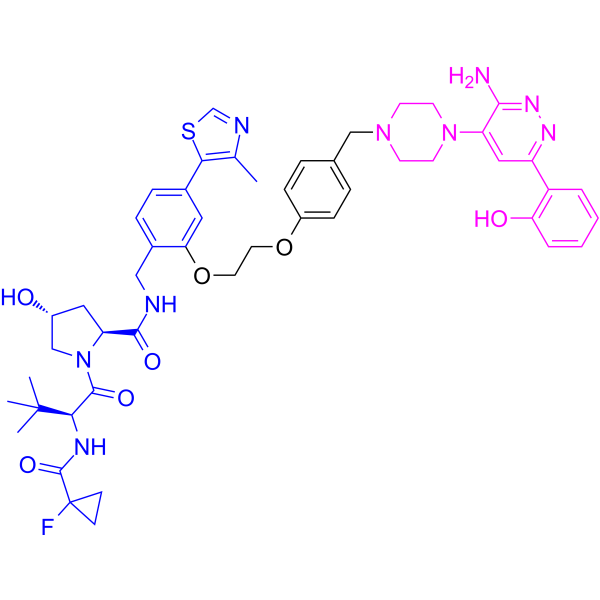
HY-128359
ACBI1SMARCA2/SMARCA4/PBRM1 Degrader -
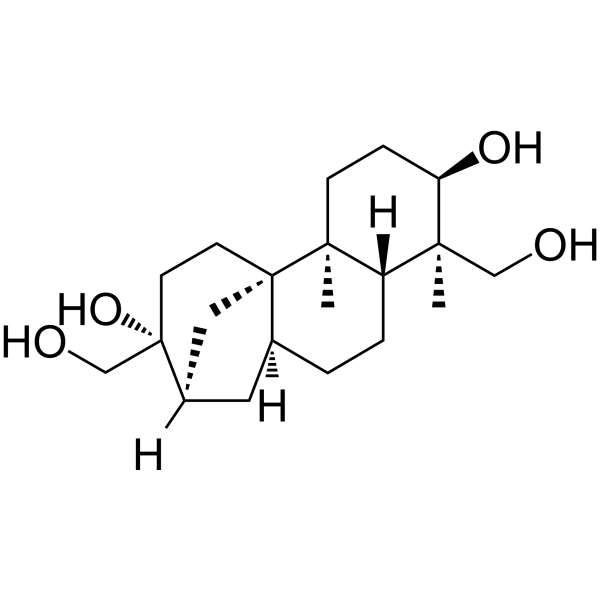
HY-N6733
AphidicolinDNA Polymerase Inhibitor -
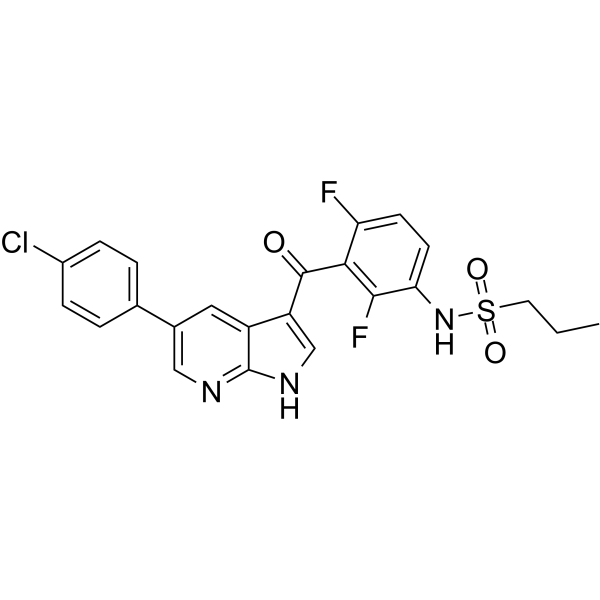
HY-12057
VemurafenibB-Raf Inhibitor -
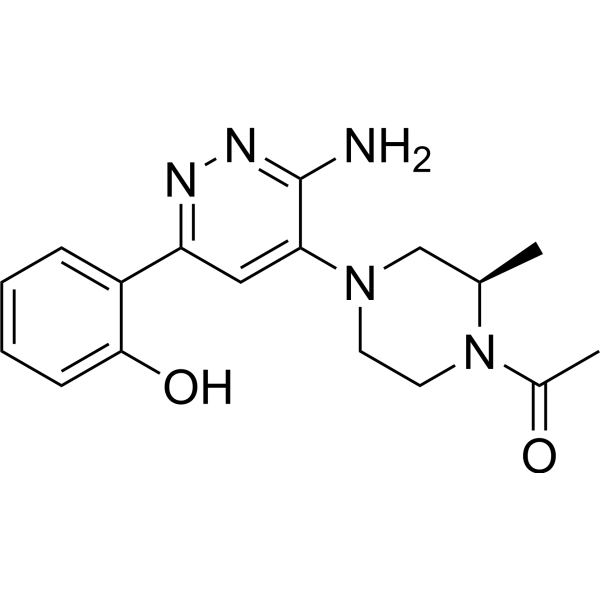
HY-149026
GNE-064SMARCA4/SMARCA2/PBRM1 Inhibtor -
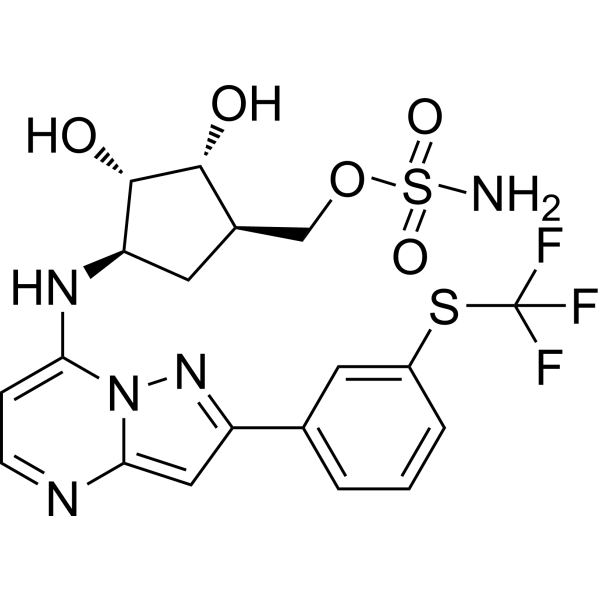
HY-100487
TAK-243UAE/E1 Inhibitor -
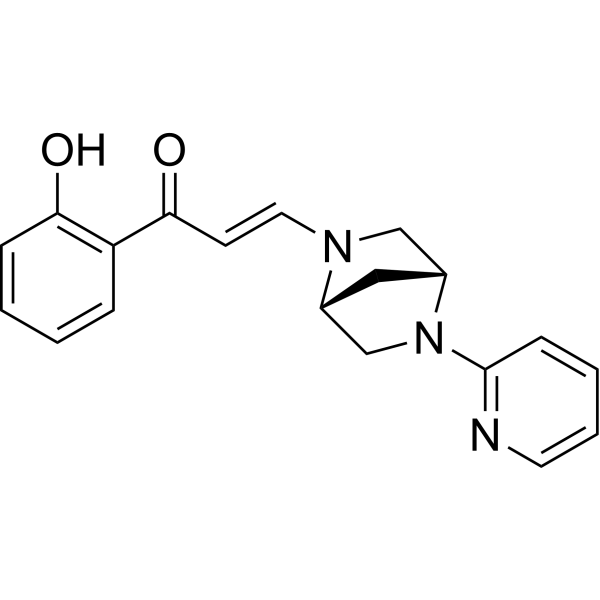
HY-12409
PFI-3SMARCA2/4 Bromodomain Inhibitor -
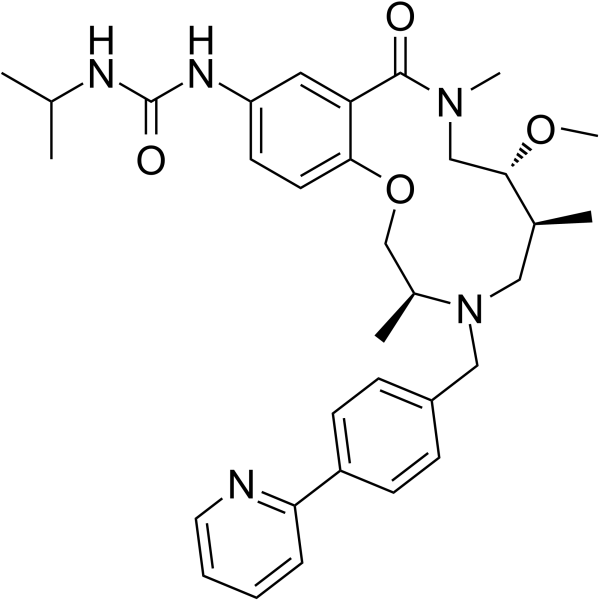
HY-114268
BRD-K98645985BAF Inhibitor -
HY-144897
FHT-1204SMARCA4/SMARCA2 ATPase Inhibitor
Publications Citing Use of MedChemExpress (MCE) FHT-1015
MoreAll SWI/SNF Complex Isoforms
More

Biological Activity
Description
In Vitro
FHT-1015 (10 nM-1 μM, 1-5 d ) inhibits both MC38 and CT26 cells[2].
MedChemExpress (MCE) has not independently confirmed the accuracy of these methods. They are for reference only.


Chemical Information
-
CAS No. 2368903-18-6
-
Appearance Solid
-
Molecular Weight 555.69
-
Formula C25H25N5O4S3
-
Color White to off-white
-
SMILES
O=C(C1=CN(C=C1)S(C)(=O)=O)N[C@@H](CCSC)C(NC2=NC(C3=CC(C4=CC=NC=C4)=CC=C3)=CS2)=O
-
Shipping
Room temperature in continental US; may vary elsewhere.
-
Storage
Powder -20°C 3 years 4°C 2 years In solvent -80°C 6 months -20°C 1 month


Publications (2)
-
Journal Impact Factor
-
Most Recent
-
bioRxiv
2025 Jul 17:2025.06.28.662102. PMID: 40631164 -
bioRxiv
Activity-assembled nBAF complex mediates rapid immediate early gene transcription by regulating RNA Polymerase II productive elongation. [Abstract]2023: 2023.12 PMID: 38234780


Solvent & Solubility
In Vitro:
DMSO : ≥ 100 mg/mL (179.96 mM; Hygroscopic DMSO has a significant impact on the solubility of product, please use newly opened DMSO)
* "≥" means soluble, but saturation unknown.
Please refer to the solubility information to select the appropriate solvent. Once prepared, please aliquot and store the solution to prevent product inactivation from repeated freeze-thaw cycles.
Storage method and period of stock solution: -80°C, 6 months; -20°C, 1 month. When stored at -80°C, please use it within 6 months. When stored at -20°C, please use it within 1 month.
Please refer to the solubility information to select the appropriate solvent. Once prepared, please aliquot and store the solution to prevent product inactivation from repeated freeze-thaw cycles.
Storage method and period of stock solution: -80°C, 6 months; -20°C, 1 month. When stored at -80°C, please use it within 6 months. When stored at -20°C, please use it within 1 month.
Concentration (start) × Volume (start) = Concentration (final) × Volume (final)
In Vivo:
Select the appropriate dissolution method based on your experimental animal and administration route.
- For the following dissolution methods, please ensure to first prepare a clear stock solution using an In Vitro approach and then sequentially add co-solvents:
- To ensure reliable experimental results, the clarified stock solution can be appropriately stored based on storage conditions. As for the working solution for In Vivo experiments, it is recommended to prepare freshly and use it on the same day.
- The percentages shown for the solvents indicate their volumetric ratio in the final prepared solution. If precipitation or phase separation occurs during preparation, heat and/or sonication can be used to aid dissolution.
In Vivo Dissolution Calculator
Please enter the basic information of animal experiments:
-
-
-
-
Recommended: Prepare an additional quantity of animals to account for potential losses during experiments.
Please enter your animal formula composition:
-
%DMSO +
Recommended: Keep the proportion of DMSO in working solution below 2% if your animal is weak.
-
%+
-
+%Tween-80 + +
-
%Saline +
The co-solvents required include: DMSO, . All of co-solvents are available by MedChemExpress (MCE). , Tween 80. All of co-solvents are available by MedChemExpress (MCE).
Working solution concentration: 0.22 mg/mL
Method for preparing stock solution: mg drug dissolved in μL DMSO. Stock solution concentration: mg/mL.
1. Take μL DMSO stock solution;
2. Add μL .
μL , mix evenly;
3. Then add μL Tween 80, mix evenly;
4. Then add μL
Please ensure that the stock solution in the first step is dissolved to a clear state, and add co-solvents in sequence. You can use ultrasonic heating (ultrasonic cleaner, recommended frequency 20-40 kHz), vortexing, etc. to assist dissolution.


Purity & Documentation
-
Data Sheet (278 KB)
-
SDS (254 KB)
- English - EN (254 KB)
- Français - FR (254 KB)
- Deutsch - DE (254 KB)
- Norwegian - NO (254 KB)
- Español - ES (254 KB)
- Swedish - SV (254 KB)
- Italian - IT (254 KB)
- Korean - KR (254 KB)
- Portuguese - PT (254 KB)
-
Handling Instructions (2659 KB)
References
[1]. Seedor, R. et al., (2021). Genetic Landscape and Emerging Therapies in Uveal Melanoma. Cancers, 13(21), 5503. [Content Brief]
[2]. Gang Fu, et al., SMARCD1 is a dual regulator of PD-L1 expression and cell proliferation facilitating tumor evasion, Pathology - Research and Practice, Volume 270, 2025, 155975, ISSN 0344-0338. [Content Brief]
[3]. Reichl, K. D., et al., Synthetic lethality: targeting SMARCA2 ATPase in SMARCA4-deficient tumors – a review of patent literature from 2019–30 June 2023. Expert Opinion on Therapeutic Patents, 34(3), 159–169. [Content Brief]


Complete Stock Solution Preparation Table
Please refer to the solubility information to select the appropriate solvent. Once prepared, please aliquot and store the solution to prevent product inactivation from repeated freeze-thaw cycles.
Storage method and period of stock solution: -80°C, 6 months; -20°C, 1 month. When stored at -80°C, please use it within 6 months. When stored at -20°C, please use it within 1 month.
| Optional Solvent | Concentration Solvent Mass | 1 mg | 5 mg | 10 mg | 25 mg |
|---|---|---|---|---|---|
| DMSO | 1 mM | 1.7996 mL | 8.9978 mL | 17.9956 mL | 44.9891 mL |
| 5 mM | 0.3599 mL | 1.7996 mL | 3.5991 mL | 8.9978 mL | |
| 10 mM | 0.1800 mL | 0.8998 mL | 1.7996 mL | 4.4989 mL | |
| 15 mM | 0.1200 mL | 0.5999 mL | 1.1997 mL | 2.9993 mL | |
| 20 mM | 0.0900 mL | 0.4499 mL | 0.8998 mL | 2.2495 mL | |
| 25 mM | 0.0720 mL | 0.3599 mL | 0.7198 mL | 1.7996 mL | |
| 30 mM | 0.0600 mL | 0.2999 mL | 0.5999 mL | 1.4996 mL | |
| 40 mM | 0.0450 mL | 0.2249 mL | 0.4499 mL | 1.1247 mL | |
| 50 mM | 0.0360 mL | 0.1800 mL | 0.3599 mL | 0.8998 mL | |
| 60 mM | 0.0300 mL | 0.1500 mL | 0.2999 mL | 0.7498 mL | |
| 80 mM | 0.0225 mL | 0.1125 mL | 0.2249 mL | 0.5624 mL | |
| 100 mM | 0.0180 mL | 0.0900 mL | 0.1800 mL | 0.4499 mL |


FHT-1015 Related Classifications
HY-144896 Related Classifications
 Powered by Bioz