



PF-04880594
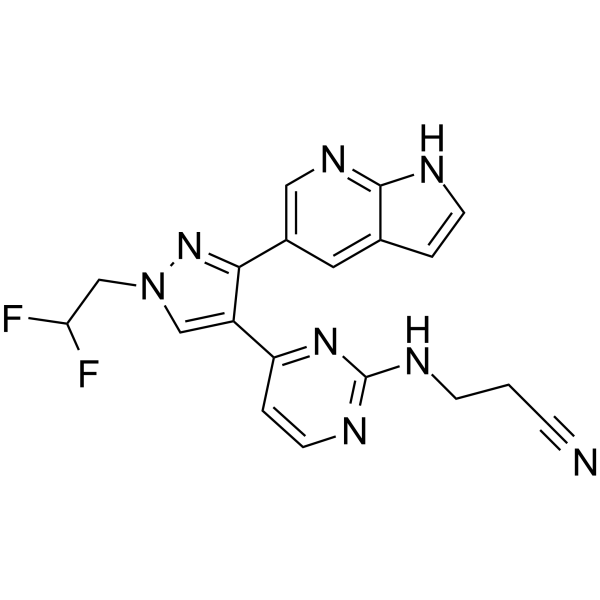
PF-04880594 is a potent and selective RAF inhibitor. PF-04880594 inhibits both wild-type and mutant BRAF and CRAF. PF-04880594 shows antitumor activity.
For research use only. We do not sell to patients.
- CAS No.: 1111636-35-1
- Formula: C19H16F2N8
- Molecular Weight:394.38
-
Storage:
Please store the product under the recommended conditions in the Certificate of Analysis.

To place orders, for customer services and technical support, please contact: MedChemExpress USA
Tel: 609-228-6898 E-mail: [email protected] [email protected]


-
 Biological Activity
-
Chemical Information
- Protocols
- Purity & Documentation
- References
-
 Help & FAQs


-
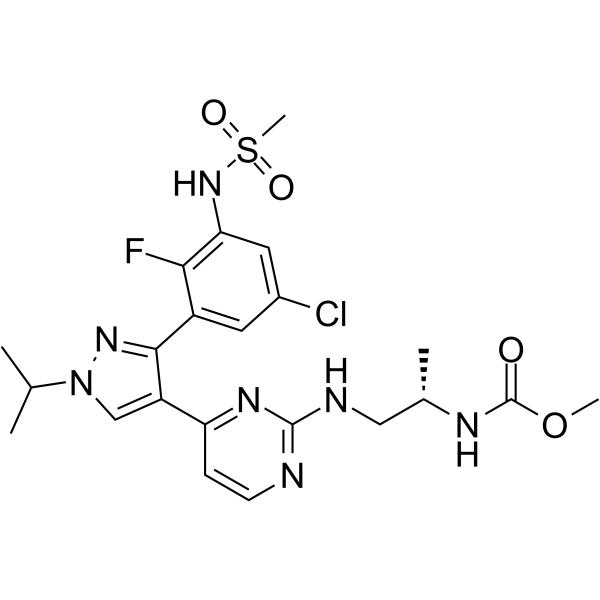
HY-15605
EncorafenibBRAF Inhibitor -
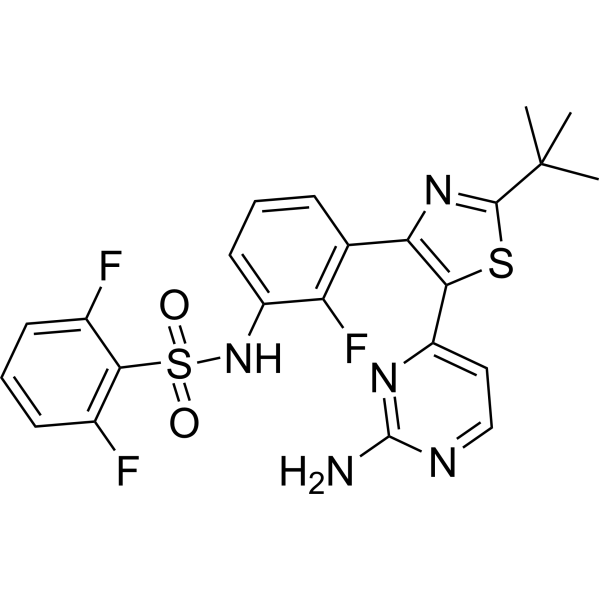
HY-14660
DabrafenibBRAF Inhibitor -
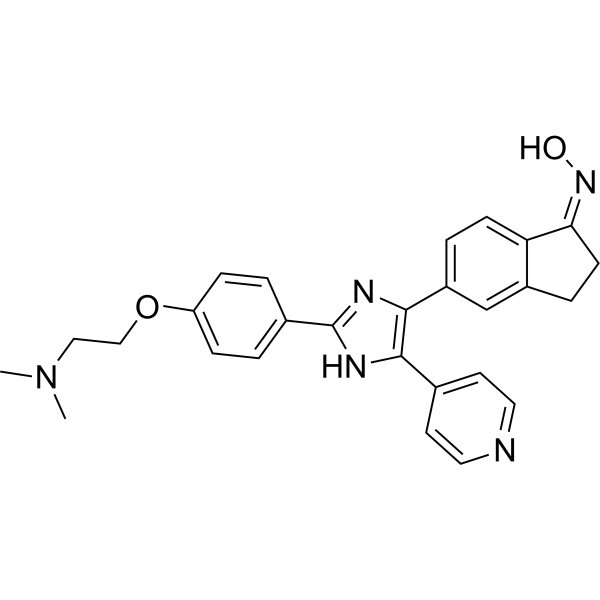
HY-10966
SB-590885BRAF/c-Raf Inhibitor -
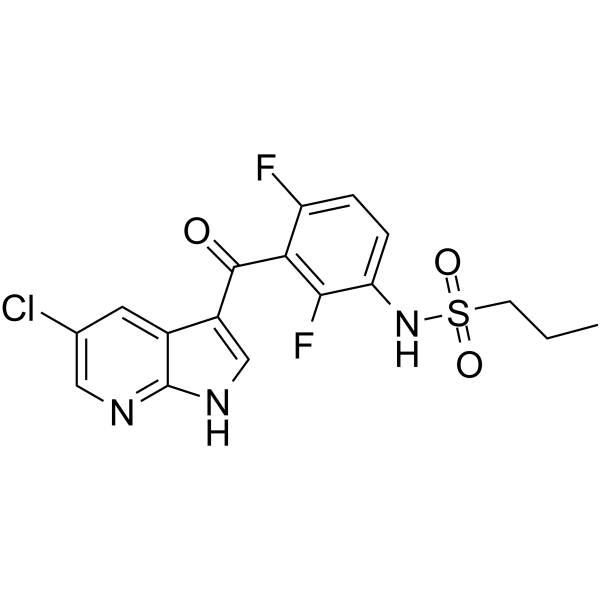
HY-51424
PLX-4720B-Raf Inhibitor -
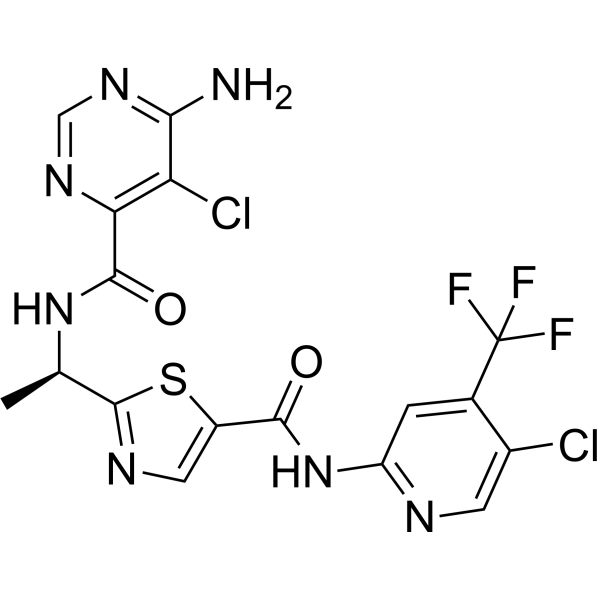
HY-15246
TovorafenibRaf Kinase Inhibitor -
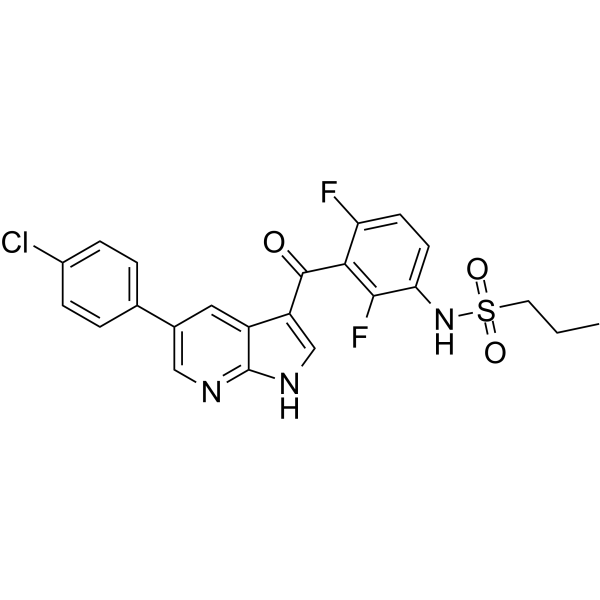
HY-12057
VemurafenibB-Raf Inhibitor -
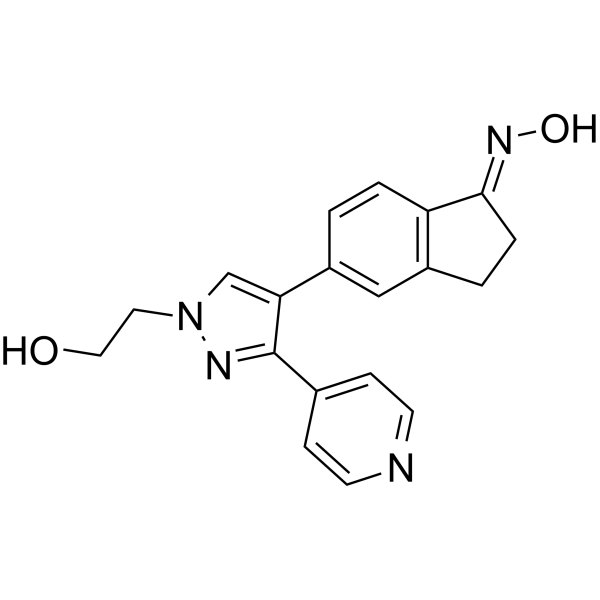
HY-50864
GDC-0879B-Raf Inhibitor -
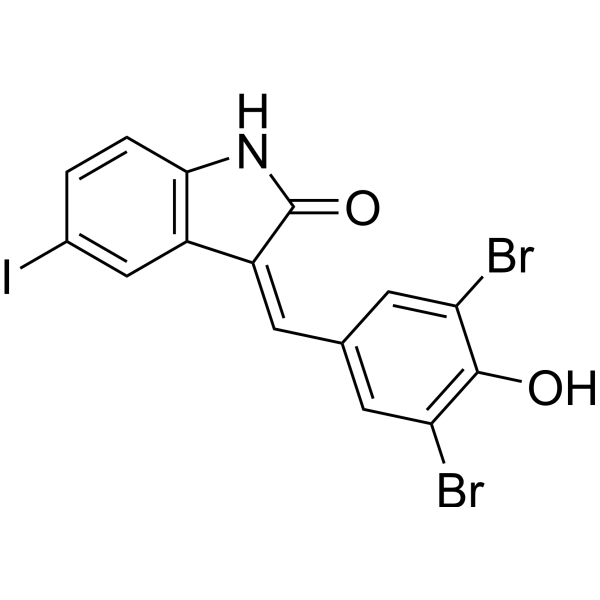
HY-10542
GW 5074Raf-1 Inhibitor -
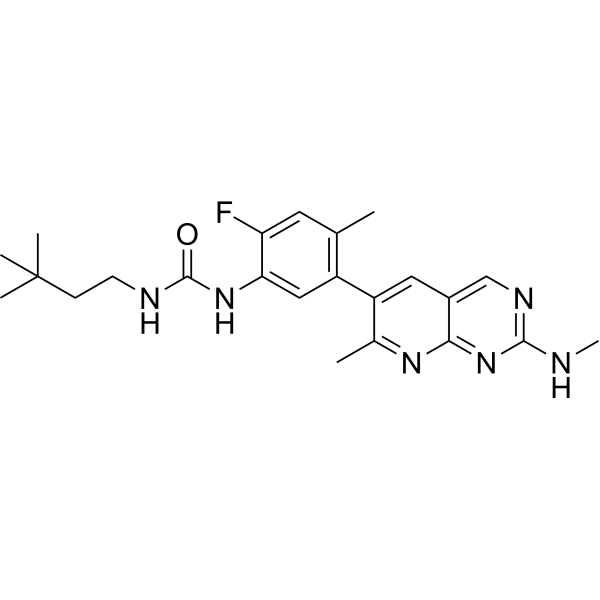
HY-12558
LY3009120Pan RAF Inhibitor -
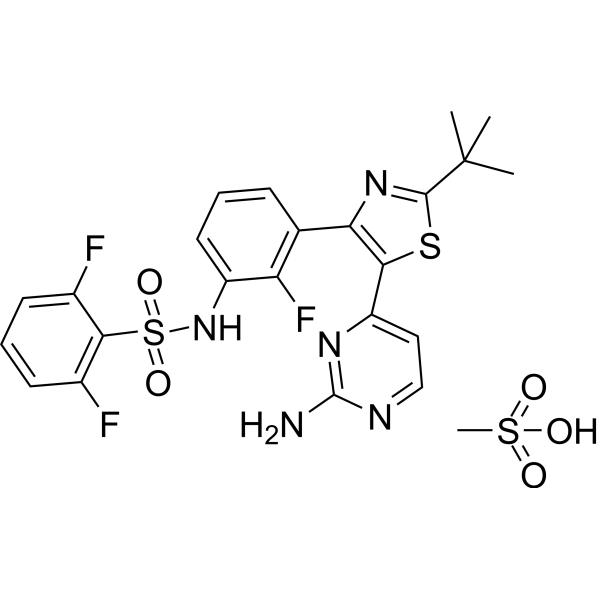
HY-14660A
Dabrafenib MesylateRaf Inhibitor -
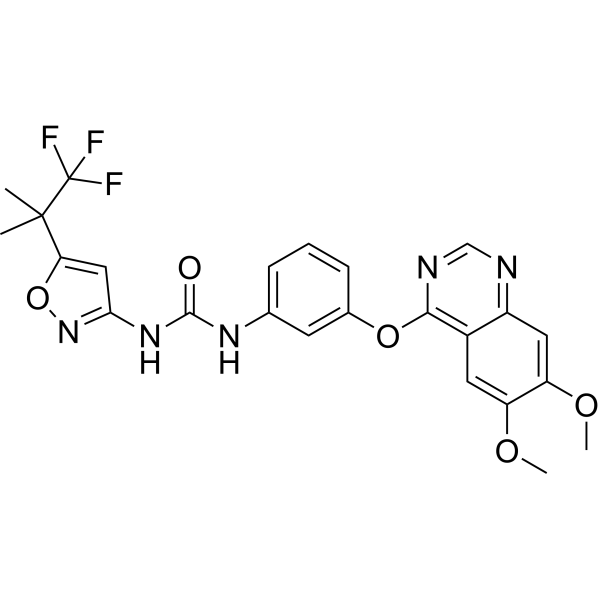
HY-15200
AgerafenibBRAF Inhibitor -
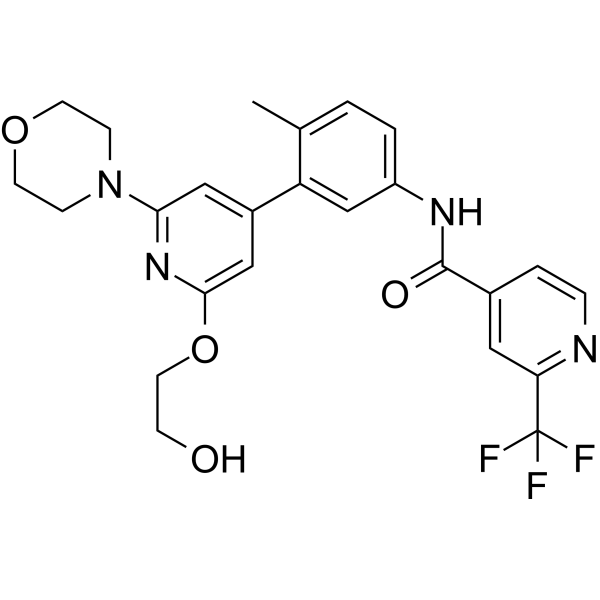
HY-112089
NaporafenibB/CRAF Inhibitor


Biological Activity
Description
IC50 & Target
|
Braf |
CRAF |
In Vitro
PF-04880594 (100 nM; 48 h) causes ERK activation and stimulation of IL-8 release, both of which are blocked by PD-0325901 (HY-10254) treatment[1].
MedChemExpress (MCE) has not independently confirmed the accuracy of these methods. They are for reference only.
-
Cell Line:HL-60
-
Concentration:100 nM alone or in combination with 100 nM PD-0325901
-
Incubation Time:48 h
-
Result:Induced ERK phosphorylation and induced IL-8 production. PD-0325901 treatment blocked the induction.
In Vivo
PF-04880594 (0-40 mg/kg, twice daily for 3 weeks) induces epithelial hyperplasia in mice and the induction is prevented by PD0325901[1].
MedChemExpress (MCE) has not independently confirmed the accuracy of these methods. They are for reference only.
-
Animal Model:Nude mice[1]
-
Dosage:10 mg/kg alone or in combination with 0.5 mg/kg PD-0325901
-
Administration:An am and pm dose on day 1 and then an am dose on day 2 approximately 2 hours before the animals were necropsied and the tissues harvested
-
Result:Induced ERK phosphorylation in urinary bladder, tongue, skin, and esophagus tissues. The induction of ERK phosphorylation was attenuated by cotreatment with 0.5 mg/kg PD0325901.
-
Animal Model:Nude mice (6–8 weeks old)[1]
-
Dosage:10, 20 and 40 mg/kg alone or in combination with 0.1, 0.3, 0.5, 1.0, or 2.5 mg/kg PD-0325901
-
Administration:Twice daily for 3 weeks
-
Result:Tissues treated with the RAF inhibitor alone display the microscopic pathology typical of unopposed BRAF inhibition. Hyperplasia in nonglandular stomach epithelium was blocked by PD-0325901.


Chemical Information
-
CAS No. 1111636-35-1
-
Molecular Weight 394.38
-
Formula C19H16F2N8
-
SMILES
N#CCCNC1=NC=CC(C2=CN(CC(F)F)N=C2C3=CN=C(NC=C4)C4=C3)=N1
-
Shipping
Room temperature in continental US; may vary elsewhere.
-
Storage
Please store the product under the recommended conditions in the Certificate of Analysis.


Purity & Documentation
References

Calculators
Concentration (start) × Volume (start) = Concentration (final) × Volume (final)


PF-04880594 Related Classifications
HY-13810 Related Classifications
 Powered by Bioz