



Raf
RAF kinases act downstream of RAS and relay signals through the RAF-MEK-ERK/MAPK cascade to regulate cell growth, survival, and differentiation[1]. Mechanistically, RAF activation depends on phosphorylation, conformational control, membrane recruitment, and kinase-domain dimerization, which provides an allosteric mechanism for catalytic activity[1]. In cancer models, mutant BRAF tumors depend on RAF-MEK-ERK signaling, whereas ATP-competitive RAF inhibitors inhibit ERK signaling in mutant BRAF cells but enhance signaling in wild-type BRAF cells through RAF dimer transactivation[2]. Compared with related isoforms, BRAF has the highest basal kinase activity, while ARAF shows a cell-type-dependent role in MAPK activity and cell migration[3]. CRAF/RAF1 differs further because KRAS-mutant tumor subsets depend on CRAF growth functions, and kinase-dead but not dimer-defective CRAF rescues growth inhibition[4]. For experimental applications, RAF inhibitors therefore serve as pathway probes, but study design should distinguish mutant BRAF inhibition from wild-type RAF dimer activation[2][5].
Referencias:
- [1]. Lavoie H, et al. Regulation of RAF protein kinases in ERK signalling. Nat Rev Mol Cell Biol. 2015 May;16(5):281-98. [Content Brief]
- [2]. Poulikakos PI, et al. RAF inhibitors transactivate RAF dimers and ERK signalling in cells with wild-type BRAF. Nature. 2010 Mar 18;464(7287):427-30. [Content Brief]
- [3]. Mooz J, et al. Dimerization of the kinase ARAF promotes MAPK pathway activation and cell migration. Sci Signal. 2014 Aug 5;7(337):ra73. [Content Brief]
- [4]. Venkatanarayan A, et al. CRAF dimerization with ARAF regulates KRAS-driven tumor growth. Cell Rep. 2022 Feb 8;38(6):110351. [Content Brief]
- [5]. Karoulia Z, et al. An Integrated Model of RAF Inhibitor Action Predicts Inhibitor Activity against Oncogenic BRAF Signaling. Cancer Cell. 2016 Sep 12;30(3):485-498. [Content Brief]
-
Productos relacionados con Raf (119)
Productos relacionados con (119)

-
Antibodies (2)
-
Encorafenib
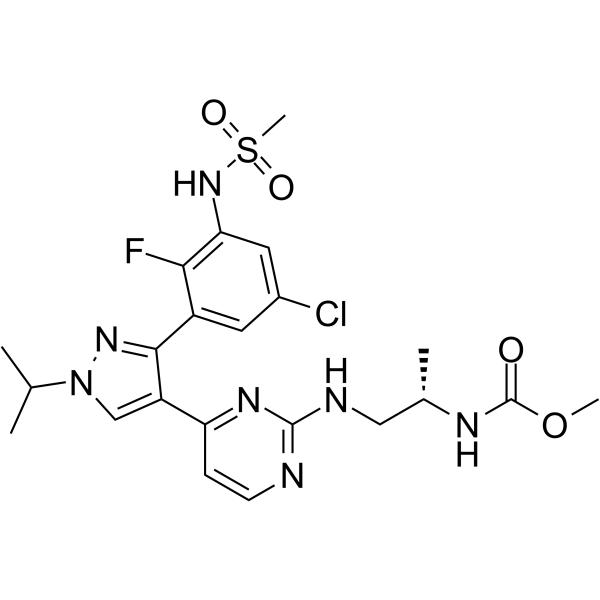 0 ImagesSynonyms: LGX818Encorafenib (LGX818) is a highly potent BRAF inhibitor with selective anti-proliferative and apoptotic activity in cells expressing BRAFV600E (EC50=4 nM).
-
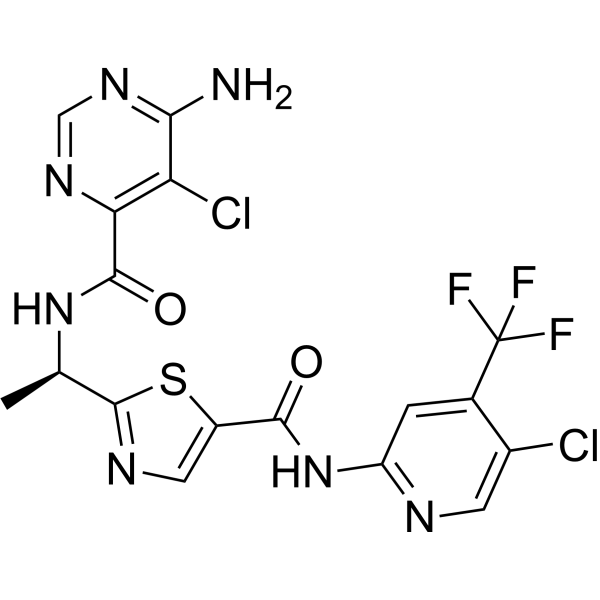
NST-628
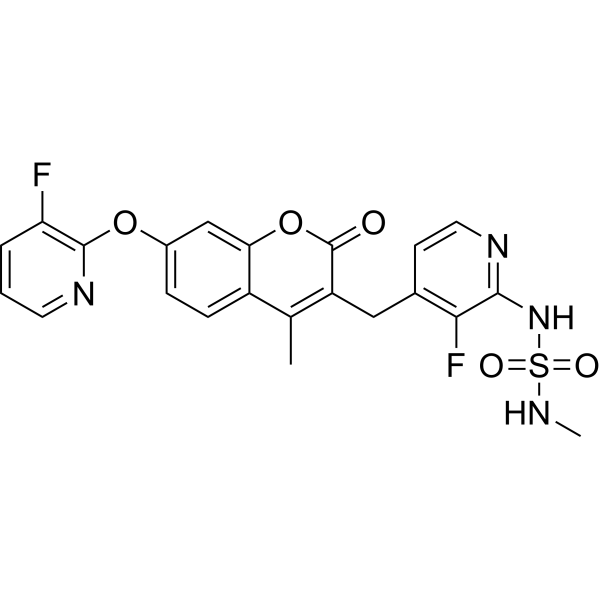 0 ImagesNST-628 is a brain-permeable MAPK pathway molecule glue that inhibits RAF phosphorylation and MEK activation. NST-628 also binds RAF and prevents the formation of BRAF-CRAF and BRAF-ARAF heterodimers, effectively inhibiting the RAS-MAPK pathway. NST-628 inhibits RAS- and RAF-driven cancers and demonstrated potent inhibition in mutant KRAS, NRAS, BRAF class II/III, and NF1-mutant tumors.
-
Exarafenib
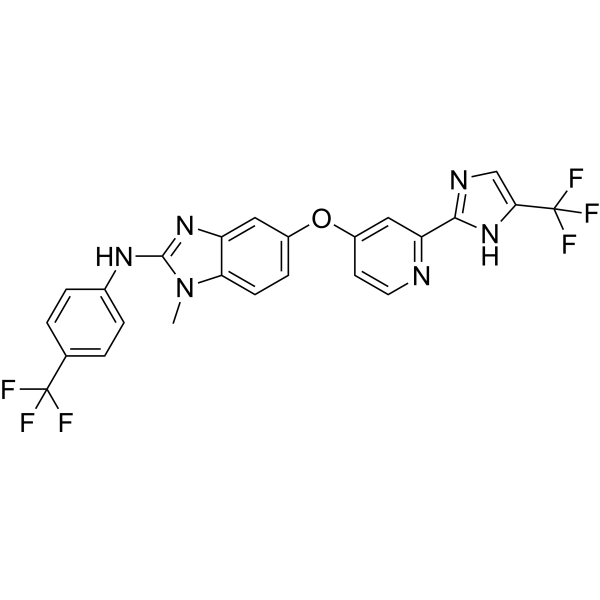
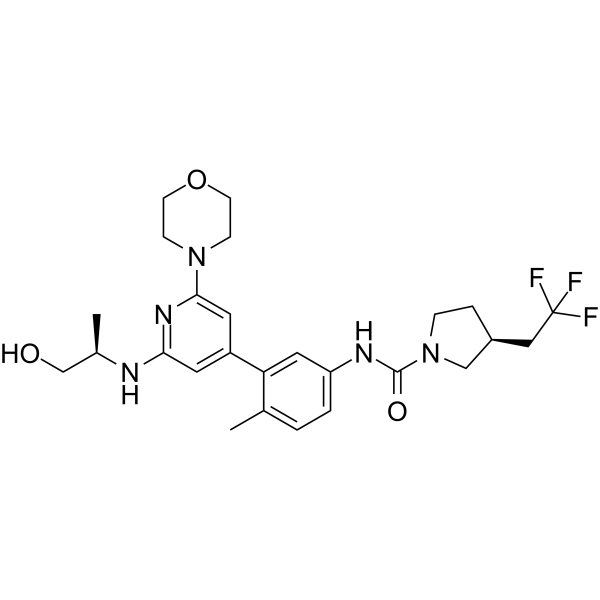 0 ImagesSynonyms: RAF/KIN_2787Exarafenib (RAF/KIN_2787) is an orally-available, selective pan-RAF inhibitor. Exarafenib is effective in RAF-dependent cancers, including all classes of BRAF alterations. Exarafenib suppresses MAPK signaling in RAF-dependent melanoma cell lines. Exarafenib has anticancer activity.
-
Norartocarpetin
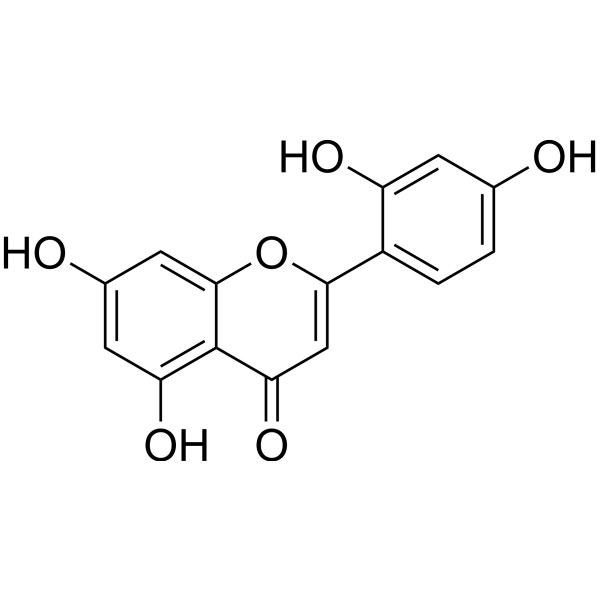 0 ImagesNorartocarpetin is a tyrosinase inhibitor. Norartocarpetin has strong tyrosinase inhibitory activity with an IC50 value of 0.47 μM. Norartocarpetin as an antibrowning agent can be used for the research of food systems. Norartocarpetin also has a significant anticancer activity in lung carcinoma cells (NCI-H460) with an IC50 value of 22 μM. Norartocarpetin has antiproliferative effects are mediated via targeting Ras/Raf/MAPK signalling pathway, mitochondrial mediated apoptosis, S-phase cell cycle arrest and suppression of cell migration and invasion in human lung carcinoma cells.
-
Claturafenib
 0 ImagesSynonyms: PF-07799933; ARRY-440Claturafenib ( PF-07799933) is an orally active inhibitor of pan-mutant BRAF. Claturafenib inhibits pERK in cells (IC50 value of 1.6 nM in HT29 cells). Claturafenib has anticancer activity against BRAFG469A mutant NSCLC and BRAFK601E mutant melanoma.
-
CP-724714
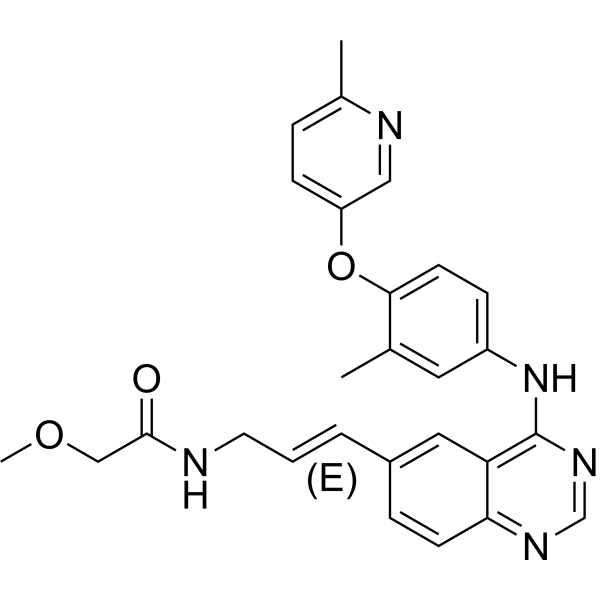 0 ImagesCP-724714 is an orally active and selective HER2 tyrosine kinase inhibitor with an IC50 of 10 nM. CP-724714 inhibits HER2 receptor autophosphorylation and blocks the downstream Ras-Raf-Mek-Erk signaling pathway, thereby inducing cell cycle arrest and apoptosis in tumor cells. CP-724714 exhibits antiviral activity and inhibits various porcine diarrheal coronaviruses, including SADS-CoV (IC50 of 0.91 μM). CP-724714 is an inhibitor of the hepatic transport receptors OATP1B1/MDR1/BSEP, and can enter hepatocytes via active uptake and trigger the accumulation of drugs and bile acids within hepatocytes. CP-724714 can be used in research related to HER2-overexpressing breast cancer and porcine diarrheal coronavirus infection.
-
MAPK-IN-2
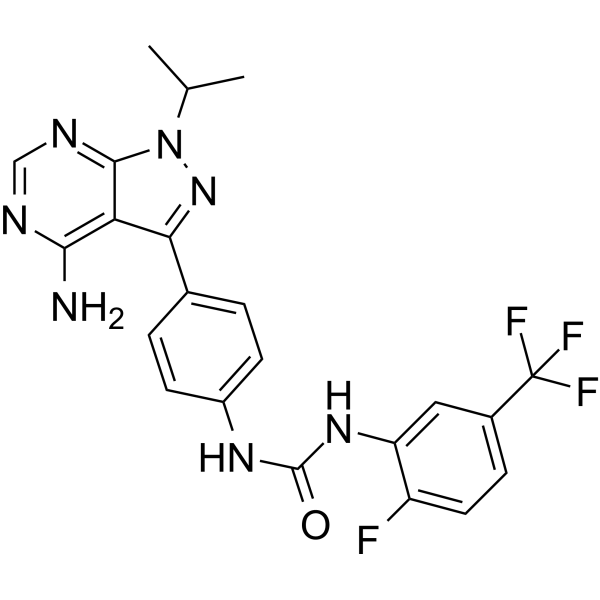
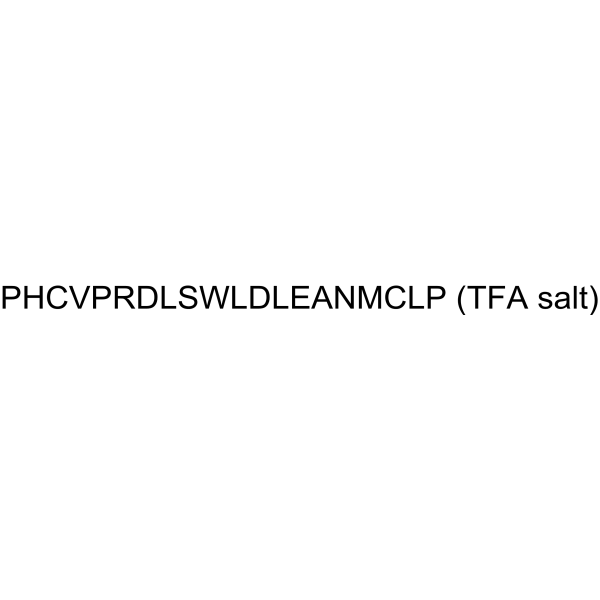
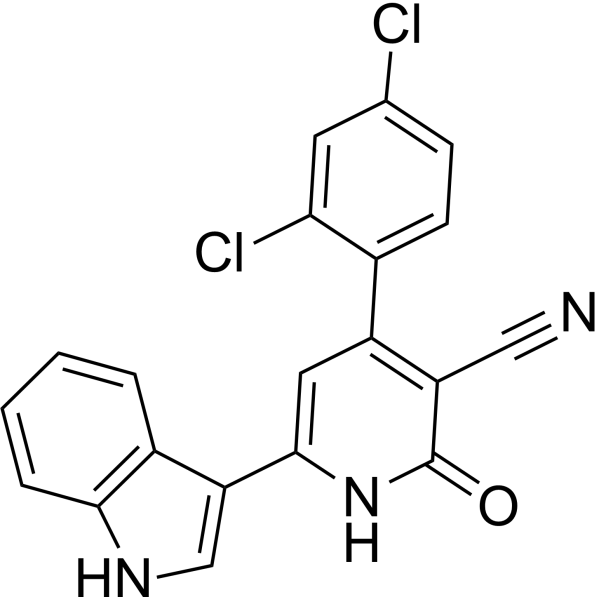 0 ImagesMAPK-IN-2 (compound 3h) is a potent MAPK inhibitor with antineoplastic activity. MAPK-IN-2 inhibits cancer cell proliferation among serval cancer cell lines, and suppresses MAPK pathway with potant efficacy (EGFRWT IC50=281 nM, c-MET IC50=205 nM, B-RAFWT IC50=112 nM, and CDK4/6 IC50=95 and 184 nM, respectively). MAPK-IN-2 even shows a remarkable potency against mutated EGFR and B-RAF (EGFRT790M IC50=69 nM and B-RAFV600E IC50=83 nM).
-
Doramapimod hydrochloride
 0 ImagesSynonyms: BIRB 796 hydrochlorideDoramapimod hydrochloride (BIRB 796 hydrochloride) is an anti-inflammatory compound with biological activity through inhibition of p38 MAPK. Doramapimod hydrochloride can significantly inhibit the activities of TNF-α and IL-1β induced by LPS, LTA and PGN. Doramapimod hydrochloride showed a stronger inhibitory effect on inflammation induced by all three bacterial toxins, which was more significant compared with the effects of other compounds. Doramapimod hydrochloride can be used in the research of autoimmune diseases.
-
Rineterkib
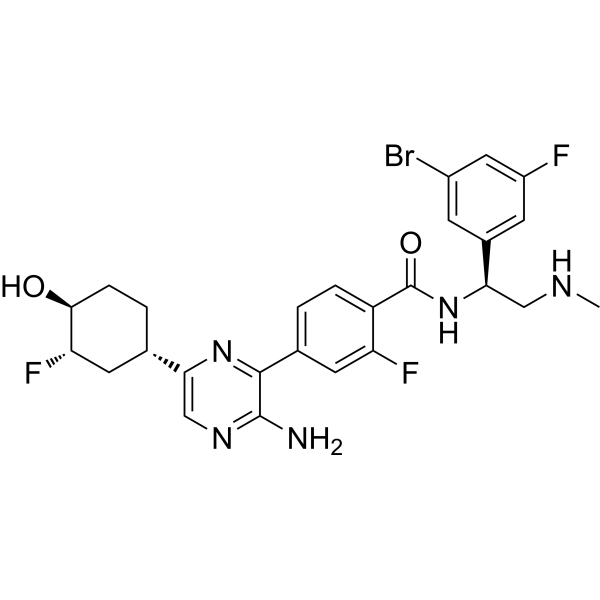 0 ImagesRineterkib (compound B) is an orally available ERK1 and ERK2 inhibitor in the treatment of a proliferative disease characterized by activating mutations in the MAPK pathway. The activity is particularly related to the treatment of KRAS-mutant NSCLC, BRAF-mutant NSCLC, KRAS-mutant pancreatic cancer, KRAS-mutant colorectal cancer (CRC) and KRAS-mutant ovarian cancer. Rineterkib hydrochloride can also inhibit RAF.
-
TBAP-001
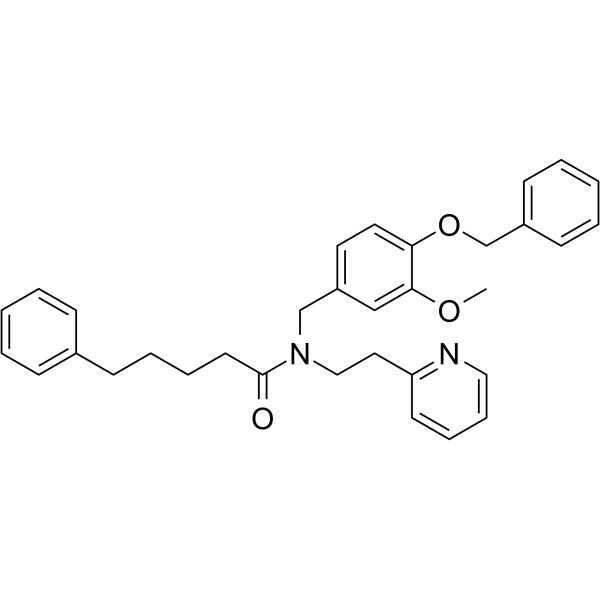
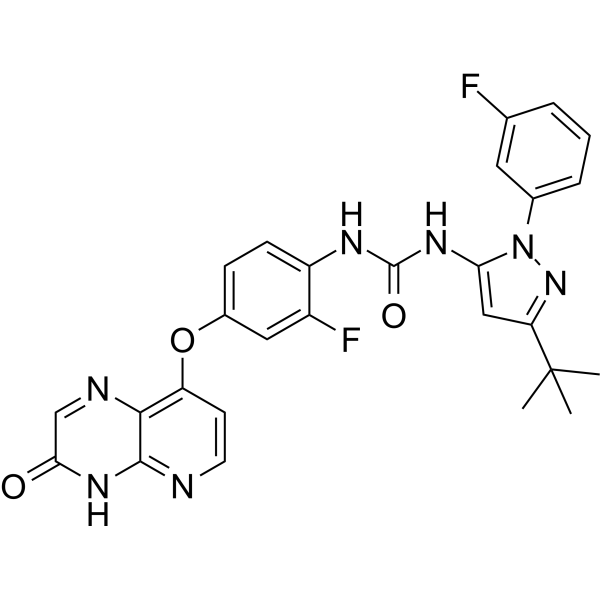 0 ImagesTBAP-001 (Synthesis 13), extracted from patent WO2015075483A1, is a pan-RAF kinase inhibitor, with an IC50 of 62 nM in BRAF V600E kinase assay.

-
RRD-251
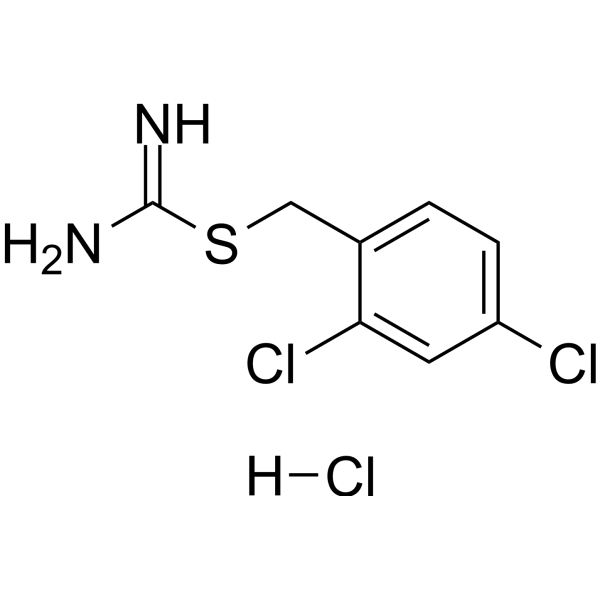 0 ImagesRRD-251 is an inhibitor of retinoblastoma tumor suppressor protein (Rb)-Raf-1 interaction, with potent anti-proliferative, anti-angiogenic and anti-tumor activities.
-
TAT-Braftide
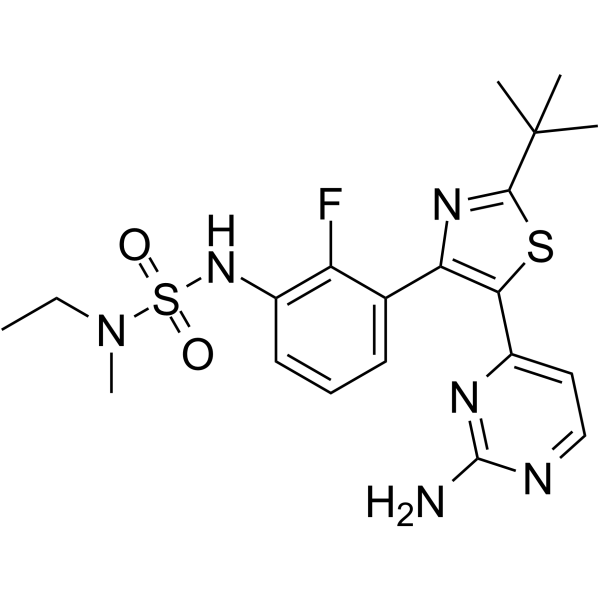
 0 ImagesReferencia número: HY-P10438Pureza: 99.52%TAT-Braftide is a peptide inhibitor designed to block the dimerization of BRAF, thereby inhibiting its kinase activity. The destruction of BRAF dimer by TAT-Braftide makes BRAF protein more susceptible to proteasome degradation, directly inhibits the activity of BRAF kinase, and reduces the activation of MAPK signaling pathway. Tat-braftide can be used for the role of RAF kinase in MAPK signaling pathway and for the study of BRAF mutant cancers.
-
Braftide
 0 ImagesBraftide is an allosteric inhibitor for BRAF kinase by targeting the dimer interface of BRAF kinase and inhibiting the formation of BRAF dimers. Braftide inhibits wild-type BRAF and oncogenic BRAFG469A with IC50 of 364 nM and 172 nM, respectively. Braftide inhibits MAPK signaling pathway, inhibits proliferation of KRAS mutant tumor cells (EC50 is 7.1 and 6.6 μM, for HCT116 and HCT-15), in combination of TAT sequence. Braftide can be used for cancer research.




