
390 Results for "

sodium phosphate buffer

" in MedChemExpress (MCE) Product Catalog:
Products (390)

390 Results for "sodium phosphate buffer" in MCE Product Catalog:

Cat. No.: HY-148150A
CAS No.: 63784-08-7
Cyclocreatine phosphate dilithium is a synthetic intracellular energy buffer. Cyclocreatine phosphate dilithium mediates antiproliferative activity in cells with high creatine kinase levels and inhibits solid tumor growth. Cyclocreatine phosphate dilithium maintains adenosine triphosphate (ATP) levels and protects tissues from hypoxia, cellular damage and inflammation during ischemic events. Cyclocreatine phosphate dilithium accumulates in skeletal muscle, reduces muscle phosphocreatine and total creatine levels, and acts both as a bioenergetic/anti-inflammatory agent and an experimental tool for the assessment of ischemic injury. Cyclocreatine phosphate dilithium can be used in studies related to solid tumors, heart failure and ischemia .
loading...
    loading...
Cat. No.: HY-W017054
CAS No.: 115-69-5
Research Areas:  

Others

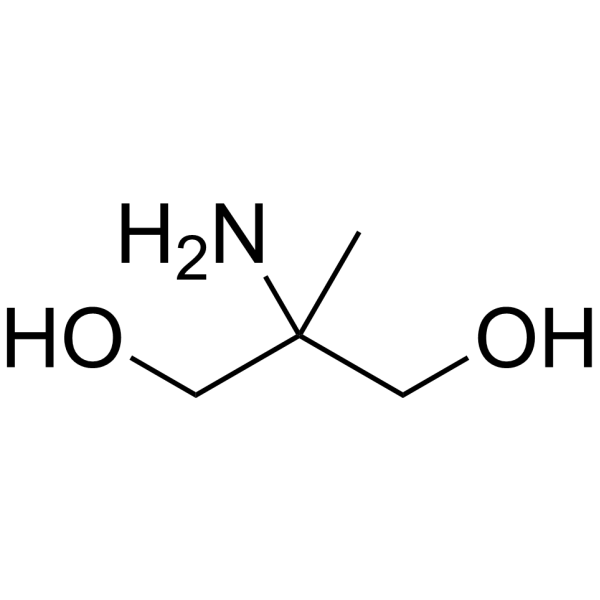
2-Amino-2-methyl-1,3-propanediol is a solid-solid phase change material with energy release and heat storage properties. 2-Amino-2-methyl-1,3-propanediol can crystallize from a supercooled solid state, release thermal energy during heating, and store thermal energy in the supercooled solid state. 2-Amino-2-methyl-1,3-propanediol can be used in the production of surfactants, vulcanization accelerators, and as a biological buffer .
loading...
    loading...
Cat. No.: HY-W103773
CAS No.: 132-27-4
Research Areas:  

Infection

2-Phenylphenol sodium is a phenolic disinfectant and toxic agent with bactericidal, fungicidal and growth-inhibiting activities. 2-Phenylphenol sodium serves as a post-harvest agricultural fungicide and food preservative. At specific concentrations, 2-Phenylphenol sodium inhibits the growth of E. coli strains, while at high concentrations, 2-Phenylphenol sodium completely blocks their proliferation. 2-Phenylphenol sodium acts as a substrate for biocatalytic conversion, and is converted to 3-phenylcatechol by 2-hydroxybiphenyl 3-monooxygenase in recombinant E. coli. 2-Phenylphenol sodium also undergoes electrochemical oxidation in phosphate buffer solution .
loading...
    loading...
Cat. No.: HY-W251598B
CAS No.: 144-55-8
Synonyms: sodium hydrogen carbonate for molecular biology; Soda bicarbonate for molecular biology
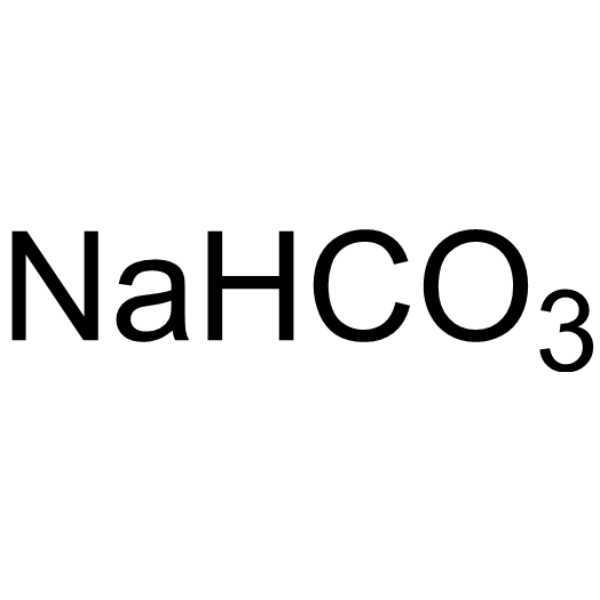
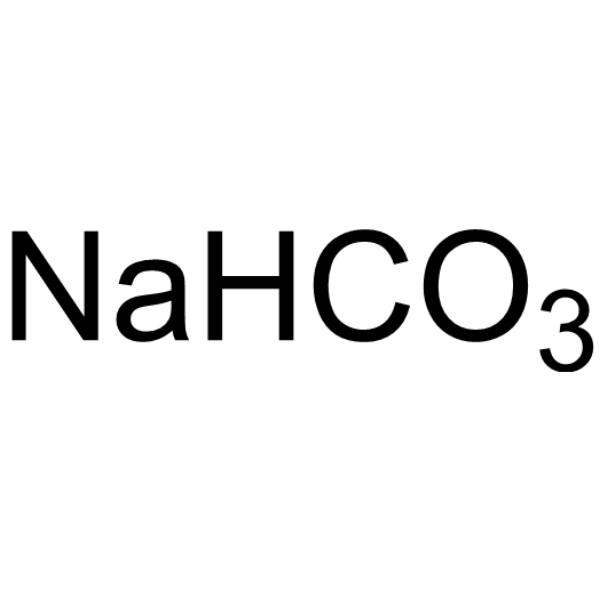
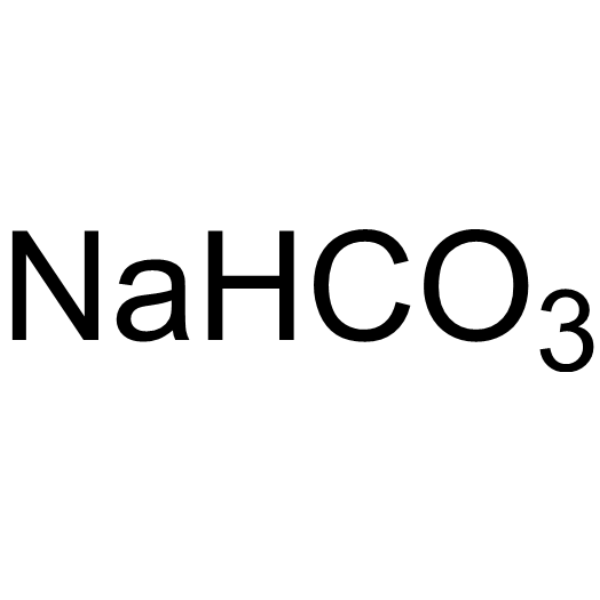
Sodium bicarbonate, for molecular biology (Sodium hydrogen carbonate for molecular biolog; Soda bicarbonate for molecular biolog) is an inorganic salt. Sodium bicarbonate can maintain the pH of the culture medium, thereby affecting the expression of inducible nitric oxide synthase (iNOS) and nitric oxide (NO) production in macrophages and reversing the acidosis of the tumor microenvironment. Sodium bicarbonate is widely used in the fields of food, cosmetics, etc. Its main uses include buffers, flavoring agents, disinfectants, pharmaceuticals, and proton gradient regulators. Sodium bicarbonate is also commonly used as an antacid to inhibit gastrointestinal diseases, neutralize gastric acid, and reduce gastric discomfort .
loading...
    loading...
Cat. No.: HY-D1993
ATTO 647 NHS ester is a fluorescent label targeting free amino groups. ATTO 647 NHS ester can undergo a nucleophilic reaction with the free amino groups of EF-C peptide via its activated carboxylic acid group to form a stable covalent conjugate. ATTO 647 NHS ester-labeled nanofibers not only retain retroviral transduction-enhancing activity but also maintain stable fluorescent signals in both buffer and cell culture systems. ATTO 647 NHS ester is suitable for detection applications including fluorescence spectroscopy, microscopy and flow cytometry. ATTO 647 NHS ester has been used in studies related to HIV-1 infection .
loading...
    loading...
Cat. No.: HY-D3582
Target:  

Fluorescent Dye

Research Areas:  

Others

AF633 C5 Maleimide is a fluorescent dye used for surface protein labeling of extracellular vesicles and peptide labeling. AF633 C5 Maleimide covalently binds to protein thiol residues under neutral pH conditions (6.5-7.5), enabling visualization and quantitative analysis of extracellular vesicle uptake by target cells. AF633 C5 Maleimide undergoes maleimide-cysteine conjugation with cysteine residues on peptides in acetonitrile-water buffer solution, supporting detection of peptide-functionalized gold nanorods via confocal laser scanning microscopy, as well as tracking their cellular uptake and localization .
loading...
    loading...
Cat. No.: HY-W587486R
CAS No.: 19213-70-8
N-Acetyltaurine (Standard) is the analytical standard of N-Acetyltaurine (HY-W587486). This product is intended for research and analytical applications. N‑acetyltaurine is an orally active endogenous sulfonate that is synthesized from taurine and acetate in the renal cortex. N‑acetyltaurine supports bacterial growth as a sole fixed nitrogen or carbon source. N‑acetyltaurine buffers acetyl moieties of mitochondrial acetyl‑CoA in skeletal muscle. N‑acetyltaurine reduces food intake and body weight in obese and lean wild‑type mice in a GFRAL‑dependent manner. N‑acetyltaurine can be used for the research of diet‑induced obesity, hyperacetatemia and diabetes .
loading...
    loading...
Cat. No.: HY-111141
CAS No.: 916219-50-6
Research Areas:  

Metabolic Disease

AM-3189 is an orally active and selective GPR40 agonist with EC50 values in buffer solution and in 100% human serum of 33 nM and 10 μM respectively. AM-3189 shows no significant activity on GPR41 and GPR43, and no agonistic activity on PPAR-α, -δ, and -γ. AM-3189 enhances glucose-stimulated insulin secretion by activating GPR40 on pancreatic β cells. AM-3189 has extremely low penetration into the central nervous system and significantly reduces blood glucose levels in two humanized GPR40 mouse models. AM-3189 can be used for the study of type 2 diabetes .
loading...
    loading...
Cat. No.: HY-113165AR
CAS No.: 6920-31-6
Isobutyryl-L-carnitine chloride (Standard) is the analytical standard of Isobutyryl-L-carnitine chloride (HY-113165A). This product is intended for research and analytical applications. Isobutyryl-L-carnitine chloride is a biomarker. Isobutyryl-L-carnitine chloride is a product of acyl-CoA dehydrogenases involved in fatty acid β-oxidation, and it buffers the mitochondrial acyl-CoA/CoA ratio, oxidizes branched-chain amino acids, and supports the endogenous antioxidant defense system. Isobutyryl-L-carnitine chloride is a plasma biomarker of hepatic OCT1 transporter inhibition. Isobutyryl-L-carnitine chloride is a urinary biomarker of renal cell carcinoma, and its levels are elevated one year after nephrectomy compared with before nephrectomy. Isobutyryl-L-carnitine chloride can be used in research on renal cell carcinoma .
loading...
    loading...
Cat. No.: HY-113165AS
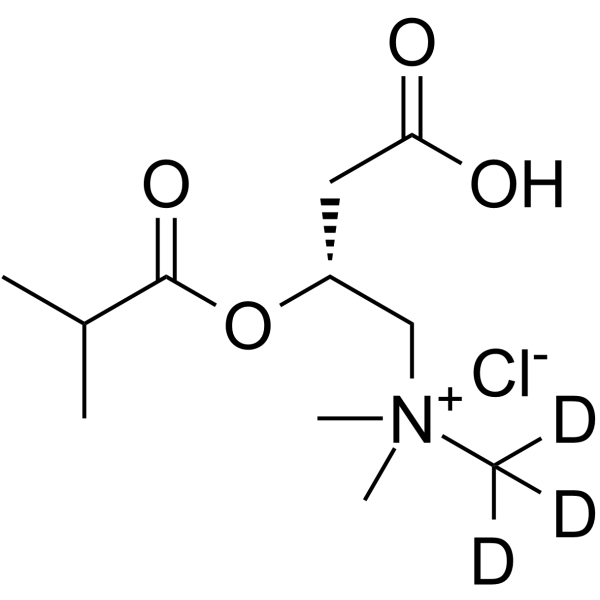
Isobutyryl-L-carnitine-d3 chloride is the d3-labeled Isobutyryl-L-carnitine chloride (HY-113165A). Isobutyryl-L-carnitine chloride is a biomarker. Isobutyryl-L-carnitine chloride is a product of acyl-CoA dehydrogenases involved in fatty acid β-oxidation, and it buffers the mitochondrial acyl-CoA/CoA ratio, oxidizes branched-chain amino acids, and supports the endogenous antioxidant defense system. Isobutyryl-L-carnitine chloride is a plasma biomarker of hepatic OCT1 transporter inhibition. Isobutyryl-L-carnitine chloride is a urinary biomarker of renal cell carcinoma, and its levels are elevated one year after nephrectomy compared with before nephrectomy. Isobutyryl-L-carnitine chloride can be used in research on renal cell carcinoma .
loading...
    loading...
Cat. No.: HY-16387
CAS No.: 854514-88-8
Target:  

VEGFR

Research Areas:  

Others

PF-00337210 is a potent and selective inhibitor of VEGFRs, designed for treating age-related macular degeneration via intravitreal injection. The formulation strategy focused on developing an ophthalmic solution that would precipitate upon injection into the vitreous, ensuring sustained drug delivery. Challenges included maintaining low dosing volumes, selecting safe excipients for intravitreal use, and addressing the drug's unique physicochemical properties. The final formulation, an isotonic solution in a citrate-buffered vehicle with NaCl, demonstrated stability, potency, and recovery through intravitreal dosing syringes. It formed a depot upon injection into vitreous humor, representing a novel nonpolymeric in situ-forming depot formulation for intravitreal drug delivery .
loading...
    loading...
Cat. No.: HY-W251598I
CAS No.: 144-55-8
Synonyms: sodium hydrogen carbonate, meets analytical specification of Ph. Eur., BP, USP, FCC, E500
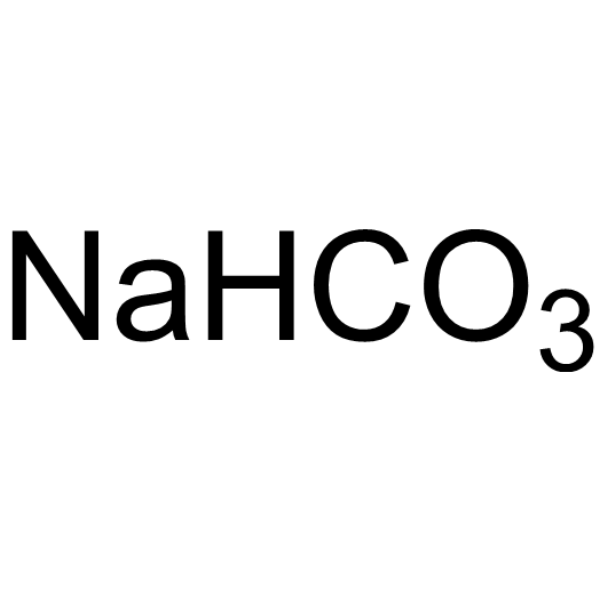
Sodium bicarbonate, meets analytical specification of Ph. Eur., BP, USP, FCC, E500 is an inorganic salt that is neutral to slightly alkaline and easily decomposes when exposed to moisture in the air. Sodium bicarbonate can maintain the pH of the culture medium, thereby affecting the expression of inducible nitric oxide synthase (iNOS) and nitric oxide (NO) production in macrophages and reversing the acidosis of the tumor microenvironment. Sodium bicarbonate is widely used in the fields of food, medicine, cosmetics, etc. Its main uses include buffers, flavoring agents, disinfectants, pharmaceuticals, and proton gradient regulators. Sodium bicarbonate is also commonly used as an antacid to inhibit gastrointestinal diseases, neutralize gastric acid, and reduce gastric discomfort .
loading...
    loading...
Cat. No.: HY-W700788
Isobutyryl-L-carnitine chloride-d6 is the d6-labeled Isobutyryl-L-carnitine chloride (HY-113165A). Isobutyryl-L-carnitine chloride is a biomarker. Isobutyryl-L-carnitine chloride is a product of acyl-CoA dehydrogenases involved in fatty acid β-oxidation, and it buffers the mitochondrial acyl-CoA/CoA ratio, oxidizes branched-chain amino acids, and supports the endogenous antioxidant defense system. Isobutyryl-L-carnitine chloride is a plasma biomarker of hepatic OCT1 transporter inhibition. Isobutyryl-L-carnitine chloride is a urinary biomarker of renal cell carcinoma, and its levels are elevated one year after nephrectomy compared with before nephrectomy. Isobutyryl-L-carnitine chloride can be used in research on renal cell carcinoma .
loading...
    loading...
Cat. No.: HY-151769
CAS No.: 2353409-48-8
Target:  

ADC Linkers

Research Areas:  

Others

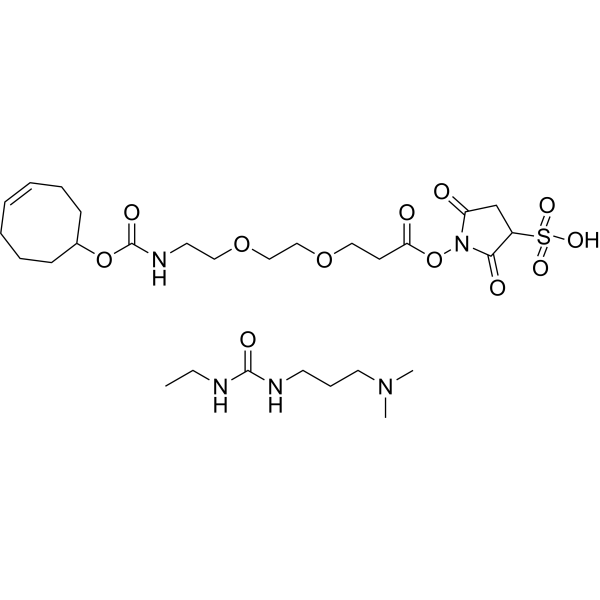
TCO-PEG2-Sulfo-NHS ester-EDC Urea is a click chemistry reagent containing an azide group. TCO-PEG2-Sulfo-NHS ester is a PEG linker containing a TCO moiety and a sulfo-NHS ester moiety. The sulfo group makes this molecule soluble in waqueous buffer. This reagent can be used to label antibodies, proteins and other primary amine-containing macromolecules with TCO moiety. Reagent grade, for research use only . TCO-PEG2-Sulfo-NHS ester-EDC Urea is a click chemistry reagent, it contains a TCO group that can undergo an inverse electron demand Diels-Alder reaction (iEDDA) with molecules containing Tetrazine groups.
loading...
    loading...
Cat. No.: HY-D0922
CAS No.: 1284240-77-2
Target:  

Fluorescent Dye

Research Areas:  

Others

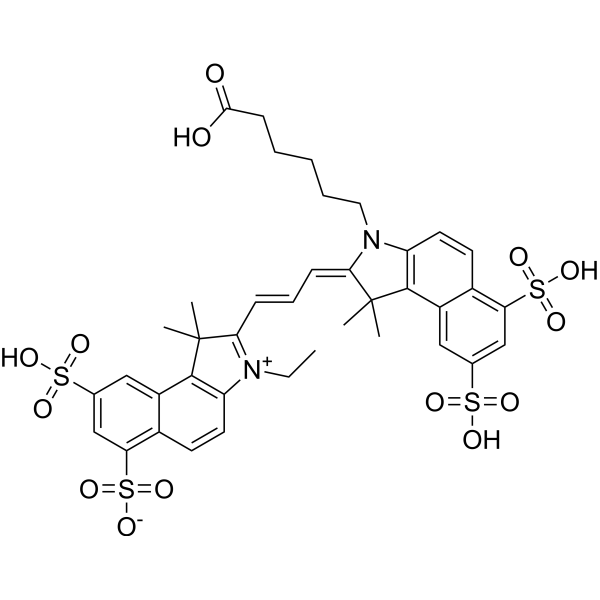
Cy3.5 is a cyanine-based red fluorescent dye (Ex/Em ≈ 560-581/600-612 nm). After covalent conjugation with proteins, Cy3.5 exhibits extraordinary fluorescence enhancement with minimal quenching even at high labeling ratios. Cy3.5 can form a FRET dye pair with Cy5.5, which maintains stable FRET efficiency in various biochemical buffers and deoxygenated systems. Cy3.5 is applicable to studies related to fluorescent labeling of antibodies/proteins, single-molecule FRET imaging of double-stranded DNA and nucleosomes, SPION functionalization, in vivo tracing, and other relevant research .
loading...
    loading...
Cat. No.: HY-D0922A
Target:  

Fluorescent Dye

Research Areas:  

Others

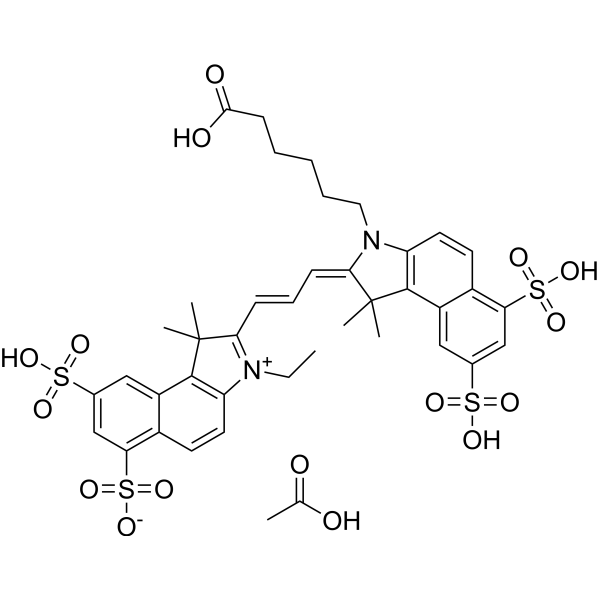
Cy3.5 acetate is a cyanine-based red fluorescent dye (Ex/Em ≈ 560-581/600-612 nm). After covalent conjugation with proteins, Cy3.5 acetate exhibits extraordinary fluorescence enhancement with minimal quenching even at high labeling ratios. Cy3.5 acetate can form a FRET dye pair with Cy5.5, which maintains stable FRET efficiency in various biochemical buffers and deoxygenated systems. Cy3.5 acetate is applicable to studies related to fluorescent labeling of antibodies/proteins, single-molecule FRET imaging of double-stranded DNA and nucleosomes, SPION functionalization, in vivo tracing, and other relevant research .
loading...
    loading...
Cat. No.: HY-DY2027
Target:  

Fluorescent Dye

Research Areas:  

Others

Nissl Staining Solution (Thionin Method) is a neural tissue staining solution with thionin as the core component, which stains Nissl bodies purplish blue and nuclear chromatin blue. Nissl Staining Solution (Thionin Method) relies on positively charged thionin molecules to specifically bind to the negatively charged nucleic acid components in the rough endoplasmic reticulum inside Nissl bodies, and achieves differential staining by regulating pH through a buffer system. Nissl Staining Solution (Thionin Method) has pH-dependent staining selectivity; it exhibits the highest staining specificity for neuronal Nissl bodies under pH 3.65 conditions, and can efficiently label glial processes under pH 4.6 conditions .
loading...
    loading...
Cat. No.: HY-W241345
CAS No.: 913542-71-9
Research Areas:  

Cancer

DOTA-bis(tert-butyl)ester is a DOTA-based metal chelator that can bind to radionuclides and is used to prepare radionuclide conjugates (RDCs). DOTA-bis(tert-butyl)ester can be conjugated with different salts to form different metal chelators, such as (HY-B1244) hydrochloride to obtain DOTA-MN2. DOTA-MN2 can be reacted with [67]Ga-citrate to obtain radiolabeling. When (67)Ga-DOTA-MN2 is incubated in phosphate buffer solution or mouse plasma for 24 hours, it does not undergo significant decomposition. In the biodistribution experiment of NFSa tumor mice, it has high tumor uptake and rapid plasma clearance, and is a good material for SPECT and PET studies.
loading...
    loading...
Cat. No.: HY-W251598C
CAS No.: 144-55-8
Synonyms: sodium hydrogen carbonate for cell culture; Soda bicarbonate for cell culture
Sodium bicarbonate, for cell culture (Sodium hydrogen carbonate for cell culture; Soda bicarbonate for cell culture) is an inorganic salt that is neutral to slightly alkaline and easily decomposes when exposed to moisture in the air. Sodium bicarbonate, for cell culture can maintain the pH of the culture medium, thereby affecting the expression of inducible nitric oxide synthase (iNOS) and nitric oxide (NO) production in macrophages and reversing the acidosis of the tumor microenvironment. Sodium bicarbonate is widely used in the fields of food, medicine, cosmetics, etc. Its main uses include buffers, flavoring agents, disinfectants, pharmaceuticals, and proton gradient regulators. Sodium bicarbonate is also commonly used as an antacid to inhibit gastrointestinal diseases, neutralize gastric acid, and reduce gastric discomfort .
loading...
    loading...
Cat. No.: HY-W251598J
CAS No.: 144-55-8
Synonyms: sodium hydrogen carbonate (Pharmaceutical primary standard, USP); Soda bicarbonate (Pharmaceutical primary standard, USP)
Sodium bicarbonate, United States Pharmacopeia (USP) Reference Standard is an inorganic salt. Sodium bicarbonate, United States Pharmacopeia (USP) Reference Standard can maintain the pH of the culture medium, thereby affecting the expression of inducible nitric oxide synthase (iNOS) and nitric oxide (NO) production in macrophages and reversing the acidosis of the tumor microenvironment. Sodium bicarbonate, United States Pharmacopeia (USP) Reference Standard is widely used in the fields of food, cosmetics, etc. Its main uses include buffers, flavoring agents, disinfectants, pharmaceuticals, and proton gradient regulators. Sodium bicarbonate, United States Pharmacopeia (USP) Reference Standard is also commonly used as an antacid to inhibit gastrointestinal diseases, neutralize gastric acid, and reduce gastric discomfort .
loading...
    loading...

