
81 Results for "

CCL2

" in MedChemExpress (MCE) Product Catalog:
Products (81)

81 Results for "CCL2" in MCE Product Catalog:

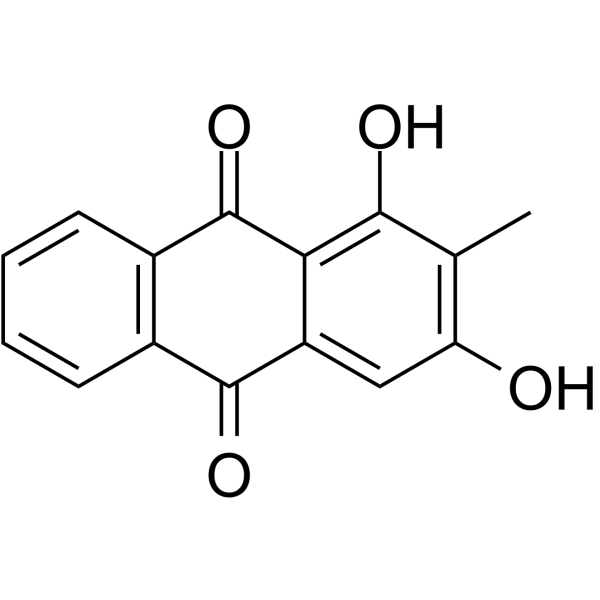
Cat. No.: HY-N0444
CAS No.: 117-02-2
Rubiadin is an orally active free radical scavenger that inhibits the activation of the NF-κB pathway. Rubiadin inhibits osteoclast formation, bone resorption, lipid peroxidation, HBV DNA replication and cancer cell proliferation; reduces pro-inflammatory cytokine levels; induces cancer cell apoptosis; and possesses antifungal, antimalarial, antibacterial and anticonvulsant activities. Rubiadin can be used in the research of osteoporosis, acute inflammation, chronic inflammation, carbon tetrachloride-induced liver injury, Alzheimer's disease, breast cancer, iron overload disorders, hepatitis B virus infection, colon cancer, liver cancer, T-lymphocytic leukemia, cervical cancer, diabetic nephropathy, epileptic seizures, fungal infections, malaria and bacterial infections [2] .
loading...
    loading...
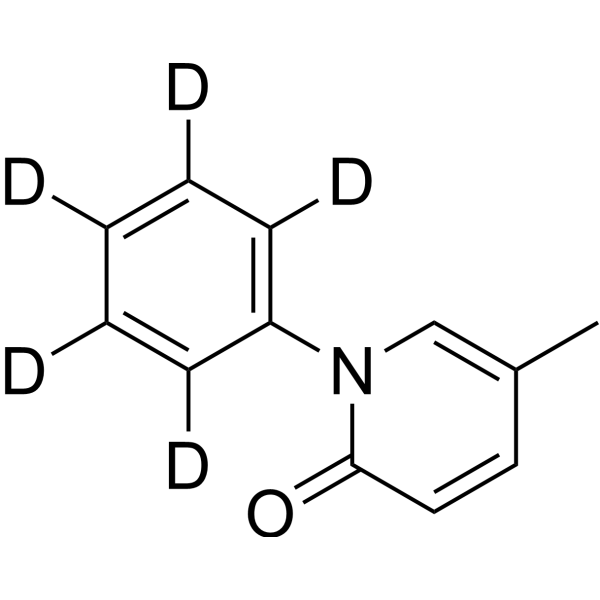
Cat. No.: HY-B0673S
CAS No.: 1020719-62-3
Synonyms: AMR69-d5
Pirfenidone-d5 (AMR69-d5) is a deuterium labeled Pirfenidone. Pirfenidone is an antifibrotic agent that attenuates CCL2 and CCL12 production in fibrocyte cells. Pirfenidone has growth-inhibitory effect and reduces TGF2 protein levels in human glioma cell lines. Pirfenidone also has anti-inflammatory activities [2] .
loading...
    loading...
Cat. No.: HY-P99450
CAS No.: 2226393-85-5
Synonyms: IPH 5401; Anti-C5aR1 mAb

Target:  

Complement System

Research Areas:  

Inflammation/Immunology Cancer

Avdoralimab (IPH 5401) is a fully human IgGκ monoclonal antibody that targets the complement C5a receptor 1 (C5aR1) that prevents its binding to C5a. Avdoralimab can be used for complement-driven inflammatory diseases and solid tumours research .
loading...
    loading...
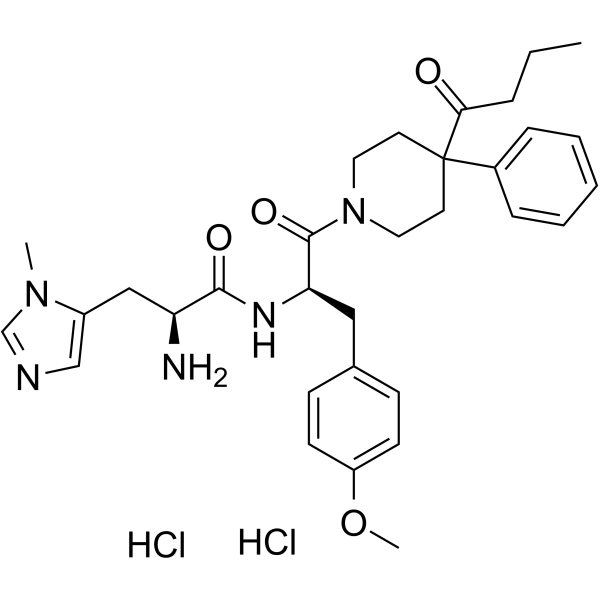
Cat. No.: HY-115644
CAS No.: 2341796-82-3
Purity:  99.85%
Target:  

Melanocortin Receptor

Research Areas:  

Inflammation/Immunology

BMS-470539 dihydrochloride is a highly potent and selective melanocortin-1 receptor (MC-1R) agonist with an IC50 of 120 nM, an EC50 of 28 nM. BMS-470539 dihydrochloride does not activate MC-3R and is a very weak partial agonist at MC-4R and MC-5R. BMS-470539 dihydrochloride has potently anti-inflammatory properties [2] .
loading...
    loading...
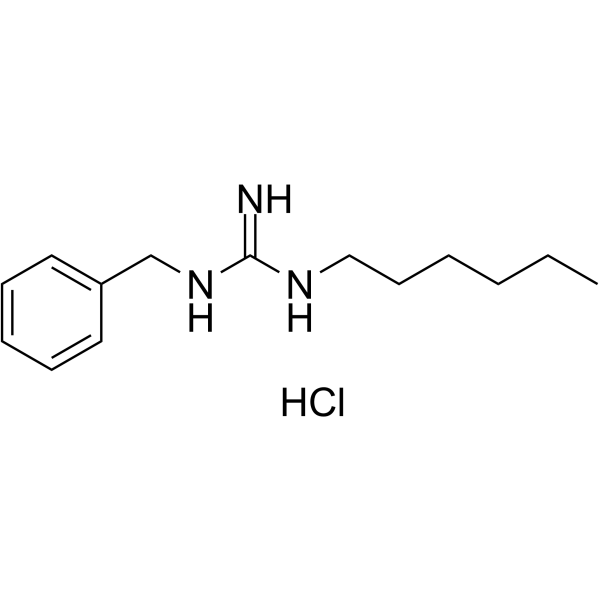
Cat. No.: HY-120897
CAS No.: 1172854-54-4
Purity:  99.65%
Target:  

Bcl-2 Family Apoptosis

Research Areas:  

Inflammation/Immunology

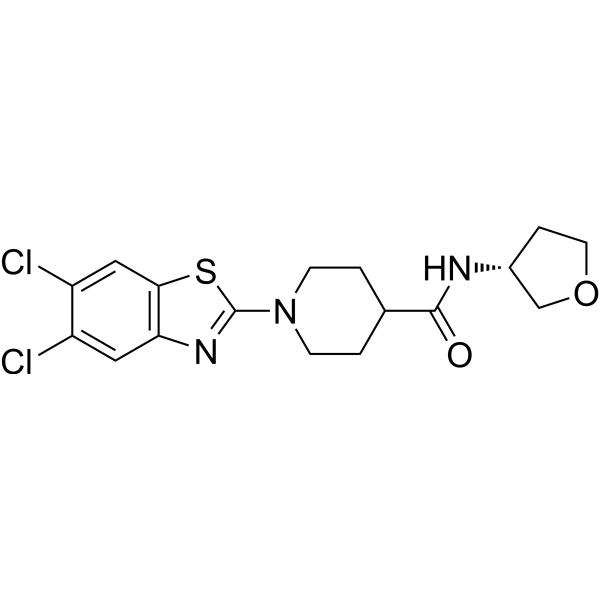
NS-3-008 hydrochloride is an orally active transcriptional inhibitor of G0/G1 switch 2 (G0s2) with an IC50 of 2.25 μM. NS-3-008 hydrochloride can be used for chronic kidney disease .
loading...
    loading...
Cat. No.: HY-P991280

Target:  

Interleukin Related

Research Areas:  

Inflammation/Immunology

BMS-981164 is a human anti-IL31 IgG1-κ monoclonal antibody. BMS-981164 effectively inhibits the IL-31 signaling pathway. The isotype control of BMS-981164 can be referenced to Human IgG1 kappa, Isotype Control (HY-P99001). BMS-981164 is applicable to research related to atopic dermatitis .
loading...
    loading...
Cat. No.: HY-170415
CAS No.: 1700655-93-1
Target:  

Interleukin Related

Research Areas:  

Inflammation/Immunology

EGR-1 IN-3 (Compound 36) is an early growth response 1 (EGR-1)-DNA binding disruptor. EGR-1-IN-3 inhibits TNFα-induced binding of EGR-1 to DNA and expression of genes associated with inflammation (such as TSLP, IL-31, IL-6 and CCL2). EGR-1-IN-3 can be used in the study of inflammatory diseases .
loading...
    loading...
Cat. No.: HY-W013675
CAS No.: 824-46-4
Target:  

HSP

Research Areas:  

Inflammation/Immunology

2-Methoxyhydroquinone is a phenolic compound that reduces TNF-α-induced production of chemokine (C-C motif) ligand 2 (CCL2) with an IC50 value of 64.3 µM. 2-Methoxyhydroquinone is also a precursor in the synthesis of the Hsp90 inhibitor Geldanamycin (HY-15230) [2].
loading...
    loading...
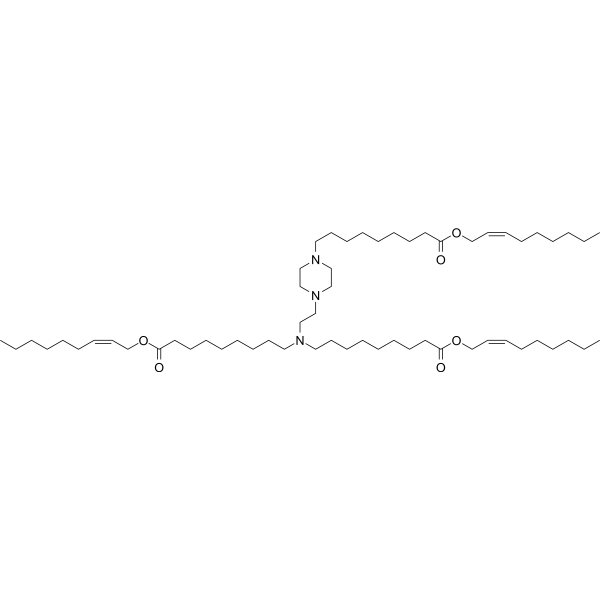
Cat. No.: HY-160552
CAS No.: 2956402-64-3
Target:  

Liposome

Research Areas:  

Others

244cis, a piperazine-containing ionizable cationic lipid, has been used to generate lipid nanoparticles (LNPs). LNPs containing 244cis and coated with mRNA reporter gene were specifically accumulated in mouse lungs compared with LNPs containing SM-102. Induces a decrease in serum chemokine (C-C motif) ligand 2 (CCL2) levels .
loading...
    loading...
Cat. No.: HY-RS16514
Research Areas:  

Others

Ccl2 Mouse Pre-designed siRNA Set A contains three designed siRNAs for Ccl2 gene (Mouse), as well as a negative control, a positive control, and a FAM-labeled negative control.

loading...
    loading...
Cat. No.: HY-116247
CAS No.: 1356497-91-0
Purity:  99.88%
Target:  

PPAR

ST247 a potent PPARβ/δ inverse agonist. ST247 has a higher affinity to PPARβ/δ. ST247 modulates expression of the activation marker CCL2 in the opposite direction. ST247 efficiently induces the interaction with corepressors. ST247 inhibits the agonist-induced transcriptional activity of PPARβ/δ .
loading...
    loading...
Cat. No.: HY-W007376R
CAS No.: 487-89-8
Synonyms: 3-Formylindole (Standard)
Indole-3-carboxaldehyde (Standard) is the analytical standard of Indole-3-carboxaldehyde. This product is intended for research and analytical applications. Indole-3-carboxaldehyde (3-Formylindole), a banlangen extract, is the product of the oxidative degradation of indole-3-acetic acid (IAA) by crude enzyme preparations from etiolated pea seedlings. Indole-3-carboxaldehyde is a biochemical used to prepare analogs of the indole phytoalexin cyclobrassinin. Indole-3-carboxaldehyde also enhances the epithelial barrier and anti-inflammatory activity in the intestinal tract[1][2].
loading...
    loading...
Cat. No.: HY-NP192
Sericin is an orally active globular protein produced by silkworm cocoons. Sericin inhibits the expression of COX2, iNOS, TLR4, MAPK and NF-κB; reduces the levels of IL-18, IL-1 and CCL2; antagonizes the activity of AChE; and downregulates the expression of Bcl-2. Sericin enhances the PI3K/AKT-mediated insulin signaling pathway. Sericin inhibits the activity of tyrosinase (Tyrosinase), scavenges ROS, chelates metal ions, and increases the levels of antioxidant enzymes. Sericin induces apoptosis and arrests the cell cycle. Sericin exhibits antibacterial, moisturizing, cardioprotective and anticoagulant properties. Sericin can be used in research related to type 2 diabetes, hyperlipidemia, obesity, Alzheimer's disease, colon cancer, peripheral nerve injury and ischemic myocardial infarction [2].
loading...
    loading...
Cat. No.: HY-P99149

Target:  

TNF Receptor

Research Areas:  

Inflammation/Immunology Cancer

Anti-Mouse TNFR2 Antibody (TR75-54.7) is an anti-mouse TNFR2 IgG monoclonal antibody. Anti-Mouse TNFR2 Antibody (TR75-54.7) can reduce white blood cell count (WBC) and decrease the expression of some pro-inflammatory cytokines such as CCL2 and CXCL5. Anti-Mouse TNFR2 Antibody (TR75-54.7) can be used for researches on inflammation conditions and cancer such as breast cancer [2].
loading...
    loading...
Cat. No.: HY-149202
Purity:  99.62%
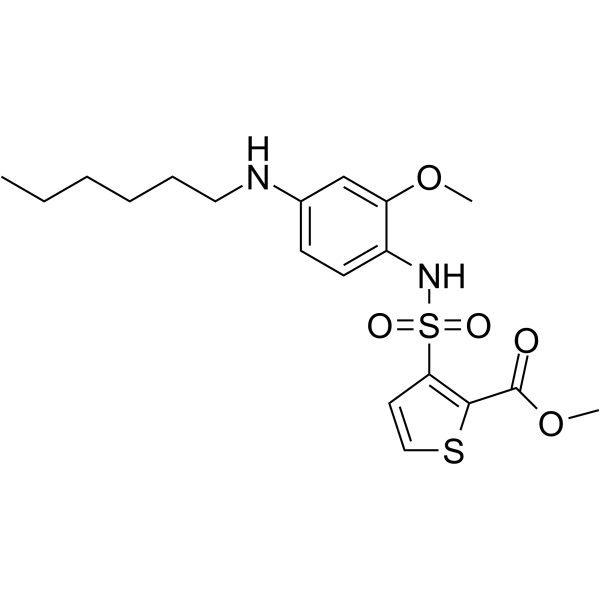
UT-11 is a potent and blood-brain barrier-permeable microsomal prostaglandin E synthase-1 (mPGES-1) inhibitor with IC50s of 0.10 μM and 2.00 μM for inhibiting PGE2 production in human (SK-N-AS) and murine (BV2) cells, respectively .
loading...
    loading...
Cat. No.: HY-P991208
Synonyms: human Flt3L; hFlt3L

Research Areas:  

Inflammation/Immunology

Flt-3L-Ig (hum/hum) (hFlt3L) is a Flt3 ligand. Flt-3L-Ig (hum/hum) enhances the release of inflammatory cytokines from myeloid cells and dendritic cells in BRGSF-CBC mice induced by OKT3. Flt-3L-Ig (hum/hum) increases the release of IL-2, CCL2 and CXCL10 in an OKT3-dependent manner. Flt-3L-Ig (hum/hum) can be used in studies related to cytokine release syndrome. Flt-3L-Ig (hum/hum) can be used in studies related to psoriasis-like skin inflammation [2].
loading...
    loading...
Cat. No.: HY-174763
Target:  

mRNA

Research Areas:  

Inflammation/Immunology

Human CCL2 mRNA encodes the human C-C motif chemokine ligand 2 (CCL2) protein. CCL2 displays chemotactic activity for monocytes and basophils but not for neutrophils or eosinophils. It has been implicated in the pathogenesis of diseases characterized by monocytic infiltrates, like psoriasis, rheumatoid arthritis and atherosclerosis.
loading...
    loading...
Cat. No.: HY-121896
CAS No.: 313952-63-5
Target:  

SHP2

Research Areas:  

Cancer

DSHN is a potent small heterodimer partner (SHP) activator. DSHN inhibits Ccl2 expression and secretion by inhibiting p65 activation of Ccl2 promoter activity. DSHN can be used in research of cancer .
loading...
    loading...
Cat. No.: HY-RS02089
Research Areas:  

Others

CCL2 Human Pre-designed siRNA Set A contains three designed siRNAs for CCL2 gene (Human), as well as a negative control, a positive control, and a FAM-labeled negative control.

loading...
    loading...
Cat. No.: HY-B1322R
CAS No.: 6398-98-7
Synonyms: Amodiaquin dihydrochloride dihydrate (Standard)
Amodiaquine (dihydrochloride dihydrate) (Standard) is the analytical standard of Amodiaquine (dihydrochloride dihydrate). This product is intended for research and analytical applications. Amodiaquine dihydrochloride dihydrate (Amodiaquin dihydrochloride dihydrate), a 4-aminoquinoline class of antimalarial agent, is a potent and orally active histamine N-methyltransferase inhibitor. Amodiaquine dihydrochloride dihydrate is also a Nurr1 agonist and specifically binds to Nurr1-LBD (ligand binding domain) with an EC50 of ~20 μM. Anti-inflammatory effect [2] .
loading...
    loading...

