73 Results for "

CSC

" in MedChemExpress (MCE) Product Catalog:
Products (73)

73 Results for "CSC" in MCE Product Catalog:

1
1 Cited Publications
Cat. No.: HY-P80356
Synonyms: Metalloproteinase inhibitor 2 precursor; Tissue inhibitor of metalloproteinases 2; Collagenase inhibitor; CSC 21K; CSC21K; TIMP2; TIMP 2; TIMP 2; TIMP metallopeptidase inhibitor 2; TIMP2_HUMAN; Metalloproteinase inhibitor 2; CSC-21K; TIMP-2.

Host:  

Mouse

Application:  

WB, IHC-P, FC

Reactivity:  

Human

loading...
    loading...
1
1 Cited Publications
Cat. No.: HY-P71117
Purity:  ≥ 95%, as determined by reducing SDS-PAGE.
Synonyms: TIMP2; Tissue Inhibitor Of Metalloproteinase 2; TIMP Metallopeptidase Inhibitor 2; Testicular Secretory Protein Li 57; CSC-21K; TIMP-2; Tissue Inhibitor Of Metalloproteinases 2; DDC8; Metalloproteinase Inhibitor 2
Species:  
Human
Source:  
HEK293
loading...
    loading...
1
1 Cited Publications
Cat. No.: HY-P71137
Purity:  ≥ 90%, as determined by reducing SDS-PAGE.
Synonyms: TIMP2; Tissue Inhibitor Of Metalloproteinase 2; TIMP Metallopeptidase Inhibitor 2; Testicular Secretory Protein Li 57; CSC-21K; TIMP-2; Tissue Inhibitor Of Metalloproteinases 2; DDC8; Metalloproteinase Inhibitor 2
Species:  
Mouse
Source:  
HEK293
loading...
    loading...
Cat. No.: HY-115630
CAS No.: 2361988-77-2
Purity:  99.82%
Research Areas:  

Cancer

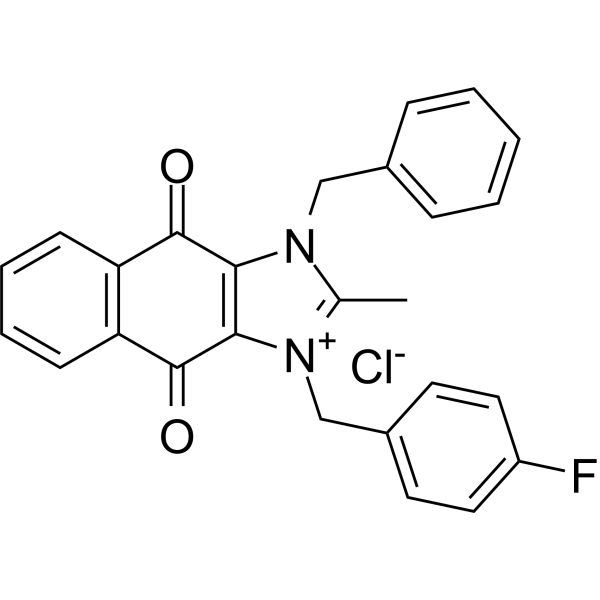
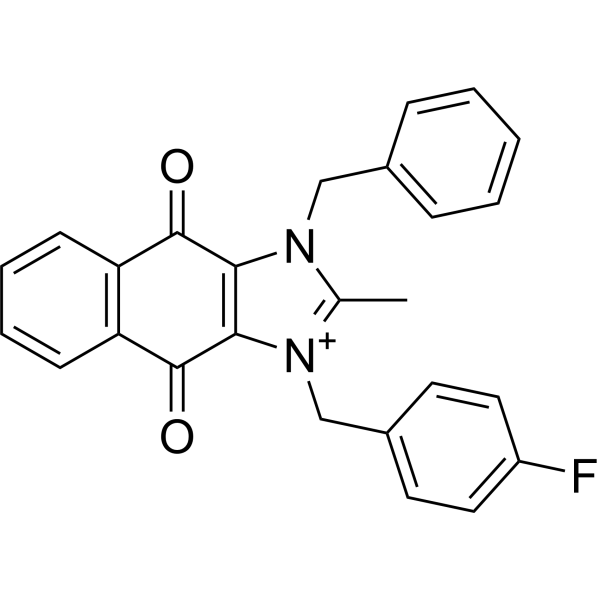
cRIPGBM chloride, an orally active, proapoptotic derivative. cRIPGBM can be generated from glioblastoma multiforme (GBM) cancer stem cells (CSCs). cRIPGBM(chloride) targets to receptor-interacting protein kinase 2 (RIPK2) to induce caspase 1-dependent apoptosis. cRIPGBM(chloride) suppresses the formation of RIPK2/TAK1 (prosurvival complex), and increases the formation of RIPK2/caspase 1 (proapoptotic complex). cRIPGBM(chloride) exerts potent anti-tumor activity in vivo in animal models .
loading...
    loading...
Cat. No.: HY-139065
CAS No.: 2254434-33-6
Purity:  99.87%
Target:  

Apoptosis

Research Areas:  

Cancer

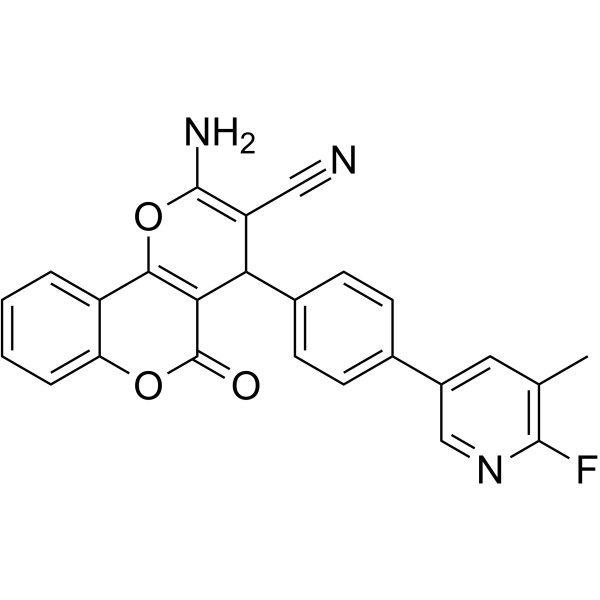
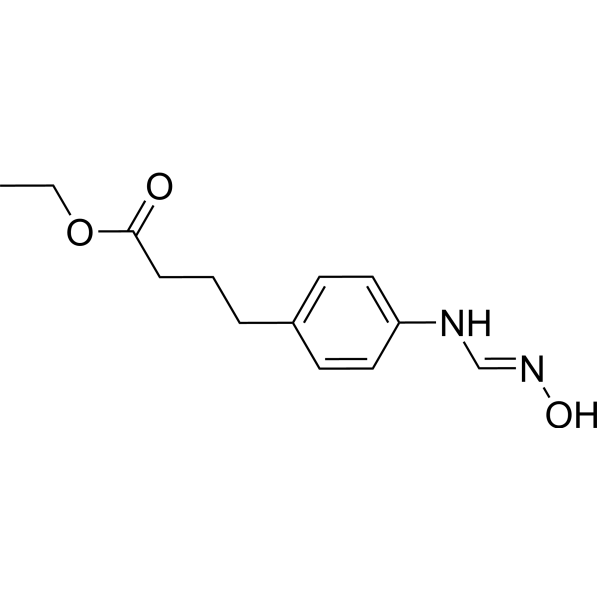
AMPC is a potent and effective TFF3 inhibitor. AMPC inhibits cell proliferation, survival, oncogenicity, and CSC-like behaviour in TFF3-positive CMS4 CRC cells. AMPC acts as a potential anti-cancer agent alone or in combination with 5-FU, and can be used for cancer research .
loading...
    loading...
Cat. No.: HY-137042
CAS No.: 1223357-57-0
Purity:  98.15%
Synonyms: Alkyne-Cy5
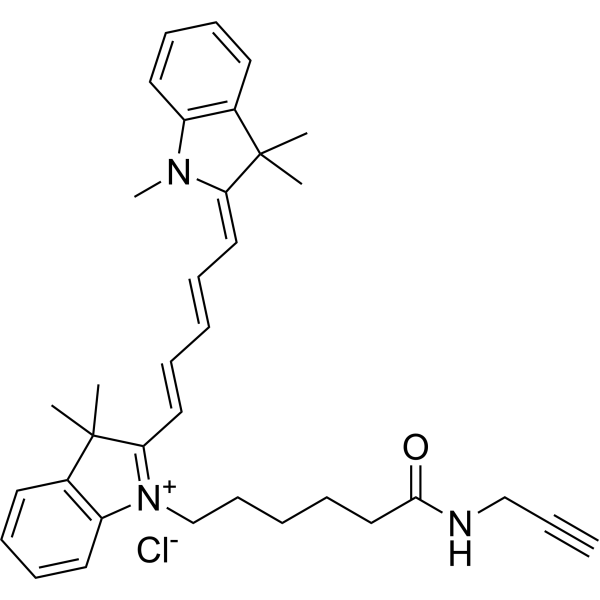
Cyanine5 alkyne (Alkyne-Cy5) is a fluorescent dye used to label azide proteins and can be used to analyse post-translational modifications of proteins, glycosylation etc. Cyanine5 alkyne can also be used as a mitochondrial OXPHOS inhibitor to inhibit the growth of cancer stem cells (CSC) . Cyanine5 alkyne is a click chemistry reagent, it contains an Alkyne group and can undergo copper-catalyzed azide-alkyne cycloaddition (CuAAc) with molecules containing Azide groups.
loading...
    loading...
Cat. No.: HY-113081R
CAS No.: 15763-06-1
1-Methyladenosine (Standard) is the analytical standard of 1-Methyladenosine. This product is intended for research and analytical applications. 1-Methyladenosine is an RNA modification that can serve as a tumor marker, with elevated levels in the body associated with cancer development. Following 1-methyladenosine methylation, upregulation of PPARδ expression regulates cholesterol metabolism and activates Hedgehog signaling pathway, driving liver tumorigenesis . In Vitro:Compared to surrounding tumor tissues, 1-methyladenosine methylation in RNA is aberrantly elevated in hepatocellular carcinoma (HCC) cell lines and liver cancer stem cells (CSCs). Methylated 1-methyladenosine can promote cholesterol synthesis and activate the Hedgehog signaling pathway by enhancing the translation of PPARδ in liver CSCs, ultimately driving the self-renewal and tumorigenesis of liver cancer stem cells .
loading...
    loading...
Cat. No.: HY-149894
CAS No.: 2376894-10-7
Purity:  99.78%
Target:  

FOXC c-Myc Cadherin

Research Areas:  

Cancer

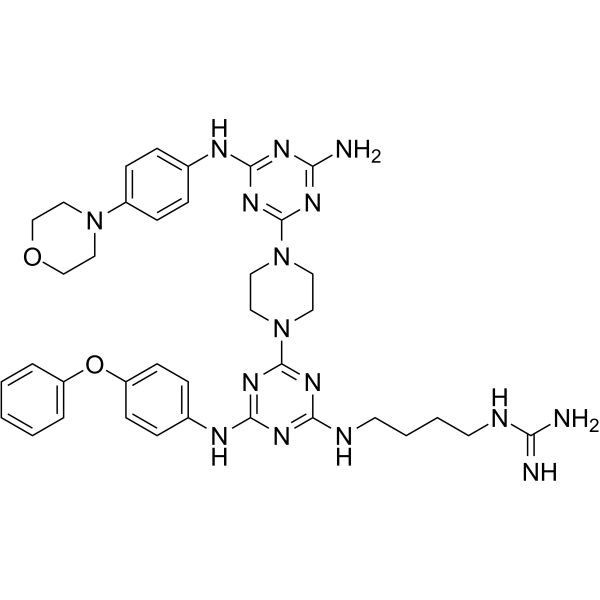
MC-1-F2 is a FOXC2 inhibitor. MC-1-F2 shows a binding affinity (Kd) of 26 μM for full-length FOXC2. MC-1-F2 reduces epithelial-mesenchymal transition (EMT) markers in breast cancer cells, suppresses cancer stem cell (CSC) properties and reduces invasiveness in castration-resistant prostate cancer (CRPC) cells. MC-1-F2 can be used for the study of CRPC and breast cancer .
loading...
    loading...
Cat. No.: HY-122910
CAS No.: 355406-76-7
Purity:  99.95%
Target:  

Apoptosis

Research Areas:  

Cancer

RIPGBM is a selective inducer of apoptosis in glioblastoma multiforme (GBM) cancer stem cells (CSCs) with an EC50 of ≤500 nM .
loading...
    loading...
Cat. No.: HY-152159
CAS No.: 2760611-38-7
Target:  

Cytochrome P450

Research Areas:  

Cancer

CYP4Z1-IN-1 (compound 7c) is a potent CYP4Z1 inhibitor, with an IC50 of 41.8 nM. CYP4Z1-IN-1 decreases the expression of breast CSCs stemness markers, spheroid formation, and metastatic ability as well as tumor-initiation capability in a concentration-dependent manner in vitro and in vivo .
loading...
    loading...
Cat. No.: HY-175164
Target:  

Apoptosis c-Myc

Research Areas:  

Cancer

SVC112 is a translation elongation inhibitor that prevents the cyclic dissociation of EF2 from the ribosome, thereby inhibiting the elongation step of translation. SVC112 shows activity in growth inhibition among cancer cell lines of various origins (acute myeloid leukemia (AML), multiple myeloma (Myeloma), colorectal cancer (CRC), and head and neck squamous cell carcinoma (HNSCC)). SVC112 preferentially impedes ribosomal processing of mRNAs, and decreaseds CSC-related proteins including Myc and Sox2. SVC112 induces apoptosis in hematologic cancer cell lines, while phosphorylation of c-Myc correlates with sensitivity to SVC112 in colorectal cancer cell lines. SVC112 inactivates HNSCC stem cells in vitro and prevents the regrowth of HNSCC tumor xenografts in mice. SVC112 can be used for the study of HNSCC .
loading...
    loading...
Cat. No.: HY-124067
CAS No.: 1185908-92-2
Target:  

IKK JAK STAT NF-κB

Research Areas:  

Cancer

EC-70124 is an orally active multikinase inhibitor targeting IKKβ and JAK2. EC-70124 blocks IkB phosphorylation and STAT3 (Tyr705) activation, suppressing NF-κB nuclear translocation and STAT3 transcriptional activity. EC-70124 reduces tumor growth and cancer stem cell (CSC) populations in prostate cancer cells and xenograft models. EC-70124 is promising for research of prostate cancer .
loading...
    loading...
Cat. No.: HY-B0965AS
CAS No.: 1189928-36-6
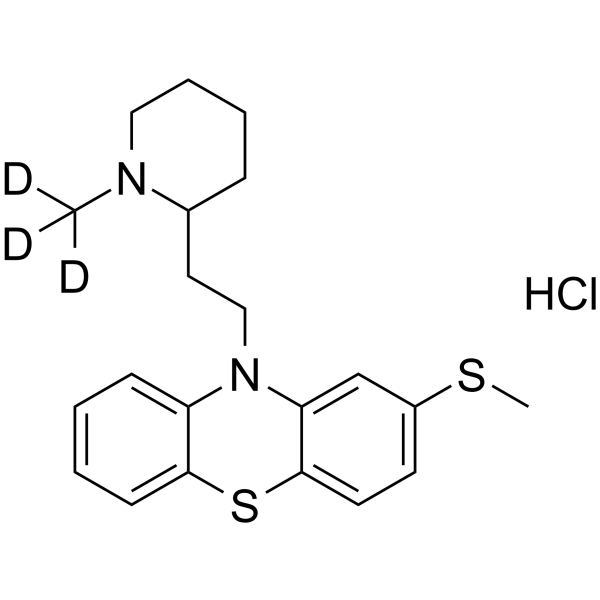
Thioridazine-d3 (hydrochloride) is the deuterium labeled Thioridazine. Thioridazine, an antagonist of the dopamine receptor D2 family proteins, exhibits potent anti-psychotic and anti-anxiety activities. Thioridazine is also a potent inhibitor of PI3K-Akt-mTOR signaling pathways with anti-angiogenic effect. Thioridazine shows antiproliferative and apoptosis induction effects in various types of cancer cells, with specificity on targeting cancer stem cells (CSCs) .
loading...
    loading...
Cat. No.: HY-122228
CAS No.: 671181-94-5
Target:  

Cellulose Synthase

Research Areas:  

Others

Cestrin is a plant cellulose synthase complex (CESA) trafficking inhibitor. Cestrin selectively blocks the sustained trafficking of cellulose synthase complexes (CSCs) and the interaction between CSC and POM2, which indirectly causes secondary destabilization of cortical microtubules (MTs). Cestrin reduces cellulose content, inhibits anisotropic cell growth, induces cell swelling and decreases cell elongation. Cestrin is applicable to plant cell biology research .
loading...
    loading...
Cat. No.: HY-134920
CAS No.: 2116519-76-5
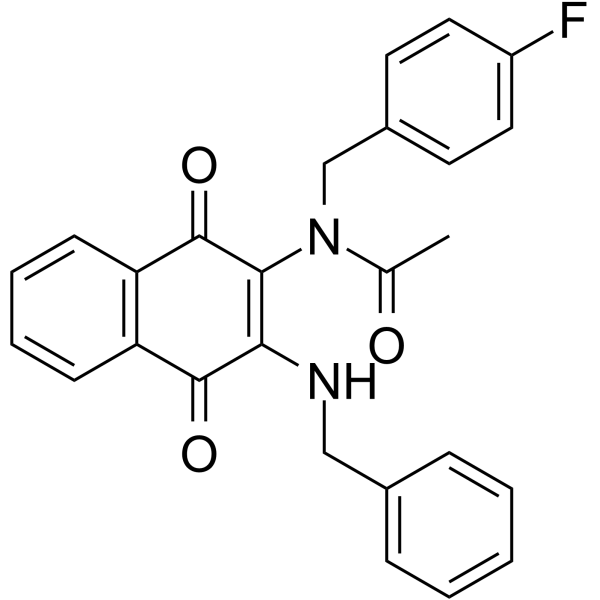
LW106 is a selective IDO1 inhibitor with an IC50 of 1.57 μM. LW106 has no inhibitory effect on IDO2 and TDO. LW106 inhibits tumor outgrowth by limiting stroma-immune crosstalk and CSC enrichment in the tumor microenvironment. LW106 reduces subpopulation of cancer stem cells (CSCs) in xenografted tumors in which less proliferative/invasive tumor cells and more tumor cells apoptosis. LW106 can be used for the studies of lung cancer and melanoma .
loading...
    loading...
Cat. No.: HY-175362
Target:  

Parasite

Research Areas:  

Infection

WEHI-326 is a potent antimalarial agent targeting Plasmodium falciparum ROM8 and CSC1 proteins (IC50=0.006 μM). WEHI-326 is promising for research of malaria .
loading...
    loading...
Cat. No.: HY-125466
CAS No.: 2361988-76-1
Research Areas:  

Cancer

cRIPGBM, a proapoptotic derivative of RIPGBM, a cell type-selective inducer of apoptosis in GBM cancer stem cells (CSCs) by binding to receptor-interacting protein kinase 2 (RIPK2), with an EC50 of 68 nM in GBM-1 cells .
loading...
    loading...
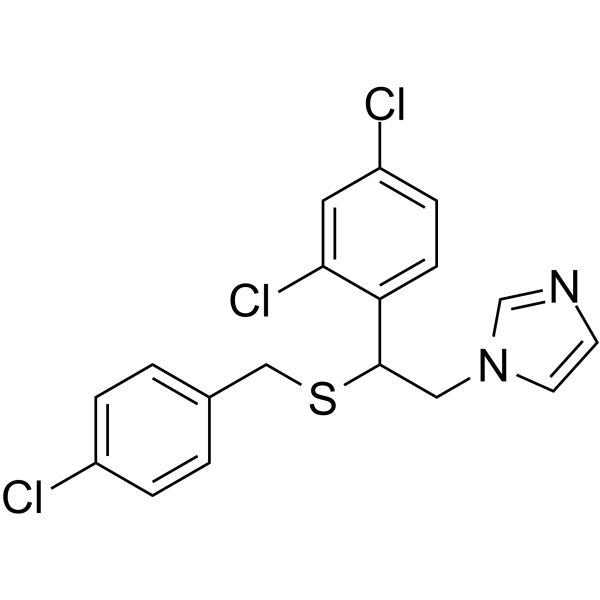
Cat. No.: HY-B1460B
CAS No.: 61318-90-9
Synonyms: (±)-Sulconazole
Target:  

Fungal

Research Areas:  

Cancer

Sulconazole is a potent antifungal agent in the imidazole class. Sulconazole blocks the NF-κB/IL-8 signaling pathway and CSC (Cancer stem cells) formation. Sulconazole inhibits tumor growth, and can be used for breast cancer research .
loading...
    loading...
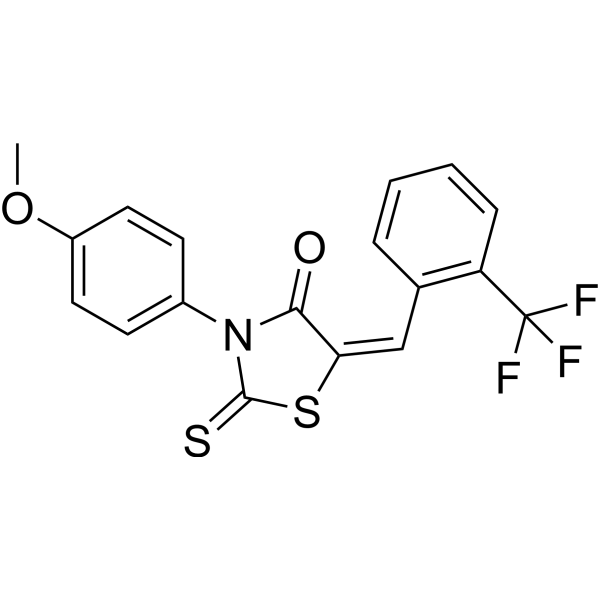
Cat. No.: HY-161072
CAS No.: 354559-44-7
Research Areas:  

Inflammation/Immunology

CSC-6 is a NLRP3 inhibitor. CSC-6 can significantly inhibit IL-1β secreted by PMATHP-1 cells with an IC50 value of 2.3 μM. CSC-6 specifically binds NLRP3 and inhibits NLRP3 activation by blocking ASC oligomerization during NLRP3 assembly. CSC-6 effectively reduces the symptoms of NLRP3 overactivation-mediated sepsis and gout in mouse models .
loading...
    loading...
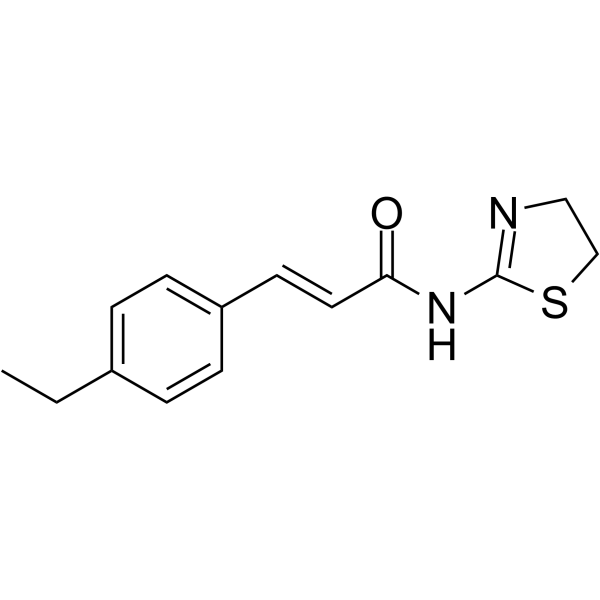
Cat. No.: HY-19972
CAS No.: 1426576-80-8
Target:  

Wnt

Research Areas:  

Cancer

ML243 is a selective small-molecule inhibitor of breast cancer stem cells. ML243 has 32-fold greater selective inhibition in the breast CSC-like cell line HMLE_shECad than the control cell line HMLE_shGFP. ML243 may target the Wnt pathway at the protein level without altering RNA expression levels .
loading...
    loading...

