


92 Results for "

Intestinal bacteria

" in MedChemExpress (MCE) Product Catalog:
Products (92)

92 Results for "Intestinal bacteria" in MCE Product Catalog:

1
1 Cited Publications
Cat. No.: HY-W013766
CAS No.: 72571-82-5
Target:  

Bacterial Antibiotic

Research Areas:  

Infection

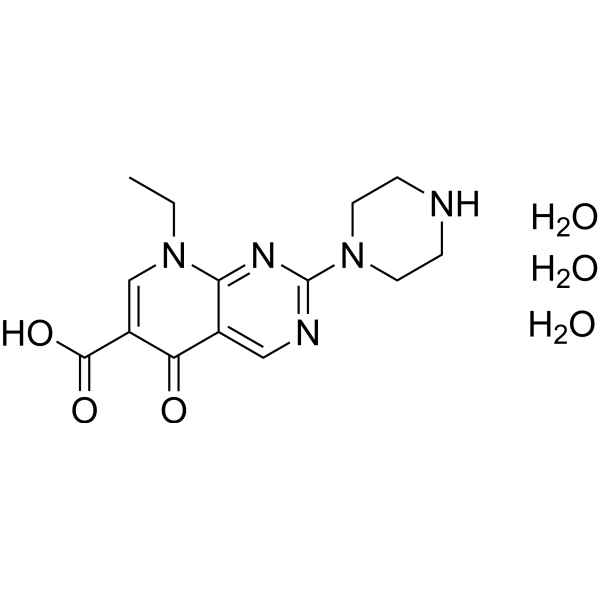
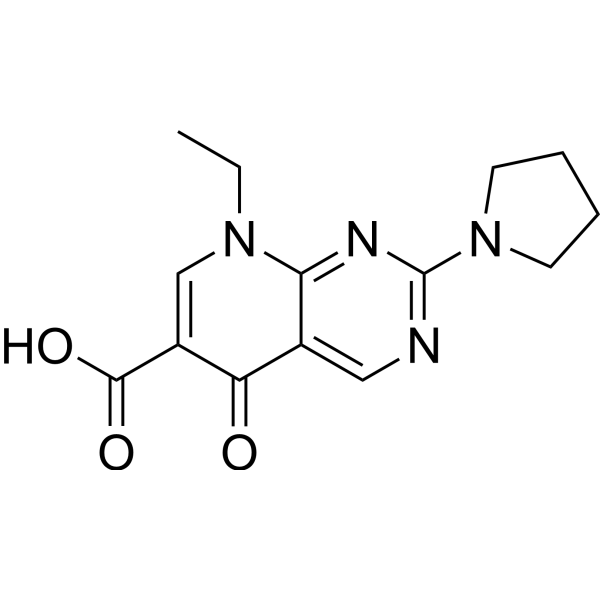
Pipemidic acid trihydrate, a derivative of Piromidic acid, is an antibacterial agent. Pipemidic acid trihydrate inhibits DNA gyrase. Pipemidic acid trihydrate is active against gram-negative bacteria including Pseudomonas aeruginosa as well as some gram-positive bacteria. Pipemidic acid trihydrate can be used for the research of intestinal, urinary, and biliary tract infections .
loading...
    loading...
Cat. No.: HY-B0396
CAS No.: 161715-24-8
Synonyms: L084
Target:  

Antibiotic Bacterial OAT

Research Areas:  

Infection

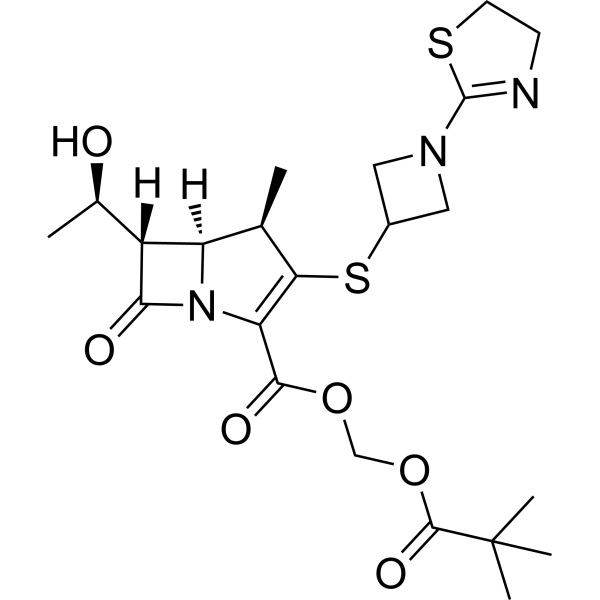
Tebipenem pivoxil (L084 hydrobromide) is an orally active carbapenem Antibiotic. Tebipenem pivoxil acts as a substrate of OATP1A2 with high affinity for this transporter (Km = 41.1 μM) . Tebipenem pivoxil achieves intestinal absorption via carrier-mediated uptake and simple diffusion. Tebipenem pivoxil inhibits the growth of Gram-positive bacteria, Gram-negative bacteria, multidrug-resistant bacteria, and pathogens producing extended-spectrum β-lactamases. Tebipenem pivoxil eliminates intestinal infection pathogens and reduces mortality in septic mice. Tebipenem pivoxil can be used in research related to bacterial pneumonia, severe gastrointestinal infections, bacterial sepsis, complicated urinary tract infections, and acute pyelonephritis .
loading...
    loading...
Cat. No.: HY-W145518
CAS No.: 9000-69-5
Pectin is a heteropolysaccharide, derived from the cell wall of higher plants. Pectin involves in the formation of nanoparticles as a delivery vehicle of agents. Pectin is also an adsorbent, a broad-spectrum antimicrobial agent that binds to bacteria toxins and other irritants in the intestinal mucosa, relieves irritated mucosa .
loading...
    loading...
Cat. No.: HY-111095B
CAS No.: 920-49-0
Purity:  ≥98.0%
Synonyms: (R)-2-Hydroxypropionic acid sodium
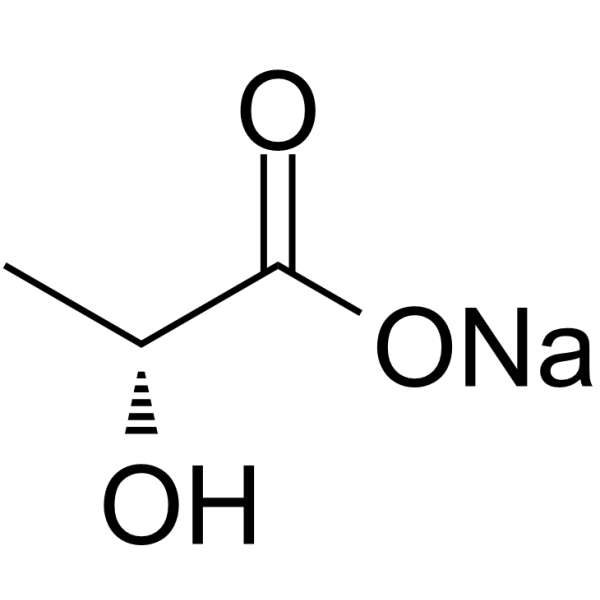
D-(-)-Lactic acid ((R)-2-Hydroxypropionic acid) sodium is an orally active, toxic optical isomer of Lactic acid (HY-B2227), mainly derived from overproduction by intestinal bacteria or exogenous intake. D-(-)-Lactic acid sodium can induce intoxication, characterized by severe metabolic acidosis accompanied by neurological symptoms .
loading...
    loading...
Cat. No.: HY-W015954
CAS No.: 24347-58-8
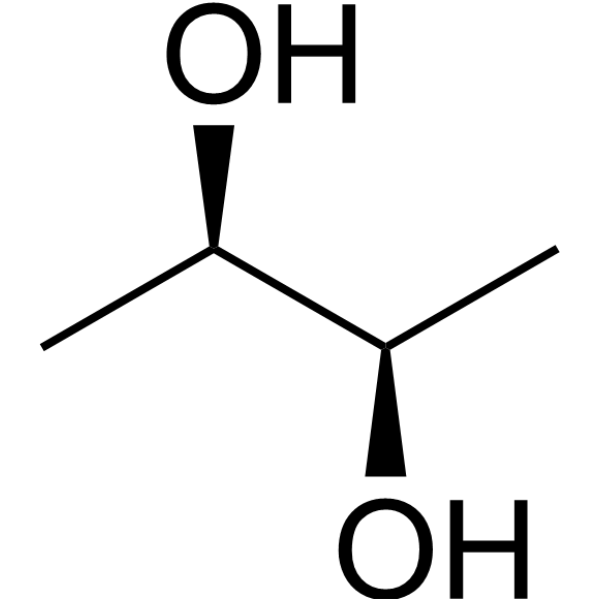
(2R,3R)-Butane-2,3-diol is a non-covalent, reversible agonist targeting lanthanum (La 3+)-sensitive calcium channels in bacteria (e.g., Escherichia coli) with an EC50 of approximately 25 mM. (2R,3R)-Butane-2,3-diol binds to calcium channel proteins or related complexes, induces channel opening, promotes extracellular calcium influx, and triggers intracellular calcium transients, which may regulate bacterial physiological activities such as growth, metabolism, and signal transduction. (2R,3R)-Butane-2,3-diol mediates bacterial-host cell signaling interactions and affects the metabolic balance of intestinal microorganisms, and can be used to study lactose intolerance and other related diseases .
loading...
    loading...
Cat. No.: HY-B1773AS3
CAS No.: 152571-51-2
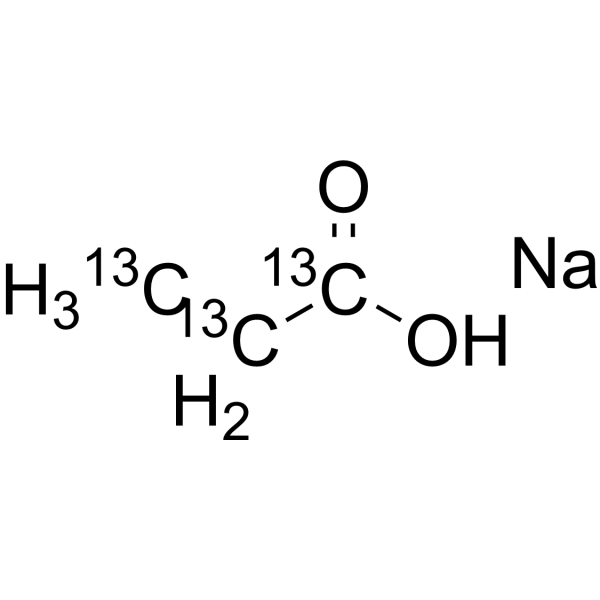
Sodium propionate- 13C-3 is the 13C-labeled Propionate sodium (HY-B1773A). Sodium propionate is an orally active short-chain fatty acid. Sodium propionate can be produced by intestinal bacteria from the metabolism of dietary fiber. Sodium propionate increases PPAR-γ, inhibits NF-κB activation, and reduces COX-2 expression and NO production. Sodium propionate also induces Apoptosis and Autophagy. Sodium propionate reduces HSV-1-induced keratitis. Sodium propionate has anticancer effects against glioblastoma. Sodium propionate exhibits neuroprotective, antioxidant, and anti-inflammatory activities. Sodium propionate can be used in the research of spinal cord injury and Alzheimer's disease .
loading...
    loading...
Cat. No.: HY-107863
CAS No.: 308066-66-2
Purity:  99.45%
Synonyms: Oligolevulose
Fructooligosaccharides (Oligolevulose) are a class of orally active dietary fibers and prebiotics. Fructooligosaccharides exist in foods such as breast milk, wheat, honey, onions, garlic and bananas. Fructooligosaccharides resist hydrolysis by the body's digestive enzymes and stimulate the growth of beneficial intestinal bacteria through colonic fermentation. Fructooligosaccharides significantly prevent bone loss in the femur and lumbar spine .
loading...
    loading...
Cat. No.: HY-B0159
CAS No.: 127294-70-6
Synonyms: Q-35
Target:  

Bacterial Antibiotic

Research Areas:  

Infection

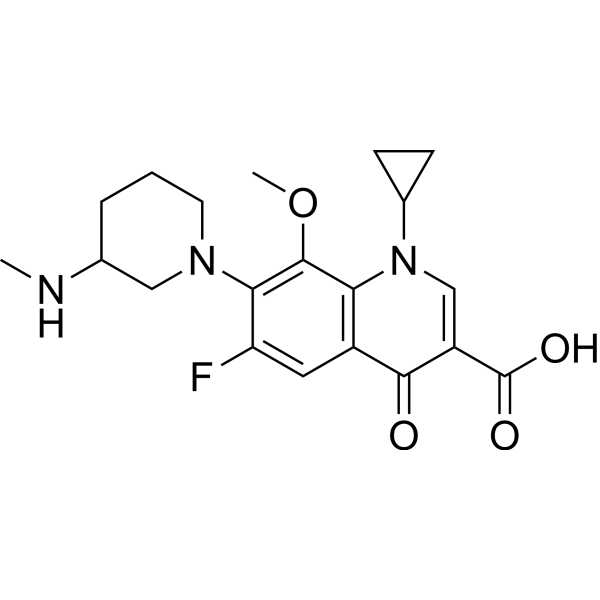
Balofloxacin (Q-35) is an orally active fluoroquinolone antibiotic with broad-spectrum antibacterial activity against gram-negative, gram-positive, and anaerobic bacteria. Balofloxacin can be used for the research of respiratory, intestinal, and urinary tract infections .
loading...
    loading...
Cat. No.: HY-B1043
CAS No.: 19562-30-2
Piromidic acid is an antibacterial agent. Piromidic acid is active against gramnegative bacteria and staphylococci and can be used for the research of intestinal, urinary, and biliary tract infections .
loading...
    loading...
Cat. No.: HY-N8196
CAS No.: 6758-51-6
Synonyms: Isorhamnetin-3,7-diglucoside; Isorhamnetin diglucoside
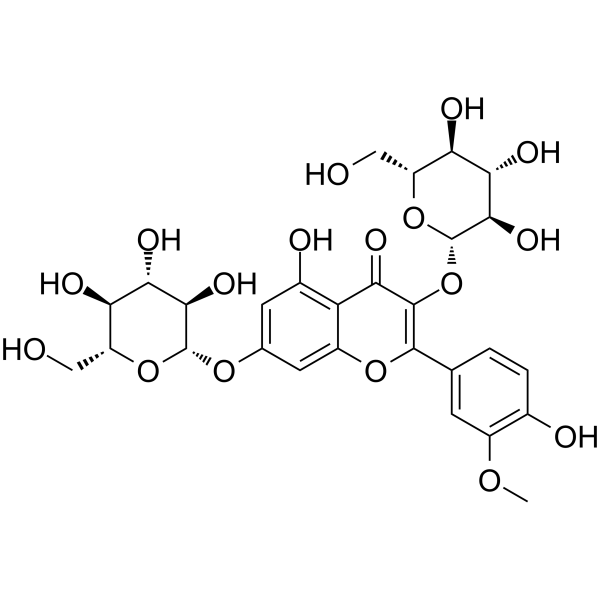
Isorhamnetin 3,7-di-O-β-D-glucopyranoside, a major flavonoid compound, is metabolized in vivo by intestinal bacteria to isorhamnetin and that isorhamnetin plays an important role as an antioxidant .
loading...
    loading...
Cat. No.: HY-17580S
CAS No.: 2143934-06-7
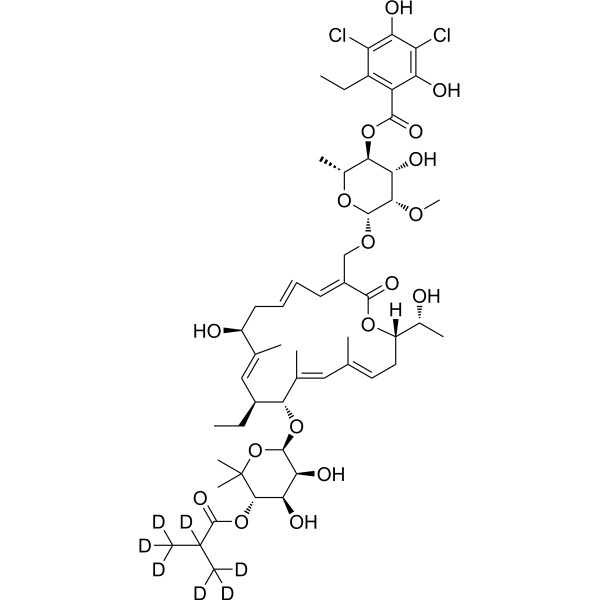
Fidaxomicin-d7 (OPT-80-D7) is the deuterium labeled Fidaxomicin. Fidaxomicin (OPT-80), a macrocyclic RNA polymerase inhibitor, has a narrow spectrum of activity. Fidaxomicin selectively eradicates pathogenic Clostridium difficile with minimal disruption to the multiple species of bacteria that make up the normal, healthy intestinal flora .
loading...
    loading...
Cat. No.: HY-78036
CAS No.: 498-24-8
Synonyms: Citronic acid; Methylfumaric acid
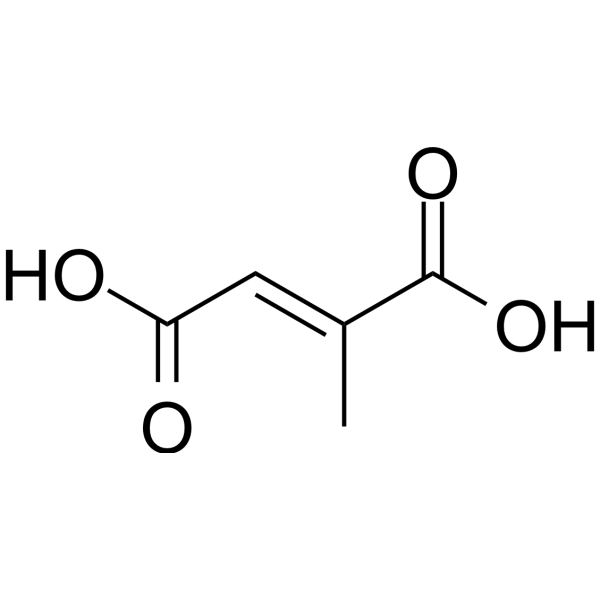
Mesaconic acid (Citronic acid; Methylfumaric acid) is an orally active anti-inflammatory and antioxidant agent. Mesaconic acid reduces the level of NF-κB in colon tissues, downregulates the expression of Keap1 and Bax, upregulates the expression of Nrf2 and Bcl2, and decreases the expression of Caspase-1. Mesaconic acid reduces the levels of NLRP3, ASC and Casp-1 in colon, liver and kidney tissues. Mesaconic acid reduces pro-inflammatory cytokine levels, increases the level of the anti-inflammatory cytokine IL-10, elevates NAD + levels, regulates oxidative stress markers and antioxidant enzyme levels, and upregulates intestinal barrier proteins in colon, liver and kidney tissues. Mesaconic acid increases the abundance of beneficial gut bacteria and reduces the abundance of harmful gut bacteria in rapidly aging mice, and exhibits anti-aging properties. Mesaconic acid acts as a flame retardant and serves as a competitive inhibitor of fumarate reduction. Mesaconic acid can be used in the research of aging-related inflammation .
loading...
    loading...
Cat. No.: HY-W250120
CAS No.: 37220-17-0
Konjac glucomannan (Viscosity≥15000mPa.s) is an orally active acetylated (1-4)-β-D-glucomannan with multiple biological activities including anti-diabetic, anti-obesity, anti-inflammatory effects, as well as film-forming and gelling properties. Konjac glucomannan (Viscosity≥15000mPa.s) forms a defensive coating on the intestinal surface, reducing levels of blood glucose, cholesterol, triglycerides and blood pressure; it is specifically degraded by colonic β-mannanase produced by human colonic bacteria. Konjac glucomannan (Viscosity≥15000mPa.s) can be used as a food additive, dietary supplement and excipient for oral colon-targeted drug delivery systems. Konjac glucomannan (Viscosity≥15000mPa.s) is applicable to research related to various diseases such as type 2 diabetes, obesity, atopic dermatitis and metabolic syndrome, as well as research in fields including biotechnology, pharmaceuticals and tissue engineering .
loading...
    loading...
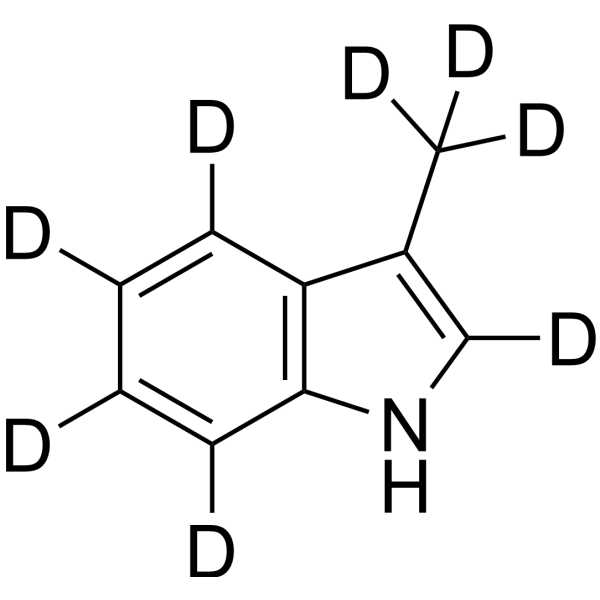
Cat. No.: HY-W007355S
CAS No.: 111399-60-1
Synonyms: 3-Methylindole-d3; 3-Methyl-1H-indole-d3
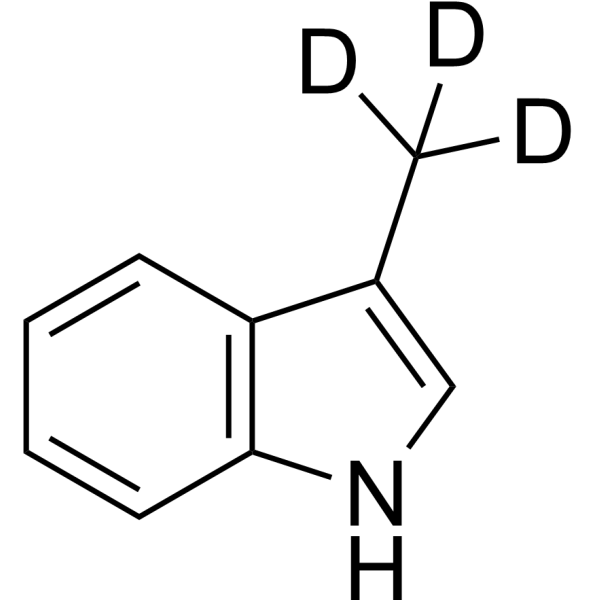
Skatole-d3 is the deuterium labeled Skatole. Skatole is produced by intestinal bacteria, regulates intestinal epithelial cellular functions through activating aryl hydrocarbon receptors and p38 .
loading...
    loading...
Cat. No.: HY-108695
CAS No.: 80226-00-2
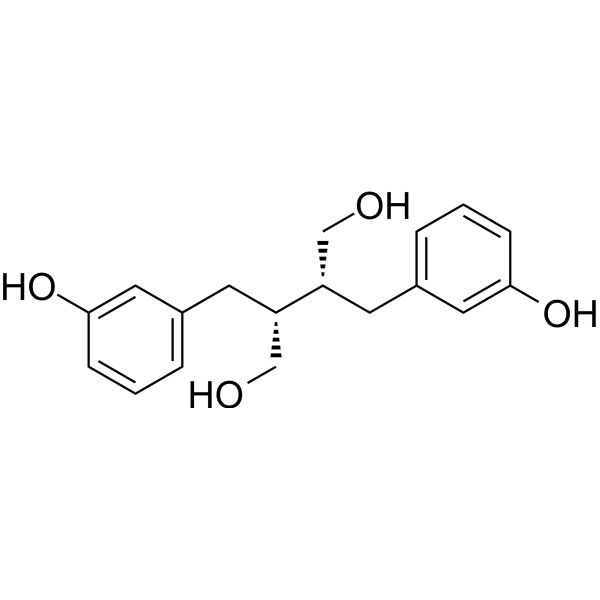
Enterodiol is transformed by human intestinal bacteria from lignans contained in various whole-grain cereals, nuts, legumes, flaxseed, and vegetables. Enterodiol has an apoptotic effect in colorectal cancer (CRC) cells. Anti-cancer activities .
loading...
    loading...
Cat. No.: HY-13771R
CAS No.: 128-13-2
Synonyms: Ursodeoxycholate (Standard); Ursodiol (Standard); UDCA (Standard)
Ursodeoxycholic acid (Standard) is the analytical standard of Ursodeoxycholic acid. This product is intended for research and analytical applications. Ursodeoxycholic acid (Ursodeoxycholate) is a secondary bile acid issued from the transformation of (cheno)deoxycholic acid by intestinal bacteria, acting as a key regulator of the intestinal barrier integrity and essential for lipid metabolism. Ursodeoxycholic acid acts as signaling molecule, exerting its effects by interacting with bile acid activated receptors, including G-protein coupled bile acid receptor 5 (TGR5, GPCR19) and the farnesoid X receptor (FXR). Ursodeoxycholic acid can be used for the research of a variety of hepatic and gastrointestinal diseases. Ursodeoxycholic acid also reduces ACE2 expression and is beneficial for reducing SARS-CoV-2 infection. Orally active .
loading...
    loading...
Cat. No.: HY-W007355R
CAS No.: 83-34-1
Synonyms: 3-Methylindole (Standard); 3-Methyl-1H-indole (Standard)
Skatole (Standard) is the analytical standard of Skatole. This product is intended for research and analytical applications. Skatole (3-methylindole) is a heterocyclic compound naturally found in the feces of vertebrates and can be found in certain plants. Skatole can be produced by intestinal bacteria, inducing apoptosis of intestinal epithelial cells through activating aryl hydrocarbon receptors (AhR) and p38. Skatole has been used in specific products of the perfume industry or as a flavor additive in ice cream .
loading...
    loading...
Cat. No.: HY-W007355S1
CAS No.: 697807-03-7
Synonyms: 3-Methylindole-d8; 3-Methyl-1H-indole-d8
Skatole-d8 is the deuterium labeled Skatole. Skatole is produced by intestinal bacteria, regulates intestinal epithelial cellular functions through activating aryl hydrocarbon receptors and p38 .
loading...
    loading...
Cat. No.: HY-W008030
CAS No.: 2243-47-2
Target:  

Bacterial

Research Areas:  

Infection

3-Aminobiphenyl is a chemical isomer of 4-ABP. 3-Aminobiphenyl can inhibit the growth of human intestinal bacteria Bifidobacterium infantis ATCC 15697, B. bifidium ATCC 11863, Clostridium perfringens ATCC 13124, Escherichia coli ATCC 25922, E. coli ATCC 35218, Enterobacter cloacae ATCC 13047 and Salmonella typhimurium TA98, TA100, YG1041. 3-Aminobiphenyl can be used as a biomarker of exposure to aromatic amines from cigarette smoke .
loading...
    loading...
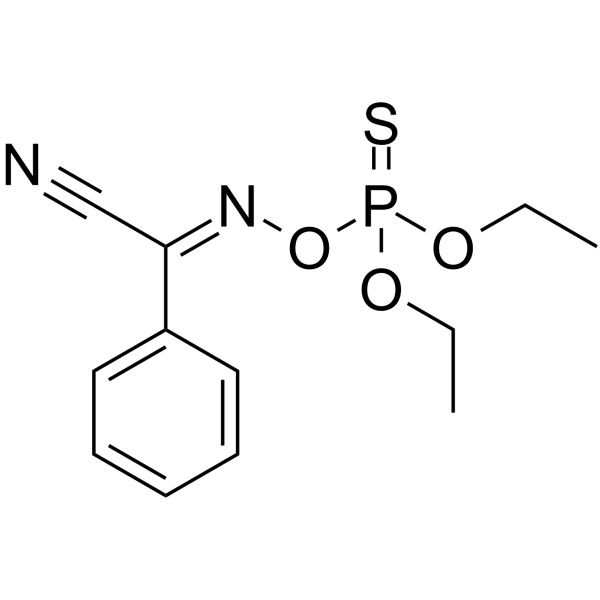
Cat. No.: HY-B0819
CAS No.: 14816-18-3
Phoxim is an organophosphorus pesticide and an orally active inhibitor of cholinesterase and CYP3A, which induces neurotoxicity in Caenorhabditis elegans and causes nephrotoxicity characterized by glomerular atrophy and interstitial fibrosis. Phoxim induces inhibition of the autophagy pathway. Phoxim induces dopaminergic neuron degeneration and exacerbates Aβ-induced paralysis. Phoxim damages enterocytes and disrupts intestinal barrier integrity. Phoxim induces ROS accumulation. Phoxim induces mitochondrial apoptosis, involving upregulation of Bad, Bax, caspase-3, and caspase-9 and downregulation of Bcl-2. Phoxim inhibits mitochondrial functional enzymes (COX, Ca 2+-Mg 2+-ATPase, SDH). Phoxim upregulates Nrf2 mRNA expression in the jejunal mucosa. Phoxim increases TNF-α and decreases IL-6 and IL-8 in the intestinal mucosa. Phoxim alters gut microbial composition by increasing total bacteria and Escherichia coli and reducing Lactobacillus. Phoxim enhances energy metabolism in silver carp by upregulating key glycolytic and gluconeogenic enzymes. Phoxim is used in research on neurodegenerative diseases, nephrotoxicity, intestinal oxidative stress and barrier dysfunction, and bacterial sepsis .
loading...
    loading...

