147 Results for "

Lithium

" in MedChemExpress (MCE) Product Catalog:
Products (147)

147 Results for "Lithium" in MCE Product Catalog:

1
1 Cited Publications
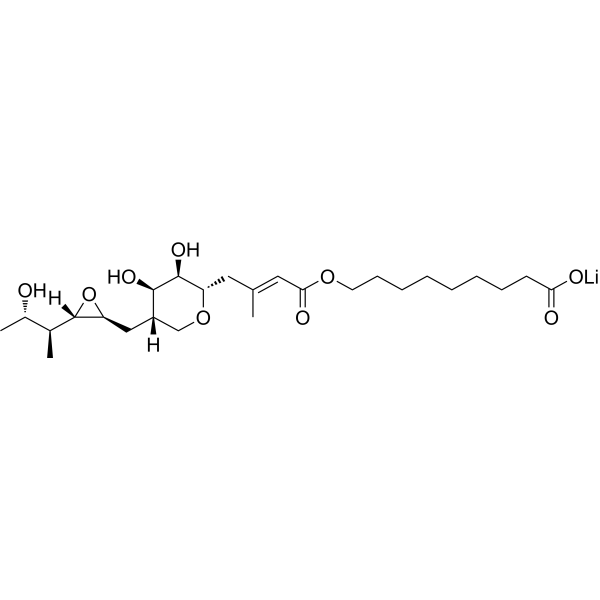
Cat. No.: HY-W108875
CAS No.: 73346-79-9
Synonyms: BRL-4910A Lithium; Pseudomonic acid Lithium
Mupirocin lithium is an antibiotic. Mupirocin lithium inhibits bacterial isoleucyl-tRNA synthetase, blocking protein synthesis. Mupirocin lithium has high activity against Gram-positive bacteria such as Staphylococcus and Streptococcus, as well as some Gram-negative bacteria (such as Haemophilus influenzae). Mupirocin lithium can be used in the research of diseases such as skin infections (such as MRSA infections) and chronic sinusitis .
loading...
    loading...
1
1 Cited Publications
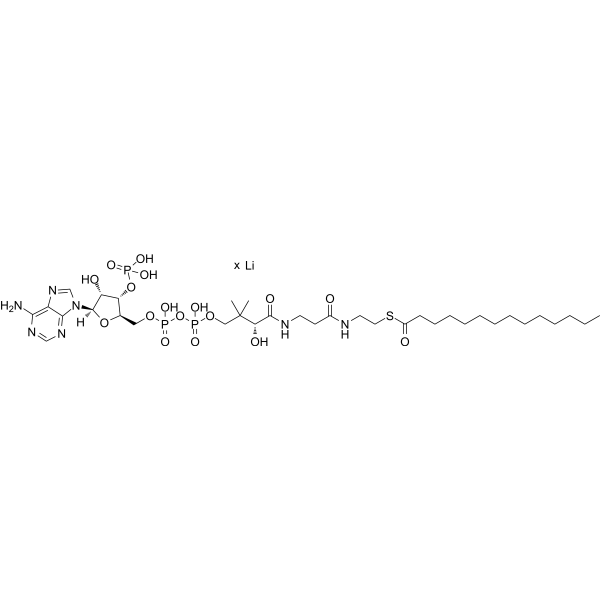
Cat. No.: HY-126833A
CAS No.: 187100-75-0
Purity:  95.50%
Myristoyl coenzyme A lithium is lithium-labeled myristoylated coenzyme A (CoA). Myristoylation is an essential process in viruses and is generally controlled by N-myristoyltransferase (NMT). And NMT is more active in colon epithelial tumors than in normal cells. Reduced Ccoenzyme A (CoA) is known to be a key regulator of NMT activity, whereas oxidized CoA does not allow NMT to promote myristoylation. Myristoyl coenzyme A blocks the demyristoylation process and has potential anticancer and antiviral mechanisms .
loading...
    loading...
1
1 Cited Publications
Cat. No.: HY-14608R
CAS No.: 56-86-0
L-Glutamic acid (Standard) is the analytical standard of L-Glutamic acid. This product is intended for research and analytical applications. L-Glutamic acid is an excitatory amino acid neurotransmitter that acts as an agonist for all subtypes of glutamate receptors (metabolic rhodophylline, NMDA, and AMPA). L-Glutamic acid has an agonist effect on the release of DA from dopaminergic nerve endings. L-Glutamic acid can be used in the study of neurological diseases . IC50 & Target:DA . In Vitro: L-Glutamic acid (120, 500, 750, 1000 mg/dL) can reduce the harmful effect of lithium on the embryonic development of Xenopus Xenopus .
L-Glutamic acid (2, 5, 10, 20 mM, 24-48 h) can induce neuroexcitotoxicity in neuroblastoma .
In Vivo: L-Glutamic acid (3 g/kg, subcutaneous injection) can promote excitotoxic degeneration of retinal ganglion cells in mice .
L-Glutamic acid (750 mg/kg, intraperitoneal injection) can reduce and inhibit oxidative stress induced by chlorpyrifos (CPF) in rats .
loading...
    loading...
Cat. No.: HY-Y0649D
CAS No.: 7447-41-8
Lithium chloride, for molecular biology, 99% can be used in the preparation of wash buffers for chromatin immunoprecipitation. Lithium chloride, for molecular biology, 99% is a kind of biological materials or organic compounds that are widely used in life science research .
loading...
    loading...
Cat. No.: HY-Y0292
CAS No.: 554-13-2
Synonyms: CarboLithium; Lithium carbonate
Lithium carbonate (Carbolithium) is a biochemical reagent that can be used as a biological material or organic compound for life science related research .
loading...
    loading...
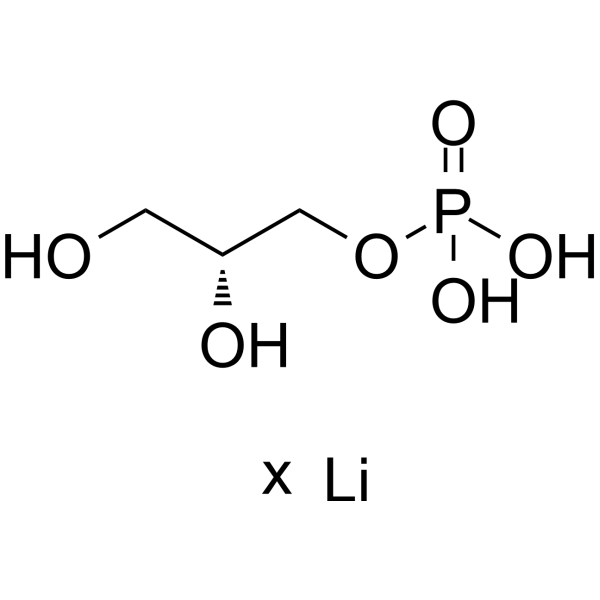
Cat. No.: HY-113128A
Purity:  99.90%
sn-Glycerol 3-phosphate lithium is an important intermediate in glycolysis and lipid metabolism. The cytosolic sn-Glycerol 3-phosphate dehydrogenase (GPDH) consumes NADH to generate sn-Glycerol 3-phosphate lithium from dihydroxyacetone phosphate (DHAP). Glyceroneogenesis is an important supplier of sn-Glycerol 3-phosphate lithium for lipid metabolism .
loading...
    loading...
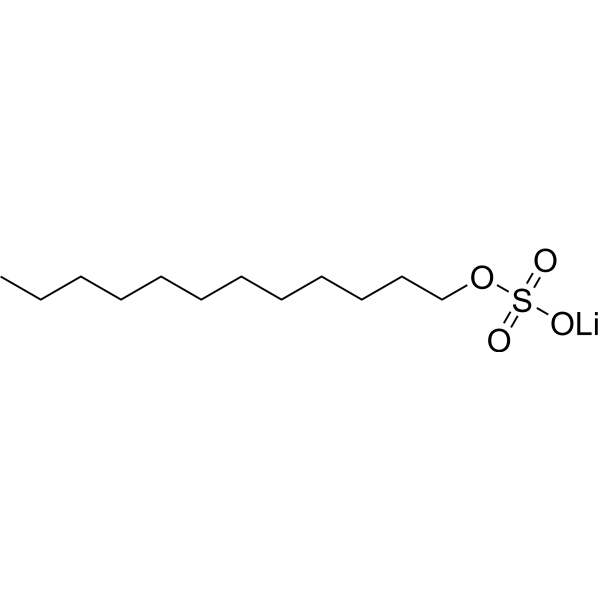
Cat. No.: HY-W099535
CAS No.: 2044-56-6
Research Areas:  

Others

Lithium dodecyl sulfate is an anionic hydrocarbon surfactant with both surface tension reduction and interfacial adsorption capabilities. Lithium dodecyl sulfate forms micelles in aqueous solutions via entropy-driven (low temperature) and enthalpy-driven (high temperature) mechanisms, and can also form an adsorption layer at the air-water interface with quantifiable surface excess and minimum area per molecule. Lithium dodecyl sulfate exhibits favorable equilibrium surface tension and foamability, but shows low foam stability above its critical micelle concentration. When acting synergistically with tetrabutylammonium bromide, Lithium dodecyl sulfate also exhibits unique cloud point behavior due to micelle aggregation and phase separation .
loading...
    loading...
Cat. No.: HY-137167
CAS No.: 64564-03-0
Purity:  ≥98.0%
Synonyms: Gpp(NH)p Lithium
Target:  

Adenylate Cyclase

Research Areas:  

Metabolic Disease

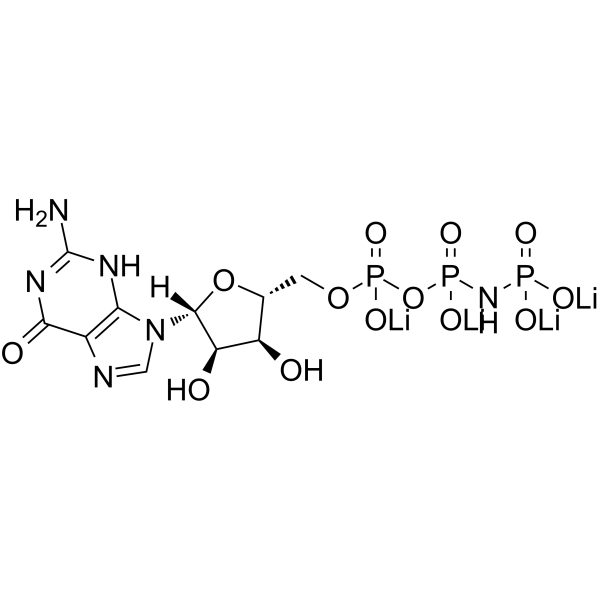
Guanylyl imidodiphosphate lithium (Gpp (NH) p lithium) is a non-hydrolyzable GTP analog. Guanylyl imidodiphosphate lithium increases adenylate cyclase activity. Guanylyl imidodiphosphate lithium binds to and irreversibly activates G proteins .
loading...
    loading...
Cat. No.: HY-W250174
CAS No.: 653-14-5
Synonyms: 3,5-Diiodosalicylic acid Lithium salt
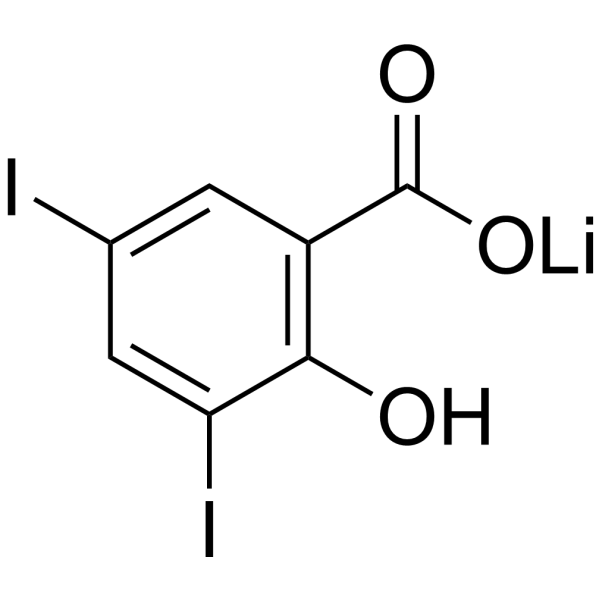
Lithium 3,5-diiodosalicylate is a compound used in the study of bipolar disorder and other psychiatric disorders. It contains lithium and a salicylate. Lithium 3,5-diiodosalicylate works by affecting the levels of certain neurotransmitters in the brain, including dopamine and serotonin.
loading...
    loading...
Cat. No.: HY-134136A
CAS No.: 324518-20-9
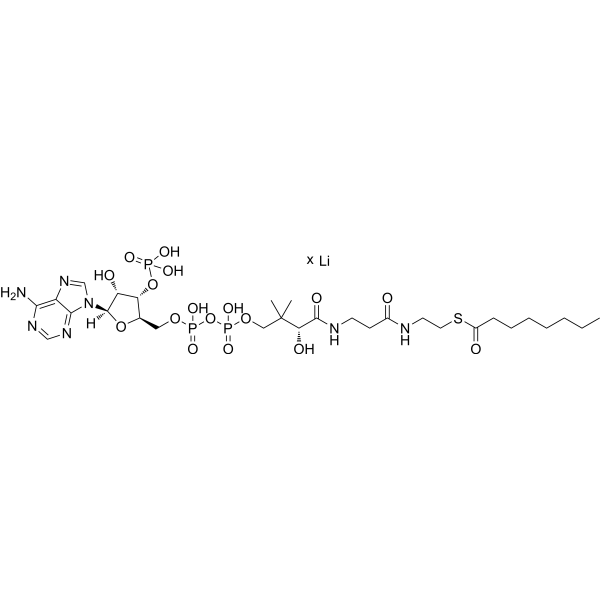
Octanoyl coenzyme A lithium is an enoyl-CoA hydratase binder. Octanoyl coenzyme A lithium binds to the active site of enoyl-CoA hydratase, occupies the binding pocket for the fatty acid tail of the enzyme's substrate, and induces a conformational shift in a flexible protein loop via its longer octanoyl chain, forming an open channel leading to the inter-trimer gap .
loading...
    loading...
Cat. No.: HY-134891
CAS No.: 396726-03-7
Purity:  ≥95.0%
Synonyms: (E)-4-Hydroxy-3-methyl-but-2-enyl diphosphate Lithium
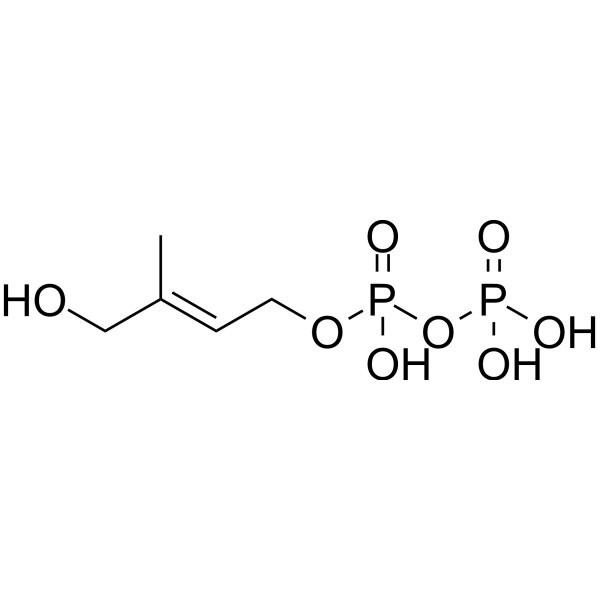
HMBPP lithium is an intermediate in isoprenoid biosynthesis that can be produced by bacteria and protozoa that use the non-mevalonate pathway for isoprenoid biosynthesis. HMBPP lithium is a ligand of the internal domain of BTN3A1 and is an activator for human Vγ9/Vδ2 T cells. HMBPP lithium exhibits phagostimulant property in mosquitos .
loading...
    loading...
Cat. No.: HY-W007531
CAS No.: 171197-80-1
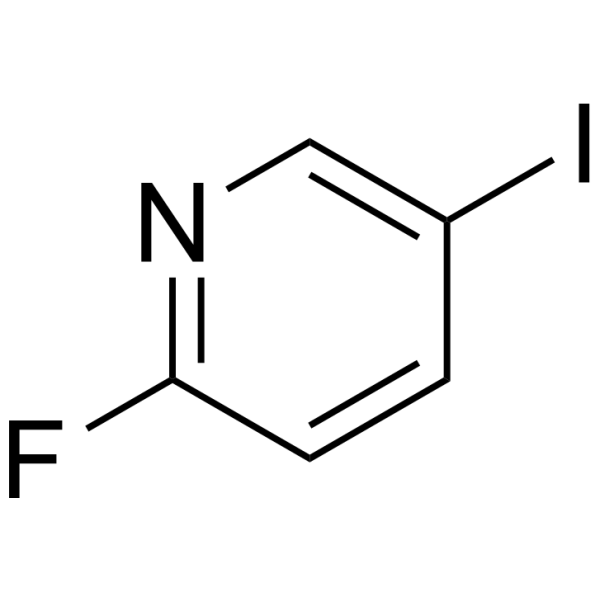
2-Fluoro-5-iodopyridine is an electrolyte additive. 2-Fluoro-5-iodopyridine can not only effectively protect the anode by forming a stable SEI film, but also convert dead lithium into active lithium. 2-Fluoro-5-iodopyridine effectively improves the performance of lithium metal batteries .
loading...
    loading...
Cat. No.: HY-134421
CAS No.: 102680-35-3
Research Areas:  

Metabolic Disease

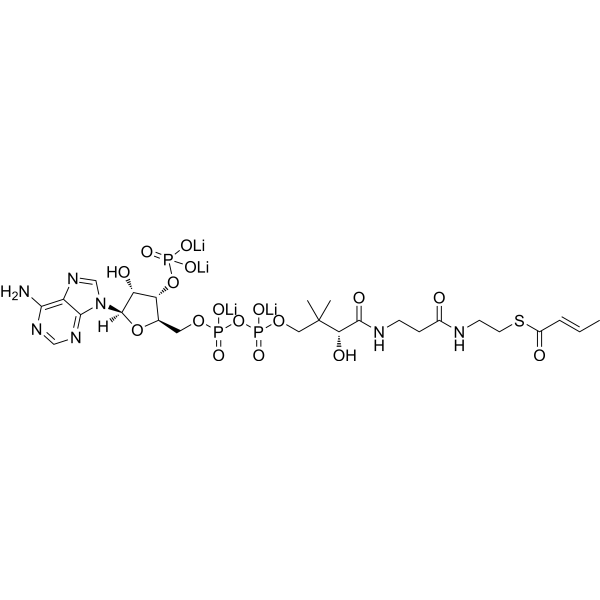
2-Butenoyl coenzyme A lithium is an inactivator and a substrate of Plasmodium falciparum enoyl-β-hydroxyacyl-acyl carrier protein (ACP) reductase and other enoyl-CoA reductases, and it is also the lithium salt of trans-2-methyl-2-butenoyl coenzyme A. 2-Butenoyl coenzyme A lithium acts on short-chain and medium-chain coenzyme A dehydrogenases as well as glutaryl-CoA dehydrogenase, and shows no activity against wild-type isovaleryl-CoA dehydrogenase. 2-Butenoyl coenzyme A lithium functions as a metabolite in the L-isoleucine catabolic pathway, and can serve as a substrate in the activity assay of 3-ketothiolase. 2-Butenoyl coenzyme A lithium is applicable to research related to 3-ketothiolase deficiency .
loading...
    loading...
Cat. No.: HY-134424
CAS No.: 108321-21-7
Purity:  94%
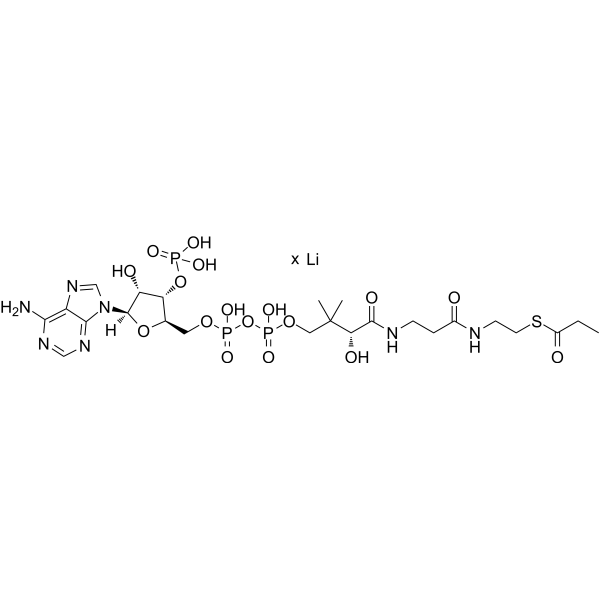
Propionyl coenzyme A lithium, a coenzyme A derivative of propionic acid, is an important metabolic intermediate formed by the thioester bond between coenzyme A and propionic acid. The breakdown and production of Propionyl coenzyme A lithim is important for the metabolism of organisms .
loading...
    loading...
Cat. No.: HY-W094471
CAS No.: 6108-17-4
Lithium acetate dihydrate is an organolithium salt that serves as a precursor for lithium dopants, and is used for lithium doping in the preparation of lithium-doped nickel oxide thin films via ultrasonic spray pyrolysis .
loading...
    loading...
Cat. No.: HY-115062
CAS No.: 1007476-63-2
Purity:  ≥99.0%
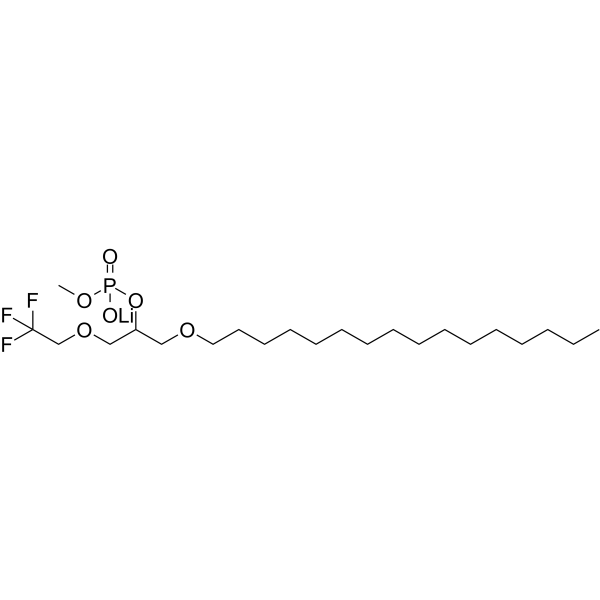
MJ-33 lithium salt is a competitive phospholipase A2 (PLA2) inhibitor with an IC50 of 0.3 μM. MJ-33 lithium salt inhibits NOX2 activation and reduces ROS production by blocking the PLA2 activity of Prdx6. MJ-33 lithium salt effectively inhibits the activity of acidic PLA2 (pH 4.0) and reduces the degradation of alveolar surfactant phosphatidylcholine (PC), but exerts no effect on alkaline PLA2 (pH 8.5). MJ-33 lithium salt significantly alleviates lung oxidative injury induced by ischemia-reperfusion (I/R). MJ-33 lithium salt significantly inhibits the invasion, migration and adhesion abilities of prostate cancer cells by suppressing the MAPK, AKT, NF-κB and AP-1 signaling pathways. MJ-33 lithium salt can be used for the research of ROS-related diseases and prostate cancer .
loading...
    loading...
Cat. No.: HY-141474
CAS No.: 103192-48-9
Purity:  99.00%
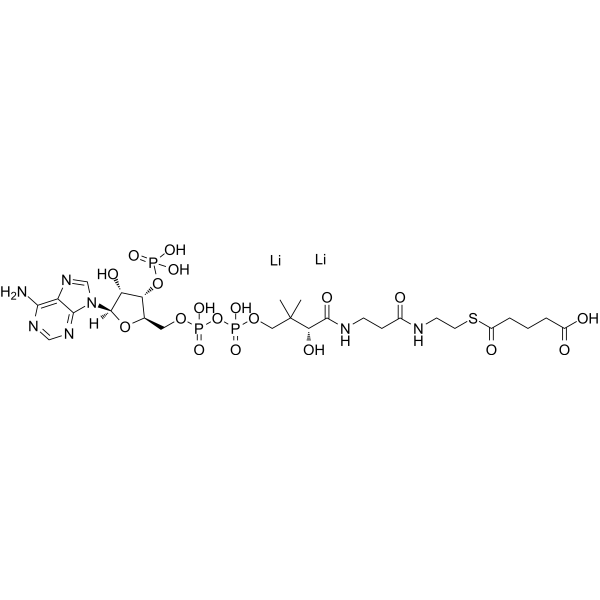
Glutaryl coenzyme A lithium is an endogenous metabolite. Glutaryl coenzyme A lithium acts on the E2k subunit to inhibit KGDHc. It serves as a substrate for the reverse reaction of E2k and does not affect the E1k or E3 subunits of KGDHc. Glutaryl coenzyme A lithium exhibits weak inhibitory activity against citrate synthase. It can be used in research on glutaryl-CoA dehydrogenase deficiency (type I glutaric acidemia) .
loading...
    loading...
Cat. No.: HY-W250153
CAS No.: 109434-21-1
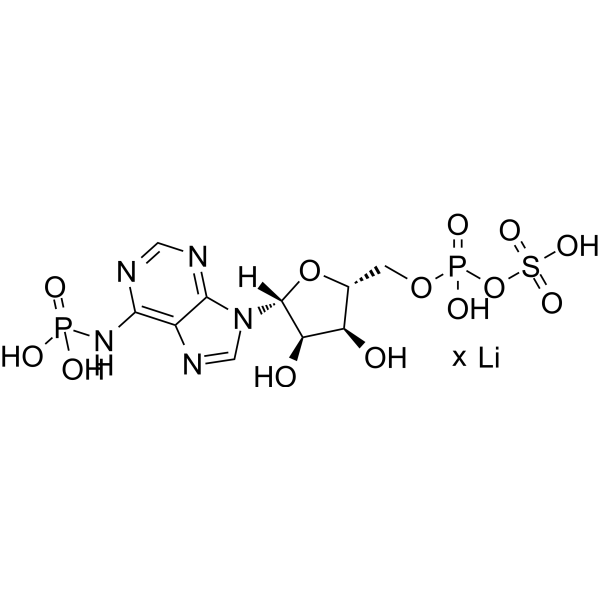
Adenosine 3'-phosphate 5'-phosphosulfate lithium, an adenine nucleotide derivative, is a selective P2Y1 antagonist with no effect on P2Y2, P2Y4, or P2Y6 receptors. Adenosine 3'-phosphate 5'-phosphosulfate lithium can competitive inhibit ADP-induced platelet aggregation, as well as the ability of ADP to cause shape change and increases in Ca 2+ in platelets, but had no effect on the inhibition of stimulated adenylate cyclase by ADP. Adenosine 3'-phosphate 5'-phosphosulfate lithium is a co-substrate used for the sulfonation of glycans. Adenosine 3'-phosphate 5'-phosphosulfate lithium can be used for Golgi-resident PAP-specific 3'-phosphatase-coupled sulfotransferase assays, which as donor substrate to transfer a sulfonate group .
loading...
    loading...
Cat. No.: HY-109591A
CAS No.: 188824-37-5
Purity:  92%
Synonyms: Oleoyl-CoA Lithium
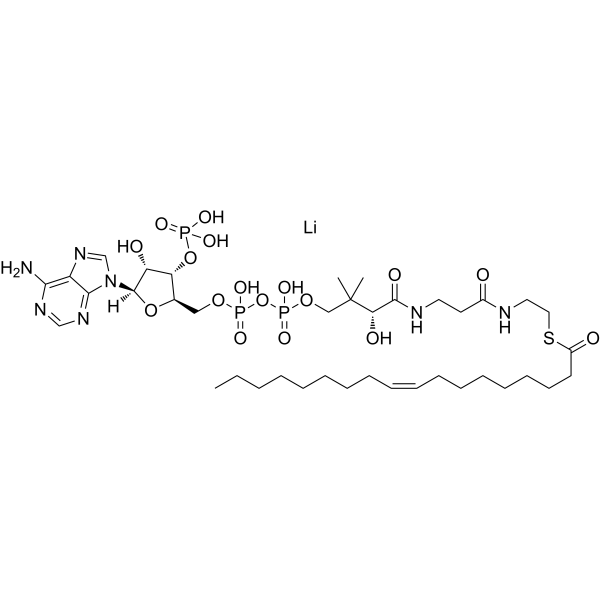
Oleoyl coenzyme A (Oleoyl-CoA) lithium is a thioester of oleic acid and coenzyme A. Oleoyl coenzyme A lithium has a role as an Escherichia coli metabolite and a mouse metabolite .
loading...
    loading...
Cat. No.: HY-126912A
CAS No.: 190063-12-8
Purity:  99%
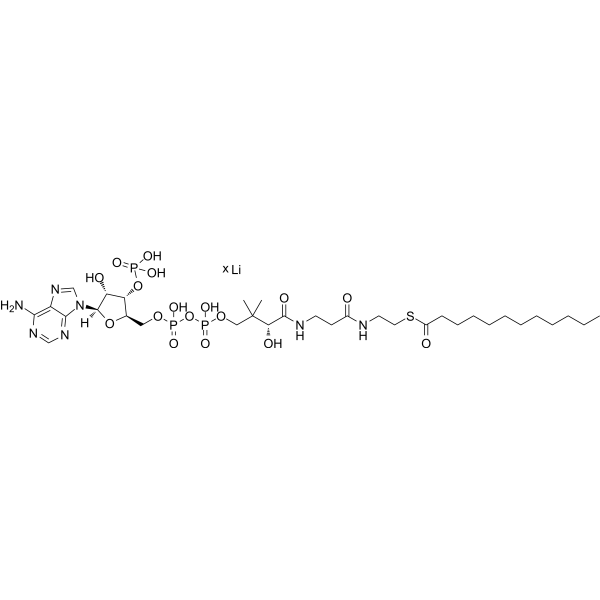
Lauroyl coenzyme A lithium salt is an intermediary in fatty acid synthesis or metabolism, formed by combining long-chain fatty acids (or lauric acid) with coenzyme A. Lauroyl coenzyme A lithium salt is involved in lipid biosynthesis and fatty acid transport, in which coenzyme A acts as a transport molecule to help move and target specific compounds.
loading...
    loading...

