67 Results for "

PI3K modulator

" in MedChemExpress (MCE) Product Catalog:
Products (67)

67 Results for "PI3K modulator" in MCE Product Catalog:

Cat. No.: HY-15672
CAS No.: 329932-55-0
Purity:  98.39%
Research Areas:  

Neurological Disease Cancer

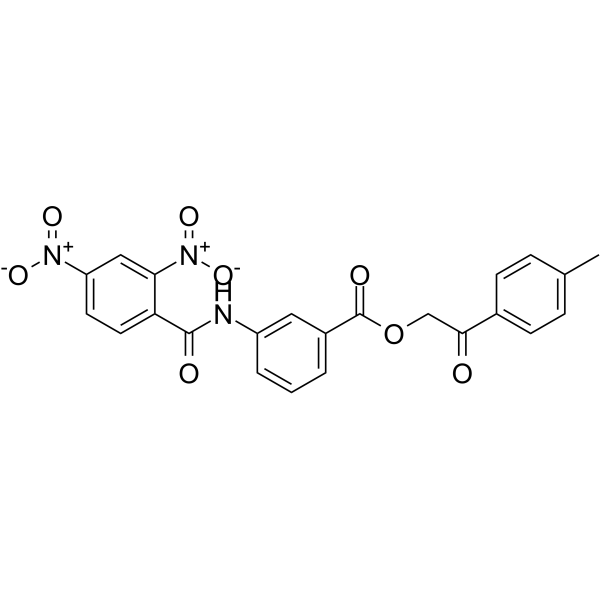
FM19G11 is a hypoxia-inducible factor-1-alpha (HIF-1α) inhibitor, and it inhibits hypoxia-induced luciferase activity with an IC50 of 80 nM in HeLa cells. FM19G11 modulates other signaling pathways, including mTOR and PI3K/Akt/eNOS, when the HIF-1α pathway is inactivated under normoxic conditions .
loading...
    loading...
Cat. No.: HY-N4246
CAS No.: 382148-47-2
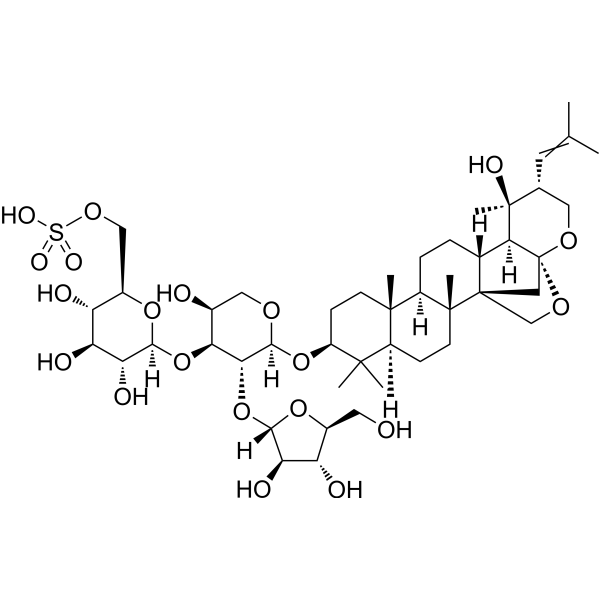
Bacopaside I is an orally active aquaporin AQP1 inhibitor and PKC modulator with neuroprotective and anticancer activities. Bacopaside I specifically blocks the water channel and cGMP-gated ion channel activities of AQP1 without affecting AQP4, thereby inhibiting the migration of colon cancer cells expressing AQP1. Bacopaside I activates the Akt pathway by interacting with PI3K, specifically inhibits MAO-A, effectively alleviates neuron necrosis and apoptosis induced by oxygen-glucose deprivation, reduces oxidative stress, and regulates the surface expression of neuroreceptors. When combined with Bacopaside II (HY-N6016), Bacopaside I significantly reduces the viability, proliferation and invasion ability of breast cancer cells, and binds to the pregnane X receptor (PXR). Bacopaside I is applicable to the research of colon cancer, breast cancer, vascular dementia, cerebral ischemia and other related diseases .
loading...
    loading...
Cat. No.: HY-N12124
CAS No.: 1011244-19-1
Synonyms: Monascinol
Monascuspiloin (Monascinol) is an orally active compound extracted from red mold-fermented rice, with multiple biological activities including anti-androgenic, anti-inflammatory, hypolipidemic, and anti-cancer properties. Monascuspiloin attenuates the PI3K/Akt/mTOR signaling pathway, enhances AMPK phosphorylation, downregulates FASN/SREBP2, induces apoptosis, G2/M phase arrest and autophagy in prostate cancer cells, interferes with dihydrotestosterone-receptor binding, enhances radiation-induced DNA damage, stimulates endoplasmic reticulum stress, and alleviates hepatic oxidative stress. Monascuspiloin regulates hepatic metabolic pathways and modulates the expression of genes and proteins related to hepatic lipid metabolism. Monascuspiloin can be used in studies related to prostate cancer and alcoholic liver injury .
loading...
    loading...
Cat. No.: HY-145589
CAS No.: 2600513-51-5
Synonyms: Hetrombopag; SHR-8735
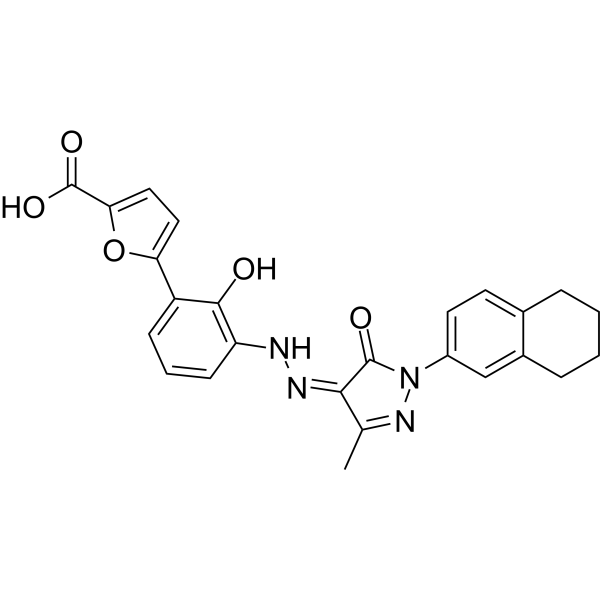
Rafutrombopag (Hetrombopag) is an orally active nonpeptide thrombopoietin receptor (TPOR/MPL) agonist. Rafutrombopag can chelate iron and alleviate iron overload while promoting haematopoiesis. Rafutrombopag specifically stimulates proliferation and differentiation of human TPOR-expressing cells, including 32D-MPL and human hematopoietic stem cells through stimulation of STAT, PI3K and ERK signalling pathways. Rafutrombopag effectively up-regulates G1-phase-related proteins, including p-RB, Cyclin D1 and CDK4/6, normalizes progression of the cell cycle, and prevents apoptosis by modulating BCL-XL/BAK expression in 32D-MPL cells. Rafutrombopag protects cardiomyocyte survival from oxidative stress damage as an enhancer of stem cells. Rafutrombopag can be used for the study of immune thrombocytopenia and oxidative stress-related cardiovascular disease .
loading...
    loading...
Cat. No.: HY-N7635
CAS No.: 14162-53-9
Synonyms: β-D-Glucopyranosyl oleanolate
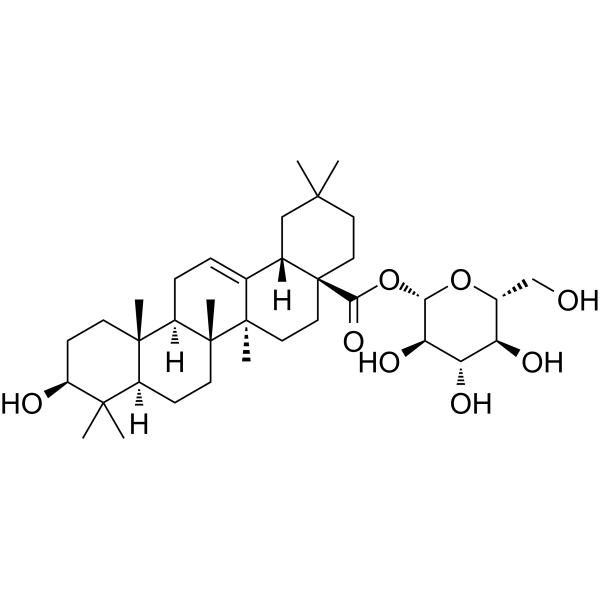
Oleanolic acid 28-O-β-D-glucopyranoside (β-D-Glucopyranosyl oleanolate) is an orally active pentacyclic triterpenoid compound. Oleanolic acid 28-O-β-D-glucopyranoside has anti-inflammatory effects. In ulcerative colitis models, Oleanolic acid 28-O-β-D-glucopyranoside can inhibit the inflammatory response, enhance the intestinal epithelial barrier function, and modulate the gut microbiota. Its mechanism of action is related to the PI3K-AKT and MAPK signaling pathways. Oleanolic acid 28-O-β-D-glucopyranoside can be used in the research of diseases such as colitis .
loading...
    loading...
Cat. No.: HY-18234C
CAS No.: 24125-16-4
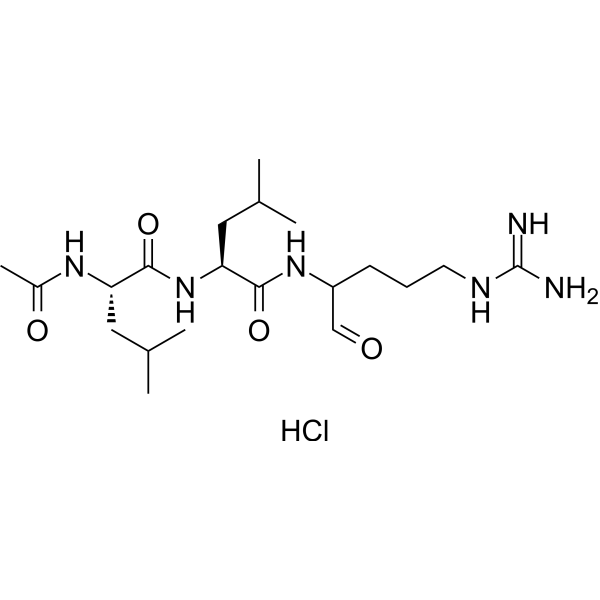
Leupeptin Ac-LL hydrochloride is a broad-spectrum protease inhibitor . By inhibiting the activation of the PTEN/PI3K/Akt/NF-κB/ERK1/2/p38 signaling pathway, Leupeptin Ac-LL hydrochloride significantly reduces LPS-induced NO and ROS production, mitochondrial membrane potential hyperpolarization, phagocytic activity, pro-inflammatory cytokine release, and M1 polarization in mouse peritoneal macrophages, and reverses autophagic flux impairment. It also decreases Concanavalin A (HY-P2149)-induced proliferation index of mouse splenic lymphocytes and the Th1/IL-10 and Th2/IL-10 cytokine ratios, thereby modulating innate and adaptive immune responses. Leupeptin Ac-LL hydrochloride inhibits blood coagulation and tumorigenesis in mouse skin. Leupeptin Ac-LL hydrochloride can be used in research on chronic inflammatory diseases and skin tumorigenesis .
loading...
    loading...
Cat. No.: HY-W049881
CAS No.: 2521-07-5
9-Methyl-β-carboline is a monoamine oxidase inhibitor and dopaminergic modulator, with an IC50 of 1 μM against human MAO-A and an IC50 of 15.5 μM against human MAO-B. 9-Methyl-β-carboline possesses cognitive enhancement potential and can cross the blood-brain barrier. 9-Methyl-β-carboline increases dopamine levels by inhibiting monoamine oxidase activity and microglial proliferation. 9-Methyl-β-carboline activates PKA/PKC and mitochondrial respiratory chain complex I, promotes neurotrophic factor expression and reduces α-synuclein (α-synuclein) levels, thereby reversing neurotoxin-induced dopaminergic neuron damage. 9-Methyl-β-carboline also regulates the PI3K pathway and exerts an anti-proliferative effect on astrocytes. 9-Methyl-β-carboline is widely used in Parkinson's disease-related studies .
loading...
    loading...
Cat. No.: HY-N3542
CAS No.: 57498-96-1
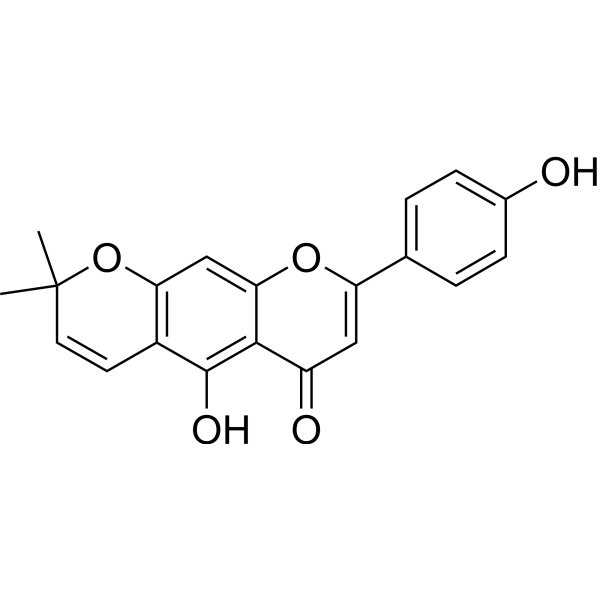
Carpachromene is a potent α-glucosidase enzyme inhibitor. Carpachromene ameliorates insulin resistance in HepG2 cells via modulating IR/IRS1/PI3k/Akt/GSK3/FoxO1 pathway .
loading...
    loading...
Cat. No.: HY-113402R
CAS No.: 636-58-8
Synonyms: γ-Glu-Cys (Standard)
Gamma-glutamylcysteine (Standard) is the analytical standard of Gamma-glutamylcysteine. This product is intended for research and analytical applications. Gamma-glutamylcysteine (γ-Glu-Cys) is an orally active, blood-brain barrier permeable dipeptide . Gamma-glutamylcysteine activates AMPK, SIRT1, IL-4/STAT6, AC/cAMP/PI3K, IGF-1R/IRS1/PI3K, and Nrf2 signaling pathways; it inhibits NF-κB, JAK1/STAT1/3, MAPKs, cadmium-induced p38 MAPK, JNK, and PI3K/Akt signaling pathways. Gamma-glutamylcysteine regulates macrophage polarization, modulates the trafficking of CD36 and GLUT4, induces glutathione synthesis, improves metabolic dysfunction, reduces lipid deposition, ameliorates glucose homeostasis, inhibits apoptosis (Apoptosis), stabilizes mitochondria, suppresses lipid peroxidation, iron accumulation and ferroptosis (Ferroptosis), reduces ds-HMGB1 levels, reverses mechanical hyperalgesia, and alleviates hepatic lipid droplet formation. Gamma-glutamylcysteine is applicable to research related to inflammatory bowel disease, type 2 diabetes, cadmium-induced neurotoxicity, Alzheimer's disease, cerebral ischemia/reperfusion injury, neuropathy, and alcoholic liver disease.
loading...
    loading...
Cat. No.: HY-N0837R
CAS No.: 60-70-8
Synonyms: NSC17821 (Standard); NSC23880 (Standard)
Veratramine (NSC17821; NSC23880) (Standard) is the analytical standard of Veratramine (HY-N0837). This product is intended for research and analytical applications. Veratramine (NSC17821; NSC23880) is an orally active inhibitor of the PI3K/Akt/mTOR signaling pathway and a SIGMAR1 modulator. Veratramine induces autophagic apoptosis of tumor cells, arrests the cell cycle at the G0/G1 phase, and inhibits epithelial-mesenchymal transition (EMT)-related proteins to reduce tumor migration. Veratramine reduces spinal cord and sciatic nerve pathological damage in a neuropathy model by inhibiting SIGMAR1 binding to NMDAR and phosphorylation of NMDAR Ser896. Veratramine has anti-tumor proliferation, apoptosis induction, anti-inflammatory and neuroprotective activities, and can be used in the study of cancers such as liver cancer and osteosarcoma, as well as diabetic peripheral neuropathy .
loading...
    loading...
Cat. No.: HY-18719S
CAS No.: 1584173-54-5
Endoxifen-d5 (Z-isomer) is the deuterated-labeled Endoxifen (Z-isomer methanesulfonate) (HY-18719H). Endoxifen-d5 Z-isomer is an orally active selective PKCβ1 inhibitor with an IC50 of 360 nM against human PKCβ1. It also acts as an estrogen receptor modulator and antiestrogen. Endoxifen-d5 Z-isomer binds to and blocks ERα, ERβ and PKCβ1, inhibits estrogen and PI3K/AKT/mTORC1 signaling pathways, suppresses the expression of genes associated with cell cycle, cell proliferation and extracellular matrix remodeling, and induces apoptosis, reactive oxygen species (ROS) production and hypoxic features. Endoxifen-d5 Z-isomer inhibits tumor growth in breast tumor and glioblastoma models, reduces bone turnover and blood lipid levels, and does not require metabolism via CYP2D6. It can be used in research related to ER + breast cancer, invasive breast cancer, glioblastoma multiforme, type I bipolar disorder, desmoid tumor, gynecological malignancies, melanoma and hormone receptor-positive solid tumors
loading...
    loading...
Cat. No.: HY-16332
CAS No.: 662151-10-2
Target:  

PI3K

Research Areas:  

Infection Cancer

ML-220 is a PI3K modulator that can be used for the study of neoplasms and infectious diseases .
loading...
    loading...
Cat. No.: HY-179155
PI3K/mTOR-IN-19 is an orally active, potent, selective PI3K (IC50 = 4.23 nM) and mTOR (IC50 = 2.3 nM) inhibitor. PI3K/mTOR-IN-19 significantly inhibits Eca109 cell viability and induces apoptosis. PI3K/mTOR-IN-19 causes G0/G1 cell cycle arrest, decreased mitochondrial membrane potential, and demonstrates marked telomerase inhibitory activity. PI3K/mTOR-IN-19 modulates the expression of key apoptotic regulators (Bcl-2, Bax, and p53) and downregulates the PI3K/Akt/mTOR signaling pathway. PI3K/mTOR-IN-19 can be used for the study of esophageal cancer .
loading...
    loading...
Cat. No.: HY-113402AR
CAS No.: 283159-88-6
Synonyms: γ-Glu-Cys TFA (Standard)
Gamma-glutamylcysteine (TFA) (Standard) is the analytical standard of Gamma-glutamylcysteine (TFA). This product is intended for research and analytical applications. Gamma-glutamylcysteine TFA (γ-Glu-Cys TFA) is an orally active, blood-brain barrier permeable dipeptide . Gamma-glutamylcysteine TFA activates AMPK, SIRT1, IL-4/STAT6, AC/cAMP/PI3K, IGF-1R/IRS1/PI3K, and Nrf2 signaling pathways; it inhibits NF-κB, JAK1/STAT1/3, MAPKs, cadmium-induced p38 MAPK, JNK, and PI3K/Akt signaling pathways. Gamma-glutamylcysteine TFA regulates macrophage polarization, modulates the trafficking of CD36 and GLUT4, induces glutathione synthesis, improves metabolic dysfunction, reduces lipid deposition, ameliorates glucose homeostasis, inhibits apoptosis (Apoptosis), stabilizes mitochondria, suppresses lipid peroxidation, iron accumulation and ferroptosis (Ferroptosis), reduces ds-HMGB1 levels, reverses mechanical hyperalgesia, and alleviates hepatic lipid droplet formation. Gamma-glutamylcysteine TFA is applicable to research related to inflammatory bowel disease, type 2 diabetes, cadmium-induced neurotoxicity, Alzheimer's disease, cerebral ischemia/reperfusion injury, neuropathy, and alcoholic liver disease.
loading...
    loading...
Cat. No.: HY-N6950R
CAS No.: 106577-39-3
Hederacolchiside A1 (Standard) is the analytical standard of Hederacolchiside A1. This product is intended for research and analytical applications. Hederacolchiside A1, isolated from Pulsatilla chinensis, suppresses proliferation of tumor cells by inducing apoptosis through modulating PI3K/Akt/mTOR signaling pathway . Hederacolchiside A1 has antischistosomal activity, affecting parasite viability both in vivo and in vitro .
loading...
    loading...
Cat. No.: HY-169100
Research Areas:  

Cancer

Antiproliferative agent-57 (compound M2) is a tumor angiogenesis inhibitor. Antiproliferative agent-57 inhibits the secretion of VEGF in SiHa cells under hypoxic conditions (IC50=0.68 μM) without inducing cytotoxicity. Antiproliferative agent-57 can modulate the PI3K/AKT/mTOR and MAPK signaling pathways in tumor cells to inhibit the expression of HIF-1α and VEGF in tumor tissues .
loading...
    loading...
Cat. No.: HY-177270
CAS No.: 2762488-97-9
Target:  

EGFR Drug Derivative

Research Areas:  

Cancer

CHNQD-01281, a derivative of Brefeldin A (HY-16592), is a EGFR modulator. CHNQD-01281 has strong antiproliferative activities against cancer cells (IC50: 0.079 and 0.081 μM for T24 and J82 cells, respectively). CHNQD-01281 regulates both EGFR/PI3K/AKT and EGFR/ERK pathways and mediates the chemotactic effect of chemokines on immune effector cells. CHNQD-01281 remarkably inhibits tumor growth in T24 xenograft mice model and prolongs the survival time in MB49 allogeneic mice model via inducing infiltration of cytotoxic T cells .
loading...
    loading...
Cat. No.: HY-N2199
CAS No.: 2608-21-1
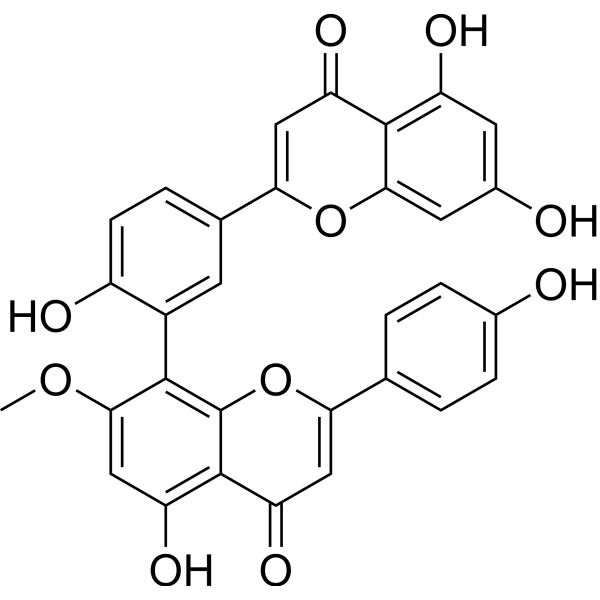
Sotetsuflavone is a flavonoid that can be isolated from Cycas revolute. Sotetsuflavone inhibits phosphorylation of PI3K, Akt, mTOR, JNK, and p38 MAPK; modulates expression of Cyclin D1, CDK4, Bcl-2, Bax, cleaved caspases 3/9, MMP-9, TGF-β, STAT3, and β-catenin. Sotetsuflavone induces G0/G1 cell cycle arrest, apoptosis, autophagy, and intracellular ROS elevation, inhibits cancer cell proliferation. Sotetsuflavone inhibits tumor growth in mouse tumor xenograft models. Sotetsuflavone can be used for the research of non-small cell lung cancer and Crohn’s disease .
loading...
    loading...
Cat. No.: HY-160550
CAS No.: 3018836-86-4
Target:  

Phosphatase CXCR

Research Areas:  

Inflammation/Immunology

DPM-1003 is a modulator of protein tyrosine phosphatase 1B (PTP1B) and C-X-C chemokine receptor 4 (CXCR4). DPM-1003 binds to the non-catalytic disordered C-terminal fragment of PTP1B. DPM-1003 inhibits the PI3Kγ-mediated AKT/mTOR signaling pathway downstream of CXCR4. DPM-1003 improves the survival rate of mice in a transfusion-related acute lung injury model, and exerts a lung injury protective effect in preclinical mouse models of acute lung injury and sepsis. DPM-1003 can be used in research related to acute lung injury, acute respiratory distress syndrome, transfusion-related acute lung injury and sepsis .
loading...
    loading...
Cat. No.: HY-90003AR
CAS No.: 30123-17-2
Tianeptine sodium salt (Standard) is the analytical standard of Tianeptine sodium salt (HY-90003A). This product is intended for research and analytical applications. Tianeptine sodium salt is an atypical antidepressant. Tianeptine sodium salt is a moderate-intensity agonist of the μ-opioid receptor (MOR), and to a lesser extent, is an agonist of the δ-opioid receptor (DOR). Tianeptine sodium salt is a glutamate modulator that can enhance AMPA receptor and antagonize NMDA receptor. Tianeptine sodium salt increases sensitivity of the α1 adrenergic receptor, which only manifests in chronic treatment. Tianeptine sodium salt exerts neuroprotective effects under stress/inflammation-induced conditions, exhibiting anti-inflammatory and antioxidant properties. Tianeptine sodium salt inhibits MMP-9 by suppressing the PI3K/Akt-mediated NF-κB pathway. Tianeptine sodium salt can be used to alleviate symptoms of depression and anxiety, but does not cause sedative effects.
loading...
    loading...

