57 Results for "

reprogramming

" in MedChemExpress (MCE) Product Catalog:
Products (57)

57 Results for "reprogramming" in MCE Product Catalog:

Cat. No.: HY-N3388
CAS No.: 66056-30-2
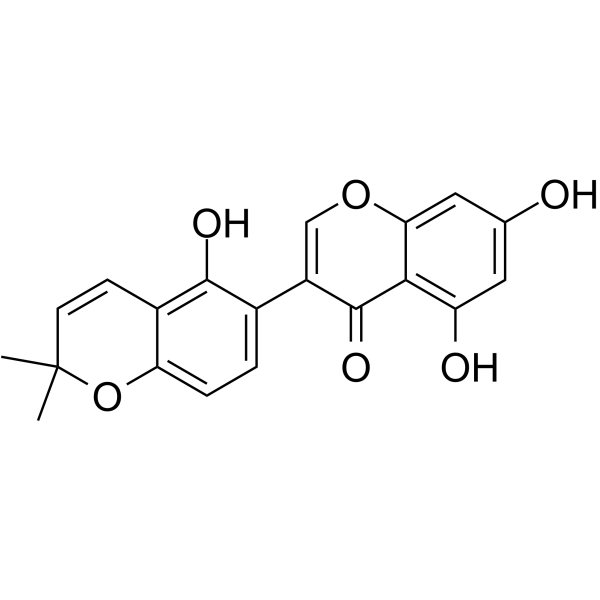
Licoisoflavone B is an orally active flavonoid found in licorice. Licoisoflavone B alleviates psoriasis via SCD1-targeted lipid metabolism reprogramming and suppression of Th17/IL-17-mediated inflammation. Licoisoflavone B inhiibits superoxide anion generation and superoxide anion-induced lipid peroxidation. Licoisoflavone B binds tightly to Lassa virus nucleoprotein and can be used as a nucleoprotein antagonist of Lassa virus. Licoisoflavone B exhibits anti-mutagenic activity
against carcinogenic mutagen, by preventing DNA damage. Licoisoflavone B can be used for the research of psoriasis, Lassa fever, inflammation and cancer .
loading...
    loading...
Cat. No.: HY-17447AG
CAS No.: 1986-47-6
Synonyms: SKF 385 hydrochloride (GMP)
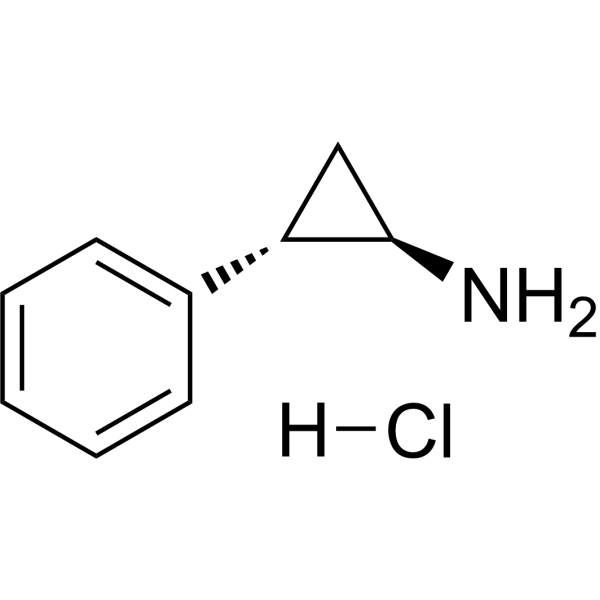
Tranylcypromine (SKF 385) hydrochloride (GMP) is Tranylcypromine hydrochloride (HY-17447A) produced by using GMP guidelines. GMP small molecules work appropriately as an auxiliary reagent for cell therapy manufacture. Tranylcypromine hydrochloride is a potent monoamine oxidase (MAO) inhibitor .
loading...
    loading...
Cat. No.: HY-119672
CAS No.: 182564-41-6
Purity:  98.27%
Target:  

Oct3/4

Research Areas:  

Others

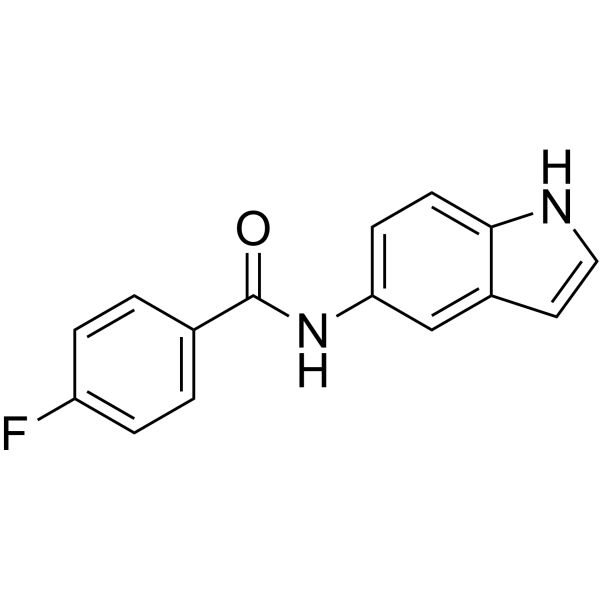
Oct4 inducer-1 (compound OAC-3) is a potent Oct4 activator. Oct4 inducer-1 activates Oct4 and Nanog promoters and enhances induced pluripotent stem cells (iPSC) formation. Oct4 inducer-1 facilitates the reprogramming of cells by enhancing efficiency and shortening the reprogramming time .
loading...
    loading...
Cat. No.: HY-50751G
CAS No.: 796967-16-3
Synonyms: ABT-869 (GMP); AL-39324 (GMP)
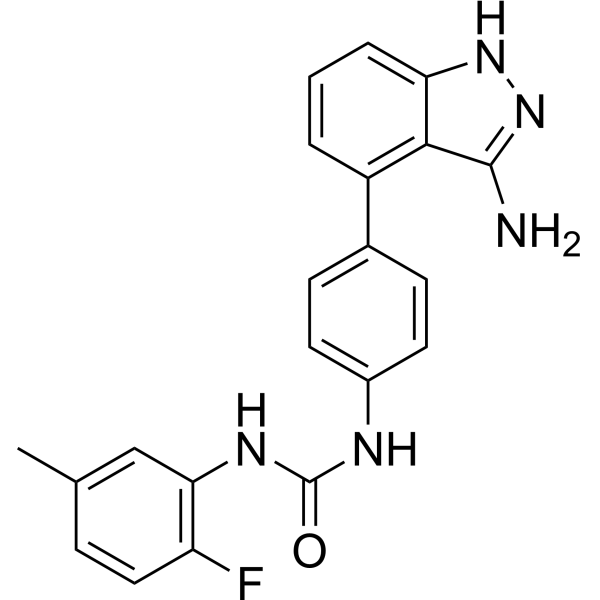
Linifanib (ABT-869) (GMP) is Linifanib (HY-50751) produced by using GMP guidelines. GMP small molecules work appropriately as an auxiliary reagent for cell therapy manufacture. Linifanib is a potent and orally active multi-target inhibitor of VEGFR and PDGFR family with IC50s of 4, 3, 66, and 4 nM for KDR, FLT1, PDGFRβ, and FLT3, respectively. Linifanib (GMP) promotes the generation and reprogramming of iPSCs from somatic cells .
loading...
    loading...
Cat. No.: HY-116428
CAS No.: 160141-09-3
Research Areas:  

Cancer

L-744832 is a farnesyl transferase inhibitor. L-744832 effectively inhibits the farnesylation of H-Ras and N-Ras, but has little effect on K-Ras treatment. L-744832 not only directly targets the oncogenic pathway by inhibiting Ras farnesylation, but also enhances radiosensitivity by restoring TGF-β signaling through epigenetic reprogramming. L-744832 can induce cell cycle arrest and apoptosis. L-744832 can be used in combination therapy studies for Ras-driven tumors such as pancreatic cancer .
loading...
    loading...
Cat. No.: HY-179238
Target:  

Estrogen Receptor/ERR

Research Areas:  

Cancer

CS-1-103 is a potent estrogen receptor (ER) TRACER (transcriptional regulation via active control of epigenetic reprogramming). CS-1-103 inhibits ER transcriptional activity with an EC50 of 0.36 μM by recruiting methyl-CpG binding domain protein 2 (MBD2), HDACs and the nucleosome remodeling and deacetylase (NuRD) complex. CS-1-103 can be used for breast and prostate cancer research .
loading...
    loading...
Cat. No.: HY-12186G
CAS No.: 120964-45-6
Synonyms: DZNep hydrochloride (GMP); NSC 617989 hydrochloride (GMP); 3-Deazaneplanocin hydrochloride (GMP)
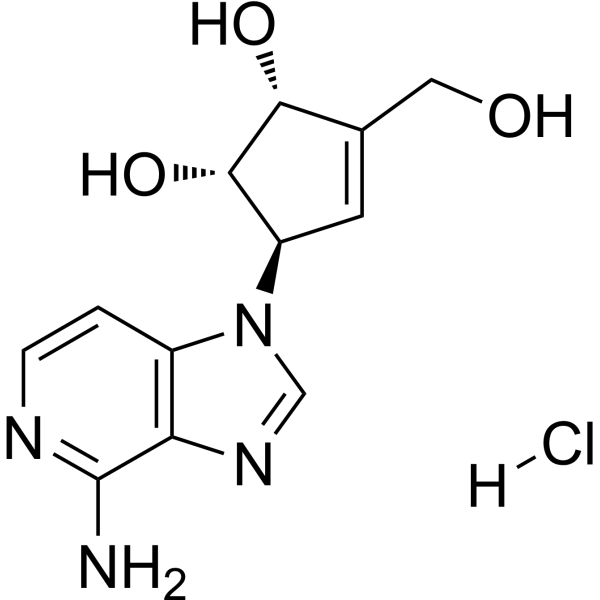
3-Deazaneplanocin A (DZNep) hydrochloride (GMP) is 3-Deazaneplanocin A hydrochloride (HY-12186) produced by using GMP guidelines. GMP small molecules work appropriately as an auxiliary reagent for cell therapy manufacture. 3-Deazaneplanocin A hydrochloride is a potent histone methyltransferase EZH2 inhibitor .
loading...
    loading...
Cat. No.: HY-P991582

Research Areas:  

Cancer

BI-1607 is a humanized monoclonal antibody targeting FcγRIIB/CD32b. BI-1607 selectively blocks inhibitory FcγRIIB signaling, abrogates its inhibitory function, redirects tumor cell-bound antibodies to activating FcγRs, and its modified Fc region prevents the binding of its own Fc segment to FcγRs. BI-1607 reduces αPD-1 trogocytosis, enhances the effector functions of anti-tumor antibodies (including ADCP and ADCC, promotes intratumoral regulatory T cell (Treg) depletion, myeloid cell reprogramming, induction of interferon-γ (IFN-γ) and CXCL10, and increases the number of activated effector CD8 + T cells. BI-1607 can be used in research related to colorectal cancer, HER2-positive advanced solid tumors, HER2-positive locally advanced or metastatic breast cancer, and HER2-positive metastatic gastric cancer .
loading...
    loading...
Cat. No.: HY-L039
3,231 compounds

Techniques for reprogramming somatic cells create new opportunities for drug screening, disease modeling, artificial organ development, and cell therapy. The development of reprogramming techniques has grown exponentially since Yamanaka reprogrammed somatic cells to become induced pluripotent stem cells (iPSCs) using four transcription factors, OCT4, SOX2, KLF4, and c-MYC in 2006. Despite the development of efficient reprogramming methods, most methods are inappropriate for clinical applications because they carry the risk of integrating exogenous genetic factors or use oncogenes. Alternative approaches, such as those based on miRNA, non-viral genes, non-integrative vectors, and small molecules, have been studied as possible solutions to the problems. Among these alternatives, small molecules are attractive options for clinical applications. Reprogramming using small molecules is inexpensive and easy to control in a concentration- and time-dependent manner. It offers a high level of cell permeability, ease of synthesis and standardization, and it is appropriate for mass-producing cells.

MCE Reprogramming Compound Library contains a unique collection of 3,231 compounds that act on reprogramming signaling pathways. These compounds are potential stimulators for reprogramming. This library is a useful tool for researching reprogramming and regenerative medicine.

Cat. No.: HY-149352
Target:  

Thymidylate Synthase

Research Areas:  

Cancer

DG1 (Compound 8Nc) is a Thymidylate Synthase (TS) inhibitor that affects cancer angiogenesis and metabolic reprogramming in NSCLC cells. DG1 can effectively inhibit the expression of CD26, ET-1, FGF-1 and EGF. DG1 also effectively inhibits the proliferation of cancer tissue in the A549 xenograft mouse model .
loading...
    loading...
Cat. No.: HY-173624
CAS No.: 160488-11-9
TE-11 is a MIF tautomerase inhibitor with an IC50 of 5.63 μM. TE-11 ameliorates CD-like colitis, reduces MIF-induced eosinophil and neutrophil migration, and prevents M1 polarization and associated metabolic reprogramming .
loading...
    loading...
Cat. No.: HY-155031
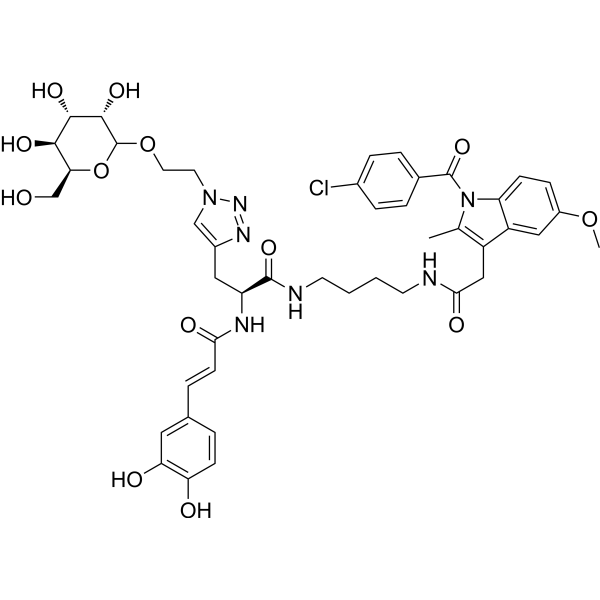
MCI alleviates inflammation by macrophage reprogramming via targeting ROS scavenging and COX-2 downregulation. MCI inhibits COX-2 with an IC50 value of 1.23 μM. MCI has significant anti-inflammatory effects in collagen-induced arthritis (CIA) models. MCI can be used in research for rheumatoid arthritis (RA) .
loading...
    loading...
Cat. No.: HY-175492
Target:  

DNA/RNA Synthesis

Research Areas:  

Cancer

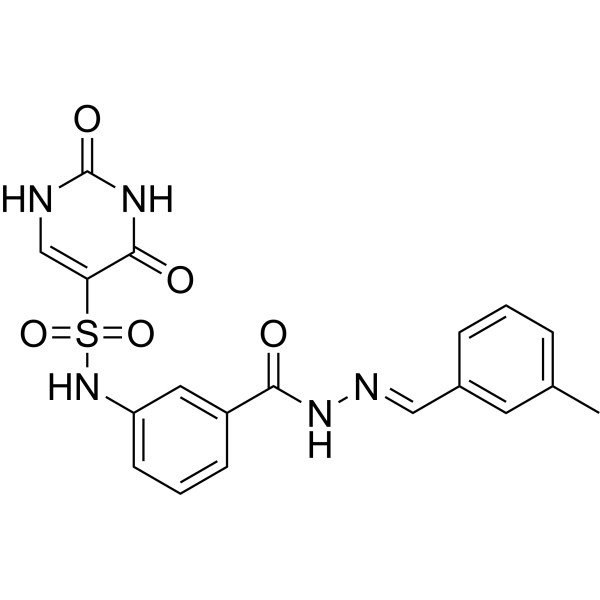
6PGD-IN-2 is an uncompetitive 6-phosphogluconate dehydrogenase (6PGD) inhibitor with an IC50 of 5.1 μM. 6PGD-IN-2 disrupts 6PGD oligomerization in a substrate-dependent manner. 6PGD-IN-2 results in a decrease of NADPH and Ru-5-P production as well as DNA synthesis in A549 cells. 6PGD-IN-2 can used for the studies of non-small cell carcinoma and liver cancer .
loading...
    loading...
Cat. No.: HY-W015466S
CAS No.: 355808-21-8
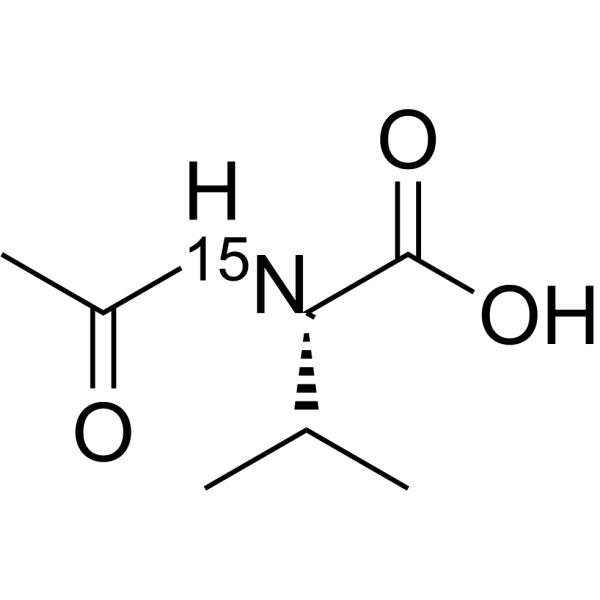
Acetylvaline- 15N is the 15N-labeled Acetylvaline (HY-W015466). Acetylvaline is a class of amino acid derivative metabolites. The expression abundance of Acetylvaline is upregulated under heat stress conditions; it participates in the regulation of amino acid biosynthesis, cysteine and methionine metabolic pathways, and mediates the physiological processes of antioxidant defense and energy metabolism reprogramming in Magallana sikamea. Acetylvaline can be released from acetylvalyl-RNA of Turnip Yellow Mosaic Virus (TYMV) by N‑acylaminoacyl‑tRNA hydrolase. Acetylvaline can be used in metabolism-related research .
loading...
    loading...
Cat. No.: HY-N1511R
CAS No.: 108340-60-9
Ganoderic acid D (Standard) is the analytical standard of Ganoderic acid D. This product is intended for research and analytical applications. Ganoderic acid D, a highly oxygenated tetracyclic triterpenoid, is the major active component of Ganoderma lucidum. Ganoderic acid D upregulates the protein expression of SIRT3 and induces the deacetylated cyclophilin D (CypD) by SIRT3. Ganoderic acid D inhibits the energy reprogramming of colon cancer cells including glucose uptake, lactate production, pyruvate and acetyl-coenzyme production in colon cancer cells . Ganoderic acid D induces HeLa human cervical carcinoma apoptosis .
loading...
    loading...
Cat. No.: HY-W015466S1
Acetylvaline- 13C2 is the 13C-labeled Acetylvaline (HY-W015466). Acetylvaline is a class of amino acid derivative metabolites. The expression abundance of Acetylvaline is upregulated under heat stress conditions; it participates in the regulation of amino acid biosynthesis, cysteine and methionine metabolic pathways, and mediates the physiological processes of antioxidant defense and energy metabolism reprogramming in Magallana sikamea. Acetylvaline can be released from acetylvalyl-RNA of Turnip Yellow Mosaic Virus (TYMV) by N‑acylaminoacyl‑tRNA hydrolase. Acetylvaline can be used in metabolism-related research .
loading...
    loading...
Cat. No.: HY-W015466R
CAS No.: 96-81-1
Acetylvaline (Standard) is the analytical standard of Acetylvaline (HY-W015466). This product is intended for research and analytical applications. Acetylvaline is a class of amino acid derivative metabolites. The expression abundance of Acetylvaline is upregulated under heat stress conditions; it participates in the regulation of amino acid biosynthesis, cysteine and methionine metabolic pathways, and mediates the physiological processes of antioxidant defense and energy metabolism reprogramming in Magallana sikamea. Acetylvaline can be released from acetylvalyl-RNA of Turnip Yellow Mosaic Virus (TYMV) by N‑acylaminoacyl‑tRNA hydrolase. Acetylvaline can be used in metabolism-related research .
loading...
    loading...
Cat. No.: HY-162415
CAS No.: 2760585-35-9
Target:  

c-Fms Apoptosis

Research Areas:  

Cancer

CSF1R-IN-22 (Compound C19) is an orally effective CSF-1R selective inhibitor (IC50<6 nM). CSF1R-IN-22 enhances the secretion of CXCL9 from M2 macrophages, increases CD8 + T cell infiltration. CSF1R-IN-22 boosts anti-tumor immune responses of anti-PD-1, and induces apoptosis in tumor cells. CSF1R-IN-22 can effectively reprogram M2-like TAMs (tumor-associated macrophages) to the M1 phenotype and reshape the TME by inducing the recruitment of CD8 + T cells into tumors and reducing the infiltration of immunosuppressive Tregs and MDSCs .
loading...
    loading...
Cat. No.: HY-N0272R
CAS No.: 39432-56-9
Eleutheroside E (Standard) is the analytical standard of Eleutheroside E. This product is intended for research and analytical applications. Eleutheroside E is an important component of Eleutheroside and has antioxidant, anti-fatigue, anti-inflammatory, antibacterial, immunomodulatory and cardioprotective effects. Eleutheroside E may inhibit the MAPK signaling pathway, thereby inhibiting H/R-induced NF-κB activation and oxidative stress, reducing metabolic reprogramming, and protecting myocardium from ischemia-reperfusion (I/R) injury. Eleutheroside E also counteracts the effects of high altitude hypobaric hypoxia (HAHI) by inhibiting inflammation and pyroptosis .
loading...
    loading...

