9398 Results for "

Competive Inhibitors

" in MedChemExpress (MCE) Product Catalog:
Products (9398)

9398 Results for "Competive Inhibitors" in MCE Product Catalog:

5
5 Cited Publications
Cat. No.: HY-150751C
Purity:  93.80%
Synonyms: ODN A151 sodium
Research Areas:  

Inflammation/Immunology

ODN TTAGGG sodium, inhibitory oligonucleotide (ODN), is a TLR9, AIM2 and cGAS antagonist. ODN TTAGGG sodium is immunosuppressive and inhibits AIM2 inflammasome activation, as well as cGAS activation, by competing with DNA. ODN TTAGGG sodium can be used in the study of lupus erythematosus and other related autoimmune diseases. ODN TTAGGG sequence: 5'-T-T-A-G-G-G-T-T-A-G-G-G-T-T-A-G-G-G-T-T-A-G-G-G-3' .
loading...
    loading...
3
3 Cited Publications
Cat. No.: HY-RI00449A
Target:  

MicroRNA

Research Areas:  

Cancer

hsa-miR-21-5p antagomirs are chemically-modified oligonucleotides that hybridize with mature miRNAs. The miRNA antagomirs have 2 phosphorothioates at the 5' end, 4 phosphorothioates at the 3' end, 1 cholesterol group at the 3' end, and full-length nucleotide 2'-methoxy modification. The miRNA antagomirs strongly compete with mature miRNAs to prevent the complementary pairing of miRNAs and their target genes, thereby inhibiting miRNAs from functioning. Stability of miRNA antagomirs appears to be significantly higher than miRNA inhibitors, they exhibits enhanced cellular uptake, stability and regulatory activity in vivo.
loading...
    loading...
3
3 Cited Publications
Cat. No.: HY-163316
CAS No.: 3030697-87-8
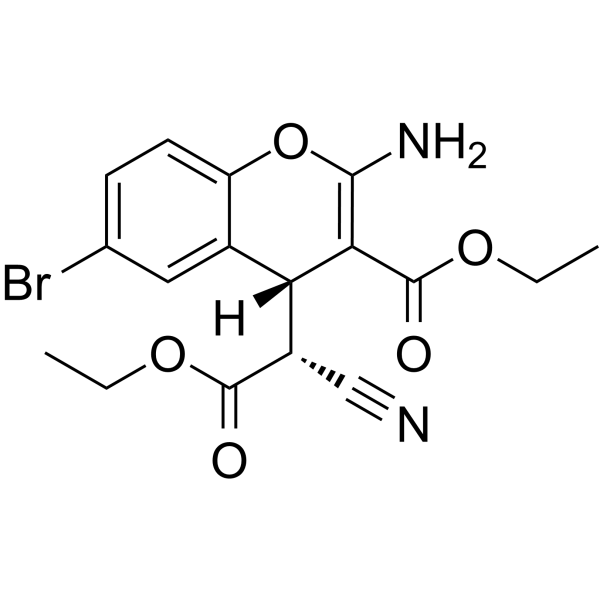
SIRT4-IN-1 is a selective and potent Sirtuin 4 (Sirt4) inhibitor with an IC50 of 16 μM for hSirt4. SIRT4-IN-1 also inhibits hSirt1, hSirt2, hSirt3, hSirt4 and hSirt6. SIRT4-IN-1 competes with acyl peptide substrate for Sirt4's acyl binding site, and is noncompetitive with NAD +. SIRT4-IN-1 increases glutamate dehydrogenase (GDH) activity and rescues pyruvate dehydrogenase (PDH) activity. SIRT4-IN-1 inhibits adipocyte differentiation and suppresses Sirt4 overexpression-induced increased differentiation. SIRT4-IN-1 can be used for the researches of cancer and metabolic disease .
loading...
    loading...
2
2 Cited Publications
Cat. No.: HY-16664
CAS No.: 431979-47-4
Research Areas:  

Cancer

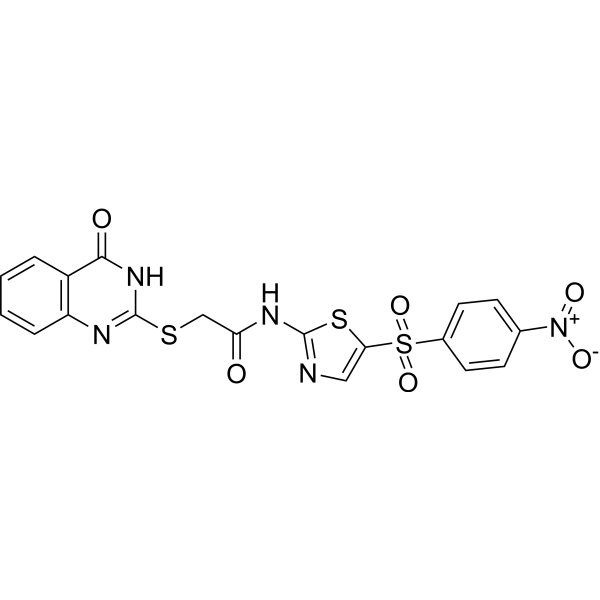
SJ-172550 is a small molecule inhibitor of MDMX; competes for the wild type p53 peptide binding to MDMX with an EC50 of 5 μM.
loading...
    loading...
2
2 Cited Publications
Cat. No.: HY-12011
CAS No.: 65673-63-4
Purity:  ≥98.0%
Target:  

Bcl-2 Family

Research Areas:  

Cancer

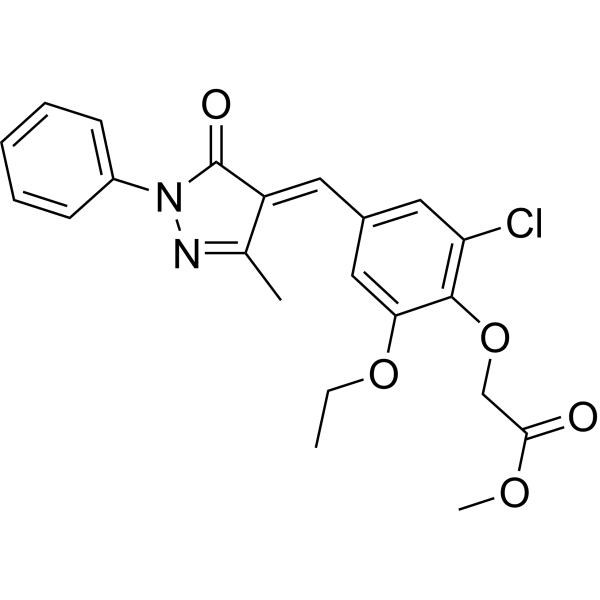
HA14-1 is a Bcl-2/Bcl-XL antagonist. HA14-1 binds the designated pocket on Bcl-2 with the IC50 of ≈9 μM in competing with the Bcl-2 binding of Flu-BakBH3, and inhibits its function.
loading...
    loading...
2
2 Cited Publications
Cat. No.: HY-117275A
CAS No.: 67254-91-5
Synonyms: Meclofenamate sodium hydrate
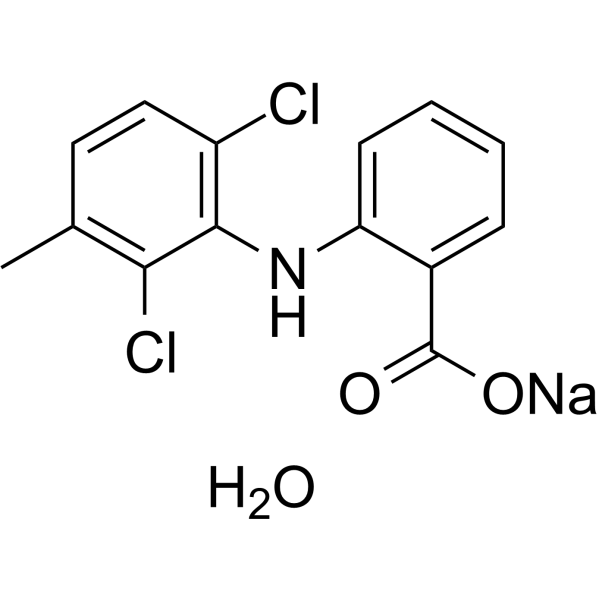
Meclofenamic acid (Meclofenamate) sodium hydrate is a non-steroidal anti-inflammatory agent. Meclofenamic acid sodium hydrate is a highly selective FTO (fat mass and obesity-associated) enzyme inhibitor. Meclofenamic acid sodium hydrate competes with FTO binding for the m(6)A-containing nucleic acid. Meclofenamic acid sodium hydrate is a non-selective gap-junction blocker. Meclofenamic acid sodium hydrate inhibits hKv2.1 and hKv1.1, with IC50 values of 56.0 and 155.9 μM, respectively .
loading...
    loading...
2
2 Cited Publications
Cat. No.: HY-13242
CAS No.: 1258861-20-9
Purity:  99.92%
Synonyms: LY2940680
Target:  

Smo Gli

Research Areas:  

Cancer

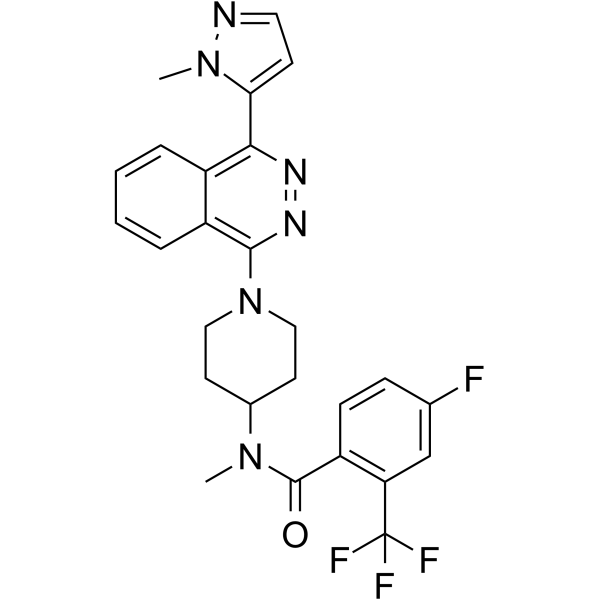
Taladegib is a Smoothened (SMO) antagonist. Taladegib hydrochloride inhibits the Hedgehog signaling pathway, with an IC50 of 5.5 nM for suppressing GLI1 mRNA expression in DAOY cells and an IC50 of 7.6 nM in CGNP cell proliferation assays. Taladegib binds to the extracellular loop region (site 1) of the transmembrane domain of the SMO receptor, competes with cyclopamine for SMO binding, and thereby inhibits Gli-dependent transcription. Taladegib can be used in studies of Hedgehog pathway-related cancers .
loading...
    loading...
2
2 Cited Publications
Cat. No.: HY-13242A
CAS No.: 1258861-21-0
Synonyms: LY2940680 hydrochloride
Target:  

Smo Gli

Research Areas:  

Cancer

Taladegib (LY2940680) hydrochloride is a Smoothened (SMO) antagonist. Taladegib hydrochloride inhibits the Hedgehog signaling pathway, with an IC50 of 5.5 nM for suppressing GLI1 mRNA expression in DAOY cells and an IC50 of 7.6 nM in CGNP cell proliferation assays. Taladegib hydrochloride binds to the extracellular loop region (site 1) of the transmembrane domain of the SMO receptor, competes with cyclopamine for SMO binding, and thereby inhibits Gli-dependent transcription. Taladegib hydrochloride can be used in studies of Hedgehog pathway-related cancers .
loading...
    loading...
1
1 Cited Publications
Cat. No.: HY-P10218
CAS No.: 479482-23-0
Target:  

MARCKS PKC

Research Areas:  

Inflammation/Immunology Cancer

MANS peptide is an inhibitor for myristoylated alanine-rich C kinase substrate (MARCKS), which competes with MARCKS in cells for membrane binding, and thus inhibits the stimulation of mucin secretion and tumor metastasis .
loading...
    loading...
1
1 Cited Publications
Cat. No.: HY-P10218A
Target:  

MARCKS PKC

Research Areas:  

Inflammation/Immunology Cancer

MANS peptide TFA is the TFA salt form of MANS peptide (HY-P10218). MANS peptide TFA is an inhibitor for myristoylated alanine-rich C kinase substrate (MARCKS), which competes with MARCKS in cells for membrane binding, and thus inhibits the stimulation of mucin secretion and tumor metastasis .
loading...
    loading...
1
1 Cited Publications
Cat. No.: HY-17624
CAS No.: 119-04-0
Synonyms: Neomycin B; Fradiomycin B
Target:  

Bacterial Antibiotic

Research Areas:  

Infection

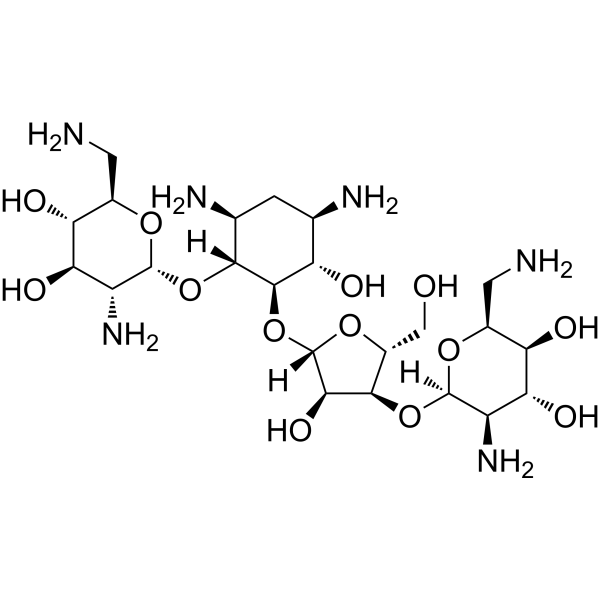
Framycetin (Neomycin B), an aminoglycoside antibiotic, is a potent RNase P cleavage activity inhibitor with a Ki of 35 μM. Framycetin competes for specific divalent metal ion binding sites in RNase P RNA. Framycetin inhibits hammerhead ribozyme with a Ki of 13.5 μM. Framycetin, a 5″-azido neomycin B precursor, binds the Drosha site in miR-525 and is used for hepatic encephalopathy and enteropathogenic E. coli infections .
loading...
    loading...
1
1 Cited Publications
Cat. No.: HY-17624A
CAS No.: 4146-30-9
Synonyms: Neomycin B sulfate; Fradiomycin B sulfate
Target:  

Antibiotic Bacterial

Research Areas:  

Infection

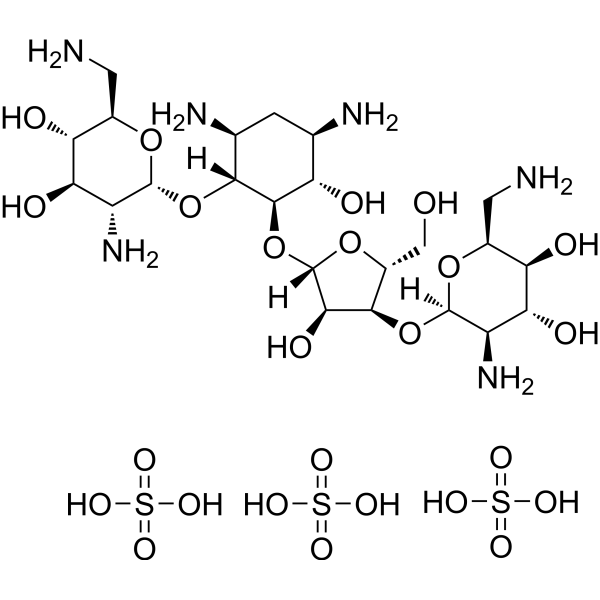
Framycetin sulfate (Neomycin B sulfate), an aminoglycoside antibiotic, is a potent RNase P cleavage activity inhibitor with a Ki of 35 μM. Framycetin sulfate competes for specific divalent metal ion binding sites in RNase P RNA. Framycetin sulfate inhibits hammerhead ribozyme with a Ki of 13.5 μM. Framycetin sulfate, a 5″-azido neomycin B precursor, binds the Drosha site in miR-525 and is used for hepatic encephalopathy and enteropathogenic E. coli infections .
loading...
    loading...
1
1 Cited Publications
Cat. No.: HY-114302
CAS No.: 2100864-57-9
Purity:  99.89%
Target:  

Microtubule/Tubulin

Research Areas:  

Cancer

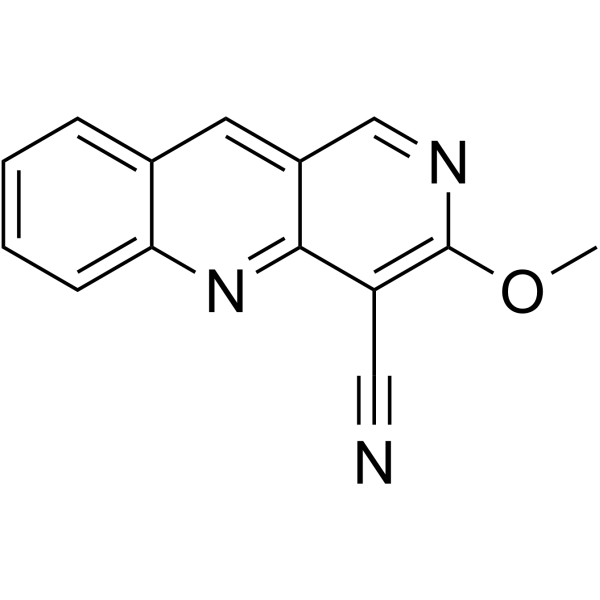
CCB02 is a selective CPAP-tubulin interaction inhibitor, binding to tubulin and competing for the CPAP binding site of β-tubulin, with an IC50 of 689 nM, and shows potent anti-tumor activity. CCB02 shows no inhibition on the cell cycle- and centrosome-related kinases, or the phosphorylation status of Aurora A, Plk1, Plk2, CDK2, and CHK1 .
loading...
    loading...
1
1 Cited Publications
Cat. No.: HY-B1376
CAS No.: 77-41-8
Synonyms: Mesuximide; Celontin
Target:  

Cytochrome P450

Research Areas:  

Neurological Disease

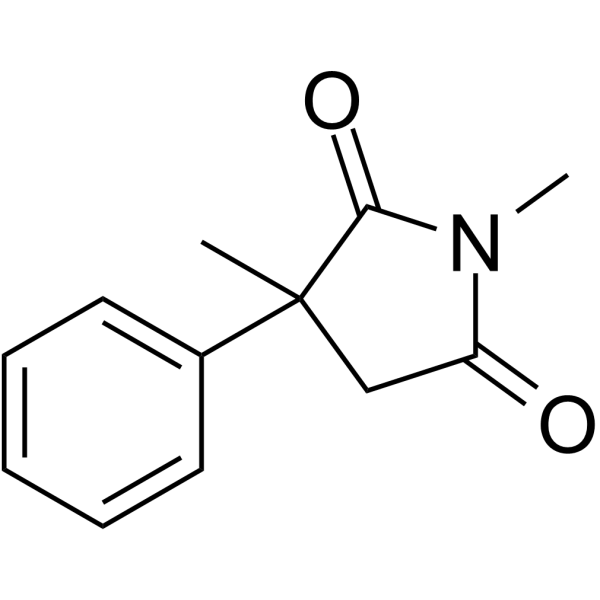
Methsuximide (Mesuximide) is an orally active succinimide-derived antiepileptic agent. Methsuximide interacts with cytochrome P-450, increases the level of hepatic microsomal cytochrome P-450, and inhibits or competes with the cytochrome P-450 CYP 2C9/10 subtype. Methsuximide can be used in epilepsy-related research .
loading...
    loading...
1
1 Cited Publications
Cat. No.: HY-P1376A
Research Areas:  

Endocrinology

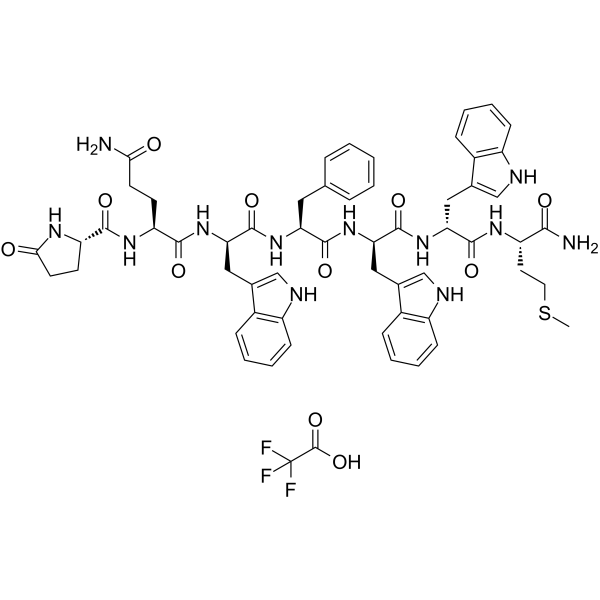
G-Protein antagonist peptide TFA is a truncated substance P-related peptide, competes with receptor for G protein binding. G-Protein antagonist peptide TFA inhibits the activation of Gi or Go by M2 muscarinic cholinergic receptor (M2 mAChR) or of Gs by beta-adrenergic receptor in the reconstituted phospholipid vesicles, assayed by receptor-promoted GTP hydrolysis .
loading...
    loading...
1
1 Cited Publications
Cat. No.: HY-127146
CAS No.: 835876-32-9
Purity:  95.00%
Target:  

Antibiotic Bacterial

Research Areas:  

Infection

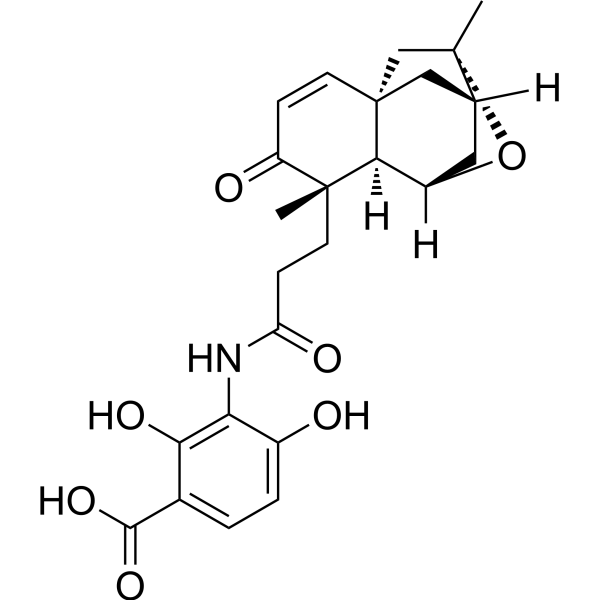
APOL1-IN-1 is a natural product antibiotic and selective FabF inhibitor discovered in Streptomyces platensis. Platensimycin exhibits IC50 values of 48 nM and 160 nM against Staphylococcus aureus and Escherichia coli FabF, respectively. Platensimycin preferentially recognizes the acyl-enzyme conformation of FabF, occupies the malonyl-binding subsite, and competes with malonyl-ACP, thereby inhibiting bacterial fatty acid elongation. Platensimycin is useful for research on bacterial fatty acid biosynthesis and Gram-positive bacterial infections .
loading...
    loading...
1
1 Cited Publications
Cat. No.: HY-B0322S
CAS No.: 1020719-86-1
Synonyms: Ro 4-2130-d4
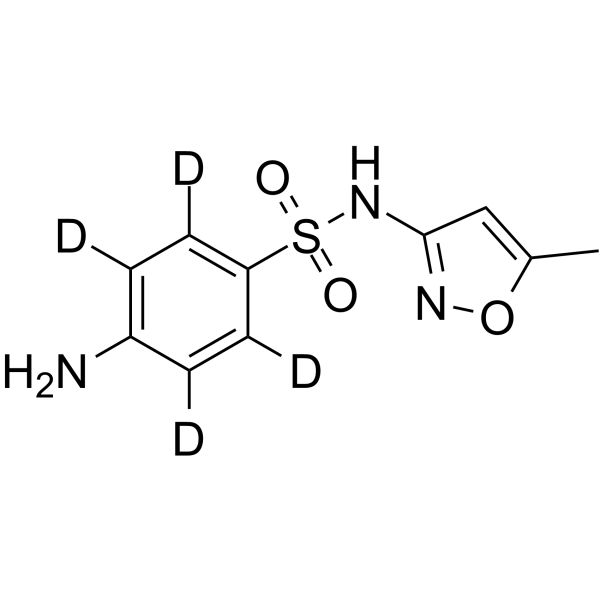
Sulfamethoxazole-d4 (Ro 4-2130-d4) is a deuterium labeled Sulfamethoxazole (HY-B0322). Sulfamethoxazole (Ro 4-2130) is a sulfonamide antibiotic with a widespread antibacterial activity. Sulfamethoxazole inhibits bacterial folate metabolism by competing with 4-Aminobenzoic acid (HY-B1008) (PABA) to act on dihydropteroate synthetase and dihydropteroate reductase. Sulfamethoxazole can be used for the study of urinary tract infections (UTIs), prostatitis, and bronchitis .
loading...
    loading...
1
1 Cited Publications
Cat. No.: HY-N6845
CAS No.: 19275-46-8
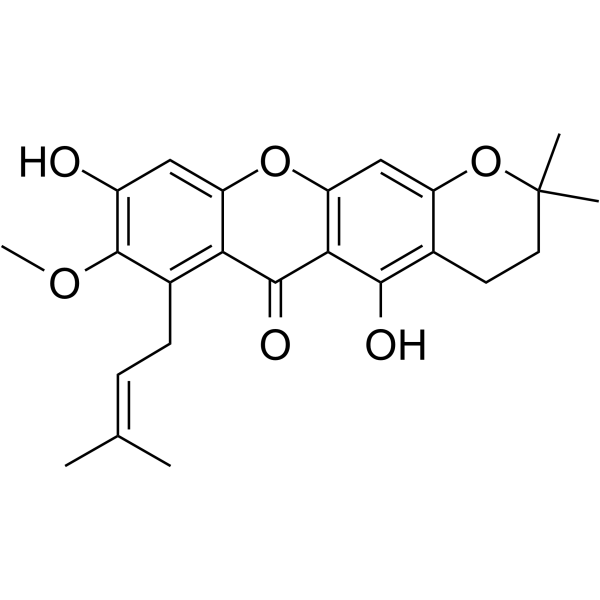
3-Isomangostin is a flavonoid compound that acts as an inhibitor of MTH1 and acetylcholinesterase, with an IC50 of 52 nM against MTH1 and IC50 values of 5.75 μM and 12.96 μM against AChE and BChE, respectively. 3-Isomangostin also inhibits human aldose reductase and CDK4/Cyclin D1 with IC50 values of 3.48 μM and 15.6 μM, respectively. 3-Isomangostin inhibits polyol pathway flux, competes with 8-oxo-dGTP for binding to the MTH1 active site through hydrogen bonding and hydrophobic xanthone interactions, blocks cell cycle progression, reduces cancer cell viability, and exhibits growth inhibitory effects against both normal and penicillin-resistant Staphylococcus aureus. 3-Isomangostin is used in research on Alzheimer's disease, diabetic complications, Staphylococcus aureus infections, and colon cancer .
loading...
    loading...
1
1 Cited Publications
Cat. No.: HY-108359
CAS No.: 237430-03-4
Purity:  99.85%
Synonyms: 9-Nitropaullone; NSC 705701
Target:  

CDK GSK-3 Apoptosis

Research Areas:  

Cancer

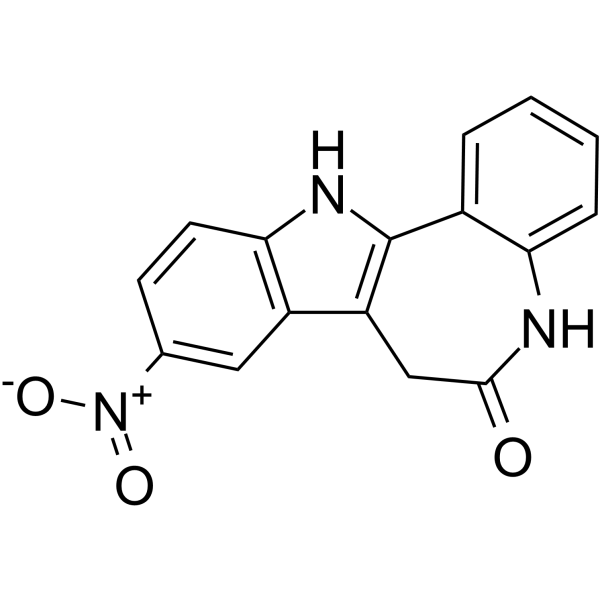
Alsterpaullone (9-Nitropaullone) is a potent CDK inhibitor, with IC50s of 35 nM, 15 nM, 200 nM and 40 nM for CDK1/cyclin B, CDK2/cyclin A, CDK2/cyclin E and CDK5/p35, respectively. Alsterpaullone also competes with ATP for binding to GSK-3alpha/GSK-3beta with IC50s of both 4 nM. Alsterpaullone has antitumor activity, and possesses potential for the study in neurodegenerative and proliferative disorders . Alsterpaullone induces apoptosis in leukemia cell line .
loading...
    loading...
Cat. No.: HY-RI00144
Target:  

MicroRNA

Research Areas:  

Cancer

hsa-miR-1246 inhibitors are chemically-modified oligonucleotides that hybridize with mature miRNAs. The miRNA inhibitors have full-length nucleotide 2'-methoxy modification. The miRNA inhibitors strongly compete with mature miRNAs to prevent the complementary pairing of miRNAs and their target genes, thereby inhibiting miRNAs from functioning.
loading...
    loading...

