



75 Results for "

Pulmonary function

" in MedChemExpress (MCE) Product Catalog:
Products (75)

75 Results for "Pulmonary function" in MCE Product Catalog:

Cat. No.: HY-150229
CAS No.: 2803699-70-7
Purity:  98.84%
Target:  

Liposome

Research Areas:  

Cancer

306-N16B is a selective lung-targeted lipid nanoparticle that reversibly targets lung endothelial cells and specific immune cells through selective adsorption of a protein corona mediated by differences in tail structure (such as fibrinogen β/γ chain). 306-N16B binds to specific plasma proteins in the blood to form a protein corona, which guides the particles to be enriched in the lungs, releases mRNA and promotes target cell gene expression, exerts efficient lung cell transfection activity, and can precisely regulate gene delivery of different cell types in the lungs (such as endothelial cells and macrophages). 306-N16B can be used in gene therapy technologies for hereditary lung diseases including pulmonary lymphangioleiomyomatosis (LAM), restoring tumor suppressor function by delivering Tsc2 mRNA, and can also be used for lung-specific mRNA vaccines and gene editing therapies .
loading...
    loading...
Cat. No.: HY-B2078A
CAS No.: 10402-53-6
Target:  

Neurokinin Receptor

Research Areas:  

Inflammation/Immunology

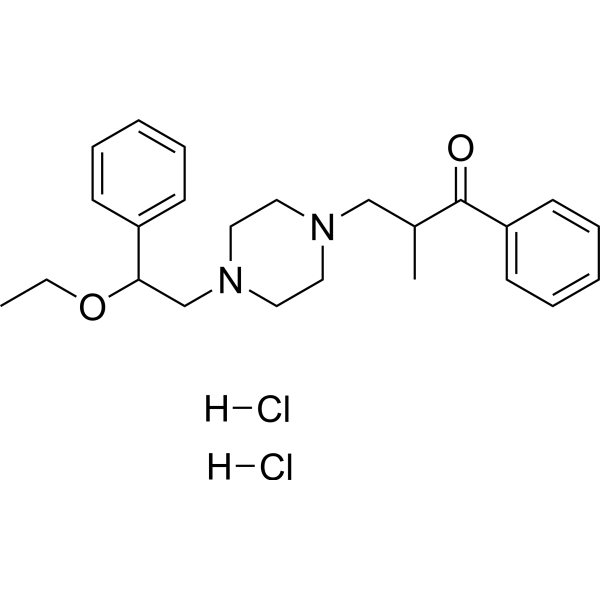
Eprazinone dihydrochloride is a gent with mucolytic, secretolytic, antitussive, and bronchial antispasmodic properties. Eprazinone dihydrochloride is a neurokinin 1 receptor (NK1R) ligand. Eprazinone dihydrochloride has the potential for chronic bronchitis treatment that improved pulmonary function and arterial partial pressure of oxygen .
loading...
    loading...
Cat. No.: HY-11095
CAS No.: 226878-01-9
Purity:  98.83%
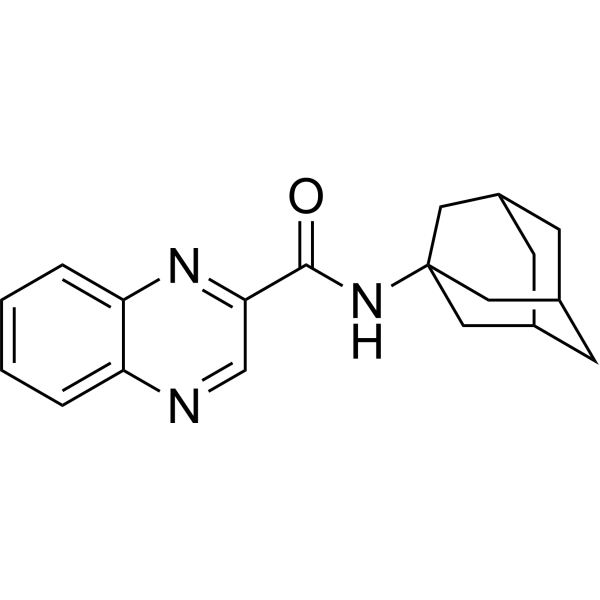
NPS 2390 is an allosteric antagonist of calcium-sensing receptor (CaSR) and mGluR1/5. NPS 2390 inhibits the PI3K/Akt/mTOR signaling pathway, reduces hypoxia-induced intracellular calcium elevation, decreases the expression of autophagy (autophagy) proteins, regulates the expression of phenotypic marker proteins, and inhibits the proliferation of pulmonary artery smooth muscle cells. NPS 2390 attenuates the endogenous apoptosis (apoptosis) pathway, increases the expression level of Bcl-2, downregulates the expression levels of Bax, cytochrome c and caspase-3, alleviates cerebral edema and improves neurological function in rat models. NPS 2390 can be used in studies related to hypoxic pulmonary hypertension, traumatic brain injury, stroke and pain .
loading...
    loading...
Cat. No.: HY-14519R
CAS No.: 59-05-2
Synonyms: Amethopterin (Standard); CL14377 (Standard); WR19039 (Standard)
Methotrexate (Standard) (Amethopterin (Standard); CL14377 (Standard); WR19039 (Standard)) is the analytical standard of Methotrexate (HY-14519). This product is intended for research and analytical applications. Methotrexate (Amethopterin; CL14377; WR19039) is an orally active antifolate (Antifolate). Methotrexate inhibits dihydrofolate reductase (DHFR), blocks tetrahydrofolate production, suppresses purine/pyrimidine synthesis and transmethylation, and causes intracellular accumulation of AICAR. Methotrexate promotes extracellular adenosine release, regulates the cytokine network, and inhibits the alarmin function of HMGB1. Methotrexate induces apoptosis and cytotoxicity, upregulates the expression of iNOS and COX-2, suppresses hippocampal neurogenesis, and induces pulmonary fibrosis. Methotrexate is used in the research of various immune and inflammation-related diseases such as arthritis, psoriasis, systemic lupus erythematosus, as well as pulmonary fibrosis and breast cancer .
loading...
    loading...
Cat. No.: HY-N6075
CAS No.: 449733-84-0
Synonyms: Nuezhenide
Specneuzhenide (Nuezhenide) is an orally active phenol glycoside isolated from Ligustrum sinense. Specneuzhenide exhibits anti-inflammatory, antioxidant, antifibrotic, antitumor, hypoglycemic, as well as cartilage- and kidney-protective activities. Specneuzhenide inhibits fibrosis by activating the AMPK pathway (Kd = 62 µM), alleviates inflammation and oxidative stress by regulating multiple signaling pathways (NF-κB, Wnt/β-catenin and HO-1/Nrf-2), and upregulates podocyte proteins to comprehensively protect renal function. Specneuzhenide can be used in research related to cancer, rheumatoid arthritis, pulmonary fibrosis, diabetic nephropathy and osteoarthritis .
loading...
    loading...
Cat. No.: HY-172242
CAS No.: 1887236-33-0
Research Areas:  

Inflammation/Immunology

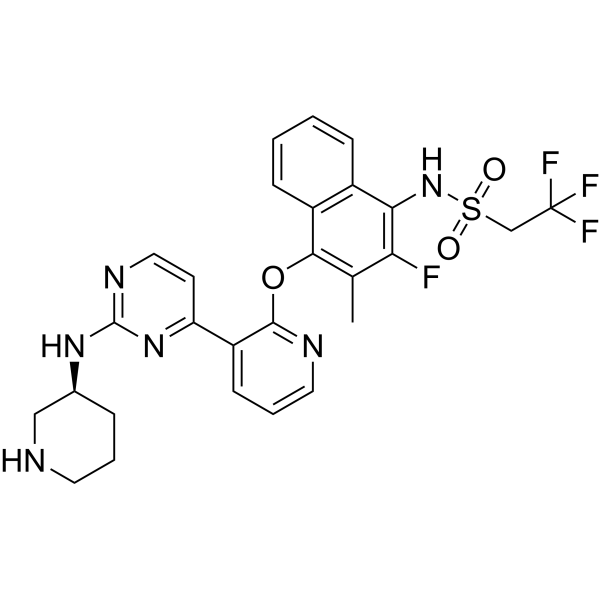
Verducatib (BI 1291583) is an orally active inhibitor of cathepsin C (also known as DPP1). Verducatib restores the protease-inhibitor balance by inhibiting the activation of neutrophil serine proteases, thereby alleviating pulmonary inflammation and regulating infection responses. Verducatib significantly reduces the risk (including severe exacerbations) and frequency of acute exacerbations in bronchiectasis (BE). Verducatib also improves lung function and quality of life, and shortens the duration of antibiotic use. The overall incidence of adverse events of Verducatib is comparable to that of placebo, with only slightly more mild-to-moderate cutaneous adverse events observed in the high-dose group, demonstrating promising clinical application potential .
loading...
    loading...
Cat. No.: HY-P10939A
Target:  

Caspase Pyroptosis

Research Areas:  

Inflammation/Immunology Cancer

Ac-DMLD-CMK TFA is a caspase 3 inhibitor and a GSDME inhibitor. Ac-DMLD-CMK TFA binds directly to the catalytic domain of caspase-3, blocks caspase-3-mediated cleavage of GSDME, inhibits the activation of caspase 3 and Gsdme in the caspase 3-Gsdme signaling pathway, and reduces the levels of pyroptosis and apoptosis as well as the expression of LDH, IL-6, IL-1β and IL-18. Ac-DMLD-CMK TFA alleviates renal function deterioration, renal tubular epithelial cell injury, inflammatory cytokine secretion, pulmonary structural damage, and chemotherapy-induced nephrotoxicity .
loading...
    loading...
Cat. No.: HY-W005379
CAS No.: 162401-62-9
Target:  

TGF-beta/Smad

Research Areas:  

Inflammation/Immunology

DGM is an inhibitor of the TGF-β1/Smad signaling pathway with significant antifibrotic effects. DGM inhibits the epithelial-mesenchymal transition (EMT) process in alveolar epithelial cells and slows the progression of pulmonary fibrosis in vivo by reducing lung inflammation, improving lung function, and decreasing extracellular matrix (ECM) remodeling. DGM can be used in research on idiopathic pulmonary fibrosis (IPF) and EMT-related diseases .
loading...
    loading...
Cat. No.: HY-14299AR
CAS No.: 753498-25-8
Synonyms: QAB149 (Standard)
Indacaterol (maleate) (Standard) is the analytical standard of Indacaterol (maleate). This product is intended for research and analytical applications. Indacaterol maleate (QAB149) is an orally active ultra-long-acting β2 adrenergic receptor (ADRB2) agonist. Indacaterol maleate inhibits NF-κB activity in a β-arrestin2-dependent manner, preventing further lung damage and improving lung function in COPD (chronic obstructive pulmonary disorder). Indacaterol maleate can also be used in cardiovascular disease research .
loading...
    loading...
Cat. No.: HY-P10939
CAS No.: 2588354-33-8
Target:  

Caspase Pyroptosis

Research Areas:  

Inflammation/Immunology Cancer

Ac-DmLD-CMK is a caspase 3 inhibitor and a GSDME inhibitor. Ac-DmLD-CMK binds directly to the catalytic domain of caspase-3, blocks caspase-3-mediated cleavage of GSDME, inhibits the activation of caspase 3 and Gsdme in the caspase 3-Gsdme signaling pathway, and reduces the levels of pyroptosis and apoptosis as well as the expression of LDH, IL-6, IL-1β and IL-18. Ac-DmLD-CMK alleviates renal function deterioration, renal tubular epithelial cell injury, inflammatory cytokine secretion, pulmonary structural damage, and chemotherapy-induced nephrotoxicity .
loading...
    loading...
Cat. No.: HY-145425
CAS No.: 2771006-54-1
Target:  

IRE1 Apoptosis FGFR

Research Areas:  

Inflammation/Immunology

PAIR2 is a highly selective inhibitor targeting the kinase domain of human IRE1α, with a Ki value of 8.8 nM against human IRE1α. PAIR2 fully occupies the ATP-binding site of the IRE1α kinase domain, partially antagonizes the ribonuclease activity of IRE1α, specifically inhibits regulated IRE1α-dependent decay (RIDD) and its mediated substrate cleavage, while preserving the splicing function of Xbp1 mRNA. PAIR2 also promotes the differentiation of B cells into plasma cells, blocks IRE1α-induced cell apoptosis, and restores the expression of Fgfr2 mRNA in AT2 cells. PAIR2 effectively reaches a steady-state concentration in the lung tissues of Mus musculus, and serves as an important tool for investigating the function of the IRE1α signaling pathway in diseases such as pulmonary fibrosis .
loading...
    loading...
Cat. No.: HY-14299R
CAS No.: 312753-06-3
Indacaterol (Standard) is the analytical standard of Indacaterol. This product is intended for research and analytical applications. Indacaterol is an orally active ultra-long-acting β2 adrenergic receptor (ADRB2) agonist. Indacaterol inhibits NF-κB activity in a β-arrestin2-dependent manner, preventing further lung damage and improving lung function in COPD (chronic obstructive pulmonary disorder). Indacaterol can also be used in cardiovascular disease research .
loading...
    loading...
Cat. No.: HY-P99952
CAS No.: 2249927-04-4
Synonyms: SCT400
Ripertamab (SCT400) is a recombinant human-mouse chimeric anti-CD20 IgG1κ monoclonal antibody. As an immunomodulator, ripertamab reduces the levels of pathogenic autoantibodies, alleviates immune complex deposition, and blocks the antigen-presenting function of cells. Ripertamab depletes CD20-positive cells. Ripertamab can induce infusion-related reactions, pulmonary toxicity, neutropenia and thrombocytopenia. Ripertamab is applicable to research related to non-Hodgkin's lymphoma, primary membranous nephropathy and idiopathic membranous nephropathy .
loading...
    loading...
Cat. No.: HY-108534
CAS No.: 485842-97-5
Synonyms: AW 464
PMX464 (AW 464) is a thiol-reactive quinol compound and an inhibitor of the thioredoxin-thioredoxin reductase (Trx/TrxR) system, with an IC50 value of 6.5 μM against TrxR. PMX464 acts by irreversibly inhibiting the thioredoxin (Trx-1) system, blocking HIF-1α transcriptional activation and the NF-κB inflammatory pathway, inducing apoptosis, attenuating platelet function and inhibiting thrombosis, and specifically disrupting the trypanothione antioxidant metabolic network in parasites. PMX464 is used in research concerning malignant tumors (colorectal cancer, breast cancer, renal cancer, and leukemia), pulmonary inflammation, African sleeping sickness, and antithrombotic applications .
loading...
    loading...
Cat. No.: HY-130786
CAS No.: 57076-71-8
Purity:  99.92%
Synonyms: BRL 30892
Research Areas:  

Others Inflammation/Immunology

Denbufylline (BRL 30892) is an inhibitor of phosphodiesterase-4 (PDE4). Denbufylline is able to block the degradation of intracellular cAMP (cyclic adenosine phosphate) thereby increasing the level of intracellular cAMP, which helps regulate a variety of cellular functions. Denbufylline can be used in the study of chronic obstructive pulmonary disease (COPD), asthma and other inflammatory diseases .
loading...
    loading...
Cat. No.: HY-W584165
CAS No.: 13983-17-0
Wollastonite is a white, chain-structured pyroxene silicate mineral with biocompatibility, biodegradability, osteogenicity and antibacterial properties. Wollastonite induces transient pulmonary inflammatory responses, reversible alveolar macrophage responses, early inflammatory/proliferative mesothelial cell responses, ROS production, and mild chronic pulmonary interstitial inflammation in rats. Wollastonite induces osteogenic differentiation, promotes bone growth, supports angiogenesis, and facilitates the formation of hydroxycarbonate apatite on its surface. Wollastonite enhances the strength, bioactivity and biodegradability of hydroxyapatite scaffolds, and is used to construct porous bone tissue engineering scaffolds. Wollastonite is applied in research related to diseases such as bronchitis, decreased lung function and bone defects .
loading...
    loading...
Cat. No.: HY-14519D
CAS No.: 6745-93-3
Synonyms: Amethopterin monohydrate; CL14377 monohydrate; WR19039 monohydrate
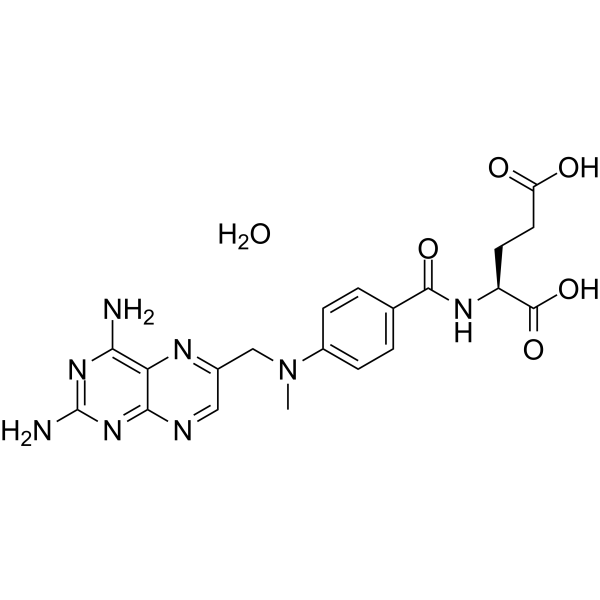
Methotrexate monohydrate (Amethopterin monohydrate; CL14377 monohydrate; WR19039 monohydrate) is an orally active antifolate (Antifolate). Methotrexate monohydrate inhibits dihydrofolate reductase (DHFR), blocks tetrahydrofolate production, suppresses purine/pyrimidine synthesis and transmethylation, and causes intracellular accumulation of AICAR. Methotrexate monohydrate promotes extracellular adenosine release, regulates the cytokine network, and inhibits the alarmin function of HMGB1. Methotrexate monohydrate induces apoptosis and cytotoxicity, upregulates the expression of iNOS and COX-2, suppresses hippocampal neurogenesis, and induces pulmonary fibrosis. Methotrexate monohydrate is used in the research of various immune and inflammation-related diseases such as arthritis, psoriasis, systemic lupus erythematosus, as well as pulmonary fibrosis and breast cancer .
loading...
    loading...
Cat. No.: HY-172350
Research Areas:  

Infection

WEHI-P8 is an orally active SARS-CoV-2 papain-like protease (PLpro) inhibitor with an IC50 of 12 nM and a Kd of 9.0 nM. WEHI-P8 reduces viral load, body weight loss, pulmonary inflammation, immune cell infiltration and pro-inflammatory mediator levels in SARS-CoV-2-infected mice. WEHI-P8 prevents pulmonary hemorrhage, immune cell infiltration, fibrotic remodeling and neuroinflammation, and improves cognitive function in a mouse model of post-acute sequelae of SARS-CoV-2 infection (PASC). WEHI-P8 is applicable for the research of COVID-19 and PASC .
loading...
    loading...
Cat. No.: HY-121151
CAS No.: 60388-53-6
Synonyms: (±)-Amethopterin; (±)-CL14377; (±)-WR19039
(±)-Methotrexate ((±)-Amethopterin; (±)-CL14377; (±)-WR19039) is the racemate of Methotrexate (HY-14519). Methotrexate is an orally active antifolate (Antifolate). Methotrexate inhibits dihydrofolate reductase (DHFR), blocks tetrahydrofolate production, suppresses purine/pyrimidine synthesis and transmethylation, and causes intracellular accumulation of AICAR. Methotrexate promotes extracellular adenosine release, regulates the cytokine network, and inhibits the alarmin function of HMGB1. Methotrexate induces apoptosis and cytotoxicity, upregulates the expression of iNOS and COX-2, suppresses hippocampal neurogenesis, and induces pulmonary fibrosis. Methotrexate is used in the research of various immune and inflammation-related diseases such as arthritis, psoriasis, systemic lupus erythematosus, as well as pulmonary fibrosis and breast cancer .
loading...
    loading...
Cat. No.: HY-124051
CAS No.: 1194453-23-0
Target:  

Elastase

BAY-8040 is a pyrimidopyridazine derivative which has inhibitory activity against human neutrophil elastase (HNE). BAY-8040 decreases cardiac remodeling and ameliorates cardiac function in a Monocrotaline (HY-N0750)-induced rat model for pulmonary arterial hypertension. BAY-8040 is promising for research of inflammatory pathologies and cardiopulmonary pathologies .
loading...
    loading...

