326 Results for "

Calcium/Sodium Channel Blocker

" in MedChemExpress (MCE) Product Catalog:
Products (326)

326 Results for "Calcium/Sodium Channel Blocker" in MCE Product Catalog:

2
2 Cited Publications
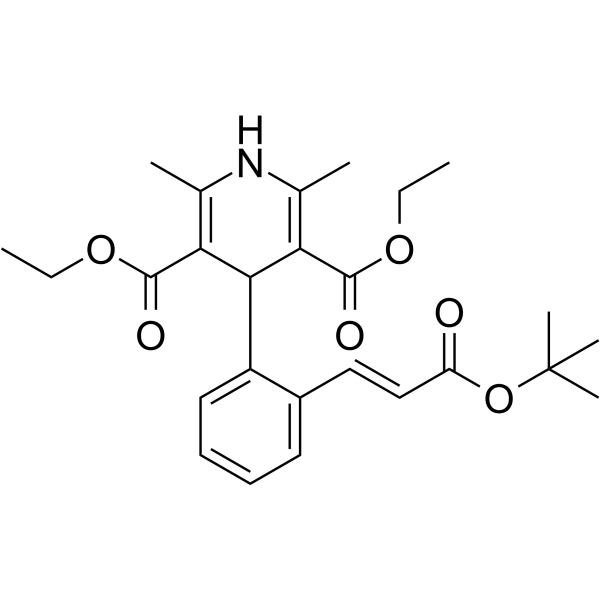
Cat. No.: HY-B0347
CAS No.: 103890-78-4
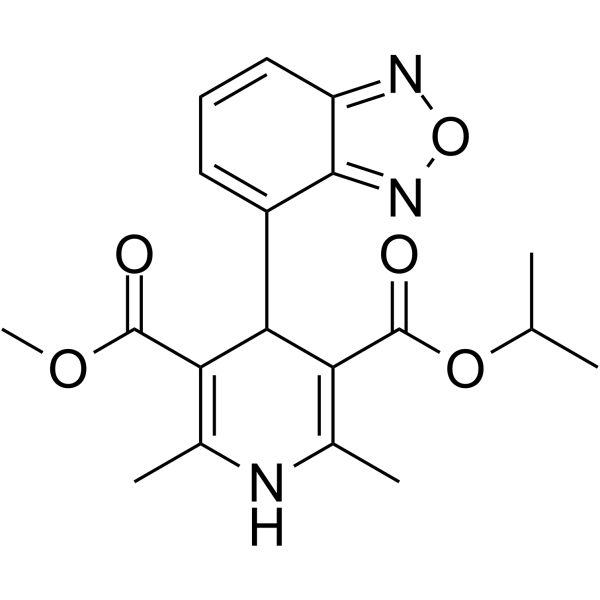
Lacidipine is an orally active and highly selective L-type calcium channel blocker that acts on smooth muscle calcium channels, primarily dilates peripheral arteries, reduces peripheral resistance, and has long-lasting anti-hypertensive activity. Lacidipine protects HKCs from apoptosis induced by ATP depletion and recovery by modulating the caspase-3 pathway. Lacidipine can be used in studies of hypertension, atherosclerosis and acute kidney injury (AKI) .
loading...
    loading...
2
2 Cited Publications
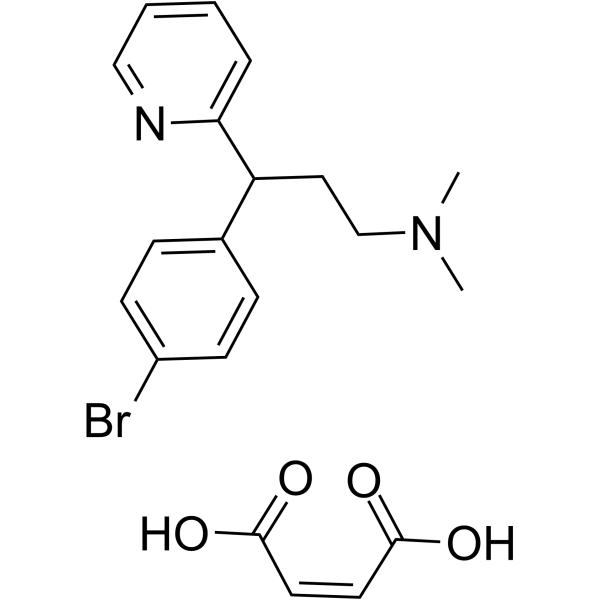
Cat. No.: HY-B0480
CAS No.: 980-71-2
Synonyms: (±)-Brompheniramine maleate
Brompheniramine ((±)-Brompheniramine) maleate is a potent and orally active antihistamine of the alkylamine class. Brompheniramine maleate is a selective histamine H1 receptor antagonist with a Kd of 6.06 nM. Brompheniramine maleate can block the hERG channels, calcium channels, and sodium channels with IC50s of 0.90 μM, 16.12 μM and 21.26 μM, respectively. Brompheniramine maleate has anticholinergic, antidepressant and anesthetic properties and can be used for allergic rhinitis research .
loading...
    loading...
2
2 Cited Publications
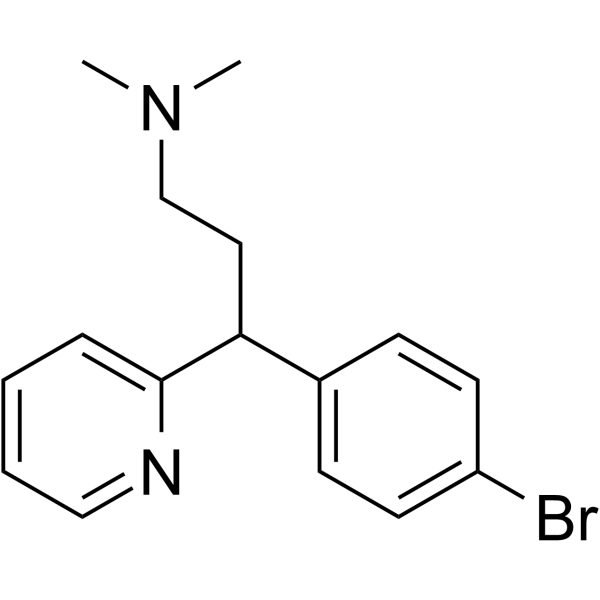
Cat. No.: HY-B0480A
CAS No.: 86-22-6
Synonyms: (±)-Brompheniramine
Brompheniramine ((±)-Brompheniramine) is a potent and orally active antihistamine of the alkylamine class. Brompheniramine is a selective histamine H1 receptor antagonist with a Kd of 6.06 nM. Brompheniramine can block the hERG channels, calcium channels, and sodium channels with IC50s of 0.90 μM, 16.12 μM and 21.26 μM, respectively. Brompheniramine has anticholinergic, antidepressant and anesthetic properties and can be used for allergic rhinitis research .
loading...
    loading...
2
2 Cited Publications
Cat. No.: HY-157131
CAS No.: 2242724-49-6
Purity:  99.84%
Target:  

TRP Channel

Research Areas:  

Neurological Disease

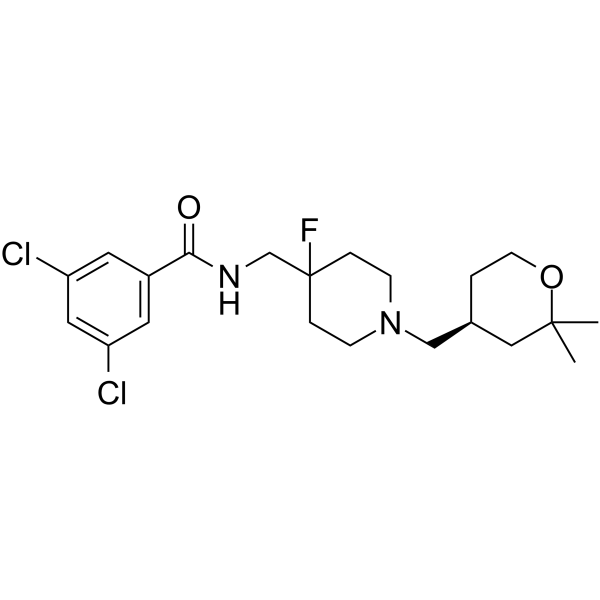
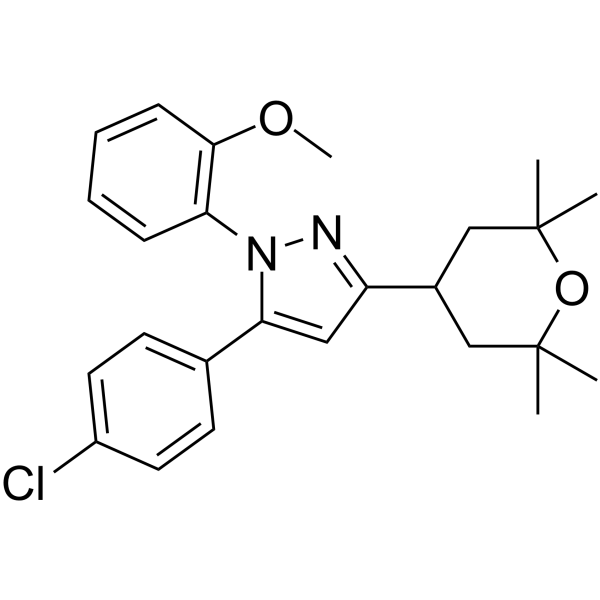
TRPV2-selective blocker 1 is a TRPV2-selective blocker that inhibits calcium influx and ionic currents. TRPV2-selective blocker 1 exhibits an IC50 of 6.3 μM against rat TRPV2, and shows no activity against TRPV1, TRPV3 or TRPV4 channels. TRPV2-selective blocker 1 attenuates macrophage phagocytosis, LPS-induced macrophage migration, and calcium microdomains generated by peripheral TRPV2. TRPV2-selective blocker 1 is non-cytotoxic and can be used to investigate the function of TRPV2 during immune processes .
loading...
    loading...
2
2 Cited Publications
Cat. No.: HY-132222
CAS No.: 2313525-20-9
Purity:  99.78%
Target:  

TRP Channel

Research Areas:  

Cancer

SET2 is a selective TRPV2 antagonist (IC50=0.46 μM). SET2 blocks the TRP channel and suppresses prostate cancer cells migration. SET2 reduces the lysophosphatidic acid (LPA, a TRPV2 activator)-induced cytoplasmic calcium increases .
loading...
    loading...
2
2 Cited Publications
Cat. No.: HY-10035
CAS No.: 1072018-68-8
Purity:  99.92%
Synonyms: T-Type Calcium Channel inhibitor
Target:  

Calcium Channel

Research Areas:  

Neurological Disease

TTA-P2 (T-Type calcium channel inhibitor) is a selective, orally active, and BBB-penetrant T-type calcium channel blocker (IC50 = 22 nM). TTA-P2 reduces mechanical hypersensitivity and alleviates acute as well as chronic pain. TTA-P2 significantly reduces firing rates in temporal lobe epilepsy (TLE) neurons to control levels and suppresses synaptically evoked burst firing. TTA-P2 can be studied in research for neurological diseases such as tremor and absence epilepsy < sup>[4] .
loading...
    loading...
2
2 Cited Publications
Cat. No.: HY-18600
CAS No.: 149908-53-2
Synonyms: NE-10064
Azimilide (NE-10064) is a class III antiarrhythmic agent, which works by blocking potassium channels in the heart. Azimilide is a dual blocker of IKs (IC50 = 2.6 μM (2mM [K⁺]ₑ)) and IKr (IC50 = 1 μM (4 mM [K⁺])). Azimilide blocked HERG channel at 0.1 and 1 Hz with IC50s of 1.4 μM and 5.2 μM respectively. Azimilide also inhibits L-type calcium current (ICa) (IC50 = 17.8 μM) and sodium current (INa) (IC50 = 19 μM). Azimilide can be used for the study of atrial fibrillation and ventricular fibrillation .
loading...
    loading...
2
2 Cited Publications
Cat. No.: HY-18600A
CAS No.: 149888-94-8
Synonyms: NE-10064 dihydrochloride
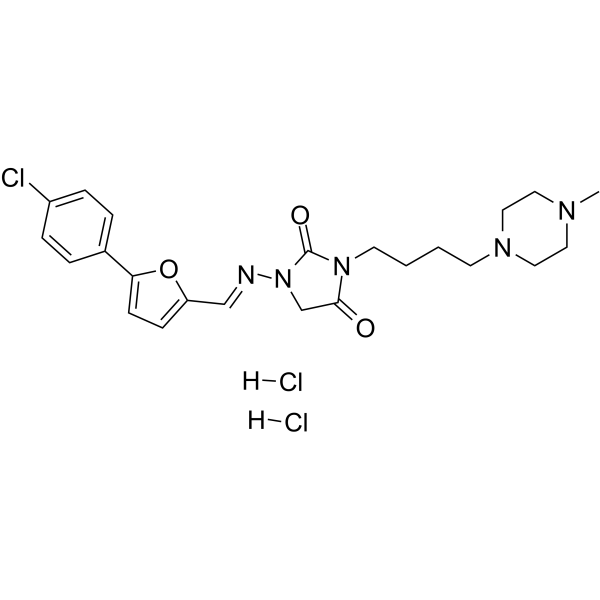
Azimilide (NE-10064) dihydrochloride is a class III antiarrhythmic agent, which works by blocking potassium channels in the heart. Azimilide dihydrochloride is a dual blocker of IKs (IC50 = 2.6 μM (2mM [K⁺]ₑ)) and IKr (IC50 = 1 μM (4 mM [K⁺])). Azimilide dihydrochloride blocked HERG channel at 0.1 and 1 Hz with IC50s of 1.4 μM and 5.2 μM respectively. Azimilide dihydrochloride also inhibits L-type calcium current (ICa) (IC50 = 17.8 μM) and sodium current (INa) (IC50 = 19 μM). Azimilide dihydrochloride can be used for the study of atrial fibrillation and ventricular fibrillation .
loading...
    loading...
2
2 Cited Publications
Cat. No.: HY-14744
CAS No.: 103129-82-4
Purity:  98.53%
Synonyms: (S)-Amlodipine; Levoamlodipine
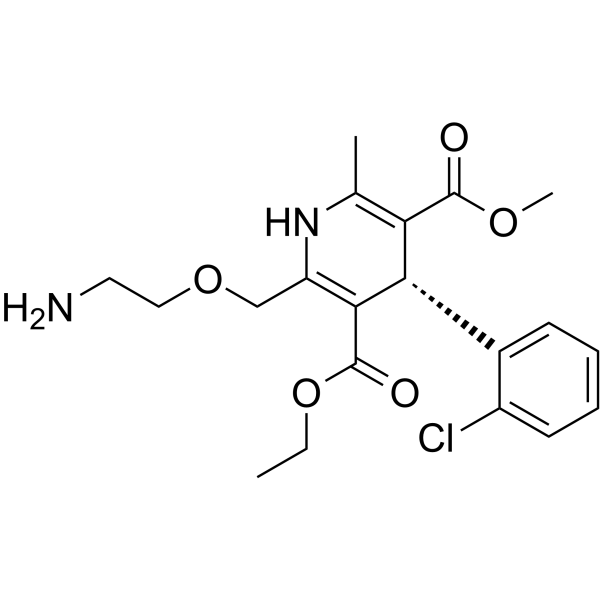
Levamlodipine ((S)-Amlodipine; Levoamlodipin) is an orally active L-type calcium channel blocker and MMP-9 modulator with high permeability and retention properties. Levamlodipine significantly enhances plaque stability and improves lipid profiles by reducing blood pressure, decreasing systolic blood pressure variability, and inhibiting MMP-9 expression in atherosclerotic plaques. Levamlodipine not only alleviates cardiac and aortic hypertrophy and prevents renal atrophy, but also produces synergistic effects in blood pressure reduction and organ protection when combined with bisoprolol (HY-129029). Levamlodipine exerts no significant inhibitory effect on abdominal aortic intimal hyperplasia. When excessively accumulated in the epidermis, Levamlodipine may induce changes in keratin structure, impair the skin barrier and trigger inflammation; long-term use further exacerbates skin irritation caused by local administration. Levamlodipine can be used in research related to hypertension and atherosclerosis .
loading...
    loading...
2
2 Cited Publications
Cat. No.: HY-14744A
CAS No.: 150566-71-5
Purity:  99.84%
Synonyms: (S)-Amlodipine besylate; Levoamlodipine besylate
Target:  

Calcium Channel MMP

Research Areas:  

Cardiovascular Disease

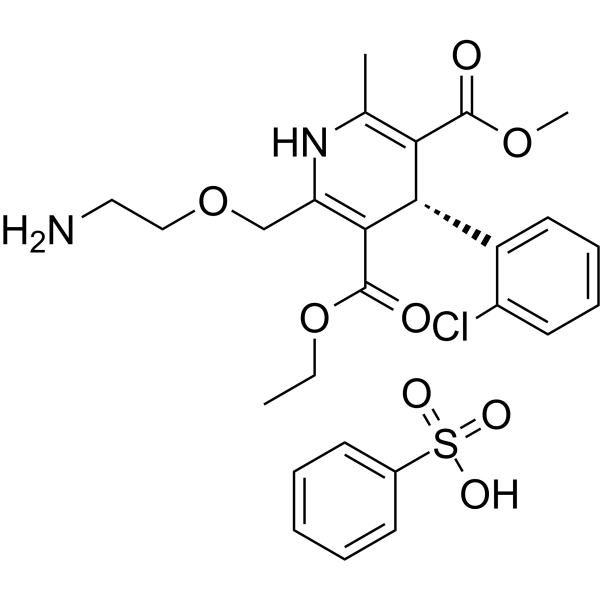
Levamlodipine ((S)-Amlodipine; Levoamlodipin) besylate is an orally active L-type calcium channel blocker and MMP-9 modulator with high permeability and retention properties. Levamlodipine besylate significantly enhances plaque stability and improves lipid profiles by reducing blood pressure, decreasing systolic blood pressure variability, and inhibiting MMP-9 expression in atherosclerotic plaques. Levamlodipine besylate not only alleviates cardiac and aortic hypertrophy and prevents renal atrophy, but also produces synergistic effects in blood pressure reduction and organ protection when combined with bisoprolol (HY-129029). Levamlodipine besylate exerts no significant inhibitory effect on abdominal aortic intimal hyperplasia. When excessively accumulated in the epidermis, Levamlodipine besylate may induce changes in keratin structure, impair the skin barrier and trigger inflammation; long-term use further exacerbates skin irritation caused by local administration. Levamlodipine besylate can be used in research related to hypertension and atherosclerosis .
loading...
    loading...
1
1 Cited Publications
Cat. No.: HY-B1378
CAS No.: 77-67-8
Target:  

Calcium Channel

Research Areas:  

Neurological Disease Cancer

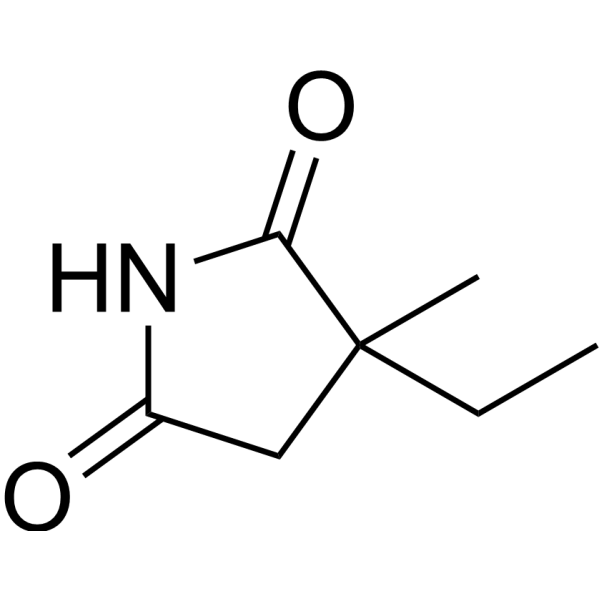
Ethosuximide, a widely prescribed anti-epileptic agent, improves the phenotypes of multiple neurodegenerative disease models and blocks the low voltage activated T-type calcium channel.
loading...
    loading...
1
1 Cited Publications
Cat. No.: HY-119373
CAS No.: 1567335-29-8
Purity:  98.78%
Target:  

Calcium Channel

Research Areas:  

Neurological Disease

Cav 2.2 blocker 1 (compound 9) is a N-type calcium channel (Cav 2.2) blocker for the treatment of pain, with an IC50 of 1 nM .
loading...
    loading...
1
1 Cited Publications
Cat. No.: HY-P80523
Synonyms: Cystine/glutamate transporter, Amino acid transport system xc-, Calcium Channel Blocker resistance protein CCBR1, Solute carrier family 7 member 11, xCT, SLC7A11

Host:  

Mouse

Application:  

WB, IHC-P, ICC/IF, FC

Reactivity:  

Human, Mouse

loading...
    loading...
1
1 Cited Publications
Cat. No.: HY-B0265A
CAS No.: 77940-92-2
Synonyms: (R)-BAY-e 9736
(R)-Nimodipine ((R)-BAY-e 9736) is an orally active, blood-brain barrier-permeable L-type calcium channel blocker with an IC50 of 5 nM. (R)-Nimodipine inhibits corticosterone release by blocking calcium channels on the hypothalamic-pituitary-adrenal axis, thereby reversing immobilization stress-induced memory impairment and behavioral abnormalities. (R)-Nimodipine is widely used in studies related to aneurysmal subarachnoid hemorrhage, cerebral ischemia, epilepsy, age-related degenerative neurological diseases, and alcohol intoxication .
loading...
    loading...
1
1 Cited Publications
Cat. No.: HY-B0473
CAS No.: 136-47-0
Synonyms: Amethocaine hydrochloride
Tetracaine hydrochloride (Amethocaine hydrochloride) is a calcium channel protein inhibitor and blocks voltage-sensitive release of Ca 2+ from sarcoplasmic reticulum. Tetracaine hydrochloride is mainly used topically in ophthalmology and as an antipruritic .
loading...
    loading...
1
1 Cited Publications
Cat. No.: HY-B0233
CAS No.: 75695-93-1
Synonyms: PN 200-110
Isradipine (PN 200-110) is an orally active and blood-brain barrier permeability L-type calcium channel blocker. Isradipine, as a powerful peripheral vasodilator, is a dihydropyridine calcium antagonist with selective actions on the heart as well as the peripheral circulation. Isradipine is a potentially viable neuroprotective agent for Parkinson's disease .
loading...
    loading...
1
1 Cited Publications
Cat. No.: HY-17436
CAS No.: 167221-71-8
Target:  

Calcium Channel

Research Areas:  

Cardiovascular Disease Cancer

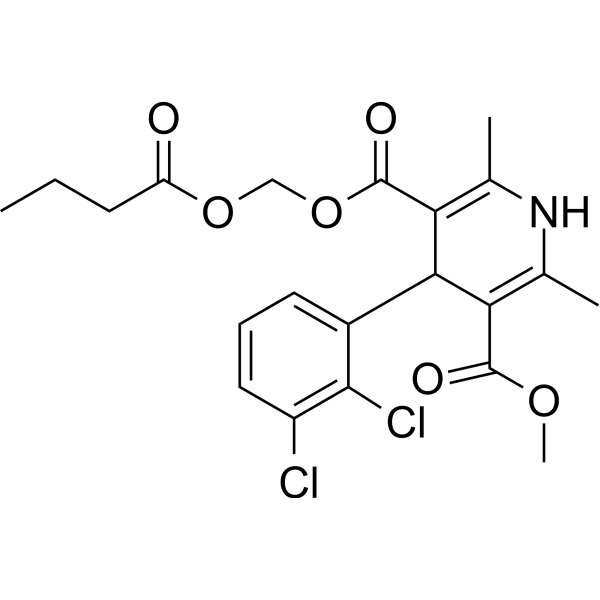
Clevidipine is a selective, short-acting L-type calcium channel antagonist with an IC50 of 7.1 nM. Clevidipine can competitively bind to calcium channels and exert rapid vasoselective vasodilation by blocking the influx of extracellular calcium ions, thereby reducing peripheral vascular resistance and effectively controlling acute severe hypertension. Clevidipine can also protect the myocardium from reperfusion injury by promoting the release of nitric oxide (NO). Clevidipine can be used in the research of acute hypertension, perioperative blood pressure management, and myocardial ischemia-reperfusion injury .
loading...
    loading...
1
1 Cited Publications
Cat. No.: HY-N4323
CAS No.: 4176-97-0
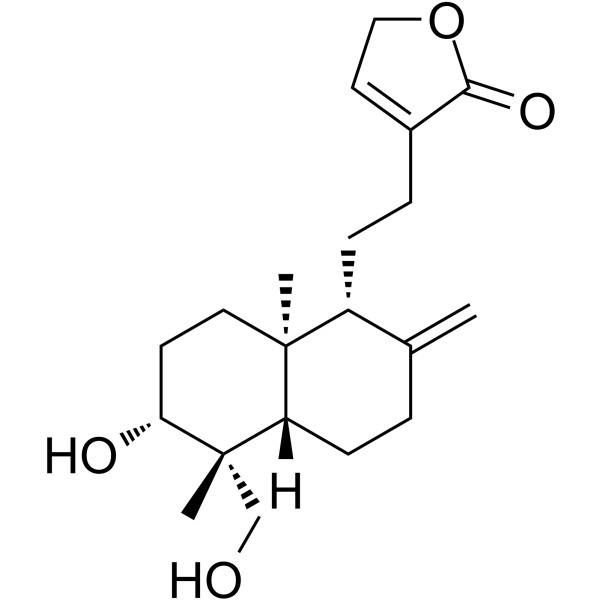
14-Deoxyandrographolide is a diterpene with calcium channel blocking activity and acts as a uterine smooth muscle relaxant. 14-Deoxyandrographolide stimulates the release of nitric oxide (NO) in endothelial cells. 14-Deoxyandrographolide gradually desensitizes liver cells to TNF-α mediated apoptosis by inducing the release of TNFRSF1A .
loading...
    loading...
1
1 Cited Publications
Cat. No.: HY-12502
CAS No.: 111011-63-3
Purity:  99.88%
Synonyms: NZ-105; (±)-Efonidipine
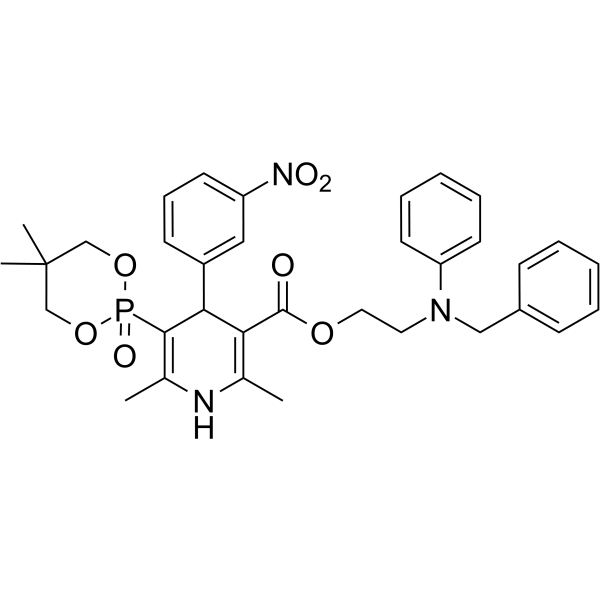
Efonidipine (NZ-105) is an orally active dual L-type and T-type calcium channel blocker (CCB) with IC50 values of 1.8 and 350 nM, respectively. Efonidipine inhibits SARS-CoV-2 main protease. Efonidipine modulates adrenal steroidogenesis by increasing the expression of steroidogenic acute regulatory protein (StAR), dbcAMP-or angiotensin II-induced StAR mRNA expression and DHEA-S production, while suppressing the biosynthesis of aldosterone and cortisol. Efonidipine reduces plasma aldosterone levels in vivo. Efonidipine improves cardiac function in heart failure models by inhibiting T-type calcium channels (via both tonic and use-dependent blockade), independently of blood pressure reduction. Efonidipine can be used for research in hypertension, heart failure, and disorders involving dysregulated steroid hormone synthesis .
loading...
    loading...
1
1 Cited Publications
Cat. No.: HY-B0612
CAS No.: 100427-26-7
Lercanidipine is a third-generation, lipophilic, brain-penetrant, vascular-selective and orally active dihydropyridine-calcium channel blocker with a pIC50 of 7.74 (converts from μM). Lercanidipine has long lasting antihypertensive action as well as reno- and neuro-protective effect. Lercanidipine also shows anti-oxidant, anti-inflammatory and anti-apoptotic properties. Lercanidipine can be used in cardiovascular and neurological research .
loading...
    loading...

