2199 Results for "

D4

" in MedChemExpress (MCE) Product Catalog:
Products (2199)

2199 Results for "D4" in MCE Product Catalog:

1
1 Cited Publications
Cat. No.: HY-W653733
CAS No.: 331665-12-4
L-Homocysteine-d4 is deuterium labeled L-Homocysteine (HY-W010347) . L-Homocysteine, an amino acid, is a homocysteine that has L configuration. Homocysteine is an essential intermediate in normal mammalian metabolism of methionine. L-Homocysteine induces upregulation of Cathepsin V that mediates vascular endothelial inflammation in hyperhomocysteinaemia
loading...
    loading...
1
1 Cited Publications
Cat. No.: HY-B1473AS
CAS No.: 58264-95-2
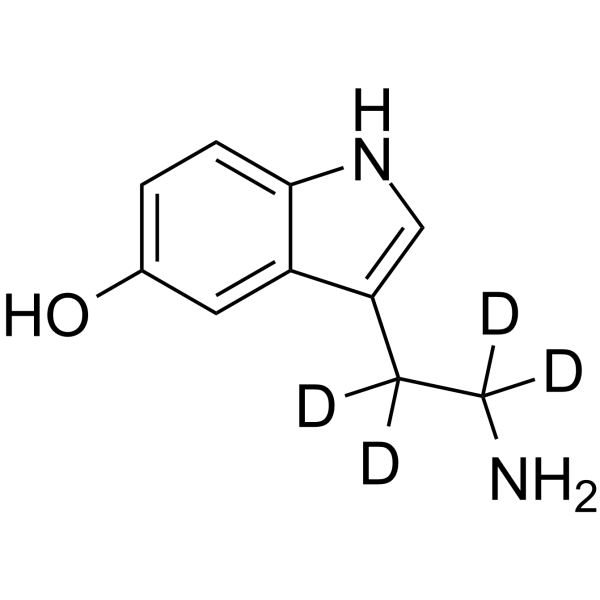
Synonyms: 5-Hydroxytryptamine-d4; 5-HT-d4
Serotonin-d4 is deuterium labeled Serotonin. Serotonin is a monoamine neurotransmitter in the CNS and an endogenous 5-HT receptor agonist. Serotonin is also a catechol O-methyltransferase (COMT) inhibitor with a Ki of 44 μM.
loading...
    loading...
1
1 Cited Publications
Cat. No.: HY-N0830S12
CAS No.: 75736-47-9
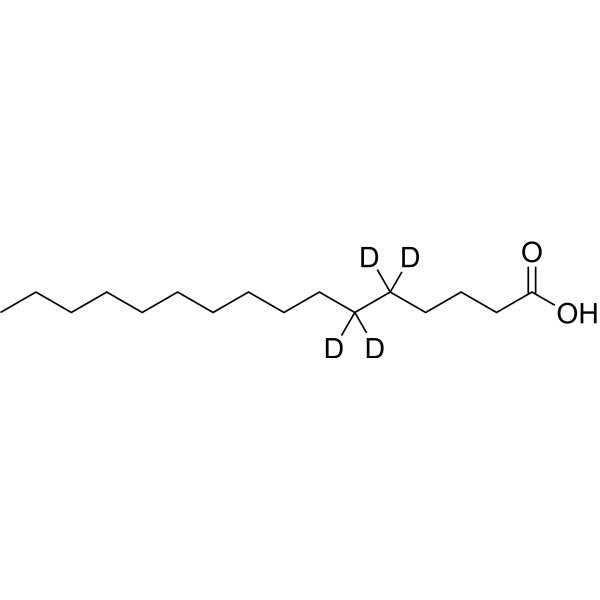
Palmitic acid-d4-1 is the deuterium labeled Palmitic acid. Palmitic acid is a long-chain saturated fatty acid commonly found in both animals and plants. PA can induce the expression of glucose-regulated protein 78 (GRP78) and CCAAT/enhancer binding protein homologous protein (CHOP) in in mouse granulosa cells .
loading...
    loading...
1
1 Cited Publications
Cat. No.: HY-B0579S
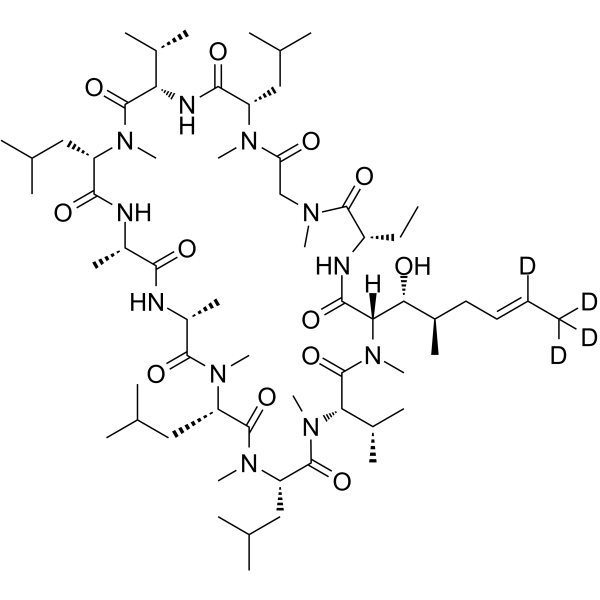
Synonyms: Cyclosporine A-d4; Ciclosporin A-d4; CsA-d4
Cyclosporin A-d4 (Cyclosporine A-d4) is the deuterated-labeled Cyclosporin A (HY-B0579). Cyclosporin A (Cyclosporine A) is an immunosuppressant which binds to the cyclophilin and inhibits phosphatase activity of protein phosphatase 2B (PP2B/calcineurin) with an IC50 of 5 nM . Cyclosporin A is a molecular glue, binds to cyclophilin and calcineurin, leading to inactivation of nuclear Factor of activated T Cells (NFAT) and a subsequent decrease in the immune response. Cyclosporin A also inhibits CD11a/CD18 adhesion .
loading...
    loading...
1
1 Cited Publications
Cat. No.: HY-B0351S
CAS No.: 342611-14-7
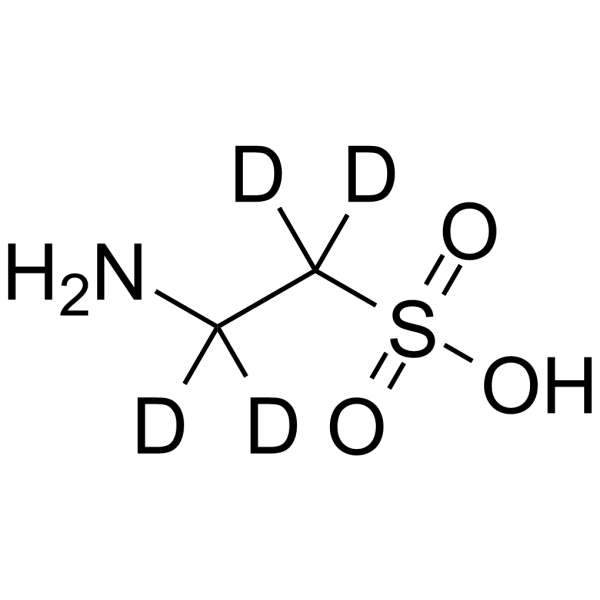
Synonyms: 2-Aminoethanesulfonic acid-d4
Taurine-d4 is the deuterium labeled Taurine. Taurine, a sulphur-containing amino acid and an organic osmolyte involved in cell volume regulation, provides a substrate for the formation of bile salts, and plays a role in the modulation of intracellular free calcium concentration. Taurine has the ability to activate autophagy in adipocytes .
loading...
    loading...
1
1 Cited Publications
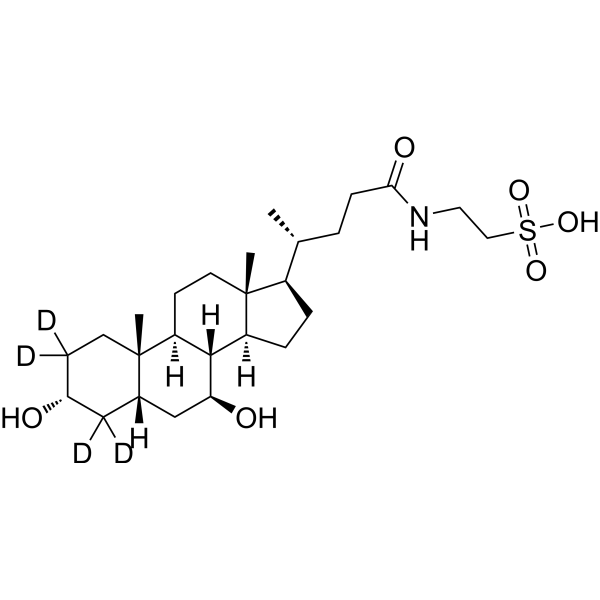
Cat. No.: HY-19696S1
CAS No.: 2410279-94-4
Synonyms: Tauroursodeoxycholic acid-d4; TUDCA-d4; UR 906-d4
Tauroursodeoxycholate-d4 is deuterium labeled Tauroursodeoxycholate. Tauroursodeoxycholate (Tauroursodeoxycholic acid) is an endoplasmic reticulum (ER) stress inhibitor. Tauroursodeoxycholate significantly reduces expression of apoptosis molecules, such as caspase-3 and caspase-12. Tauroursodeoxycholate also inhibits ERK.
loading...
    loading...
1
1 Cited Publications
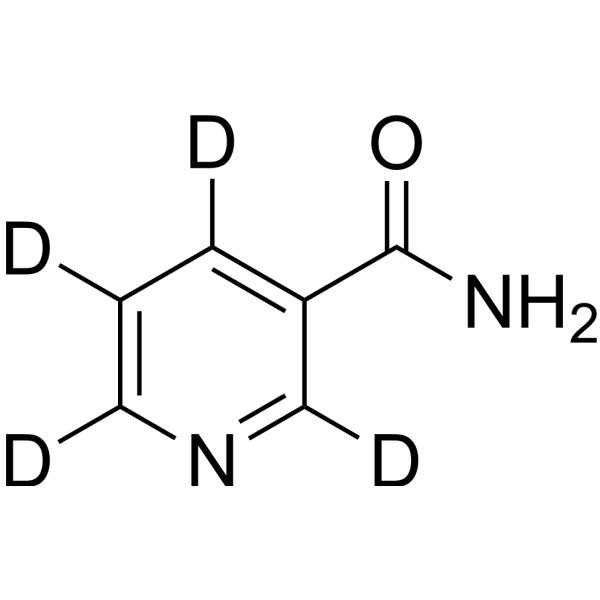
Cat. No.: HY-B0150S
CAS No.: 347841-88-7
Synonyms: Niacinamide-d4; Nicotinic acid amide-d4
Nicotinamide-d4 is the deuterium labeled Nicotinamide. Nicotinamide is a form of vitamin B3 that plays essential roles in cell physiology through facilitating NAD+ redox homeostasis and providing NAD+ as a substrate to a class of enzymes that catalyze non-redox reactions. Nicotinamide is an inhibitor of SIRT1.
loading...
    loading...
1
1 Cited Publications
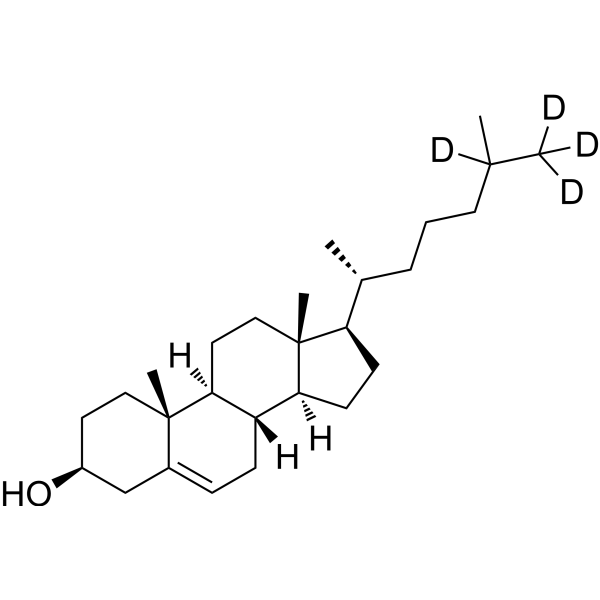
Cat. No.: HY-N0322S6
CAS No.: 956029-28-0
Cholesterol-d4 is deuterium labeled Cholesterol. Cholesterol is the major sterol in mammals. It is making up 20-25% of structural component of the plasma membrane. Plasma membranes are highly permeable to water but relatively impermeable to ions and protons. Cholesterol plays an important role in determining the fluidity and permeability characteristics of the membrane as well as the function of both the transporters and signaling proteins . Cholesterol is also an endogenous estrogen-related receptor α (ERRα) agonist .
loading...
    loading...
1
1 Cited Publications
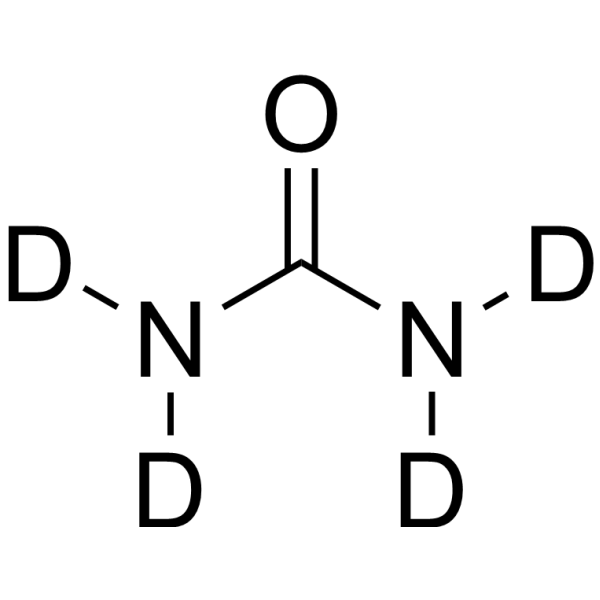
Cat. No.: HY-Y0271S1
CAS No.: 1433-11-0
Synonyms: Carbonyl diamide-d4
Urea-d4 is the deuterium labeled Urea . Urea is a powerful protein denaturant via both direct and indirect mechanisms . A potent emollient and keratolytic agent . Used as a diuretic agent. Blood urea nitrogen (BUN) has been utilized to evaluate renal function [4]. Widely used in fertilizers as a source of nitrogen and is an important raw material for the chemical industry.
loading...
    loading...
1
1 Cited Publications
Cat. No.: HY-21098A
CAS No.: 630117-19-0
Target:  

Dopamine Receptor

Research Areas:  

Neurological Disease

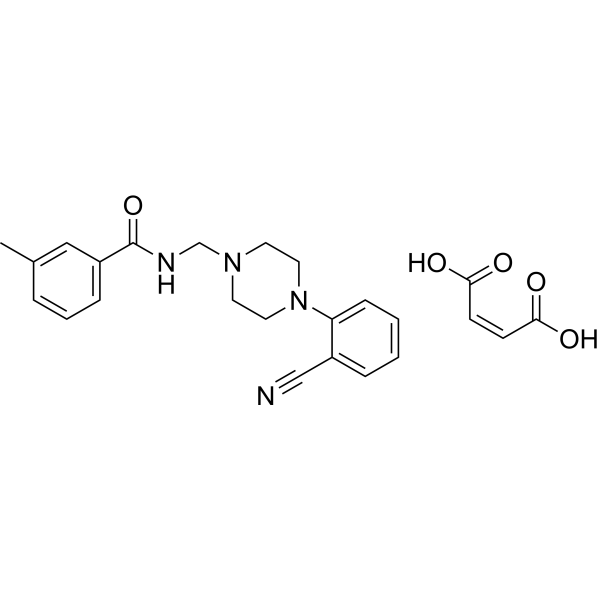
PD-168077 maleate is a selective dopamine D4 receptor agonist, with a Ki of 9 nM.
loading...
    loading...
1
1 Cited Publications
Cat. No.: HY-15455S
CAS No.: 1398065-69-4
Synonyms: APTA-2217-d4; BYK 20869-d4; B9302-107-d4
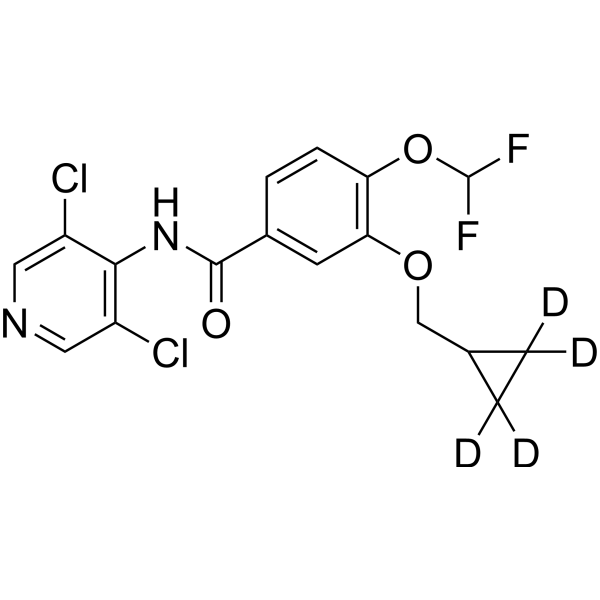
Roflumilast-d4 is the deuterium labeled Roflumilast. Roflumilast is a selective PDE4 inhibitor with IC50s of 0.7, 0.9, 0.7, and 0.2 nM for PDE4A1, PDEA4, PDEB1, and PDEB2, respectively, without affecting PDE1, PDE2, PDE3 or PDE5 isoenzymes from various cells .
loading...
    loading...
1
1 Cited Publications
Cat. No.: HY-10585S
CAS No.: 87745-17-3
Purity:  ≥98.0%
Synonyms: VPA-d4; 2-Propylpentanoic acid-d4
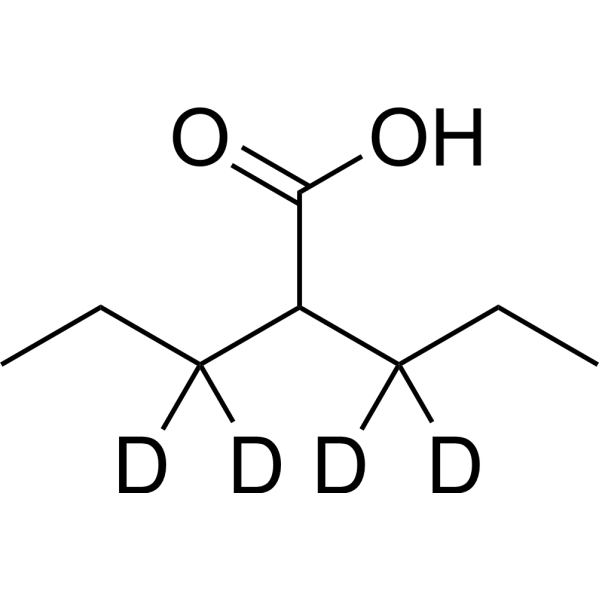
Valproic acid-d4 is the deuterium labeled Valproic acid. Valproic acid (VPA; 2-Propylpentanoic Acid) is an HDAC inhibitor, with IC50 in the range of 0.5 and 2 mM, also inhibits HDAC1 (IC50, 400 μM), and induces proteasomal degradation of HDAC2. Valproic acid activates Notch1 signaling and inhibits proliferation in small cell lung cancer (SCLC) cells. Valproic acid sodium salt is used in the treatment of epilepsy, bipolar disorder and prevention of migraine headaches .
loading...
    loading...
1
1 Cited Publications
Cat. No.: HY-W018392S
CAS No.: 1276197-22-8
Synonyms: MEHP-d4; Phthalic acid mono-2-ethylhexyl ester-d4
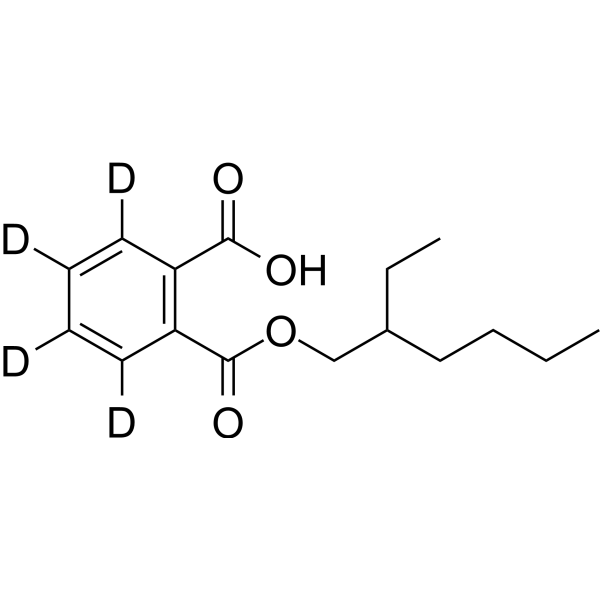
Mono-(2-ethylhexyl) phthalate-d4 is a deuterium labeled Mono-(2-ethylhexyl) phthalate (HY-W018392). Mono-(2-ethylhexyl) phthalate (MEHP) is a major bioactive metabolite of diethylhexyl phthalate (DEHP). Mono-(2-ethylhexyl) phthalate can promote fatty acid synthesis in hepatocytes by regulating the expression of relevant genes and proteins, contributing to non-alcoholic fatty liver disease (NAFLD) .
loading...
    loading...
1
1 Cited Publications
Cat. No.: HY-103424
CAS No.: 1347744-96-0
Target:  

Dopamine Receptor

Research Areas:  

Neurological Disease

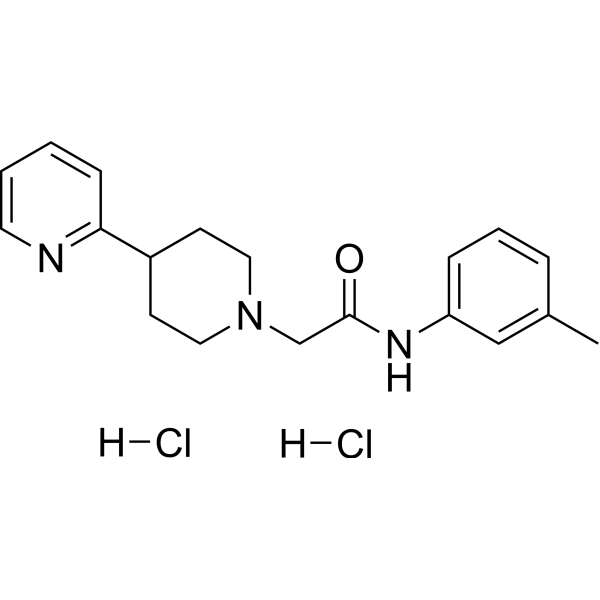
A-412997 dihydrochloride is a selective dopamine D4 receptor agonist. A-412997 dihydrochloride improves cognitive performance in rats and can be used in the research of psychiatric diseases .
loading...
    loading...
1
1 Cited Publications
Cat. No.: HY-B0199S
CAS No.: 1132748-21-0
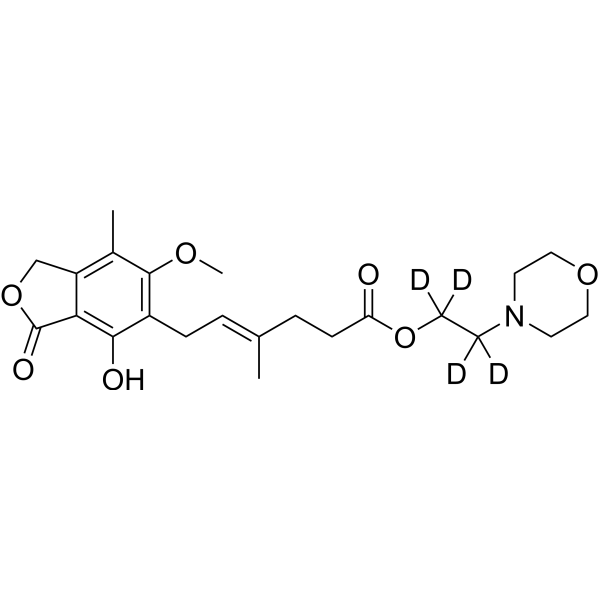
Mycophenolate Mofetil-d4 is the deuterium labeled Mycophenolate Mofetil. Mycophenolate mofetil (RS 61443; TM-MMF) hydrochloride is an orally active antimetabolic immunosuppressant with antiproliferative and anti-inflammatory properties. Mycophenolate mofetil hydrochloride significantly inhibits the production of B, T lymphocytes and the proliferation of smooth muscle cells by selectively blocking the de novo purine synthesis pathway. Mycophenolate mofetil hydrochloride effectively reduces adventitial inflammation, medial necrosis and intimal thickening in rat aortic allografts, and decreases the number of lymphocytes expressing the IL-2 receptor, thereby delaying xenograft rejection. Mycophenolate mofetil hydrochloride shows certain toxicity in a hamster-to-rat limb xenotransplantation model when used in combination with FK506 (HY-13756). Mycophenolate mofetil hydrochloride is widely used in studies related to allograft arteriosclerosis (chronic rejection) .
loading...
    loading...
1
1 Cited Publications
Cat. No.: HY-113478S
CAS No.: 347841-46-7
Purity:  99.52%
Synonyms: Ursodeoxycholate-d4; Ursodiol-d4; UDCA-d4
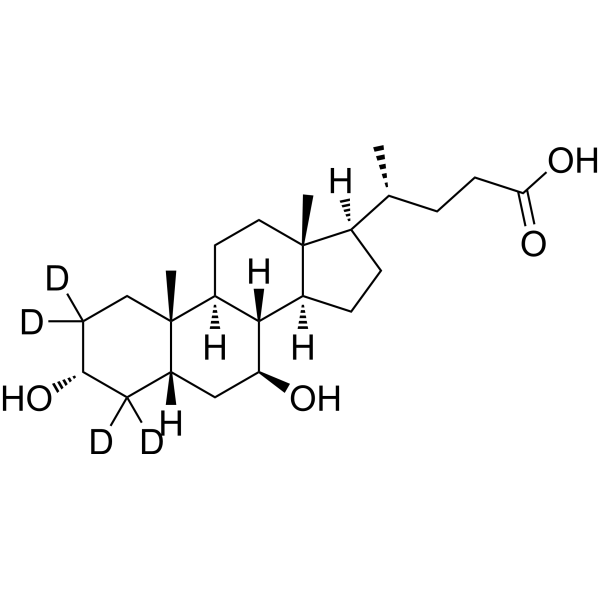
Ursodeoxycholic acid-2,2,4,4-d4 is the deuterium labeled Ursodeoxycholic acid (HY-13771). Ursodeoxycholic acid is a secondary bile acid issued from the transformation of (cheno)deoxycholic acid by intestinal bacteria, acting as a key regulator of the intestinal barrier integrity and essential for lipid metabolism. Ursodeoxycholic acid acts as signaling molecule, exerting its effects by interacting with bile acid activated receptors, including G-protein coupled bile acid receptor 5 (TGR5, GPCR19) and the farnesoid X receptor (FXR). Ursodeoxycholic acid can be used for the research of a variety of hepatic and gastrointestinal diseases. Ursodeoxycholic acid also reduces ACE2 expression and is beneficial for reducing SARS-CoV-2 infection [4] .
loading...
    loading...
1
1 Cited Publications
Cat. No.: HY-113308AS
CAS No.: 2410279-97-7
Purity:  99.4%
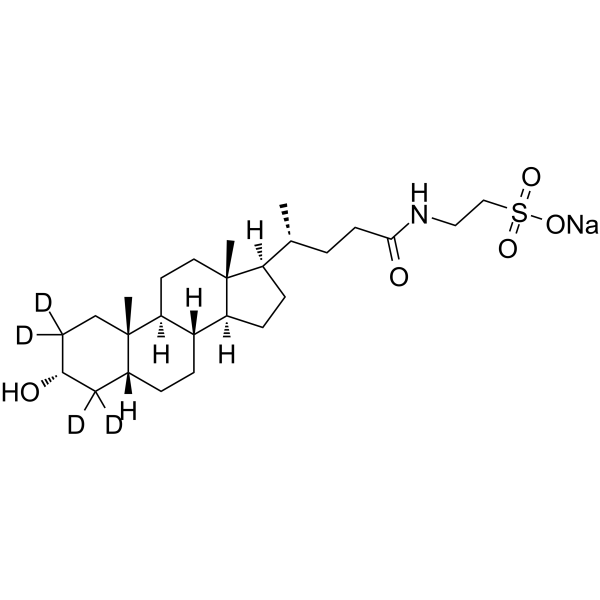
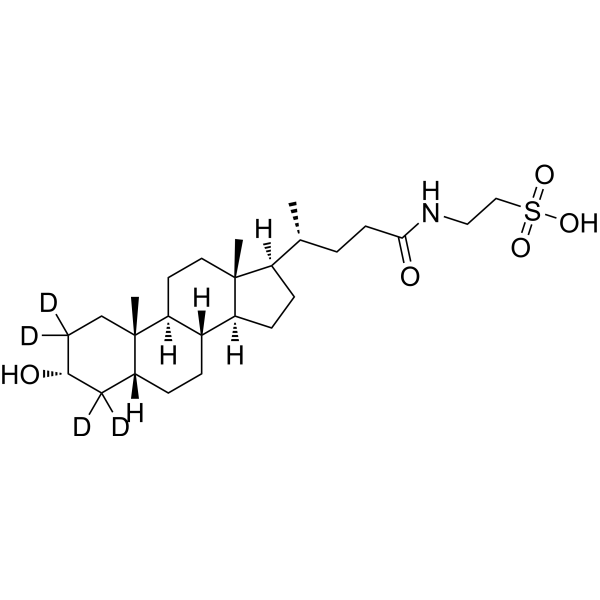
Taurolithocholic acid-d4 (sodium) is the deuterium labeled Taurolithocholic acid (sodium salt). Taurolithocholic acid sodium is an orally active bile acid and antiviral agent. Taurolithocholic acid sodium upregulates FADS2 by activating the TGR5-PI3K/AKT-SREBP2 signaling axis, inhibits SFTSV-induced ferroptosis, viral replication and viral entry of HBV/HDV, while reducing the release of IL-1β, lipid ROS and LDH. While exerting antiviral protective effects, Taurolithocholic acid sodium also stimulates the recycling of hepatocellular membrane transporters, impairs canalicular bile acid secretion function, and induces hepatocyte cholestasis, apoptosis and acute hepatocellular injury. Taurolithocholic acid sodium serves as an experimental model compound for hepatocellular cholestasis. At concentrations ≤200 μM, Taurolithocholic acid sodium shows no cytotoxicity and does not activate the interferon pathway. Taurolithocholic acid sodium not only protects mice from lethal SFTSV infection but also is suitable for studies related to severe fever with thrombocytopenia syndrome and cholestasis [4].
loading...
    loading...
1
1 Cited Publications
Cat. No.: HY-113308S1
CAS No.: 2410279-96-6
Taurolithocholic acid-d4 is deuterium labeled Taurolithocholic acid. Taurolithocholic acid is an orally active bile acid and antiviral agent. Taurolithocholic acid upregulates FADS2 by activating the TGR5-PI3K/AKT-SREBP2 signaling axis, inhibits SFTSV-induced ferroptosis, viral replication and viral entry of HBV/HDV, while reducing the release of IL-1β, lipid ROS and LDH. While exerting antiviral protective effects, Taurolithocholic acid also stimulates the recycling of hepatocellular membrane transporters, impairs canalicular bile acid secretion function, and induces hepatocyte cholestasis, apoptosis and acute hepatocellular injury. Taurolithocholic acid serves as an experimental model compound for hepatocellular cholestasis. At concentrations ≤200 μM, Taurolithocholic acid shows no cytotoxicity and does not activate the interferon pathway. Taurolithocholic acid not only protects mice from lethal SFTSV infection but also is suitable for studies related to severe fever with thrombocytopenia syndrome and cholestasis [4].
loading...
    loading...
1
1 Cited Publications
Cat. No.: HY-P71597
Purity:  ≥ 90%, as determined by reducing SDS-PAGE.
Synonyms: CGAS; D4; Prev. C6orf150; DANGER Family Member 4; Prev. MB21D1; CGAMP Synthase; H-CGAS; Chromosome 6 Open Reading Frame 150; Mab-21 Domain-Containing Protein 1; Protein MB21D1; 2'3'-CGAMP Synthase; Cyclic GMP-AMP Synthase; Mab-21 Domain Containing 1
Species:  
Human
Source:  
E. coli
loading...
    loading...
1
1 Cited Publications
Cat. No.: HY-108568S
CAS No.: 1542166-82-4
Purity:  98.10%
Synonyms: 15d-PGJ2-d4; 15-Deoxy-Δ12,14-PGJ2-d4
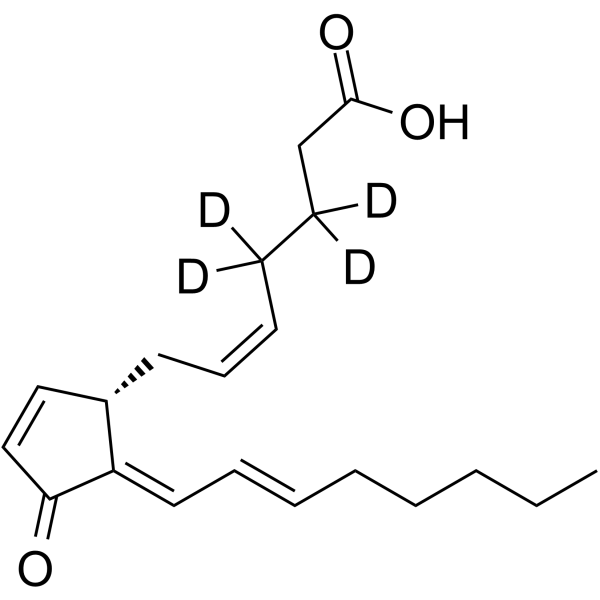
15-Deoxy-Δ-12,14-prostaglandin J2-d4 is the deuterium labeled 15-Deoxy-Δ-12,14-prostaglandin J2. 15-Deoxy-Δ-12,14-prostaglandin J2 (15d-PGJ2) is a cyclopentenone prostaglandin and a metabolite of PGD2. 15-Deoxy-Δ-12,14-prostaglandin J2 is a selective PPARγ (EC50 of 2 μM) and a covalent PPARδ agonist. 15-Deoxy-Δ-12,14-prostaglandin J2 promotes efficient differentiation of C3H10T1/2 fibroblasts to adipocytes with an EC50 of 7 μM .
loading...
    loading...

