
Search Result
Results for "
Aβ protein aggregation
" in MedChemExpress (MCE) Product Catalog:
1
Isotope-Labeled Compounds
| Cat. No. |
Product Name |
Target |
Research Areas |
Chemical Structure |
-
- HY-101855
-
|
Anle138b
|
Amyloid-β
|
Neurological Disease
|
|
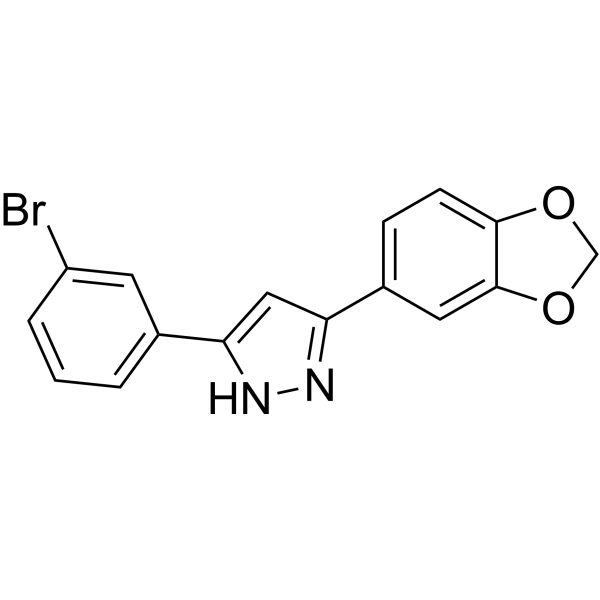
Emrusolmin (Anle138b), an oligomeric aggregation inhibitor, blocks the formation of pathological aggregates of prion protein (PrPSc) and of α-synuclein (α-syn). Emrusolmin strongly inhibits oligomer accumulation, neuronal degeneration, and disease progression in vivo. Emrusolmin has low toxicity and an excellent oral bioavailability and blood-brain-barrier penetration. Emrusolmin blocks Aβ channels and rescues disease phenotypes in a mouse model for amyloid pathology .
|
-
-
- HY-D0914
-
|
FD&C Green No. 3; Food green 3; C.I. 42053
|
Environmental Pollutants
α-synuclein
|
Neurological Disease
|
|
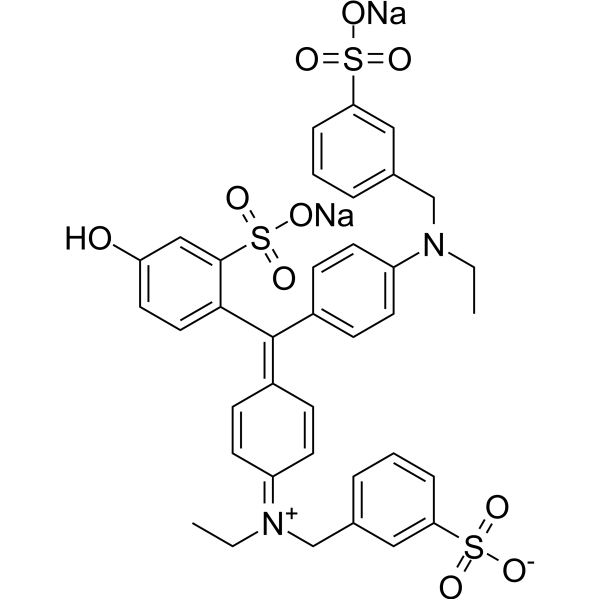
Fast Green FCF is a sea green triarylmethane food dye, with absorption maximum ranging from 622 to 626 nm. Fast Green FCF inhibits α-synuclein aggregation, as well as Aβ and P2X4 receptor, and TLR4/Myd88/NF-κB. Fast Green FCF is widely used as a staining agent like quantitative stain for histones at alkaline pH after acid extraction of DNA, and as a protein stain in electrophoresis. Fast Green FCF improves cognitive impairment, depression, relieves pain allergies, and promotes reproductive function .
|
-
-
- HY-113283
-
|
|
Amyloid-β
Natriuretic Peptide Receptor (NPR)
α-synuclein
Transthyretin (TTR)
Claudin
|
Neurological Disease
Metabolic Disease
Cancer
|
|
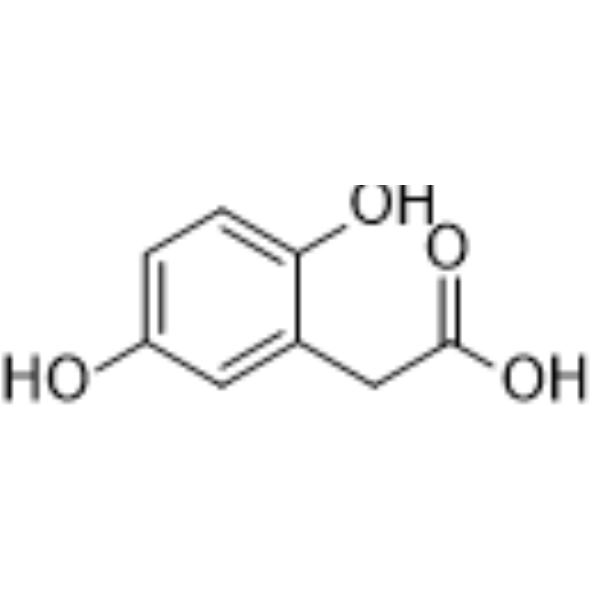
Homogentisic acid is an orally active, blood-brain barrier-permeable amyloidogenic compound that functions as both an amyloid component and a pigment precursor. Accumulation of homogentisic acid downregulates tight junction proteins (such as claudin-5, occludin, ZO-1) and impairs blood-brain barrier integrity. Homogentisic acid and its oxidation product benzoquinone acetic acid not only induce the aggregation and fibrosis of multiple proteins (such as Aβ1-42, α-synuclein, SAA, Transthyretin (TTR), atrial natriuretic peptide), but also trigger oxidative stress, damage to the Wnt/β-catenin pathway, and neurotoxicity, leading to ochronosis pigment deposition and synaptic dysfunction. At specific concentrations, homogentisic acid exerts no cytotoxicity or genotoxicity on human peripheral blood lymphocytes, and even counteracts the genotoxicity induced by Irinotecan (HY-16562). Homogentisic acid serves as an important tool molecule for investigating the mechanisms of diseases including ochronosis, secondary amyloidosis, Alzheimer's disease, and colorectal cancer .
|
-
-
- HY-W010041
-
|
|
α-synuclein
Amyloid-β
|
Neurological Disease
|
|
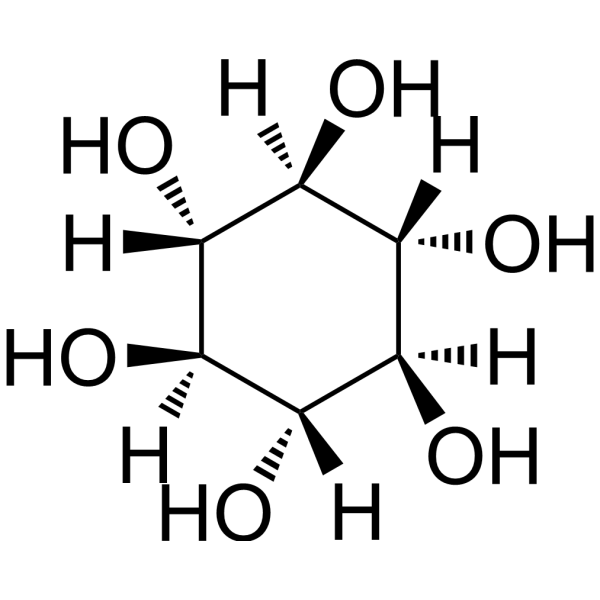
Scyllo-Inositol is an inhibitor that targets the aggregation of misfolded proteins (such as α-synuclein and Amyloid-β), is orally effective, and can cross the blood-brain barrier. Scyllo-Inositol can selectively bind to and stabilize non-toxic oligomers, preventing them from converting into toxic fibers, exerting protein homeostasis regulation and neuroprotective activity. Scyllo-Inositol binds to the hydrophobic region of pathogenic proteins, inhibits protein aggregation, and promotes lysosome- and proteasome-mediated degradation pathways, thereby reducing neurotoxicity. Scyllo-Inositol can be used in the study of neurodegenerative diseases such as Parkinson's disease, Alzheimer's disease, and Huntington's disease .
|
-
-
- HY-P1189
-
|
|
Integrin
|
Metabolic Disease
Inflammation/Immunology
|
|
Echistatin, the smallest active RGD protein belonging to the family of disintegrins that are derived from snake venoms, is a potent inhibitor of platelet aggregation. Echistatin is a potent inhibitor of bone resorption in culture. Echistatin is a potent antagonist of αIIbβ3, αvβ3 and α5β1 .
|
-
-
- HY-105066
-
|
|
Microtubule/Tubulin
Amyloid-β
|
Neurological Disease
|
|
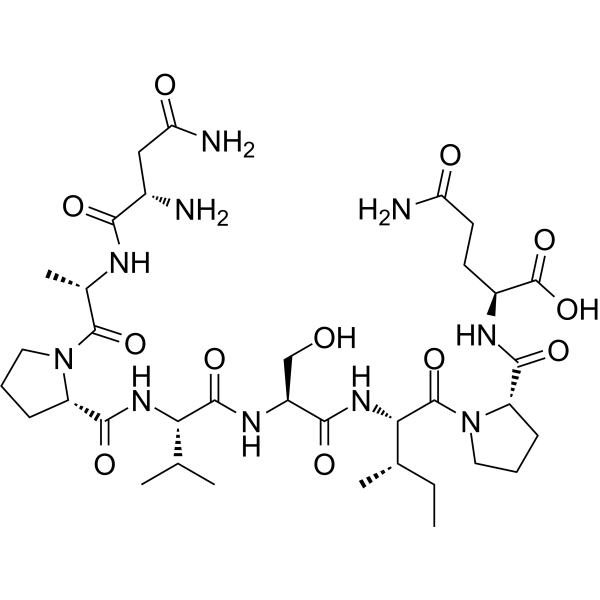
Davunetide is an eight amino acid snippet derived from activity-dependent neuroprotective protein (ADNP), a neurotrophic factor that exists in the mammalian CNS. Davunetide possesses neuroprotective, neurotrophic and cognitive protective roperties. Davunetide, a microtubule-stabilizing peptide, interacts with and stabilises neuron-specific βIII-tubulin in vitro. Davunetide penetrates the blood-brain barrier and is non-toxic. Davunetide inhibits Aβ aggregation and Aβ-induced neurotoxicity .
|
-
-
- HY-N1414
-
|
|
Trk Receptor
NF-κB
Amyloid-β
|
Neurological Disease
|
|
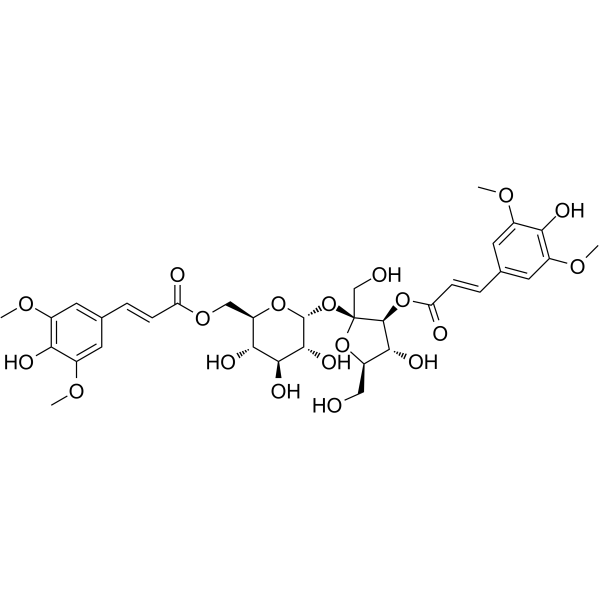
(E)-3',6-Disinapoylsucrose is an orally active, blood-brain barrier permeable neuroprotective agent that inhibits Aβ protein aggregation. (E)-3',6-Disinapoylsucrose exerts anxiolytic, anti-inflammatory and cognitive-enhancing effects. (E)-3',6-Disinapoylsucrose regulates the TrkB/BDNF signaling pathway, inhibits the expression of NF-κB p65, reduces pro-inflammatory cytokine levels, and alleviates neuronal damage. (E)-3',6-Disinapoylsucrose also enhances the functions of central 5-HT and noradrenergic systems, thereby improving spatial learning and memory abilities and reducing anxiety-like behaviors. (E)-3',6-Disinapoylsucrose can be used for the research of related diseases such as Alzheimer's disease, depression, memory impairment and anxiety disorder .
|
-
-
- HY-171705
-
|
|
Keap1-Nrf2
AMPK
JNK
IKK
p38 MAPK
NO Synthase
α-synuclein
Interleukin Related
|
Neurological Disease
|
|
KMS99220 is an orally active, blood-brain barrier-permeable activator of the Nrf2 inhibitory protein Keap-1. KMS99220 enhances the activity of AMPK, activates the Nrf2 signaling pathway, and reduces the phosphorylation of IκB, nuclear translocation of NFκB, as well as the phosphorylation levels of JNK, IKK and p38 MAPK via HO-1. KMS99220 binds to Keap1 to trigger the nuclear translocation of Nrf2, induces the expression of HO-1, NQO1, GCLC, GCLM and proteasome subunits; enhances proteasomal enzymatic activity; inhibits iNOS expression, nitric oxide production and IL-1β generation; attenuates microglial activation; reduces α-synuclein aggregation; and prevents dopaminergic neuron degeneration and motor dysfunction. KMS99220 prevents the degeneration of dopaminergic neurons in the substantia nigra, induces the expression of Nrf2 downstream target genes, and effectively ameliorates associated motor dysfunction in a mouse model of Parkinson's disease. KMS99220 is applicable to research related to Parkinson's disease .
|
-
-
- HY-153430
-
|
|
Amyloid-β
|
Neurological Disease
|
|
Aβ/tau aggregation-IN-3 is a potent amyloid protein aggregation inhibitor with an IC50 of 0.85 μM by Aβ-Thioflavin T (Aβ-ThT) functional aggregation assay. Aβ/tau aggregation-IN-3 has anti-amyloid activity .
|
-
-
- HY-P1189A
-
|
|
Integrin
|
Metabolic Disease
Inflammation/Immunology
|
|
Echistatin TFA, the smallest active RGD protein belonging to the family of disintegrins that are derived from snake venoms, is a potent inhibitor of platelet aggregation. Echistatin is a potent inhibitor of bone resorption in culture. Echistatin is a potent antagonist of αIIbβ3, αvβ3 and α5β1 .
|
-
-
- HY-136500
-
|
PGH2
|
Endogenous Metabolite
Amyloid-β
|
Neurological Disease
Inflammation/Immunology
|
|
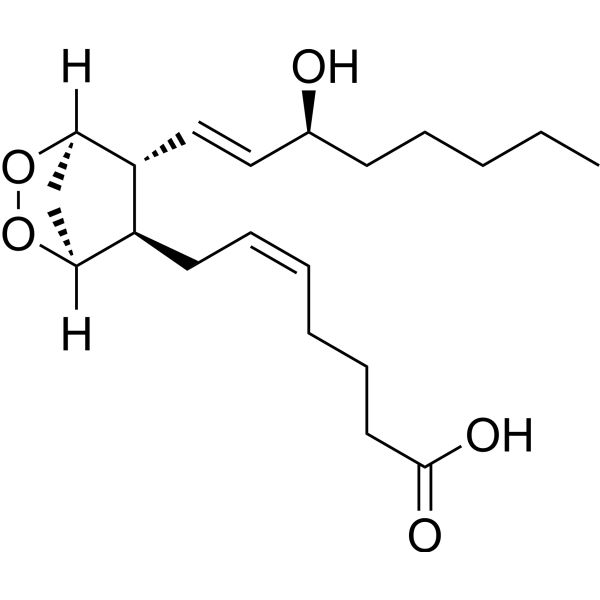
Prostaglandin H2 (PGH2) is an endothelium-derived contracting factor. Prostaglandin H2 can cause vasoconstriction. Prostaglandin H2 is the common precursor of all PGs and is produced by several cells that express cyclooxygen-ases. Prostaglandin H2 can activate PGD2 receptors CRTH2 and DP via interacting directly with the receptors and/or by giving rise to PGD2 after catalytic conversion by plasma proteins. Prostaglandin H2 can induce eosinophils migration and inhibit platelet aggregation. Prostaglandin H2 can accelerate the formation of dimers and higher oligomers of amyloid β1-42. Prostaglandin H2 can be used for the researches of inflammation and neurological disease, such as Alzheimer disease .
|
-
-
- HY-159083
-
|
|
Amyloid-β
|
Neurological Disease
|
|
DN5355 is a small molecule compound that targets amyloid β protein (Aβ) and hyperphosphorylated tau protein. DN5355 can inhibit the aggregation of Aβ and tau protein and disaggregate the formed Aβ and tau protein fibers. DN5355 can be used in the study of Alzheimer's disease .
|
-
-
- HY-162558
-
|
|
Factor Xa
|
Cardiovascular Disease
|
|
NCGC00351170 is an antiplatelet agent that disrupts the calcium and integrin-binding protein 1 (CIB1)-αIIbβ3 interaction. NCGC00351170 inhibits thrombin-induced human platelet aggregation .
|
-
-
- HY-P4886A
-
|
|
Amyloid-β
|
Neurological Disease
|
|
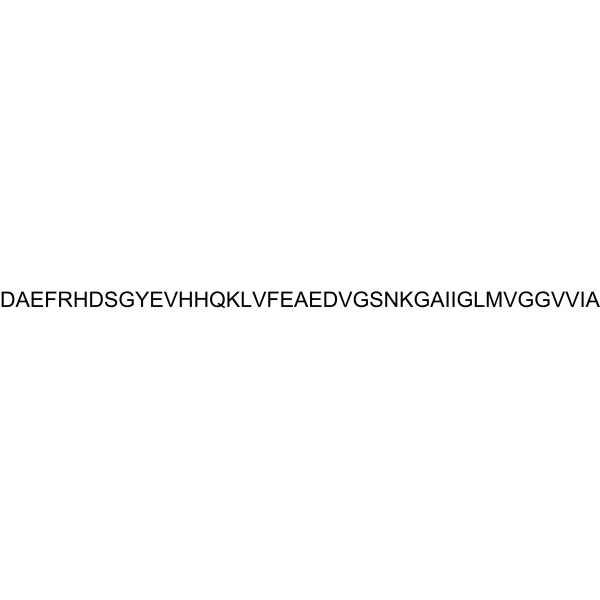
Amyloid β-Protein (3-42) TFA is a precursor of Pyr peptide. Pyroglutamic acid-modified Aβ (pEAβ) (3-42) is the core of the amyloid plaque in Alzheimer's disease. pEAβ (3-42) accelerates the aggregation of Aβ(1-42), while Aβ(1-42) significantly slows down the primary and secondary nucleation of pEAβ(3-42).
|
-
-
- HY-W835959
-
|
|
Tau Protein
|
Neurological Disease
|
|
ACI-3024 is an an orally active and highly selective Tau protein aggregation inhibitor. ACI-3024 decrease the β-sheet content and seeding properties of pathological Tau from different Tauopathies, leading to a significant rescue of the Tau-induced neurodegeneration and neuroinflammation in a cellular model. ACI-3024 is promising for research of neurodegenerative diseases .
|
-
-
- HY-177854
-
|
|
Amyloid-β
|
Neurological Disease
|
|
Aβ aggregation-IN-4 can alleviate the neurotoxicity of amyloid-β protein (Aβ) and significantly reduce the level of oligomeric complexes of Aβ (Aβ-OCs). Aβ aggregation-IN-4 does not decrease the level of amyloid-β protein (Aβ). Aβ aggregation-IN-4 attenuates Aβ oligomerization and prevents oligomer-induced death of primary cortical neurons. Aβ aggregation-IN-4 can be used for the study of Alzheimer’s disease (AD) .
|
-
-
- HY-P3846
-
|
|
Amyloid-β
|
Neurological Disease
|
|
(Glu20)-Amyloid β-Protein (1-42) is a slower fibrillizing variant of amyloid β-protein (Aβ). The Glu20 mutation reduces the aggregation propensity of Aβ42 and prevents accumulation of the slowly fibrillizing peptide. Amyloid β-protein is the primary component of both vascular and parenchymal amyloid deposits in Alzheimer's disease .
|
-
-
- HY-P1051
-
|
Amyloid β-protein (12-28)
|
Amyloid-β
|
Neurological Disease
|
|
β-Amyloid (12-28) (Amyloid β-Protein (12-28)) is a peptide fragment of β-amyloid protein (β1-42). β1-42, a 42 amino acid protein , is the major component of senile plaque cores. β-Amyloid (12-28) shows aggregation properties. β-Amyloid (12-28) has the potential for Alzheimer’s disease research .
|
-
-
- HY-134894A
-
|
GroPEtn sodium
|
Amyloid-β
|
Neurological Disease
|
|
Glycerophosphorylethanolamine (GroPEtn) sodium is an active phosphodiester metabolite of Phosphatidylethanolamine. Glycerophosphorylethanolamine sodium promotes the aggregation of amyloid β-protein (Aβ (1-40)) in vitro. Glycerophosphorylethanolamine sodium can be used in the field of neurodegenerative diseases, such as Alzheimer’s disease research .
|
-
-
- HY-P4886
-
|
|
Amyloid-β
|
Neurological Disease
|
|
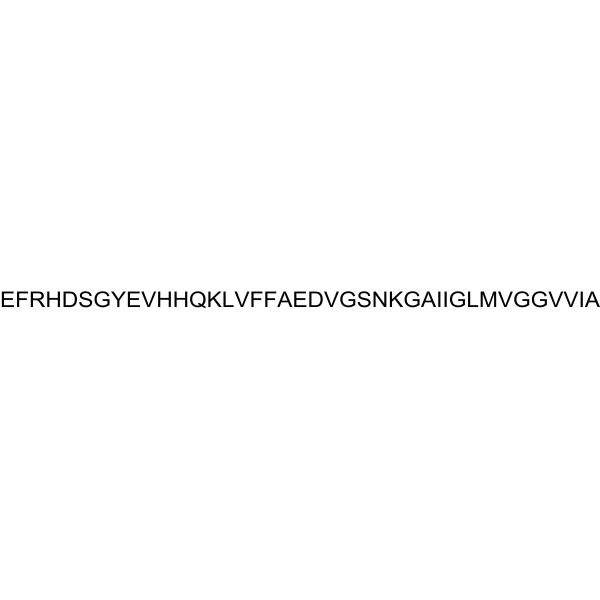
Amyloid β-Protein (3-42) is the precursor of Pyr peptide. Pyroglutamate-modified Aβ (pEAβ) (3-42) is the core of the amyloid template block in Alzheimer's disease. pEAβ(3-42) accelerated the aggregation of Aβ(1-42), while Aβ(1-42) significantly slowed the primary and secondary nucleation of pEAβ(3-42) .
|
-
-
- HY-174272
-
|
|
GSK-3
Amyloid-β
|
Neurological Disease
|
|
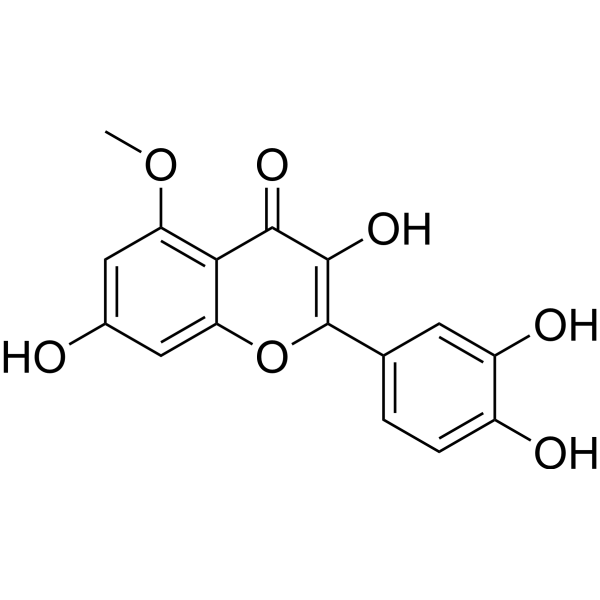
GSK-3β inhibitor 27 (Compound 1c) is a reversible and competitive GSK-3β inhibitor with an IC50 value of 2.2 μM. GSK-3β inhibitor 27 inhibits tau hyperphosphorylation, reduces Aβ protein aggregation and possesses metal chelation and neuroprotective potential. GSK-3β inhibitor 27 is promising for research of neurodegenerative diseases (such as Alzheimer’s disease) .
|
-
-
- HY-P10534
-
|
|
Prion Protein
|
Infection
Neurological Disease
|
|
CCβ is a simple 17-amino acid peptide designed in research. CCβ is able to mimic the conformational transition of proteins from α-helix to β-sheet, which is a key step in the aggregation of proteins associated with many diseases, such as Alzheimer's disease and prion disease. CCβ can be used to study diseases related to protein aggregation .
|
-
-
- HY-P3845
-
|
|
Amyloid-β
|
Neurological Disease
|
|
(Gly22)-Amyloid β-Protein (1-42) is a peptide fragment of amyloid β-protein (Aβ). Amyloid β-protein is the primary component of both vascular and parenchymal amyloid deposits in Alzheimer's disease. Mutation of Glu22 to Gly22 in Aβ can increase aggregation .
|
-
-
- HY-P1051A
-
|
Amyloid β-protein (12-28) TFA; Amyloid Beta-Peptide (12-28) (human) TFA; β-Amyloid protein fragment(12-28) TFA
|
Amyloid-β
|
Neurological Disease
|
|
β-Amyloid (12-28) (TFA) (Amyloid β-Protein (12-28) (TFA)) is a peptide fragment of β-amyloid protein (β1-42). β1-42, a 42 amino acid protein , is the major component of senile plaque cores. β-Amyloid (12-28) (TFA) shows aggregation properties. β-Amyloid (12-28) (TFA) has the potential for Alzheimer’s disease research .
|
-
-
- HY-155365
-
|
|
Cholinesterase (ChE)
GSK-3
Amyloid-β
|
Neurological Disease
|
|
hAChE-IN-5 (compound 49) is a potent hAChE and hBuChE inhibitor with IC50 values of 0.17 μM and 0.17 μM, respectively. hAChE-IN-5 shows potent GSK3β inhibition with an IC50 value of 0.21 μM. hAChE-IN-5 is used as tau protein aggregation and Aβ1-42 self-aggregation inhibitor. hAChE-IN-5 can bind virtually with the PAS affecting Aβ aggregation, thus preventing Aβ-dependent neurotoxicity. hAChE-IN-5 can penetrate BBB and has the potential for multi-targeted anti-Alzheimer's agents research .
|
-
-
- HY-176439
-
|
|
Amyloid-β
Cholinesterase (ChE)
|
Neurological Disease
|
|
AChE-IN-88 (Compound 26) is a novel pyridazine derivative. AChE-IN-88 is an orally active multi-target ligand for Alzheimer's disease (AD) that inhibits both acetylcholinesterase (AChE) and amyloid β protein (Aβ) aggregation (pIC50: 7.16) .
|
-
-
- HY-P5370
-
|
|
Amyloid-β
|
Others
|
|
Scrambled β-amyloid (1-40) is a biological active peptide. (Aβ (1-40) together with Aβ (1-42) are two major C-terminal variants of the Aβ protein constituting the majority of Aβs. These undergo post-secretory aggregation and deposition in the Alzheimer’s disease brain. This peptide is the scrambled sequence of Abeta 1-40 HY-P0265)
|
-
-
- HY-N12321
-
|
|
Others
|
Metabolic Disease
|
|
2',3'-Dihydroxy-4',6'-dimethoxychalcone (compound 1) can inhibit Amyloid β-protein (Aβ42) fibrillization and aggregation. 2',3'-Dihydroxy-4',6'-dimethoxychalcone has oral activity and can be detected in the brain .
|
-
-
- HY-W010041R
-
|
|
Reference Standards
α-synuclein
Amyloid-β
|
Neurological Disease
|
|
Scyllo-Inositol is an inhibitor that targets the aggregation of misfolded proteins (such as α-synuclein and Amyloid-β), is orally effective, and can cross the blood-brain barrier. Scyllo-Inositol can selectively bind to and stabilize non-toxic oligomers, preventing them from converting into toxic fibers, exerting protein homeostasis regulation and neuroprotective activity. Scyllo-Inositol binds to the hydrophobic region of pathogenic proteins, inhibits protein aggregation, and promotes lysosome- and proteasome-mediated degradation pathways, thereby reducing neurotoxicity. Scyllo-Inositol can be used in the study of neurodegenerative diseases such as Parkinson's disease, Alzheimer's disease, and Huntington's disease .
|
-
-
- HY-175658
-
|
|
Cholinesterase (ChE)
Amyloid-β
Tau Protein
|
Neurological Disease
|
|
AChE/BChE-IN-29 is an AChE/BChE inhibitor. AChE/BChE-IN-29 exhibits balanced dual cholinesterase inhibitory activity with IC50 values of 2.1 μM for Electrophorus electricus AChE (eeAChE) and 6.3 μM for equine serum butyrylcholinesterase (eqBChE). AChE/BChE-IN-29 effectively inhibits amyloid-β (Aβ42) aggregation and tau protein aggregation in E. coli cell models. AChE/BChE-IN-29 can be used for the study of Alzheimer’s disease (AD) .
|
-
-
- HY-170417
-
|
|
Cholinesterase (ChE)
GSK-3
|
Neurological Disease
|
|
hAChE/hBuChE/GSK-3β-IN-1 (Compound 6c) is a BBB-penetrable and multi-target anti-Alzheimer's disease compound. hAChE/hBuChE/GSK-3β-IN-1 is the inhibitors of hAChE (IC50: 28.88 nM), hBuChE (IC50: 131.90 nM) and GSK-3β (IC50: 51.42 nM). hAChE/hBuChE/GSK-3β-IN-1 is the tau and Aβ protein aggregation inhibitors .
|
-
-
- HY-155366
-
|
|
Cholinesterase (ChE)
GSK-3
|
Neurological Disease
|
|
hAChE-IN-6 (compound 51) is a brain penetrant AChE inhibitor with an IC50 of 0.16 μM. hAChE-IN-6 also inhibits hBuChE and GSK3β with IC50 values of 0.69 μM and 0.26 μM, respectively. hAChE-IN-6 inhibits tau protein and Aβ1-42 self-aggregation, and can be used for Alzheimer's disease (AD) research .
|
-
-
- HY-W707693
-
|
|
Isotope-Labeled Compounds
Amyloid-β
α-synuclein
|
Neurological Disease
|
|
Scyllo-Inositol-d6 is the deuterium labeled Scyllo-Inositol (HY-W010041). Scyllo-Inositol is an inhibitor that targets the aggregation of misfolded proteins (such as α-synuclein and Amyloid-β), is orally effective, and can cross the blood-brain barrier. Scyllo-Inositol can selectively bind to and stabilize non-toxic oligomers, preventing them from converting into toxic fibers, exerting protein homeostasis regulation and neuroprotective activity. Scyllo-Inositol binds to the hydrophobic region of pathogenic proteins, inhibits protein aggregation, and promotes lysosome- and proteasome-mediated degradation pathways, thereby reducing neurotoxicity. Scyllo-Inositol can be used in the study of neurodegenerative diseases such as Parkinson's disease, Alzheimer's disease, and Huntington's disease .
|
-
-
- HY-P10824
-
|
|
Amyloid-β
|
Neurological Disease
|
|
RI-OR2-TAT is a brain-penetrant inhibitor of β-Amyloid oligomerization, which is produced by adding the HIV protein transduction domain TAT to RI-OR2. RI-OR2-TAT binds to Aβ42 fibrils with a Kd value of 58-125 nM. RI-OR2-TAT reduces Aβ aggregation and plaque levels, reduces activation of microglia and oxidative damage, and increases the number of young neurons in the dentate gyrus .
|
-
-
- HY-149273
-
|
|
Cholinesterase (ChE)
Amyloid-β
Tau Protein
|
Neurological Disease
|
|
hBChE-IN-1 (compound 4), a quinolizidinyl derivative, is a potent hBChE inhibitor (IC50=7 nM) and highly selective over hAChE. hBChE-IN-1 shows inhibitory activity against tau and Aβ40 protein aggregation, with IC50 values of 20 and 4.3 μM, respectively. hBChE-IN-1 can be used for Alzheimer's disease research .
|
-
-
- HY-150585
-
|
|
Amyloid-β
Cholinesterase (ChE)
Tau Protein
|
Neurological Disease
|
|
BuChE-IN-5 (compound 25b) is a potent BuChE inhibitor with an IC50 value of 1.94 μM. BuChE-IN-5 efficiently inhibits aggregation Aβ and tau protein in Escherichia coli. BuChE-IN-5 also has free radical scavenging capacity and antioxidant activity. BuChE-IN-5 can be used for researching Alzheimer’s disease .
|
-
-
- HY-159945
-
|
|
α-synuclein
|
Neurological Disease
|
|
Tau Protein/α-synuclein-IN-2 (Compound 14T) is a blood-brain barrier penetrating tau and α-syn inhibitor. Through its thiourea linker structure, Tau Protein/α-synuclein-IN-2 dose-dependently reduces α-syn oligomerization. In biosensor cells, Tau Protein/α-synuclein-IN-2 prevents the seeding effect of tau aggregation. In the M17D neuroblastoma model, Tau Protein/α-synuclein-IN-2 exhibits anti-inclusion effects. Additionally, Tau Protein/α-synuclein-IN-2 reduces Aβ plaque formation. Tau Protein/α-synuclein-IN-2 holds promise for Alzheimer's disease and Parkinson's disease research.
|
-
-
- HY-158978
-
|
|
Cholinesterase (ChE)
Monoamine Oxidase
|
Neurological Disease
|
|
Multitarget AD inhibitor-2 (Compound VN-19) is a multitargeting inhibitor acetylcholinesterase (AChE, IC50=0.14 μM), butyrylcholinesterase (BChE, IC50=11.6 μM), monoamine oxidase B (MAO B, IC50=0.45 μM). Multitarget AD inhibitor-2 inhibits self-induced aggregation of amyloid beta protein Aβ1-42 (inhibition rate is 47.3% at 20 μM), and downregulates the level of ROS in SH-SY5Y (80 inhibition rate at 25 μM). Multitarget AD inhibitor-2 ameliorates the cognitive decline in Scopolamine (HY-N0296)-induced Alzheimer’s Disease zebrafish models .
|
-
-
- HY-159898
-
-
-
- HY-145858
-
|
|
Ferroptosis
|
Cancer
|
|
Chalcones A-N-5 is a trihydroxy chalcone derivative compound. Chalcones A-N-5 doesn’t show cytotoxicity at the concentration lower than 100 µM (with IC50 > 1 mM), but has a significant effect on promoting cell proliferation. Chalcones A-N-5 potentially promotes neuronal cell growth in the damaged brain tissue. Chalcones A-N-5 also inhibits ferroptosis induced by RSL or erastin and reduces the lipid peroxidation levels induced by Aβ1-42 protein aggregation. Chalcones A-N-5 is a promising molecular skeleton candidate for further development of lead compound for in vivo test to research AD .
|
-
-
- HY-D0914A
-
|
|
α-synuclein
|
Neurological Disease
|
|
Fast green FCF free acid is a dye that is acid-resistant. Fast Green FCF free acid inhibits α-synuclein aggregation, as well as Aβ, P2X4 receptor and TLR4/Myd88/NF-κB. Fast Green FCF free acid is widely used as a staining agent like quantitative stain for histones at alkaline pH after acid extraction of DNA, and as a protein stain in electrophoresis. Fast Green FCF free acid improves cognitive impairment, depression, relieves pain allergies, and promotes reproductive function .
|
-
-
- HY-162812
-
|
|
Apoptosis
Cholinesterase (ChE)
Tau Protein
Ferroptosis
Histamine Receptor
|
Neurological Disease
|
|
H3R antagonist 4 (compound 11L) was a dual inhibitor of cholinesterase and histamine receptor (H3R), with corresponding IC50 of 7.04 μM (eeAChE), 9.73 μM (hAChE)(reversible) and 1.09 nM (H3R) , respectively. H3R antagonist 4 inhibited the aggregation of Aβ1-42 induced by itself and Cu 2+ (95.48% and 88.63%) , and degraded the Aβ1-42 fibrils induced by itself and Cu 2+ (80.16% and 89.30%) . H3R antagonist 4 chelate biometals such as Cu 2+, Zn 2+, Al 3+, and Fe 2+. H3R antagonist 4 significantly reduced tau protein hyperphosphorylation induced by Aβ1-42 and inhibited RSL-3-induced apoptosis and ferroptosis in PC12 cells. H3R antagonist 4 had the best blood-brain barrier permeability and intestinal absorption in hCMEC/D3 and hPepT1-MDCK cells.H3R antagonist 4 ameliorates learning and memory impairment in a mouse model of Alzheimer's disease induced by scopolamine (HY-N0296) .
|
-
-
- HY-156735
-
|
|
17β-HSD
|
Cancer
|
|
HSD17B13-IN-2 is an HSD17B13 inhibitor with human IC50 values of 0.18 μM (with β-estradiol as substrate) and 0.25 μM (with Leukotriene B4 as substrate), and it exhibits selectivity for human HSD17B11. HSD17B13-IN-2 binds to the active site of HSD17B13 in an NAD +-dependent manner, interacts with the bound NAD + cofactor, and stabilizes human HSD17B13 protein to prevent its aggregation. HSD17B13-IN-2 reduces the conversion of β-estradiol to estrone in cellular assays. HSD17B13-IN-2 can be used in studies related to nonalcoholic fatty liver disease .
|
-
-
- HY-169103
-
|
|
NO Synthase
COX
Cholinesterase (ChE)
Amyloid-β
|
Neurological Disease
Inflammation/Immunology
|
|
Neuroprotective agent 5 (compound 28) is a brain permeabilizing agent with anti-neuritis, anti-oxidative damage and neuroprotective effects. Neuroprotective agent 5 exhibits a potent NO inhibitory effect (EC50=0.49 μM), inhibits the release of proinflammatory factors PGE2 and TNF-α, downregulates the expression of iNOS and COX-2 proteins, and promotes the polarization of BV-2 cells from the proinflammatory M1 phenotype to the anti-inflammatory M2 phenotype. In addition, Neuroprotective agent 5 can also inhibit acetylcholinesterase (AChE) activity and Aβ42 aggregation in a dose-dependent manner. Neuroprotective agent 5 can be used for the study of Alzheimer's disease .
|
-
-
- HY-173282
-
|
|
Amyloid-β
|
Neurological Disease
|
|
Aβ aggregation-IN-2 (Compound 8i) is an inhibitor of amyloid-β protein (Aβ42) aggregation, showing approximately 91% inhibition of Aβ42 aggregation at 25 μM. It also exhibits Aβ42 disaggregation effects and antioxidant activity. Aβ aggregation-IN-2 can be used for research in the field of Alzheimer's disease .
|
-
-
- HY-119492
-
|
|
Calcium Channel
Cholinesterase (ChE)
Amyloid-β
Tau Protein
|
Neurological Disease
|
|
Phenchlobenpyrrone is a highly selective neuronal calcium antagonist that crosses the blood-brain barrier. Phenchlobenpyrrone mildly inhibits AChE activity. Phenchlobenpyrrone inhibits Aβ aggregation and promotes the clearance of Aβ oligomers. Phenchlobenpyrrone reduces abnormal phosphorylation of Tau protein. Phenchlobenpyrrone may be used in research on Alzheimer's disease .
|
-
-
- HY-182304
-
|
|
Amyloid-β
α-synuclein
Amylin Receptor
Tau Protein
SOD
|
Neurological Disease
|
|
CLR01 sodium is a blood-brain barrier-permeable anti-aggregation agent. CLR01 sodium inhibits the de novo aggregation of Amyloid-β 40/42, α-synuclein, IAPP, tau protein and SOD1. CLR01 sodium reduces amyloid plaque burden in the cortex of triple-transgenic mice and improves the memory and motor abilities of these mice. CLR01 sodium can be used in research related to Alzheimer's disease, Parkinson's disease, and amyotrophic lateral sclerosis (ALS) .
|
-
-
- HY-183375
-
|
|
|
Neurological Disease
|
|
AChE/BuChE/BACE-1-IN-1 is a blood-brain barrier-permeable multi-target inhibitor of AChE/BuChE/BACE, with IC50 values of 0.387 μM, 0.430 μM, and 0.531 μM against AChE, BuChE, and BACE-1, respectively. AChE/BuChE/BACE-1-IN-1 reduces the aggregation of β-amyloid protein (Aβ) and hyperphosphorylated tau protein (p-tau). AChE/BuChE/BACE-1-IN-1 can be used for the research of Alzheimer's disease .
|
-
-
- HY-180842
-
|
|
Monoamine Oxidase
Amyloid-β
Tau Protein
Cholinesterase (ChE)
|
Neurological Disease
|
|
MAO-B-IN-50 (Compound C20) is a selective MAO-B inhibitor with an IC50 value of 0.06 μM. MAO-B-IN-50 shows good inhibitory effects on the aggregation of Aβ40/42 and Tau proteins, with overall IC50 values around 1 μM. MAO-B-IN-50 exhibits potent and selective AChE inhibition (IC50 = 1.78 μM). MAO-B-IN-50 can be used in the research of Alzheimer's disease .
|
-
-
- HY-105066R
-
|
|
Reference Standards
Microtubule/Tubulin
Amyloid-β
|
Neurological Disease
|
|
Davunetide (Standard) is the analytical standard of Davunetide (HY-105066). This product is intended for research and analytical applications. Davunetide is an eight amino acid snippet derived from activity-dependent neuroprotective protein (ADNP), a neurotrophic factor that exists in the mammalian CNS. Davunetide possesses neuroprotective, neurotrophic and cognitive protective roperties. Davunetide, a microtubule-stabilizing peptide, interacts with and stabilises neuron-specific βIII-tubulin in vitro. Davunetide penetrates the blood-brain barrier and is non-toxic. Davunetide inhibits Aβ aggregation and Aβ-induced neurotoxicity .
|
-
- HY-101855R
-
|
Anle138b (Standard)
|
Reference Standards
Amyloid-β
|
Neurological Disease
|
|
Emrusolmin (Standard) (Anle138b (Standard)) is the analytical standard of Emrusolmin (HY-101855). This product is intended for research and analytical applications. Emrusolmin (Anle138b), an oligomeric aggregation inhibitor, blocks the formation of pathological aggregates of prion protein (PrPSc) and of α-synuclein (α-syn). Emrusolmin strongly inhibits oligomer accumulation, neuronal degeneration, and disease progression in vivo. Emrusolmin has low toxicity and an excellent oral bioavailability and blood-brain-barrier penetration. Emrusolmin blocks Aβ channels and rescues disease phenotypes in a mouse model for amyloid pathology .
|
-
| Cat. No. |
Product Name |
Type |
-
- HY-D0914
-
|
FD&C Green No. 3; Food green 3; C.I. 42053
|
Fluorescent Dyes
|
|
Fast Green FCF is a sea green triarylmethane food dye, with absorption maximum ranging from 622 to 626 nm. Fast Green FCF inhibits α-synuclein aggregation, as well as Aβ and P2X4 receptor, and TLR4/Myd88/NF-κB. Fast Green FCF is widely used as a staining agent like quantitative stain for histones at alkaline pH after acid extraction of DNA, and as a protein stain in electrophoresis. Fast Green FCF improves cognitive impairment, depression, relieves pain allergies, and promotes reproductive function .
|
-
- HY-D0914A
-
|
|
Fluorescent Dyes
|
|
Fast green FCF free acid is a dye that is acid-resistant. Fast Green FCF free acid inhibits α-synuclein aggregation, as well as Aβ, P2X4 receptor and TLR4/Myd88/NF-κB. Fast Green FCF free acid is widely used as a staining agent like quantitative stain for histones at alkaline pH after acid extraction of DNA, and as a protein stain in electrophoresis. Fast Green FCF free acid improves cognitive impairment, depression, relieves pain allergies, and promotes reproductive function .
|
| Cat. No. |
Product Name |
Target |
Research Area |
-
- HY-P1189
-
|
|
Integrin
|
Metabolic Disease
Inflammation/Immunology
|
|
Echistatin, the smallest active RGD protein belonging to the family of disintegrins that are derived from snake venoms, is a potent inhibitor of platelet aggregation. Echistatin is a potent inhibitor of bone resorption in culture. Echistatin is a potent antagonist of αIIbβ3, αvβ3 and α5β1 .
|
-
- HY-105066
-
|
|
Microtubule/Tubulin
Amyloid-β
|
Neurological Disease
|
|
Davunetide is an eight amino acid snippet derived from activity-dependent neuroprotective protein (ADNP), a neurotrophic factor that exists in the mammalian CNS. Davunetide possesses neuroprotective, neurotrophic and cognitive protective roperties. Davunetide, a microtubule-stabilizing peptide, interacts with and stabilises neuron-specific βIII-tubulin in vitro. Davunetide penetrates the blood-brain barrier and is non-toxic. Davunetide inhibits Aβ aggregation and Aβ-induced neurotoxicity .
|
-
- HY-P1189A
-
|
|
Integrin
|
Metabolic Disease
Inflammation/Immunology
|
|
Echistatin TFA, the smallest active RGD protein belonging to the family of disintegrins that are derived from snake venoms, is a potent inhibitor of platelet aggregation. Echistatin is a potent inhibitor of bone resorption in culture. Echistatin is a potent antagonist of αIIbβ3, αvβ3 and α5β1 .
|
-
- HY-P4886A
-
|
|
Amyloid-β
|
Neurological Disease
|
|
Amyloid β-Protein (3-42) TFA is a precursor of Pyr peptide. Pyroglutamic acid-modified Aβ (pEAβ) (3-42) is the core of the amyloid plaque in Alzheimer's disease. pEAβ (3-42) accelerates the aggregation of Aβ(1-42), while Aβ(1-42) significantly slows down the primary and secondary nucleation of pEAβ(3-42).
|
-
- HY-P3846
-
|
|
Amyloid-β
|
Neurological Disease
|
|
(Glu20)-Amyloid β-Protein (1-42) is a slower fibrillizing variant of amyloid β-protein (Aβ). The Glu20 mutation reduces the aggregation propensity of Aβ42 and prevents accumulation of the slowly fibrillizing peptide. Amyloid β-protein is the primary component of both vascular and parenchymal amyloid deposits in Alzheimer's disease .
|
-
- HY-P1051
-
|
Amyloid β-protein (12-28)
|
Amyloid-β
|
Neurological Disease
|
|
β-Amyloid (12-28) (Amyloid β-Protein (12-28)) is a peptide fragment of β-amyloid protein (β1-42). β1-42, a 42 amino acid protein , is the major component of senile plaque cores. β-Amyloid (12-28) shows aggregation properties. β-Amyloid (12-28) has the potential for Alzheimer’s disease research .
|
-
- HY-P4886
-
|
|
Amyloid-β
|
Neurological Disease
|
|
Amyloid β-Protein (3-42) is the precursor of Pyr peptide. Pyroglutamate-modified Aβ (pEAβ) (3-42) is the core of the amyloid template block in Alzheimer's disease. pEAβ(3-42) accelerated the aggregation of Aβ(1-42), while Aβ(1-42) significantly slowed the primary and secondary nucleation of pEAβ(3-42) .
|
-
- HY-P10534
-
|
|
Prion Protein
|
Infection
Neurological Disease
|
|
CCβ is a simple 17-amino acid peptide designed in research. CCβ is able to mimic the conformational transition of proteins from α-helix to β-sheet, which is a key step in the aggregation of proteins associated with many diseases, such as Alzheimer's disease and prion disease. CCβ can be used to study diseases related to protein aggregation .
|
-
- HY-P3845
-
|
|
Amyloid-β
|
Neurological Disease
|
|
(Gly22)-Amyloid β-Protein (1-42) is a peptide fragment of amyloid β-protein (Aβ). Amyloid β-protein is the primary component of both vascular and parenchymal amyloid deposits in Alzheimer's disease. Mutation of Glu22 to Gly22 in Aβ can increase aggregation .
|
-
- HY-P1051A
-
|
Amyloid β-protein (12-28) TFA; Amyloid Beta-Peptide (12-28) (human) TFA; β-Amyloid protein fragment(12-28) TFA
|
Amyloid-β
|
Neurological Disease
|
|
β-Amyloid (12-28) (TFA) (Amyloid β-Protein (12-28) (TFA)) is a peptide fragment of β-amyloid protein (β1-42). β1-42, a 42 amino acid protein , is the major component of senile plaque cores. β-Amyloid (12-28) (TFA) shows aggregation properties. β-Amyloid (12-28) (TFA) has the potential for Alzheimer’s disease research .
|
-
- HY-P5370
-
|
|
Amyloid-β
|
Others
|
|
Scrambled β-amyloid (1-40) is a biological active peptide. (Aβ (1-40) together with Aβ (1-42) are two major C-terminal variants of the Aβ protein constituting the majority of Aβs. These undergo post-secretory aggregation and deposition in the Alzheimer’s disease brain. This peptide is the scrambled sequence of Abeta 1-40 HY-P0265)
|
-
- HY-P10824
-
|
|
Amyloid-β
|
Neurological Disease
|
|
RI-OR2-TAT is a brain-penetrant inhibitor of β-Amyloid oligomerization, which is produced by adding the HIV protein transduction domain TAT to RI-OR2. RI-OR2-TAT binds to Aβ42 fibrils with a Kd value of 58-125 nM. RI-OR2-TAT reduces Aβ aggregation and plaque levels, reduces activation of microglia and oxidative damage, and increases the number of young neurons in the dentate gyrus .
|
-
- HY-P5340
-
|
|
Peptides
|
Others
|
|
Amyloid-Forming peptide GNNQQNY is a biological active peptide. (This is a heptapeptide from the N-terminal prion-determining domain of the yeast protein Sup35 that forms amyloid fibrils. The availability of its detailed atomic oligomeric structure makes it a good model for studying the early stage of aggregation. The GNNQQNY dimer forms three stable sheet structures. in-register parallel, off-register parallel, and anti-parallel. The in-register parallel dimer, which is close to the amyloid beta-sheet structure, has few interpeptide hydrogen bonds, making hydrophobic interactions more important and increasing the conformational entropy compared to the anti-parallel sheet.)
|
-
- HY-105066R
-
|
|
Reference Standards
Microtubule/Tubulin
Amyloid-β
|
Neurological Disease
|
|
Davunetide (Standard) is the analytical standard of Davunetide (HY-105066). This product is intended for research and analytical applications. Davunetide is an eight amino acid snippet derived from activity-dependent neuroprotective protein (ADNP), a neurotrophic factor that exists in the mammalian CNS. Davunetide possesses neuroprotective, neurotrophic and cognitive protective roperties. Davunetide, a microtubule-stabilizing peptide, interacts with and stabilises neuron-specific βIII-tubulin in vitro. Davunetide penetrates the blood-brain barrier and is non-toxic. Davunetide inhibits Aβ aggregation and Aβ-induced neurotoxicity .
|
| Cat. No. |
Product Name |
Category |
Target |
Chemical Structure |
-
- HY-113283
-
|
|
Structural Classification
Other disease
Classification of Application Fields
Ketones, Aldehydes, Acids
Disease markers
Phenols
Polyphenols
Metabolic Disease
Endogenous metabolite
Disease Research Fields
|
Amyloid-β
Natriuretic Peptide Receptor (NPR)
α-synuclein
Transthyretin (TTR)
Claudin
|
|
Homogentisic acid is an orally active, blood-brain barrier-permeable amyloidogenic compound that functions as both an amyloid component and a pigment precursor. Accumulation of homogentisic acid downregulates tight junction proteins (such as claudin-5, occludin, ZO-1) and impairs blood-brain barrier integrity. Homogentisic acid and its oxidation product benzoquinone acetic acid not only induce the aggregation and fibrosis of multiple proteins (such as Aβ1-42, α-synuclein, SAA, Transthyretin (TTR), atrial natriuretic peptide), but also trigger oxidative stress, damage to the Wnt/β-catenin pathway, and neurotoxicity, leading to ochronosis pigment deposition and synaptic dysfunction. At specific concentrations, homogentisic acid exerts no cytotoxicity or genotoxicity on human peripheral blood lymphocytes, and even counteracts the genotoxicity induced by Irinotecan (HY-16562). Homogentisic acid serves as an important tool molecule for investigating the mechanisms of diseases including ochronosis, secondary amyloidosis, Alzheimer's disease, and colorectal cancer .
|
-
-
- HY-W010041
-
|
|
Natural Products
Endogenous metabolite
Source Classification
|
α-synuclein
Amyloid-β
|
|
Scyllo-Inositol is an inhibitor that targets the aggregation of misfolded proteins (such as α-synuclein and Amyloid-β), is orally effective, and can cross the blood-brain barrier. Scyllo-Inositol can selectively bind to and stabilize non-toxic oligomers, preventing them from converting into toxic fibers, exerting protein homeostasis regulation and neuroprotective activity. Scyllo-Inositol binds to the hydrophobic region of pathogenic proteins, inhibits protein aggregation, and promotes lysosome- and proteasome-mediated degradation pathways, thereby reducing neurotoxicity. Scyllo-Inositol can be used in the study of neurodegenerative diseases such as Parkinson's disease, Alzheimer's disease, and Huntington's disease .
|
-
-
- HY-P1189
-
-
-
- HY-N1414
-
|
|
Structural Classification
Simple Phenylpropanols
Polygalaceae
Phenols
Polyphenols
Phenylpropanoids
Plants
Polygala tenuifolia Willd.
Source Classification
|
Trk Receptor
NF-κB
Amyloid-β
|
|
(E)-3',6-Disinapoylsucrose is an orally active, blood-brain barrier permeable neuroprotective agent that inhibits Aβ protein aggregation. (E)-3',6-Disinapoylsucrose exerts anxiolytic, anti-inflammatory and cognitive-enhancing effects. (E)-3',6-Disinapoylsucrose regulates the TrkB/BDNF signaling pathway, inhibits the expression of NF-κB p65, reduces pro-inflammatory cytokine levels, and alleviates neuronal damage. (E)-3',6-Disinapoylsucrose also enhances the functions of central 5-HT and noradrenergic systems, thereby improving spatial learning and memory abilities and reducing anxiety-like behaviors. (E)-3',6-Disinapoylsucrose can be used for the research of related diseases such as Alzheimer's disease, depression, memory impairment and anxiety disorder .
|
-
-
- HY-P1189A
-
-
-
- HY-N12321
-
-
-
- HY-W010041R
-
|
|
Structural Classification
Natural Products
Endogenous metabolite
Source Classification
|
Reference Standards
α-synuclein
Amyloid-β
|
|
Scyllo-Inositol is an inhibitor that targets the aggregation of misfolded proteins (such as α-synuclein and Amyloid-β), is orally effective, and can cross the blood-brain barrier. Scyllo-Inositol can selectively bind to and stabilize non-toxic oligomers, preventing them from converting into toxic fibers, exerting protein homeostasis regulation and neuroprotective activity. Scyllo-Inositol binds to the hydrophobic region of pathogenic proteins, inhibits protein aggregation, and promotes lysosome- and proteasome-mediated degradation pathways, thereby reducing neurotoxicity. Scyllo-Inositol can be used in the study of neurodegenerative diseases such as Parkinson's disease, Alzheimer's disease, and Huntington's disease .
|
-
| Cat. No. |
Product Name |
Chemical Structure |
-
- HY-W707693
-
|
|
|
Scyllo-Inositol-d6 is the deuterium labeled Scyllo-Inositol (HY-W010041). Scyllo-Inositol is an inhibitor that targets the aggregation of misfolded proteins (such as α-synuclein and Amyloid-β), is orally effective, and can cross the blood-brain barrier. Scyllo-Inositol can selectively bind to and stabilize non-toxic oligomers, preventing them from converting into toxic fibers, exerting protein homeostasis regulation and neuroprotective activity. Scyllo-Inositol binds to the hydrophobic region of pathogenic proteins, inhibits protein aggregation, and promotes lysosome- and proteasome-mediated degradation pathways, thereby reducing neurotoxicity. Scyllo-Inositol can be used in the study of neurodegenerative diseases such as Parkinson's disease, Alzheimer's disease, and Huntington's disease .
|
-
Your information is safe with us. * Required Fields.
Inquiry Information
- Product Name:
- Cat. No.:
- Quantity:
- MCE Japan Authorized Agent:

