1. Search Result
Search Result
Results for "

AML

" in MedChemExpress (MCE) Product Catalog:

477

Inhibitors & Agonists

1

Fluorescent Dye

1

Biochemical Assay Reagents

4

Peptides

31

Inhibitory Antibodies

13

Natural
Products

1

Recombinant Proteins

2

Isotope-Labeled Compounds

15

Antibodies

4

Oligonucleotides

1

GMP Molecules

Cat. No. Product Name Target Research Areas Chemical Structure
  • HY-136175
    Revumenib
    10+ Cited Publications

    SNDX-5613

    Epigenetic Reader Domain Cancer
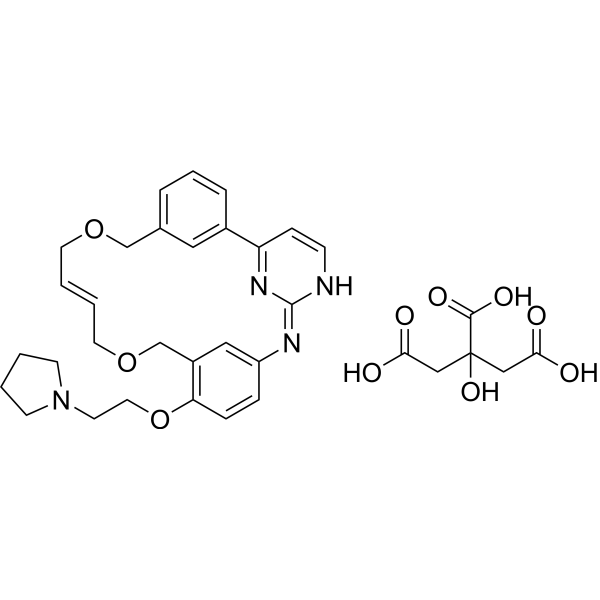
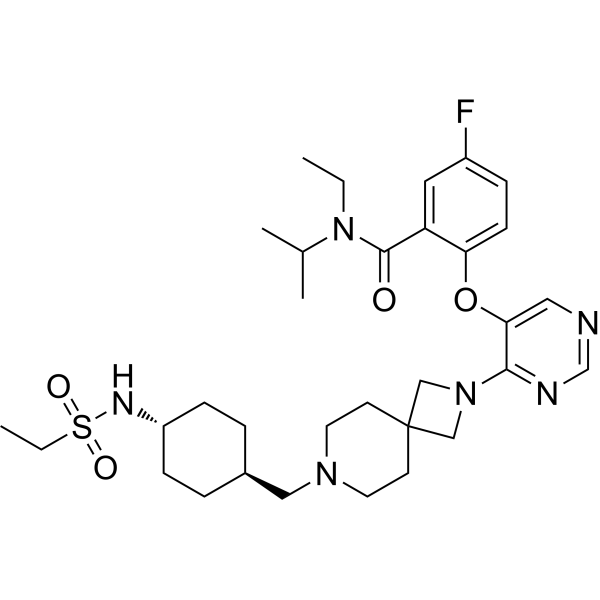
    Revumenib (SNDX-5613) is a potent and specific Menin-MLL inhibitor with a binding Ki of 0.149 nM and a cell based IC50 of 10-20 nM. Revumenib can be used for the research of MLL-rearranged (MLL-r) acute leukemias, including acute lymphoblastic leukemia (ALL) and acute myeloid leukemia (AML) .
    Revumenib
  • HY-112037
    IACS-010759
    25+ Cited Publications

    IACS-10759

    Oxidative Phosphorylation Mitochondrial Metabolism Apoptosis Cancer
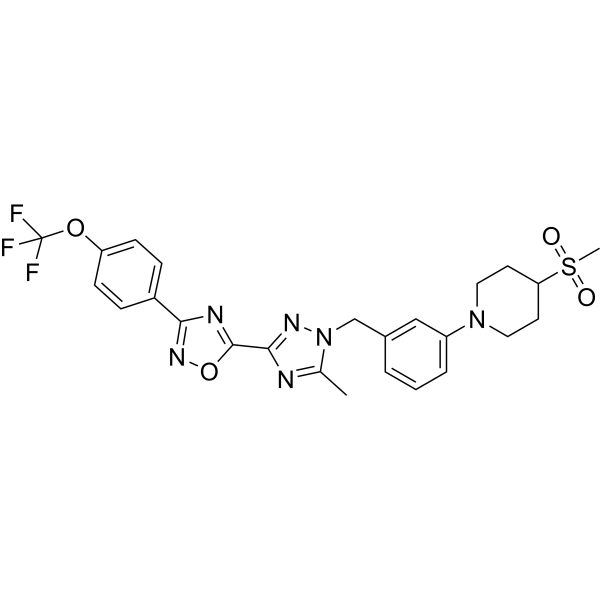
    IACS-010759 is an orally active, potent mitochondrial complex I of oxidative phosphorylation (OXPHOS) inhibitor. IACS-010759 inhibits proliferation and induces apoptosis in models of brain cancer and acute myeloid leukemia (AML) reliant on OXPHOS. IACS-010759 has the potential for relapsed/refractory AML and solid tumors research .
    IACS-010759
  • HY-127103
    FB23-2
    25+ Cited Publications

    Apoptosis Cancer
    FB23-2 is a potent and selective inhibitor of mRNA N 6-methyladenosine (m 6A) demethylase FTO, with an IC50 of 2.6 μM. FB23-2 has anti-proliferation activity. FB23-2 can be used for the research of acute myeloid leukemia (AML) .
    FB23-2
  • HY-101266
    Milademetan
    5 Publications Verification

    DS-3032

    MDM-2/p53 E1/E2/E3 Enzyme Apoptosis Cancer
    Milademetan (DS-3032) is a specific and orally active MDM2 inhibitor for the research of acute myeloid leukemia (AML) or solid tumors. Milademetan (DS-3032) induces G1 cell cycle arrest, senescence and apoptosis .
    Milademetan
  • HY-X0009
    Tambiciclib
    1 Publications Verification

    GFH009; JSH-009; SLS009

    CDK DYRK Apoptosis Bcl-2 Family c-Myc Caspase PARP DNA/RNA Synthesis Metabolic Disease Inflammation/Immunology Cancer
    Tambiciclib (GFH009, JSH-009) is an orally active, highly potent and selective CDK9 inhibitor (IC50 = 1 nM), demonstrating >200-fold selectivity over other CDKs, >100-fold selectivity over DYRK1A/B, and excellent selectivity over 468 kinases/mutants. Tambiciclib demonstrates potent in vitro and in vivo antileukemic efficacy in acute myeloid leukemia (AML) mouse models by inhibiting RNA Pol II phosphorylation, downregulating MCL1 and MYC, and inducing apoptosis. Tambiciclib can be used for AML research .
    Tambiciclib
  • HY-159646

    Molecular Glues Ligands for E3 Ligase Casein Kinase Apoptosis MDM-2/p53 Inflammation/Immunology Cancer
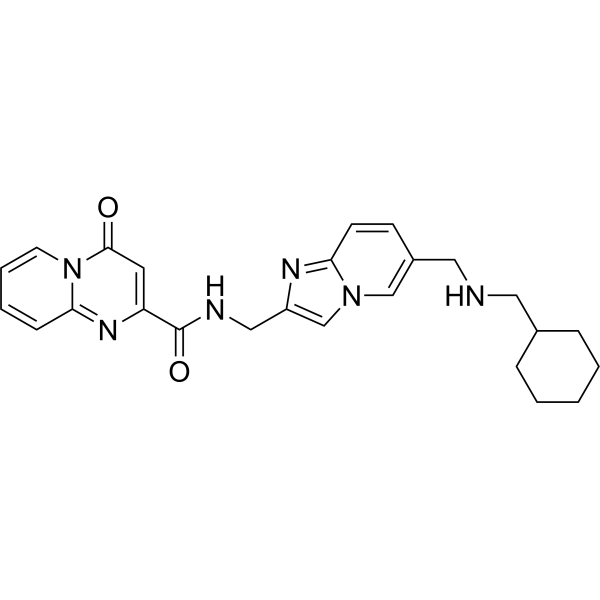
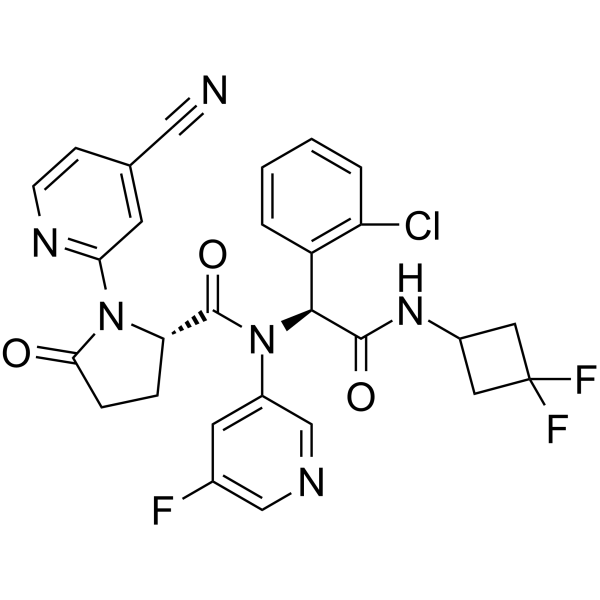
    BMS-986397 is a potent, selective, and orally active cereblon-based molecular glue degrader of casein kinase 1α (CK1α). BMS-986397 induces apoptosis and cell cycle arrest in acute myeloid leukemia (AML) cells. BMS-986397 is a promising agent for the investigation of AML and high-risk myelodysplastic syndromes (HR-MDS) .
    BMS-986397
  • HY-112852
    TL02-59
    5+ Cited Publications

    Src Apoptosis Cancer
    TL02-59 is an orally active, selective Src-family kinase Fgr inhibitor with an IC50 of 0.03 nM. TL02-59 inhibits Lyn and Hck with IC50s of 0.1 nM and 160 nM, respectively. TL02-59 potently suppresses acute myelogenous leukemia (AML) cell growth .
    TL02-59
  • HY-164607

    DNA/RNA Synthesis Apoptosis Cancer
    YL-5092 is a selective YT521-B homology (YTH) domain-containing protein 1 (YTHDC1) inhibitor with an IC50 of 7.4 nM and a KD of 29.6 nM. YL-5092 can suppress cancer cell proliferation and induce cell G0/G1 phase arrest and apoptosis. YL-5092 can be used for the research of cancer, such as acute myeloid leukemia (AML) .
    YL-5092
  • HY-N0564
    Notopterol
    2 Publications Verification

    Apoptosis Neurological Disease Inflammation/Immunology Cancer
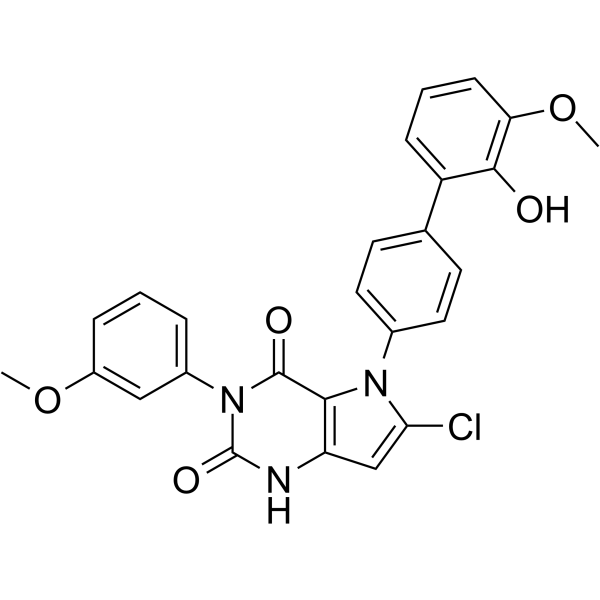
    Notopterol is a coumarin extracted from N. incisum. Notopterol induces apoptosis and has antipyretic, analgesic and anti-inflammatory effects. Notopterol is used for acute myeloid leukemia (AML) .
    Notopterol
  • HY-P9983

    SGN-33; HuM-195; GLK-33 Antibody

    Transmembrane Glycoprotein Radionuclide-Drug Conjugates (RDCs) Inflammation/Immunology
    Lintuzumab (HUM-195) is an anti-CD33 humanized monoclonal antibody. Lintuzumab reduces the production of TNFα-induced pro-inflammatory cytokines and chemokines by AML cells. Lintuzumab promotes tumor cell killing through antibody-dependent cellular cytotoxicity (ADCC) and phagocytosis (ADCP) activities against MDR and MDR+ AML cell lines and primary AML patient samples. Lintuzumab enhances survival and reduces tumor burden in mice .
    Lintuzumab
  • HY-161779

    Molecular Glues Epigenetic Reader Domain Apoptosis Cancer
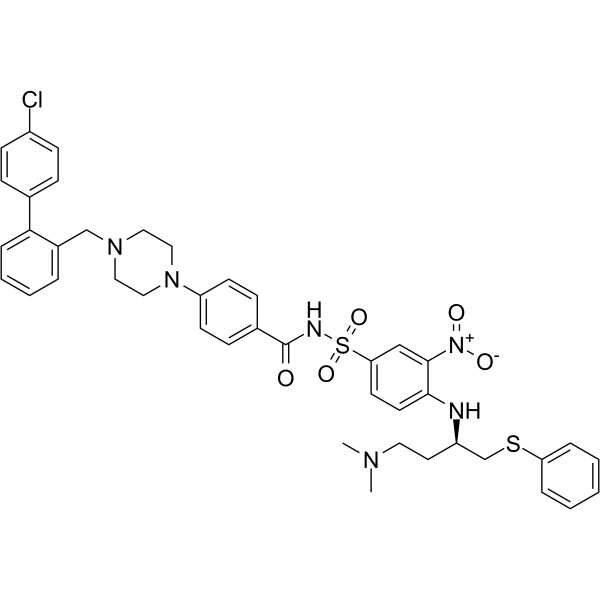
    PLX-3618 is a molecular glue, that degrades BRD4 with DC50 of 12.2 nM. PLX-3618 promotes polyubiquitination and subsequent proteasomal degradation of BRD4 by recruiting of the E3 ligase substrate receptor, DCAF11. PLX-3618 inhibits the proliferation of various cancer cells, induces apoptosis in AML cells. PLX-3618 exhibits antitumor activity against AML in mouse models .
    PLX-3618
  • HY-101025
    Nrf2-IN-1
    5+ Cited Publications

    Keap1-Nrf2 Cancer
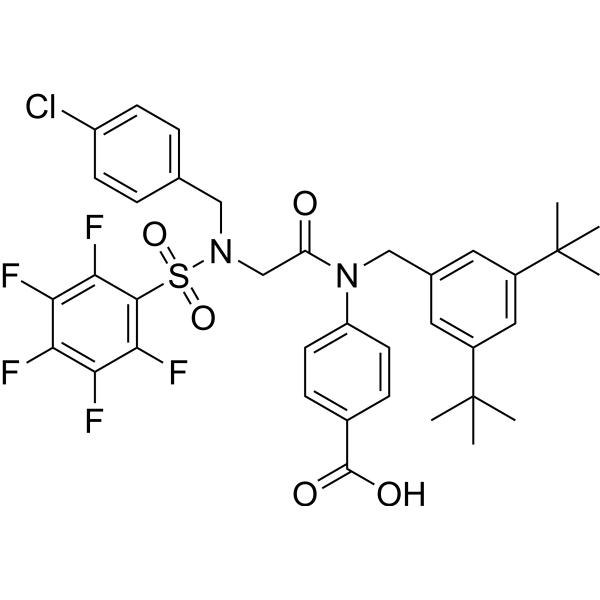
    Nrf2-IN-1 is an inhibitor of nuclear factor-erythroid 2-related factor 2 (Nrf2). Nrf2-IN-1 is developed for the research of acute myeloid leukemia (AML) .
    Nrf2-IN-1
  • HY-160415
    WD6305
    2 Publications Verification

    PROTACs Apoptosis METTL3 Cancer
    WD6305 is a potent and selective METTL3-METTL14 PROTAC degrader. WD6305 has DC50 values of 140 nM and 194 nM for METTL3 and METTL14, respectively. WD6305 inhibits m 6A modification and proliferation of AML cells, and induces apoptosis. WD6305 has antitumor activity .(Pink: UZH2 (HY-115717); Black: Linker; Blue: VHL ligand (HY-150803))
    WD6305
  • HY-P991669

    AML-01

    Caspase Apoptosis Cancer
    IGN523 is an anti-CD98 antibody (hCD98, KD = 0.55 nM). IGN523 induces antibody-dependent cell-mediated cytotoxicity (ADCC) activity, lysosomal membrane permeabilization, and inhibition of essential amino acid transport, ultimately leading to caspase-3 and caspase-7-mediated apoptosis of tumor cells. IGN523 inhibits tumor growth in multiple tumor xenograft models. IGN523 is useful in the research of non-small cell lung cancer (NSCLC), acute myeloid leukemia (AML), and other cancers. .
    IGN523
  • HY-112037A
    IACS-010759 hydrochloride
    25+ Cited Publications

    IACS-10759 hydrochloride

    Oxidative Phosphorylation Mitochondrial Metabolism Apoptosis Cancer
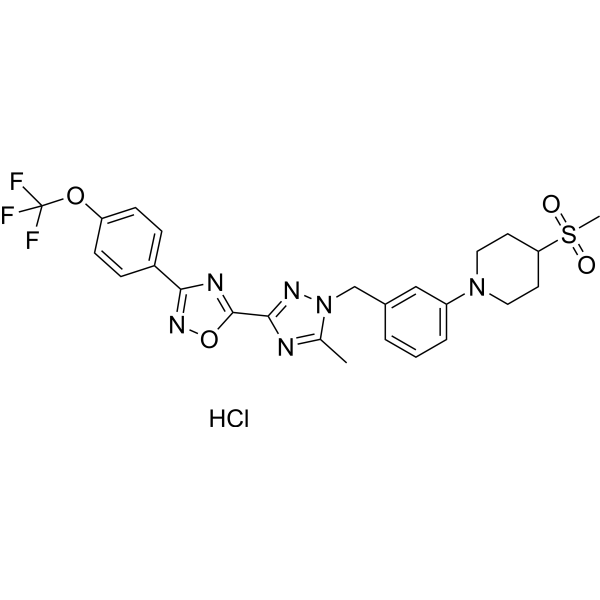
    IACS-010759 hydrochlorideis an orally active, potent mitochondrial complex I of oxidative phosphorylation (OXPHOS) inhibitor. IACS-010759 hydrochlorideinhibits proliferation and induces apoptosis in models of brain cancer and acute myeloid leukemia (AML) reliant on OXPHOS. IACS-010759 hydrochloride has the potential for relapsed/refractory AML and solid tumors research .
    IACS-010759 hydrochloride
  • HY-142161
    ABD957
    3 Publications Verification

    MAGL Cancer
    ABD957 is a potent and selective covalent inhibitor of the ABHD17 family of depalmitoylases, with an IC50 of 0.21 μM for ABHD17B. ABD957 can block N-Ras signaling and the growth of NRAS-mutant AML cells .
    ABD957
  • HY-100688
    ML390
    1 Publications Verification

    Dihydroorotate Dehydrogenase Cancer
    ML390 is a potent dihydroorotate dehydrogenase (DHODH) inhibitor. ML390 is an inducer of myeloid differentiation and causes myeloid differentiation in murine (ER-HoxA9) and human (U937 and THP1) acute myeloid leukemia (AML) models .
    ML390
  • HY-172931

    Molecular Glues Casein Kinase IKZF Family Cancer
    DEG-35 is a CRBN-dependent, dual IKZF2 and CK1α molecule glue degrader, with DC50 values of 1.4 nM and 4.4 nM for CK1α and IKZF2, respectively. DEG-35 activates the p53 apoptosis pathway. DEG-35 can be used in the research for Acute Myeloid Leukemia (AML) .
    DEG-35
  • HY-160415A
    WD6305 TFA
    2 Publications Verification

    PROTACs Apoptosis METTL3 Cancer
    WD6305 TFA is a potent and selective METTL3-METTL14 PROTAC degrader. WD6305 TFA has DC50 values of 140 nM and 194 nM for METTL3 and METTL14, respectively. WD6305 TFA inhibits m 6A modification and proliferation of AML cells, and induces apoptosis. WD6305 TFA has antitumor activity .(Pink: UZH2 (HY-115717); Black: Linker; Blue: VHL ligand (HY-150803))
    WD6305 TFA
  • HY-148422
    Rohinitib
    1 Publications Verification

    Eukaryotic Initiation Factor (eIF) Apoptosis Cancer
    Rohinitib is a potent and specific eIF4A inhibitor. Rohinitib induces cell apoptosis of acute myeloid leukemia (AML) cell lines and reduces the leukemia burden of AML xenograft model. Rohinitib can be used for the research of AML .
    Rohinitib
  • HY-P99390

    MCLA 117

    CD3 Interleukin Related IFNAR TNF Receptor Inflammation/Immunology Cancer
    Tepoditamab (MCLA-117) is a full-length human IgG1 bispecific monoclonal antibody that binds to CLEC12A of myeloid cells and CD3 of cytotoxic T cells. Among others, CLEC12A is a myeloid differentiation antigen. Tepoditamab kills AML leukaemia mother cells and AML leukaemia stem cells, induces T cell-mediated proliferative lysis of AML cells. Tepoditamab induces upto 30-fold T-cell expansion. Tepoditamab results in moderate to strong cytokine (IFNγ, IL-6, IL-8, IL-10, and TNFα) and IFNγ release in human whole blood and PBMC, respectively. Tepoditamab can be used in acute myeloid leukaemia (AML) research .
    Tepoditamab
  • HY-173320

    Hsp-targeting Chimeras Wee1 HSP Cancer
    HEMTAC WEE1 degrader-1 is a HSP90-mediated targeting chimera (HEMTAC) degrader of WEE1 (HSP90 enzyme inhibitory activity is IC50: 16.76 nM). HEMTAC WEE1 degrader-1 promotes the ubiquitination and degradation of WEE1. HEMTAC WEE1 degrader-1 blocks the G2/M cell cycle. HEMTAC WEE1 degrader-1 has anticancer activity in acute myeloid leukemia (AML) patient-derived xenograft (PDX) models. HEMTAC WEE1 degrader-1 can be used in AML research. (Pink: HSP90 binder; Blue: WEE1 ligand; Black: linker) .
    HEMTAC WEE1 degrader-1
  • HY-P99958

    AMV-564; TandAb T564

    Transmembrane Glycoprotein Cancer
    Vixtimotamab (AMV-564; TandAb T564) is a bispecific tetravalent tandem diabody (TandAb) that targets human CD33 and human CD3 antigens. Vixtimotamab can be used for the research of acute myeloid leukemia (AML) .
    Vixtimotamab
  • HY-158341

    HIF/HIF Prolyl-Hydroxylase Apoptosis Cancer
    IOX5 is a selective prolyl hydroxylase (PHD) inhibitor with an IC50 of 0.19 μM for PHD2. IOX5 stabilizes HIF-1α in acute myeloid leukemia (AML) cells, inhibits cell proliferation and induces apoptosis. IOX5 has anti-leukemia activity .
    IOX5
  • HY-153604
    MC4171
    2 Publications Verification

    Histone Acetyltransferase Cancer
    MC4171 (compound 34) is a selective KAT8 inhibitor (IC50=8.1 µM). MC4171 has been shown to exhibit moderate micromolar antiproliferative activity in different cancer cell lines, including NSCLC and AML, with potential for studying cancer .
    MC4171
  • HY-120084
    BTX161
    1 Publications Verification

    Casein Kinase Cancer
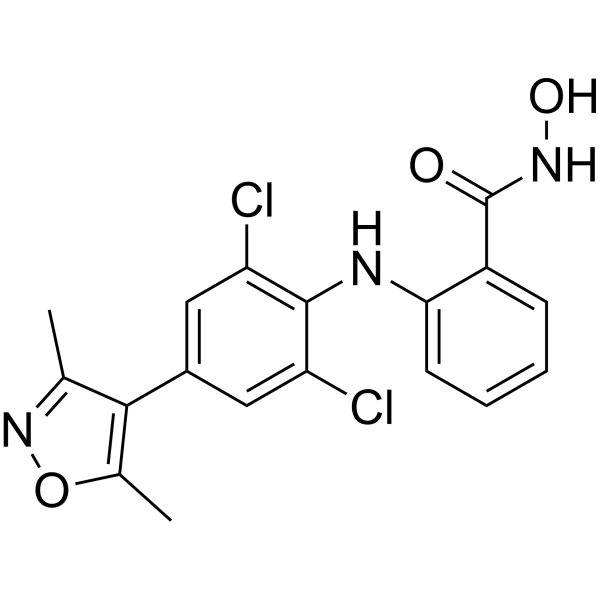
    BTX161, a thalidomide analog, is an effective CKIα degrader. BTX161 mediates human AML cell CKIα degradation more effectively than lenalidomide and activates the DNA damage response (DDR) and p53, while stabilizing p53 antagonist MDM2.
    BTX161
  • HY-129079
    TFMB-(R)-2-HG
    3 Publications Verification

    Estrogen Receptor/ERR Histone Demethylase Fat Mass and Obesity-associated Protein (FTO) Cancer
    TFMB-(R)-2-HG is a cell membrane-permeable (R)-2-HG and acute myeloid leukemia (AML) oncogenic factor. TFMB-(R)-2-HG competitively inhibits α-ketoglutarate-dependent dioxygenases such as KDM2B and FTO. TFMB-(R)-2-HG impairs cell differentiation in response to Estrogen withdrawal. TFMB-(R)-2-HG is used in acute myeloid leukemia and glioma research .
    TFMB-(R)-2-HG
  • HY-119769

    Epigenetic Reader Domain Cancer
    XX-650-23 is a potent CREB inhibitor. XX-650-23inhibits CREB function through disruption of CBP-CREB interaction. XX-650-23 can be used for AML research .
    XX-650-23
  • HY-120395
    UC-514321
    1 Publications Verification

    STAT Apoptosis TET Protein Inflammation/Immunology Cancer
    UC-514321, a structural analog of NSC370284 with higher activity, directly targets STAT3/5 and represses TET1 expression, but not TET2 or TET3. UC-514321 has the potential to treat acute myeloid leukemia (AML) both in vitro and in vivo, with low toxicity .
    UC-514321
  • HY-16981

    CXCR Inflammation/Immunology
    SB-332235 is a potent, orally active nonpeptide CXCR2 antagonist, with an IC50 of 7.7 nM. SB-332235 displays 285-fold selectivity for CXCR2 over CXCR1. SB-332235 inhibits acute and chronic models of arthritis in the rabbit. SB-332235 inhibits viability of AML cells .
    SB-332235
  • HY-179094

    PROTACs IRAK NF-κB Enolase Inflammation/Immunology Cancer
    PSP-0119 is a highly efficient and effective PROTAC degrader targeting IRAK4 (IC50 = 2.83 nM). PSP-0119 can inhibit IRAK4 kinase activity, NF-κβ activity, and IL-1β-induced IRAK4 phosphorylation. PSP-0119 degrades IRAK4 in FLT3-mutant AML cell lines, sparing FLT3-wild-type AML cells, FLT3-wild-type samples, and normal bone marrow. PSP-0119 downregulates alpha-enolase (eNOS) of MOLM-13 cells. PSP-0119 can be used for the study of Acute Myeloid Leukemia (AML) .
    PSP-0119
  • HY-122623A

    Apoptosis Cancer
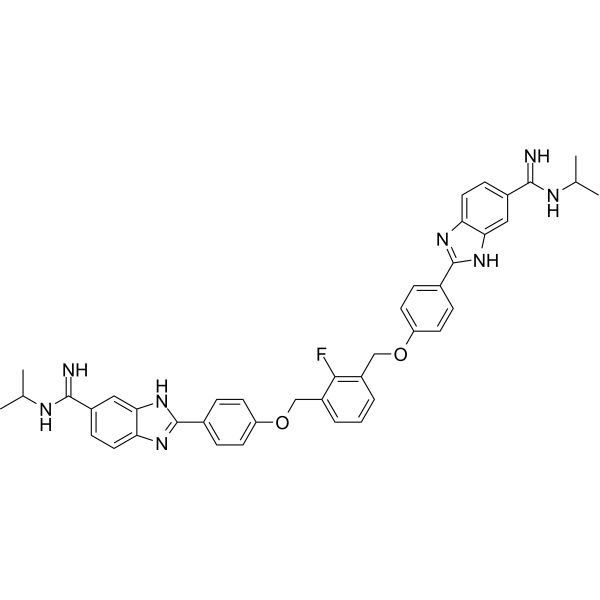
    DB818 dihydrochloride is the dihydrochloride salt form of DB818 (HY-122623). DB818 dihydrochloride is an inhibitor for Homeobox A9 (HOXA9). DB818 dihydrochloride reduces the formation of HOXA9-DNA complexes, inhibits the growth and induces apoptosis in AML cell lines OCI/AML3, MV4-11, and THP-1 .
    DB818 dihydrochloride
  • HY-173444

    HDAC Transferrin Receptor Apoptosis Ferroptosis Cancer
    HDAC11-IN-3 (Compound A9) is a selective HDAC11 inhibitor (IC50: 4.1 nM). HDAC11-IN-3 has inhibitory effects on U937 and OCI-AML2 acute myeloid leukemia (AML) cell lines (IC50: 10 μM). HDAC11-IN-3 has significant anti-AML activity, inducing apoptosis, cell cycle arrest, and differentiation. HDAC11-IN-3 upregulates the iron transporters transferrin (TF) and transferrin receptor (TFRC), and activates the p62-Keap1-Nrf2-HMOX1 pathway, which together lead to increased intracellular iron levels and induce ferroptosis in AML cells. HDAC11-IN-3 can be used alone or in combination with Cytarabine (HY-13605) for AML research .
    HDAC11-IN-3
  • HY-161920

    Sirtuin Apoptosis Cancer
    SIRT3-IN-1 (compound 17f) is a SIRT3 inhibitor, with IC50 of 0.043 μM. SIRT3-IN-1 can be used in the research of acute leukemia (AML) .
    SIRT3-IN-1
  • HY-162265A

    Apoptosis Cancer
    UCM-13369 (Compound 4b) is a NPM1 inhibitor. UCM-13369 downregulates the pathway associated with mutant NPM1 C+, and specifically recognizes the C-end DNA-binding domain of NPM1 C+. UCM-13369 induces apoptosis in AML cell lines and primary cells. UCM-13369 can be used for leukemia research .
    UCM-13369 dihydrochloride
  • HY-178500

    Deubiquitinase Apoptosis STAT JAK Akt PI3K Cancer
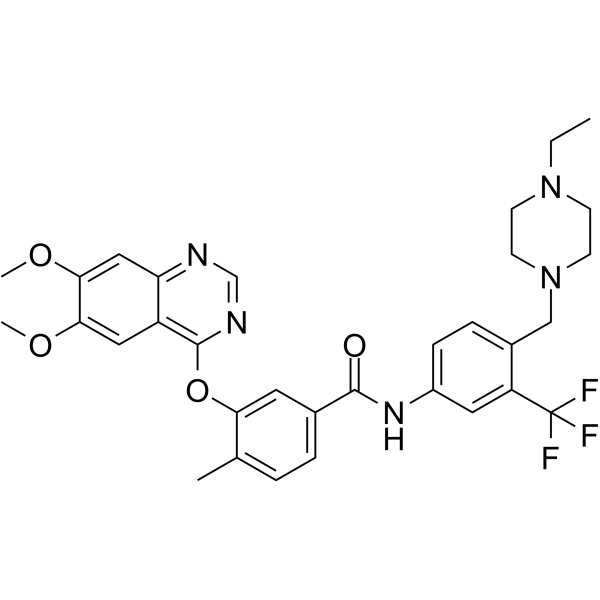
    WCY-8-67 is an orally active and selective USP5 inhibitor, with an IC50 value of 1.33 μM. WCY-8-67 induces apoptosis and suppresses JAK/STAT3 and PI3K/AKT signaling pathways in vitro. WCY-8-67 inhibits proliferation of AE-positive AML cells, induces G1 phase arrest and differentiation of AML cells. WCY-8-67 demonstrates potent anti-leukemic efficacy in mice. WCY-8-67 can be used for the study of acute myeloid leukemia .
    WCY-8-67
  • HY-125236

    Epigenetic Reader Domain Cancer
    BET-IN-19 (Compound 146) is a BET inhibitor. BET-IN-19 inhibits hlL-6 mRNA transcription (IC50 ≤0.3 uM), and c-myc activity in human AML MV4-11 cell (IC50 ≤0.3 uM)。BET-IN-19 inhibits tetra-acetylated histone H4 binding to BRD4 bromodomain 1 (IC50 ≤0.3 uM) .
    BET-IN-19
  • HY-160638

    TET Protein Cancer
    NSC-311068 is TET1 inhibitor. NSC-311068 selectively suppress TET1 transcription and 5-hydroxymethylcytosine (5hmC) modification. NSC-311068 represses the level of TET1 expression and the global 5hmC level. NSC-311068 effectively inhibits cell viability in AML cells with high expression of TET1 .
    NSC-311068
  • HY-142696A

    CDK Pim Apoptosis Cancer
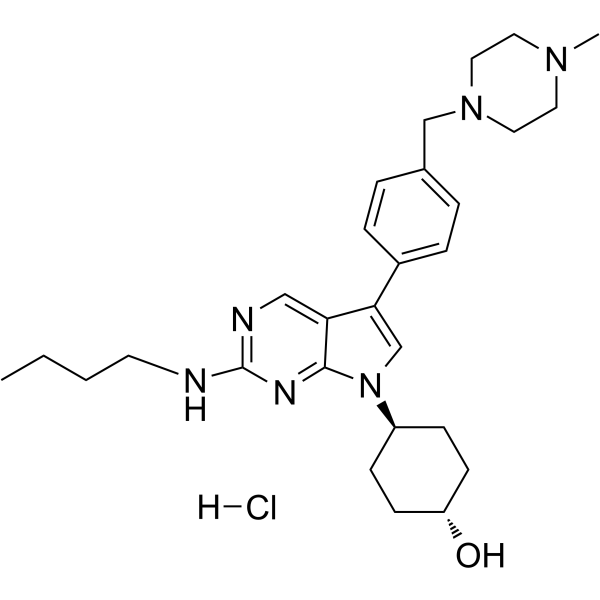
    CDK6/PIM1-IN-1 (Compound 51) hydrochloride is an orally active and potent dual CDK6/PIM1 inhibitor with IC50 values of 39 and 88 nM, respectively. CDK6/PIM1-IN-1 hydrochloride inhibits CDK4 (IC50=3.6 nM). CDK6/PIM1-IN-1 hydrochloride significantly inhibits acute myeloid leukemia (AML) cell proliferation, arrest cell cycle at the G1 phase, and promote cell apoptosis. CDK6/PIM1-IN-1 exhibits potent anti-AML activity .
    CDK6/PIM1-IN-1 hydrochloride
  • HY-P991665

    OBT357NF; OBT357

    Transmembrane Glycoprotein Cancer
    MEN1112 (OBT357NF) is a selective humanized monoclonal antibody targeting the Bst1/CD157 antigen (EC50=1 nM). MEN1112 exerts potent antitumor activity against acute myeloid leukemia (AML) cells. MEN1112 is promising for research of hematological malignancies such as AML .
    MEN1112
  • HY-177467

    Apoptosis FLT3 Cancer
    P0064 is a selective inhibitor targeting the PR domain of PRDM16. P0064 selectively reduces proliferation and survival of FLT3-ITD+ leukemia cells and induces cell apoptosis. P0064 is promising for research of acute myeloid leukemia (AML) .
    P0064
  • HY-134557

    GSK-3 Cancer
    GS87 is a highly specific and potent GSK3 inhibitor with IC50s of 415nM and 521nM for GSK3α and GSK3β, respectively. GS87 induces differentiation of acute myeloid leukemia (AML) cell lines by effectively activating GSK3-dependent signaling components including MAPK signaling. GS87 modulates key GSK3 target proteins involved in cell proliferation and differentiation more effectively than Lithium and SB415285 (SB). GS87 has the potential for acting as a differentiation agent for non-promyelocytic AML research .
    GS87
  • HY-101150

    DNA Alkylator/Crosslinker ADC Payload Cancer
    DGN462, a potent DNA-alkylating agent, shows anti-tumor activity, such as acute myeloid leukemia (AML). DGN462 can be used as a cytotoxic component of antibody-drug conjugates (ADCs) .
    DGN462
  • HY-164460

    Pim Cancer
    AZD1897 is a PIM1, PIM2, and PIM3 inhibitor with IC50 values of less than 3 nM for these three PIM kinases. AZD1897 exhibits anticancer activity and synergistically inhibits the activity of acute myeloid leukemia (AML) cells in combination with Capivasertib (HY-15431). This synergistic inhibitory effect is achieved through the inhibition of the mTOR and MCL1 pathways .
    AZD1897
  • HY-101266B
    Milademetan tosylate hydrate
    5 Publications Verification

    DS-3032b; DS-3032 tosylate hydrate

    MDM-2/p53 E1/E2/E3 Enzyme Apoptosis Cancer
    Milademetan (DS-3032) tosylate hydrate is a specific and orally active MDM2 inhibitor for the research of acute myeloid leukemia (AML) or solid tumors. Milademetan (DS-3032) tosylate hydrate induces G1 cell cycle arrest, senescence and apoptosis .
    Milademetan tosylate hydrate
  • HY-142696

    CDK Pim Apoptosis Cancer
    CDK6/PIM1-IN-1 is a potent and balanced dual CDK6/PIM1 inhibitor with IC50 values of 39 and 88 nM, respectively. CDK6/PIM1-IN-1 inhibits CDK4 (IC50=3.6 nM). CDK6/PIM1-IN-1 significantly inhibits acute myeloid leukemia (AML) cell proliferation, arrest cell cycle at the G1 phase, and promote cell apoptosis. CDK6/PIM1-IN-1 exhibits potent anti-AML activity .
    CDK6/PIM1-IN-1
  • HY-129099

    PKC Estrogen Receptor/ERR Drug Metabolite Endogenous Metabolite Cancer
    N-Desmethyltamoxifen is the major metabolite of tamoxifen in humans. N-Desmethyltamoxifen, a poor antiestrogen, is a ten-fold more potent protein kinase C (PKC) inhibitor than Tamoxifen. N-Desmethyltamoxifen is also a potent regulator of ceramide metabolism in human AML cells, limiting ceramide glycosylation, hydrolysis, and sphingosine phosphorylation .
    N-Desmethyltamoxifen
  • HY-111275

    JAK STAT Apoptosis Caspase PARP Cancer
    WP-1034 is a JAK-STAT inhibitor with proapoptotic and antileukemic activity in acute myeloid leukemia (AML). WP-1034 blocks activation of Stat 3 and 5. WP-1034 induces cell cycle arrest and triggers apoptosis. WP-1034 can be used for AML research .
    WP-1034
  • HY-W773779

    GSK-3 Neurological Disease Metabolic Disease Cancer
    GSK3-IN-9 (Compound 0713) is a selective glycogen synthase kinase 3 (GSK3) inhibitor. GSK3-IN-9 Fragile X syndrome, attention deficit hyperactivity disorder (ADHD), childhood seizure, intellectual disability, diabetes, acute myeloid leukemia (AML), autism, and psychiatric disorder .
    GSK3-IN-9
  • HY-179267

    Fat Mass and Obesity-associated Protein (FTO) c-Myc RAR/RXR Apoptosis Cancer
    FTO-IN-16 (Compound 8a-1), a FTO-IN-15 (HY-179266) prodrug, is a potent FTO inhibitor. FTO-IN-16 suppresses acute myeloid leukemia (AML) cell viability, increases m 6A levels, downregulates c-Myc and CEBPA, and upregulates ASB2 and RARA. FTO-IN-16 induces apoptosis. FTO-IN-16 demonstrates strong in vivo efficacy in AML mouse xenografts. FTO-IN-16 can be used for the research of AML .
    FTO-IN-16

Inquiry Online

Your information is safe with us. * Required Fields.

Salutation


Country or Region *

Applicant Name *


Organization Name *

Department *


Email Address *


Product Name *

Cat. No.


Requested quantity *

Phone Number *


Remarks

Inquiry Online

Inquiry Information

Product Name:
Cat. No.:
Quantity:
MCE Japan Authorized Agent:

