

1. Search Result
Search Result
Results for "

Activated macrophages

" in MedChemExpress (MCE) Product Catalog:

271

Inhibitors & Agonists

2

Screening Libraries

5

Fluorescent Dyes

9

Biochemical Assay Reagents

21

Peptides

15

Inhibitory Antibodies

88

Natural
Products

8

Isotope-Labeled Compounds

1

Click Chemistry

6

Oligonucleotides

Cat. No. Product Name Target Research Areas Chemical Structure
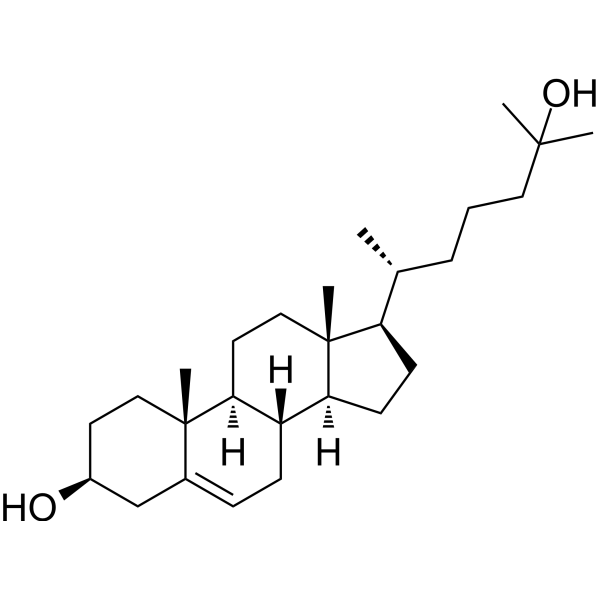
  • HY-113134
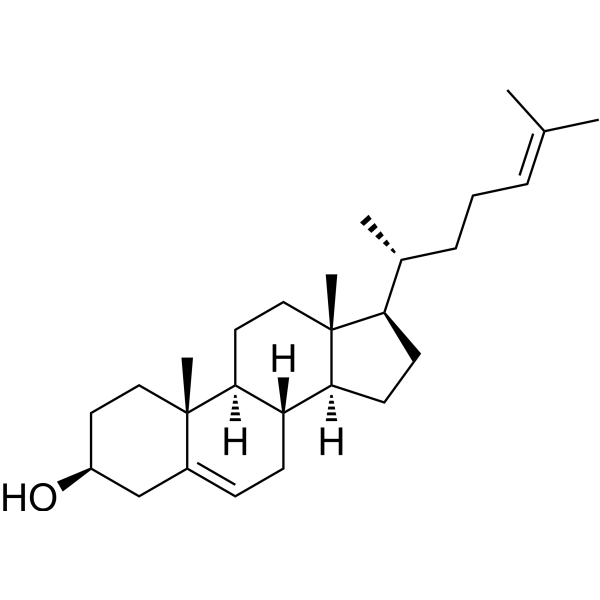
    25-Hydroxycholesterol
    Maximum Cited Publications
    28 Publications Verification

    25-OHC

    Endogenous Metabolite Inflammation/Immunology
    25-Hydroxycholesterol (25-OHC) is a metabolite of cholesterol that is produced and secreted by macrophages in response to Toll-like receptor (TLR) activation. 25-hydroxycholesterol is a potent (EC50≈65 nM) and selective suppressor of IgA production by B cells.
    25-Hydroxycholesterol
  • HY-N0177
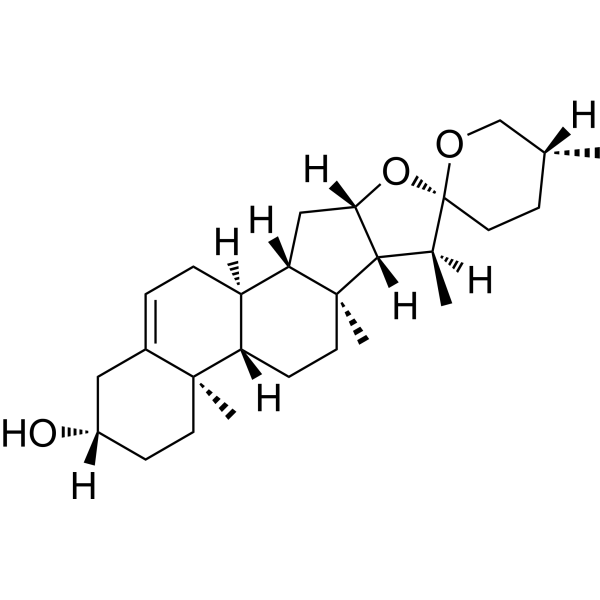
    Diosgenin
    5+ Cited Publications

    STAT MicroRNA Metabolic Disease
    Diosgenin, a steroidal saponin, can inhibit STAT3 signaling pathway . Diosgenin is an exogenous activator of Pdia3/ERp57 . Diosgenin inhibits aortic atherosclerosis progression by suppressing macrophage miR-19b expression .
    Diosgenin
  • HY-B0636
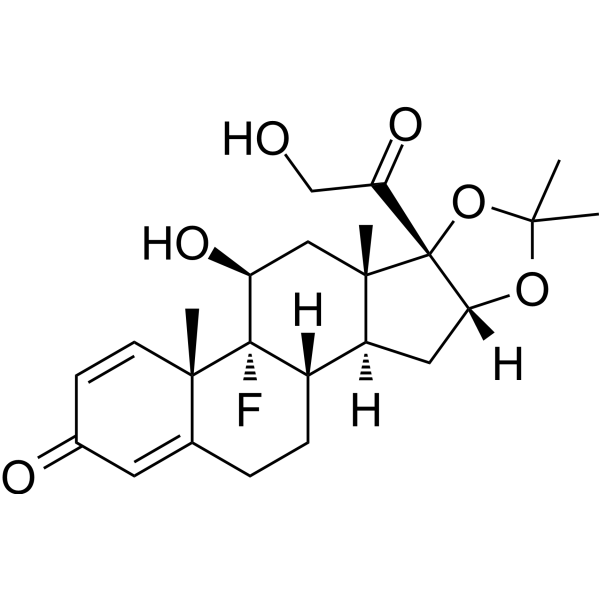
    Triamcinolone acetonide
    5+ Cited Publications

    Glucocorticoid Receptor FGFR Cardiovascular Disease Inflammation/Immunology Endocrinology Cancer
    Triamcinolone acetonide inhibits basic fibroblast growth factor (bFGF) induced proliferation of retinal endothelial cells. Triamcinolone acetonide reduces chondrocyte viability and leads to cartilage destruction. Triamcinolone acetonide activates macrophage with anti-inflammatory characteristics. Triamcinolone acetonide can be used in the study of diseases such as atopic dermatitis .
    Triamcinolone acetonide
  • HY-B2149

    N,N,N′,N′-Tetrakis(2-hydroxypropyl)ethylenediamine; EDTP

    Environmental Pollutants Calcium Channel Metabolic Disease Inflammation/Immunology
    Quadrol is an immunostimulant that has been considered as a potentially useful active molecule for accelerating wound healing. Quadrol can form a complex with Ca 2+, mediate the entry of Ca 2+ into macrophages, and stimulate macrophage activation.
    Quadrol
  • HY-13682
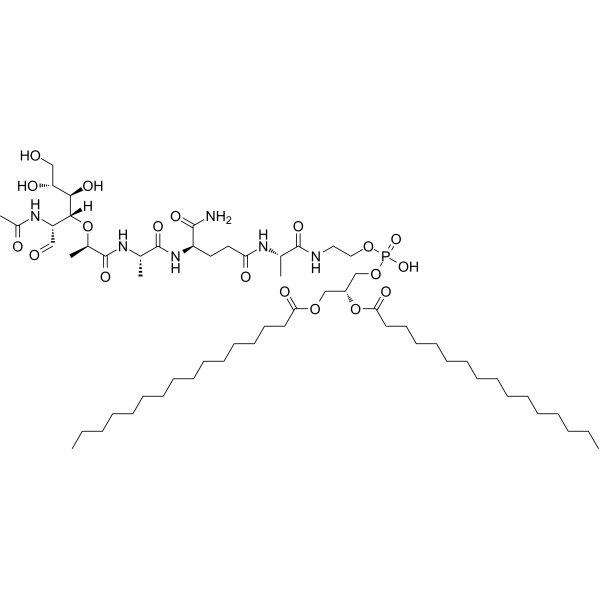
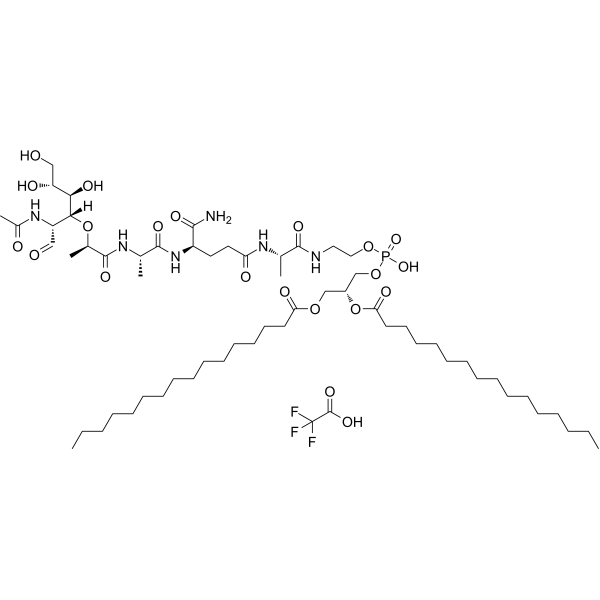
    Mifamurtide
    5 Publications Verification

    MTP-PE; L-MTP-PE; CGP 19835

    NOD-like Receptor (NLR) Inflammation/Immunology Cancer
    Mifamurtide (MTP-PE), an analog of the muramyl dipeptide (MDP), is a nonspecific immunomodulator by stimulating the immune response activating macrophages and monocytes. Mifamurtide is a specific ligand for NOD2 and acts as an insulin sensitizer. Mifamurtide has potential for use in rare disease and osteosarcoma research .
    Mifamurtide
  • HY-113224
    Desmosterol
    5 Publications Verification

    Endogenous Metabolite LXR Fatty Acid Synthase (FASN) Interleukin Related Reactive Oxygen Species (ROS) NOD-like Receptor (NLR) Cardiovascular Disease Metabolic Disease Inflammation/Immunology
    Desmosterol is a cholesterol-like molecule. In the Bloch pathway of cholesterol biosynthesis, Desmosterol is a direct precursor of cholesterol. As an endogenous metabolite, Desmosterol is used to study cholesterol metabolism . Desmosterol is an LXR activator and SREBP inhibitor, which can suppress macrophage inflammasome activation and prevent vascular inflammation and atherosclerosis. A reduction in Desmosterol promotes the production of mitochondrial reactive oxygen species (ROS) in macrophages and pyrin domain-dependent inflammasome activation of NLRP3. Desmosterol holds potential for research in inflammation, metabolism, and cardiovascular diseases .
    Desmosterol
  • HY-103697

    Toll-like Receptor (TLR) Cancer
    Gardiquimod is an imidazoline TLR7/8 agonist. Gardiquimod inhibits HIV-1 infection of macrophages and activated peripheral blood mononuclear cells (PBMCs). Gardiquimod specifically activates TLR7 at concentrations below 10 μM.
    Gardiquimod
  • HY-N0577
    Apiin
    1 Publications Verification

    Apigenin 7-O-apiosylglucoside; Apigenin 7-(2-O-apiosylglucoside)

    NO Synthase Inflammation/Immunology
    Apiin is a flavonoid glycoside-based iNOS inhibitor. Apiin inhibits the expression of inducible nitric oxide synthase in activated macrophages. Apiin exhibits anti-inflammatory activity .
    Apiin
  • HY-N0569
    Madecassic acid
    2 Publications Verification

    NO Synthase COX TNF Receptor Interleukin Related Inflammation/Immunology
    Madecassic acid is isolated from Centella asiatica (Umbelliferae). Madecassic acid has anti-inflammatory properties caused by iNOS, COX-2, TNF-alpha, IL-1beta, and IL-6 inhibition via the downregulation of NF-κB activation in RAW 264.7 macrophage cells .
    Madecassic acid
  • HY-B0557
    Bisacodyl
    2 Publications Verification

    Dopamine Transporter Opioid Receptor Metabolic Disease Cancer
    Bisacodyl is a stimulant laxative agent that works directly on the colon to produce a bowel movement. Bisacodyl increases the secretion of PGE2 by direct activation of colon macrophages. PGE2 acts as a paracrine factor and decreases the expression of AQP3 in the colon, which inhibits water transfer from the luminal to the vascular side and leads to a laxative effect .
    Bisacodyl
  • HY-126213

    18:1 Lyso-PS

    NADPH Oxidase Interleukin Related Apoptosis Inflammation/Immunology
    Oleoyl-2-hydroxy-sn-glycero-3-phospho-L-serine sodium (18:1 Lyso-PS) is a modified PS product generated following NADPH oxidase activation and Lyso-PS signal transduction. 1-Oleoyl-2-hydroxy-sn-glycero-3-phospho-L-serine sodium signals through macrophage G2A to enhance the phagocytic uptake of PS-dependent apoptotic (apoptosis) neutrophils and PS-exposed activated neutrophils. 1-Oleoyl-2-hydroxy-sn-glycero-3-phospho-L-serine sodium enhances macrophage phagocytic uptake of apoptotic cells, carboxylate-modified microspheres, and PS-exposed non-apoptotic activated neutrophils. 1-Oleoyl-2-hydroxy-sn-glycero-3-phospho-L-serine sodium serves as an acyl acceptor substrate for the lysophosphatidyltransferase At1g78690p to generate diacylphosphatidylserine. 1-Oleoyl-2-hydroxy-sn-glycero-3-phospho-L-serine sodium reduces the secretion of IL-8 and decreases the proportion of viable colon cancer cells. 1-Oleoyl-2-hydroxy-sn-glycero-3-phospho-L-serine sodium is applicable to studies on peritonitis and inflammatory bowel disease .
    1-Oleoyl-2-hydroxy-sn-glycero-3-phospho-L-serine sodium
  • HY-N3383

    Ligstroside

    Mitochondrial Metabolism Neurological Disease
    Ligustroside (Ligstroside), a secoiridoid derivative, has outstanding performance on mitochondrial bioenergetics in models of early Alzheimer's disease (AD) and brain ageing by mechanisms that may not interfere with Aβ production. Ligustroside significantly inhibits nitric oxide production in lipopolysaccharide-activated RAW264.7 macrophages .
    Ligustroside
  • HY-110247
    TRAF-STOP inhibitor 6877002
    4 Publications Verification

    TNF Receptor NF-κB Cardiovascular Disease Inflammation/Immunology
    TRAF-STOP inhibitor 6877002 is a selective CD40-TRAF6 interaction inhibitor. TRAF-STOP inhibitor 6877002 exerts anti-atherosclerotic activity by blocking the CD40-TRAF6 signaling pathway, inhibiting classical monocyte activation, leukocyte recruitment, and macrophage activation and migration. TRAF-STOP inhibitor 6877002 reduces the phosphorylation levels of signaling intermediates in the canonical NF-κB pathway .
    TRAF-STOP inhibitor 6877002
  • HY-P990045

    ALE.F02

    Claudin Endocrinology
    Lixudebart (ALE.F02) is a humanized immunoglobulin G1-kappa, anti-CLDN1 monoclonal antibody. Lixudebart disrupts CLDN1 interactions with CD44 and MMP14, reduces renal macrophage infiltration, epithelial activation, and urinary albumin-to-creatinine ratio, and attenuates glomerulosclerosis. Lixudebart can be used for the research of focal segmental glomerulosclerosis .
    Lixudebart
  • HY-148591

    Epigenetic Reader Domain Inflammation/Immunology
    GSK761 is a selective inhibitor of speckled 140 kDa (SP140) with an IC50 value of 77.79 nM. GSK761 reduces monocyte-to-inflammatory macrophage differentiation and lipopolysaccharide (LPS)-induced inflammatory activation. GSK761 induces the production of CD206 + regulatory macrophages by inhibiting SP140 .
    GSK761
  • HY-W040055
    Neopterin
    1 Publications Verification

    D-(+)-Neopterin; D-erythro-Neopterin

    NF-κB PPAR ERK Raf Src Cardiovascular Disease Inflammation/Immunology
    Neopterin is an immune system activator metabolized by GTP and can be produced by activated macrophages. Neopterin has the potential to resist vascular inflammation and atherosclerosis. Neopterin inhibits the phosphorylation of NF-κB and promotes the expression of PPAR-γ, thereby suppressing the inflammatory response of vascular endothelial cells, reducing the formation of macrophage foam cells, and regulating the migration and proliferation of vascular smooth muscle cells. Neopterin can be used in research fields such as cardiovascular diseases (such as atherosclerosis), inflammation-related diseases and tumor immunomonitoring .
    Neopterin
  • HY-75247
    Coumaran
    2 Publications Verification

    2,3-Dihydrobenzofuran

    Cholinesterase (ChE) Endogenous Metabolite Parasite Infection Neurological Disease Inflammation/Immunology
    Coumaran (2,3-Dihydrobenzofuran) is an AChE inhibitor with antileishmanial activity. Coumaran may acquire antiparasitic capabilities through activation of macrophages and exert immunomodulatory activity. Coumaran can be used as a biopesticide. .
    Coumaran
  • HY-B1076
    Medrysone
    1 Publications Verification

    HMS; 6α-Methyl-11β-hydroxyprogesterone

    VEGFR CCR STAT Neurological Disease
    Medrysone (HMS; 6α-Methyl-11β-hydroxyprogesterone) is a STAT6 modulator and M2 macrophage polarization inducer. Medrysone enhances IL-4-triggered STAT6 activation, upregulates the expression of M2 markers, and promotes the secretion of VEGF and CCL2. Medrysone also enhances the pro-migratory activity of M2-like macrophages toward endothelial cells. By regulating macrophage polarization and related repair pathways, Medrysone significantly promotes corneal wound repair in a rat mechanical injury model. Medrysone can be used for research related to corneal injury .
    Medrysone
  • HY-165613

    Dipalmitoyl-S-glyceryl-cysteine; S-[2,3-Bis(palmitoyloxy)propyl]cysteine

    Toll-like Receptor (TLR) Influenza Virus NF-κB Infection Inflammation/Immunology
    Pam2Cys (Dipalmitoyl-S-glyceryl-cysteine; S-[2,3-Bis(palmitoyloxy)propyl]cysteine) is a TLR2 agonist and immunostimulant. Pam2Cys binds to TLR2 to activate dendritic cells and trigger the TLR2-dependent NF-κB signaling pathway. Pam2Cys also induces dendritic cell maturation by upregulating the expression of cell surface MHC II molecules. Pam2Cys activates innate immune signaling pathways, drives pro-inflammatory and antimicrobial responses, enhances the expression of macrophage activation markers, increases phagocytic activity, induces the release of IL-12 and pro-inflammatory cytokines, and polarizes macrophages into a pro-inflammatory, antimicrobial phenotype without interfering with IL-10-induced macrophage polarization. Pam2Cys also serves as the lipid moiety in synthetic lipopeptide vaccines and possesses self-adjuvant properties. Pam2Cys enhances the immunogenicity of conjugated peptide segments and induces cellular and humoral immune responses. However, it does not activate CD4 T cells in mouse splenocyte cultures when used alone. Pam2Cys activates pulmonary TLR2 signaling pathways, triggers innate immune responses, recruits neutrophils and macrophages, induces the secretion of various cytokines, alleviates symptoms and damages associated with influenza A virus infection in mice without impairing adaptive immunity. Pam2Cys can be used in studies related to tuberculosis and influenza A virus infection .
    Pam2Cys
  • HY-N7976

    NO Synthase Inflammation/Immunology
    Quercetin 3-O-neohesperidoside is a flavonol diglycoside with NO production inhibitory activity and anti-inflammatory activity. Quercetin 3-O-neohesperidoside targets activated macrophages to block NO production, with an IC50 of 55 μM. Quercetin 3-O-neohesperidoside can be used in the research of inflammatory diseases .
    Quercetin 3-O-neohesperidoside
  • HY-P0240
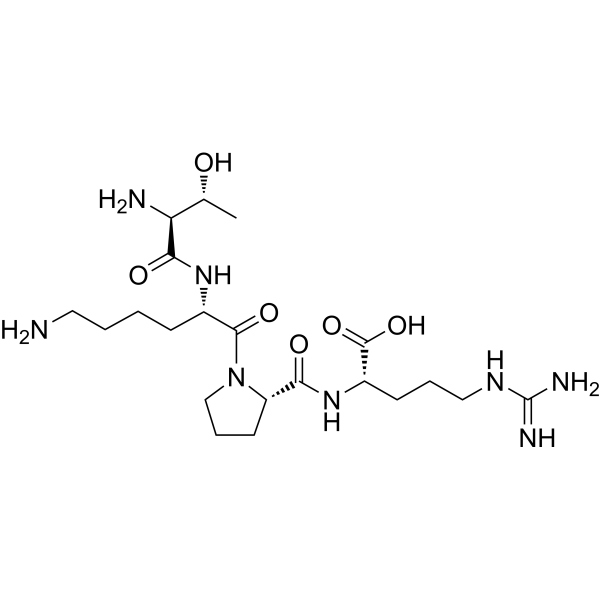
    Tuftsin
    4 Publications Verification

    Endogenous Metabolite Inflammation/Immunology
    Tuftsin is a tetrapeptide. Tuftsin is a macrophage/microglial activator.
    Tuftsin
  • HY-131521

    Oxalomalate trisodium

    Isocitrate Dehydrogenase (IDH) Cancer
    Oxalomalic acid (Oxalomalate) trisodium is a aconitase and NADP-dependent isocitrate dehydrogenase inhibitor. Oxalomalic acid trisodium inhibits nitrite production and iNOS protein expression in lipopolysaccharide (HY-D1056)-activated J774 macrophages .
    Oxalomalic acid trisodium
  • HY-118131

    Ser/Thr Protease Infection
    PKR-IN-C51(compound 51) is an ATP-competitive double-stranded RNA-activated protein kinase (PKR) inhibitor with an IC50 of 9 μM. PKR-IN-C51 inhibits intracellular PKR activation in a dose-dependent manner in primary mouse macrophages .
    PKR-IN-C51
  • HY-N0608
    Myrislignan
    1 Publications Verification

    NF-κB Inflammation/Immunology
    Myrislignan, a lignan isolated from Myristica fragrans Houtt, possesses anti-inflammatory activities. Myrislignan attenuates LPS-induced inflammation reaction in murine macrophage cells through inhibition of NF-kB signalling pathway activation .
    Myrislignan
  • HY-N11058

    Lipoxygenase NO Synthase Inflammation/Immunology
    Damnacanthol is a natural product that can be isolated from Damnacanthus major . Damnacanthol has anti-15-lipoxygenase activity and can inhibit nitric oxide production in LPS-activated macrophages RAW 264.7 cells .
    Damnacanthol
  • HY-N3196

    Bacterial Infection Inflammation/Immunology
    Neotuberostemonine, one of the main antitussive alkaloids in the root of Stemona tuberosa Lour, attenuates bleomycin-induced pulmonary fibrosis by suppressing the recruitment and activation of macrophages .
    Neotuberostemonine
  • HY-P99746

    3C23K; GM102

    TGF-β Receptor Inflammation/Immunology Cancer
    Murlentamab (3C23K; GM102) is a humanized anti-AMHRII antibody. AMHRII is the anti-Müllerian hormone receptor. Murlentama significantly promotes macrophage-mediated antibody-dependent cell-mediated cytotoxicity (ADCC). Murlentama stimulates pro-inflammatory and anti-tumor internal environment, recruits and activates T cells. Murlentama suppresses tumors growth by inducing naïve macrophage orientation and promoting tumor-associated macrophage (TAM) reprogramming .
    Murlentamab
  • HY-155657

    Src Inflammation/Immunology
    BT424 is a specific HCK inhibitor. BT424 can regulate macrophage activation and autophagy in vitro. BT424 ameliorates inflammation and kidney fibrosis in UUO model .
    BT424
  • HY-103697A

    Toll-like Receptor (TLR) Cancer
    Gardiquimod diTFA is an imidazoline TLR7/8 agonist. Gardiquimod diTFA inhibits HIV-1 infection of macrophages and activated peripheral blood mononuclear cells (PBMCs). Gardiquimod diTFA specifically activates TLR7 at concentrations below 10 μM.
    Gardiquimod diTFA
  • HY-W001174

    ERK NF-κB Inflammation/Immunology
    2,5-Dihydroxyacetophenone, isolated from Rehmannia glutinosa, inhibits the production of inflammatory mediators in activated macrophages by blocking the ERK1/2 and NF-κB signaling pathways .
    2,5-Dihydroxyacetophenone
  • HY-156174

    Toll-like Receptor (TLR) ADC Payload Cancer
    E104 (compound 1) is a potent and selective TLR7 agonist. E104 can be delivered by antibody-drug conjugate (ADC) technology to elicit potent anticancer activity. E104 induces the activation of mouse macrophages and hPBMCs .
    E104
  • HY-34748

    Ethylideneacetone; (3Z)-pent-3-en-2-one

    Biochemical Assay Reagents Endogenous Metabolite Inflammation/Immunology
    3-Penten-2-one (Ethylideneacetone) inhibits nitric oxide production and inducible nitric oxide synthase expression via heme oxygenase-1 induction in RAW264.7 macrophages activated with Lipopolysaccharides (HY-D1056) (LPS) .
    3-Penten-2-one
  • HY-110084
    BTZO-1
    2 Publications Verification

    Macrophage migration inhibitory factor (MIF) Apoptosis Cardiovascular Disease
    BTZO-1, a chemical probe, binds to Macrophage migration inhibitory factor (MIF) with a Kd value of 68.6 nM, and its binding requires the N-terminal Pro1. BTZO-1 can activate antioxidant response element (ARE)-mediated gene expression and suppress oxidative stress-induced cardiomyocyte apoptosis in vitro .
    BTZO-1
  • HY-N16039

    β-glucuronidase Inflammation/Immunology
    TAN-1030A is an indolocarbazole alkaloid with macrophage-activating properties. TAN-1030A induces spreading of a murine macrophage cell line, Mm 1, and augmentes the phagocytic activity, Fc gamma receptor expression and β-glucuronidase activity of murine macrophage cell lines, Mm 1 and J774A.1. TAN-1030A can activate macrophage functions in mice .
    TAN-1030A
  • HY-P10586A

    MALP-2 TFA

    Toll-like Receptor (TLR) NO Synthase Cardiovascular Disease Metabolic Disease
    Macrophage-activating lipopeptide 2 TFA is an agonist of Toll like receptors TLR-2/TLR-6. Macrophage-activating lipopeptide-2 enhances endothelial nitric oxide synthase (eNOS) phosphorylation and endothelial cell release of NO, thereby improving vasodilation. Macrophage-activating lipopeptide-2 enhances endothelial adhesion of white blood cells and improve perfusion recovery and collateral growth in the hind limbs of hypercholesterolemic Apoe deficient mice undergoing experimental femoral artery ligation (FAL) .
    Macrophage-activating lipopeptide 2 TFA
  • HY-155774
    VU533
    1 Publications Verification

    Phospholipase Metabolic Disease
    APE-PLD (VU533) activator is a potent NAPE-PLD activator with an EC50 value of 0.30 µM. NAPE-PLD activator (VU533) can enhance NAPE-PLD activity and increase efferocytosis by macrophages. NAPE-PLD activator (VU533) can be used for cardiometabolic diseases research .
    VU533
  • HY-138869

    Endogenous Metabolite Cancer
    AubipyOMe serves as a potent inhibitor of tartrate-resistant acid phosphatase (TRAP/ACP5), a metalloenzyme found in activated osteoclasts and macrophages, demonstrating IC50 values of 1.3 μM for TRAP5a and 1.8 μM for TRAP5b, while effectively inhibiting TRAP activity in extracts from murine macrophages and human lung tissue.
    AubipyOMe
  • HY-159114

    Biochemical Assay Reagents Inflammation/Immunology
    Whole Glucan Particles is a Dectin-1a agonist. Whole Glucan Particles activates the innate immune system to improve the function of macrophages, monocytes and other immune cells .
    Whole Glucan Particles
  • HY-P11107

    Apoptosis TNF Receptor Inflammation/Immunology Cancer
    RP-832c is a synthetic analogue of host defense peptides (HDP), targeting the mannose receptor CD206 on the surface of M2 polarized macrophages (Kd = 3.5 μM). RP-832c binding to CD206 induces a significant conformational change in the receptor, activating signaling pathways that lead to rapid apoptosis and repolarization of CD206-positive M2 macrophages to an M1 phenotype. RP-832c treatment significantly reduces CD206 gene expression in M2 macrophages while transiently increasing expression of TNF-α, a marker for M1 macrophages. RP-832c is used for the studies of T-cell lymphoma (CTCL) and idiopathic pulmonary fibrosis (IPF) .
    RP-832c
  • HY-139064

    Potassium Channel Neurological Disease Inflammation/Immunology
    NPBA, a potassium K2P channel TASK-3 (KCNK9) agonist, is a tandem pore domain weak inward rectifying K + channel (TWIK2) channel blocker. NPBA suppresses NLRP3 inflammasome activation in macrophages .
    NPBA
  • HY-13682B
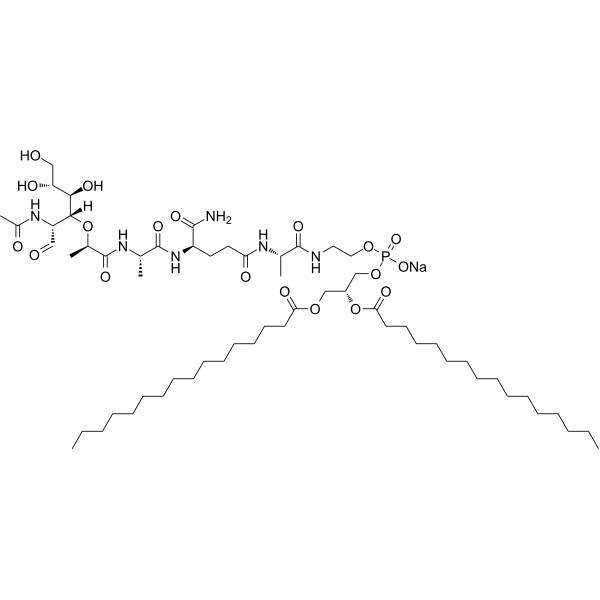
    Mifamurtide sodium
    5 Publications Verification

    MTP-PE sodium; L-MTP-PE sodium; CGP 19835 sodium

    NOD-like Receptor (NLR) Inflammation/Immunology Cancer
    Mifamurtide sodium (MTP-PE sodium), an analog of the muramyl dipeptide (MDP), is a nonspecific immunomodulator by stimulating the immune response activating macrophages and monocytes. Mifamurtide sodium is a specific ligand for NOD2 and acts as an insulin sensitizer. Mifamurtide sodium has potential for use in rare disease and osteosarcoma research .
    Mifamurtide sodium
  • HY-13682C
    Mifamurtide TFA
    5 Publications Verification

    MTP-PE TFA; L-MTP-PE TFA; CGP 19835 TFA

    NOD-like Receptor (NLR) Inflammation/Immunology Cancer
    Mifamurtide TFA (MTP-PE TFA), an analog of the muramyl dipeptide (MDP), is a nonspecific immunomodulator by stimulating the immune response activating macrophages and monocytes. Mifamurtide TFA is a specific ligand for NOD2 and acts as an insulin sensitizer. Mifamurtide TFA has potential for use in rare disease and osteosarcoma research .
    Mifamurtide TFA
  • HY-126390
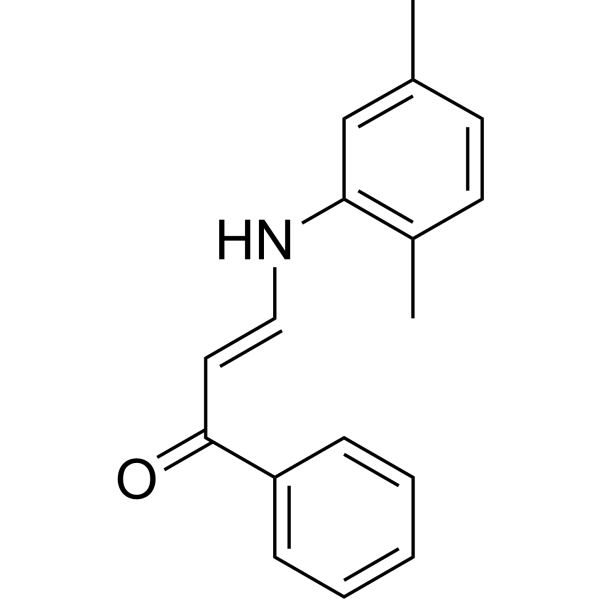
    (E/Z)-BCI
    1 Publications Verification

    NSC 150117

    Phosphatase Apoptosis Inflammation/Immunology Cancer
    (E/Z)-BCI (NSC 150117) is a dual-specificity phosphatase 6 (DUSP6) inhibitor with anti-inflammatory activities. (E/Z)-BCI attenuates LPS-induced inflammatory mediators and ROS production in macrophage cells via activating the Nrf2 signaling axis and inhibiting the NF-κB pathway .
    (E/Z)-BCI
  • HY-N4231

    NF-κB Inflammation/Immunology
    Lucyoside B inhibits the production of inflammatory mediators via both NF-κB and activator protein-1 pathways in activated macrophages .
    Lucyoside B
  • HY-142125

    Xanthine Oxidase Reactive Oxygen Species (ROS) Apoptosis Inflammation/Immunology Cancer
    Broussochalcone A is an antioxidant and an inhibitor of Xanthine Oxidase (IC50=2.21 μM), with free radical scavenging activity. Broussochalcone A inhibits iron-induced lipid peroxidation and nitric oxide synthesis in lipopolysaccharide (LPS) -activated macrophages. Broussochalcone A also induces Apoptosis of human renal carcinoma cells by increasing ROS levels and activating FOXO3 signaling pathways .
    Broussochalcone A
  • HY-125827

    13-Methylberberinium chloride

    Interleukin Related Metabolic Disease Cancer
    13-Methylberberine chloride (13-Methylberberinium chloride), a berberine analogue, has anti-adipogenic and antitumor activities. 13-Methylberberine chloride (13-Methylberberinium chloride) increases production of IL-12 and inhibits the expression of iNOS at posttranscriptional level in macrophages activated with LPS .
    13-Methylberberine chloride
  • HY-P10586

    MALP-2

    Toll-like Receptor (TLR) NO Synthase Cardiovascular Disease
    Macrophage-activating lipopeptide 2 (MALP-2) is an agonist of Toll like receptors TLR-2/TLR-6. Macrophage-activating lipopeptide-2 can enhance endothelial nitric oxide synthase (eNOS) phosphorylation and endothelial cell release of NO, thereby improving vasodilation. Macrophage-activating lipopeptide-2 can enhance endothelial adhesion of white blood cells and improve perfusion recovery and collateral growth in the hind limbs of hypercholesterolemic Apoe deficient mice undergoing experimental femoral artery ligation (FAL) .
    Macrophage-activating lipopeptide 2
  • HY-164386

    OM 174

    Toll-like Receptor (TLR) Inflammation/Immunology Cancer
    Defoslimod (OM 174) is an agonist for TLR4 receptor and acts as an immunomodulator. Defoslimod activates macrophages and dendritic cells, induces cytokines secretion, and exhibits antitumor efficacy in rats .
    Defoslimod
  • HY-122936

    Histone Methyltransferase Keap1-Nrf2 Sirtuin Cardiovascular Disease Cancer
    Tanshindiol C is a S-adenosylmethionine-competitive EZH2 (Histone Methyltransferase) inhibitor with an IC50 of 0.55 μM for inhibiting the methyltransferase activity. Tanshindiol C is also an activator of both Nrf2 and Sirtuin 1 (Sirt1) in macrophages. Tanshindiol C possesses anti-cancer activity, and can be used for atherosclerosis research .
    Tanshindiol C
  • HY-N12283

    NF-κB Inflammation/Immunology
    NF-κB-IN-13 (compound 12) can significantly inhibit LPS-induced NF-κB activation and NO production in RAW264.7 macrophages. NF-κB-IN-13 has anti-inflammatory effects .
    NF-κB-IN-13

Inquiry Online

Your information is safe with us. * Required Fields.

Salutation


Country or Region *

Applicant Name *


Organization Name *

Department *


Email Address *


Product Name *

Cat. No.


Requested quantity *

Phone Number *


Remarks

Inquiry Online

Inquiry Information

Product Name:
Cat. No.:
Quantity:
MCE Japan Authorized Agent:

