
Search Result
Results for "
Alzheimer dementia
" in MedChemExpress (MCE) Product Catalog:
1
Biochemical Assay Reagents
6
Isotope-Labeled Compounds
| Cat. No. |
Product Name |
Target |
Research Areas |
Chemical Structure |
-
- HY-17552
-
|
Choline Alfoscerate; Alpha-GPC; L-α-GPC
|
Cholinesterase (ChE)
Endogenous Metabolite
|
Neurological Disease
|
|
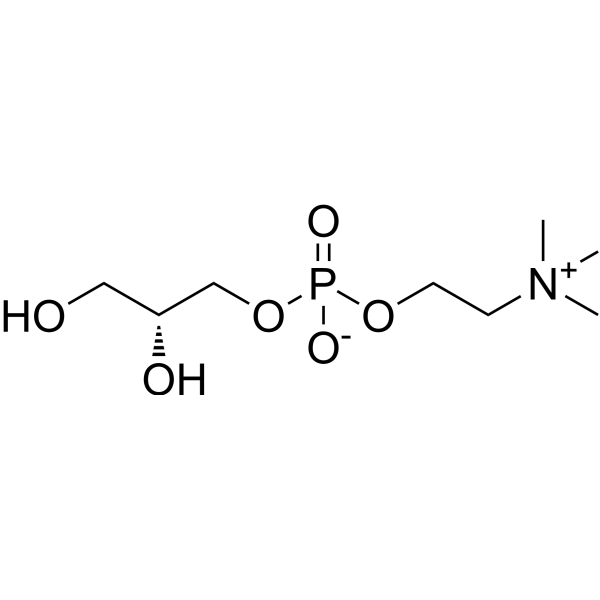
sn-Glycero-3-phosphocholine (Choline Alfoscerate) is a precursor in the biosynthesis of brain phospholipids and increases the bioavailability of choline in nervous tissue. sn-Glycero-3-phosphocholine (Choline Alfoscerate) has significant effects on cognitive function with a good safety profile and tolerability, and is effective in the treatment of Alzheimer's disease and dementia .
|
-
-
- HY-113228
-
|
|
Endogenous Metabolite
|
Neurological Disease
|
|
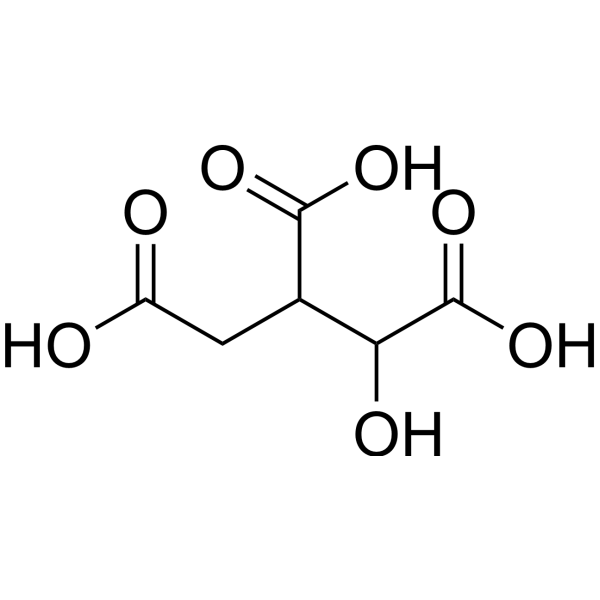
Isocitric acid is an endogenous metabolite present in Saliva and Cellular_Cytoplasm that can be used for the research of Alzheimer's Disease, Lewy Body Dementia and Anoxia .
|
-
-
- HY-12723
-
Apomorphine
Maximum Cited Publications
10 Publications Verification
(-)-Apomorphine
|
Dopamine Receptor
Monoamine Oxidase
Reactive Oxygen Species (ROS)
JNK
ERK
Amyloid-β
Tau Protein
MMP
|
Neurological Disease
Inflammation/Immunology
Endocrinology
Cancer
|
|
Apomorphine ((-)-Apomorphine) is a potent dopamine receptor agonist. Apomorphine also inhibit MAO-A and MAO-B. Apomorphine exerts neuroprotective effect and can relax rat corpus cavernosum. Apomorphine can inhibit ROS production, DNA fragmentation and inibit JNK and ERK1/2 phosphorylation. Apomorphine can enhance degradation of intracellular Aβ40 and Aβ42, reduces tau protein levels and inhibit MMP-9 expression. Apomorphine is a highly potent radical scavenger and iron chelator. Apomorphine can be used for the researches of dementia, parkinson's disease, alzheimer disease, breast carcinoma, and erectile dysfunction .
|
-
-
- HY-17368
-
|
ENA 713 free base; SDZ-ENA 713 free base
|
Cholinesterase (ChE)
|
Neurological Disease
|
|
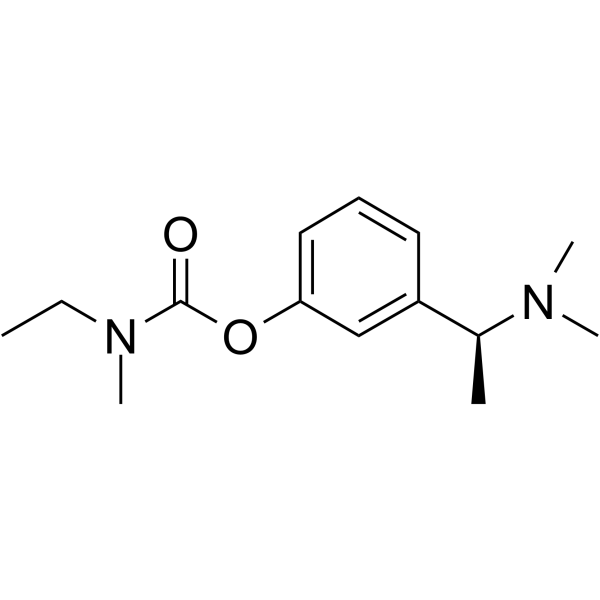
Rivastigmine (ENA 713 free base) is an orally active and potent cholinesterase (ChE) inhibitor and inhibits butyrylcholinesterase (BChE) and acetylcholinesteras (AChE) with IC50s of 0.037 μM , 4.15 μM, respectively. Rivastigmine can pass the blood brain barrier (BBB). Rivastigmine is a parasympathomimetic or cholinergic agent used for the research of mild to moderate dementia of the Alzheimer's type and dementia due to Parkinson's disease .
|
-
-
- HY-11017
-
|
ENA 713; SDZ-ENA 713
|
Cholinesterase (ChE)
|
Neurological Disease
|
|
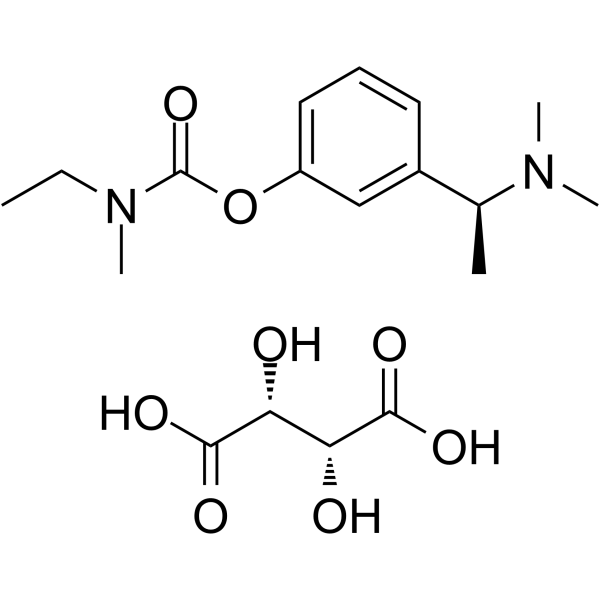
Rivastigmine tartrate (ENA 713; SDZ-ENA 713) is an orally active and potent cholinesterase (ChE) inhibitor and inhibits butyrylcholinesterase (BChE) and acetylcholinesteras (AChE) with IC50s of 0.037 μM, 4.15 μM, respectively. Rivastigmine tartrate can pass the blood brain barrier (BBB). Rivastigmine tartrate is a parasympathomimetic or cholinergic agent used for the research of mild to moderate dementia of the Alzheimer's type and dementia due to Parkinson's disease .
|
-
-
- HY-W176557
-
|
|
Aquaporin
Amyloid-β
|
Neurological Disease
|
|
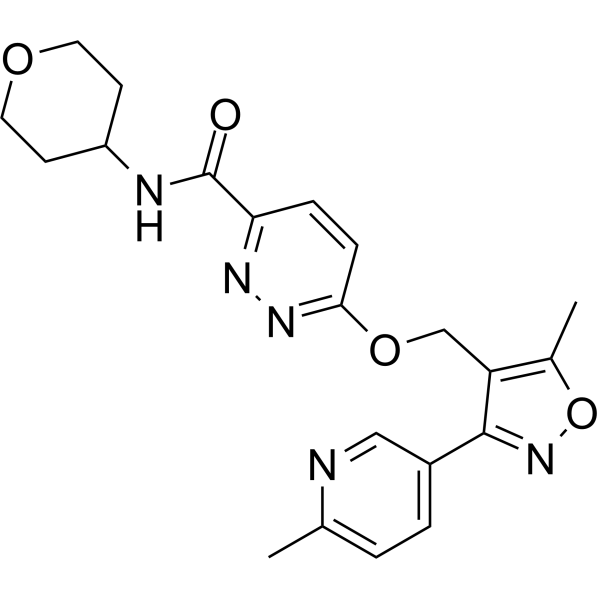
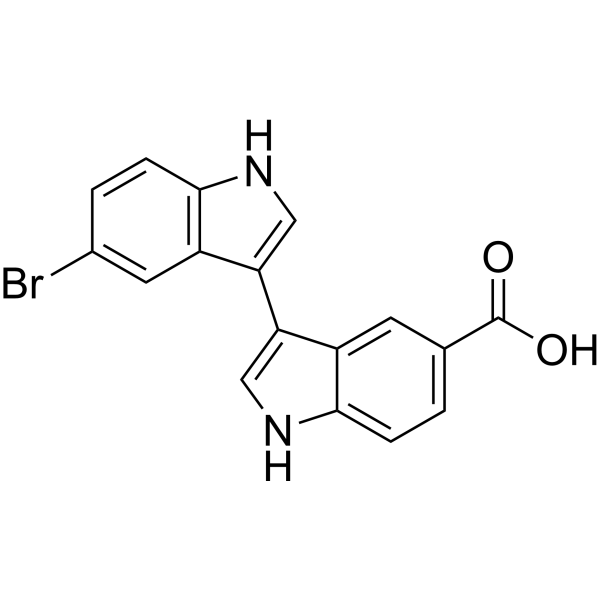
TGN-073 is an orally active, blood-brain barrier-permeable aquaporin 4 (AQP4) modulator. TGN-073 increases the uptake and distribution of brain MRI tracers in the brain parenchyma and reduces the levels of insoluble amyloid β-40 and β-42. TGN-073 can be used in research related to Alzheimer's disease, dementia, traumatic brain injury and pain .
|
-
-
- HY-162666
-
|
|
Potassium Channel
|
Neurological Disease
|
|
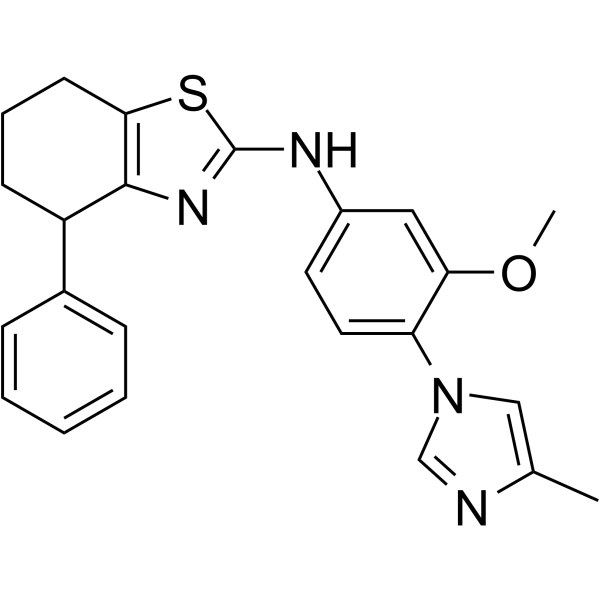
TMEM175 modulator 1 (compound 47) is a TMEM175 modulator.TMEM175 modulator 1 modulates activity of the lysosomal potassium ion channel TMEM175.TMEM175 modulator 1 can be used for the research of parkinson’s disease, dementia, alzheimer’s disease, l-dopa induced dyskinesia .
|
-
-
- HY-NP0204
-
|
|
ELOVL
Apoptosis
NOD-like Receptor (NLR)
Caspase
Tau Protein
|
Neurological Disease
Inflammation/Immunology
|
|
Mouse Serum Albumin is most abundant protein in plasma, which leaks into the brain parenchyma when the blood-brain barrier (BBB) is impaired. Mouse Serum Albumin induces astrocytes to A1 phenotype to remarkably increase levels of Elovl1. Mouse Serum Albumin promotes VLSFAs secretion and causes neuronal lippoapoptosis through endoplasmic reticulum stress response pathway. MSA-activated microglia triggeres remarkable tau phosphorylation at multiple sites (Ser202/Thr205) through NLRP3 inflammasome pathway. Mouse Serum Albumin decreases the spatial learning and memory abilities in mice. Mouse Serum Albumin can be used for the study of neurodegenerative diseases like Alzheimer’s disease (AD) and frontotemporal dementia (FTD) .
|
-
-
- HY-N12060
-
|
|
Bcl-2 Family
Caspase
Apoptosis
Autophagy
Reactive Oxygen Species (ROS)
Akt
JNK
ERK
|
Cardiovascular Disease
Neurological Disease
|
|
Ginkgo biloba extract is a natural product that can be isolated from Ginkgo biloba leaves . Ginkgo biloba extract alleviates oxidative stress-induced neuronal apoptosis (Apoptosis) by stabilizing mitochondrial function, regulating Bcl-2 family proteins and inhibiting caspase activation. Ginkgo biloba extract alleviates testicular injury by upregulating SKP2 and inhibiting Beclin1-independent autophagy (Autophagy) . Ginkgo biloba extract alleviates various types of neuronal damage in animal models. Ginkgo biloba extract reduces behavioral sensitization in rats. Ginkgo biloba extract counteracts Aβ-induced neurotoxicity by blocking a series of Aβ-triggered events, including glucose uptake, ROS accumulation, AKT activation, mitochondrial dysfunction, JNK and ERK 1/2 pathways, and apoptosis, and also interferes with the formation of Aβ oligomers. Ginkgo biloba extract is applicable to research related to cerebral hypoperfusion, testicular injury, Alzheimer's disease, Parkinson's disease, multi-infarct dementia, stroke, traumatic brain injury and amyotrophic lateral sclerosis .
|
-
-
- HY-132806
-
|
RG-7816; RO-7017773
|
GABA Receptor
|
Neurological Disease
|
|
Alogabat is a positive allosteric modulator (PAM) and agonist (Ki <100 nM) of the GABAA α5 receptor, targeting the α5β3γ2 subunit with a Ki of 8.7 nM. Alogabat increases the expression level of α5β3γ2 in oocytes (1.97-fold). GABAA has been implicated in cognitive impairment associated with central nervous system (CNS) disorders, brain cancer (including brain tumors such as medulloblastoma), and can be used in the study of mild cognitive impairment (MCI), amnestic MCI (aMCI), age-associated memory impairment (AAMI), age-related cognitive decline (ARCD), dementia, Alzheimer's disease (AD), prodromal AD, post-traumatic stress disorder (PTSD), schizophrenia, bipolar disorder, amyotrophic lateral sclerosis (ALS), cognitive impairment associated with cancer treatment, mental retardation, Parkinson's disease (PD), autism spectrum disorder, fragile X, Rett syndrome, obsessive-compulsive behavior, and substance addiction .
|
-
-
- HY-113228R
-
|
|
Reference Standards
Endogenous Metabolite
|
Neurological Disease
|
|
Isocitric acid (Standard) is the analytical standard of Isocitric acid (HY-113228). This product is intended for research and analytical applications. Isocitric acid is an endogenous metabolite present in Saliva and Cellular_Cytoplasm that can be used for the research of Alzheimer's Disease, Lewy Body Dementia and Anoxia.
|
-
-
- HY-10043
-
|
|
Amyloid-β
|
Neurological Disease
|
|
gamma-secretase modulator 1 is a Gamma-secretase modulator. gamma-secretase modulator 1 can be used in the research of Alzheimer's disease, multi-infarct dementia and Down syndrome .
|
-
-
- HY-103479
-
|
|
Acyltransferase
|
Cardiovascular Disease
Neurological Disease
Metabolic Disease
Cancer
|
|
GOAT-IN-1 is an inhibitor of ghrelin O-acyltransferase (GOAT), which could be useful for the prophylaxis or treatment of obesity, diabetes, hyperlipidemia, metabolic, non-alcoholic fatty liver, steatohepatitis, sarcopenia, appetite control, alcohol/narcotic dependence, Alzheimer’s disease, Parkinson’s disease, cerebrovascular dementia, cerebral apoplexy, cerebral infarction, cardic disease, some kind of tumors.
|
-
-
- HY-17552R
-
|
Choline Alfoscerate (Standard); Alpha-GPC (Standard); L-α-GPC (Standard)
|
Reference Standards
Cholinesterase (ChE)
Endogenous Metabolite
|
Neurological Disease
|
|
sn-Glycero-3-phosphocholine (Standard) is the analytical standard of sn-Glycero-3-phosphocholine. This product is intended for research and analytical applications. sn-Glycero-3-phosphocholine (Choline Alfoscerate) is a precursor in the biosynthesis of brain phospholipids and increases the bioavailability of choline in nervous tissue. sn-Glycero-3-phosphocholine (Choline Alfoscerate) has significant effects on cognitive function with a good safety profile and tolerability, and is effective in the treatment of Alzheimer's disease and dementia[1][2].
|
-
-
- HY-136093
-
|
HL271; IM156 hydrochloride; HL156A hydrochloride
|
Mitochondrial Metabolism
AMPK
|
Neurological Disease
|
|
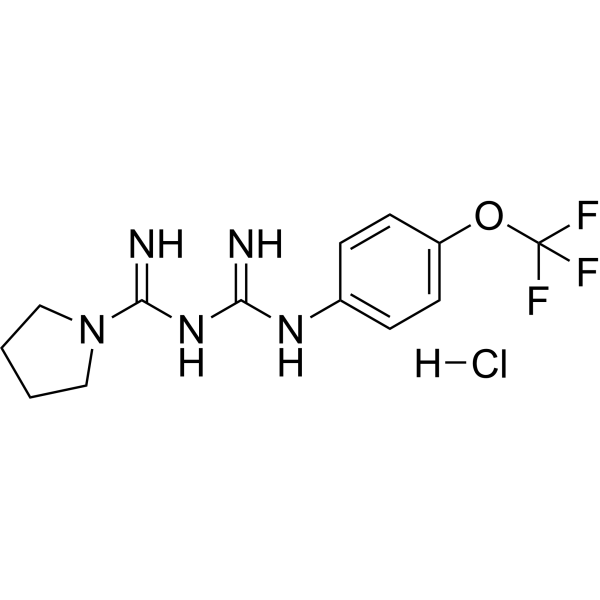
Lixumistat (IM156) hydrochloride is a potent and orally active AMPK activator and OXPHOS inhibitor. Lixumistat hydrochloride strongly activates AMPK, while it lacks the systemic metabolic regulatory effects of classic metformin, such as hypoglycemic and weight-lowering activities. Lixumistat hydrochloride exhibits significant therapeutic effects on cognitive decline associated with brain aging and pulmonary fibrosis .
|
-
-
- HY-107203
-
|
HWA 285
|
Phosphodiesterase (PDE)
Adenosine Receptor
|
Cardiovascular Disease
Neurological Disease
Cancer
|
|
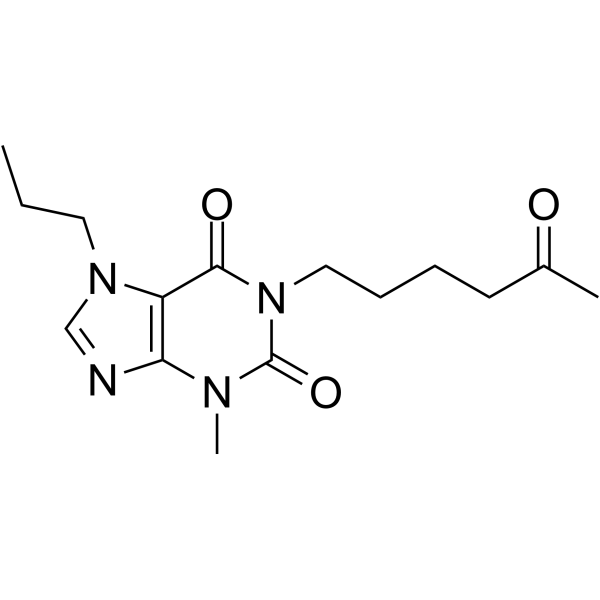
Propentofylline (HWA 285) is an orally active and brain-penetrant phosphodiesterase inhibitor. Propentofylline blocks adenosine reuptake and prevents cyclic nucleotide degradation. Propentofylline can be used for the research of primary degenerative (Alzheimer's) dementia, vascular dementia, cerebral ischemia, acute stroke, and learning and memory disorders .
|
-
-
- HY-P2912
-
|
|
Glutamate Dehydrogenase (GLDH)
Biochemical Assay Reagents
|
Neurological Disease
|
|
Glutamate dehydrogenase (NADP) is the catalytic enzyme for glutamate production. Dysfunction of Glutamate dehydrogenase (NADP) may induce various neurodegenerative diseases, such as Parkinson's disease, epilepsy, Alzheimer's disease, schizophrenia, and frontotemporal dementia. Glutamate dehydrogenase (NADP) can be used in research on neurological diseases such as Parkinson's disease, epilepsy, and Alzheimer's disease .
|
-
-
- HY-17368R
-
|
ENA 713 free base(Standard); SDZ-ENA 713 free base(Standard)
|
Reference Standards
Cholinesterase (ChE)
|
Neurological Disease
|
|
Rivastigmine (Standard) is the analytical standard of Rivastigmine. This product is intended for research and analytical applications. Rivastigmine (ENA 713 free base) is an orally active and potent cholinesterase (ChE) inhibitor and inhibits butyrylcholinesterase (BChE) and acetylcholinesteras (AChE) with IC50s of 0.037 μM , 4.15 μM, respectively. Rivastigmine can pass the blood brain barrier (BBB). Rivastigmine is a parasympathomimetic or cholinergic agent used for the research of mild to moderate dementia of the Alzheimer's type and dementia due to Parkinson's disease .
|
-
-
- HY-153427
-
|
|
Tau Protein
|
Neurological Disease
|
|
Tau protein aggregation-IN-1 (Compound 0c) is a Tau protein aggregation inhibitor. Tau protein aggregation-IN-1 can be used in the study of protein folding disorders such as Alzheimer's disease, dementia, Parkinson's disease, Huntington's disease and prion-based spongiform encephalopathies .
|
-
-
- HY-148325
-
|
|
nAChR
|
Neurological Disease
|
|
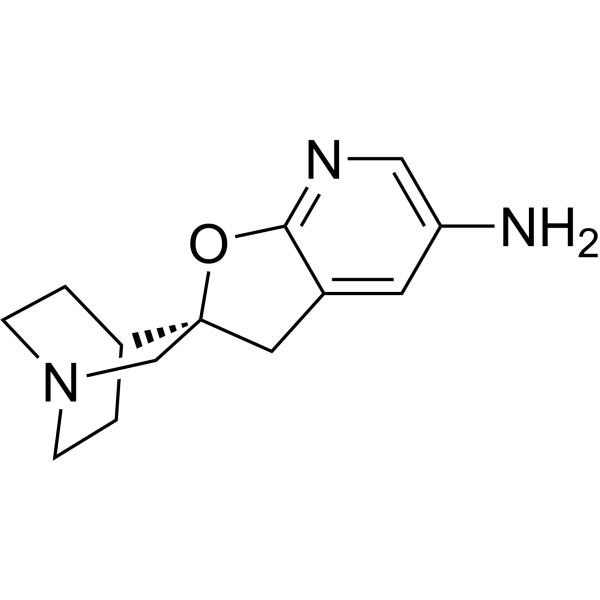
α7 Nicotinic receptor agonist-1 (Preparation 5) is an α7 nAChR agonist. α7 Nicotinic receptor agonist-1 can be used in studies of psychiatric disorders (such as schizophrenia, manic or hypomanic depression and anxiety disorders) and intellectual disorders (such as alzheimer's disease, learning deficits, cognitive deficits, attention deficits, memory loss, lewy body dementia and attention deficit hyperactivity disorder) .
|
-
-
- HY-148108
-
|
|
Cholinesterase (ChE)
|
Neurological Disease
|
|
AChE-IN-27 (compound 8c) is an AChE inhibitor (IC50=0.19 µM). AChE-IN-27 can be used in studies of neurological diseases such as alzheimer's disease, dementia, ataxia and myasthenia gravis .
|
-
-
- HY-17552S
-
|
Choline Alfoscerate-d9; Alpha-GPC-d9; L-α-GPC-d9
|
Isotope-Labeled Compounds
Cholinesterase (ChE)
Endogenous Metabolite
|
Neurological Disease
|
|
sn-Glycero-3-phosphocholine-d9 is the deuterium labeled sn-Glycero-3-phosphocholine. sn-Glycero-3-phosphocholine (Choline Alfoscerate) is a precursor in the biosynthesis of brain phospholipids and increases the bioavailability of choline in nervous tissue. sn-Glycero-3-phosphocholine (Choline Alfoscerate) has significant effects on cognitive function with a good safety profile and tolerability, and is effective in the treatment of Alzheimer's disease and dementia .
|
-
-
- HY-105998
-
|
|
5-HT Receptor
|
Neurological Disease
|
|
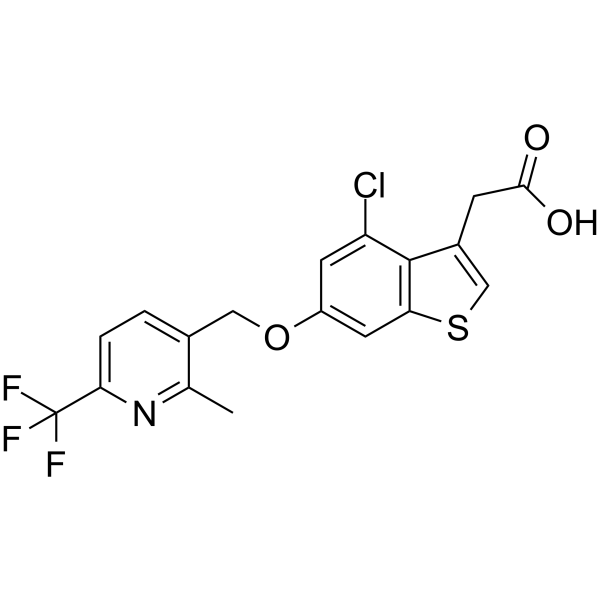
AVN-211 (CD-008-0173) is a selective and orally active 5HT6R antagonist with an IC50 of 2.34 nM and a Ki of 1.09 nM. AVN-211 exhibits 5K-fold higher 5HT6R selectivity over other 65 receptors, enzymes, and ion channels. AVN-211 significantly improves cognitive and anxiety behaviors in various AD animal models, and has good safety profiles. AVN-211 can be used for the study of Alzheimer's dementia .
|
-
-
- HY-113745
-
|
|
Amino acid Transporter
|
Neurological Disease
|
|
LX-6171 is an orally active SLC6A7 inhibitor. LX-6171 can be used to study diseases characterized by cognitive impairment, such as Alzheimer's disease, schizophrenia or vascular dementia .
|
-
-
- HY-101669
-
-
-
- HY-145343A
-
|
|
γ-secretase
Amyloid-β
|
Neurological Disease
|
|
(9R)-RO7185876 (Compound example 16) is a γ-secretase inhibitor. (9R)-RO7185876 inhibits Αβ42 secretion. (9R)-RO7185876 can be used for the researches of Alzheimer's disease, cerebral amyloid angiopathy, hereditary cerebral hemorrhage with amyloidosis, multi-infarct dementia, dementia pugilistica or Down syndrome .
|
-
-
- HY-107203S
-
|
HWA 285-d6
|
Isotope-Labeled Compounds
Phosphodiesterase (PDE)
Adenosine Receptor
|
Neurological Disease
Cancer
|
|
Propentofylline-d6 (HWA 285-d6) is the deuterium labeled Propentofylline. Propentofylline is an orally active and brain-penetrant phosphodiesterase inhibitor. Propentofylline blocks adenosine reuptake and prevents cyclic nucleotide degradation. Propentofylline can be used for the research of primary degenerative (Alzheimer's) dementia, vascular dementia, cerebral ischemia, acute stroke, and learning and memory disorders .
|
-
-
- HY-17368S1
-
|
(Rac)-ENA 713-d6 free base; (Rac)-SDZ-ENA 713-d6 free base
|
Isotope-Labeled Compounds
Cholinesterase (ChE)
|
Neurological Disease
|
|
(Rac)-Rivastigmine-d6 is a labelled racemic Rivastigmine. Rivastigmine (ENA 713 free base) is an orally active and potent cholinesterase (ChE) inhibitor and inhibits butyrylcholinesterase (BChE) and acetylcholinesteras (AChE) with IC50s of 0.037 μM , 4.15 μM, respectively. Rivastigmine can pass the blood brain barrier (BBB). Rivastigmine is a parasympathomimetic or cholinergic agent used for the research of mild to moderate dementia of the Alzheimer's type and dementia due to Parkinson's disease .
|
-
-
- HY-17368S2
-
|
ENA 713-d3 hydrochloride; SDZ-ENA 713-d3 hydrochloride
|
Cholinesterase (ChE)
Isotope-Labeled Compounds
|
Neurological Disease
|
|
Rivastigmine-d3 hydrochloride is deuterated labeled Rivastigmine (HY-17368). Rivastigmine (ENA 713 free base) is an orally active and potent cholinesterase (ChE) inhibitor and inhibits butyrylcholinesterase (BChE) and acetylcholinesteras (AChE) with IC50s of 0.037 μM , 4.15 μM, respectively. Rivastigmine can pass the blood brain barrier (BBB). Rivastigmine is a parasympathomimetic or cholinergic agent used for the research of mild to moderate dementia of the Alzheimer's type and dementia due to Parkinson's disease .
|
-
-
- HY-128128
-
|
|
Transmembrane Glycoprotein
|
Cardiovascular Disease
Neurological Disease
Inflammation/Immunology
|
|
ASN04421891 is a GPR17 agonist with nanomolar EC50 and high specificity. ASN04421891 promotes oligodendrocyte precursor cell maturation to mature myelinating oligodendrocytes. ASN04421891 can be used for the research of cerebral ischaemia, cardiac ischaemia, renal ischaemia, cerebral trauma, multiple sclerosis, schizophrenia, depression, alzheimer's disease, alzheimer-like dementia, parkinson's disease, huntington's chorea, amyotrophic lateral sclerosis (ALS), neuroinflammatory disorders .
|
-
-
- HY-11017R
-
|
ENA 713 (Standard); SDZ-ENA 713 (Standard)
|
Reference Standards
Cholinesterase (ChE)
|
Neurological Disease
|
|
Rivastigmine (tartrate) (Standard) is the analytical standard of Rivastigmine (tartrate). This product is intended for research and analytical applications. Rivastigmine tartrate (ENA 713; SDZ-ENA 713) is an orally active and potent cholinesterase (ChE) inhibitor and inhibits butyrylcholinesterase (BChE) and acetylcholinesteras (AChE) with IC50s of 0.037 μM, 4.15 μM, respectively. Rivastigmine tartrate can pass the blood brain barrier (BBB). Rivastigmine tartrate is a parasympathomimetic or cholinergic agent used for the research of mild to moderate dementia of the Alzheimer's type and dementia due to Parkinson's disease .
|
-
-
- HY-W654335
-
|
|
Isotope-Labeled Compounds
Cholinesterase (ChE)
|
Neurological Disease
|
|
Rivastigmine-d4 (tartrate) is deuterium labeled Rivastigmine (tartrate). Rivastigmine tartrate (ENA 713; SDZ-ENA 713) is an orally active and potent cholinesterase (ChE) inhibitor and inhibits butyrylcholinesterase (BChE) and acetylcholinesteras (AChE) with IC50s of 0.037 μM, 4.15 μM, respectively. Rivastigmine tartrate can pass the blood brain barrier (BBB). Rivastigmine tartrate is a parasympathomimetic or cholinergic agent used for the research of mild to moderate dementia of the Alzheimer's type and dementia due to Parkinson's disease .
|
-
-
- HY-151928
-
|
|
JNK
|
Neurological Disease
|
|
JNK3 inhibitor-3 (compound 15g) is a selective, BBB permeable and orally active c-Jun N-terminal kinase 3 (JNK3) inhibitor. JNK3 inhibitor-3 has inhibitory activities to JNK1, JNK2 and JNK3 with IC50 values of 147.8, 44.0 and 4.1 nM, respectively. JNK3 inhibitor-3 significantly improves the memory in mouse dementia model. JNK3 inhibitor-3 can be used for the research of Alzheimer’s disease .
|
-
-
- HY-P11092
-
|
|
Endogenous Metabolite
|
Neurological Disease
|
|
TLQP-62 (mouse,rat) is a secreted C-terminal peptide that can be derived from protein VGF. TLQP-62 activates the BDNF-TrkB signaling pathway, inducing acute, transient phosphorylation of TrkB receptor and downstream CREB (Ser133) phosphorylation. TLQP-62 demonstrates excellent efficacy in promoting long-term fear memory formationin wild-type mice and reversing memory impairment in VGF heterozygous knock-out mice. TLQP-62 can be used for the study of memory-related neurological disorders (e.g., Alzheimer’s disease, frontotemporal dementia) .
|
-
-
- HY-P992057
-
|
|
Tau Protein
|
Neurological Disease
|
|
Armanezumab is a monoclonal antibody that targets and inhibits tau protein, and it specifically binds to the exposed N-terminal domain of pathological tau protein. Armanezumab can be used in relevant studies on Alzheimer's disease, frontotemporal dementia, and Pick's disease .
|
-
-
- HY-W654336
-
|
|
Isotope-Labeled Compounds
Cholinesterase (ChE)
|
Neurological Disease
|
|
(S)-Rivastigmine-d4 is deuterium labeled Rivastigmine. Rivastigmine (ENA 713 free base) is an orally active and potent cholinesterase (ChE) inhibitor and inhibits butyrylcholinesterase (BChE) and acetylcholinesteras (AChE) with IC50s of 0.037 μM , 4.15 μM, respectively. Rivastigmine can pass the blood brain barrier (BBB). Rivastigmine is a parasympathomimetic or cholinergic agent used for the research of mild to moderate dementia of the Alzheimer's type and dementia due to Parkinson's disease .
|
-
-
- HY-103479R
-
|
|
Reference Standards
Acyltransferase
|
Cardiovascular Disease
Neurological Disease
Metabolic Disease
Cancer
|
|
GOAT-IN-1 (Standard) is the analytical standard of GOAT-IN-1 (HY-103479). This product is intended for research and analytical applications. GOAT-IN-1 is an inhibitor of ghrelin O-acyltransferase (GOAT), which could be useful for the prophylaxis or treatment of obesity, diabetes, hyperlipidemia, metabolic, non-alcoholic fatty liver, steatohepatitis, sarcopenia, appetite control, alcohol/narcotic dependence, Alzheimer’s disease, Parkinson’s disease, cerebrovascular dementia, cerebral apoplexy, cerebral infarction, cardic disease, some kind of tumors.
|
-
-
- HY-N18289
-
|
|
Cholinesterase (ChE)
|
Neurological Disease
|
|
8-Hydroxydihydrochelerythrine is a benzophenanthridine alkaloid-derived, selective and competitive AChE inhibitor (IC50=0.61 μM) isolated from the roots of Zanthoxylum nitidum (Roxb.) DC. 8-Hydroxydihydrochelerythrine increases the content of acetylcholine in the synapses of cholinergic neurons and enhances cholinergic neurotransmission. 8-Hydroxydihydrochelerythrine is applicable to the research of neurodegenerative diseases with dementia such as Alzheimer's disease .
|
-
-
- HY-182794
-
|
|
NOD-like Receptor (NLR)
Interleukin Related
NF-κB
|
Neurological Disease
|
|
NLRP3-IN-89 is a NOD-like receptor protein 3 (NLRP3) inflammasome inhibitor. NLRP3-IN-89 inhibits the NLRP3 inflammasome pathway, reduces IL-1β secretion, and exhibits minimal interference with the NF-κB pathway. NLRP3-IN-89 can be used for the research of Parkinson's disease, frontotemporal dementia, multiple system atrophy, Alzheimer's disease, multiple sclerosis, amyotrophic lateral sclerosis, or brain injury .
|
-
-
- HY-186183
-
|
|
iGluR
|
Cardiovascular Disease
Neurological Disease
Inflammation/Immunology
|
|
Normethyl-ZCAN262 (Normethyl-262) is a blood-brain barrier-permeable selective GluR2/AMPAR receptor modulator. Normethyl-ZCAN262 inhibits AMPA-mediated neurotoxicity, the formation of the GAPDH-GluR2 complex, and GluR2/AMPAR neurotoxicity. Normethyl-ZCAN262 enables in vivo imaging of brain AMPA receptors and is used in research related to multiple sclerosis, amyotrophic lateral sclerosis, neuroinflammation, stroke, epilepsy, Parkinson's disease, Alzheimer's disease, dementia, and Huntington's disease .
|
-
-
- HY-107317
-
|
7-Keto-DHEA acetate; NSC 134911; 7-Oxodehydroepiandrosterone 3-acetate
|
Drug Derivative
|
Neurological Disease
Metabolic Disease
Inflammation/Immunology
|
|
7-Keto Naturalean (7-Keto-DHEA acetate) is a DHEA (HY-14650) analog and weight-loss agent. 7-Keto Naturalean not only exerts anti-aging effects, enhances immunity, improves brain function, boosts memory, prevents Alzheimer's disease, and stimulates the metabolism of hepatic active enzymes, especially thermogenic enzymes, but also functions to reduce fat mass and increase the density and vitality of bones and muscles .
|
-
-
- HY-P10192
-
|
ABri peptide (1-23); ABri23
|
Amyloid-β
|
Neurological Disease
|
|
Amyloid Bri Protein (1-23) (ABri peptide (1-23); ABri23) is a physiological 23-amino-acid peptide released from the C-terminus of the type II transmembrane protein Bri2 (ITM2B, Integral Membrane Protein 2B) following cleavage by the furin protease. Amyloid Bri Protein (1-23) interacts with the extracellular Brichos domain of Bri2 during Bri2 biosynthesis. Amyloid Bri Protein (1-23) interacts with amyloid β peptide (Aβ1-40, thereby inhibiting its aggregation and fibril formation. Amyloid Bri Protein (1-23) can be used in studies related to Alzheimer's disease and familial British dementia .
|
-
-
- HY-12723R
-
|
(-)-Apomorphine (Standard)
|
Reference Standards
Dopamine Receptor
Monoamine Oxidase
Reactive Oxygen Species (ROS)
JNK
ERK
Amyloid-β
Tau Protein
MMP
|
Neurological Disease
Inflammation/Immunology
Endocrinology
Cancer
|
|
Apomorphine ((-)-Apomorphine) (Standard) is the analytical standard of Apomorphine (HY-12723). This product is intended for research and analytical applications. Apomorphine is a potent dopamine receptor agonist. Apomorphine also inhibit MAO-A and MAO-B. Apomorphine exerts neuroprotective effect and can relax rat corpus cavernosum. Apomorphine can inhibit ROS production, DNA fragmentation and inibit JNK and ERK1/2 phosphorylation. Apomorphine can enhance degradation of intracellular Aβ40 and Aβ42, reduces tau protein levels and inhibit MMP-9 expression. Apomorphine is a highly potent radical scavenger and iron chelator. Apomorphine can be used for the researches of dementia, parkinson's disease, alzheimer disease, breast carcinoma, and erectile dysfunction .
|
-
| Cat. No. |
Product Name |
Type |
-
- HY-NP0204
-
|
|
Biochemical Assay Reagents
|
|
Mouse Serum Albumin is most abundant protein in plasma, which leaks into the brain parenchyma when the blood-brain barrier (BBB) is impaired. Mouse Serum Albumin induces astrocytes to A1 phenotype to remarkably increase levels of Elovl1. Mouse Serum Albumin promotes VLSFAs secretion and causes neuronal lippoapoptosis through endoplasmic reticulum stress response pathway. MSA-activated microglia triggeres remarkable tau phosphorylation at multiple sites (Ser202/Thr205) through NLRP3 inflammasome pathway. Mouse Serum Albumin decreases the spatial learning and memory abilities in mice. Mouse Serum Albumin can be used for the study of neurodegenerative diseases like Alzheimer’s disease (AD) and frontotemporal dementia (FTD) .
|
| Cat. No. |
Product Name |
Target |
Research Area |
-
- HY-P11092
-
|
|
Endogenous Metabolite
|
Neurological Disease
|
|
TLQP-62 (mouse,rat) is a secreted C-terminal peptide that can be derived from protein VGF. TLQP-62 activates the BDNF-TrkB signaling pathway, inducing acute, transient phosphorylation of TrkB receptor and downstream CREB (Ser133) phosphorylation. TLQP-62 demonstrates excellent efficacy in promoting long-term fear memory formationin wild-type mice and reversing memory impairment in VGF heterozygous knock-out mice. TLQP-62 can be used for the study of memory-related neurological disorders (e.g., Alzheimer’s disease, frontotemporal dementia) .
|
-
- HY-P10192
-
|
ABri peptide (1-23); ABri23
|
Amyloid-β
|
Neurological Disease
|
|
Amyloid Bri Protein (1-23) (ABri peptide (1-23); ABri23) is a physiological 23-amino-acid peptide released from the C-terminus of the type II transmembrane protein Bri2 (ITM2B, Integral Membrane Protein 2B) following cleavage by the furin protease. Amyloid Bri Protein (1-23) interacts with the extracellular Brichos domain of Bri2 during Bri2 biosynthesis. Amyloid Bri Protein (1-23) interacts with amyloid β peptide (Aβ1-40, thereby inhibiting its aggregation and fibril formation. Amyloid Bri Protein (1-23) can be used in studies related to Alzheimer's disease and familial British dementia .
|
| Cat. No. |
Product Name |
Target |
Research Area |
Image |
-
- HY-P992057
-
|
|
Tau Protein
|
Neurological Disease
|
|
Armanezumab is a monoclonal antibody that targets and inhibits tau protein, and it specifically binds to the exposed N-terminal domain of pathological tau protein. Armanezumab can be used in relevant studies on Alzheimer's disease, frontotemporal dementia, and Pick's disease .
|
-
(5)
| Cat. No. |
Product Name |
Category |
Target |
Chemical Structure |
-
- HY-17552
-
-
-
- HY-N12060
-
|
|
Structural Classification
Natural Products
Ginkgoaceae
Plants
Ginkgo biloba
Source Classification
|
Bcl-2 Family
Caspase
Apoptosis
Autophagy
Reactive Oxygen Species (ROS)
Akt
JNK
ERK
|
|
Ginkgo biloba extract is a natural product that can be isolated from Ginkgo biloba leaves . Ginkgo biloba extract alleviates oxidative stress-induced neuronal apoptosis (Apoptosis) by stabilizing mitochondrial function, regulating Bcl-2 family proteins and inhibiting caspase activation. Ginkgo biloba extract alleviates testicular injury by upregulating SKP2 and inhibiting Beclin1-independent autophagy (Autophagy) . Ginkgo biloba extract alleviates various types of neuronal damage in animal models. Ginkgo biloba extract reduces behavioral sensitization in rats. Ginkgo biloba extract counteracts Aβ-induced neurotoxicity by blocking a series of Aβ-triggered events, including glucose uptake, ROS accumulation, AKT activation, mitochondrial dysfunction, JNK and ERK 1/2 pathways, and apoptosis, and also interferes with the formation of Aβ oligomers. Ginkgo biloba extract is applicable to research related to cerebral hypoperfusion, testicular injury, Alzheimer's disease, Parkinson's disease, multi-infarct dementia, stroke, traumatic brain injury and amyotrophic lateral sclerosis .
|
-
-
- HY-113228R
-
-
-
- HY-17552R
-
|
Choline Alfoscerate (Standard); Alpha-GPC (Standard); L-α-GPC (Standard)
|
Structural Classification
Natural Products
Microorganisms
Endogenous metabolite
Source Classification
|
Reference Standards
Cholinesterase (ChE)
Endogenous Metabolite
|
|
sn-Glycero-3-phosphocholine (Standard) is the analytical standard of sn-Glycero-3-phosphocholine. This product is intended for research and analytical applications. sn-Glycero-3-phosphocholine (Choline Alfoscerate) is a precursor in the biosynthesis of brain phospholipids and increases the bioavailability of choline in nervous tissue. sn-Glycero-3-phosphocholine (Choline Alfoscerate) has significant effects on cognitive function with a good safety profile and tolerability, and is effective in the treatment of Alzheimer's disease and dementia[1][2].
|
-
-
- HY-N18289
-
-
| Cat. No. |
Product Name |
Chemical Structure |
-
- HY-17552S
-
|
|
|
sn-Glycero-3-phosphocholine-d9 is the deuterium labeled sn-Glycero-3-phosphocholine. sn-Glycero-3-phosphocholine (Choline Alfoscerate) is a precursor in the biosynthesis of brain phospholipids and increases the bioavailability of choline in nervous tissue. sn-Glycero-3-phosphocholine (Choline Alfoscerate) has significant effects on cognitive function with a good safety profile and tolerability, and is effective in the treatment of Alzheimer's disease and dementia .
|
-
-
- HY-107203S
-
|
|
|
Propentofylline-d6 (HWA 285-d6) is the deuterium labeled Propentofylline. Propentofylline is an orally active and brain-penetrant phosphodiesterase inhibitor. Propentofylline blocks adenosine reuptake and prevents cyclic nucleotide degradation. Propentofylline can be used for the research of primary degenerative (Alzheimer's) dementia, vascular dementia, cerebral ischemia, acute stroke, and learning and memory disorders .
|
-
-
- HY-17368S1
-
|
|
|
(Rac)-Rivastigmine-d6 is a labelled racemic Rivastigmine. Rivastigmine (ENA 713 free base) is an orally active and potent cholinesterase (ChE) inhibitor and inhibits butyrylcholinesterase (BChE) and acetylcholinesteras (AChE) with IC50s of 0.037 μM , 4.15 μM, respectively. Rivastigmine can pass the blood brain barrier (BBB). Rivastigmine is a parasympathomimetic or cholinergic agent used for the research of mild to moderate dementia of the Alzheimer's type and dementia due to Parkinson's disease .
|
-
-
- HY-17368S2
-
|
|
|
Rivastigmine-d3 hydrochloride is deuterated labeled Rivastigmine (HY-17368). Rivastigmine (ENA 713 free base) is an orally active and potent cholinesterase (ChE) inhibitor and inhibits butyrylcholinesterase (BChE) and acetylcholinesteras (AChE) with IC50s of 0.037 μM , 4.15 μM, respectively. Rivastigmine can pass the blood brain barrier (BBB). Rivastigmine is a parasympathomimetic or cholinergic agent used for the research of mild to moderate dementia of the Alzheimer's type and dementia due to Parkinson's disease .
|
-
-
- HY-W654335
-
|
|
|
Rivastigmine-d4 (tartrate) is deuterium labeled Rivastigmine (tartrate). Rivastigmine tartrate (ENA 713; SDZ-ENA 713) is an orally active and potent cholinesterase (ChE) inhibitor and inhibits butyrylcholinesterase (BChE) and acetylcholinesteras (AChE) with IC50s of 0.037 μM, 4.15 μM, respectively. Rivastigmine tartrate can pass the blood brain barrier (BBB). Rivastigmine tartrate is a parasympathomimetic or cholinergic agent used for the research of mild to moderate dementia of the Alzheimer's type and dementia due to Parkinson's disease .
|
-
-
- HY-W654336
-
|
|
|
(S)-Rivastigmine-d4 is deuterium labeled Rivastigmine. Rivastigmine (ENA 713 free base) is an orally active and potent cholinesterase (ChE) inhibitor and inhibits butyrylcholinesterase (BChE) and acetylcholinesteras (AChE) with IC50s of 0.037 μM , 4.15 μM, respectively. Rivastigmine can pass the blood brain barrier (BBB). Rivastigmine is a parasympathomimetic or cholinergic agent used for the research of mild to moderate dementia of the Alzheimer's type and dementia due to Parkinson's disease .
|
-
Your information is safe with us. * Required Fields.
Inquiry Information
- Product Name:
- Cat. No.:
- Quantity:
- MCE Japan Authorized Agent:

