




168 Results for "

Amylase

" in MedChemExpress (MCE) Product Catalog:
Products (168)

168 Results for "Amylase" in MCE Product Catalog:

8
8 Publications Verification
Cat. No.: HY-132179
CAS No.: 9072-19-9
Purity:  ≥98.0%
Fucoidan, a biologically active polysaccharide, is an efficient inhibitor of α-amylase and α-glucosidase. Anticoagulant, antitumor, antioxidant and antisteatotic activities .
loading...
    loading...
4
4 Cited Publications
Cat. No.: HY-N2278
CAS No.: 99217-63-7
Synonyms: Leachianone E
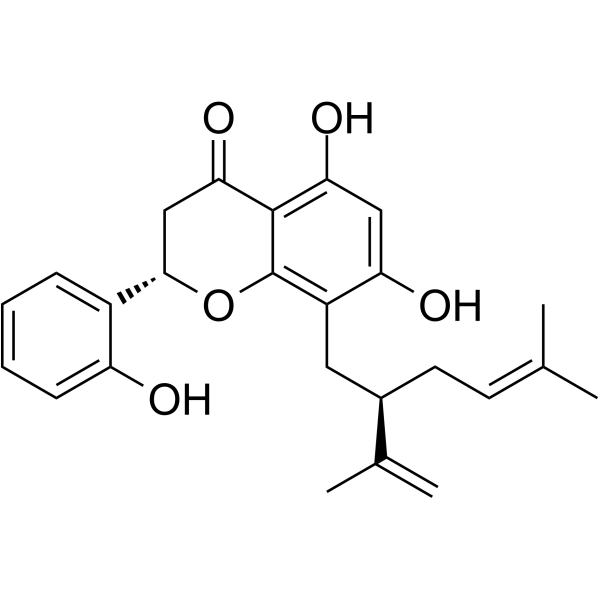
Kushenol A (Leachianone E) is isolated from the root of Sophora flavescent. Kushenol A is a non-competitive tyrosinase inhibitor to block the conversion of L-tyrosine to L-DOPA, shows IC50 and Kivalues of 1.1 μM and 0.4 μM, respectively . Kushenol A is a flavonoid antioxidant, has inhibitory effects on alpha-glucosidase (IC50: 45 μM; Ki: 6.8 μM) and β-amylase . Kushenol A is confirmed as potential inhibitors of enzymes targeted by cosmetics for skin whitening and aging .
loading...
    loading...
3
3 Cited Publications
Cat. No.: HY-N1425
CAS No.: 20316-62-5
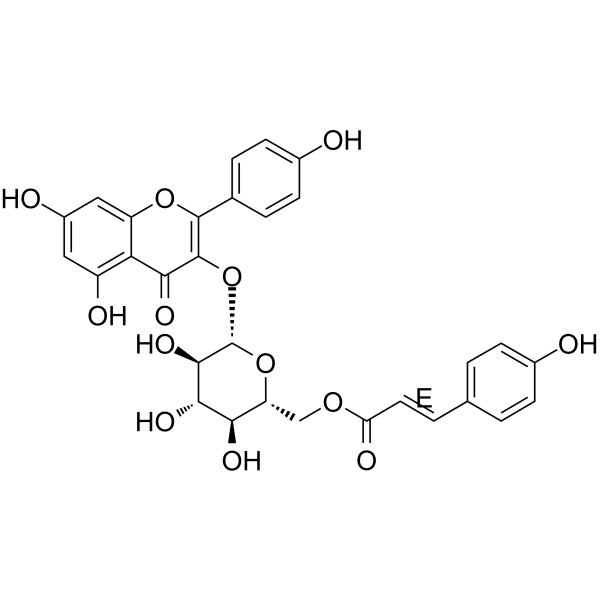
Tiliroside, a glycosidic flavonoid, possesses anti-diabetic activities. Tiliroside is a noncompetitive inhibitor of α-amylase with a Ki value of 84.2  μM. Tiliroside inhibits carbohydrate digestion and glucose absorption in the gastrointestinal tract .
loading...
    loading...
3
3 Cited Publications
Cat. No.: HY-P3462A
Target:  

CGRP Receptor

Research Areas:  

Metabolic Disease

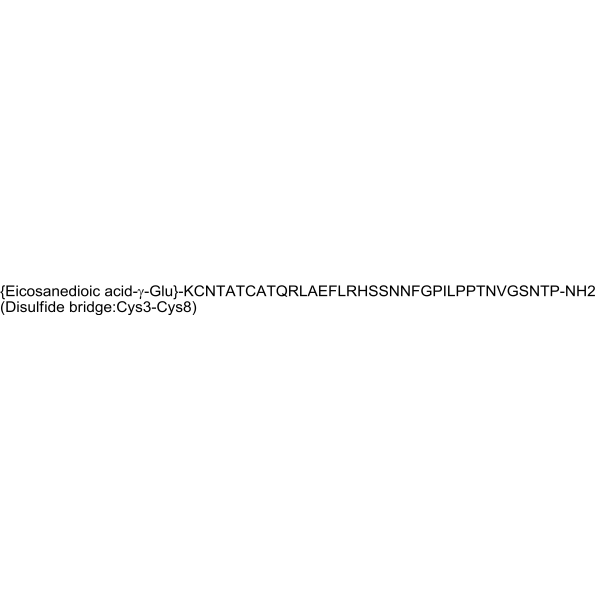
Cagrilintide acetate is a non-selective AMYR/CTR agonist and long-acting acylated amylase analogue. Cagrilintide acetate causes a reduction in food intake and significant weight loss in a dose-dependent manner. Cagrilintide acetate can be used in obesity studies .
loading...
    loading...
3
3 Cited Publications
Cat. No.: HY-Y0598
CAS No.: 614-47-1
Synonyms: Benzylideneacetophenone
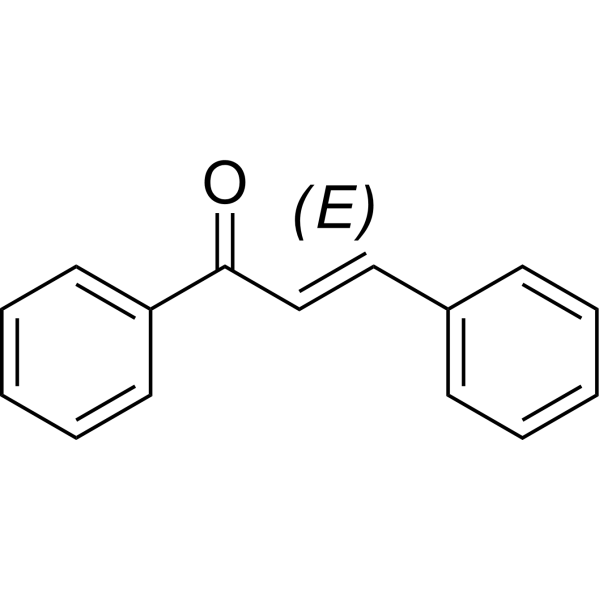
trans-Chalcone, isolated from Aronia melanocarpa skin, is a biphenolic core structure of flavonoids precursor. trans-Chalcone is a potent fatty acid synthase (FAS) and α-amylase inhibitor. trans-Chalcone causes cellcycle arrest and induces apoptosis in the breastcancer cell line MCF-7. trans-Chalcone has antifungal and anticancer activity .
loading...
    loading...
2
2 Cited Publications
Cat. No.: HY-B2193
CAS No.: 9000-90-2
α-Amylase is a hydrolase enzyme that catalyses the hydrolysis of internal α-1, 4-glycosidic linkages in starch to yield products like glucose and maltose.
loading...
    loading...
2
2 Cited Publications
Cat. No.: HY-N0668
CAS No.: 64849-39-4
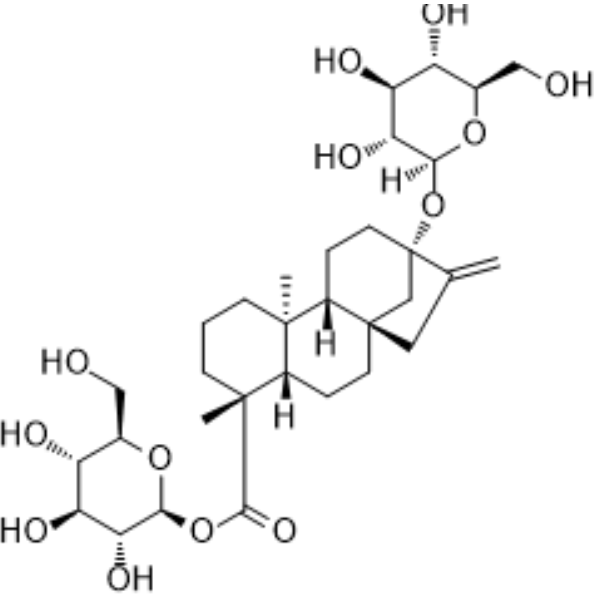
Rubusoside is a diterpene glycoside that is also a sweetener and solubilizer with anti-angiogenic, anti-cancer, anti-obesity, anti-allergic and anti-asthmatic effects. Rubusoside attenuates airway hyperresponsiveness and reduces inflammatory cells in bronchoalveolar lavage fluid (BALF), reducing OVA (HY-W250978)-induced airway inflammation. Rubusoside also prevents palmitic acid-induced lipotoxicity in pancreatic INS-1 cells, reduces the transport of human glucose transporters GLUT-1 and fructose GLUT-5, and inhibits NF-κB and α-amylase (α-amylase) .
loading...
    loading...
2
2 Cited Publications
Cat. No.: HY-N8599
CAS No.: 531-58-8
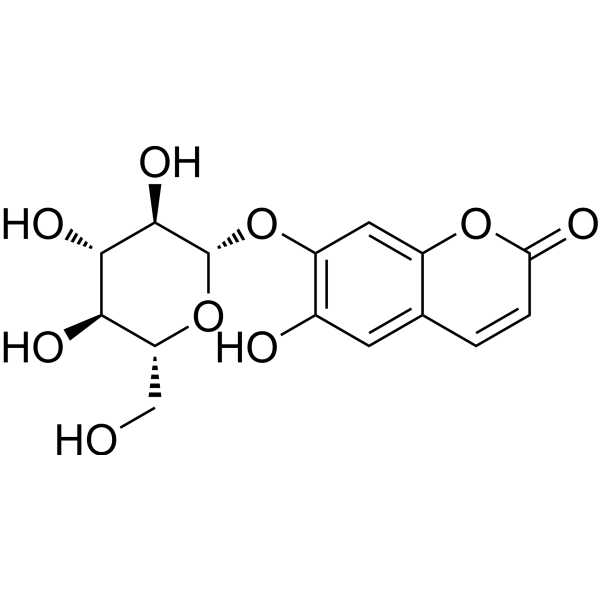
Cichoriin is an orally active coumarin glycoside with broad biological activities. Cichoriin exhibits inhibitory activities against α-amylase, α-glucosidase, pancreatic lipase and DPP-IV, with IC50 values of 5.76, 2.94, 16.83 and 9.16 μg/mL, respectively. Cichoriin significantly improves metabolic dysfunction-associated steatohepatitis (MASH) in mice by activating the AMPK signaling pathway. Cichoriin upregulates PPAR-γ in adipose tissue and alleviates obesity and associated cardiorenal injury in rats. Cichoriin blocks monosodium urate crystal-induced activation of the NLRP3 inflammasome and cell pyroptosis by inhibiting P2Y14R (IC50 = 8.47 nM). In silico virtual screening reveals that Cichoriin has a strong binding affinity for SARS-CoV-2 .
loading...
    loading...
1
1 Cited Publications
Cat. No.: HY-N2464
CAS No.: 34612-38-9
Synonyms: Amylotetraose; Fujioligo 450; α-1,4-Tetraglucose
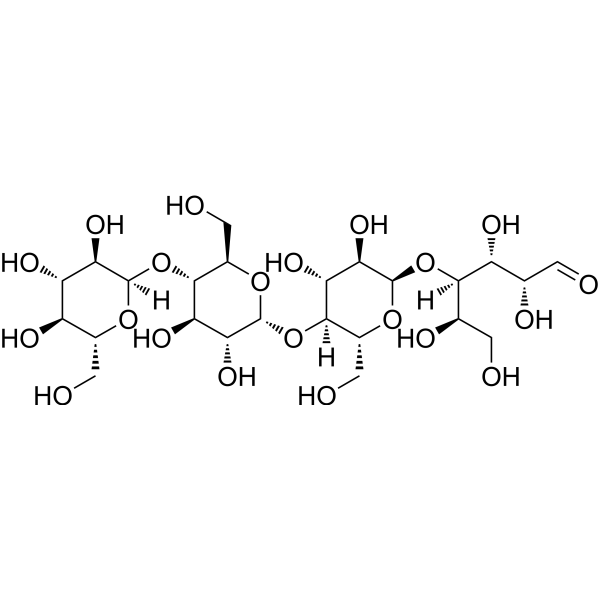
Maltotetraose can serve as a substrate for enzyme-linked assays to measure amylase activity in biological fluids. Maltotetraose has oral active, and reduces TNF-α-induced inflammatory responses by inhibiting NF-κB activity and decreasing ICAM-1 expression. Maltotetraose also inhibits PDGF-induced vascular smooth muscle cell migration and neovascularization. Additionally, Maltotetraose derivatives can function as probes for detecting bacterial infections by targeting the maltodextrin transporter. With good long-term safety, Maltotetraose holds promise for research in atherosclerosis-related diseases .
loading...
    loading...
1
1 Cited Publications
Cat. No.: HY-N2376
CAS No.: 35775-49-6
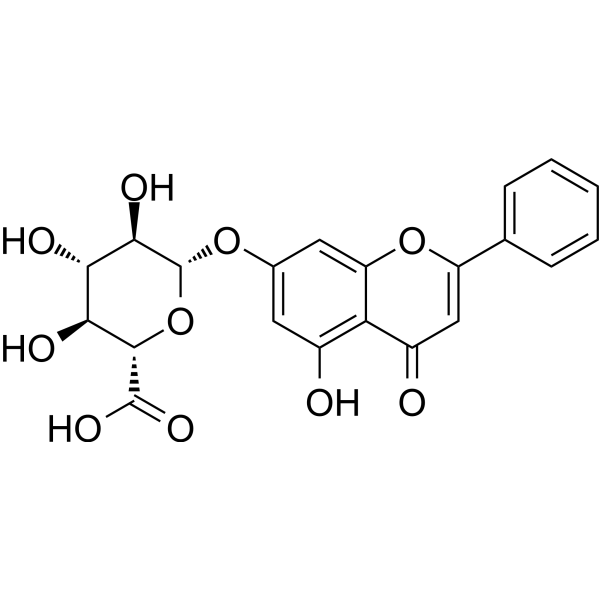
Chrysin-7-O-glucuronide is a flavonoid found in Scutellaria baicalensis. Chrysin-7-O-glucuronide inhibits α-glucosidase and α-amylase with IC50 values of 612.13 and 980.73 μg/mL. Chrysin-7-O-glucuronide suppresses NF-κB signaling activity. Chrysin-7-O-glucuronide scavenges free radicals, acts as a tight junction protector, and mitigates intestinal mucosal barrier injury. Chrysin-7-O-glucuronide can be used for the research of type 2 diabetes and severe acute pancreatitis-induced intestinal mucosal barrier injury .
loading...
    loading...
1
1 Cited Publications
Cat. No.: HY-W017370
CAS No.: 99-48-9
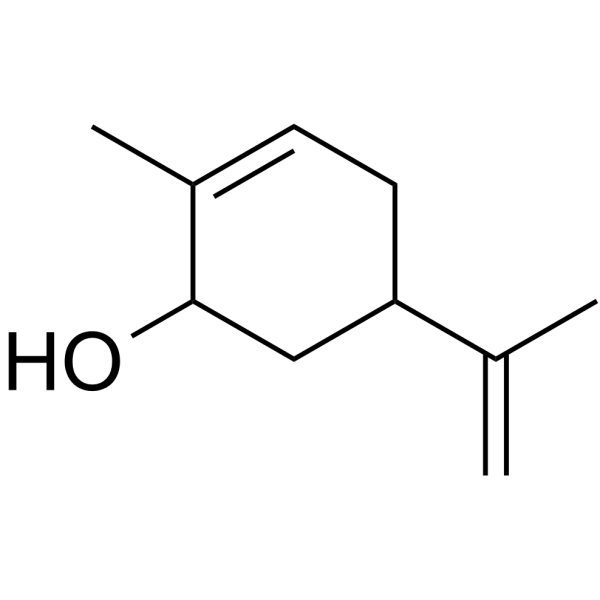
Carveol is an orally active monoterpenoid alcohol with neuroprotective, antioxidant, anti-inflammatory, anticonvulsant, antidiabetic, hypolipidemic and hepatoprotective activities. Carveol upregulates the expression of Bcl2, downregulates the expression of caspase-3, TNF-α, IL1β and IL6, activates the Nrf2/HO-1 antioxidant signaling pathway, inhibits the RAGE/NF-κB signaling pathway, and suppresses neuroinflammation and neuronal apoptosis. Carveol inhibits α-synuclein aggregation, improves cognitive ability, and inhibits α-amylase activity. Carveol exerts neuroprotective effects in a rat model of Parkinson's disease. Carveol exhibits antidiabetic effects in alloxan-induced diabetic rats. Carveol alleviates PTZ-induced seizures in rats. Carveol can be used in research related to Parkinson's disease, epilepsy, diabetes and ischemic stroke .
loading...
    loading...
Cat. No.: HY-W009694
CAS No.: 609-99-4
3,5-Dinitrosalicylic acid the derivative of salicylic acid. 3,5-Dinitrosalicylic acid is used in the α-amylase assay, carbohydrase assay, and for the colorimetric determination of reducing substances .
loading...
    loading...
Cat. No.: HY-N1495
CAS No.: 34620-76-3
Synonyms: Maltopentose
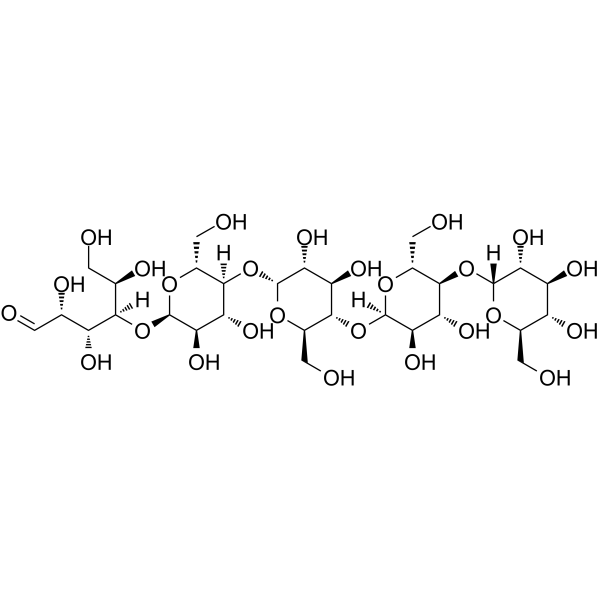
Maltopentaose is the shortest chain oligosaccharide. Maltopentaose is a substrate for α-amylases. Maltopentaose can be classified as maltodextrin and is also used in a study to investigate glycation and phosphorylation of α-lactalbumin. Maltopentaose is used to study the inhibition kinetics of human pancreatic α-amylase by dehydrodieugenol B .
loading...
    loading...
Cat. No.: HY-B2192
CAS No.: 9000-92-4
Amylase is an enzyme produced by pancreas and salivary glands, catalyzing the hydrolysis of starch into sugars. Amylase are broadly classified into α, β, and γ subtypes .
loading...
    loading...
Cat. No.: HY-P2968
CAS No.: 9000-85-5
Target:  

Amylases

Research Areas:  

Others

Bacterial α-Amylase catalyses the hydrolysis of internal α-1,4-glycosidic linkages in starch in low molecular weight products, such glucose, maltose and maltotriose units. Bacterial α-Amylase is often used in biochemical studies .
loading...
    loading...
Cat. No.: HY-P2762
CAS No.: 9001-19-8
Target:  

Amylases

Research Areas:  

Others

α-Amylase from Aspergillus oryzae is an amylase. α-Amylase from Aspergillus oryzae can be used for various biochemical studies .
loading...
    loading...
Cat. No.: HY-112835
CAS No.: 96597-16-9
Purity:  99.42%
Synonyms: pNP-G7
Target:  

Amylases Glycosidase

Research Areas:  

Inflammation/Immunology

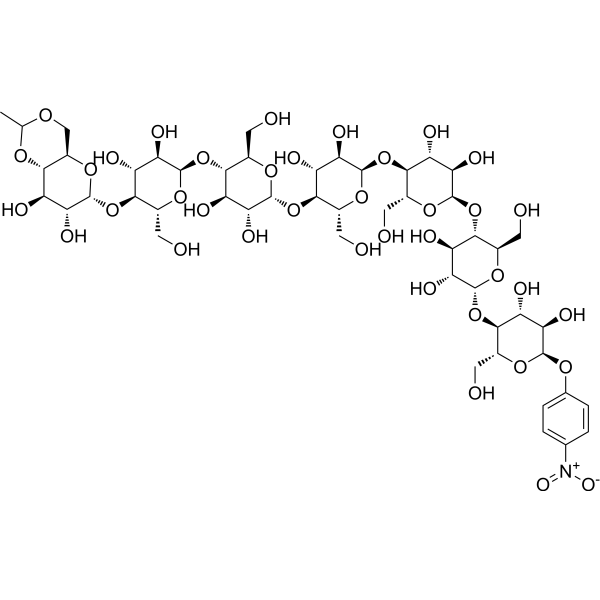
Ethylidene-4-nitrophenyl-α-D-Maltoheptaoside (EPS; pNP-G7) serves as a substrate for α-amylase. In the presence of an auxiliary enzyme such as α-glucosidase (α-glucosidase), Ethylidene-4-nitrophenyl-α-D-Maltoheptaoside is degraded by amylase (Amylase) to release a chromophore, enabling the measurement of amylase activity. Ethylidene-4-nitrophenyl-α-D-Maltoheptaoside is applicable for the diagnosis of pancreatitis [2].
loading...
    loading...
Cat. No.: HY-N6675
CAS No.: 94238-00-3
Gardenia yellow is a competitive inhibitor of α-Amylase (HY-B2193) and α-glucosidase. Gardenia yellow can bind to the catalytic sites of α-Amylase and α-glucosidase, inhibit starch digestion, and significantly increase the contents of resistant starch and slowly digestible starch in starch-based systems. Gardenia yellow reduces the glycemic index and hydrolysis index. Gardenia yellow can be used in diabetes-related research .
loading...
    loading...
Cat. No.: HY-P1096
CAS No.: 130408-77-4
Research Areas:  

Metabolic Disease

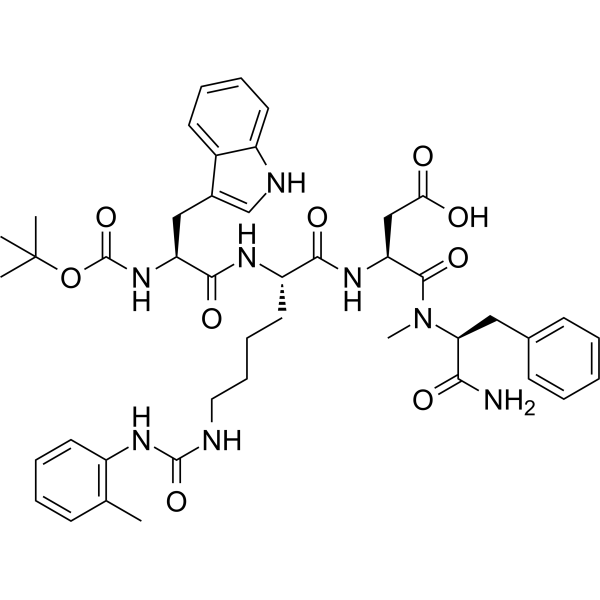
A71623, a CCK-4-based peptide, is a potent and highly selective CCK-A full agonist. The IC50s for A-71623 are 3.7 nM in guinea pig pancreas (CCK-A) and 4500 nM in cerebral cortex (CCK-B) in radioligand binding assays, respectively .
loading...
    loading...
Cat. No.: HY-B2193A
CAS No.: 9000-90-2
Synonyms: 1,4-alpha-D-Glucan-glucanohydrolase, ptyalin
α-Amylase, Human Saliva (1,4-alpha-D-Glucan-glucanohydrolase) is a hydrolase enzyme that can be isolated from human saliva. α-Amylase, Human Saliva catalyses the hydrolysis of internal α-1, 4-glycosidic linkages in starch to yield products like glucose and maltose. α-Amylase, Human Saliva can be used in life science research .
loading...
    loading...

