1. Search Result
Search Result
Results for "

Beta-arrestin recruitment

" in MedChemExpress (MCE) Product Catalog:

97

Inhibitors & Agonists

17

Peptides

2

Isotope-Labeled Compounds

Cat. No. Product Name Target Research Areas Chemical Structure
  • HY-P3419
    PAMP-12 (unmodified)
    2 Publications Verification

    Mas-related G-protein-coupled Receptor (MRGPR) PERK Calcium Channel Cardiovascular Disease Inflammation/Immunology
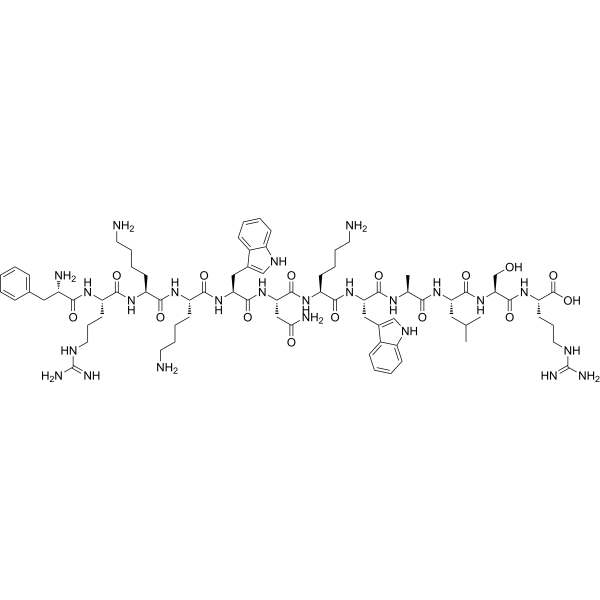
    PAMP-12 (unmodified) is an endogenous peptide and is a MrgX2 agonist. PAMP-12 (unmodified) can reduce cAMP accumulation, increase Ca 2+ levels, enhance beta-arrestin recruitment, decrease IP-1, and increases phosphoERK. PAMP-12 (unmodified) can elicit hypotension through inhibiting catecholamine secretion from sympathetic nerve endings and adrenal chromaffin cells. PAMP-12 (unmodified) can be used for the research of hypotension and ulcerative colitis .
    PAMP-12 (unmodified)
  • HY-122197
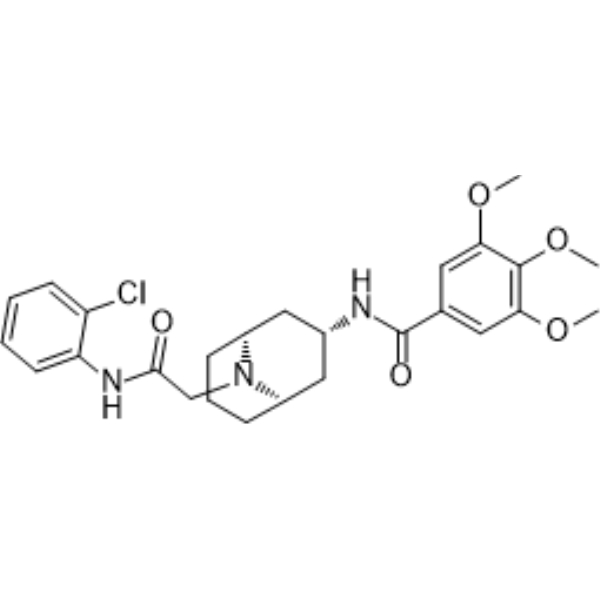
    ML339
    4 Publications Verification

    CXCR Apelin Receptor (APJ) Arrestin Cancer
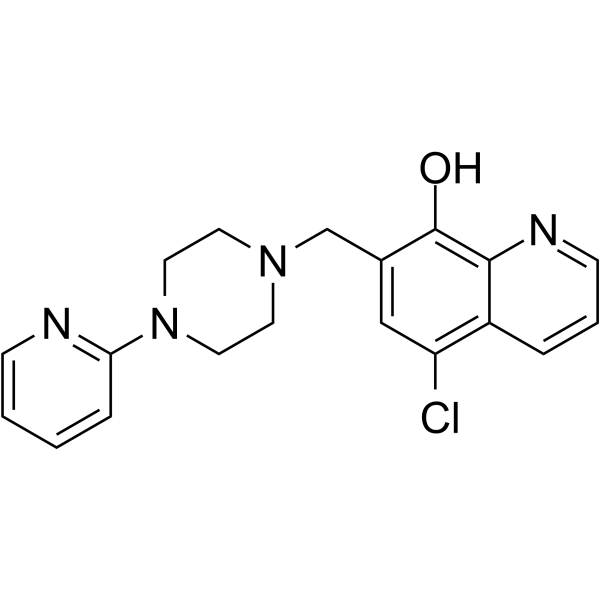
    ML339 is a selective CXCR6 antagonist with an IC50 of 140 nM. ML339 antagonizes β-arrestin recruitment and cAMP signaling pathway of human CXCR6 receptor induced by CXCL16, with IC50 of 0.3 μM and 1.4 μM, respectively. ML339 shows weaker activity against the recruitment of β-arrestin in mouse CXCR6 receptors, with an IC50 of 18 μM. ML339 has no inhibitory effect on CXCR5CXCR4CXCR6 and apelin receptor (APJ), with IC50 >79 μM. ML339 has the potential to promote the development of prostate cancer research .
    ML339
  • HY-108742
    Abaloparatide
    3 Publications Verification

    BA 058; BIM 44058

    PTHR Arrestin Metabolic Disease Cancer
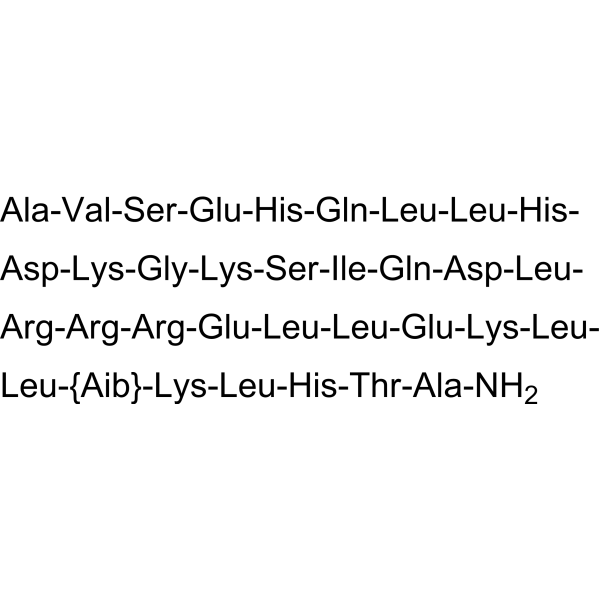
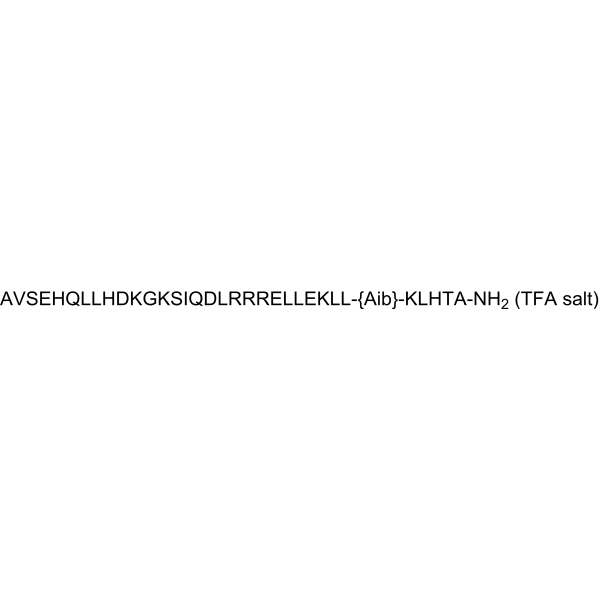
    Abaloparatide (BA 058) is a parathyroid hormone receptor 1 (PTHR1) analog. Abaloparatide also is a selective PTHR1 activator. Abaloparatide enhances Gs/cAMP signaling and β-arrestin recruitment. Abaloparatide enhances bone formation and cortical structure in mice. Abaloparatide has the potential for the research of osteoporosis .
    Abaloparatide
  • HY-160734

    GSBR-1290

    GLP Receptor Metabolic Disease
    Aleniglipron (GSBR-1290) is an orally active glucagon-like peptide-1 receptor (GLP-1R) agonist, with an EC50 value of less than 0.1 nM in HDB cell lines in cAMP stimulation assays. Aleniglipron selectively activates the Gαs-cAMP signaling pathway of GLP-1R without β-arrestin recruitment. Aleniglipron induces insulin release, promotes glucose clearance, reduces food intake and decreases body weight. Aleniglipron is applicable to research related to type 2 diabetes and obesity .
    Aleniglipron
  • HY-175701

    RO7795081; RG6652

    Arrestin GLP Receptor Metabolic Disease
    CT-996 is an orally active GLP-1RA agonist with an EC50 of 0.49 nM. CT-996 reduces the recruitment of β-arrestin and the internalization of GLP-1R. CT-996 suppresses postprandial blood glucose in mice expressing human GLP-1 receptors and enhances glucose-stimulated insulin secretion (GSIS) in obese monkeys during intravenous glucose challenge. CT-996 can be used for the research of type 2 diabetes (T2D) and obesity .
    CT-996
  • HY-117295A

    Arrestin Inflammation/Immunology Cancer
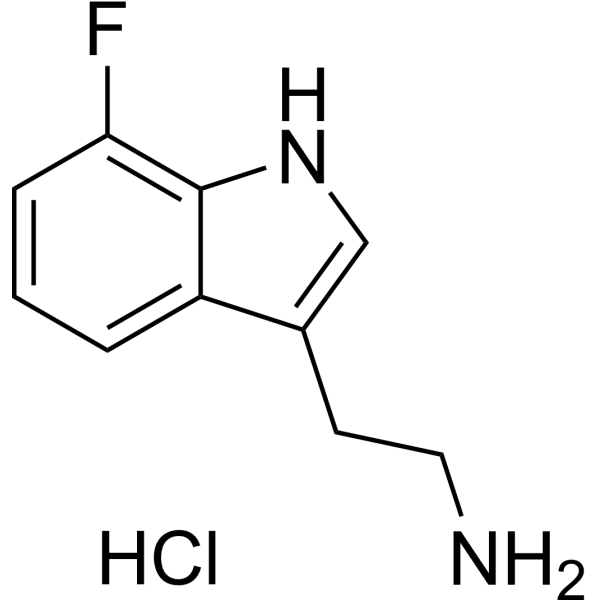
    7-Fluorotryptamine hydrochloride is a potent agonist of GPRC5A. 7-Fluorotryptamine hydrochloride induces GPRC5A-mediated β-arrestin recruitment. 7-Fluorotryptamine hydrochloride can be used for research of immune and cancer signaling .
    7-Fluorotryptamine hydrochloride
  • HY-120645
    BMS-986122
    1 Publications Verification

    Opioid Receptor Neurological Disease
    BMS-986122 is a selective, potent positive allosteric modulator of the mu-opioid receptor (µ-OR). BMS-986122 shows potentiation of orthosteric agonist-mediated β-arrestin recruitment, adenylyl cyclase inhibition, and G protein activation. BMS-986122 potentiates DAMGO-mediated [ 35S]GTPγS binding in mouse brain membranes .
    BMS-986122
  • HY-145404
    Mitragynine pseudoindoxyl
    1 Publications Verification

    Opioid Receptor Metabolic Disease
    Mitragynine pseudoindoxyl is a potent orally active agonist of the μ-opioid receptor (MOR-1, Ki=0.8 nM) and an antagonist of the δ-opioid receptor (DOR-1, Ki=3.0 nM). Mitragynine pseudoindoxyl has moderate affinity for the κ-opioid receptor (KOR-1, Ki=24 nM) and does not recruit β-arrestin-2, acting through G protein-mediated signaling pathways without β-arrestin-2-related activation. Mitragynine pseudoindoxyl produces potent analgesic activity through a mixed μ-agonist/δ-antagonist mechanism, with low side effects such as physical dependence, respiratory depression, and constipation, and no rewarding or aversive behaviors. Mitragynine pseudoindoxyl reduces hyperactivity, inhibits GI transit, and enhances characteristics, making it a potential analgesic .
    Mitragynine pseudoindoxyl
  • HY-162495

    CCR Calcium Channel Arrestin P-glycoprotein Inflammation/Immunology Cancer
    IDOR-1117-2520 is an orally active, potent, selective and reversible CCR6 antagonist. IDOR-1117-2520 antagonizes the CCL20-mediated calcium flow (IC50 = 63 nM) and inhibits β-arrestin recruitment to human CCR6 (IC50 = 30 nM) in cells expressing recombinant human CCR6. IDOR-1117-2520 is found to be a substrate of P-gp/MDR1. IDOR-1117-2520 can be used in the research of autoimmune diseases and skin inflammation .
    IDOR-1117-2520
  • HY-P1102
    TC14012
    4 Publications Verification

    CXCR HIV Infection Cancer
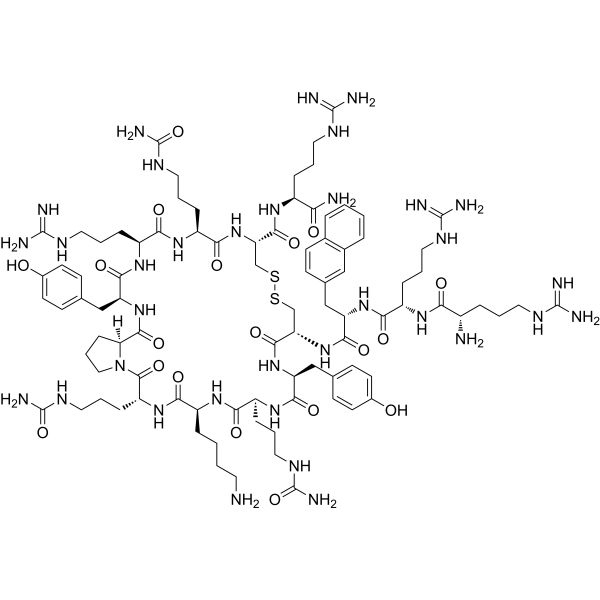
    TC14012, a serum-stable derivative of T140, is a selective and peptidomimetic CXCR4 antagonist with an IC50 of 19.3 nM. TC14012 is a potent CXCR7 agonist with an EC50 of 350 nM for recruiting β-arrestin 2 to CXCR7. TC14012 has anti-HIV activity and anti-cancer activity .
    TC14012
  • HY-P1682A
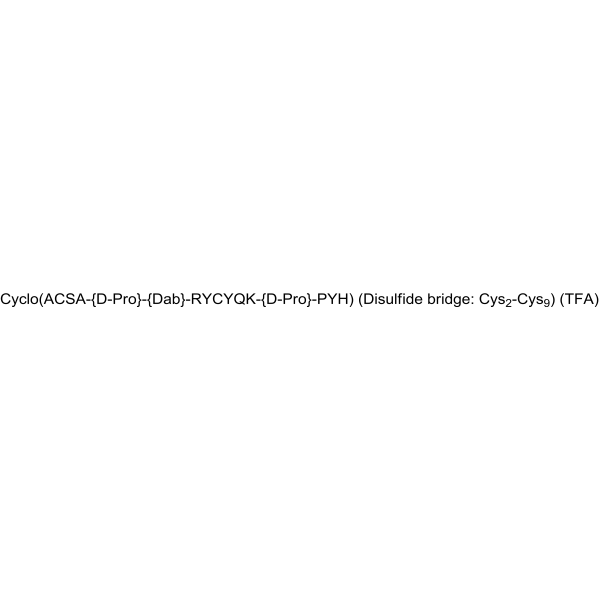
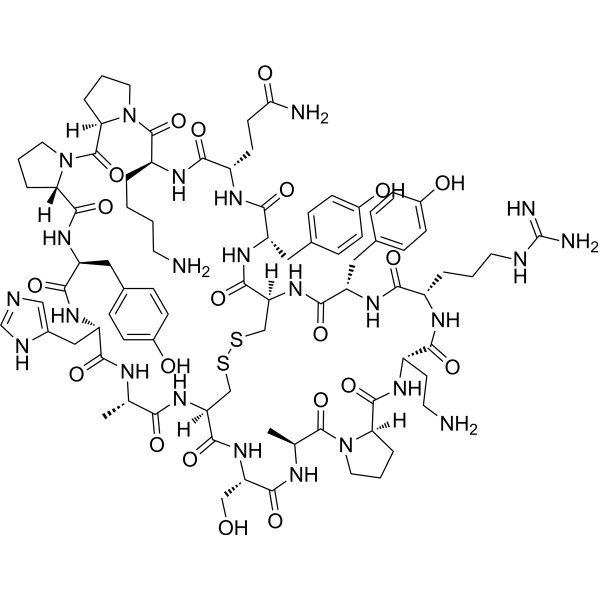
    Balixafortide TFA
    1 Publications Verification

    POL6326 TFA

    CXCR Arrestin Cancer
    Balixafortide TFA (POL6326 TFA) is a potent, selective, well-tolerated peptidic CXCR4 antagonist with an IC50 < 10 nM. Balixafortide TFA shows 1000-fold selective for CXCR4 than a large panel of receptors including CXCR7. Balixafortide TFA blocks β-arrestin recruitment and calcium flux with IC50s < 10 nM. Balixafortide TFA is also a potent hematopoietic stem and progenitor cell (HSPC) mobilizing agent. Anti-cancer effects .
    Balixafortide TFA
  • HY-128121

    Dopamine Receptor Neurological Disease
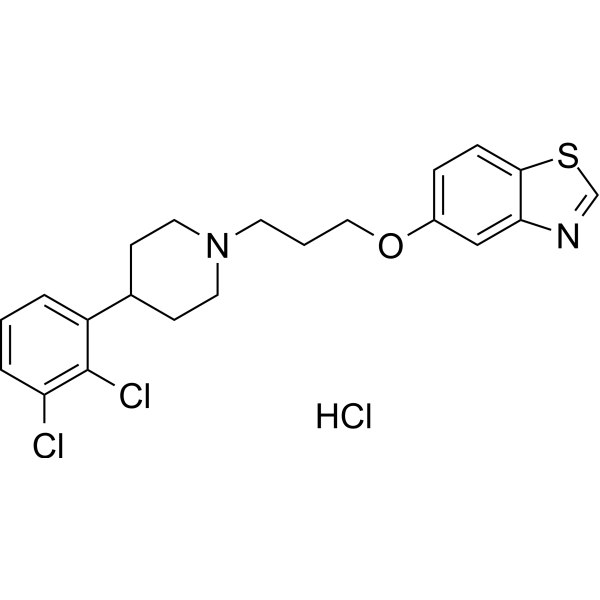
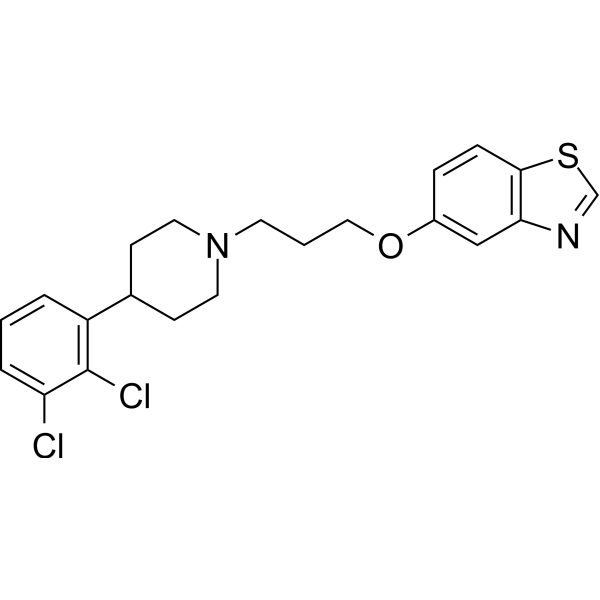
    MLS1547 is a highly efficacious G protein-biased dopamine D2 receptor (D2R) agonist (Ki=1.2 μM). MLS1547 stimulates D2R G protein-mediated signaling (EC50=0.37 μM in a calcium mobilization assay). MLS1547 acts as an antagonist for dopamine (DA)-stimulated β-arrestin recruitment to the D2R (IC50=9.9 μM) .
    MLS1547
  • HY-19867A

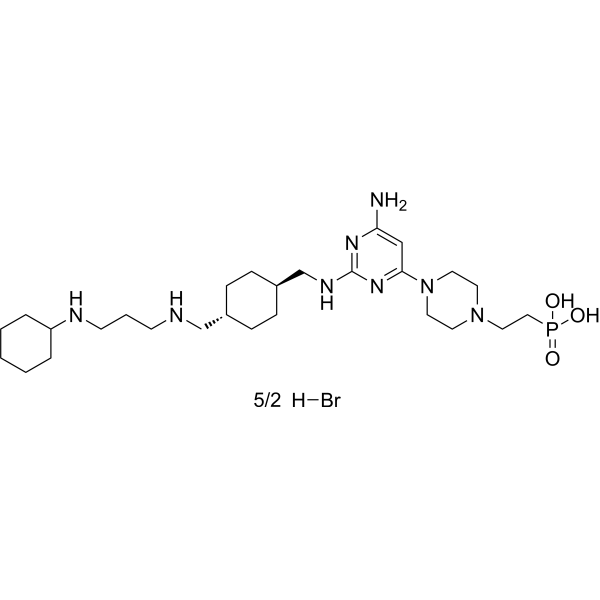
    TG-0054 hydrobromide

    CXCR Cardiovascular Disease Cancer
    Burixafor (TG-0054) hydrobromide is a potent CXCR4 antagonist with a pIC50 of 7.4. Burixafor hydrobromide inhibits the binding of CXCL12 to CXCR4, antagonizes CXCL12-induced recruitment of Gαᵢ and β-arrestin2, and blocks the downstream Gαᵢ-mediated inhibitory effect on cAMP signal transduction. Burixafor hydrobromide mobilizes CD34 + hematopoietic stem/progenitor cells (HSPC) from the bone marrow to the peripheral blood. Burixafor hydrobromide can be used for research on autologous hematopoietic stem cell transplantation (ASCT) .
    Burixafor hydrobromide
  • HY-136832

    Serotonin Transporter Potassium Channel Arrestin Opioid Receptor Cardiovascular Disease Neurological Disease
    Noribogaine hydrochloride is an orally active, blood-brain barrier permeable SERT inhibitor (IC50=50-300 nM) and hERG channel blocker. Noribogaine hydrochloride enhances serotonergic transmission, activates the κ-opioid receptor (OPRK) G protein signaling pathway and inhibits β-arrestin recruitment. Meanwhile, Noribogaine hydrochloride blocks the μ-opioid receptor (OPRM) signaling pathway as well as ion channels associated with cardiac repolarization. Noribogaine hydrochloride induces neuritogenesis, upregulates GDNF mRNA expression, and modulates opioid tolerance. Noribogaine hydrochloride reduces alcohol-seeking behavior in experimental animals, and is widely used in studies related to depression, addiction, alcoholism, and cardiotoxicity .
    Noribogaine hydrochloride
  • HY-111385
    UNC9994 hydrochloride
    2 Publications Verification

    Dopamine Receptor 5-HT Receptor Arrestin Neurological Disease
    UNC9994 hydrochloride is a functionally selective, β-arrestin–biased dopamine D2 receptor (D2R) agonist that selectively activates β-arrestin recruitment and signaling. UNC9994 hydrochloride shows a binding affinity with a Ki of 79 nM for D2R. UNC9994 hydrochloride is also an antagonist of Gi-regulated cAMP production and partial agonist for D2R/β-arrestin-2 interactions. UNC9994 hydrochloride shows antipsychotic-like activity .
    UNC9994 hydrochloride
  • HY-W010907
    Pamoic acid disodium
    4 Publications Verification

    GPR35 ERK Neurological Disease
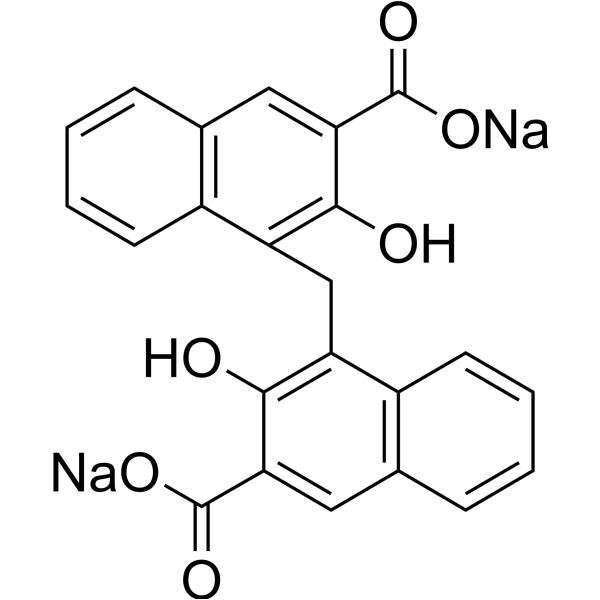
    Pamoic acid disodium is a potent GPR35 agonist with an EC50 value of 79 nM. Pamoic acid disodium induces GPR35 internalization and activates ERK1/2 with EC50 values of 22 nM and 65 nM, respectively. Pamoic acid disodium potently recruits β-arrestin2 to GPR35 and has an antinociceptive effect .
    Pamoic acid disodium
  • HY-19835

    Free Fatty Acid Receptor Metabolic Disease
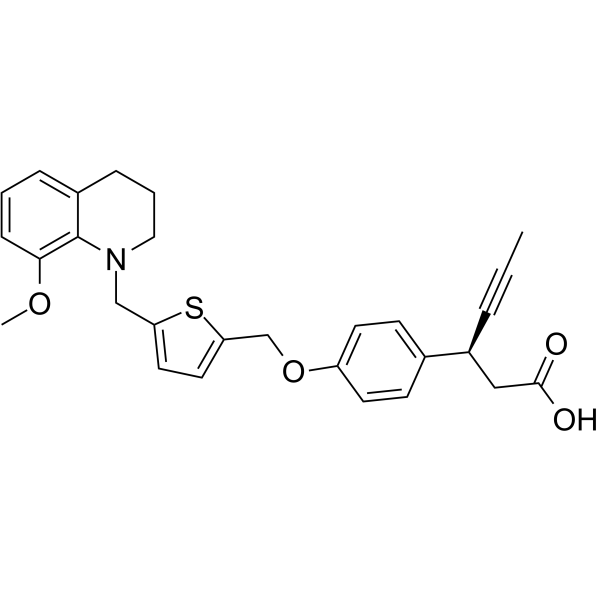
    LY2922470 is a selective and orally active agonist for the G protein-coupled receptor 40 (GPR40). LY2922470 activates GPR40-mediated β-arrestin recruitment with EC50s of 7 nM (human GPR40), 1 nM (mouse GPR40) and 3 nM (rat GPR40). LY2922470 can be used for research of type 2 diabetes mellitus (T2DM) .
    LY2922470
  • HY-P1682
    Balixafortide
    1 Publications Verification

    POL6326

    CXCR Arrestin Cancer
    Balixafortide (POL6326) is a potent, selective, well-tolerated peptidic CXCR4 antagonist with an IC50 < 10 nM. Balixafortide shows 1000-fold selective for CXCR4 than a large panel of receptors including CXCR7. Balixafortide blocks β-arrestin recruitment and calcium flux with IC50s < 10 nM. Balixafortide is also a potent hematopoietic stem and progenitor cell (HSPC) mobilizing agent. Anti-cancer effects .
    Balixafortide
  • HY-123813

    CXCR Arrestin Cancer
    CCX-777 is an orthosteric binder and partial agonist of CXCR7/ACKR3. CCX-777 induces the recruitment of β-arrestin 2 and affects the rebinding of chemokines to ACKR3. CCX-777 functions to stabilize the ACKR3 receptor and promotes the formation of a monodisperse, stable complex of the receptor in DDM/CHS micelles. CCX-777 is widely used in cancer-related research .
    CCX-777
  • HY-164795

    Neurotensin Receptor Arrestin iGluR ERK Sodium Channel Neurological Disease
    SBI-810 is a blood-brain barrier-permeable NTSR1 modulator. SBI-810 promotes the recruitment of β-arrestin-2 to NTSR1 and antagonizes NTSR1-mediated Gq activation. SBI-810 inhibits excitatory synaptic transmission, NMDA receptor and extracellular signal-regulated kinase (ERK) signaling in spinal nociceptive neurons, reduces surface expression of Nav1.7 and action potential firing in primary sensory neurons, and attenuates C-fiber responses. SBI-810 effectively alleviates acute and chronic pain in various rodent models through peripheral and central modulation. SBI-810 is applicable to research related to multiple pain disorders .
    SBI-810
  • HY-164795A

    Neurotensin Receptor Arrestin iGluR ERK Sodium Channel Neurological Disease
    SBI-810 hydrochloride is a blood-brain barrier-permeable NTSR1 modulator. SBI-810 hydrochloride promotes the recruitment of β-arrestin-2 to NTSR1 and antagonizes NTSR1-mediated Gq activation. SBI-810 hydrochloride inhibits excitatory synaptic transmission, NMDA receptor and extracellular signal-regulated kinase (ERK) signaling in spinal nociceptive neurons, reduces surface expression of Nav1.7 and action potential firing in primary sensory neurons, and attenuates C-fiber responses. SBI-810 hydrochloride effectively alleviates acute and chronic pain in various rodent models through peripheral and central modulation. SBI-810 hydrochloride is applicable to research related to multiple pain disorders .
    SBI-810 hydrochloride
  • HY-117829
    UNC9994
    2 Publications Verification

    Dopamine Receptor 5-HT Receptor Histamine Receptor Arrestin Neurological Disease
    UNC9994, an analog of Aripiprazole, is a functionally selective β-arrestin-biased dopamine D2 receptor (D2R) agonist with EC50 <10 nM for β-arrestin-2 recruitment to D2 receptors. UNC9994 is simultaneously partial agonists of β-arrestin-2 translocation and antagonists of Gi-regulated cAMP production. Antipsychotic Activity .
    UNC9994
  • HY-119486A

    (Rac)-PF-06649751; (Rac)-CVL-751

    Dopamine Receptor Arrestin Neurological Disease
    (Rac)-Tavapadon ((Rac)-PF-06649751) is a potent and selective noncatechol dopamine D1 receptor agonist. (Rac)-Tavapadon displays potent full agonism in the GS activation assay as well as partial agonism in the β-arrestin2 recruitment assay (GS-cAMP, EC50=0.8 nM; β-arrestin2, EC50=68 nM). (Rac)-Tavapadon has antiparkinsonian activity .
    (Rac)-Tavapadon
  • HY-P2197

    Apelin Receptor (APJ) Arrestin Inflammation/Immunology
    ELA-11(human), a peptide, is a full agonist of human apelin receptor, with a pKi of 7.85. ELA-11(human) completely inhibits Forskolin-induced cAMP production and stimulates β-arrestin recruitment .
    ELA-11(human)
  • HY-100677
    VUF11207
    3 Publications Verification

    CXCR Endocrinology
    VUF11207 (Compound 29) is a CXCR7 agonist and a high-potency CXCR7 (pKi of 8.1) ligand that induces recruitment of β-arrestin2 (pEC50 of 8.8) and subsequent internalization (pEC50 of 7.9) of CXCR7 .
    VUF11207
  • HY-108742A
    Abaloparatide TFA
    3 Publications Verification

    BA 058 TFA; BIM 44058 TFA

    Arrestin PTHR Metabolic Disease Endocrinology Cancer
    Abaloparatide TFA (BA 058 TFA) is a parathyroid hormone receptor 1 (PTHR1) analogue. Abaloparatide TFA also is a selective PTHR1 activator. Abaloparatide TFA enhances Gs/cAMP signaling and β-arrestin recruitment. Abaloparatide TFA enhances bone formation and cortical structure in mice. Abaloparatide TFA has the potential for the research of osteoporosis .
    Abaloparatide TFA
  • HY-108656

    P2Y Receptor Arrestin Cardiovascular Disease
    MRS2365 is a potent and selective P2Y1 receptor (EC50=0.4 nM) /[ 35S]GTPγS binding/β-arrestin 2 recruitment agonist with an EC50 of 0.4 nM. MRS2365 relieves mechanical allodynia and increases mechanical sensitivity. MRS2365 shows little agonist or antagonist activity at the P2Y12 or P2Y13 receptors .
    MRS2365
  • HY-176446

    Mas-related G-protein-coupled Receptor (MRGPR) Inflammation/Immunology
    Mrgx2 antagonist-3 (Compound B-40) is a highly selective antagonist of MrgX2 receptor with an IC50 value of 0.042-2.5 nM. Mrgx2 antagonist-3 blocks downstream G protein signaling and β-Arrestin recruitment, thereby inhibiting MrgX2 receptor-mediated calcium influx and cellular degranulation. Mrgx2 antagonist-3 is promising for research of inflammation-related diseases and pruritus, such as chronic urticaria, allergic asthma .
    Mrgx2 antagonist-3
  • HY-156157

    GPR55 Cancer
    GPR55 agonist 4 (Compound 28) is a GPR55 agonist (EC50: 131 nM, and 1.41 nM for hGPR55 and rGPR55). GPR55 agonist 4 induces β-arrestin recruitment to human GPR55 .
    GPR55 agonist 4
  • HY-P10333A

    CXCR Neurological Disease Inflammation/Immunology
    LIH383 TFA is an agonist of ACKR3 (CXCR7) (EC50=0.61 nM). LIH383 TFA efficiently induces the recruitment of β-arrestin to ACKR3 but does not trigger typical G protein signaling .
    LIH383 TFA
  • HY-156107

    GPR55 Cancer
    GPR55 agonist 3 (Compound 26) is a GPR55 agonist (EC50: 0.239 nM, and 1.76 nM for hGPR55 and rGPR55). GPR55 agonist 3 induces β-arrestin recruitment to human GPR55 (EC50: 6.2 nM) .
    GPR55 agonist 3
  • HY-163671

    GPR52 Arrestin Neurological Disease
    PW0729 is a selective GPR52 agonist. PW0729 activates G protein/cAMP signaling pathway, with bias toward this pathway over β-arrestin recruitment, and induces GPR52 desensitization. PW0729 can be used for the research of neuropsychiatric and neurological diseases .
    PW0729
  • HY-P2249

    Arrestin Apelin Receptor (APJ) Cardiovascular Disease
    ELA-21 (human) is an apelin receptor agonist with a pKi of 8.52. ELA-21 (human) completely inhibits Forskolin-induced cAMP production and stimulates β-arrestin recruitment with subnanomolar potencies. ELA-21 (human) is an agonist in G-protein-dependent and -independent pathways .
    ELA-21 (human)
  • HY-108656A

    P2Y Receptor Arrestin Cardiovascular Disease
    MRS2365 trisodium is a potent and selective P2Y1 receptor (EC50=0.4 nM)/[ 35S]GTPγS binding/β-arrestin 2 recruitment agonist. MRS2365 trisodium relieves mechanical allodynia and increases mechanical sensitivity .
    MRS2365 trisodium
  • HY-118140

    Cannabinoid Receptor Neurological Disease Inflammation/Immunology
    ZCZ011 is a potent and brain-penetrant cannabinoid 1 (CB1) receptor positive allosteric modulator. ZCZ011 potentiates binding of CP55,940 to the CB1 receptor, enhances anandamide (AEA)-stimulated GTPγS binding in mouse brain membranes. ZCZ011 increases β-arrestin recruitment and ERK phosphorylation in hCB1 cells. ZCZ011 can be used for researching neuropathic and inflammatory pain .
    ZCZ011
  • HY-110302

    Opioid Receptor Neurological Disease
    6'-GNTI dihydrochloride, a κ-opioid receptor (KOR) agonist, displays bias toward the activation of G protein-mediated signaling over β-arrestin2 recruitment. 6'-GNTI 6'-GNTI dihydrochloride only activates the Akt pathway in striatal neurons .
    6'-GNTI dihydrochloride
  • HY-175231

    5-HT Receptor Neurological Disease
    ST171 is a bitopic 5-HT1AR agonist with an Ki of 0.41  nM. ST171 selectively activates Gi/o signaling pathway and inhibits 5-HT1AR-mediated cAMP accumulation without Gs activation and marginal β-arrestin recruitment. T171 reduces hypersensitivity in chronic neuropathic and inflammatory pain mice model. ST171 can be used for pain research .
    ST171
  • HY-175306

    EBI2/GPR183 Arrestin Inflammation/Immunology Cancer
    GPR183 inverse agonist-1 (Compound 78) is a GPR183 inverse agonist. GPR183 inverse agonist-1 inhibits the GPR183-mediated Gi activation and β-arrestin2 recruitment, and blocks PBMC migration. GPR183 inverse agonist-1 can be used for inflammatory, autoimmune and neoplastic disorders research .
    GPR183 inverse agonist-1
  • HY-178323

    5-HT Receptor Arrestin Neurological Disease
    MW073 is a highly selective and orally active 5-HT2BR antagonist (IC50 =70 nM). MW073 exerts its effects by concentration-dependently inhibiting receptor activity and β-arrestin-1 recruitment. MW073 ameliorates synaptic plasticity and behavioral deficits, including aggression, in Alzheimer’s disease (AD) mouse models. MW073 can be used for Alzheimer’s disease (AD) research [1][2].
    MW073
  • HY-175504

    Dopamine Receptor PERK Neurological Disease
    MLS6357 is a D3 dopamine receptor (D3R)-selective positive allosteric modulator (PAM)-antagonist. MLS6357 exhibits antagonist activity in the D3R-mediated and the BRET-based β-arrestin recruitment assay with IC50s of 13 and 14 μM, and no activity for other DAR subtypes (D1R/D2R/D4R/D5R) (IC50 > 100 μM). MLS6357 is also an antagonist in the D3R-mediated Go-BRET assay with an IC50 of 17 μM. MLS6357 can be used for the study of neuropsychiatric disorders, including substance use disorder .
    MLS6357
  • HY-169859

    Prostaglandin Receptor Interleukin Related Inflammation/Immunology Cancer
    EP4 receptor antagonist 7 (Compound 14) is an antagonist of the prostaglandin E2 (PGE2) receptor subtype EP4 with an IC50 value of 1.1 nM. EP4 receptor antagonist 7 inhibits PGE2-induced β-arrestin recruitment in HEK293 cells with an IC50 value of 0.9 nM. EP4 receptor antagonist 7 decreases PGE2-induced expression of mRNA encoding IL-4, macrophage mannose receptor 1 (Mrc1), chitinase-like protein 3 (Chil3), chemokine (C-X-C) motif ligand 1 (Cxcl1), triggering receptor expressed on myeloid cells 2 (Trem2), and arginase-1 (Arg1), in RAW 264.7 macrophages. EP4 receptor antagonist 7 combined with an anti-PD-1 antibody inhibits tumor growth and increases infiltration of CD 8+ T cells into tumors in a CT26 murine colon cancer model .
    EP4 receptor antagonist 7
  • HY-123534

    Opioid Receptor Neurological Disease
    CYT-1010 is a mu-opioid receptor agonist extracted from patent WO2013173730A2, with EC50s of 13.1 nM and 0.0053 nM on beta-arrestin recruitment and inhibition of cAMP production, respectively .
    CYT-1010
  • HY-123534A

    Opioid Receptor Neurological Disease
    CYT-1010 hydrochloride is a mu-opioid receptor agonist extracted from patent WO2013173730A2, with EC50s of 13.1 nM and 0.0053 nM on beta-arrestin recruitment and inhibition of cAMP production, respectively .
    CYT-1010 hydrochloride
  • HY-179471

    GPR84 Inflammation/Immunology
    PSB-17365 is a potent GPR84 agonist with EC50 values of 2.5 nM and 100 nM in a cAMP accumulation assay and a β-arrestin 2 recruitment assay, respectively .
    PSB-17365
  • HY-175366

    Opioid Receptor Arrestin Neurological Disease
    DOR agonist 3 (Compound 10) is a δ-opioid receptor (DOR)-selective positive allosteric modulator. DOR agonist 3 enhances G protein signaling while reducing β-arrestin2 recruitment. DOR agonist 3 is promising for research of chronic pain and depression .
    DOR agonist 3
  • HY-138951

    Protease Activated Receptor (PAR) Inflammation/Immunology Cancer
    AY77 is a calcium-biased PAR2 agonist. AY77 shows an EC50 of 0.17 and 2 nM in PAR2-mediated the activation in the Gq pathway and recruitment of β-arrestin-2, respectively. AY77 potently induces intracellular Ca 2+ release .
    AY77
  • HY-163277

    Opioid Receptor Inflammation/Immunology
    PIPE-3297 (compound 25) is a selective kappa opioid receptor (KOR) agonist, which activates the G-protein signaling with EC50 of 1.1 nM and exhibits low β-arrestin-2 recruitment activity (10%). PIPE-3297 induces myelination and reveals an anti-inflammatory activity .
    PIPE-3297
  • HY-162728

    Opioid Receptor Neurological Disease
    RO-76 is a mu opioid receptor (μOR) selective partial agonist. RO-76 binds to μOR-G-protein complex with an EC50 value of 454 nM. RO-76 reduces β-Arrestin-1/2 recruitment. RO-76 shows antinociception activity .
    RO-76
  • HY-P1102A

    CXCR HIV Infection Cancer
    TC14012 TFA, a serum-stable derivative of T140, is a selective and peptidomimetic CXCR4 antagonist with an IC50 of 19.3 nM. TC14012 TFA is a potent CXCR7 agonist with an EC50 of 350 nM for recruiting β-arrestin 2 to CXCR7. TC14012 TFA has anti-HIV activity and anti-cancer activity .
    TC14012 TFA
  • HY-175001

    Dopamine Receptor Arrestin Neurological Disease
    D1/D5 Receptor agonist-1 is a highly brain-penetrant and orally active D1/D5 receptor agonist. D1/D5 Receptor agonist-1 maintains considerable efficacy in the cAMP pathway and in β-arrestin recruitment, with EC50s of 3.7 nM (D1R cAMP), 91 nM (D1R β-arrestin), 129 nM (D1R internalization) and a Ki of 111 nM (D1R binding affinity). D1/D5 Receptor agonist-1 inhibits β-arrestin signaling in a rat with L-DOPA (HY-N0304) induced dyskinesias. D1/D5 Receptor agonist-1 can be used for the study of Parkinson’s disease .
    D1/D5 Receptor agonist-1

Inquiry Online

Your information is safe with us. * Required Fields.

Salutation


Country or Region *

Applicant Name *


Organization Name *

Department *


Email Address *


Product Name *

Cat. No.


Requested quantity *

Phone Number *


Remarks

Inquiry Online

Inquiry Information

Product Name:
Cat. No.:
Quantity:
MCE Japan Authorized Agent:

