1. Search Result
Search Result
Results for "

ER-stress

" in MedChemExpress (MCE) Product Catalog:

121

Inhibitors & Agonists

1

Screening Libraries

1

Fluorescent Dyes

1

Biochemical Assay Reagents

4

Peptides

31

Natural
Products

12

Isotope-Labeled Compounds

1

GMP Molecules

Cat. No. Product Name Target Research Areas Chemical Structure
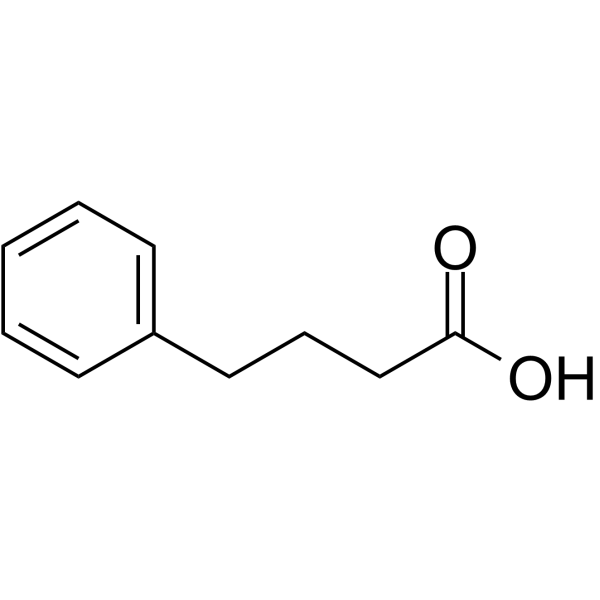
  • HY-A0281
    4-Phenylbutyric acid
    Maximum Cited Publications
    239 Publications Verification

    4-PBA; Benzenebutyric acid

    HDAC Virus Protease Infection Cancer
    4-Phenylbutyric acid (4-PBA) is an inhibitor of HDAC and endoplasmic reticulum (ER) stress, used in cancer and infection research.
    4-Phenylbutyric acid
  • HY-13814
    PR-619
    35+ Cited Publications

    Deubiquitinase Autophagy Apoptosis Cancer
    PR-619 is a broad-range and reversible DUB inhibitor with EC50s of 3.93, 4.9, 6.86, 7.2, and 8.61 μM for USP4, USP8, USP7, USP2, and USP5, respectively. PR-619 induces ER Stress and ER-Stress related apoptosis .
    PR-619
  • HY-13433
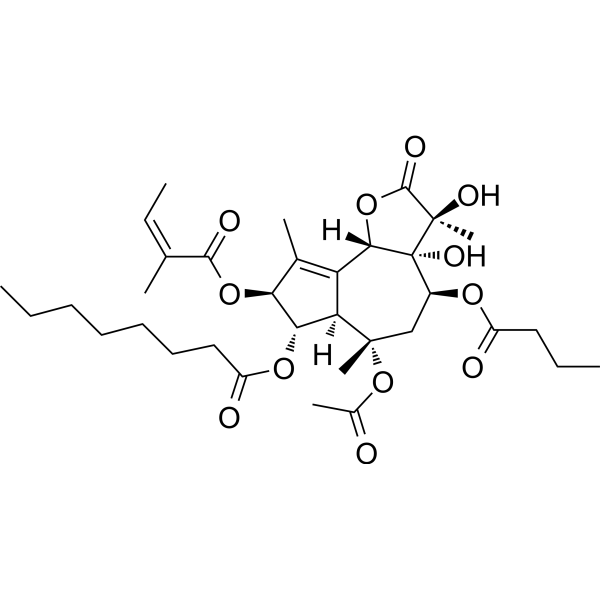
    Thapsigargin
    135+ Cited Publications

    Calcium Channel SARS-CoV Apoptosis Infection Cancer
    Thapsigargin, an endoplasmic reticulum (ER) stress inducer, is an inhibitor of microsomal Ca 2+-ATPase. Thapsigargin efficiently inhibits coronavirus (HCoV-229E, MERS-CoV, SARS-CoV-2) replication in different cell types .
    Thapsigargin
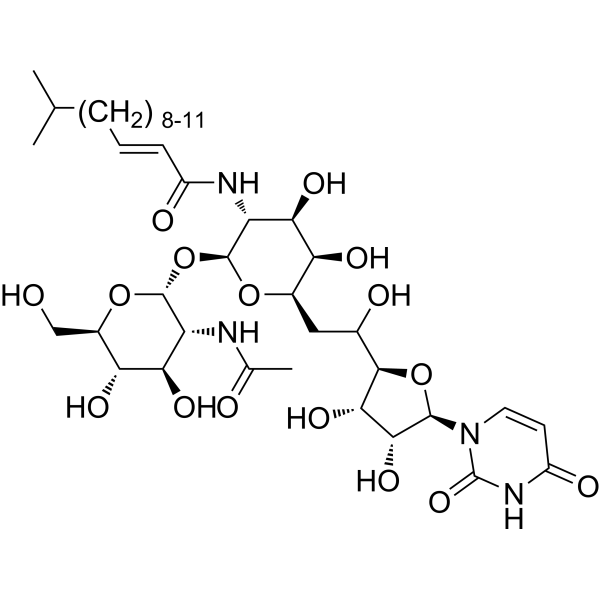
  • HY-A0098
    Tunicamycin
    Maximum Cited Publications
    155 Publications Verification

    Antibiotic Influenza Virus Fungal Bacterial Aminotransferases (Transaminases) Exosomes Infection Inflammation/Immunology Cancer
    Tunicamycin is a mixture of homologous nucleoside antibiotic that inhibits N-linked glycosylation and blocks GlcNAc phosphotransferase (GPT). Tunicamycin causes accumulation of unfolded proteins in cell endoplasmic reticulum (ER) and induces ER stress, and causes blocking of DNA synthesis and cell cycle arrest in G1 phase. Tunicamycin inhibits gram-positive bacteria, yeasts, fungi, and viruses and has anti-cancer activity .Tunicamycin increases exosome release in cervical cancer cells .
    Tunicamycin
  • HY-19696
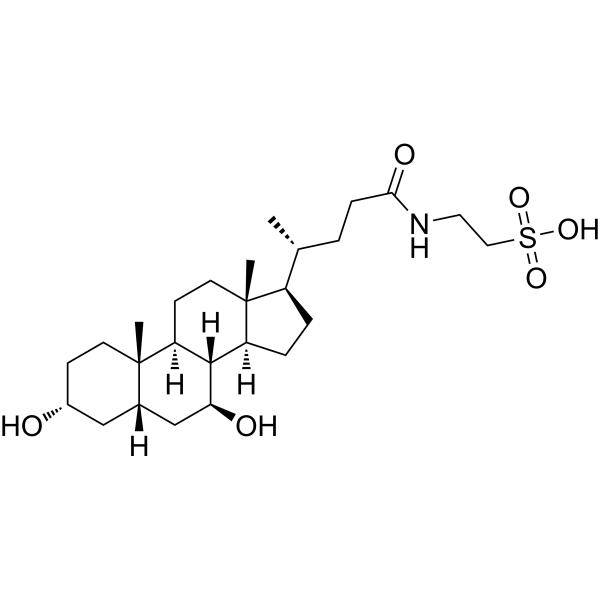
    Tauroursodeoxycholate
    100+ Cited Publications

    Tauroursodeoxycholic acid; TUDCA; UR 906

    ERK Caspase Endogenous Metabolite Apoptosis Cancer
    Tauroursodeoxycholate (Tauroursodeoxycholic acid) is an orally active endoplasmic reticulum (ER) stress inhibitor. Tauroursodeoxycholate significantly reduces expression of apoptosis molecules, such as caspase-3 and caspase-12. Tauroursodeoxycholate also inhibits ERK .
    Tauroursodeoxycholate
  • HY-100487
    TAK-243
    80+ Cited Publications

    MLN7243

    E1/E2/E3 Enzyme NF-κB Apoptosis Cancer
    TAK-243 (MLN7243) is a first-in-class, selective ubiquitin activating enzyme, UAE (UBA1) inhibitor (IC50=1 nM), which blocks ubiquitin conjugation, disrupting monoubiquitin signaling as well as global protein ubiquitination. TAK-243 (MLN7243) induces endoplasmic reticulum (ER) stress, abrogates NF-κB pathway activation and promotes apoptosis .
    TAK-243
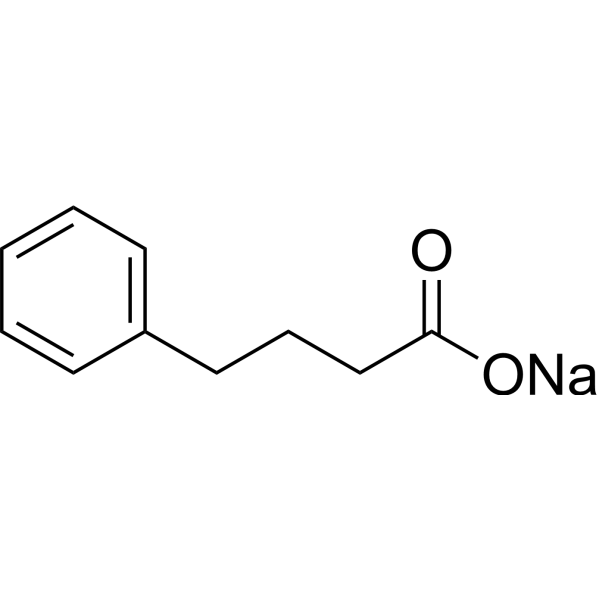
  • HY-15654
    Sodium 4-phenylbutyrate
    Maximum Cited Publications
    239 Publications Verification

    4-PBA sodium; 4-Phenylbutyric acid sodium; Benzenebutyric acid sodium

    HDAC Autophagy Apoptosis Cancer
    Sodium 4-phenylbutyrate (4-PBA sodium) is an inhibitor of HDAC and endoplasmic reticulum (ER) stress, used in cancer and infection research .
    Sodium 4-phenylbutyrate
  • HY-19696A
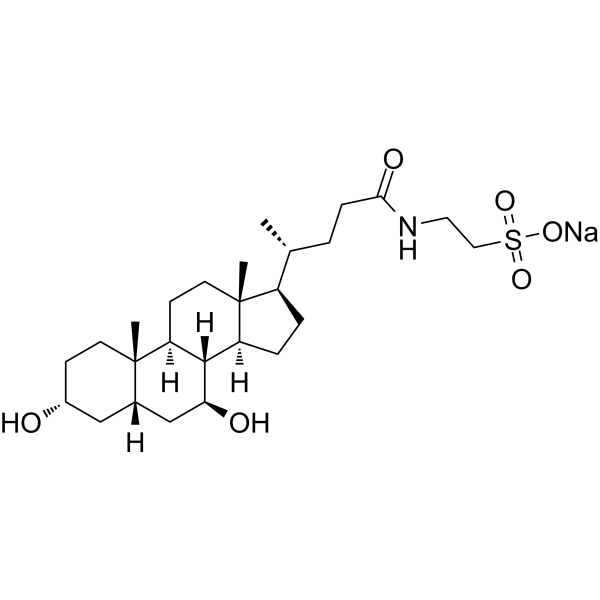
    Tauroursodeoxycholate sodium
    100+ Cited Publications

    Tauroursodeoxycholic acid sodium; TUDCA sodium; UR 906 sodium

    ERK Caspase Apoptosis Endogenous Metabolite Cancer
    Tauroursodeoxycholate (Tauroursodeoxycholic acid; TUDCA) sodium is an endoplasmic reticulum (ER) stress inhibitor. Tauroursodeoxycholate significantly reduces expression of apoptosis molecules, such as caspase-3 and caspase-12. Tauroursodeoxycholate also inhibits ERK.
    Tauroursodeoxycholate sodium
  • HY-N0120A
    Polydatin
    10+ Cited Publications

    Piceid

    Autophagy Apoptosis Mitophagy Inflammation/Immunology Cancer
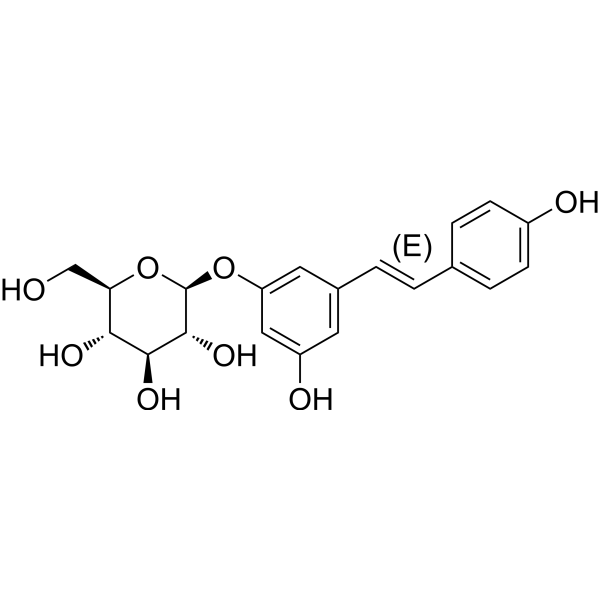
    Polydatin (Piceid), extracted from the roots of Reynoutria japonica, a widely used traditional Chinese remedies, possesses anti-inflammatory activity in several experimental models. Polydatin (Piceid) inhibits G6PD and induces oxidative and ER stresses.
    Polydatin
  • HY-N0492
    α-Lipoic Acid
    10+ Cited Publications

    Thioctic acid; (±)-α-Lipoic acid; DL-α-Lipoic acid

    NF-κB HIV Mitochondrial Metabolism Endogenous Metabolite Apoptosis Infection Inflammation/Immunology Cancer
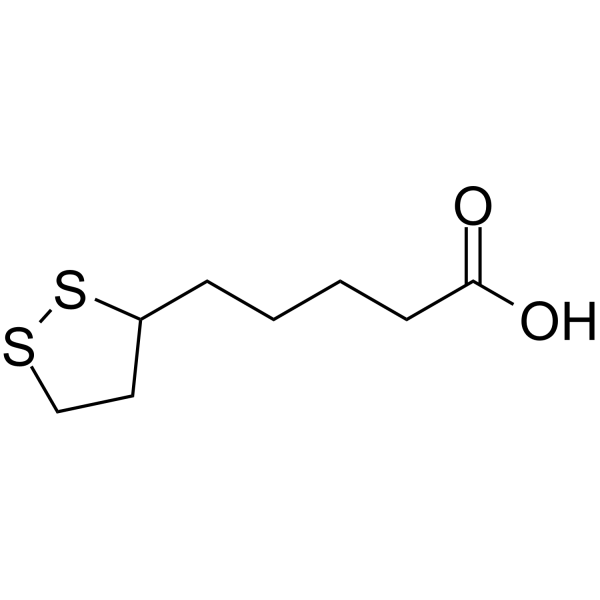
    α-Lipoic Acid (Thioctic acid) is an antioxidant, which is an essential cofactor of mitochondrial enzyme complexes. α-Lipoic Acid inhibits NF-κB-dependent HIV-1 LTR activation . α-Lipoic Acid induces endoplasmic reticulum (ER) stress-mediated apoptosis in hepatoma cells . α-Lipoic Acid can be used with CPUL1 (HY-151802) to construct the self-assembled nanoaggregate CPUL1-LA NA, which has improved antitumor efficacy than CPUL1 .
    α-Lipoic Acid
  • HY-N0139
    Troxerutin
    3 Publications Verification

    Trihydroxyethylrutin

    NOD-like Receptor (NLR) Neurological Disease Metabolic Disease Inflammation/Immunology Cancer
    Troxerutin, also known as vitamin P4, is a tri-hydroxyethylated derivative of natural bioflavonoid rutins which can inhibit the production of reactive oxygen species (ROS) and depress ER stress-mediated NOD activation.
    Troxerutin
  • HY-108434
    Ceapin-A7
    20+ Cited Publications

    ATF6 Neurological Disease Metabolic Disease
    Ceapin-A7 is a selective blocker of ATF6α signaling in response to ER stress, with an IC50 of 0.59 μM. Ceapin-A7 can be used to explore both the mechanism of activation of ATF6α and its role in pathological settings .
    Ceapin-A7
  • HY-N0492A
    α-Lipoic Acid sodium
    10+ Cited Publications

    Thioctic acid sodium; (±)-α-Lipoic acid sodium; DL-α-Lipoic acid sodium

    NF-κB HIV Mitochondrial Metabolism Endogenous Metabolite Apoptosis Infection Inflammation/Immunology Cancer
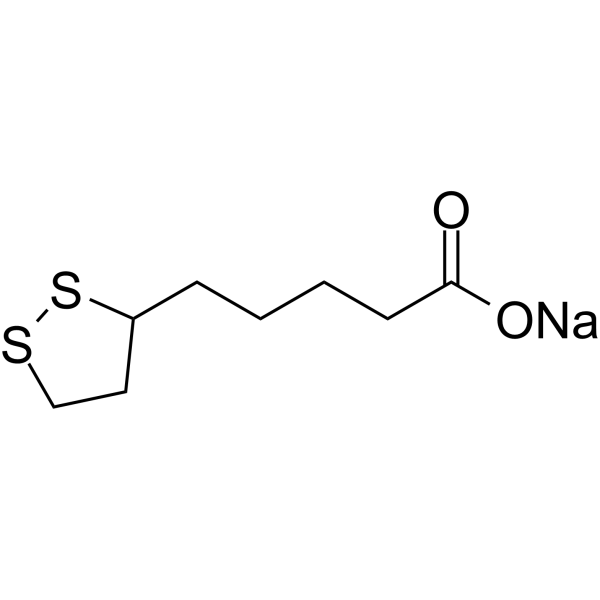
    α-Lipoic Acid (Thioctic acid) sodium is an antioxidant, which is an essential cofactor of mitochondrial enzyme complexes. α-Lipoic Acid sodium inhibits NF-κB-dependent HIV-1 LTR activation . α-Lipoic Acid sodium induces endoplasmic reticulum (ER) stress-mediated apoptosis in hepatoma cells . α-Lipoic Acid sodium can be used with CPUL1 (HY-151802) to construct the self-assembled nanoaggregate CPUL1-LA NA, which has improved antitumor efficacy than CPUL1 .
    α-Lipoic Acid sodium
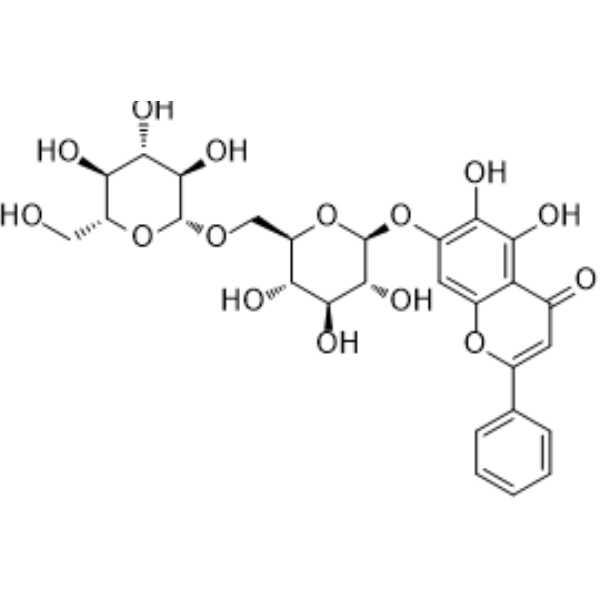
  • HY-N1435
    Oroxin B
    5 Publications Verification

    Apoptosis PI3K PTEN Autophagy Neurological Disease Metabolic Disease Inflammation/Immunology Cancer
    Oroxin B (OB) is a BBB-permeable flavonoid isolated from traditional Chinese herbal medicine Oroxylum indicum (L.) Vent. Oroxin B (OB) possesses obvious inhibitory effect and induces early apoptosis rather than late apoptosis on liver cancer cells through upregulation of PTEN, down regulation of COX-2, VEGF, PI3K, and p-AKT. Oroxin B (OB) selectively induces tumor-suppressive ER stress in malignant lymphoma cells .
    Oroxin B
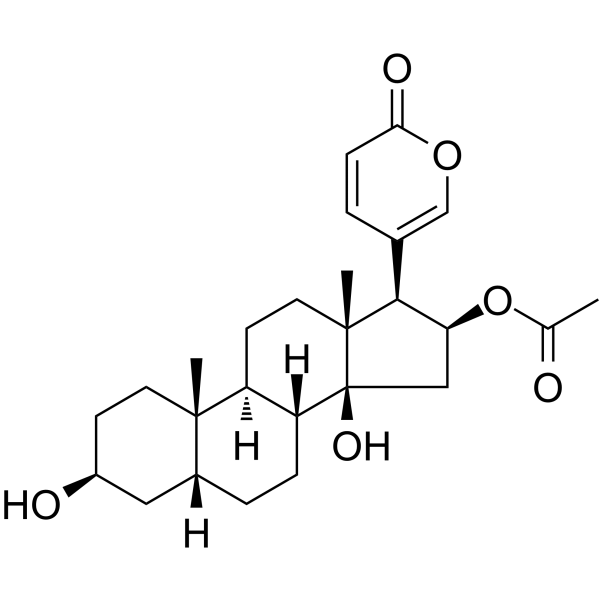
  • HY-N0878
    Bufotalin
    4 Publications Verification

    Apoptosis Reactive Oxygen Species (ROS) Cancer
    Bufotalin is a steroid lactone isolated from Venenum Bufonis with potently antitumor activities. Bufotalin induces cancer cell apoptosis and also induces endoplasmic reticulum (ER) stress activation .
    Bufotalin
  • HY-B0852
    Tebuconazole
    3 Publications Verification

    Environmental Pollutants Apoptosis Cytochrome P450 Fungal Infection
    Tebuconazole is an orally active agricultural azole fungicide which can also inhibit CYP51 with IC50s of 0.9 and 1.3 μM for Candida albicans CYP51 (CaCYP51) and truncated Homo sapiens CYP51 (Δ60HsCYP51), respectively. Tebuconazole induces lipid accumulation and oxidative stress in HepG2 Cells. Tebuconazole decreases MAC-T cells viability and proliferation, induces ER-stress-mediated apoptosis and increases oxidative stress levels in MAC-T cells .
    Tebuconazole
  • HY-18705
    Azoramide
    5+ Cited Publications

    Apoptosis Reactive Oxygen Species (ROS) Caspase Bcl-2 Family Mitochondrial Metabolism Endocrinology
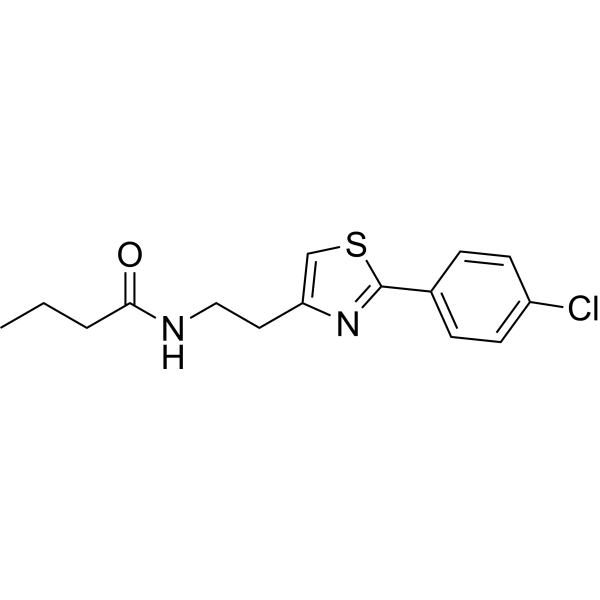
    Azoramide is a potent, orally active small-molecule modulator of the unfolded protein response (UPR). Azoramide improves ER protein folding and elevates ER chaperone capacity, which together protects cells against ER stress. Azoramide alleviates PLA2G6 mutant-induced ER stress through modulating unfolded protein response, and enhances the CERB signaling to rescue mitochondrial function, thereby preventing apoptosis of DA neurons. Azoramide has antidiabetic activity .
    Azoramide
  • HY-110188
    BiP inducer X
    5+ Cited Publications

    Apoptosis Neurological Disease
    BiP inducer X, a selective inducer of immunoglobulin heavy chain binding protein (BiP)/GRP78, is an effective ER (endoplasmic reticulum) stress inhibitor. BiP inducer X preferentially induces BiP with slight inductions of GRP94, calreticulin, and C/EBP homologous protein. BiP inducer X protects neurons from ER stress .
    BiP inducer X
  • HY-114395
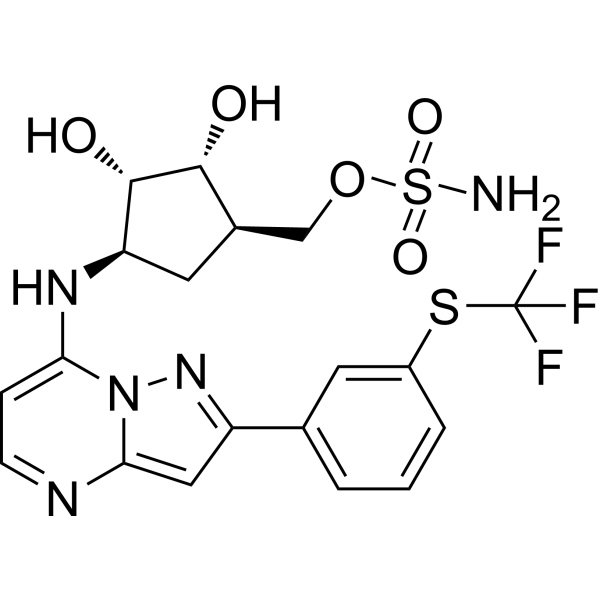
    NVS-ZP7-4
    5+ Cited Publications

    Ferroptosis SLC39 (Zinc Transporter) Inflammation/Immunology
    NVS-ZP7-4 is an inhibitor of the zinc transporter SLC39A7 (ZIP7) and indicates ER zinc levels. ZIP7 is an active molecular node in the Notch pathway and mediates ferroptosis. NVS-ZP7-4 induces ER stress and exerts a certain ferroptosis-inhibiting effect, reduces Erastin (HY-15763)-induced cell death .
    NVS-ZP7-4
  • HY-100430
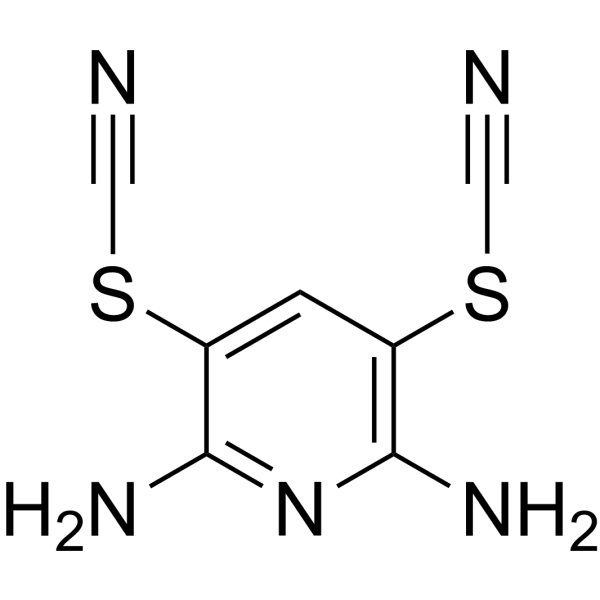
    CCF642
    1 Publications Verification

    Apoptosis PDI Cancer
    CCF642 is a potent protein disulfide isomerases (PDI) inhibitor with an IC50 of 2.9 μM. CCF642 causes acute endoplasmic reticulum (ER) stress in multiple myeloma cells accompanied by apoptosis-inducing calcium release. CCF642 has broad anti-multiple myeloma activity .
    CCF642
  • HY-138364
    YUM70
    3 Publications Verification

    HSP Apoptosis Cancer
    YUM70 is a potent and selective inhibitor of glucose-regulated protein 78 (GRP78), with an IC50 of 1.5 μM for inhibiting GRP78 ATPase activity of the full-length protein. YUM70 induces endoplasmic reticulum (ER) stress-mediated apoptosis in pancreatic cancer. YUM70 also has in vivo efficacy in a pancreatic cancer xenograft model .
    YUM70
  • HY-101906
    DC260126
    3 Publications Verification

    Free Fatty Acid Receptor Apoptosis Metabolic Disease
    DC260126 is a potent antagonist of GPR40 (FFAR1). DC260126 dose-dependently inhibits GPR40-mediated Ca 2+ elevations stimulated by linoleic acid, oleic acid, palmitoleic acid and lauric acid (IC50: 6.28, 5.96, 7.07, 4.58 μM, respectively) . DC260126 could protect MIN6 β cells from palmitate-induced ER stress and apoptosis .
    DC260126
  • HY-137207
    MK-28
    5+ Cited Publications

    PERK Neurological Disease
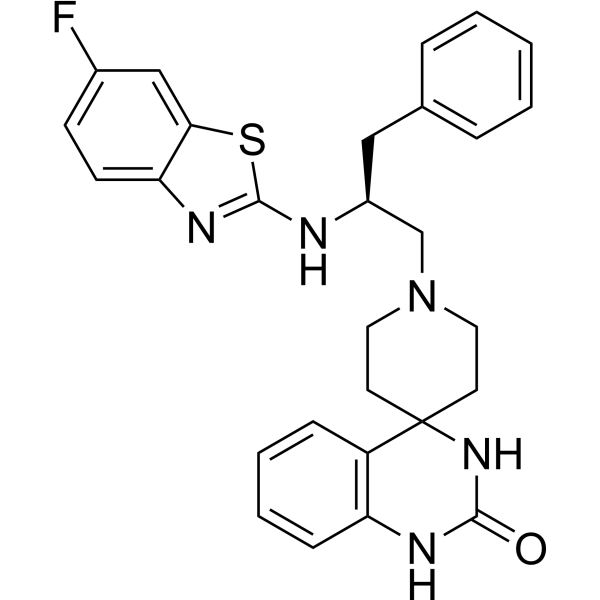
    MK-28 is a potent and selective PERK activator. MK-28 exhibits remarkable pharmacokinetic properties and high BBB penetration in mice .
    MK-28
  • HY-12724
    Guanabenz
    2 Publications Verification

    Adrenergic Receptor Parasite Cardiovascular Disease Cancer
    Guanabenz is an orally active α-2-adrenoceptor agonist. Guanabenz has antihypertensive effect and antiparasitic activity. Guanabenz interferes ER stress-signalling and has protective effects in cardiac myocytes. Guanabenz also is used for the research of high blood pressure .
    Guanabenz
  • HY-19934

    TAS-117

    Akt Apoptosis Autophagy Cancer
    Pifusertib (TAS-117) is a potent, selective, orally active allosteric Akt inhibitor (with IC50s of 4.8, 1.6, and 44 nM for Akt1, 2, and 3, respectively). Pifusertib triggers anti-myeloma activities and enhances fatal endoplasmic reticulum (ER) stress induced by proteasome inhibition. Pifusertib induces apoptosis and autophagy .
    Pifusertib
  • HY-19625

    Reactive Oxygen Species (ROS) Paraptosis Cancer
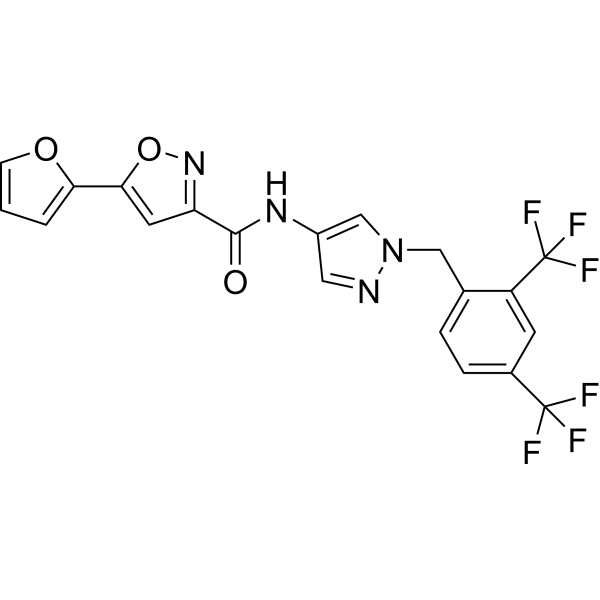
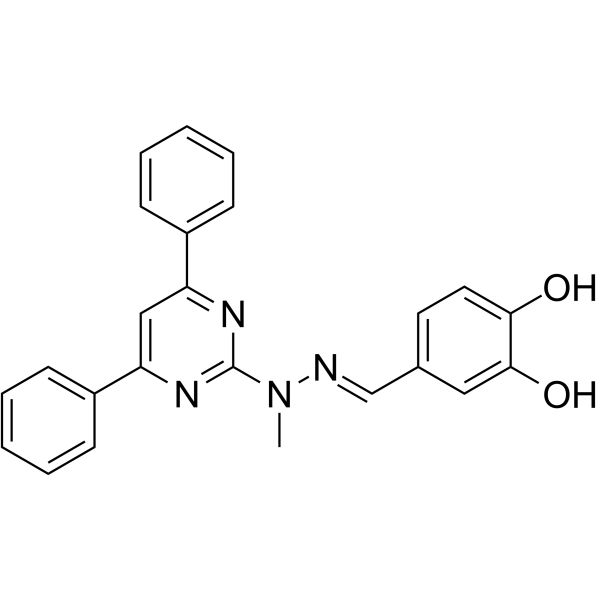
    MCB-613 is a potent Steroid receptor coactivator SRC small molecule ‘stimulator’ (SMS), super-stimulates SRCs’ transcriptional activity. MCB-613 increases SRCs’ interactions with other coactivators and markedly induces ER stress coupled to the generation of reactive oxygen species (ROS). MCB-613 is a SMS that target oncogenes can be exploited as anti-cancer agents by over-stimulating the SRC oncogenic program .
    MCB-613
  • HY-N2025
    Oroxin A
    4 Publications Verification

    PPAR Glycosidase Metabolic Disease
    Oroxin A is the major component of an ethanol-water Oroxylum indicum (L.) Kurz (Bignoniaceae) seed extract (OISE). Oroxin A acts as a partial PPARγ agonist that can activate PPARγ transcriptional activation. Oroxin A activates PPARγ by docking into the PPARγ protein ligand-binding domain. Oroxin A also exhibits an inhibitory activity against α-glucosidase and an antioxidant capacity . Oroxin A exerts anti-breast cancer effects by inducing ER stress-mediated senescence .
    Oroxin A
  • HY-B1693
    Levomepromazine
    1 Publications Verification

    Methotrimeprazine

    5-HT Receptor Dopamine Receptor Histamine Receptor Autophagy Enterovirus Calcium Channel Infection Neurological Disease Inflammation/Immunology
    Levomepromazine (Methotrimeprazine) is an orally active antipsychotic compound and Ca 2+ release inducer. Levomepromazine inhibits SERCA pump and induces an increase in cytoplasmic Ca 2+ levels. Levomepromazine has antagonistic effects on a variety of neurotransmitter receptors, including dopamine, cholinergic, serotonin, and histamine receptors. Levomepromazine can induce adaptive ER stress and autophagy. In addition, Levomepromazine has antiviral, anti-inflammatory, neuroprotective and analgesic, sedative and anti-injurious activities. Levomepromazine can be used in the study psychiatric disorders and relieving nausea and vomiting .
    Levomepromazine
  • HY-13467
    AM-1638
    3 Publications Verification

    Free Fatty Acid Receptor Metabolic Disease
    AM-1638 is an orally active full agonist of GPR40 (EC50: 0.16 μM). AM-1638 increases the expression of antioxidant molecules (HO-1 and NQO-1). AM1638 blocks Palmitate (HY-N0830)-mediated superoxide production and ER stress. AM-1638 has antidiabetic activity and improves glycemic control in BDF mice with diet-induced obesity (DIO). AM-1638 demonstrates excellent oral bioavailability (mouse, >100%; rat, 72%; and cyno, 71%) .
    AM-1638
  • HY-136528

    Deubiquitinase Apoptosis Cancer
    RA-9 is a potent and selective proteasome-associated deubiquitinating enzymes (DUBs) inhibitor with favorable toxicity profile and anticancer activity. RA-9 blocks ubiquitin-dependent protein degradation without impacting 20S proteasome proteolytic activity. RA-9 selectively induces onset of apoptosis in ovarian cancer cell lines and primary cultures derived from donors. RA-9 induces endoplasmic reticulum (ER)-stress responses in ovarian cancer cells .
    RA-9
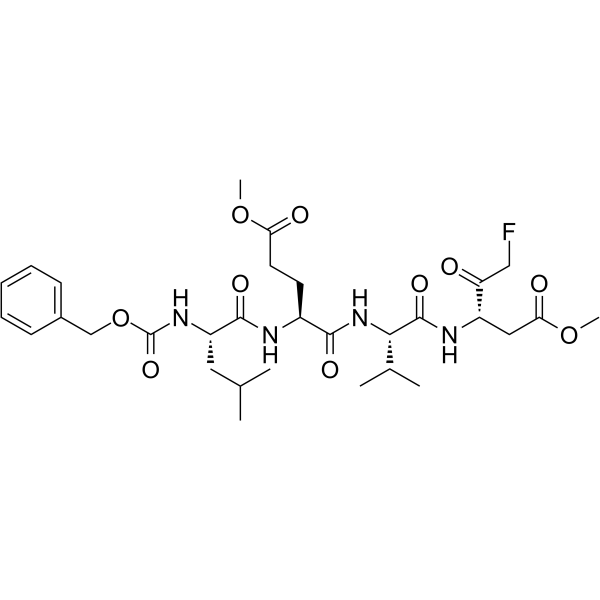
  • HY-128707
    Z-LEVD-FMK
    4 Publications Verification

    Caspase Apoptosis Cancer
    Z-LEVD-FMK is a cell-permeable caspase-4 inhibitor. Z-LEVD-FMK blocks ER stress-induced apoptosis in cancer cells .
    Z-LEVD-FMK
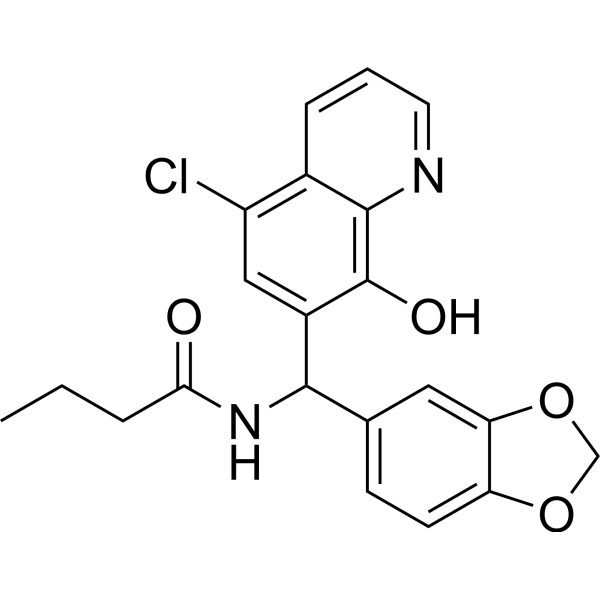
  • HY-49116

    E1/E2/E3 Enzyme Infection Inflammation/Immunology
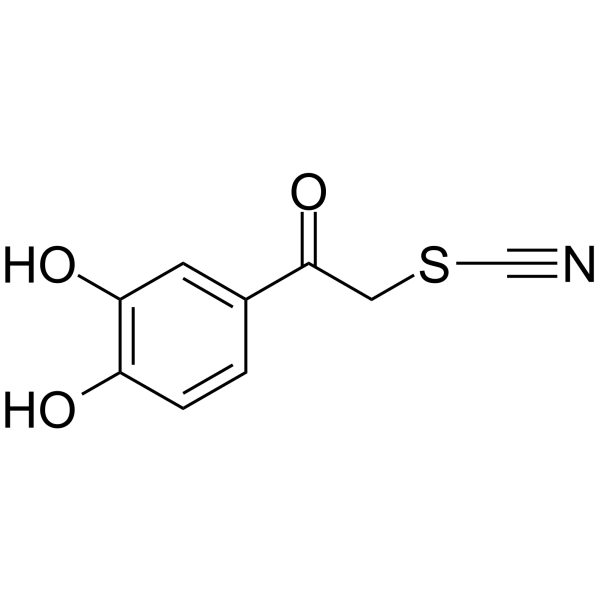
    CP26 is a small molecule inhibitor of protein dislocation from the ER lumen to the cytosol. CP26 targets the Hrd1 complex, inhibits ERAD, and induces ER stress .
    CP26
  • HY-U00141

    α-Hydroxylinoleic acid

    Autophagy Metabolic Disease Cancer
    ABTL-0812 (α-Hydroxylinoleic acid) induces endoplasmic reticulum (ER) stress-mediated autophagy. ABTL-0812 is a first-in-class small molecule with anti-cancer activity .
    ABTL-0812
  • HY-B0862

    Environmental Pollutants Herbicide Apoptosis Bcl-2 Family Caspase SOD Mitochondrial Metabolism Others
    Pendimethalin is an orally active herbicide that controls annual grasses and certain broadleaf weeds. Pendimethalin induces Apoptotic cell death through activating ER stress-mediated mitochondrial dysfunction in human umbilical vein endothelial cells .
    Pendimethalin
  • HY-12724A

    Parasite Adrenergic Receptor Cardiovascular Disease Cancer
    Guanabenz hydrochloride is an orally active α-2-adrenoceptor agonist. Guanabenz hydrochloride has antihypertensive effect and antiparasitic activity. Guanabenz hydrochloride interferes ER stress-signalling and has protective effects in cardiac myocytes. Guanabenz hydrochloride also is used for the research of high blood pressure .
    Guanabenz hydrochloride
  • HY-19934A

    TAS-117 hydrochloride

    Akt Apoptosis Autophagy Cancer
    Pifusertib (TAS-117) hydrochloride is a potent, selective, orally active allosteric Akt inhibitor (with IC50s of 4.8, 1.6, and 44 nM for Akt1, 2, and 3, respectively). Pifusertib hydrochloride triggers anti-myeloma activities and enhances fatal endoplasmic reticulum (ER) stress induced by proteasome inhibition. Pifusertib hydrochloride induces apoptosis and autophagy .
    Pifusertib hydrochloride
  • HY-N0492S

    Thioctic acid-d5; (±)-α-Lipoic acid-d5; DL-α-Lipoic acid-d5

    Isotope-Labeled Compounds NF-κB HIV Mitochondrial Metabolism Endogenous Metabolite Apoptosis Infection Inflammation/Immunology Cancer
    α-Lipoic Acid-d5 is the deuterium labeled α-Lipoic Acid. α-Lipoic Acid is an antioxidant, which is an essential cofactor of mitochondrial enzyme complexes. α-Lipoic Acid inhibits NF-κB-dependent HIV-1 LTR activation . α-Lipoic Acid induces endoplasmic reticulum (ER) stress-mediated apoptosis in hepatoma cells .
    α-Lipoic Acid-d5
  • HY-15654S

    4-PBA-d11 sodium; 4-Phenylbutyric acid-d11 sodium; Benzenebutyric acid-d11 sodium

    Isotope-Labeled Compounds HDAC Autophagy Apoptosis Cancer
    Phenylbutyrate-d11 (sodium) is deuterium labeled Sodium 4-phenylbutyrate. Sodium 4-phenylbutyrate (4-PBA sodium) is an inhibitor of HDAC and endoplasmic reticulum (ER) stress, used in cancer and infection research .
    Phenylbutyrate-d11 sodium
  • HY-148755

    Lipase Cancer
    ERX-41 is an orally active and stereospecific small molecule targeting to lysosomal acid lipase A (LIPA). ERX-41 induces endoplasmic reticulum (ER) stress resulting in cell death, indicating a function independent of LIPA but dependent on its ER localization. ERX-41 involves in a targeted strategy for solid tumors .
    ERX-41
  • HY-136735

    IRE1 Neurological Disease Cancer
    IRE1α kinase-IN-1 is a highly selective IRE1α (ERN1) inhibitor, with an IC50 of 77 nM. IRE1α kinase-IN-1 displays 100-fold selectivity for IRE1α over the IRE1β isoform. IRE1α kinase-IN-1 inhibits ER stress-induced IRE1α oligomerization and autophosphorylation, and also inhibits IRE1α RNase activity (IC50=80 nM) .
    IRE1α kinase-IN-1
  • HY-A0281S

    4-PBA-d11; Benzenebutyric acid-d11

    HDAC Virus Protease Infection Cancer
    4-Phenylbutyric acid-d11 is the deuterium labeled 4-Phenylbutyric acid. 4-Phenylbutyric acid (4-PBA) is an inhibitor of HDAC and endoplasmic reticulum (ER) stress, used in cancer and infection research.
    4-Phenylbutyric acid-d11
  • HY-153202

    MDM-2/p53 Apoptosis Cancer
    SLMP53-2 is a mutant p53 reactivator. SLMP53-2 restores wild-type-like conformation and DNA-binding ability of mutp53-Y220C by enhancing its interaction with the Hsp70, leading to the reestablishment of p53 transcriptional activity. SLMP53-2 can induce cell cycle arrest, apoptosis and endoplasmic reticulum (ER) stress. SLMP53-2 exhibits antitumor activity .
    SLMP53-2
  • HY-N1260

    (-)-Scutebarbatine A

    Apoptosis Cancer
    Scutebarbatine A inhibits the proliferation of HCC cells and triggers their apoptosis via the activation of MAPK and ER stress .
    Scutebarbatine A
  • HY-19696S1

    Tauroursodeoxycholic acid-d4; TUDCA-d4; UR 906-d4

    Isotope-Labeled Compounds ERK Caspase Endogenous Metabolite Apoptosis Cancer
    Tauroursodeoxycholate-d4 is deuterium labeled Tauroursodeoxycholate. Tauroursodeoxycholate (Tauroursodeoxycholic acid) is an endoplasmic reticulum (ER) stress inhibitor. Tauroursodeoxycholate significantly reduces expression of apoptosis molecules, such as caspase-3 and caspase-12. Tauroursodeoxycholate also inhibits ERK.
    Tauroursodeoxycholate-d4
  • HY-19696AS

    Tauroursodeoxycholic acid-d4 sodium; TUDCA-d4 sodium; UR 906-d4 sodium

    Isotope-Labeled Compounds ERK Caspase Apoptosis Endogenous Metabolite Cancer
    Tauroursodeoxycholate-d4 (sodium) is the deuterium labeled Tauroursodeoxycholate sodium. Tauroursodeoxycholate (Tauroursodeoxycholic acid; TUDCA) sodium is an endoplasmic reticulum (ER) stress inhibitor. Tauroursodeoxycholate significantly reduces expression of apoptosis molecules, such as caspase-3 and caspase-12. Tauroursodeoxycholate also inhibits ERK.
    Tauroursodeoxycholate-d4 sodium
  • HY-19696R

    Tauroursodeoxycholic acid (Standard); TUDCA (Standard); UR 906 (Standard)

    Reference Standards ERK Caspase Endogenous Metabolite Apoptosis Cancer
    Tauroursodeoxycholate (Standard) is the analytical standard of Tauroursodeoxycholate. This product is intended for research and analytical applications. Tauroursodeoxycholate (Tauroursodeoxycholic acid) is an endoplasmic reticulum (ER) stress inhibitor. Tauroursodeoxycholate significantly reduces expression of apoptosis molecules, such as caspase-3 and caspase-12. Tauroursodeoxycholate also inhibits ERK.
    Tauroursodeoxycholate (Standard)
  • HY-19696AR

    Tauroursodeoxycholic acid sodium (Standard); TUDCA sodium (Standard); UR 906 sodium (Standard)

    ERK Caspase Apoptosis Endogenous Metabolite Reference Standards Cancer
    Tauroursodeoxycholate (sodium) (Standard) is the analytical standard of Tauroursodeoxycholate (sodium). This product is intended for research and analytical applications. Tauroursodeoxycholate (Tauroursodeoxycholic acid; TUDCA) sodium is an endoplasmic reticulum (ER) stress inhibitor. Tauroursodeoxycholate significantly reduces expression of apoptosis molecules, such as caspase-3 and caspase-12. Tauroursodeoxycholate also inhibits ERK.
    Tauroursodeoxycholate sodium (Standard)
  • HY-N0120AR
    Polydatin (Standard)
    10+ Cited Publications

    Piceid (Standard)

    Reference Standards Autophagy Apoptosis Mitophagy Inflammation/Immunology Cancer
    Polydatin (Standard) is the analytical standard of Polydatin. This product is intended for research and analytical applications. Polydatin (Piceid), extracted from the roots of Reynoutria japonica, a widely used traditional Chinese remedies, possesses anti-inflammatory activity in several experimental models. Polydatin (Piceid) inhibits G6PD and induces oxidative and ER stresses.
    Polydatin (Standard)
  • HY-131688

    PARP Caspase Inflammation/Immunology
    2-Chlorohexadecanoic acid, an inflammatory lipid mediator, interferes with protein palmitoylation,induces ER-stress markers, reduced the ER ATP content, and activates transcription and secretion of IL-6 as well as IL-8.2-Chlorohexadecanoic acid disrupts the mitochondrial membrane potential and induces procaspase-3 and PARP cleavage.2-Chlorohexadecanoic acid can across blood-brain barrier (BBB) and compromises ER- and mitochondrial functions in the human brain endothelial cell line hCMEC/D3 .
    2-Chlorohexadecanoic acid
  • HY-121337

    R-40244

    Environmental Pollutants Apoptosis Bcl-2 Family Others
    Flurochloridone (R-40244) is a selective preemergence and persistent herbicide. Flurochloridone induces endoplasmic reticulum (ER) stress and activated unfolded protein response (UPR) signaling pathways. Flurochloridone impairs cell viability and induces cytotoxicity and apoptosis mediated by ER stress via activating eIF2α-ATF4/ATF6-CHOP-Bim/Bax signaling pathways in TM4 cells .
    Flurochloridone

Inquiry Online

Your information is safe with us. * Required Fields.

Salutation


Country or Region *

Applicant Name *


Organization Name *

Department *


Email Address *


Product Name *

Cat. No.


Requested quantity *

Phone Number *


Remarks

Inquiry Online

Inquiry Information

Product Name:
Cat. No.:
Quantity:
MCE Japan Authorized Agent:

