1. Search Result
Search Result
Results for "

FtsZ

" in MedChemExpress (MCE) Product Catalog:

37

Inhibitors & Agonists

1

Biochemical Assay Reagents

1

Peptides

3

Natural
Products

1

Recombinant Proteins

Cat. No. Product Name Target Research Areas Chemical Structure
  • HY-146331

    Bacterial Infection
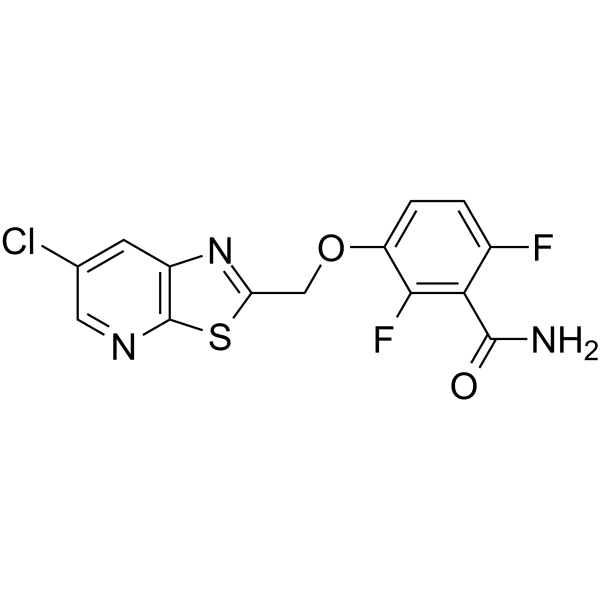
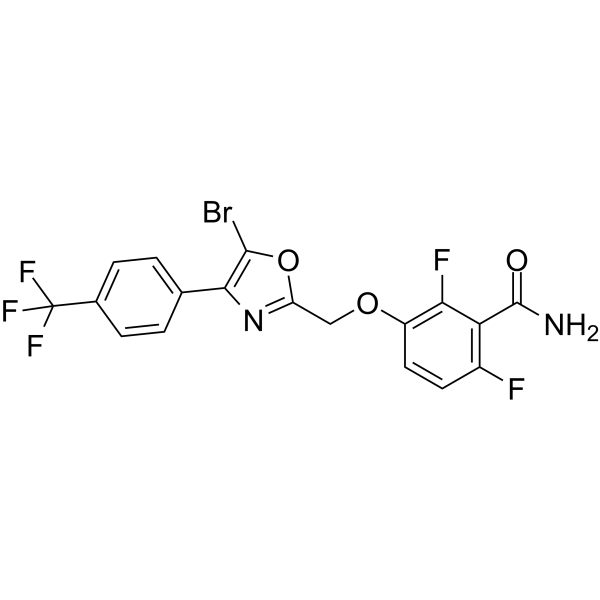
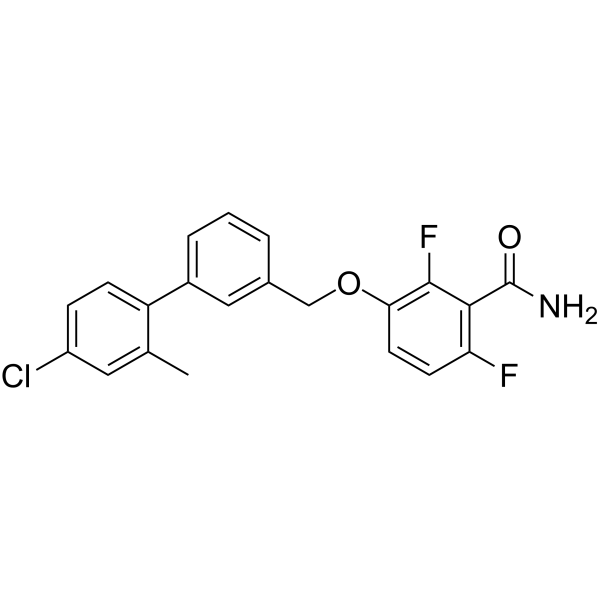
    PC190723 is a bacterial cell division protein FtsZ inhibitor (IC50 = 55 nM). PC 190723 prevents cell division. PC190723 has potent and selective bactericidal activity against staphylococci, including methicillin- and multi-drug-resistant Staphylococcus aureus. PC190723 induces nucleated assembly of Bs-FtsZ into single-stranded coiled protofilaments and polymorphic condensates. PC190723 can be studied in anti-bacterial infection research .
    PC190723
  • HY-N0616

    Tyrosinase TNF Receptor Bacterial Apoptosis Autophagy AMPK mTOR ERK NF-κB Infection Metabolic Disease Inflammation/Immunology Cancer
    Trifolirhizin is a pterocarpan flavonoid found in the roots of Sophora flavescens. Trifolirhizin is a tyrosinase inhibitor with an IC50 value of 506.77 μM. Trifolirhizin reduces intracellular melanin production and modulates multiple signaling pathways including NFκB-MAPK, AMPK/mTOR, PI3K/Akt, MAPK-NFATc1 and EGFR-MAPK. Trifolirhizin targets biological molecules including PTK6 and COX-2, inhibits the activities of hyaluronidase, collagenase and elastase, induces apoptosis, autophagy and cell cycle arrest, and suppresses the proliferation, migration and invasion of cancer cells. Trifolirhizin exerts diverse pharmacological effects including anti-inflammatory, anti-asthmatic, bone-protective, renoprotective, antibacterial, antifungal, hepatoprotective, antiplatelet, estrogenic and wound-healing activities. Trifolirhizin can be used to investigate a broad range of malignant, inflammatory, metabolic and infectious disorders .
    Trifolirhizin
  • HY-153695

    Bacterial Infection
    TXA707 is an FtsZ-targeting antibacterial agent. TXA707 disrupts bacterial septum formation, induces cell enlargement, causes penicillin-binding protein mislocalization, and triggers cell lysis in Staphylococcus aureus cells. TXA707 can be used for the research of Staphylococcus aureus infections .
    TXA707
  • HY-121497
    3-Methoxybenzamide
    1 Publications Verification

    3-MBA

    PARP Bacterial Cancer
    3-Methoxybenzamide (3-MBA), an inhibitor of ADP-ribosyltransferase (ADPRTs) and PARP, inhibits cell division in Bacillus subtilis, leading to filamentation and eventually lysis of cells . 3-Methoxybenzamide (3-MBA) enhances in vitro plant growth, microtuberization, and transformation efficiency of blue potato (Solanum tuberosum L. subsp. andigenum) .
    3-Methoxybenzamide
  • HY-110354
    UCM05
    2 Publications Verification

    G28UCM

    Fatty Acid Synthase (FASN) Bacterial Infection
    UCM05 (G28UCM) is a fatty acid synthase (FASN) and filamentous temperature-sensitive protein Z (Ftsz) inhibitor. UCM05 inhibits fatty acid synthesis, viral replication, and Gram-positive bacterial growth. UCM05 binds to FtsZ GTP-binding sites, inhibits GTPase activity, and disrupts Z-ring localization. UCM05 can be used for the research of HSV-1/2 infection, HIV-1 infection, and Gram-positive bacterial infections[1][2][3].
    UCM05
  • HY-N2567

    (±)-Aegelinol; (±)-Smyrinol

    Bacterial Infection Cancer
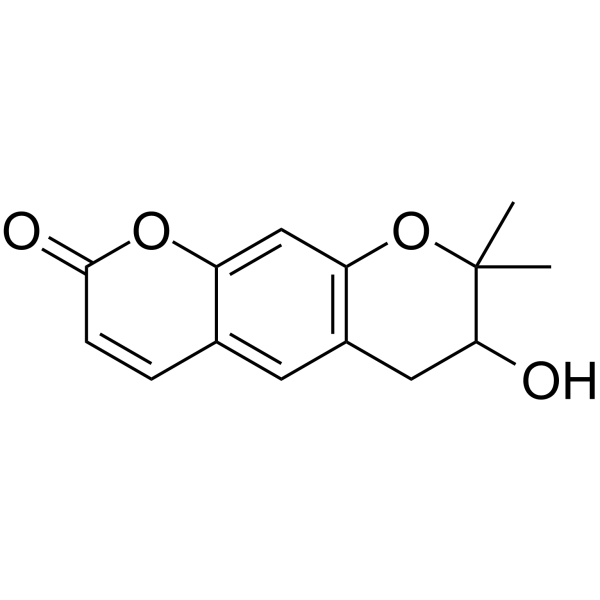
    (±)-Decursinol is a potent FtsZ inhibitor. (±)-Decursinol inhibits B. anthracis FtsZ polymerization with an IC50 of 102 μM .
    (±)-Decursinol
  • HY-40181

    Drug Intermediate Infection
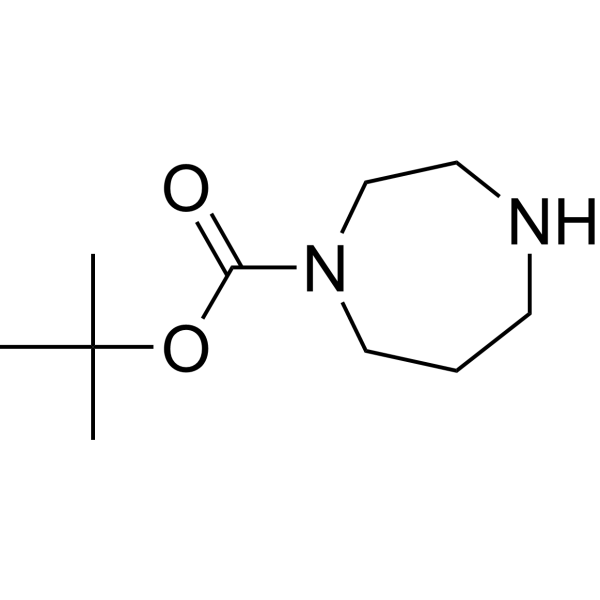
    1-Boc-homopiperazine is a drug intermediate that can be used for the synthesis of bacterial FtsZ inhibitors .
    1-Boc-homopiperazine
  • HY-149734

    Bacterial Infection
    MA220607 is a FtsZ protein inhibitor with activity against both Gram-positive and Gram-negative bacteria. MA220607 inhibits bacterial growth and shows low bacterial resistance frequency. MA220607 increases bacterial membrane permeability and alters proton gradients. MA220607 blocks the formation of bacterial biofilms. MA220607 can be used in studies of bacterial infections .
    MA220607
  • HY-150699

    Bacterial Infection
    TXA6101 is a bacterial protein FtsZ (filamentous temperature-sensitive protein Z) inhibitor that inhibits bacterial division. TXA6101 has antimicrobial activity against MRSA isolates expressing either the G193D or G196S mutant FtsZ with the MIC value of 1 μg/mL, retains significant activity against the TXA707-resistant FtsZ mutant. TXA6101 can be used as a potential method against Gram-negative bacterial infections .
    TXA6101
  • HY-186019

    Bacterial Infection
    FtsZ-IN-14 (example XI) is a filamentous temperature-sensitive protein Z (FtsZ) inhibitor. FtsZ-IN-14 can inhibit the growth of various drug-resistant bacteria in vitro and can be used to prepare antibiotics against drug-resistant bacteria .
    FtsZ-IN-14
  • HY-146330

    Bacterial Infection
    FtsZ-IN-2 (Compound 19) is an inhibitor of the bacterial cell division protein FtsZ with GTPase inhibitory activity. FtsZ-IN-2 exhibits anti-staphylococcal activity with MIC values of 2 µg/ml for MSSA and MRSA .
    FtsZ-IN-2
  • HY-173054

    Bacterial Infection
    FtsZ-IN-12 (Compound 16e) is the inhibitor for filamentous temperature-sensitive mutant Z (FtsZ) that promotes the polymerization of FtsZ protein, inhibits its GTPase activity, thereby interfering with bacterial cell division process. FtsZ-IN-12 exhibits boardspectrum antibacterial activity that inhibits B. subtilis ATCC9372, B. pumilus CMCC63202, S. aureus ATCC25923, E. coli BW25113 and A. baumannii ATCC19606 with MIC of 0.062-1 μg/mL. FtsZ-IN-12 inhibits the formation of bacterial biofilms and exhibits a clearing effect on mature biofilms. FtsZ-IN-12 exhibits bactericidal activity without hemolytic toxicity to mammalian red blood cells (15 mg/kg) .
    FtsZ-IN-12
  • HY-134274

    8-Bromoguanosine-5'-triphosphate

    Bacterial Infection
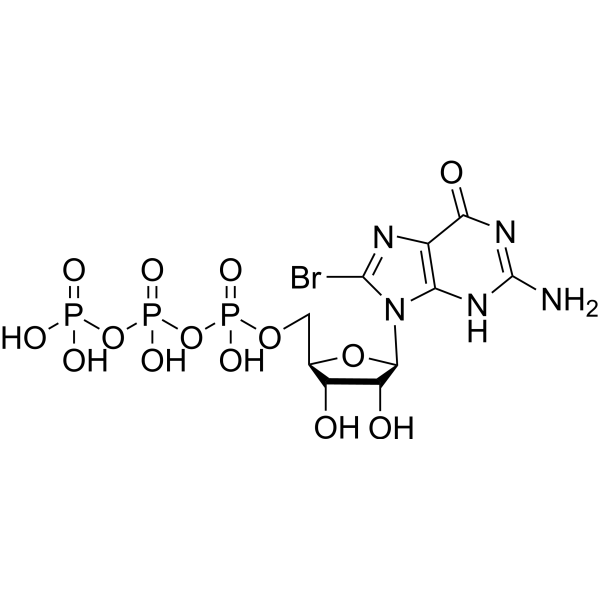
    8-Br-GTP, a GTP analog, is a competitive FtsZ polymerization and GTPase activity (Ki of 31.8 μM) inhibitor. 8-Br-GTP can be used for nucleic acid modification .
    8-Br-GTP
  • HY-149223

    Bacterial Infection
    FtsZ-IN-5 is a potent FtsZ inhibitor, to promote FtsZ polymerization and inhibit GTPase activity of FtsZ. Thus, FtsZ-IN-5 inhibits bacterial division to lead to death of bacterial cells. FtsZ-IN-5 shows bactericidal activity with no significant tendency to trigger bacterial resistance as well as rapid bactericidal properties. And FtsZ-IN-5 shows low hemolytic activity and cytotoxicity to mammalian cells .
    FtsZ-IN-5
  • HY-149226

    Bacterial Infection
    FtsZ-IN-8 is a potent FtsZ inhibitor, to promote FtsZ polymerization and inhibit GTPase activity of FtsZ. Thus, FtsZ-IN-8 inhibits bacterial division to lead to death of bacterial cells. FtsZ-IN-8 shows bactericidal activity with no significant tendency to trigger bacterial resistance as well as rapid bactericidal properties. And FtsZ-IN-8 shows low hemolytic activity and cytotoxicity to mammalian cells .
    FtsZ-IN-8
  • HY-149225

    Bacterial Infection
    FtsZ-IN-7 is a potent FtsZ inhibitor, to promote FtsZ polymerization and inhibit GTPase activity of FtsZ. Thus, FtsZ-IN-7 inhibits bacterial division to lead to death of bacterial cells. FtsZ-IN-7 shows bactericidal activity with no significant tendency to trigger bacterial resistance as well as rapid bactericidal properties. And FtsZ-IN-7 shows low hemolytic activity and cytotoxicity to mammalian cells .
    FtsZ-IN-7
  • HY-149224

    Bacterial Infection
    FtsZ-IN-6 is a potent FtsZ inhibitor, to promote FtsZ polymerization and inhibit GTPase activity of FtsZ. Thus, FtsZ-IN-6 inhibits bacterial division to lead to death of bacterial cells. FtsZ-IN-6 shows bactericidal activity with no significant tendency to trigger bacterial resistance as well as rapid bactericidal properties. And FtsZ-IN-6 shows low hemolytic activity and cytotoxicity to mammalian cells .
    FtsZ-IN-6
  • HY-W773487

    Bacterial Infection
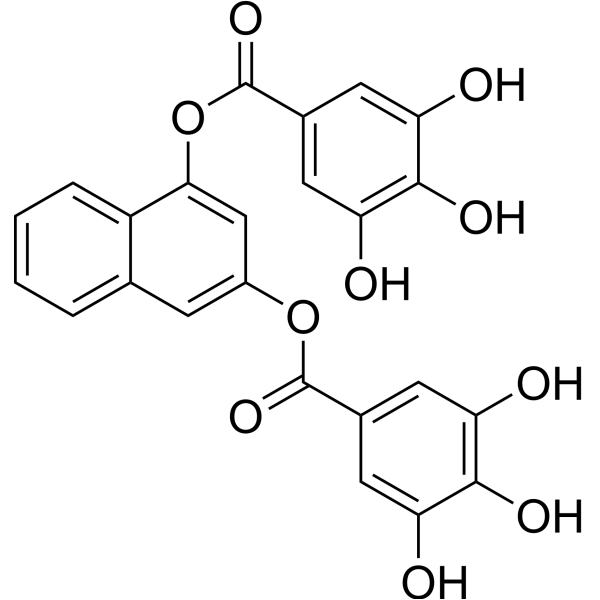
    FtsZ-IN-10 is a bacterial division inhibitor that interferes with the normal assembly of FtsZ. FtsZ-IN-10 specifically binds to Bacillus subtilis FtsZ monomers, thereby affecting their polymerization behavior. FtsZ-IN-10 may also activate nucleotide-free archaeal FtsZ to form ordered polymers. FtsZ-IN-10 can hinder the localization of FtsZ in the Z ring and inhibit bacterial cell division. Chlorinated analogs of FtsZ-IN-10 show the ability to inhibit the growth of antibiotic-resistant clinical isolates such as Staphylococcus aureus and Enterococci .
    FtsZ-IN-10
  • HY-134274A

    8-Bromoguanosine-5'-triphosphate tetrasodium

    Bacterial Metabolic Disease
    8-Br-GTP (tetrasodium) (8-Bromoguanosine-5'-triphosphate (tetrasodium)) is a derivative of the energy substrate – GTP, for protein synthesis and gluconeogenesis. 8-Br-GTP (tetrasodium) inhibits the E. coli GTPase FtsZ with a Ki of 31.8 μM. 8-Br-GTP (tetrasodium) promotes the assembly of porcine brain microtubules .
    8-Br-GTP tetrasodium
  • HY-146595

    Bacterial Infection
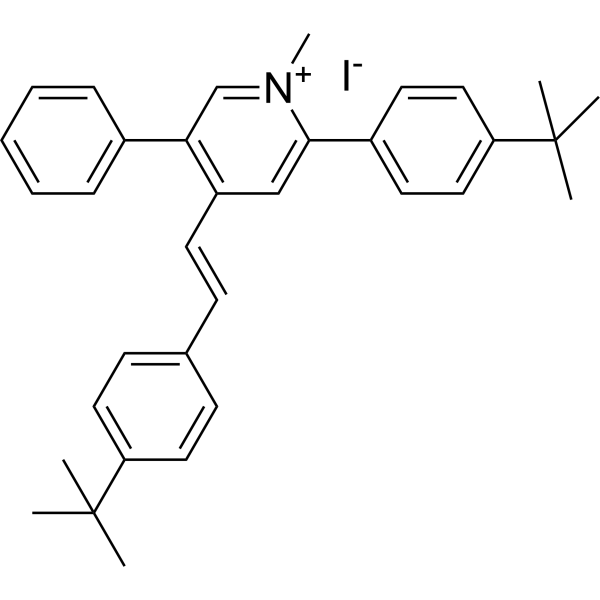
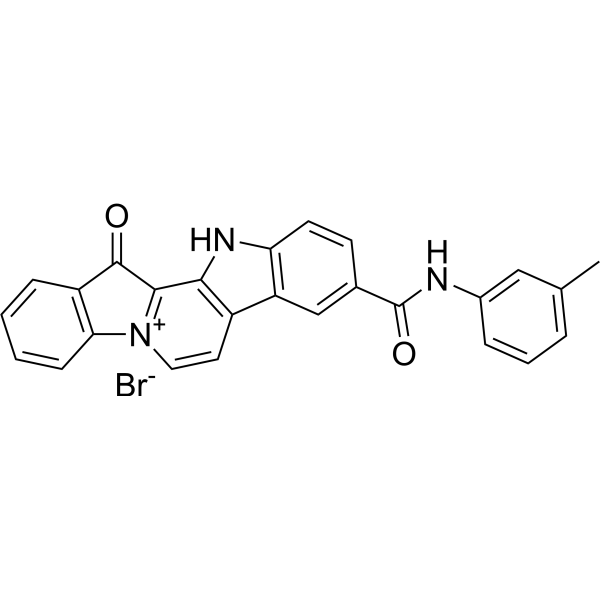
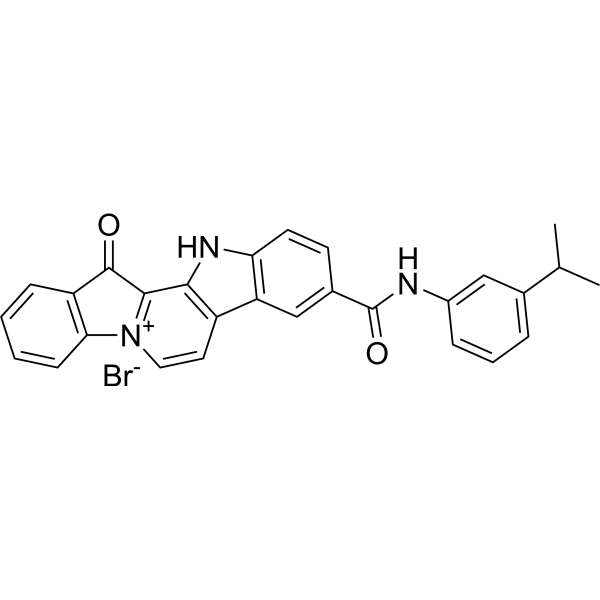
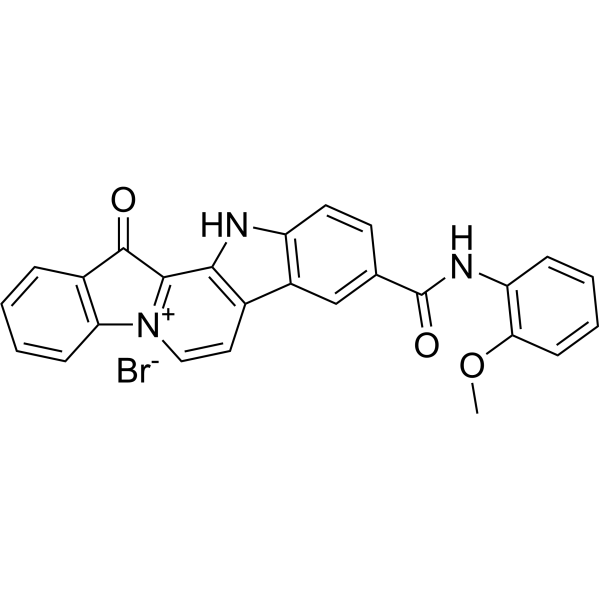
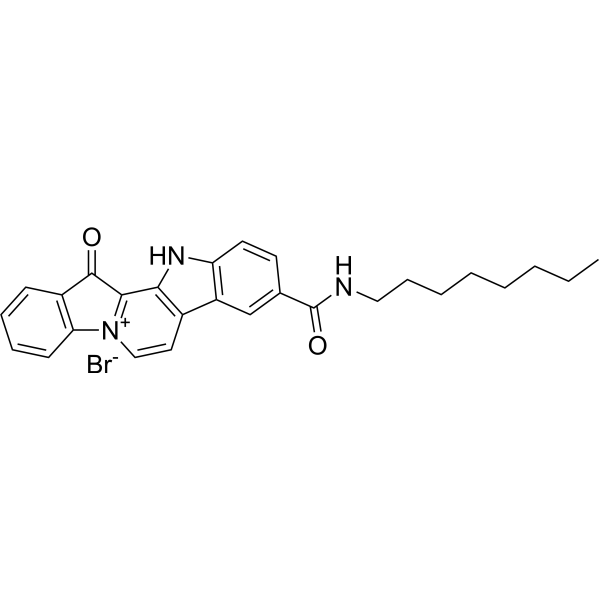
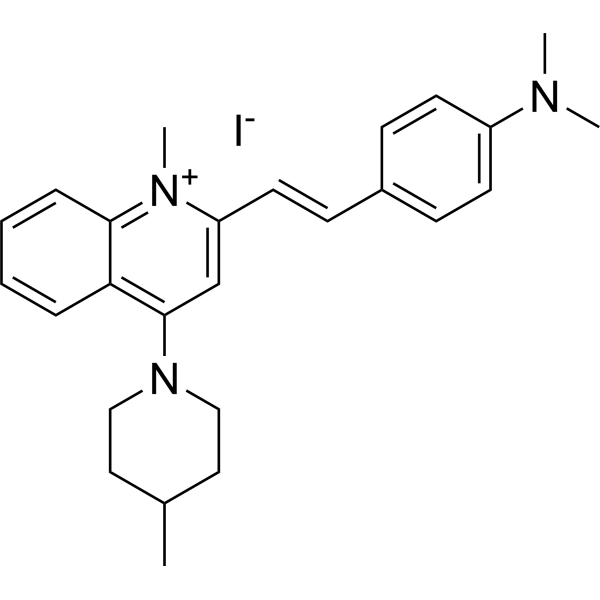
    FtsZ-IN-1 is a potent FtsZ inhibitor with quinolinium ring. FtsZ-IN-1 has stronger antibacterial activity against Gram-positive bacteria with MICs of 0.5-8 μg/mL. FtsZ-IN-1 significantly causes cell elongation of B. subtilis by enhancing FtsZ polymerization. FtsZ-IN-1 exhibits low hemolytic toxicity and low tendency to induce agent resistance. FtsZ-IN-1 has against drug-resistant bacteria activity .
    FtsZ-IN-1
  • HY-161148

    Bacterial Infection
    FtsZ-IN-9 (compound 11) is an antimicrobial agent. FtsZ-IN-9 inhibits the assembly of Mycobacterium smegmatis FtsZ (MsFtsZ)[1].
    FtsZ-IN-9
  • HY-150754

    Bacterial Infection
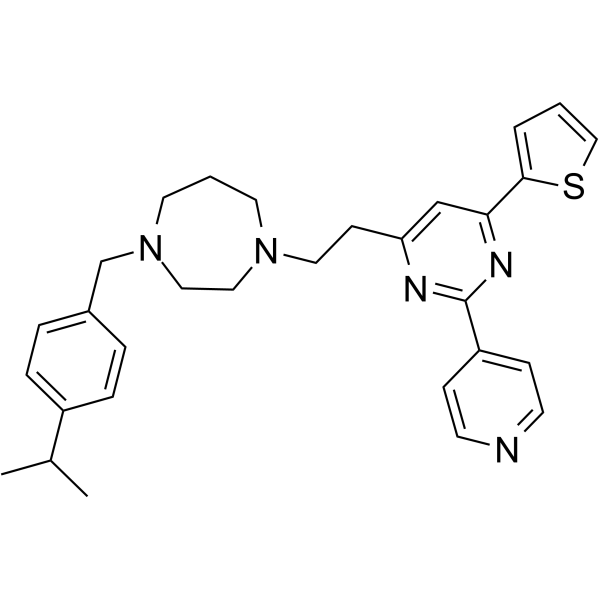
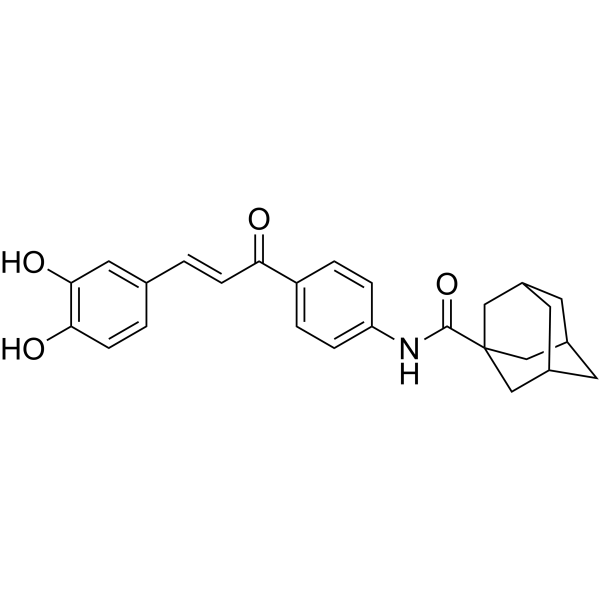
    FtsZ-IN-4 is an orally active FtsZ (filamenting temperature-sensitive mutant Z) inhibitor, exhibits excellent antibacterial activity. FtsZ-IN-4 shows good pharmaceutical properties with low cytotoxicity (CC50 >20 μg/mL) .
    FtsZ-IN-4
  • HY-168630

    Bacterial Infection
    FtsZ-IN-11 (compound B6) is a FtsZ inhibitor with the IC50 of 235 μM against XooFtsZ. FtsZ-IN-11 can interact with XooFtsZ and inhibit its GTPase activity, leading to bacterial cell elongation and even death .
    FtsZ-IN-11
  • HY-173277

    Bacterial Infection
    FtsZ-IN-13 (Compound C11) is an inhibitor of temperature-sensitive mutant Z (FtsZ), with IC50 values of 47.97, 34 μM against FtsZSa and FtsZPa, respectively. FtsZ-IN-13 has a notable antimicrobial activity against S. aureus (minimum inhibitory concentration value of 2 μg/mL), cystic fibrosis S. aureus clinical isolates, and methicillin-resistant S. aureus (MRSA) strains. FtsZ-IN-13 can be used for antimicrobial resistance study .
    FtsZ-IN-13
  • HY-129166

    Bacterial Infection
    UCM53, a FtsZ inhibitor, is an antibacterial agent. UCM53 can inhibit the growth of clinical isolates of antibiotic-resistant Staphylococcus aureus and Enterococcus faecalis
    UCM53
  • HY-123711

    Bacterial Infection
    PC170942, a PC58538 analogue, is a potent FtsZ protein inhibitor. PC170942 is a cell division inhibitor, and shows antibacterial activities .
    PC170942
  • HY-157808

    Bacterial Infection
    Antibacterial agent 185 (compound IP-01) is a potent antibacterial agent. Antibacterial agent 185 inhibits filamentous temperature-sensitive mutant Z (FtsZ) polymerization and bundling by increasing GTP hydrolysis. Antibacterial agent 185 inhibits Streptococcus pneumoniae and shows narrow-spectrum activity .
    Antibacterial agent 185
  • HY-119648

    Bacterial Infection
    CCR-11 is an antibacterial agent. CCR-11 can inhibit the proliferation of B. subtilis cells with an IC50 value of 1.2 μM. CCR-11 inhibits HeLa cell proliferation with an IC50 value of 18.1 μM. CCR-11 inhibits bacterial cytokinesis by inhibiting FtsZ assembly. CCR-11 can be used for the research of FtsZ-targeted antibacterial agents .
    CCR-11
  • HY-163450

    Bacterial Infection
    Nimbiol exhibits binding energy for FtsZ and shows potential anti-FtsZ effect .
    Nimbiol
  • HY-110354R

    G28UCM (Standard)

    Reference Standards Fatty Acid Synthase (FASN) Bacterial Infection
    UCM05 (Standard) is the analytical standard of Lysipressin. This product is intended for research and analytical applications. UCM05 (G28UCM) is a fatty acid synthase (FASN) and filamentous temperature-sensitive protein Z (Ftsz) inhibitor. UCM05 inhibits fatty acid synthesis, viral replication, and Gram-positive bacterial growth. UCM05 binds to FtsZ GTP-binding sites, inhibits GTPase activity, and disrupts Z-ring localization. UCM05 can be used for the research of HSV-1/2 infection, HIV-1 infection, and Gram-positive bacterial infections [1][2][3].
    UCM05 (Standard)
  • HY-121497R

    3-MBA (Standard)

    PARP Bacterial Reference Standards Cancer
    3-Methoxybenzamide (Standard) is the analytical standard of 3-Methoxybenzamide. This product is intended for research and analytical applications. 3-Methoxybenzamide (3-MBA), an inhibitor of ADP-ribosyltransferase (ADPRTs) and PARP, inhibits cell division in Bacillus subtilis, leading to filamentation and eventually lysis of cells . 3-Methoxybenzamide (3-MBA) enhances in vitro plant growth, microtuberization, and transformation efficiency of blue potato (Solanum tuberosum L. subsp. andigenum) .
    3-Methoxybenzamide (Standard)
  • HY-111396

    Bacterial Infection
    PC58538 is a cell division inhibitor, targeting to FtsZ. PC58538 shows moderate antibacterial activity, and inhibits cell division in vegetative cells of wild-type B. subtilis. PC58538 is also known to modulate the rate of GTP hydrolysis .
    PC58538
  • HY-125533

    Bacterial Infection
    TXA497 is a potent local topical bactericide. TXA497 exerts its bactericidal effect by interfering with the polymerization kinetics of the bacterial cell division protein FtsZ, rather than inhibiting it. TXA497 shows strong activity against various Staphylococcus aureus strains, including MRSA and MSSA, with an MIC value ranging from 1.0 to 2.0 μg/mL. TXA497 skin deposition is concentration-dependent in its formulation, consistent with Fick's first law. TXA497 has limited systemic permeability through the lipid pathway of the stratum corneum and is easily absorbed through this route. TXA497 can be used for research on topical bactericidal agents .
    TXA497
  • HY-P10814

    Bacterial Infection
    MciZ (B. subtilis), a 40-amino-acid peptide, inhibits the GTPase activity of FtsZ that prevents inappropriate Z-ring formation during sporulation .
    MciZ (B. subtilis)
  • HY-W237019

    Bacterial Infection
    3-Ethoxybenzamide is an alkoxybenzamide compound with antibacterial activity and a FtsZ inhibitor that can cross the blood-brain barrier. 3-Ethoxybenzamide distributes widely and rapidly in vivo, rapidly reaches equilibrium between various tissues and blood, and is linearly taken up by hepatocytes. 3-Ethoxybenzamide is completely dependent on hepatic microsomal oxidation for clearance, with salicylamide as its major metabolite. 3-Ethoxybenzamide can be used for the study of bacterial infections .
    3-Ethoxybenzamide
  • HY-180273

    Bacterial Infection
    Antibacterial agent 309 (Compound C9) is an antibacterial agent, substrate of AcrB efflux pump. Antibacterial agent 309 promotes FtsZ polymerization. Antibacterial agent 309 demonstrates antibacterial activity against Erythromycin (HY-B0220)-resistant S. pyogenes 2 (MIC = 0.25 μg/mL), Penicillin-resistant S. aureus CI (MIC = 0.125 μg/mL), Penicillin-resistant S. epidermidis (MIC = 2 μg/mL). Antibacterial agent 309 exhibits weak antibacterial activity against the wild-type E. coli BW25113 MIC = 256 μg/mL) .
    Antibacterial agent 309
  • HY-183751

    Bacterial Reactive Oxygen Species (ROS) Infection
    Antibacterial agent 346 (Compound H14d) is a broad-spectrum Antibacterial agent and BsFtsZ inhibitor, with an IC50 of 69.67 μg/mL against BsFtsZ. Antibacterial agent 346 selectively binds to phosphatidylglycerol, disrupts membrane integrity, increases permeability, triggers depolarization and causes intracellular protein leakage. Antibacterial agent 346 induces intracellular ROS accumulation, which in turn triggers oxidative stress and cell death. Antibacterial agent 346 eradicates mature biofilms formed by Gram-positive and Gram-negative bacteria. Antibacterial agent 346 exhibits antibacterial activity against methicillin-resistant Staphylococcus aureus and Acinetobacter baumannii. Antibacterial agent 346 can be used in the research of bacterial infections .
    Antibacterial agent 346

Inquiry Online

Your information is safe with us. * Required Fields.

Salutation


Country or Region *

Applicant Name *


Organization Name *

Department *


Email Address *


Product Name *

Cat. No.


Requested quantity *

Phone Number *


Remarks

Inquiry Online

Inquiry Information

Product Name:
Cat. No.:
Quantity:
MCE Japan Authorized Agent:

