Search Result
Results for "
G proteins Ras
" in MedChemExpress (MCE) Product Catalog:
| Cat. No. |
Product Name |
Target |
Research Areas |
Chemical Structure |
-
- HY-156498
-
RMC-7977
Maximum Cited Publications
14 Publications Verification
|
Ras
ERK
Raf
Ribosomal S6 Kinase (RSK)
AMPK
Apoptosis
PARP
|
Cancer
|
|
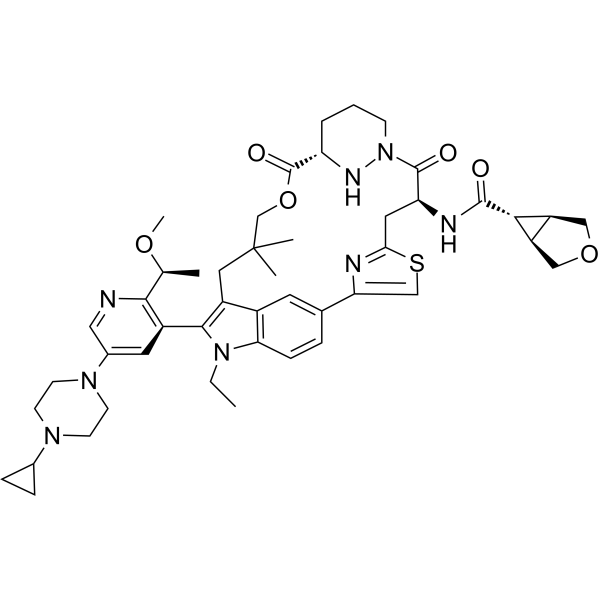
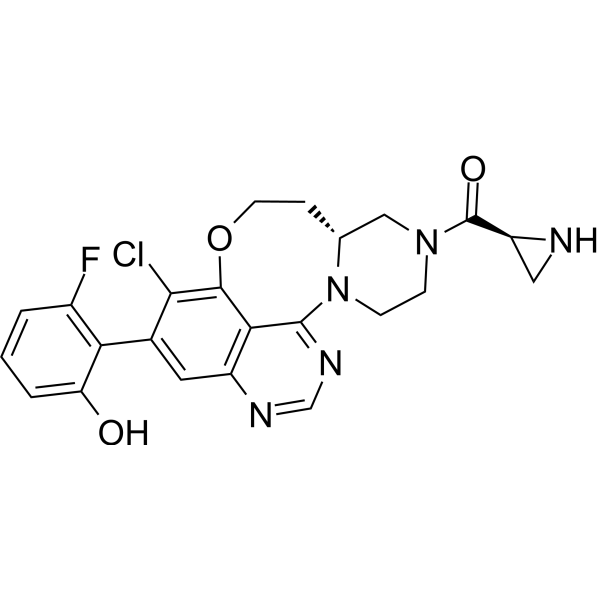
RMC-7977 is an orally active triple-complex RAS inhibitor that can simultaneously bind to cyclophilin A (CYPA) (Kd = 195 nM) and KRAS (G12V) (Kd = 292 μM). It exhibits broad-spectrum inhibitory activity against KRAS, NRAS, and HRAS proteins and their various wild-type and mutant variants. RMC-7977 induces apoptosis by inhibiting the phosphorylation of ERK, CRAF, and RSK, as well as increasing PARP cleavage. This leads to tumor regression, reduces resistance in KRAS G12C cancer models, and demonstrates good tolerability across various RAS cancer models .
|
-
-
- HY-158107
-
|
|
Ras
|
Cancer
|
|
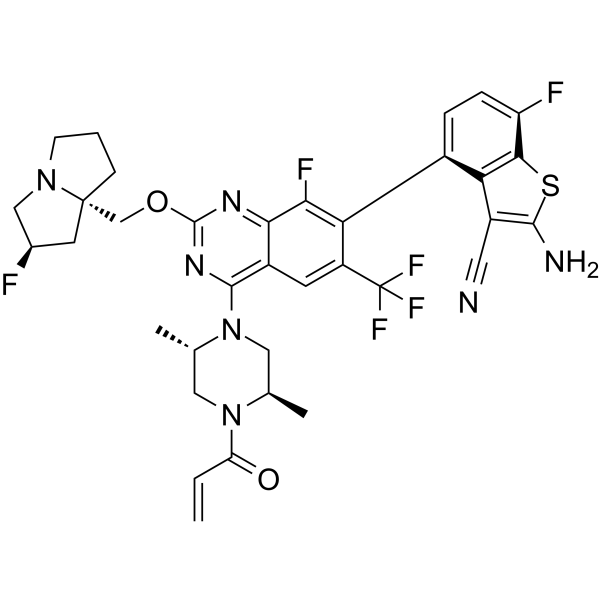
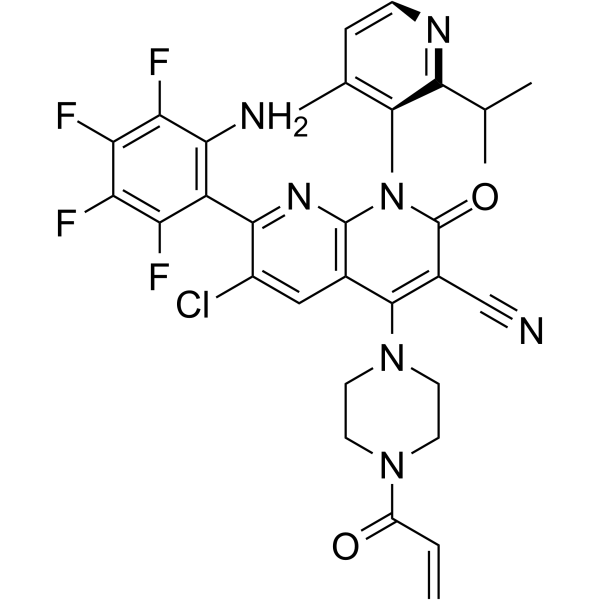
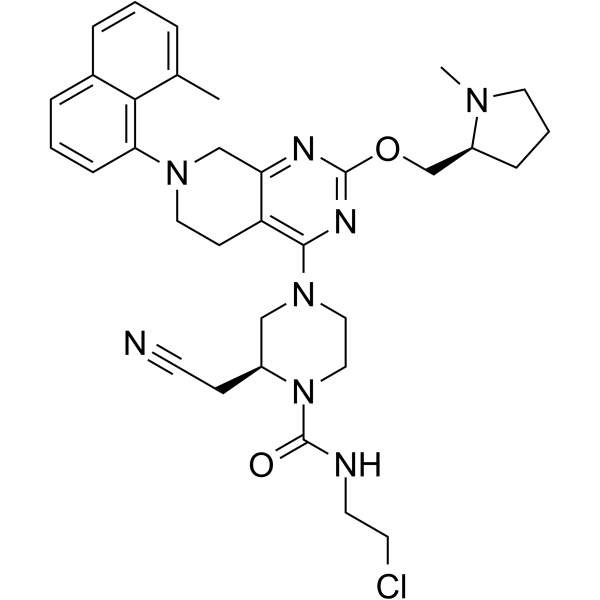
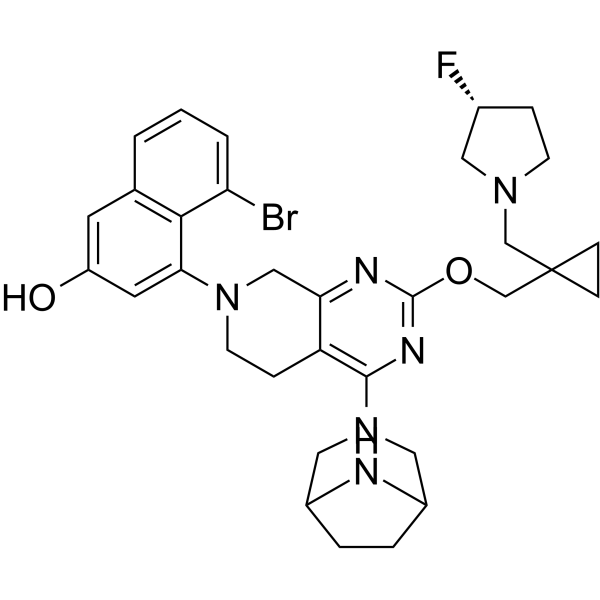
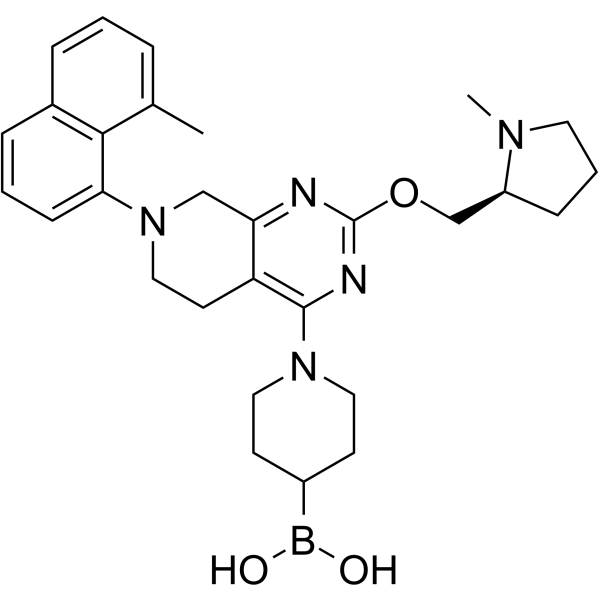
BBO-8520 is a direct small molecule covalent inhibitor targeting KRAS G12C with high oral availability. BBO-8520 has the characteristics of KRAS G12C (OFF) inhibitor and the function of blocking KRAS G12C (ON) signal. BBO-8520 inhibits cell proliferation by inhibiting KRAS G12C (ON) by binding GTP protein. BBO-8520 can block RAS-RAF1 interaction and return KRAS G12C to the inactive (OFF) state. BBO-8520 can be used for the research of cancer .
|
-
-
- HY-143589
-
|
JAB-21822; KRas G12C inhibitor 36
|
Ras
|
Cancer
|
|
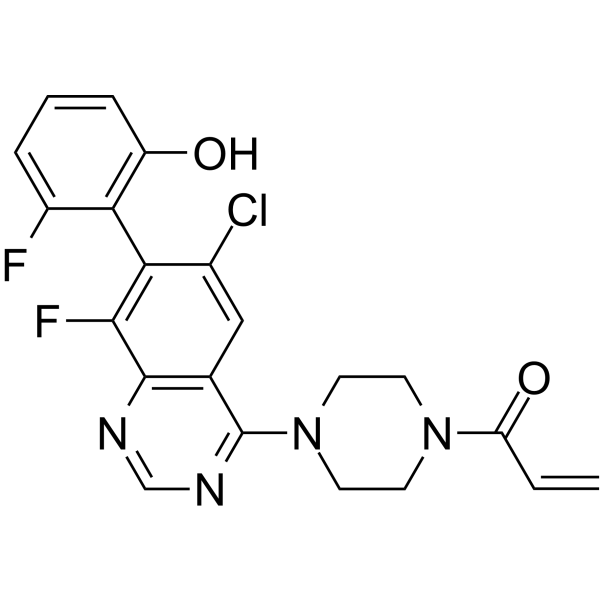
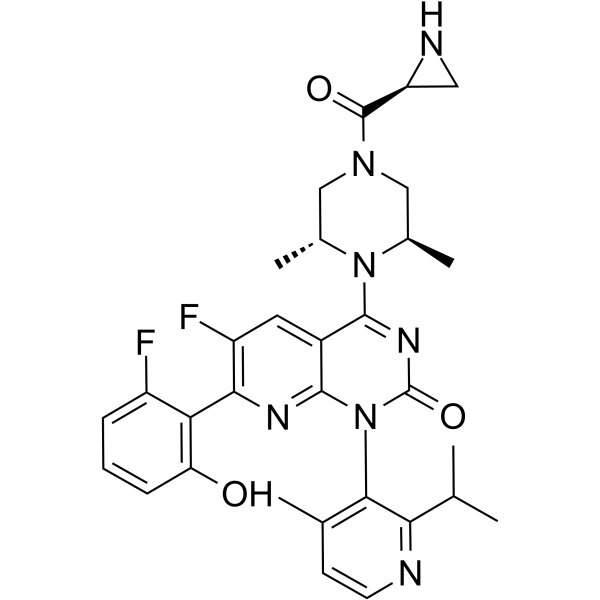
Glecirasib (Compound 1-2; JAB-21822) is an orally active and potent inhibitor of KRAS G12C. The Ras family of proteins is an important intracellular signaling molecule that plays an important role in growth and development. Glecirasib has the potential for the research of KRAS G12C-mediated cancer .
|
-
-
- HY-P3108
-
-
-
- HY-159788
-
|
|
PROTACs
Ras
|
Cancer
|
|
PROTAC K-Ras Degrader-4 (Compound 4) is a PROTAC degrader for KRAS that degrades KRAS G12D in GP5d and degrades KRAS G12V in cell SW620 with DC50s of 1 nM and 13 nM. PROTAC K-Ras Degrader-4 inhibits MAPK signaling pathway . (Pink: ligand for target protein pan-KRAS degrader 1 (HY-162960); Black: linker (HY-159790); Blue: ligand for E3 ligase VHL (HY-W998248))
|
-
-
- HY-18707
-
|
|
Ras
Apoptosis
|
Cancer
|
|
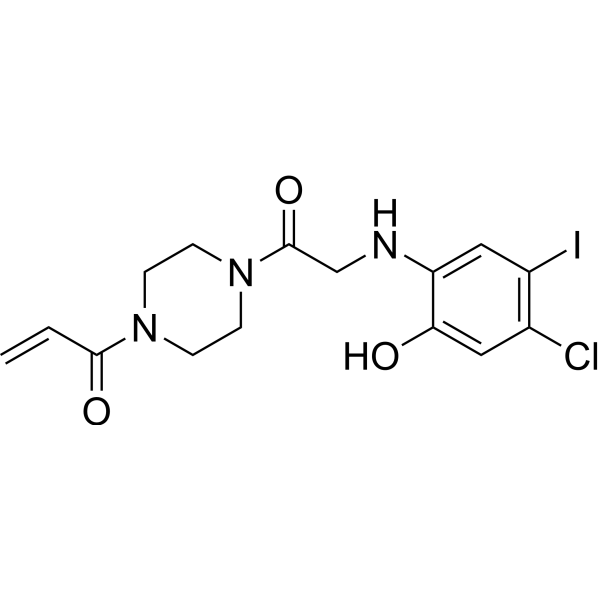
K-Ras(G12C) inhibitor 12 is an irreversible inhibitor of K-Ras(G12C). K-Ras(G12C) inhibitor 12 can alter the nucleotide-binding preference of K-Ras and block its interaction with effector proteins. K-Ras(G12C) inhibitor 12 can reduce cell viability and induce apoptosis in lung cancer cell lines with G12C mutations. K-Ras(G12C) inhibitor 12 has anti-tumor activity .
|
-
-
- HY-14604
-
|
SR57746A; SR57746 hydrochloride
|
5-HT Receptor
Dopamine Receptor
Trk Receptor
PKC
ERK
Akt
JNK
|
Neurological Disease
Metabolic Disease
|
|
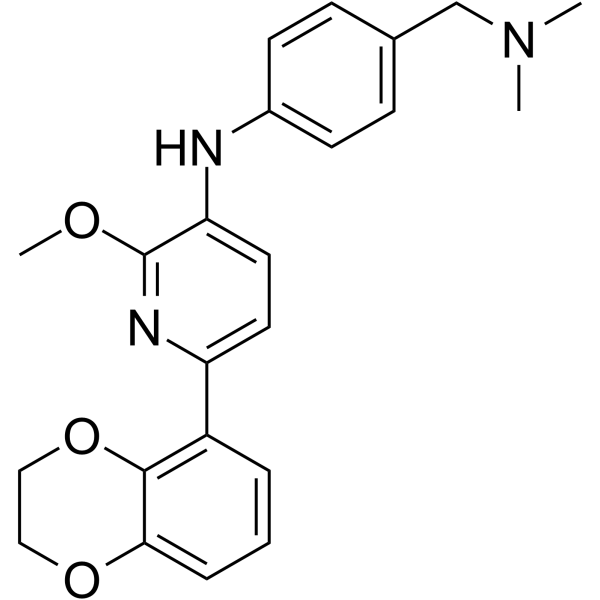
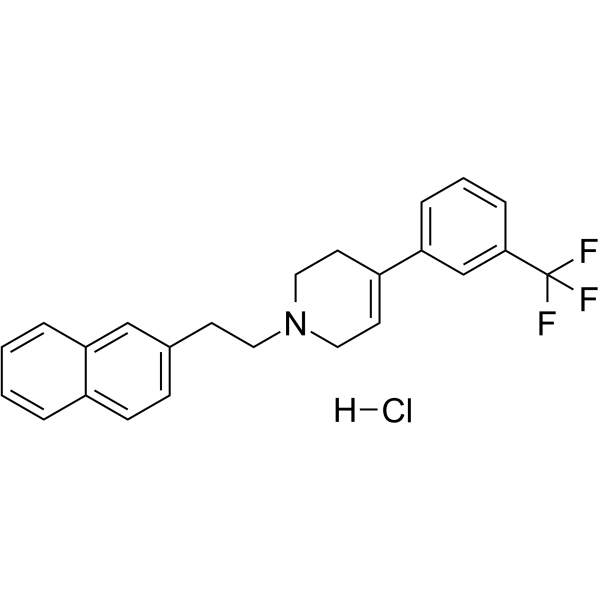
Xaliproden (SR57746) hydrochloride (SR57746A) is an orally active, highly selective 5-HT1A receptor agonist. Xaliproden hydrochloride activates pertussis toxin-sensitive G protein-coupled signaling cascades, as well as the PKC, ERK1/ERK2, Akt and p21 Ras/MEK-1 pathways. Xaliproden hydrochloride also downregulates the JNK/p66/c-Jun signaling pathway, induces phosphorylation of the shc adaptor protein, regulates extracellular dopamine and 5-HT levels, and induces [ 35S]GTPγS labeling in rat brain structures rich in 5-HT1A receptors. Xaliproden hydrochloride exerts neurotrophic, neuroprotective, renoprotective, anti-inflammatory, anti-apoptotic, anti-fibrotic and analgesic effects. Xaliproden hydrochloride also enhances NGF-induced neurite outgrowth, promotes motor neuron survival, attenuates renal tubular injury and inhibits chemotherapy-induced mechanical allodynia, without activating or altering NGF-induced TrkA receptor activation. Xaliproden hydrochloride can be used in the research of motor neuron disease, diabetic nephropathy, chemotherapy-induced peripheral neuropathy, amyotrophic lateral sclerosis, Alzheimer's disease, acute tonic nociceptive pain, inflammatory pain, depression and anxiety .
|
-
-
- HY-122862
-
|
|
Ras
|
Cancer
|
|
RAS inhibitor Abd-7, a potent RAS-binding compound (Kd=51 nM), is a RAS-effector protein-protein interaction (PPI) inhibitor. RAS inhibitor Abd-7 interacts with RAS inside the cells, prevents RAS-effector interactions and inhibits endogenous RAS-dependent signaling. RAS inhibitor Abd-7 impairs the PPI of various mutant KRAS proteins with PI3K, CRAF and RALGDS as well as NRAS Q61H and HRAS G12V .
|
-
-
- HY-153821
-
|
|
Ras
PROTACs
|
Cancer
|
|
PROTAC KRAS G12C degrader-2 (compound 432) is a modulator of K-Ras protein hydrolysis. PROTAC KRAS G12C degrader-2 is a bifunctional compound, which contain on one end a cereblon inhibitor of apoptosis proteins (IAP) and on the other end a moiety which binds KRAS .
|
-
-
- HY-U00416
-
|
|
Ras
|
Cancer
|
|
ARS-1323 is a KRAS G12C inhibitor. ARS-1323 specifically binds to the cysteine residue on the mutant K-Ras protein, locks it in the GDP-bound conformation, thereby blocking K-Ras activation and downstream signaling pathways. ARS-1323 can be used to investigate the signal transduction mechanisms and growth characteristics of tumor cells driven by K-Ras G12C .
|
-
-
- HY-W747572
-
|
(R)-(+)-Perillyl alcohol
|
Ras
|
Cancer
|
|
(+)-Perillyl alcohol is the enantiomer of S-(-)-Perillyl alcohol (HY-116514). (+)-Perillyl alcohol can inhibit the growth of polypeptides and block the cell cycle in the G0/G1 phase. (+)-Perillyl alcohol induces cell signaling that is associated with changes in cytoskeletal actin organization and reduced protein expression of growth regulatory proteins such as Ras and CDC2 kinase .
|
-
-
- HY-143603
-
|
|
Ras
|
Cancer
|
|
KRAS G12D inhibitor 10 is a potent inhibitor of KRAS G12D. The Ras family of proteins is an important intracellular signaling molecule that plays an important role in growth and development. KRAS G12D inhibitor 10 has the potential for the research of KRAS G12D-mediated cancer (extracted from patent WO2021108683A1, compound 34) .
|
-
-
- HY-143607
-
|
|
Ras
|
Cancer
|
|
KRAS G12D inhibitor 13 is a potent inhibitor of KRAS G12D. The Ras family of proteins is an important intracellular signaling molecule that plays an important role in growth and development. KRAS G12D inhibitor 13 has the potential for the research of KRAS G12D-mediated cancer (extracted from patent WO2021108683A1, compound 142) .
|
-
-
- HY-P10847
-
|
|
Ras
|
Cancer
|
|
KS-58 is a KRpep-2d (HY-P3277) derivative. KS-58 is a K-Ras (G12D) inhibitory peptide that selectively binds K-Ras. KS-58 can enter cells and block intracellular Ras interaction with effector proteins. KS-58 inhibits the proliferation of tumor cells and has antitumor activity .
|
-
-
- HY-143606
-
|
|
Ras
|
Cancer
|
|
KRAS G12D inhibitor 12 is a potent inhibitor of KRAS G12D. The Ras family of proteins is an important intracellular signaling molecule that plays an important role in growth and development. KRAS G12D inhibitor 12 has the potential for the research of KRAS G12D-mediated cancer (extracted from patent WO2021108683A1, compound 134) .
|
-
-
- HY-143604
-
|
|
Ras
|
Cancer
|
|
KRAS G12D inhibitor 11 is a potent inhibitor of KRAS G12D. The Ras family of proteins is an important intracellular signaling molecule that plays an important role in growth and development. KRAS G12D inhibitor 11 has the potential for the research of KRAS G12D-mediated cancer (extracted from patent WO2021108683A1, compound 52) .
|
-
-
- HY-143599
-
|
|
Ras
|
Cancer
|
|
KRAS G12D inhibitor 8 is a potent inhibitor of KRAS G12D. The Ras family of proteins is an important intracellular signaling molecule that plays an important role in growth and development. KRAS G12D inhibitor 8 has the potential for the research of KRAS G12D-mediated cancer (extracted from patent WO2021107160A1, compound 2) .
|
-
-
- HY-E70678
-
|
|
CDK
|
Cancer
|
|
CDK3 is a major player driving retinoblastoma (Rb) phosphorylation during the G0/G1 transition and in the early G1 phase of the cell cycle. CDK3 interacts with various transcription factors involved in cell proliferation, differentiation, and transformation driven by the EGFR/Ras signaling pathway. CDK3/CycE1 Recombinant Human Active Protein Kinase is an ortholog of CDK3 .
|
-
-
- HY-168012
-
|
|
Ras
Phosphatase
|
Cancer
|
|
Pan-RAS-IN-6 (compound 24) is an inhibitor targeting DUSP6, which reduces MAPK activation in the brain of the NCI-H1373-Luc model (DUSP6), at the same time, it shows significant tumor growth inhibition and tumor regression effects in the NSCLC brain metastasis mouse model. Pan-RAS-IN-6 shows high selectivity and strong inhibitory effects, especially in KRAS mutation-related signaling pathways, demonstrating varying inhibitory activity against different KRAS mutants and interacting proteins. The IC50 values for KRAS G12C, G12D, and G12V are 1.3 nM, 4.7 nM, and 0.3 nM, respectively .
|
-
-
- HY-176288
-
|
|
Eukaryotic Initiation Factor (eIF)
Bcl-2 Family
Apoptosis
Ras
PERK
|
Cancer
|
|
eIF4E/eIF4G PPI-IN-1 is an eIF4E/eIF4G interaction inhibitor with a KD of 20.2 μM for eIF4E protein. eIF4E/eIF4G PPI-IN-1 plays an antitumor role in multiple modes of action including regulating the activity of eIF4E by inhibiting the Ras/MAPK/eIF4E signaling pathway, apoptosis and cell migration. eIF4E/eIF4G PPI-IN-1 suppresses the growth of HepG2 xenografts in nude mice and was relatively nontoxic to mice .
|
-
-
- HY-121532
-
|
|
Ras
Apoptosis
Autophagy
|
Cancer
|
|
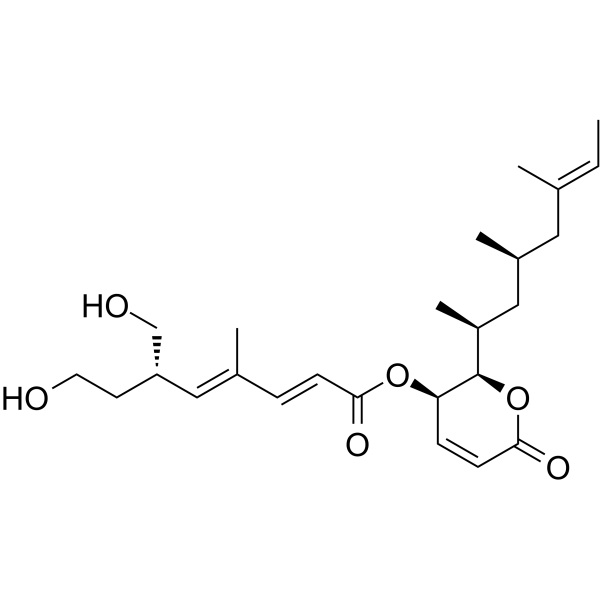
(-)-Rasfonin is a fungal secondary metabolite and inhibits small G proteins Ras. (-)-Rasfonin induces apoptosis, necrosis and autophagy in ACHN cells (a renal carcinoma cell line) .
|
-
-
- HY-113225B
-
|
GTP tritris
|
Endogenous Metabolite
Exosomes
|
Cancer
|
|
Guanosine triphosphate tritris (GTP tritris) serves as a vital enhancer of myogenic cell differentiation and plays a critical role in modulating miRNA-myogenic regulator factors. It also facilitates the release of exosomes enriched with guanosine and guanosine-derived molecules, and is regarded as an activated precursor for RNA synthesis. In mitochondrial function, GTP participates in the import of proteins into the matrix, which is essential for various regulated pathways, and is involved in initiating peptide synthesis through the binding of formylmethionyl-tRNA to the ribosome, as well as polypeptide chain elongation. Additionally, GTP acts as a phosphate and pyrophosphate carrier that channels chemical energy into specific biosynthetic pathways. It activates signal transducing G proteins that regulate cellular processes such as proliferation and differentiation, and its hydrolysis by small GTPases, including Ras and Rho, is integral to both proliferation and apoptosis. Furthermore, the small GTPase Rab is instrumental in vesicle docking, fusion, and formation. Beyond signal transduction, GTP is an energy-rich precursor in the enzymatic biosynthesis of DNA and RNA.
|
-
-
- HY-164389
-
|
|
Ras
|
Cancer
|
|
SML-10-70-1 is a ligand for RAS, which covalently modifies the K-Ras G12C mutant protein, and inhibits the phosphorylation of ERK and Akt. SML-10-70-1 inhibits the proliferation of cancer cells H23, H358 and A549 with IC50 of 26.6-47.6 μM .
|
-
-
- HY-143588
-
|
|
Ras
|
Cancer
|
|
KRAS G12C inhibitor 35 is a potent inhibitor of KRAS G12C. The Ras family of proteins is an important intracellular signaling molecule that plays an important role in growth and development. KRAS G12C inhibitor 35 has the potential for the research of KRAS G12C-mediated cancer (extracted from patent CN112920183A, compound 3) .
|
-
-
- HY-143590
-
|
|
Ras
|
Cancer
|
|
KRAS G12C inhibitor 37 is a potent inhibitor of KRAS G12C. The Ras family of proteins is an important intracellular signaling molecule that plays an important role in growth and development. KRAS G12C inhibitor 37 has the potential for the research of KRAS G12C-mediated cancer (extracted from patent WO2018143315A1, compound 65) .
|
-
-
- HY-143594
-
|
|
Ras
|
Cancer
|
|
KRAS G12C inhibitor 40 is a potent inhibitor of KRAS G12C. The Ras family of proteins is an important intracellular signaling molecule that plays an important role in growth and development. KRAS G12C inhibitor 40 has the potential for the research of KRAS G12C-mediated cancer (extracted from patent WO2021129824A1, compound 70) .
|
-
-
- HY-143591
-
|
|
Ras
|
Cancer
|
|
KRAS G12C inhibitor 38 is a potent inhibitor of KRAS G12C. The Ras family of proteins is an important intracellular signaling molecule that plays an important role in growth and development. KRAS G12C inhibitor 38 has the potential for the research of KRAS G12C-mediated cancer (extracted from patent WO2021129820A1, compound 171) .
|
-
-
- HY-143598
-
|
|
Ras
|
Cancer
|
|
KRAS G12C inhibitor 42 is a potent inhibitor of KRAS G12C. The Ras family of proteins is an important intracellular signaling molecule that plays an important role in growth and development. KRAS G12C inhibitor 42 has the potential for the research of KRAS G12C-mediated cancer (extracted from patent WO2020146613A1, compound 10) .
|
-
-
- HY-143602
-
|
|
Ras
|
Cancer
|
|
KRAS G12D inhibitor 9 is a potent inhibitor of KRAS G12D. The Ras family of proteins is an important intracellular signaling molecule that plays an important role in growth and development. KRAS G12D inhibitor 9 has the potential for the research of KRAS G12D-mediated cancer (extracted from patent WO2021108683A1, compound 20) .
|
-
-
- HY-143596
-
|
|
Ras
|
Cancer
|
|
KRAS G12C inhibitor 41 is a potent inhibitor of KRAS G12C. The Ras family of proteins is an important intracellular signaling molecule that plays an important role in growth and development. KRAS G12C inhibitor 41 has the potential for the research of KRAS G12C-mediated cancer (extracted from patent WO2021129824A1, compound 121) .
|
-
-
- HY-E70677
-
|
|
CDK
|
Cancer
|
|
CDK3 is a major player driving retinoblastoma (Rb) phosphorylation during the G0/G1 transition and in the early G1 phase of the cell cycle. CDK3 interacts with various transcription factors involved in cell proliferation, differentiation, and transformation driven by the EGFR/Ras signaling pathway. CDK3/CycC Recombinant Human Active Protein Kinase is an ortholog of CDK3 .
|
-
-
- HY-E70680
-
|
|
CDK
|
Cancer
|
|
CDK3 is a major player driving retinoblastoma (Rb) phosphorylation during the G0/G1 transition and in the early G1 phase of the cell cycle. CDK3 interacts with various transcription factors involved in cell proliferation, differentiation, and transformation driven by the EGFR/Ras signaling pathway. CDK3/CycO Recombinant Human Active Protein Kinase is an ortholog of CDK3 .
|
-
-
- HY-170550
-
|
|
Ras
ERK
|
Cancer
|
|
KRAS G12C inhibitor 69 (Compound K09) is the inhibitor for mutant RAS protein KRASG12C with an IC50 of 4.36 nM. KRAS G12C inhibitor 69 inhibits the ERK phosphorylation in NCI-H358 and MIA-PACA-2 with an IC50 of 12 nM and 7 nM. KRAS G12C inhibitor 69 inhibits the proliferation of cancer cell NCI-H358 and MIA-PACA-2 with IC50 of 3.15 nM and 2.33 nM .
|
-
-
- HY-E70609
-
|
|
PI3K
|
Inflammation/Immunology
Cancer
|
|
PIK3CG Recombinant Human Active Lipid Kinase belongs to PI3K enzyme family that is directly regulated by Gβγ and Ras in the G protein coupled receptor (GPCR) pathway. PIK3CG has the function of regulating cellular inflammation and immunity. PIK3CG is also a potential target for the treatment of a few malignant tumors such as acute lymphoblastic leukemia, medulloblastoma, claudin-low breast cancer (CLBC) and Kaposi sarcoma .
|
-
-
- HY-173530
-
|
8-Bromo TNP-Guanosine 5'-triphosphate tetRasodium
|
Fluorescent Dye
|
Others
|
|
8-Bromo TNP-GTP (8-Bromo TNP-Guanosine 5'-triphosphate) tetrasodium is a fluorescent TNP-GTP analogue with a TNP fluorophore and a bromo group at the 8-position. 8-Bromo TNP-GTP tetrasodium can be used to analyze the binding activity of GTP-binding proteins (such as Ras and Gα subunits) .
|
-
-
- HY-119820
-
|
SR57746A free base
|
Akt
Dopamine Receptor
Trk Receptor
5-HT Receptor
PKC
JNK
ERK
|
Neurological Disease
|
|
Xaliproden (SR57746) free base is an orally active, highly selective 5-HT1A receptor agonist. Xaliproden free base activates pertussis toxin-sensitive G protein-coupled signaling cascades, as well as the PKC, ERK1/ERK2, Akt and p21 Ras/MEK-1 pathways. Xaliproden free base also downregulates the JNK/p66/c-Jun signaling pathway, induces phosphorylation of the shc adaptor protein, regulates extracellular dopamine and 5-HT levels, and induces [ 35S]GTPγS labeling in rat brain structures rich in 5-HT1A receptors. Xaliproden free base exerts neurotrophic, neuroprotective, renoprotective, anti-inflammatory, anti-apoptotic, anti-fibrotic and analgesic effects. Xaliproden free base also enhances NGF-induced neurite outgrowth, promotes motor neuron survival, attenuates renal tubular injury and inhibits chemotherapy-induced mechanical allodynia, without activating or altering NGF-induced TrkA receptor activation. Xaliproden free base can be used in the research of motor neuron disease, diabetic nephropathy, chemotherapy-induced peripheral neuropathy, amyotrophic lateral sclerosis, Alzheimer's disease, acute tonic nociceptive pain, inflammatory pain, depression and anxiety .
|
-
-
- HY-E70679
-
|
|
CDK
|
Cancer
|
|
CDK3 is a major player driving retinoblastoma (Rb) phosphorylation during the G0/G1 transition and in the early G1 phase of the cell cycle. CDK3 interacts with various transcription factors involved in cell proliferation, differentiation, and transformation driven by the EGFR/Ras signaling pathway. CDK3/CycE2 Recombinant Human Active Protein Kinase is an ortholog of CDK3 .
|
-
-
- HY-158107A
-
|
|
Drug Isomer
Ras
|
Cancer
|
|
(4R)-BBO-8520 (Compound 314), an isomer of BBO-8520 (HY-158107), is a selective KRAS G12C inhibitor. BBO-8520 has the characteristics of KRAS G12C (OFF) inhibitor and the function of blocking KRAS G12C (ON) signal. BBO-8520 inhibits cell proliferation by inhibiting KRAS G12C (ON) by binding GTP protein. BBO-8520 can block RAS-RAF1 interaction and return KRAS G12C to the inactive (OFF) state. (4R)-BBO-8520 can be used for the research of cancer .
|
-
-
- HY-186086
-
|
|
Ras
|
Cancer
|
|
RM-041 is a selective, orally active KRAS G13C (ON) inhibitor that forms a covalent complex with KRAS G13C (ON) and Cyclophilin A. RM-041 blocks the binding of RAS effector proteins via steric hindrance, and then covalently binds to Cys-13 to form an irreversible inhibitory complex, thereby inhibiting the proliferation of KRAS G13C mutant cancer cells. RM-041 induces regression of KRAS G13C tumors in cellular and xenograft tumor models. RM-041 exerts a synergistic effect when combined with upstream node inhibitors (such as SHP2 inhibitors). RM-041 can be used for the research of non-small cell lung cancer .
|
-
-
- HY-175870A
-
|
|
Ras
ERK
|
Cancer
|
|
(7R)-Eras-4001 is an orally active KRAS mutant inhibitor with remarkable selectivity for H-RAS and N-RAS. (7R)-Eras-4001 effectively suppresses cancer cell viability by blocking downstream signaling pathways mediated by RAF family proteins, inhibiting the formation of the KRAS G12D-RAF1 RBD complex and the phosphorylation of ERK1/2. (7R)-Eras-4001 induces tumor growth inhibition and regression in a dose-dependent manner, and also reduces plasma ERK1/2 phosphorylation levels. (7R)-Eras-4001 exerts a synergistic effect with anti-PD-1 Cetuximab (HY-P9905). (7R)-Eras-4001 can be used in research on non-small cell lung cancer, pancreatic cancer, colorectal cancer, and ovarian cancer .
|
-
-
- HY-14604R
-
|
SR57746A (Standard); SR57746 hydrochloride (Standard)
|
Reference Standards
Akt
Dopamine Receptor
Trk Receptor
5-HT Receptor
PKC
JNK
ERK
|
Neurological Disease
Cancer
|
|
Xaliproden (hydrochloride) (Standard) is the analytical standard of Xaliproden (hydrochloride). This product is intended for research and analytical applications. Xaliproden (SR57746) hydrochloride (SR57746A) is an orally active, highly selective 5-HT1A receptor agonist. Xaliproden hydrochloride activates pertussis toxin-sensitive G protein-coupled signaling cascades, as well as the PKC, ERK1/ERK2, Akt and p21 Ras/MEK-1 pathways. Xaliproden hydrochloride also downregulates the JNK/p66/c-Jun signaling pathway, induces phosphorylation of the shc adaptor protein, regulates extracellular dopamine and 5-HT levels, and induces [ 35S]GTPγS labeling in rat brain structures rich in 5-HT1A receptors. Xaliproden hydrochloride exerts neurotrophic, neuroprotective, renoprotective, anti-inflammatory, anti-apoptotic, anti-fibrotic and analgesic effects. Xaliproden hydrochloride also enhances NGF-induced neurite outgrowth, promotes motor neuron survival, attenuates renal tubular injury and inhibits chemotherapy-induced mechanical allodynia, without activating or altering NGF-induced TrkA receptor activation. Xaliproden hydrochloride can be used in the research of motor neuron disease, diabetic nephropathy, chemotherapy-induced peripheral neuropathy, amyotrophic lateral sclerosis, Alzheimer's disease, acute tonic nociceptive pain, inflammatory pain, depression and anxiety .
|
-
-
- HY-P991744
-
|
|
CXCR
|
Cancer
|
|
Anti-Mouse CXCR4 Antibody is a monoclonal antibody that specifically recognizes murine CXCR4 (C-X-C chemokine receptor 4), also known as fusin or CD184. CXCR4 is a seven-transmembrane G protein–coupled receptor whose principal endogenous ligand is CXCL12 (stromal cell–derived factor-1α, SDF-1α) and is widely expressed in hematopoietic cells, endothelial cells, neurons, as well as embryonic and adult stem cells. The CXCR4–CXCL12 signaling axis activates multiple downstream pathways, including ERK1/2, Ras, p38 MAPK, PLC/MAPK, and SAPK/JNK, thereby regulating cell survival, proliferation, migration, and stemness maintenance. Aberrant overexpression of CXCR4 is closely associated with poor prognosis and metastasis in various cancers, with CXCR4-positive tumor cells preferentially home to CXCL12-rich tissues such as the liver, bone marrow, lung, and lymph nodes. Accordingly, CXCR4 and its CXCL12-related antagonists emerge as attractive targets for experimental anticancer therapy. Anti-Mouse CXCR4 Antibody is generated using a cell-based immunization and screening strategy and exhibits high affinity for both endogenous and exogenous murine CXCR4. Anti-Mouse CXCR4 Antibody can be used for thestudy of chronic lymphocytic leukemia and multiple myeloma .
|
-
| Cat. No. |
Product Name |
Target |
Research Area |
-
- HY-P3108
-
-
- HY-P10847
-
|
|
Ras
|
Cancer
|
|
KS-58 is a KRpep-2d (HY-P3277) derivative. KS-58 is a K-Ras (G12D) inhibitory peptide that selectively binds K-Ras. KS-58 can enter cells and block intracellular Ras interaction with effector proteins. KS-58 inhibits the proliferation of tumor cells and has antitumor activity .
|
| Cat. No. |
Product Name |
Target |
Research Area |
Image |
-
- HY-P991744
-
|
|
CXCR
|
Cancer
|
|
Anti-Mouse CXCR4 Antibody is a monoclonal antibody that specifically recognizes murine CXCR4 (C-X-C chemokine receptor 4), also known as fusin or CD184. CXCR4 is a seven-transmembrane G protein–coupled receptor whose principal endogenous ligand is CXCL12 (stromal cell–derived factor-1α, SDF-1α) and is widely expressed in hematopoietic cells, endothelial cells, neurons, as well as embryonic and adult stem cells. The CXCR4–CXCL12 signaling axis activates multiple downstream pathways, including ERK1/2, Ras, p38 MAPK, PLC/MAPK, and SAPK/JNK, thereby regulating cell survival, proliferation, migration, and stemness maintenance. Aberrant overexpression of CXCR4 is closely associated with poor prognosis and metastasis in various cancers, with CXCR4-positive tumor cells preferentially home to CXCL12-rich tissues such as the liver, bone marrow, lung, and lymph nodes. Accordingly, CXCR4 and its CXCL12-related antagonists emerge as attractive targets for experimental anticancer therapy. Anti-Mouse CXCR4 Antibody is generated using a cell-based immunization and screening strategy and exhibits high affinity for both endogenous and exogenous murine CXCR4. Anti-Mouse CXCR4 Antibody can be used for thestudy of chronic lymphocytic leukemia and multiple myeloma .
|
-
(5)
| Cat. No. |
Product Name |
Category |
Target |
Chemical Structure |
Your information is safe with us. * Required Fields.
Inquiry Information
- Product Name:
- Cat. No.:
- Quantity:
- MCE Japan Authorized Agent:

