1. Search Result
Search Result
Results for "

JAK2 kinase

" in MedChemExpress (MCE) Product Catalog:

84

Inhibitors & Agonists

1

Screening Libraries

3

Peptides

1

Natural
Products

9

Recombinant Proteins

5

Isotope-Labeled Compounds

5

Antibodies

Targets Recommended:
Cat. No. Product Name Target Research Areas Chemical Structure
  • HY-19569
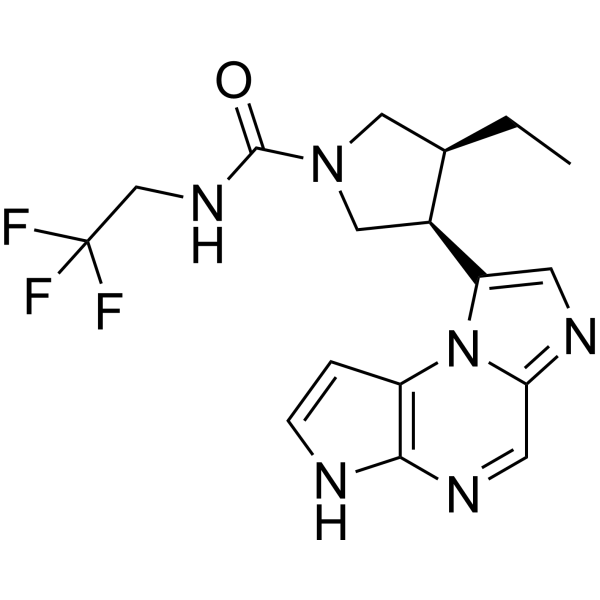
    Upadacitinib
    25+ Cited Publications

    ABT-494

    JAK Inflammation/Immunology
    Upadacitinib (ABT-494) is a potent, orally active and selective Janus kinase 1 (JAK1) inhibitor (IC50=43 nM). Upadacitinib (ABT-494) displays approximately 74 fold selective for JAK1 over JAK2 (200 nM) in cellular assays dependent on specific, relevant cytokines. Upadacitinib (ABT-494) can be used for several autoimmune disorders research .
    Upadacitinib
  • HY-10409
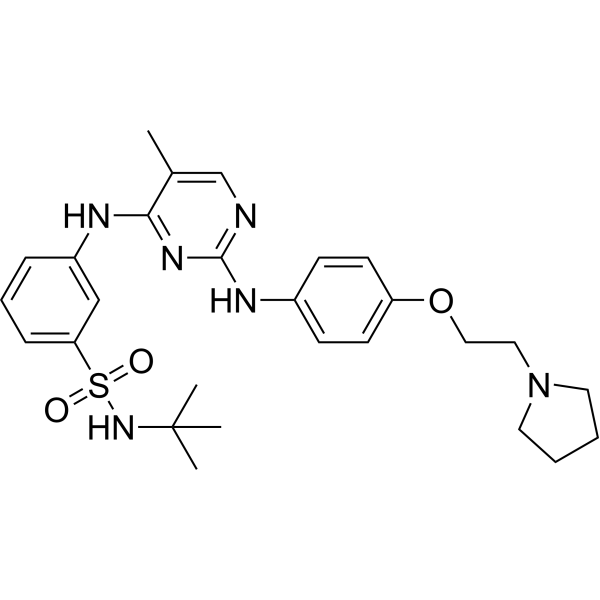
    Fedratinib
    50+ Cited Publications

    TG-101348; SAR 302503

    JAK Apoptosis Cancer
    Fedratinib (TG-101348) is a potent, selective, ATP-competitive and orally active JAK2 inhibitor with IC50s of 3 nM for both JAK2 and JAK2V617F kinase. Fedratinib shows 35- and 334-fold selectivity over JAK1 and JAK3, respectively. Fedratinib induces cancer cell apoptosis and has the potential for myeloproliferative disorders research .
    Fedratinib
  • HY-100754
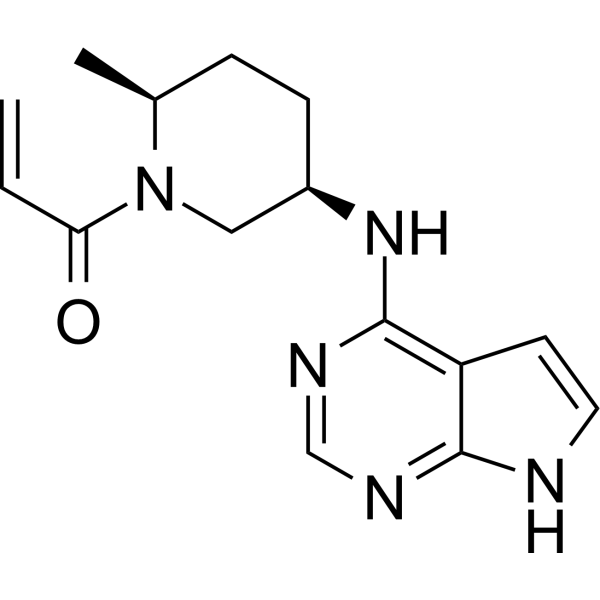
    Ritlecitinib
    5+ Cited Publications

    PF-06651600

    JAK Interleukin Related STAT Inflammation/Immunology
    Ritlecitinib (PF-06651600) is a highly selective, orally active, irreversible covalent JAK3 inhibitor (IC50=33 nM) without inhibitory activity towards JAK1, JAK2, and TYK2 (IC50 >10 μ M). Ritlecitinib rapidly inactivates the JAK3 kinase, and blocks signaling and downstream STAT phosphorylation mediated by common gamma chain cytokines such as IL-2 and IL-15. Ritlecitinib can inhibit Th1/Th17 cell differentiation and function, and effectively suppress preclinical animal models such as alopecia areata, adjuvant-induced arthritis (AIA), and experimental autoimmune encephalomyelitis (EAE) .
    Ritlecitinib
  • HY-12000
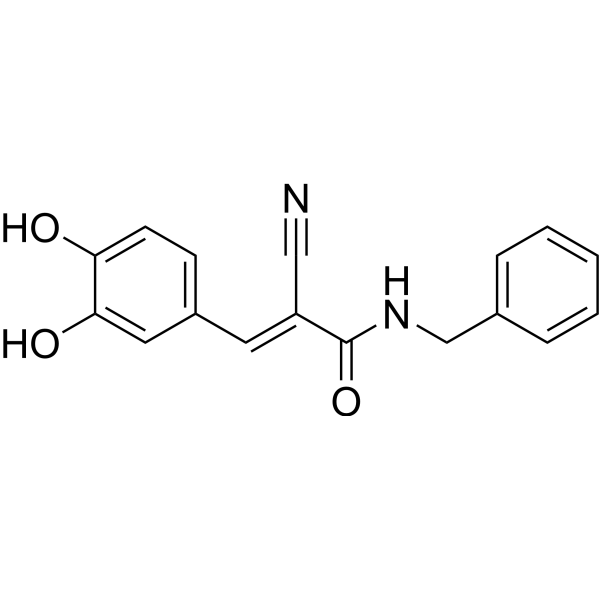
    AG490
    Maximum Cited Publications
    165 Publications Verification

    Tyrphostin AG490; Tyrphostin B42

    EGFR STAT JAK Autophagy Cancer
    AG490 (Tyrphostin AG490) is a tyrosine kinase inhibitor that inhibits EGFR, Stat-3 and JAK2/3.
    AG490
  • HY-14435
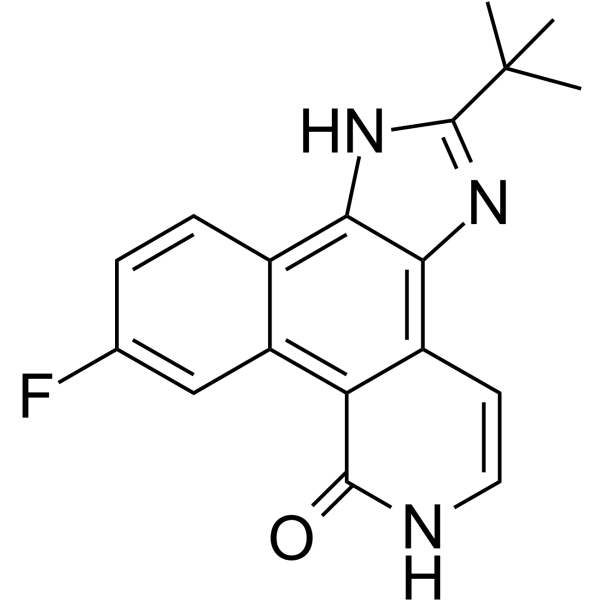
    Pyridone 6
    10+ Cited Publications

    JAK Cancer
    Pyridone 6 is a pan-JAK inhibitor, which potently inhibits the JAK kinase family, with IC50s of 1 nM for JAK2 and TYK2, 5 nM for JAK3, and 15 nM for JAK1, while displaying significantly weaker affinities (130 nM to >10 mM) for other protein tyrosine kinases.
    Pyridone 6
  • HY-112708
    Brepocitinib
    3 Publications Verification

    PF-06700841

    JAK Inflammation/Immunology
    Brepocitinib (PF-06700841) is a potent dual Janus kinase 1 (JAK1) and TYK2 inhibitor with IC50s of 17 nM and 23 nM, respectively. Brepocitinib also inhibits JAK2 and JAK3 with IC50s of 77 nM and 6.49 μM, respectively .
    Brepocitinib
  • HY-50867
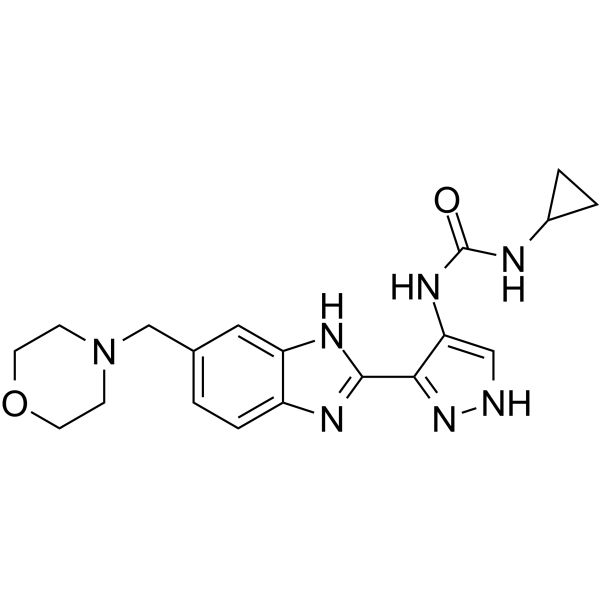
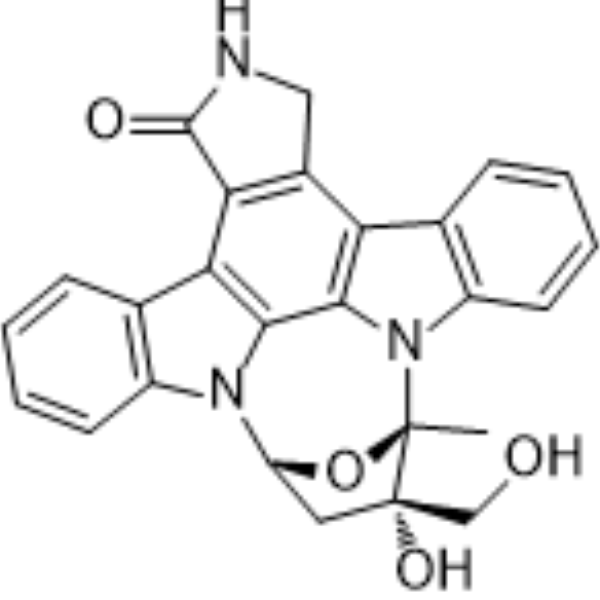
    Lestaurtinib
    4 Publications Verification

    CEP-701; KT-5555

    JAK FLT3 Trk Receptor Apoptosis STAT Cancer
    Lestaurtinib (CEP-701) is an orally active and selective RPTKs (receptor protein tyrosine kinase) inhibitor, competitively inhibits ATP binding to the TrkA/B/C domain. Lestaurtinib inhibits RPTKs phosphorylation, with IC50s of 2, 25 and 0.9 nM for FLT3, TrkA and JAK2, respectively. Lestaurtinib induces apoptosis and cycle arrest, also can inhibit growth of tumor .
    Lestaurtinib
  • HY-50514
    AT9283
    5+ Cited Publications

    JAK Aurora Kinase Bcr-Abl FLT3 Apoptosis Autophagy Cancer
    AT9283 is a multi-targeted kinase inhibitor with potent activity against Aurora A/B, JAK2/3, Abl (T315I) and Flt3 (IC50s ranging from 1 to 30 nM). AT9283 inhibits growth and survival of multiple solid tumors in vitro and in vivo .
    AT9283
  • HY-103018
    Gusacitinib
    1 Publications Verification

    ASN-002

    JAK Syk Inflammation/Immunology Cancer
    Gusacitinib (ASN-002) is an orally active dual SYK/JAK kinase inhibitor with IC50 values of 5, 46, 4, 11 and 8 nM for SYK, JAK1, JAK2, JAK3 and TYK2, respectively. Gusacitinib rapidly and significantly suppressed key inflammatory pathways implicated in atopic dermatitis pathogenesis. Gusacitinib can be used in the research of chronic hand eczema and cancers such as basal cell carcinoma .
    Gusacitinib
  • HY-10409A
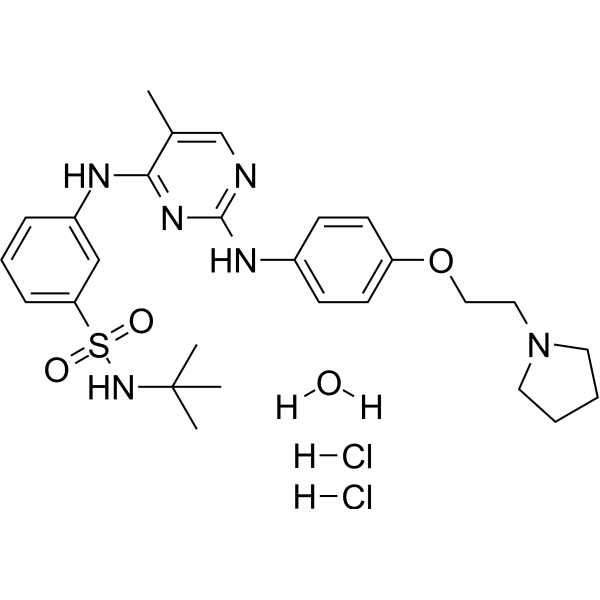
    Fedratinib hydrochloride hydrate
    50+ Cited Publications

    TG-101348 hydrochloride hydrate; SAR 302503 hydrochloride hydrate

    JAK Apoptosis Cancer
    Fedratinib hydrochloride hydrate (TG-101348 hydrochloride hydrate) is a potent, selective, ATP-competitive and orally active JAK2 inhibitor with IC50s of 3 nM for both JAK2 and JAK2V617F kinase. Fedratinib hydrochloride hydrate shows 35- and 334-fold selectivity over JAK1 and JAK3, respectively. Fedratinib hydrochloride hydrate induces cancer cell apoptosis and has the potential for myeloproliferative disorders research .
    Fedratinib hydrochloride hydrate
  • HY-10411
    AZ960
    1 Publications Verification

    JAK Apoptosis Parasite Virus Protease Cancer
    AZ960 is a potent and specific inhibitor of the JAK2 kinase with a Ki of 0.45 nM.
    AZ960
  • HY-13775
    XL019
    5 Publications Verification

    JAK Apoptosis Cancer
    XL019?is a potent, orally active, and selective JAK2 inhibitor, with IC50s of 2.2, 134.3, and 214.2 nM for JAK2, JAK1 and JAK3, respectively. XL019 shows 50-fold or greater selectivity for JAK2, versus a panel of over 100 serine/threonine and tyrosine kinases, including other members of the JAK family. XL019 potently inhibits STAT3 and STAT5 phosphorylation in cells harboring either JAK2V617F or wild-type JAK2 .
    XL019
  • HY-P10373

    JAK IFNAR Interleukin Related Infection Inflammation/Immunology
    pJAK2(1001-1013) is a cell-penetrating peptide that corresponds to the activation loop of JAK2 tyrosine kinase and functions as a SOCS1/3antagonist. pJAK2 (1001-1013) blocks SOCS1-mediated negative regulation of immune function, and enhances the biological activity of cytokines such as IFNγ and IL6. pJAK2(1001-1013) inhibits the replication of a broad range of viruses and exerts dose-dependent protective efficacy against lethal viral infections. pJAK2(1001-1013) can be used for the study of immune regulation and infection .
    pJAK2(1001-1013)
  • HY-145551

    JAK Interleukin Related Inflammation/Immunology
    Atinvicitinib is an orally active and selective JAK1 inhibitor. Atinvicitinib blocks signaling of JAK1-dependent pruritogenic and pro-inflammatory cytokines, including those in the IL-31, IL-4, and IL-13 pathways. Atinvicitinib can be used for the researches of pruritus associated with allergic dermatitis and canine atopic dermatitis .
    Atinvicitinib
  • HY-15504A
    RGB-286638 free base
    3 Publications Verification

    CDK GSK-3 MEK JAK Cancer
    RGB-286638 is a CDK inhibitor that inhibits the kinase activity of cyclin T1-CDK9, cyclin B1-CDK1, cyclin E-CDK2, cyclin D1-CDK4, cyclin E-CDK3, and p35-CDK5 with IC50s of 1, 2, 3, 4, 5 and 5 nM, respectively; also inhibits GSK-3β, TAK1, Jak2 and MEK1, with IC50s of 3, 5, 50, and 54 nM.
    RGB-286638 free base
  • HY-15480
    NSC 42834
    3 Publications Verification

    JAK2 Inhibitor V; Z3

    JAK Cancer
    NSC 42834 (JAK2 Inhibitor V), a novel specific inhibitor of Jak2, inhibits Jak2-V617F and Jak2-WT autophosphorylation in a dose-dependent manner but was not cytotoxic to cells at concentrations that inhibited kinase activity.
    NSC 42834
  • HY-19569R
    Upadacitinib (Standard)
    1 Publications Verification

    ABT-494 (Standard)

    Reference Standards JAK Inflammation/Immunology
    Upadacitinib (Standard) is the analytical standard of Upadacitinib. This product is intended for research and analytical applications. Upadacitinib (ABT-494) is a potent, orally active and selective Janus kinase 1 (JAK1) inhibitor (IC50=43 nM). Upadacitinib (ABT-494) displays approximately 74 fold selective for JAK1 over JAK2 (200 nM) in cellular assays dependent on specific, relevant cytokines. Upadacitinib (ABT-494) can be used for several autoimmune disorders research .
    Upadacitinib (Standard)
  • HY-15504
    RGB-286638
    3 Publications Verification

    CDK GSK-3 MEK JAK Cancer
    RGB-286638 is a CDK inhibitor that inhibits the kinase activity of cyclin T1-CDK9, cyclin B1-CDK1, cyclin E-CDK2, cyclin D1-CDK4, cyclin E-CDK3, and p35-CDK5 with IC50s of 1, 2, 3, 4, 5 and 5 nM, respectively; also inhibits GSK-3β, TAK1, Jak2 and MEK1, with IC50s of 3, 5, 50, and 54 nM.
    RGB-286638
  • HY-100754C
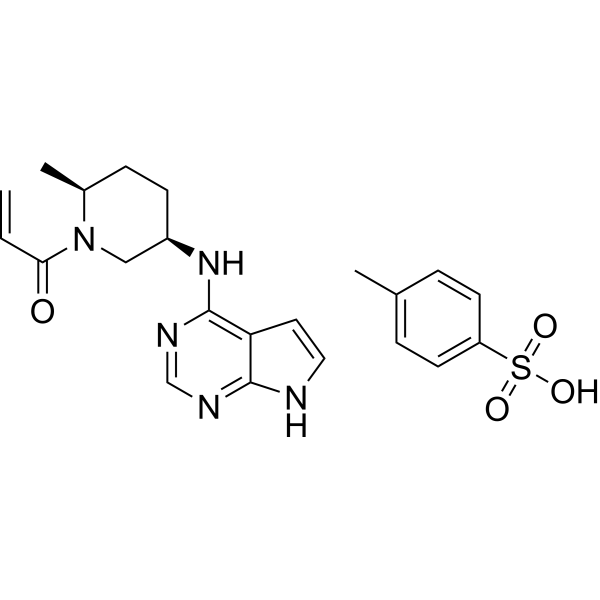
    Ritlecitinib tosylate
    5+ Cited Publications

    PF-06651600 tosylate

    JAK Interleukin Related STAT Inflammation/Immunology
    Ritlecitinib (PF-06651600) tosylate is a highly selective, orally active, irreversible covalent JAK3 inhibitor (IC50=33 nM) without inhibitory activity towards JAK1, JAK2, and TYK2 (IC50 >10 μ M). Ritlecitinib tosylate rapidly inactivates the JAK3 kinase, and blocks signaling and downstream STAT phosphorylation mediated by common gamma chain cytokines such as IL-2 and IL-15. Ritlecitinib tosylate can inhibit Th1/Th17 cell differentiation and function, and effectively suppress preclinical animal models such as alopecia areata, adjuvant-induced arthritis (AIA), and experimental autoimmune encephalomyelitis (EAE) .
    Ritlecitinib tosylate
  • HY-112708A
    Brepocitinib P-Tosylate
    3 Publications Verification

    PF-06700841 P-Tosylate

    JAK Inflammation/Immunology
    Brepocitinib (PF-06700841) P-Tosylate is a potent dual Janus kinase 1 (JAK1) and TYK2 inhibitor with IC50s of 17 nM and 23 nM, respectively. Brepocitinib P-Tosylate also inhibits JAK2 and JAK3 with IC50s of 77 nM and 6.49 μM, respectively .
    Brepocitinib P-Tosylate
  • HY-18009
    (Z)-LFM-A13
    3 Publications Verification

    Btk Polo-like Kinase (PLK) JAK Cancer
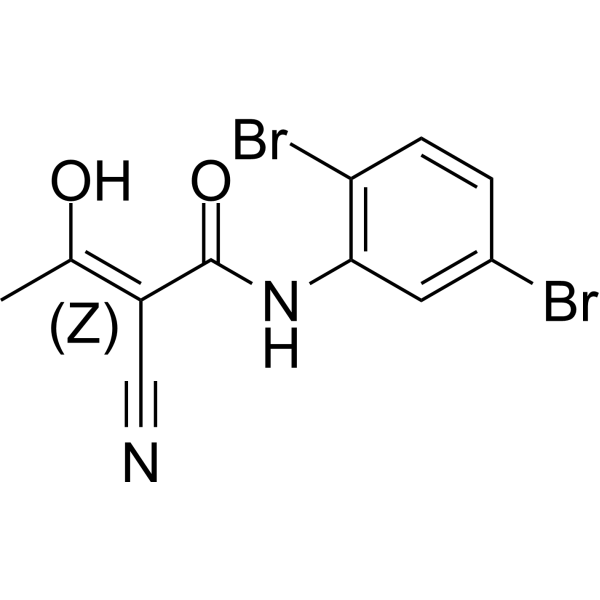
    LFM-A13 is a potent BTK, JAK2, PLK inhibitor, inhibits recombinant BTK, Plx1 and PLK3 with IC50s of 2.5 μM, 10 μM and 61 μM; LFM-A13 shows no effects on JAK1 and JAK3, Src family kinase HCK, EGFR and IRK.
    (Z)-LFM-A13
  • HY-109082

    SKI-O-703

    Syk Inflammation/Immunology
    Cevidoplenib (SKI-O-703) is an orally available inhibitor of spleen tyrosine kinase (Syk), with potential anti-inflammatory and immunomodulating activities. Cevidoplenib is also the mesylate form of SKI-O-592. Cevidoplenib and SKI-O-592 inhibits BCR-mediated survival, proliferation, and differentiation of B cells. And SKI-O-592 potently inhibits multiple kinases with IC50s of 6.2 nM (Syk), 1.859 μM (Jak2), 5.807 μM (Jak3), 0.412 μM (RET), 0.687 μM (KOR), 1.783 μM (FLT3), 16.96 μM (FGFR1), 5.662 μM (FGFR3), and 0.709 μM (Pyk2), respectively .
    Cevidoplenib
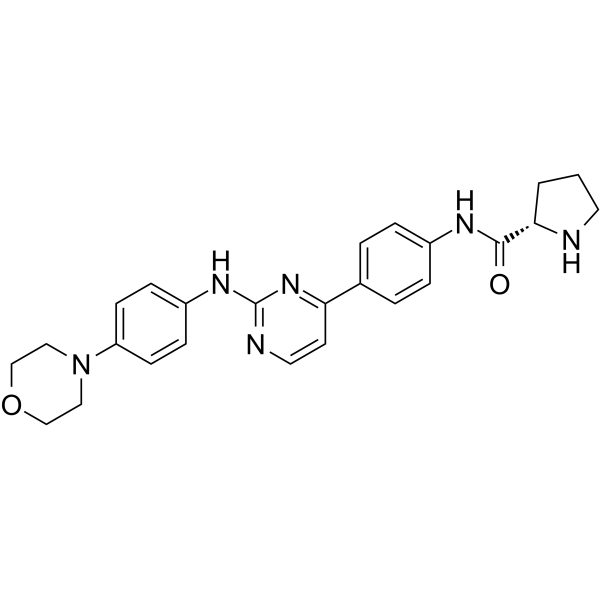
  • HY-169326S

    Isotope-Labeled Compounds JAK Cancer
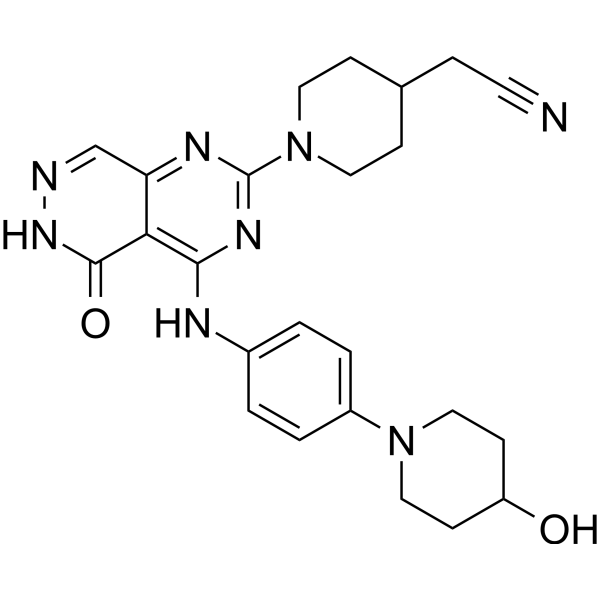
    JAK2-IN-11 (Example 6) is a JAK2 kinase inhibitor with IC50 ≤10 nM against JH2 BIND WT/V617F. JAK2-IN-11 has antitumor activity .
    JAK2-IN-11
  • HY-113787

    Ack1 JAK Cancer
    (R)-9b is a potent inhibitor of ACK1 tyrosine kinase (IC50=56 nM) with anticancer activity. (R)-9b exhibits selectivity for ACK1 but has inhibitory effects on JAK family kinases JAK2 and Tyk2. (R)-9b can be used in the study of hormone-regulated cancers such as prostate and breast cancer .
    (R)-9b
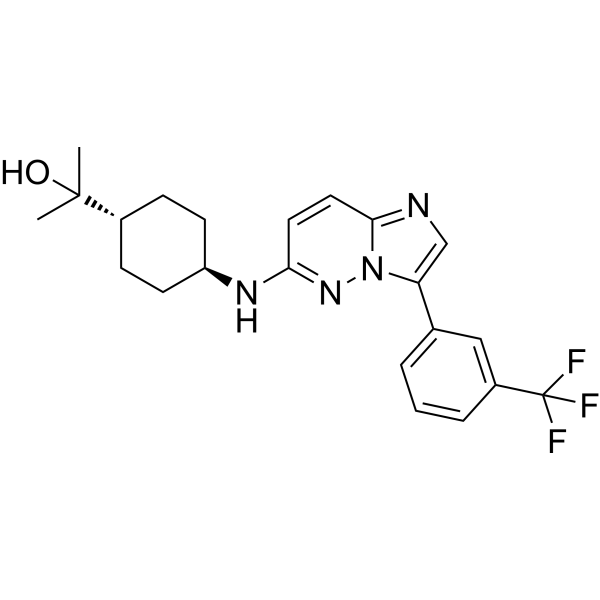
  • HY-126242S

    JAK IFNAR Interleukin Related Inflammation/Immunology
    Tyk2-IN-7 is an orally active TYK2 JH2 inhibitor, binds to TYK2 JH2 domain with IC50 and Ki.app of 0.00053 μM and 0.00007 μM, respectively. Tyk2-IN-7 provides a highly selective alternative to conventional TYK2 orthosteric inhibitors, inhibits TYK2/JAK1/JAK2 kinase domain. Tyk2-IN-7 can inhibit the IL-23 and IFN-α signaling pathways. Tyk2-IN-7 is commonly used in the study of inflammatory conditions such as colitis .
    Tyk2-IN-7
  • HY-W722277A

    Interleukin Related NADH Dehydrogenase TNF Receptor JAK STAT IRAK Inflammation/Immunology
    LCC-12 (formate) is a copper (II) chelator and a derivative of the biguanide metformin (HY-B0627). LCC-12 (formate) reduces its hydrogen peroxide-dependent oxidation of NADH to NAD+. LCC-12 (formate) reduces IL-1β, IL-2, IL-6, IL-8, and TNF-α levels, as well as JAK2, STAT2, and IL-1 receptor-associated kinase 4 (IRAK4) levels in primary human cytokine-activated monocyte-derived macrophages (MDMs). LCC-12 (formate) reduces the number of CD80+ and CD86+ cytokine-activated MDMs. LCC-12 LCC-12 (formate) improves survival in a mouse model of sepsis induced by LPS or cecal ligation and puncture .
    LCC-12 formate
  • HY-164393

    JAK Bcr-Abl Apoptosis Cancer
    ON044580, an α-benzoyl styryl benzyl sulfide, is a potent and non-ATP-competitive JAK2 kinase inhibitor with IC50s of 1.23 μM, 1.09 μM for WT and V617F mutant JAK2, respectively. ON044580 inhibits the JAK2 kinase activity either by binding to the STAT-5 binding domain of JAK2 or by binding to an allosteric site. ON044580 exerts its antiproliferative effect in JAK2 V617F-positive leukemic cells. ON044580 effectively induces apoptosis of Imatinib (HY-15463)-resistant chronic myelogenous leukemia (CML) cells. ON044580 also inhibits both WT and T315I mutant forms of the BCR-ABL kinase. ON044580 has the potential for myeloproliferative disorders typified by aberrant JAK/STAT signaling .
    ON044580
  • HY-124858

    STAT JAK Apoptosis Cardiovascular Disease Cancer
    SC99 is an orally active, selective STAT3 inhibitor targeting JAK2-STAT3 pathway. SC99 docks into the ATP-binding pocket of JAK2. SC99 inhibits phosphorylation of JAK2 and STAT3 with no effects on the other kinases associated with STAT3 signaling. SC99 inhibits platelet activation, aggregation and displays potent anti-myeloma, anti-thrombotic activities .
    SC99
  • HY-149007
    STAT3-IN-11
    1 Publications Verification

    STAT Apoptosis Cancer
    STAT3-IN-11 (7a) is a selective STAT3 inhibitor that inhibits the phosphorylation of STAT3 at site pTyr705. STAT3-IN-11 inhibits the phosphorylation of downstream genes (Survivin and Mcl-1) without affecting its upstream tyrosine kinases (Src and JAK2) levels and p-STAT1 expression. STAT3-IN-11 can induce cancer cell apoptosis, which is potential for the discovery of effective STAT3 inhibitors and antitumor agents against cancers .
    STAT3-IN-11
  • HY-W727879
    Upadacitinib-15N,d2
    1 Publications Verification

    ABT-494-15N,d2

    Isotope-Labeled Compounds Others
    Upadacitinib- 15N,d2 (ABT-494- 15N,d2) is the deuterium-labeled Upadacitinib (HY-19569). Upadacitinib- 15N,d2 (ABT-494) is a potent, orally active and selective Janus kinase 1 (JAK1) inhibitor (IC50=43 nM). Upadacitinib- 15N,d2 (ABT-494) displays approximately 74 fold selective for JAK1 over JAK2 (200 nM) in cellular assays dependent on specific, relevant cytokines. Upadacitinib- 15N,d2 (ABT-494) can be used for several autoimmune disorders research .
    Upadacitinib-15N,d2
  • HY-12736A
    GSK143 dihydrochloride
    1 Publications Verification

    Syk ERK Inflammation/Immunology Cancer
    GSK143 dihydrochloride is an orally active and highly selective spleen tyrosine kinase (SYK) inhibitor with a pIC50 of 7.5. GSK143 dihydrochloride inhibits phosphorylated Erk (pErk: pIC50=7.1) . GSK143 dihydrochloride reduces inflammation and prevents recruitment of immune cells in the intestinal muscularis in mice .
    GSK143 dihydrochloride
  • HY-P1590

    JAK Inflammation/Immunology Cancer
    Tyrosine Protein Kinase JAK 2 (Phospho-Tyr8, 9) is a peptide corresponding to amino acids 475 to 491 of mouse JAK2.
    Tyrosine Protein Kinase JAK 2 (Phospho-Tyr8, 9)
  • HY-100849

    JAK Inflammation/Immunology
    JAK3i is a highly selective JAK3 inhibitor (IC50: 0.43 nM). JAK3i forms a covalent bond with a cysteine in JAK3, but not the closely related kinase domains in JAK1, JAK2, or TYK2. JAK3i abolishes IL-2-driven T-cell proliferation in vivo and has the potential for  autoimmune disease research .
    JAK 3i
  • HY-112809

    Syk Src LRRK2 GSK-3 JAK VEGFR Aurora Kinase Inflammation/Immunology
    GSK2646264 (Compound 44) is a potent and selective spleen tyrosine kinase (SYK) inhibitor with a pIC50 of 7.1. GSK2646264 also inhibits other kinases with pIC50 values of 5.4, 5.4, 5.3, 5, 4.5, <4.6 and <4.3 against LCK, LRRK2, GSK3β, JAK2, VEGFR2, Aurora B and Aurora A, respectively. GSK2646264 is penetrable into the epidermis and dermis of the skin .
    GSK2646264
  • HY-19569A

    ABT-494 tartrate tetrahydrate

    JAK Inflammation/Immunology
    Upadacitinib (ABT-494) tartrate tetrahydrate is a potent, orally active and selective Janus kinase 1 (JAK1) inhibitor (IC50=43 nM). Upadacitinib tartrate tetrahydrate displays approximately 74 fold selective for JAK1 over JAK2 (200 nM) in cellular assays dependent on specific, relevant cytokines. Upadacitinib tartrate tetrahydrate can be used for several autoimmune disorders research .
    Upadacitinib tartrate tetrahydrate
  • HY-145029

    Syk JAK Cancer
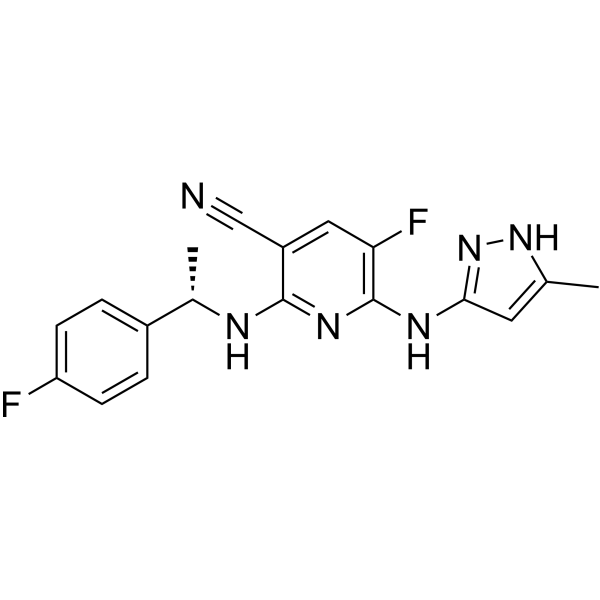
    SYK/JAK-IN-1 is a dual Syk/Jak2 kinase inhibitor. SYK/JAK-IN-1 is applicable to cancer-related research .
    SYK/JAK-IN-1
  • HY-156423

    Microtubule/Tubulin JAK Cancer
    Tubulin/JAK2-IN-1 (compound 7g) is a dual inhibitor of Janus kinase 2 (JAK2) and microtubule. Tubulin/JAK2-IN-1 has potent antiproliferative activity against the cancer cells .
    Tubulin/JAK2-IN-1
  • HY-107594
    Benzene hexabromide
    1 Publications Verification

    JAK Cancer
    Benzene hexabromide, a bromohydrocarbon, is a potent inhibitor of JAK2 tyrosine kinase autophosphorylation.
    Benzene hexabromide
  • HY-10409R

    TG-101348 (Standard); SAR 302503 (Standard)

    Reference Standards JAK Apoptosis Cancer
    Fedratinib (Standard) is the analytical standard of Fedratinib. This product is intended for research and analytical applications. Fedratinib (TG-101348) is a potent, selective, ATP-competitive and orally active JAK2 inhibitor with IC50s of 3 nM for both JAK2 and JAK2V617F kinase. Fedratinib shows 35- and 334-fold selectivity over JAK1 and JAK3, respectively. Fedratinib induces cancer cell apoptosis and has the potential for myeloproliferative disorders research .
    Fedratinib (Standard)
  • HY-177131

    JAK Inflammation/Immunology
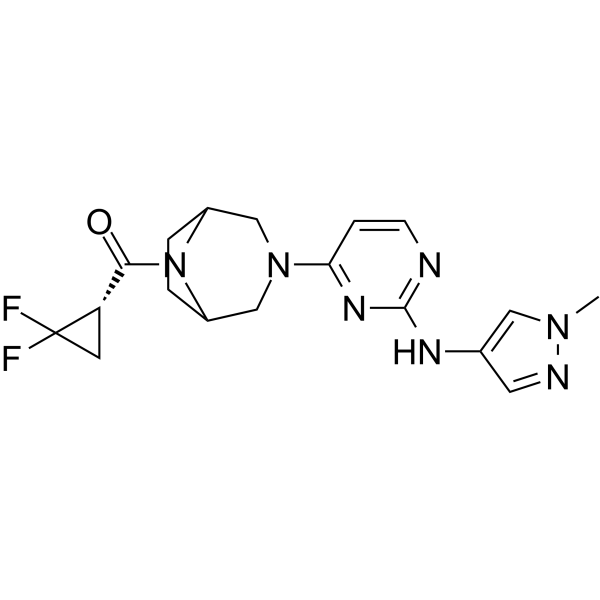
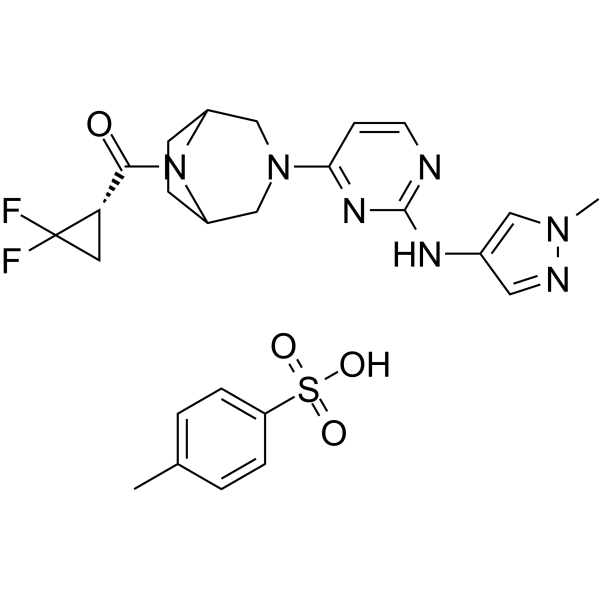
    Soficitinib (Compound 20) is a selective tyrosine kinase 2 (TYK2) and Janus kinase 2 (JAK2) inhibitor, with IC50 values of 0.5 nM and 1.2 nM, respectively. Soficitinib shows promise for research into autoimmune diseases (such as psoriasis, rheumatoid arthritis) and inflammatory diseases .
    Soficitinib
  • HY-16449

    CT-1578

    JAK FLT3 Inflammation/Immunology
    SB1578 (CT-1578) is a selective JAK2 and FLT3 inhibitor with an IC50 of 46 nM and 60 nM, respectively. SB1578 exhibits high selectivity for other kinase targets. SB1578 can be used for the study of non-oncology indication rheumatoid arthritis .
    SB1578
  • HY-P1790

    JAK Metabolic Disease
    Axltide is based on the mouse Insulin receptor substrate 1 (amino acid 979-989). Axltide is a substrate for Axl, DDR2, Mst1, and JAK2 kinases .
    Axltide
  • HY-164454

    Aurora Kinase STAT JAK Mitosis Inflammation/Immunology
    AJI-100 is a dual-target inhibitor of Aurora kinase A and JAK2 with IC50 values of 12.7 nM and 18.5 nM, respectively. AJI-100 directly blocks Aurora kinase A to inhibit T cell mitosis and cell polarity, and inhibits JAK2 activation to inhibit STAT3 phosphorylation, thereby reducing the differentiation of TH1 and TH17 cells. AJI-100 can be used in studies on regulating immune responses and preventing graft-versus-host disease (GVHD) .
    AJI-100
  • HY-151259

    JAK Cancer
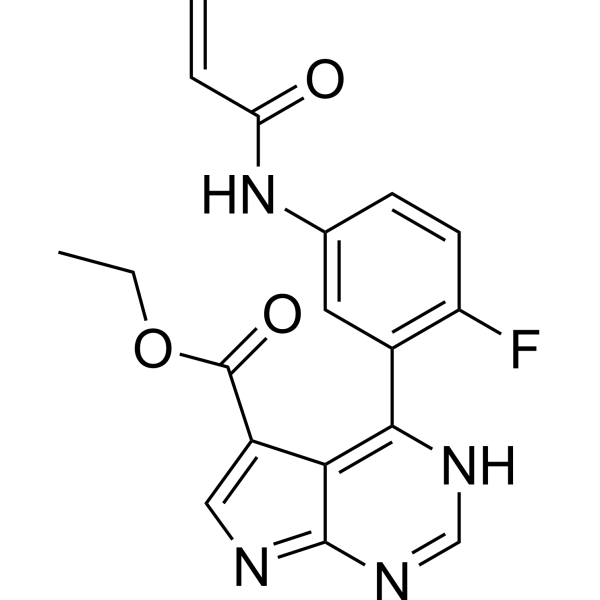
    TK4b is a dual JAK2/3 inhibitor with human JAK2 and JAK3 IC50s of 19.40 nM and 18.42 nM, respectively. TK4b can be used for the research of leukemia and myelofibrosis .
    TK4b
  • HY-10057

    Aurora Kinase Cancer
    AT9283 hydrochloride is a multi-targeted kinase inhibitor with anti-tumor activity. AT9283 hydrochloride has been found to effectively inhibit Aurora A and Aurora B kinases, thereby affecting cell proliferation and survival. AT9283 hydrochloride can also inhibit several other kinases, including JAK2 and Abl (T315I) .
    AT9283 hydrochloride
  • HY-12736

    Syk ERK Inflammation/Immunology Cancer
    GSK143 is an orally active and highly selective spleen tyrosine kinase (SYK) inhibitor with a pIC50 of 7.5. GSK143 inhibits phosphorylated Erk (pErk: pIC50=7.1) . GSK143 reduces inflammation and prevents recruitment of immune cells in the intestinal muscularis in mice .
    GSK143
  • HY-178448

    EGFR JAK Ferroptosis Apoptosis Reactive Oxygen Species (ROS) Cannabinoid Receptor Glutathione Peroxidase Caspase Inflammation/Immunology Cancer
    EGFR-IN-178 is an orally active EGFR mutant inhibitor, exhibits highly selective inhibitory activity against mutants of the EGFR enzyme, including Del19 (IC50 = 3.4 nM), L858R/T790 M (IC50 = 2.9 nM), and Del19/T790 M (IC50 = 2.5 nM). EGFR-IN-178 has good activity against JAK2 (IC50 = 55.6 nM) and JAK3 (IC50 = 46.1 nM) kinases. EGFR-IN-178 can increase cellular lipid oxide MDA, meanwhile decrease GSH content, causing ferroptosis in cancer cells. EGFR-IN-178 promotes apoptosis by increasing cleaved caspase-3 expression. EGFR-IN-178 can inhibit the phosphorylation of EGFR protein and decrease the active form p-JAK2 for JAK2, induce an increase in intracellular ROS. EGFR-IN-178 can be used for the study of non-small cell lung cancer (NSCLC) .
    EGFR-IN-178
  • HY-107459
    (E/Z)-AG490
    1 Publications Verification

    (E/Z)-Tyrphostin AG490; (E/Z)-Tyrphostin B42

    EGFR STAT JAK Cancer
    (E/Z)-AG490 ((E/Z)-Tyrphostin AG490) is a racemic compound of (E)-AG490 and (Z)-AG490 isomers. (E)-AG490 (HY-12000) is a tyrosine kinase inhibitor that inhibits EGFR, Stat-3 and JAK2/3.
    (E/Z)-AG490
  • HY-14435R

    JAK Reference Standards Cancer
    Pyridone 6 (Standard) is the analytical standard of Pyridone 6. This product is intended for research and analytical applications. Pyridone 6 is a pan-JAK inhibitor, which potently inhibits the JAK kinase family, with IC50s of 1 nM for JAK2 and TYK2, 5 nM for JAK3, and 15 nM for JAK1, while displaying significantly weaker affinities (130 nM to >10 mM) for other protein tyrosine kinases.
    Pyridone 6 (Standard)
  • HY-10058

    JAK Aurora Kinase Bcr-Abl FLT3 Apoptosis Autophagy Cancer
    AT9283 lactic acid is a multi-targeted kinase inhibitor with potent activity against Aurora A/B, JAK2/3, Abl (T315I) and Flt3 (IC50s ranging from 1 to 30 nM). AT9283 lactic acid inhibits growth and survival of multiple solid tumors in vitro and in vivo .
    AT9283 lactic acid

Inquiry Online

Your information is safe with us. * Required Fields.

Salutation


Country or Region *

Applicant Name *


Organization Name *

Department *


Email Address *


Product Name *

Cat. No.


Requested quantity *

Phone Number *


Remarks

Inquiry Online

Inquiry Information

Product Name:
Cat. No.:
Quantity:
MCE Japan Authorized Agent:

