1. Search Result
Search Result
Pathways Recommended: Stem Cell/Wnt Cell Cycle/DNA Damage
Results for "

JNK cell

" in MedChemExpress (MCE) Product Catalog:

204

Inhibitors & Agonists

1

Screening Libraries

2

Fluorescent Dye

3

Biochemical Assay Reagents

10

Peptides

3

Inhibitory Antibodies

84

Natural
Products

7

Isotope-Labeled Compounds

2

GMP Molecules

Cat. No. Product Name Target Research Areas Chemical Structure
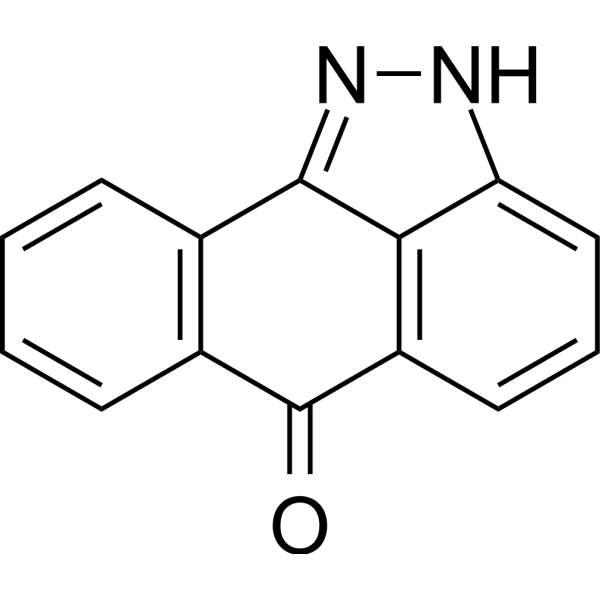
  • HY-12041
    SP600125
    Maximum Cited Publications
    584 Publications Verification

    JNK Autophagy Apoptosis Ferroptosis Cancer
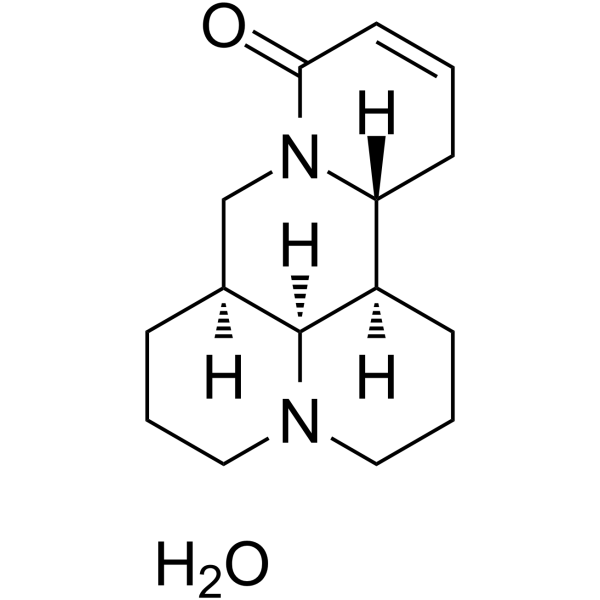
    SP600125 is an orally active, reversible, and ATP-competitive JNK inhibitor with IC50s of 40, 40 and 90 nM for JNK1, JNK2 and JNK3, respectively. SP600125 is a potent ferroptosis inhibitor. SP600125 induces the transformation of bladder cancer cells from autophagy to apoptosis .
    SP600125
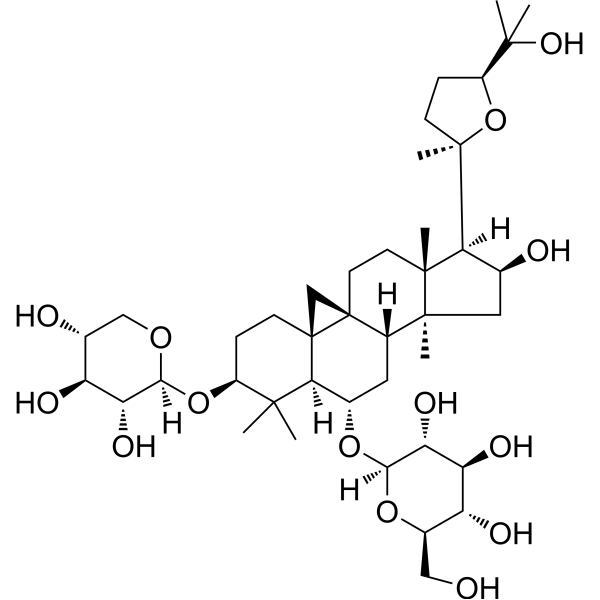
  • HY-N0431
    Astragaloside IV
    Maximum Cited Publications
    35 Publications Verification

    MMP ERK JNK Cancer
    Astragaloside IV, an active component isolated from Astragalus membranaceus, suppresses the activation of ERK1/2 and JNK, and downregulates matrix metalloproteases (MMP)-2, (MMP)-9 in MDA-MB-231 breast cancer cells.
    Astragaloside IV
  • HY-N0678
    Icaritin
    5+ Cited Publications

    Anhydroicaritin

    JAK Autophagy Apoptosis Cancer
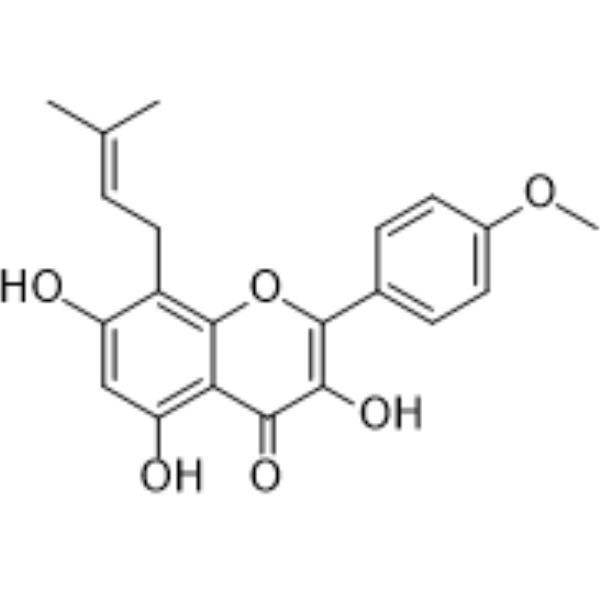
    Icaritin (Anhydroicaritin) is a prenylflavonoid derivative from Epimedium brevicornuMaxim. and potently inhibits proliferation of K562 cells (IC50 of 8 µM) and primary CML cells (IC50 of 13.4 µM for CML-CP and 18 µM for CML-BC). Icaritin can regulate MAPK/ERK/JNK and JAK2/STAT3 /AKT signalings, also enhances osteogenesis [3.
    Icaritin
  • HY-111431A
    p-Cresyl sulfate potassium
    5+ Cited Publications

    p-Tolyl sulfate potassium

    Endogenous Metabolite JNK p38 MAPK Metabolic Disease Inflammation/Immunology
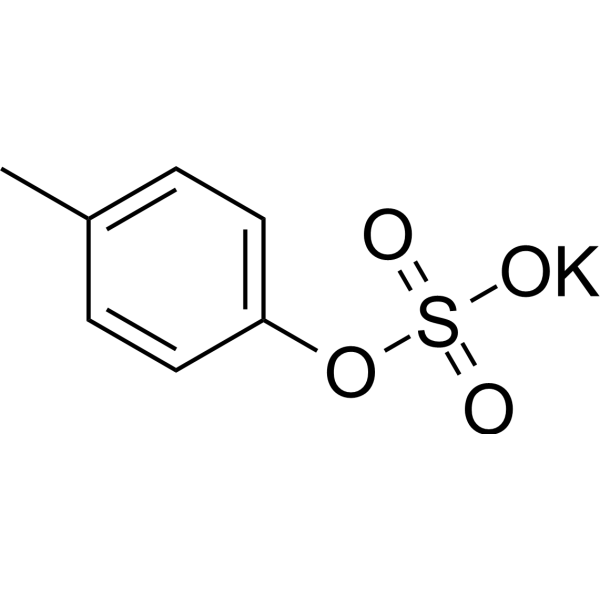
    p-Cresyl sulfate potassium is a uremic toxin that binds to a prototype protein. p-Cresyl sulfate potassium activates the JNK and p38 MAPK signaling pathways. p-Cresyl sulfate potassium has pro-inflammatory activity .
    p-Cresyl sulfate potassium
  • HY-N2149
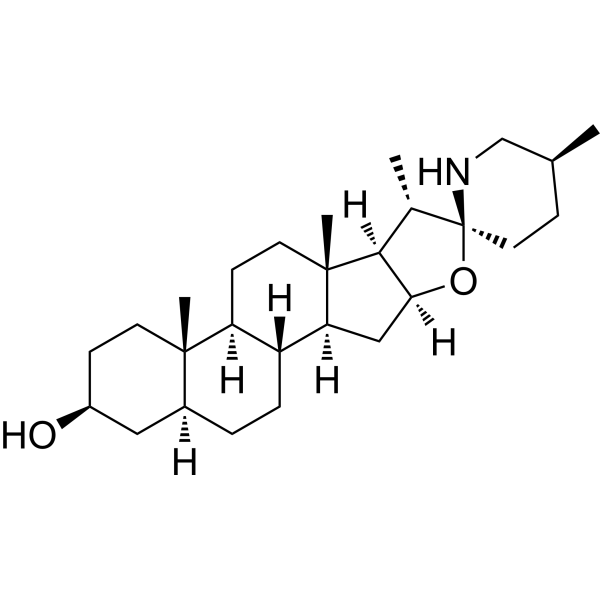
    Tomatidine
    5+ Cited Publications

    NF-κB JNK Autophagy Endogenous Metabolite Cardiovascular Disease Inflammation/Immunology
    Tomatidine acts as an anti-inflammatory agent by blocking NF-κB and JNK signaling . Tomatidine activates autophagy either in mammal cells or C elegans .
    Tomatidine
  • HY-P0069
    D-JNKI-1
    Maximum Cited Publications
    11 Publications Verification

    AM-111; XG-102

    JNK Others
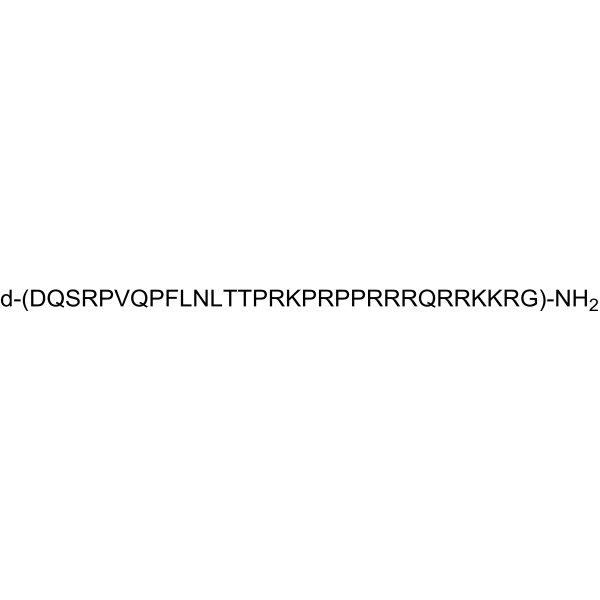
    D-JNKI-1 (AM-111) is a highly potent and cell-permeable peptide inhibitor of JNK.
    D-JNKI-1
  • HY-N0481
    Roburic acid
    1 Publications Verification

    COX TNF Receptor NO Synthase Interleukin Related NF-κB Apoptosis p38 MAPK JNK ERK Keap1-Nrf2 RANKL/RANK Neurological Disease Inflammation/Immunology Cancer
    Roburic acid acts as an anti-inflammatory, anti-tumor and osteoclastogenesis inhibitor, with a Ki of 7.066 μM against human TNF, an IC50 of 9 μM against human COX-2, and an IC50 of 5 μM against ovine COX-1. Roburic acid reduces the production of inflammatory mediators such as NO and IL-6 in macrophages by inhibiting the NF-κB and MAPK (p38/JNK) pathways. By competitively inhibiting the TNF-TNF-R1 interaction, Roburic acid blocks the downstream NF-κB signaling pathway, thereby inducing cell cycle arrest and apoptosis in cancer cells. Roburic acid specifically inhibits osteoclastogenesis and bone resorption by suppressing the RANKL/TRAF6/NF-κB/NFATc1 axis. Roburic acid can be used in research related to osteolytic diseases such as osteoporosis, colorectal cancer and inflammatory diseases .
    Roburic acid
  • HY-138304
    CC-90001
    3 Publications Verification

    JNK Inflammation/Immunology
    CC-90001 is a potent, selective and orally active inhibitor of c-Jun N-terminal kinase (JNK). CC-90001 shows 12.9-fold selectivity for JNK1 over JNK2 in a cell-based model. CC-90001 can be used for the research of idiopathic pulmonary fibrosis .
    CC-90001
  • HY-10520
    CGP 57380
    3 Publications Verification

    MNK Apoptosis Cancer
    CGP 57380 is a cell-permeable pyrazolo-pyrimidine compound that acts as a selective inhibitor of Mnk1 with IC50 of 2.2 μM, but has no inhibitory activity against p38, JNK1, ERK1/2, PKC, or Src-like kinases.
    CGP 57380
  • HY-15415
    KB-R7943 mesylate
    4 Publications Verification

    Na+/Ca2+ Exchanger Autophagy Cancer
    KB-R7943 mesylate is a widely used inhibitor of the reverse Na +/Ca 2+ exchanger (NCXrev) with IC50 of 5.7±2.1 μM. KB-R7943 mesylate induces cancer cell death via activating the JNK pathway and blocking autophagic flux.
    KB-R7943 mesylate
  • HY-13811
    NSC697923
    5+ Cited Publications

    E1/E2/E3 Enzyme Apoptosis Cancer
    NSC697923 is a potent UBE2N (ubiquitin-conjugating enzyme E2 N, Ubc13) inhibitor. NSC697923 induces neuroblastoma (NB) cell death via promoting nuclear importation of p53 in p53 wild-type NB cells. NSC697923 also induces cell death in p53 mutant NB cells by activation of JNK-mediated apoptotic pathway. NSC697923 inhibits DNA damage and NF-κB signaling. Antitumor activity .
    NSC697923
  • HY-148510

    Phosphatase Apoptosis Akt ERK Reactive Oxygen Species (ROS) Cancer
    HKB99 is an allosteric inhibitor of phosphoglycerate mutase 1 (PGAM1). HKB99 induces apoptosis. HKB99 inhibits the formation of invasive pseudopodia and inhibits migration. HKB99 increases the oxidative stress, activates JNK/c-Jun and suppresses AKT and ERK. HKB99 can be used for the research of non-small-cell lung cancer (NSCLC) .
    HKB99
  • HY-N5048

    6'-O-Galloyl paeoniflorin

    NF-κB ERK JNK Nuclear Factor of activated T Cells (NFAT) Keap1-Nrf2 PI3K Akt Reactive Oxygen Species (ROS) Apoptosis DNA/RNA Synthesis Infection Neurological Disease Metabolic Disease Inflammation/Immunology
    Galloylpaeoniflorin (6'-O-Galloyl paeoniflorin) is an orally active galloylated derivative of Paeoniflorin (HY-N0293) found in peony roots with various anti-inflammatory and antioxidant activities. Galloylpaeoniflorin suppresses RANKL-induced activation of ERK, JNK, c-Fos, c-Jun, and NFATc1, and reduces osteoclast-specific gene expression. Galloylpaeoniflorin activates Nrf2 and PI3K/Akt pathways, inhibits NF-κB activation, and scavenges ROS to reduce oxidative DNA, lipid, and protein damage. Galloylpaeoniflorin attenuates neuroinflammation, inhibits apoptosis, reduces Helicobacter pylori-induced gastric mucosa injury and UVB-induced cell damage. Galloylpaeoniflorin can be used for the research of osteoporosis, gastritis, ischemic stroke and skin diseases .
    Galloylpaeoniflorin
  • HY-N3442
    Juglanin
    5+ Cited Publications

    JNK Apoptosis Autophagy Inflammation/Immunology Cancer
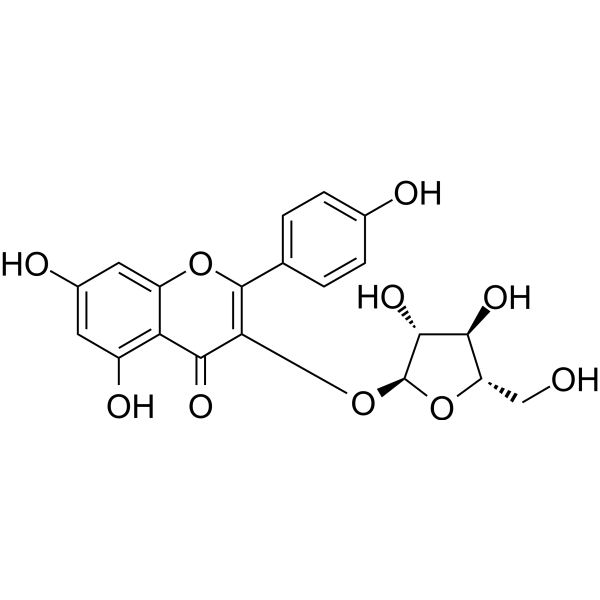
    Juglanin, a occurring flavonoid that can be isolated from crude Polygonum aviculare, is a JNK acticator, with anti-inflammatory, anti-oxidant and anti-tumor activities. Juglanin can induce apoptosis and autophagy on human breast cancer cells .
    Juglanin
  • HY-10412

    KT7515

    JNK Mixed Lineage Kinase MDM-2/p53 Neurological Disease
    CEP-1347 is an inhibitor of the JNK/SAPK pathway with neuroprotective effects. CEP-1347 blocks JNK1 activation induced by members of the mixed lineage kinase (MLK) family (MLK3, MLK2, MLK1, dual leucine zipper kinase, and leucine zipper kinase). As an inhibitor of MDM4, CEP-1347 can more effectively inhibit the growth of glioma cells expressing wild-type p53 .
    CEP-1347
  • HY-11010
    AS601245
    5+ Cited Publications

    JNK Neurological Disease Inflammation/Immunology Cancer
    AS601245 is an orally active, selective, ATP competitive JNK (c-Jun NH2-terminal protein kinase) inhibitor with IC50s of 150, 220, and 70 nM for three JNK human isoforms (hJNK1, hJNK2, and hJNK3), respectively. AS601245 exhibits 10- to 20-fold selectivity over c-src, CDK2, and c-Raf and more than 50- to 100-fold selectivity over a range of Ser/Thr- and Tyr-protein kinases. Neuroprotective properties .
    AS601245
  • HY-114243

    NF-κB JNK Caspase Apoptosis Neurological Disease Cancer
    DpC is a selective, orally active iron chelator with anticancer activity. DpC acts on signaling pathway-related targets such as JNK, NF-κB, and its activity is competitively inhibited by another iron chelator Dp44mT (HY-18973). By chelating intracellular iron and copper ions in tumor cells to form redox-active complexes, DpC induces oxidative stress, activates the JNK, NF-κB pathways and downregulates IκBα, upregulates the expressions of neuroglobin and cytoglobin, activates caspase 3/9 to induce tumor cell apoptosis. It also overcomes P-glycoprotein-mediated multidrug resistance through a lysosome-targeting mechanism, and exhibits broad-spectrum synergistic effects when combined with various chemotherapeutic agents. DpC inhibits tumor metastasis and increases TNF-α levels in the tumor microenvironment to enhance endogenous immune responses. DpC is applicable to the research of various malignancies including neuroblastoma, pancreatic cancer, prostate cancer, lung cancer, and breast cancer .
    DpC
  • HY-N4102

    Apoptosis JNK FOXO Reactive Oxygen Species (ROS) Caspase Neurological Disease
    5,7-Dihydroxy-4-methylcoumarin is an antioxidant. 5,7-Dihydroxy-4-methylcoumarin protects mouse cochlear hair cells from Cisplatin-induced damage, enhances cell viability and inhibits apoptosis. 5,7-Dihydroxy-4-methylcoumarin downregulates phosphorylated JNK levels, increases the ratio of phosphorylated FoxO1 to total FoxO1, scavenges free radicals, reduces ROS accumulation, maintains mitochondrial membrane potential and alleviates mitochondrial dysfunction. 5,7-Dihydroxy-4-methylcoumarin downregulates the expression of caspase-3 and improves cell viability. 5,7-Dihydroxy-4-methylcoumarin can be used in studies related to ototoxicity .
    5,7-Dihydroxy-4-methylcoumarin
  • HY-N2149A
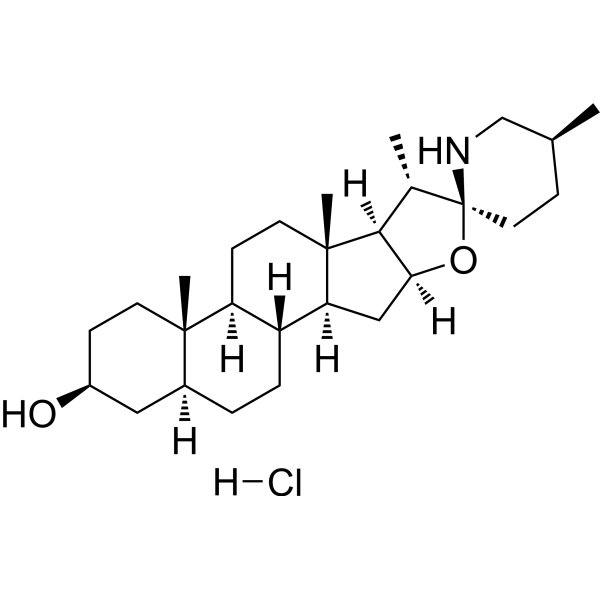
    Tomatidine hydrochloride
    5+ Cited Publications

    NF-κB JNK Autophagy Endogenous Metabolite Cardiovascular Disease Inflammation/Immunology
    Tomatidine hydrochloride acts as an anti-inflammatory agent by blocking NF-κB and JNK signaling . Tomatidine hydrochloride activates autophagy either in mammal cells or C elegans .
    Tomatidine hydrochloride
  • HY-B1014

    VD/VDR p38 MAPK JNK ERK NF-κB Akt GSK-3 PKA Apoptosis Cardiovascular Disease Inflammation/Immunology Cancer
    Acenocoumarol is an anticoagulant that functions as a Vitamin K antagonist. Acenocoumarol inhibits MAPK/ERK/JNK signaling pathway, reduces the nuclear translocation of NF-κB p65, activates Akt/GSK3β signaling pathway. Acenocoumarol induces apoptosis in cell A549, arrests cell cycle at S phase .
    Acenocoumarol
  • HY-W762011

    Apoptosis Reactive Oxygen Species (ROS) JNK Oxidative Phosphorylation Neurological Disease Cancer
    BDE 47 targets mitochondria, inhibits mitochondrial oxidative phosphorylation (OXPHOS), decreases mitochondrial membrane potential (MMP) and induces apoptosis in embryonic cell. BDE 47 induces the generation of ROS, and activates the JNK signaling pathway. BDE 47 exhibits embryonic developmental toxicity in zebrafish .
    BDE 47
  • HY-N7259

    JNK p38 MAPK Apoptosis Inflammation/Immunology
    (+)-Isomenthone is an enantiomer form of Menthone (HY-N2381). (+)-Isomenthone blocks TNF-α-triggered activation of the JNK and p38 MAPK pathways.(+)-Isomenthone inhibits TNF-α-mediated reductions in cell viability, increases in apoptosis, and downstream apoptotic events linked to pathway activation.(+)-Isomenthone protects human dermal fibroblasts against TNF-α-induced cell death under serum-deprived conditions .
    (+)-Isomenthone
  • HY-N0363
    (+)-Columbianetin
    2 Publications Verification

    (S)-Columbianetin

    ERK JNK Collagen TGF-beta/Smad p38 MAPK Reactive Oxygen Species (ROS) Others
    (+)-Columbianetin ((S)-Columbianetin) acts as an inhibitor of JNK/ERK. (+)-Columbianetin inhibits UVA-induced phosphorylation of JNK and ERK, reduces the production of MMP-1, reverses UVA-induced Collagen (HY-NP003) degradation, and alleviates UVA-mediated inhibition of Smad2/3 phosphorylation and translocation. (+)-Columbianetin regulates the AP-1 and ASK1-MAPK signaling pathways, inhibits the production of ROS and blocks sub-G1 cell cycle arrest. (+)-Columbianetin is applicable to research related to skin aging .
    (+)-Columbianetin
  • HY-N1745A
    3-Deoxysappanchalcone
    2 Publications Verification

    Influenza Virus Infection Inflammation/Immunology Cancer
    3-Deoxysappanchalcone is a kinase inhibitor and antiviral agent. 3-Deoxysappanchalcone directly targets MET, EGFR, AKT, mTOR, p38 MAPK, JNK, thrombin, FXa, and influenza virus neuraminidase, thereby regulating related signaling pathways. 3-Deoxysappanchalcone induces cell cycle arrest, ROS production, and apoptosis. 3-Deoxysappanchalcone exhibits anti-inflammatory, anti-allergic, anticoagulant, and antithrombotic activities. 3-Deoxysappanchalcone is applicable to research related to gefitinib-resistant lung cancer, esophageal squamous cell carcinoma, thrombosis, and influenza virus infection .
    3-Deoxysappanchalcone
  • HY-N6872

    JNK Akt Apoptosis Autophagy Reactive Oxygen Species (ROS) Cancer
    Actein, a triterpene glycoside, shows an inhibitory effect on cancer cells, which is isolated from the rhizomes of Cimicifuga foetida. Actein suppresses cell proliferation, induces autophagy and apoptosis through promoting ROS/JNK activation, and blunting AKT pathway in bladder cancer. Actein has little toxicity in vivo .
    Actein
  • HY-W011398

    Environmental Pollutants Interleukin Related Apoptosis Parasite JNK NF-κB Metabolic Disease Inflammation/Immunology Cancer
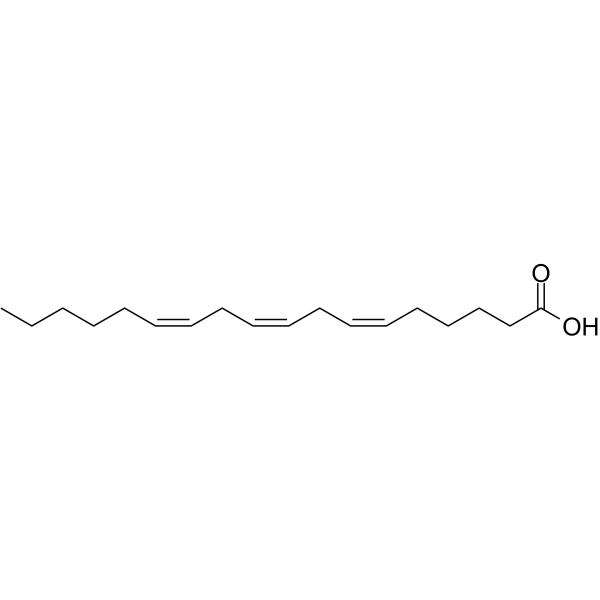
    Linoleate sodium is an orally active IL8 regulator via the JNK and NF-κB pathway. Linoleate sodium can change the composition of fatty acids and the production of metabolites in cells. Linoleate sodium has anti-inflammatory, immune-regulating, and tumor cell growth-affecting activities .
    Linoleate sodium
  • HY-150795

    TGF-beta/Smad PI3K Akt ERK JNK Others
    SY-LB-35 is a potent bone morphogenetic protein (BMP) receptor agonist. SY-LB-35 can stimulate significant increases in cell number and cell viability in the C2C12 myoblast cell line, and causes shifts towards the S and G2/M phases of the cell cycle. SY-LB-35 stimulates canonical Smad and non-canonical PI3K/Akt, ERK, p38 and JNK intracellular signaling pathways .
    SY-LB-35
  • HY-N0431R

    Reference Standards MMP ERK JNK Cancer
    Astragaloside IV (Standard) is the analytical standard of Astragaloside IV. This product is intended for research and analytical applications. Astragaloside IV, an active component isolated from Astragalus membranaceus, suppresses the activation of ERK1/2 and JNK, and downregulates matrix metalloproteases (MMP)-2, (MMP)-9 in MDA-MB-231 breast cancer cells.
    Astragaloside IV (Standard)
  • HY-Y0278

    Tetrachloro-p-benzoquinone; TCBQ

    Environmental Pollutants JNK Fungal Toll-like Receptor (TLR) Reactive Oxygen Species (ROS) Apoptosis MyD88 Ferroptosis Infection Neurological Disease Metabolic Disease Inflammation/Immunology
    Chloranil (Tetrachloro-p-benzoquinone), an orally active metabolite of pentachlorophenol and hexachlorobenzene, is a widely used fungicide. Chloranil can induce ROS production. Chloranil induces neutrophil extracellular traps through the ROS-JNK-NOX2 pathway. Chloranil induces ferroptosis and neuroinflammation. Chloranil induces apoptosis of mouse embryonic stem cells .
    Chloranil
  • HY-N2208
    4-Hydroxylonchocarpin
    2 Publications Verification

    p38 MAPK Apoptosis Reactive Oxygen Species (ROS) Infection Metabolic Disease Inflammation/Immunology Cancer
    4-Hydroxylonchocarpin is a chalcone compound. 4-Hydroxylonchocarpin enhances the phosphorylation of p38 MAPK, JNK and ERK. 4-Hydroxylonchocarpin induces reactive oxygen species (ROS) and apoptosis in liver cancer cells. 4-Hydroxylonchocarpin has various pharmacological activities, including antibacterial, anticancer, anti-retroviral, anti-tuberculosis, anti-malarial and anti-inflammatory activities .
    4-Hydroxylonchocarpin
  • HY-N3711

    JNK ERK Apoptosis Neurological Disease
    Dehydrocrenatidine, a β-carboline alkaloid that can be isolated from Picrasma quassioides. Dehydrocrenatidine induces cell apoptosis by activates ERK and JNK. Dehydrocrenatidine inhibits invasion and migration of cancer cells, it also suppresses neuronal excitability to exert analgesic effects .
    Dehydrocrenatine
  • HY-N3000

    JNK IRE1 Akt mTOR YAP Reactive Oxygen Species (ROS) Autophagy Apoptosis Ferroptosis Fungal Infection Inflammation/Immunology Cancer
    6-Methoxydihydrosanguinarine is an alkaloid with activity across multiple cancer cell types. 6-Methoxydihydrosanguinarine activates IRE1/JNK signaling, blocks Akt/mTOR and PI3K/AKT/mTOR pathways, reduces expression of Cdc25C, CyclinB1, Cdc2, YAP/TAZ, Survivin, GPX4, and EGFR, upregulates IRE1 and DR5, and activates JNK and caspases. 6-Methoxydihydrosanguinarine induces apoptosis, G2/M phase arrest, DNA damage, ROS generation, lipid peroxidation, ferroptosis, autophagy, and suppresses cancer cell growth. 6-Methoxydihydrosanguinarine disruptes the biofilm formation of Candida albicans (C. albicans). 6-Methoxydihydrosanguinarine can be used for the research of non-small cell lung cancer, hepatocellular carcinoma, melanoma, colon carcinoma, ovarian cancer and breast cancer .
    6-Methoxydihydrosanguinarine
  • HY-10851

    JNK Reactive Oxygen Species (ROS) Neurological Disease
    JNK-9L (Compound 9l) is a BBB-penetrable and ATP-competitive JNK inhibitor with IC50s of 0.099 and 0.148  μM for JNK1 and JNK3, respectively. JNK-9L significantly inhibits c-jun phosphorylation and Streptozotocin (HY-13753)-induced ROS generation with an IC50 of 0.8  nM. JNK-9L can be used for neurodegenerative disorders like Parkinson’s disease research .
    JNK-9L
  • HY-N1508

    MMP Apoptosis Autophagy NF-κB TNF Receptor COX Toll-like Receptor (TLR) SOD ASK1 JNK Cardiovascular Disease Inflammation/Immunology Endocrinology Cancer
    Ecliptasaponin A is an orally active pentacyclic triterpenoid saponin. Ecliptasaponin A exerts anti-tumor activity by activating ASK1/JNK pathway, inducing apoptosis and autophagy in lung cancer cells. Ecliptasaponin A exerts anti-inflammatory/anti-fibrotic effects and protects the cardiovascular system by inhibiting the HMGB1/TLR4/NF-κB pathway, and the expression of COX-2 and MMP-9. Ecliptasaponin A can enhance SOD activity, reduce MDA levels, and alleviate oxidative stress damage. Ecliptasaponin A exerts chondroprotective effects by inhibiting the expression of MMP13 and regulating inflammatory factors. Ecliptasaponin A improves ovarian function and regulates sex hormones by upregulating the expression of ESR1 receptors .
    Ecliptasaponin A
  • HY-W753791

    TNF Receptor JNK Neurological Disease Inflammation/Immunology
    (±)-Perillaldehyde has an antidepressant effect by modulating the olfactory nervous system in a mouse model of stress-induced depression. (±)-Perillaldehyde also has anti-inflammatory activity, inducing JNK activation in RAW264.7 cells and inhibiting the expression of TNF-α, with an IC50 of 171.7 μM .
    (±)-Perillaldehyde
  • HY-125953

    Ceramide (Egg, Chicken)

    JNK p38 MAPK Phosphatase Akt Survivin CDK mTOR Apoptosis Autophagy Reactive Oxygen Species (ROS) Neurological Disease Cancer
    Ceramide (Egg) (Ceramide (Egg, Chicken)) is a ceramide from chicken. Ceramide (Egg) is a sphingomyelin signaling pathway second messenger. Ceramide (Egg) activates PP2A, JNK, p38 MAPK, CAPK, ceramide-activated protein phosphatase, Vav, PKCζ, and SAPK/JNK cascade. Ceramide (Egg) downregulates or inhibits AKT, survivin, CDK2, mTOR, and FLIP. Ceramide (Egg) mediates apoptosis, autophagy, cell cycle arrest, mitochondrial dysfunction, redox state shifts, and ROS generation. Ceramide (Egg) can be used for the research of cancer and neurological disease .
    Ceramide (Egg)
  • HY-169021

    JNK Cancer
    JNK-1-IN-3 (Compound 9e) is an inhibitor of JNK1 that downregulates JNK1 gene expression and inhibits the protein levels of its phosphorylated form, concurrently reducing the expression of its downstream targets, c-Jun and c-Fos, in tumors while restoring p53 activity. JNK-1-IN-3 exhibits broad-spectrum antiproliferative activity, particularly with high inhibitory activity against renal and breast cancer cell lines, demonstrating both in vivo and in vitro anticancer activity .
    JNK-1-IN-3
  • HY-N2149R

    Reference Standards NF-κB JNK Autophagy Endogenous Metabolite Cardiovascular Disease Inflammation/Immunology
    Tomatidine acts as an anti-inflammatory agent by blocking NF-κB and JNK signaling . Tomatidine activates autophagy either in mammal cells or C elegans .
    Tomatidine (Standard)
  • HY-P1190

    JNK Apoptosis Inflammation/Immunology
    c-JUN peptide is a cell-permeable c-JUN-JNK interaction inhibitor. c-JUN peptide inhibits serum-induced c-Jun phosphorylation. c-JUN peptide induces apoptosis .
    c-JUN peptide
  • HY-N2205
    Esculentoside H
    2 Publications Verification

    NF-κB JNK Cancer
    Esculentoside H (EsH) is a saponin isolated from the root extract of perennial plant Phytolacca esculenta . Esculentoside H (EH) has anti-tumor activity, the mechanism is related to the capacity for TNFrelease . Esculentoside H (EsH) suppresses colon cancer cell migration through blockage of the JNK1/2 and NF-κB signaling-mediated matrix metalloproteinases-9 (MMP-9) expression .
    Esculentoside H
  • HY-121683

    16:1 Aldehyde; trans-2-Hexadecenal

    Mixed Lineage Kinase Apoptosis JNK Microtubule/Tubulin Cancer
    (E)-2-Hexadecenal (trans-2-Hexadecenal) is an MLK3 activator that induces cytoskeletal remodeling, leading to cell rounding, detachment, and ultimately apoptosis in human and mouse cells. (E)-2-Hexadecenal activates the MLK3 signaling pathway, phosphorylating MKK4/7 and JNK, subsequently activating downstream targets of JNK, such as c-Jun phosphorylation, cytochrome c release, Bax activation, Bid cleavage, and Bim translocation to mitochondria. (E)-2-Hexadecenal has potential applications in research related to sphingolipid signaling pathways .
    (E)-2-Hexadecenal
  • HY-134000

    NSC624610

    p38 MAPK NF-κB ERK JNK VEGFR MMP Cancer
    Emodic acid (NSC624610) is an anthraquinone compound isolated from A. microcarpus, which can inhibit the proliferation of cancer cells by inhibiting the activity of NF-κB. Emodic acid can also inhibit the phosphorylation of p38, ERK and JNK, the secretion of tumor-promoting cytokines IL-1β and IL-6, and the expression of VEGF and MMP, thereby inhibiting the invasion and migration potential of cancer cells .
    Emodic acid
  • HY-13319G

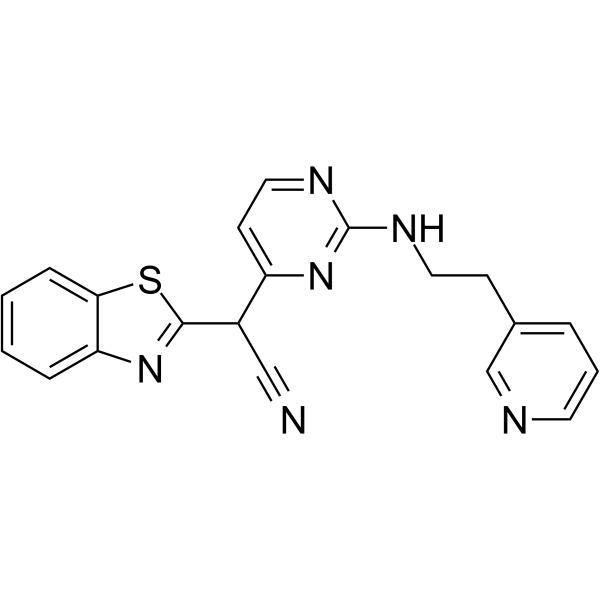
    JNK Inhibitor XVI

    JNK Cancer
    JNK-IN-8 (JNK Inhibitor XVI) (GMP) is JNK-IN-8 (HY-13319) produced by using GMP guidelines. GMP small molecules work appropriately as an auxiliary reagent for cell therapy manufacture. JNK-IN-8 is a potent JNK inhibitor with IC50s of 4.7 nM, 18.7 nM, and 1 nM for JNK1, JNK2, and JNK3, respectively .
    JNK-IN-8
  • HY-151962

    JNK Apoptosis GSK-3 p38 MAPK Neurological Disease
    JNK3 inhibitor-5 (Compound 22b) is a potent and selective JNK3 inhibitor with an IC50 of 0.379 nM. JNK3 inhibitor-5 effectively protects the neuronal cells against amyloid beta-induced apoptosis. JNK3 inhibitor-5 has a high cell permeability and is predicted as BBB permeable .
    JNK3 inhibitor-5
  • HY-120349

    p38 MAPK JNK Apoptosis Reactive Oxygen Species (ROS) Cancer
    LL-Z1640-4 is a potent p38/JNK signaling inhibitor. LL-Z1640-4 significantly diminishes p38 and JNK activation in HCC cells transfected with MLK4 siRNA. LL-Z1640-4 markedly attenuates ROS production induced by MLK4 knockdown. LL-Z1640-4 significantly reduces the apoptotic cells in HCC cells transfected with siMLK4 .
    LL-Z1640-4
  • HY-12862

    Mps1 Cancer
    Mps1-IN-7 is a potent MPS1 inhibitor (IC50 of 0.020 μM) over JNK1 and JNK2 (JNK1 IC50= 0.11 μM, JNK2 IC50=0.22 μM). Mps1-IN-7 inhibit SW620, CAL51, Miapaca-2, RMG1 cell growth with GI50 values of 0.065, 0.068, 0.25, and 0.110 μM,respectively .
    Mps1-IN-7
  • HY-N6032

    Phytolaccoside B

    Cholinesterase (ChE) JNK NF-κB Fungal Infection Neurological Disease Inflammation/Immunology
    Esculentoside B (Phytolaccoside B) is a natural product from the roots of Phytolacca acinosa Roxb. Esculentoside B is neurotoxic to zebrafish larvae, and impairs their central nervous system development. Esculentoside B inhibits inflammatory response and has antifungal activity .
    Esculentoside B
  • HY-101287

    Microtubule/Tubulin JNK Apoptosis Caspase Cancer
    MPT0B392, an orally active quinoline derivative, induces c-Jun N-terminal kinase (JNK) activation, leading to apoptosis. MPT0B392 inhibits tubulin polymerization and triggers induction of the mitotic arrest, followed by mitochondrial membrane potential loss and caspases cleavage by activation of JNK and ultimately leads to apoptosis. MPT0B392 is demonstrated to be a novel microtubule-depolymerizing agent and enhances the cytotoxicity of sirolimus in sirolimus-resistant acute leukemic cells and the multidrug resistant cell line .
    MPT0B392
  • HY-121605

    Apoptosis Cancer
    RL71 is a curcuminoid anticancer agent that exhibits potent cytotoxicity against a variety of ER-negative breast cancer cells. RL71 (1 μM) induces cell cycle arrest in the G2/M phase and induces apoptosis in SKBr3 cells. RL7 also decreases HER2/neu phosphorylation and increases p27. RL71 also significantly reduced the phosphorylation of Akt and transiently increased the stress kinases JNK1/2 and p38 MAPK. Furthermore, RL71 exhibited anti-angiogenic potential in vitro, inhibiting the migration of HUVEC cells and the ability of these cells to form tubular networks .
    RL71
  • HY-N1961

    OP-B

    JNK Apoptosis Cancer
    Ophiopogonin B (OP-B) induces the autophagy and apoptosis of colon cancer cells by activating JNK/c-Jun signaling pathway. Ophiopogonin B is a saponin compound isolated from Radix Ophiopogonjaponicus .
    Ophiopogonin B

Inquiry Online

Your information is safe with us. * Required Fields.

Salutation


Country or Region *

Applicant Name *


Organization Name *

Department *


Email Address *


Product Name *

Cat. No.


Requested quantity *

Phone Number *


Remarks

Inquiry Online

Inquiry Information

Product Name:
Cat. No.:
Quantity:
MCE Japan Authorized Agent:

