






From 11:00 pm to 12:00 pm EST ( 8:00 pm to 9:00 pm PST ) on January 6th, the website will be under maintenance. We are sorry for the inconvenience. Please arrange your schedule properly.
Relatlimab (BMS-986016) is a human monoclonal antibody anti-LAG-3 antibody generated by immunization of transgenic mice bearing human immunoglobulin miniloci with recombinant LAG-3 protein. Relatlimab blocks LAG-3/MHC II interaction with an IC50 value of 0.67 nM and LAG-3/FGL1 interaction with an IC50 value of 0.019 nM. Relatlimab can be used in research of cancer .
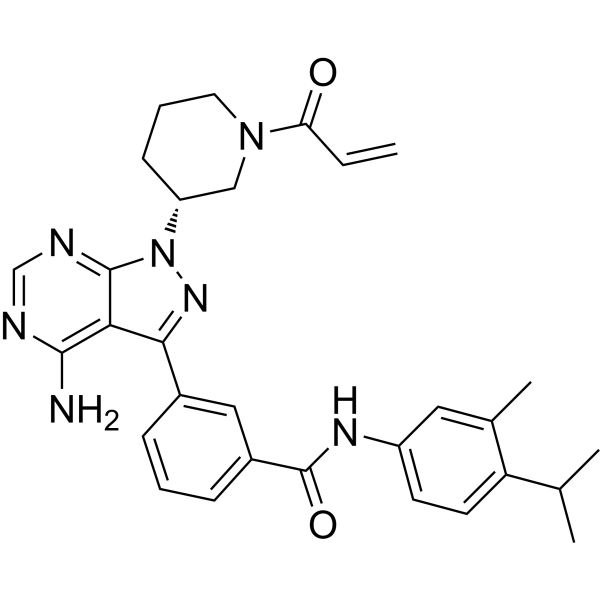
PF-06465469 is a covalent inhibitor of ITK with an IC50 of 2 nM. PF-06465469 also inhibits BTK. PF-06465469 inhibits cell migration in response to CXCL12. PF-06465469 decreases PD-1 and LAG-3 expression. PF-06465469 can be used to study leukemia and T-cell lymphoma .
Favezelimab (MK-4280) is a humanized monoclonal antibody targeting LAG-3. Favezelimab blocks the interaction between LAG-3 and its ligand, MHC class II molecules. Favezelimab is applicable to research on relapsed/refractory classical Hodgkin lymphoma, relapsed/refractory diffuse large B-cell lymphoma, and relapsed/refractory indolent B-cell lymphoma . For the isotype control of Favezelimab, refer to Human IgG4 (S228P) kappa, Isotype Control (HY-P99003).
Anti-Mouse LAG-3 Antibody (C9B7W) is an anti-mouse LAG-3 IgG1 monoclonal antibody. Anti-Mouse LAG-3 Antibody (C9B7W) can enhance CD4 + T cell function and exert anti-tumor effects without blocking the interaction between LAG-3 and MHCII. Anti-Mouse LAG-3 Antibody (C9B7W) can be used for research on cancer such as head and neck squamous cell carcinoma (HNSCC) [3].
LAG-3 Hit II is a LAG-3 inhibitor with a KD of 4.32 μM. LAG-3 Hit II can be used for cancers like ovarian cancer, colon adenocarcinoma and melanoma research .
Tebotelimab (MGD-013) is a humanized IgG4κ bispecific PD-1/LAG-3 dual-affinity re-targeting (DART) antibody. Tebotelimab binds cell-surface expressed PD-1 and LAG-3 with EC50s of 1.65 nM and 0.41 nM in NS0 cells, respectively. Tebotelimab blocks PD-1/PD-L1, PD-1/PD-L2 and LAG-3/HLA (MHC-II) interactions and PD-1 signaling. Tebotelimab restores exhausted T-cell responses and and enhances antitumour immunity [3].
Encelimab is an anti-LAG3 antibody. Encelimab blocks the interaction between LAG-3 and MHC II, and enhances T-cell activation. Encelimab alone or in combination with an anti-PD-1 antibody reduces tumor size in a lymphoma mice model (A20 cell xenograft) .
LAG-3 biner 1 (compound 3) is a small molecule ligand (Kd=1.23 μM) for the immune checkpoint lymphocyte activation gene 3(LAG-3).LAG-3 biner 1 can be used in the research of cancer diagnosis targeting LAG-3 .
ZYF0033 is an orally active inhibitor of the hematopoietic progenitor cell kinase HPK1 with an IC50 of less than 10 nM based on the phosphorylation inhibition of MBP protein. ZYF0033 promotes anti-cancer immune responses and reduces phosphorylation of SLP76 (serine 376). ZYF0033 inhibits tumor growth in the 4T-1 syngeneic mouse model and leads to increased intratumoral infiltration of DCs, NK cells, and CD107a +CD8 + T cells, but not T cells, PD-1 +CD8 + T cells, TIM-3+CD8 + Infiltration of T cells and LAG3+CD8 + T cells was reduced .
IMP-761 is a human IgG4 monoclonal antibody (mAb) targeting CD223/LAG3. IMP-761 binds to D1 of human LAG32. Recommend Isotype Controls: Human IgG4 kappa, Isotype Control (HY-P99003) .
PVTX-405 is a selective and oral active IKZF2 molecular glue degrader with a DC50 of 0.7 nM and a Dmax of 91%. PVTX-405 enhances degradation efficiency, significantly reduces off-target degradation, and alleviates hERG inhibition with IC50 of 48 µM. PVTX-405 significantly inhibits the growth of MC38 tumors, with greater synergistic anti-cancer efficacy in combination with immune checkpoint therapies (ICTs) (anti-PD1 or anti-LAG3) in the MC38 mouse tumor xenograft model using Crbn 391V C57BL/6 mice .
LAG-3 PROTAC-1 is a potent LAG-3 PROTAC degrader with a DC50 of 0.27 μM. LAG-3 PROTAC-1 can be used in cancer immunology research (pink: LAG-3 ligand (HY-179061); blue: CRBN ligand (HY-10984); black: linker; CRBN ligand + linker (HY-131888A)) .
LAG-3 cyclic peptide inhibitor C25 is a LAG-3 inhibitor. LAG-3 cyclic peptide inhibitor C25 has a high affinity with human LAG-3 protein with a Kd value of 0.66 μM. LAG-3 cyclic peptide inhibitor C25 can block the interaction of LAG-3 with HLA-DR (MHC-II) and activate CD8 + T cells. LAG-3 cyclic peptide inhibitor C25 can be used in the study of cancer .
Ieramilimab (LAG525; IMP701) is a humanized IgG4 monoclonal antibody that binds to LAG-3, resulting in inhibition of LAG-3 interaction with MHC-II molecules. Ieramilimab restores T-cell and NK-cell-mediated antileukemic immunity by reducing exhaustion and augmenting cytokine output and cytotoxicity. Ieramilimab increases the infiltration of cytotoxic T lymphocytes and reduces baseline densities of regulatory T cells (Tregs) and ADAM10-expressing tumor cells. Ieramilimab can be used for the study of various malignancies including melanoma, RCC, and advanced solid tumors .
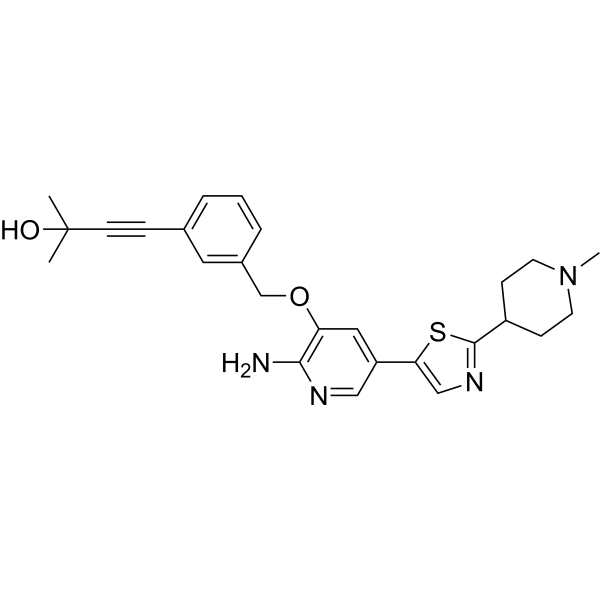
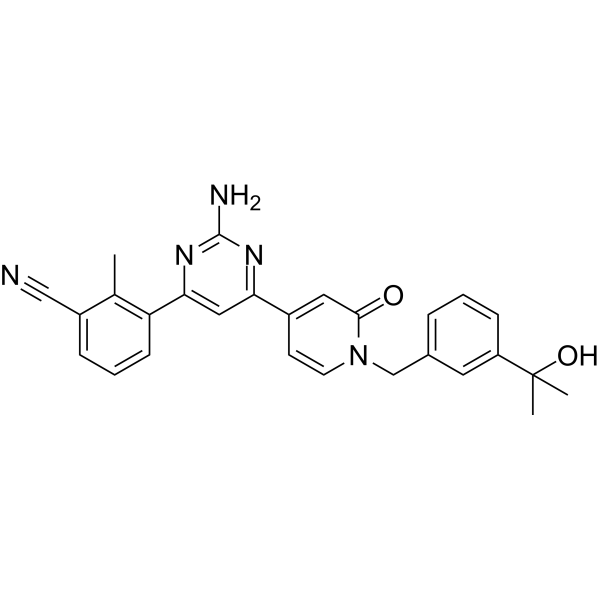
A2AR-antagonist-1 (compound 38) is an orally active adenosine A2A receptor (A2AR) antagonist (IC50=29 nM). A2AR-antagonist-1 exhibits anti-tumor activity and mouse liver microsomal metabolic stability (t1/2=86.1 min). A2AR-antagonist-1 is also a T cells activator, via inhibiting immunosuppressive molecules (LAG-3 and TIM-3) and enhancing effector molecules (GZMB, IFNG, and IL-2) .
Lag3 Mouse Pre-designed siRNA Set A contains three designed siRNAs for Lag3 gene (Mouse), as well as a negative control, a positive control, and a FAM-labeled negative control.
LAG-3 degrader 1 is a PROTAC target protein ligand that can be used for synthesis of PROTACs, such as LAG-3 PROTAC-1 (HY-179060). LAG-3 PROTAC-1 is a potent LAG-3 PROTAC degrader with anti-tumor activity .
Lag3 Rat Pre-designed siRNA Set A contains three designed siRNAs for Lag3 gene (Rat), as well as a negative control, a positive control, and a FAM-labeled negative control.
LAG3 Human Pre-designed siRNA Set A contains three designed siRNAs for LAG3 gene (Human), as well as a negative control, a positive control, and a FAM-labeled negative control.
Anti-Mouse LAG-3 (D265A) Antibody (C9B7W) is an anti-mouse LAG-3 IgG1 monoclonal antibody. Anti-Mouse LAG-3 (D265A) Antibody (C9B7W) is a chimeric antibody of the original C9B7W antibody (HY-P99141). Anti-Mouse LAG-3 (D265A) Antibody (C9B7W) contains the D265A mutation region. Anti-Mouse LAG-3 (D265A) Antibody (C9B7W) can be used for research on cancer .
LAG-3-IN-1 (Compound 11) is a LAG-3 inhibitor with a KD of 0.41 μM. LAG-3-IN-1 disrupts the LAG-3/MHCII interaction, enhances IFN-γ secretion and promotes tumor cell killing in cocultures of PBMCs and cancer cells. LAG-3-IN-1 can be used for cancers like ovarian cancer, colon adenocarcinoma and melanoma research .
eIF4E-IN-1 is a potent inhibitor of eIF4E. eIF4E-IN-1 inhibits immunosuppression components such as immune checkpoint proteins PD-1, PD-L1, LAG3, TIM3, and/or IDO, in order to inhibit or release immune suppression in certain diseases, such as cancer and infectious disease (extracted from patent WO2021003194A1, compound Y) .
Miptenalimab (BI-754111) is an anti-human LAG-3 antibody (KD: 88.6 nM for h LAG-3). Miptenalimab blocks the interaction of LAG-3 with its ligand MHC-II .
Tuparstobart (Incagn-02385) is an IgG1κ antibody targeting LAG-3. LAG-3 is an immune checkpoint receptor protein mainly expressed on activated T cells, NK cells, B cells and plasmacytoid dendritic cells .
GSK2831781 is a human IgG1 monoclonal antibody (mAb) targeting CD223/LAG3. GSK2831781 can be used in the study of ulcerative colitis Recommend Isotype Controls: Human IgG1 kappa, Isotype Control (HY-P99001) .
Anti-Bovine LAG-3 Antibody (2D8) is an antibody targeting Bovine LAG-3. The isotype control for Anti-Bovine LAG-3 Antibody (2D8) can be referenced as Rat IgG1 kappa, Isotype Control (HY-P99979).
Bavunalimab (Anti-Human CTLA4xLAG3) is a bispecific human anti-CTLA-4/LAG-3 monoclonal antibody. Bavunalimab activates T cells in NSG mice. Bavunalimab can be used for the research of cancer .
Anti-Human/Mouse/Bovine LAG-3 Antibody (ADI-31853) is a monoclonal antibody that specifically binds to human, mouse and bovine LAG-3. Anti-Human/Mouse/Bovine LAG-3 Antibody (ADI-31853) can be used in the research of colon cancer, colorectal cancer and rectal cancer .
Fanastomig (EMB-02) is a bispecific antibody against PD-1/LAG3. Fanastomig exhibits potential immune checkpoint inhibitory activity and antineoplastic activity .
DAPK1 ligand-1 is a PROTAC target protein ligand that can be used for synthesis of PROTACs, such as PROTAC DAPK1 Degrader-1 (HY-179055). PROTAC DAPK1 Degrader-1 is a potent LAG-3 PROTAC degrader with neuroprotective activity .
ES005 is an anti-tumor compound and LAG3 inhibitor. ES005 blocks the interactions of LAG3 with MHC-II, LSECtin and FGL1, thereby effectively reversing the LAG3-mediated inhibition of T cell activation and NFAT reporter gene expression. ES005 exhibits significant tumor growth inhibitory effects in syngeneic mouse breast tumor models using humanized LAG3 knock-in mice. ES005 can be used for breast tumor-related research .
Anti-LAG-3 Antibody (BAP050) is an anti-LAG3 antibody with Kd values of 9.0 nM (Equilibrium) and 0.80 nM (Kinetic) against hLAG3. Anti-LAG-3 Antibody (BAP050) binds to an epitope outside the 30-amino-acid residue loop in the first immunoglobulin-like domain (D1) of hLAG3. Anti-LAG-3 Antibody (BAP050) is applicable for cancer-related research. The isotype control is Mouse IgG1 kappa, Isotype Control (HY-P99977) .
Z3071585108 is a small molecule binder of the LAG-3 D1 domain with Kd values measured for the MST-TRIC channel and spectral shift detection of 59.2 and 56.1 μM respectively. Z3071585108 partially inhibits the binding of LAG-3 to MHCII, with an EC₅₀ of 42.9 μM. Z3071585108 can be used for the study of small molecule immunotherapies targeting LAG-3 .
SA-15-P inhibits LAG-3/MHCII and LAG-3/FGL1 interactions with IC50 values of 4.21 and 6.52 μM respectively. LAG-3/MHCII interaction is a target for immunotherapies .
LAGi-DEL is a LAG-3 inhibitor, with Kd values of 97.33 nM and 271 nM in surface plasmon resonance (SPR) assay and microscale thermophoresis (MST) assay, respectively. LAGi-DEL blocks the LAG-3/MHC-II interaction, with an EC50 of 138 nM. LAGi-DEL restores T cell activation, enhances IFN-γ secretion and promotes immune-mediated cytotoxicity. LAGi-DEL can be used in the research of acute myeloid leukemia, lung cancer and melanoma .
SHR-1802 is a humanized anti-LAG-3 monoclonal antibody.SHR-1802 specifically binds to LAG-3 and inhibits its binding to major histocompatibility complex class II (MHC-II), fibrinogen-like protein 1 (FGL1), galectin-3, and liver sinusoidal endothelial cell lectin.SHR-1802 can be used for the research of advanced solid tumors .
CPI-644 is a selective EP300/CBP bromodomain inhibitor, with an IC50 of 0.18 µM against the CBP bromodomain. CPI-644 reduces the proportion of FOXP3+ cells and downregulates the expression of LAG-3, CTLA-4 and PD-1. CPI-644 can be used in cancer-related research .
HLX26 is a humanised anti-LAG-3 monoclonal antibody. HLX26 has antitumor activity especially advanced solid tumours. HLX26 can be used for lymphoma research .
PF-06465469 (Standard) is the analytical standard of PF-06465469 (HY-108691). This product is intended for research and analytical applications. PF-06465469 is a covalent inhibitor of ITK with an IC50 of 2 nM. PF-06465469 also inhibits BTK. PF-06465469 inhibits cell migration in response to CXCL12. PF-06465469 decreases PD-1 and LAG-3 expression. PF-06465469 can be used to study leukemia and T-cell lymphoma .
LAG-3 cyclic peptide inhibitor C25 is a LAG-3 inhibitor. LAG-3 cyclic peptide inhibitor C25 has a high affinity with human LAG-3 protein with a Kd value of 0.66 μM. LAG-3 cyclic peptide inhibitor C25 can block the interaction of LAG-3 with HLA-DR (MHC-II) and activate CD8 + T cells. LAG-3 cyclic peptide inhibitor C25 can be used in the study of cancer .
Relatlimab (BMS-986016) is a human monoclonal antibody anti-LAG-3 antibody generated by immunization of transgenic mice bearing human immunoglobulin miniloci with recombinant LAG-3 protein. Relatlimab blocks LAG-3/MHC II interaction with an IC50 value of 0.67 nM and LAG-3/FGL1 interaction with an IC50 value of 0.019 nM. Relatlimab can be used in research of cancer .
Favezelimab (MK-4280) is a humanized monoclonal antibody targeting LAG-3. Favezelimab blocks the interaction between LAG-3 and its ligand, MHC class II molecules. Favezelimab is applicable to research on relapsed/refractory classical Hodgkin lymphoma, relapsed/refractory diffuse large B-cell lymphoma, and relapsed/refractory indolent B-cell lymphoma . For the isotype control of Favezelimab, refer to Human IgG4 (S228P) kappa, Isotype Control (HY-P99003).
Anti-Mouse LAG-3 Antibody (C9B7W) is an anti-mouse LAG-3 IgG1 monoclonal antibody. Anti-Mouse LAG-3 Antibody (C9B7W) can enhance CD4 + T cell function and exert anti-tumor effects without blocking the interaction between LAG-3 and MHCII. Anti-Mouse LAG-3 Antibody (C9B7W) can be used for research on cancer such as head and neck squamous cell carcinoma (HNSCC) [3].
Tebotelimab (MGD-013) is a humanized IgG4κ bispecific PD-1/LAG-3 dual-affinity re-targeting (DART) antibody. Tebotelimab binds cell-surface expressed PD-1 and LAG-3 with EC50s of 1.65 nM and 0.41 nM in NS0 cells, respectively. Tebotelimab blocks PD-1/PD-L1, PD-1/PD-L2 and LAG-3/HLA (MHC-II) interactions and PD-1 signaling. Tebotelimab restores exhausted T-cell responses and and enhances antitumour immunity [3].
Encelimab is an anti-LAG3 antibody. Encelimab blocks the interaction between LAG-3 and MHC II, and enhances T-cell activation. Encelimab alone or in combination with an anti-PD-1 antibody reduces tumor size in a lymphoma mice model (A20 cell xenograft) .
IMP-761 is a human IgG4 monoclonal antibody (mAb) targeting CD223/LAG3. IMP-761 binds to D1 of human LAG32. Recommend Isotype Controls: Human IgG4 kappa, Isotype Control (HY-P99003) .
Ieramilimab (LAG525; IMP701) is a humanized IgG4 monoclonal antibody that binds to LAG-3, resulting in inhibition of LAG-3 interaction with MHC-II molecules. Ieramilimab restores T-cell and NK-cell-mediated antileukemic immunity by reducing exhaustion and augmenting cytokine output and cytotoxicity. Ieramilimab increases the infiltration of cytotoxic T lymphocytes and reduces baseline densities of regulatory T cells (Tregs) and ADAM10-expressing tumor cells. Ieramilimab can be used for the study of various malignancies including melanoma, RCC, and advanced solid tumors .
Anti-Mouse LAG-3 (D265A) Antibody (C9B7W) is an anti-mouse LAG-3 IgG1 monoclonal antibody. Anti-Mouse LAG-3 (D265A) Antibody (C9B7W) is a chimeric antibody of the original C9B7W antibody (HY-P99141). Anti-Mouse LAG-3 (D265A) Antibody (C9B7W) contains the D265A mutation region. Anti-Mouse LAG-3 (D265A) Antibody (C9B7W) can be used for research on cancer .
Miptenalimab (BI-754111) is an anti-human LAG-3 antibody (KD: 88.6 nM for h LAG-3). Miptenalimab blocks the interaction of LAG-3 with its ligand MHC-II .
Tuparstobart (Incagn-02385) is an IgG1κ antibody targeting LAG-3. LAG-3 is an immune checkpoint receptor protein mainly expressed on activated T cells, NK cells, B cells and plasmacytoid dendritic cells .
GSK2831781 is a human IgG1 monoclonal antibody (mAb) targeting CD223/LAG3. GSK2831781 can be used in the study of ulcerative colitis Recommend Isotype Controls: Human IgG1 kappa, Isotype Control (HY-P99001) .
Anti-Bovine LAG-3 Antibody (2D8) is an antibody targeting Bovine LAG-3. The isotype control for Anti-Bovine LAG-3 Antibody (2D8) can be referenced as Rat IgG1 kappa, Isotype Control (HY-P99979).
Bavunalimab (Anti-Human CTLA4xLAG3) is a bispecific human anti-CTLA-4/LAG-3 monoclonal antibody. Bavunalimab activates T cells in NSG mice. Bavunalimab can be used for the research of cancer .
Anti-Human/Mouse/Bovine LAG-3 Antibody (ADI-31853) is a monoclonal antibody that specifically binds to human, mouse and bovine LAG-3. Anti-Human/Mouse/Bovine LAG-3 Antibody (ADI-31853) can be used in the research of colon cancer, colorectal cancer and rectal cancer .
Fanastomig (EMB-02) is a bispecific antibody against PD-1/LAG3. Fanastomig exhibits potential immune checkpoint inhibitory activity and antineoplastic activity .
ES005 is an anti-tumor compound and LAG3 inhibitor. ES005 blocks the interactions of LAG3 with MHC-II, LSECtin and FGL1, thereby effectively reversing the LAG3-mediated inhibition of T cell activation and NFAT reporter gene expression. ES005 exhibits significant tumor growth inhibitory effects in syngeneic mouse breast tumor models using humanized LAG3 knock-in mice. ES005 can be used for breast tumor-related research .
Anti-LAG-3 Antibody (BAP050) is an anti-LAG3 antibody with Kd values of 9.0 nM (Equilibrium) and 0.80 nM (Kinetic) against hLAG3. Anti-LAG-3 Antibody (BAP050) binds to an epitope outside the 30-amino-acid residue loop in the first immunoglobulin-like domain (D1) of hLAG3. Anti-LAG-3 Antibody (BAP050) is applicable for cancer-related research. The isotype control is Mouse IgG1 kappa, Isotype Control (HY-P99977) .
SHR-1802 is a humanized anti-LAG-3 monoclonal antibody.SHR-1802 specifically binds to LAG-3 and inhibits its binding to major histocompatibility complex class II (MHC-II), fibrinogen-like protein 1 (FGL1), galectin-3, and liver sinusoidal endothelial cell lectin.SHR-1802 can be used for the research of advanced solid tumors .
HLX26 is a humanised anti-LAG-3 monoclonal antibody. HLX26 has antitumor activity especially advanced solid tumours. HLX26 can be used for lymphoma research .
LAG-3 (lymphocyte activating gene 3) protein is an inhibitory receptor on antigen-activated T cells and is critical for immune regulation. LAG-3 binds to FGL1 and transmits inhibitory signals that negatively affect CD8(+) and CD4(+) T cell proliferation, activation, and effector functions. LAG-3 Protein, Human (HEK293, Llama Fc) is the recombinant human-derived LAG-3 protein, expressed by HEK293, with C-Llama Fc labeled tag.
LAG-3 (lymphocyte activating gene 3) protein is an inhibitory receptor on antigen-activated T cells and is critical for immune regulation. LAG-3 binds to FGL1 and transmits inhibitory signals that negatively affect CD8(+) and CD4(+) T cell proliferation, activation, and effector functions. LAG-3 Protein, Human (HEK293, Fc) is the recombinant human-derived LAG-3 protein, expressed by HEK293 , with C-hFc labeled tag.
LAG-3 (lymphocyte activating gene 3) protein is an inhibitory receptor on antigen-activated T cells and is critical for immune regulation. LAG-3 binds to FGL1 and transmits inhibitory signals that negatively affect CD8(+) and CD4(+) T cell proliferation, activation, and effector functions. LAG-3 Protein, Human (HEK293, His) is the recombinant human-derived LAG-3 protein, expressed by HEK293 , with C-6*His labeled tag.
LAG-3 (lymphocyte activating gene 3) protein is an inhibitory receptor on antigen-activated T cells and is critical for immune regulation. LAG-3 binds to FGL1 and transmits inhibitory signals that negatively affect CD8(+) and CD4(+) T cell proliferation, activation, and effector functions. LAG-3 Protein, Human (HEK293, mFc) is the recombinant human-derived LAG-3 protein, expressed by HEK293 , with C-mFc labeled tag.
LAG-3 (lymphocyte activation gene 3) protein is expressed on antigen-activated T cells and transmits inhibitory signals by binding to ligands such as FGL1. FGL1 is the main ligand responsible for the suppressive function of LAG3 T cells. LAG-3 Protein, Marmoset (HEK293, His) is the recombinant Marmoset-derived LAG-3 protein, expressed by HEK293 , with C-10*His labeled tag.
LAG-3 (lymphocyte activation gene 3) protein is expressed on antigen-activated T cells and transmits inhibitory signals by binding to ligands such as FGL1.FGL1 is the main ligand responsible for the suppressive function of LAG3 T cells.LAG-3 Protein, Mouse (HEK293, His) is the recombinant mouse-derived LAG-3 protein, expressed by HEK293 , with C-His labeled tag.
LAG-3 Protein, expressed on antigen-activated T-cells, delivers inhibitory signals by binding to ligands like FGL1. LAG-3 Protein associates with CD3-TCR, directly inhibiting T-cell activation. LAG-3 Protein, Cynomolgus (P74, HEK293, His) is a recombinant protein dimer complex containing cynomolgus-derived LAG-3 protein, expressed by HEK293 , with N-8*His labeled tag.
LAG-3 (lymphocyte activating gene 3) protein is an inhibitory receptor on antigen-activated T cells and is critical for immune regulation. LAG-3 binds to FGL1 and transmits inhibitory signals that negatively affect CD8(+) and CD4(+) T cell proliferation, activation, and effector functions. LAG-3 Protein, Human (Biotinylated, HEK293, mFc-Avi) is the recombinant human-derived LAG-3 protein, expressed by HEK293 , with C-Avi, C-mFc labeled tag.
LAG-3 (lymphocyte activating gene 3) protein is an inhibitory receptor on antigen-activated T cells and is critical for immune regulation. LAG-3 binds to FGL1 and transmits inhibitory signals that negatively affect CD8(+) and CD4(+) T cell proliferation, activation, and effector functions. LAG-3 Protein, Human (Biotinylated, HEK293, Fc-Avi) is the recombinant human-derived LAG-3 protein, expressed by HEK293 , with C-Avi, C-hFc labeled tag.
LAG-3 Protein, expressed on antigen-activated T-cells, delivers inhibitory signals by binding to ligands like FGL1. LAG-3 Protein associates with CD3-TCR, directly inhibiting T-cell activation. LAG-3 Protein, Cynomolgus (Biotinylated, HEK293, His-Avi) is the recombinant cynomolgus-derived LAG-3 protein, expressed by HEK293 , with C-Avi, C-His labeled tag. The total length of LAG-3 Protein, Cynomolgus (Biotinylated, HEK293, His-Avi) is 432 a.a., with molecular weight of 60-80 kDa.
LAG-3 (lymphocyte activation gene 3) protein is expressed on antigen-activated T cells and transmits inhibitory signals by binding to ligands such as FGL1.FGL1 is the main ligand responsible for the suppressive function of LAG3 T cells.LAG-3 Protein, Mouse (HEK293) is the recombinant mouse-derived LAG-3 protein, expressed by HEK293 , with tag free.
LAG-3 (lymphocyte activation gene 3) protein is an inhibitory receptor on antigen-activated T cells, which transmits inhibitory signals by binding to ligands such as FGL1. LAG-3 is associated with CD3-TCR at the immune synapse, hinders T cell activation, and may cooperate with PDCD1/PD-1 to act as a co-receptor for PD-1. LAG-3 Protein, Rat (HEK293, His) is the recombinant rat-derived LAG-3 protein, expressed by HEK293 , with C-His labeled tag.
LAG-3 (lymphocyte activation gene 3) protein is expressed on antigen-activated T cells and transmits inhibitory signals by binding to ligands such as FGL1.FGL1 is the main ligand responsible for the suppressive function of LAG3 T cells.LAG-3 Protein, Mouse (HEK293, Fc) is the recombinant mouse-derived LAG-3 protein, expressed by HEK293 , with C-hFc labeled tag.
LAG-3 (lymphocyte activating gene 3) protein is an inhibitory receptor on antigen-activated T cells and is critical for immune regulation. LAG-3 binds to FGL1 and transmits inhibitory signals that negatively affect CD8(+) and CD4(+) T cell proliferation, activation, and effector functions. LAG-3 Protein, Human (Biotinylated, HEK293, His-Avi) is the recombinant human-derived LAG-3 protein, expressed by HEK293 , with C-Avi, C-6*His labeled tag.
LAG-3 (lymphocyte activation gene 3) protein is expressed on antigen-activated T cells and transmits inhibitory signals by binding to ligands such as FGL1. FGL1 is the main ligand responsible for the suppressive function of LAG3 T cells. LAG-3 Protein, Canine (HEK293, Flag, His) is the recombinant canine-derived LAG-3 protein, expressed by HEK293 , with C-His, C-Flag labeled tag.
FGL1 protein is the main ligand of LAG3 and can inhibit antigen-specific T cell activation, mediating the inhibitory function of LAG3 independently of MHC-II binding. FGL1 is secreted by liver cells and contributes to their growth.FGL1 protein, Human (242a.a, HEK293, His-Avi) is the recombinant human-derived FGL1 protein, expressed by HEK293 , with N-His, N-Avi labeled tag.
FGL1 protein is the main ligand of LAG3 and can inhibit antigen-specific T cell activation, mediating the inhibitory function of LAG3 independently of MHC-II binding. FGL1 is secreted by liver cells and contributes to their growth. FGL1 Protein, Human (Biotinylated, 242a.a, HEK293, hFc) is the recombinant human-derived FGL1 protein, expressed by HEK293 , with N-hFc labeled tag.
FGL1 protein is the main ligand of LAG3 and can inhibit antigen-specific T cell activation, mediating the inhibitory function of LAG3 independently of MHC-II binding. FGL1 is secreted by liver cells and contributes to their growth. FGL1 Protein, Human (Biotinylated, 242a.a, HEK293, His-Avi) is the recombinant human-derived FGL1 protein, expressed by HEK293 , with N-Avi, N-His labeled tag.
Lag3 Mouse Pre-designed siRNA Set A contains three designed siRNAs for Lag3 gene (Mouse), as well as a negative control, a positive control, and a FAM-labeled negative control.
Lag3 Rat Pre-designed siRNA Set A contains three designed siRNAs for Lag3 gene (Rat), as well as a negative control, a positive control, and a FAM-labeled negative control.
LAG3 Human Pre-designed siRNA Set A contains three designed siRNAs for LAG3 gene (Human), as well as a negative control, a positive control, and a FAM-labeled negative control.
Inquiry Online
Your information is safe with us. * Required Fields.
Western blot analysis of extracts from THP-1(lane 2(20μg), Jurkat (lane 3(20μg) and NIH3T3(lane 4(20μg) using FOXO1A (HY-P80132) Rabbit mAb. Proteins were transferred
to a PVDF membrane and blocked with 5% non-fat milk in TBST for 2 hour at room temperature. The primary antibody (1/1000) and Loading control antibody (Beta Actin, HY-P80438, 1/10000) was
used in 5% non-fat milk in TBST at 4°C overnight. Goat Anti-Mouse/Rabbit IgG-HRP Secondary Antibody (1/10000) was used for 1 hour at room temperature.
Western blot analysis of extracts from THP-1(lane 2(20μg), Jurkat (lane 3(20μg) and NIH3T3(lane 4(20μg) using FOXO1A (HY-P80132) Rabbit mAb. Proteins were transferred
to a PVDF membrane and blocked with 5% non-fat milk in TBST for 2 hour at room temperature. The primary antibody (1/1000) and Loading control antibody (Beta Actin, HY-P80438, 1/10000) was
used in 5% non-fat milk in TBST at 4°C overnight. Goat Anti-Mouse/Rabbit IgG-HRP Secondary Antibody (1/10000) was used for 1 hour at room temperature.
Western blot analysis of extracts from THP-1(lane 2(20μg), Jurkat (lane 3(20μg) and NIH3T3(lane 4(20μg) using FOXO1A (HY-P80132) Rabbit mAb. Proteins were transferred
to a PVDF membrane and blocked with 5% non-fat milk in TBST for 2 hour at room temperature. The primary antibody (1/1000) and Loading control antibody (Beta Actin, HY-P80438, 1/10000) was
used in 5% non-fat milk in TBST at 4°C overnight. Goat Anti-Mouse/Rabbit IgG-HRP Secondary Antibody (1/10000) was used for 1 hour at room temperature.
Western blot analysis of extracts from THP-1(lane 2(20μg), Jurkat (lane 3(20μg) and NIH3T3(lane 4(20μg) using FOXO1A (HY-P80132) Rabbit mAb. Proteins were transferred
to a PVDF membrane and blocked with 5% non-fat milk in TBST for 2 hour at room temperature. The primary antibody (1/1000) and Loading control antibody (Beta Actin, HY-P80438, 1/10000) was
MedchemExpress Validation 03
Western blot analysis of extracts from THP-1(lane 2(20μg), Jurkat (lane 3(20μg) and NIH3T3(lane 4(20μg) using FOXO1A (HY-P80132) Rabbit mAb. Proteins were transferred
MedchemExpress Validation 04
Western blot analysis of extracts from THP-1(lane 2(20μg), Jurkat (lane 3(20μg) and NIH3T3(lane 4(20μg) using FOXO1A (HY-P80132) Rabbit mAb. Proteins were transferred
to a PVDF membrane and blocked with 5% non-fat milk in TBST for 2 hour at room temperature. The primary antibody (1/1000) and Loading control antibody (Beta Actin, HY-P80438, 1/10000) was
used in 5% non-fat milk in TBST at 4°C overnight. Goat Anti-Mouse/Rabbit IgG-HRP Secondary Antibody (1/10000) was used for 1 hour at room temperature.
MedchemExpress Validation
Western blot analysis of extracts from THP-1(lane 2(20μg), Jurkat (lane 3(20μg) and NIH3T3(lane 4(20μg) using FOXO1A (HY-P80132) Rabbit mAb. Proteins were transferred
to a PVDF membrane and blocked with 5% non-fat milk in TBST for 2 hour at room temperature. The primary antibody (1/1000) and Loading control antibody (Beta Actin, HY-P80438, 1/10000) was
used in 5% non-fat milk in TBST at 4°C overnight. Goat Anti-Mouse/Rabbit IgG-HRP Secondary Antibody (1/10000) was used for 1 hour at room temperature.
Western blot analysis of extracts from THP-1(lane 2(20μg), Jurkat (lane 3(20μg) and NIH3T3(lane 4(20μg) using FOXO1A (HY-P80132) Rabbit mAb. Proteins were transferred
to a PVDF membrane and blocked with 5% non-fat milk in TBST for 2 hour at room temperature. The primary antibody (1/1000) and Loading control antibody (Beta Actin, HY-P80438, 1/10000) was
used in 5% non-fat milk in TBST at 4°C overnight. Goat Anti-Mouse/Rabbit IgG-HRP Secondary Antibody (1/10000) was used for 1 hour at room temperature.
MedchemExpress Validation
Western blot analysis of extracts from THP-1(lane 2(20μg), Jurkat (lane 3(20μg) and NIH3T3(lane 4(20μg) using FOXO1A (HY-P80132) Rabbit mAb. Proteins were transferred
to a PVDF membrane and blocked with 5% non-fat milk in TBST for 2 hour at room temperature. The primary antibody (1/1000) and Loading control antibody (Beta Actin, HY-P80438, 1/10000) was
used in 5% non-fat milk in TBST at 4°C overnight. Goat Anti-Mouse/Rabbit IgG-HRP Secondary Antibody (1/10000) was used for 1 hour at room temperature.
MedchemExpress Validation
Western blot analysis of extracts from THP-1(lane 2(20μg), Jurkat (lane 3(20μg) and NIH3T3(lane 4(20μg) using FOXO1A (HY-P80132) Rabbit mAb. Proteins were transferred
to a PVDF membrane and blocked with 5% non-fat milk in TBST for 2 hour at room temperature. The primary antibody (1/1000) and Loading control antibody (Beta Actin, HY-P80438, 1/10000) was
used in 5% non-fat milk in TBST at 4°C overnight. Goat Anti-Mouse/Rabbit IgG-HRP Secondary Antibody (1/10000) was used for 1 hour at room temperature.
MedchemExpress Validation
Western blot analysis of extracts from THP-1(lane 2(20μg), Jurkat (lane 3(20μg) and NIH3T3(lane 4(20μg) using FOXO1A (HY-P80132) Rabbit mAb. Proteins were transferred
to a PVDF membrane and blocked with 5% non-fat milk in TBST for 2 hour at room temperature. The primary antibody (1/1000) and Loading control antibody (Beta Actin, HY-P80438, 1/10000) was
used in 5% non-fat milk in TBST at 4°C overnight. Goat Anti-Mouse/Rabbit IgG-HRP Secondary Antibody (1/10000) was used for 1 hour at room temperature.
MedchemExpress Validation
Western blot analysis of extracts from THP-1(lane 2(20μg), Jurkat (lane 3(20μg) and NIH3T3(lane 4(20μg) using FOXO1A (HY-P80132) Rabbit mAb. Proteins were transferred
to a PVDF membrane and blocked with 5% non-fat milk in TBST for 2 hour at room temperature. The primary antibody (1/1000) and Loading control antibody (Beta Actin, HY-P80438, 1/10000) was
used in 5% non-fat milk in TBST at 4°C overnight. Goat Anti-Mouse/Rabbit IgG-HRP Secondary Antibody (1/10000) was used for 1 hour at room temperature.
MedchemExpress Validation
Western blot analysis of extracts from THP-1(lane 2(20μg), Jurkat (lane 3(20μg) and NIH3T3(lane 4(20μg) using FOXO1A (HY-P80132) Rabbit mAb. Proteins were transferred
to a PVDF membrane and blocked with 5% non-fat milk in TBST for 2 hour at room temperature. The primary antibody (1/1000) and Loading control antibody (Beta Actin, HY-P80438, 1/10000) was
used in 5% non-fat milk in TBST at 4°C overnight. Goat Anti-Mouse/Rabbit IgG-HRP Secondary Antibody (1/10000) was used for 1 hour at room temperature.
MedchemExpress Validation
Western blot analysis of extracts from THP-1(lane 2(20μg), Jurkat (lane 3(20μg) and NIH3T3(lane 4(20μg) using FOXO1A (HY-P80132) Rabbit mAb. Proteins were transferred
to a PVDF membrane and blocked with 5% non-fat milk in TBST for 2 hour at room temperature. The primary antibody (1/1000) and Loading control antibody (Beta Actin, HY-P80438, 1/10000) was
used in 5% non-fat milk in TBST at 4°C overnight. Goat Anti-Mouse/Rabbit IgG-HRP Secondary Antibody (1/10000) was used for 1 hour at room temperature.
MedChemExpress values your privacy and your trust is important to us. We use cookies to enhance your website experience. Some cookies are necessary to run the website.
Privacy and Cookie Policy

