



119 Results for "

Melanoma Metastasis

" in MedChemExpress (MCE) Product Catalog:
Products (119)

119 Results for "Melanoma Metastasis" in MCE Product Catalog:

316
316 Publications Verification
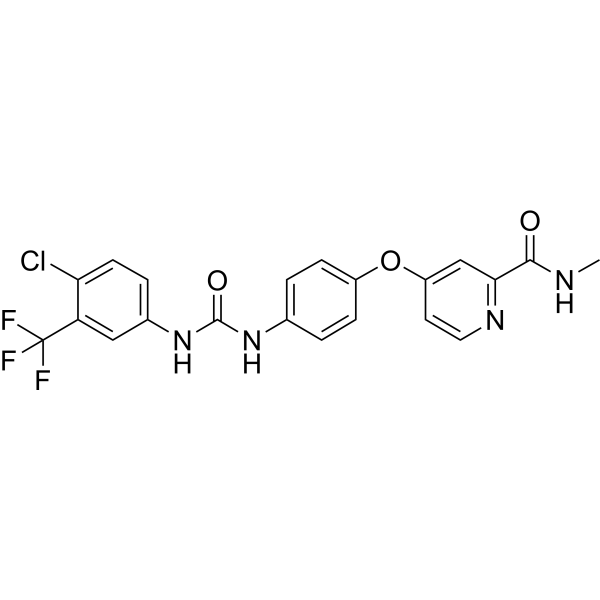
Cat. No.: HY-10201
CAS No.: 284461-73-0
Purity:  99.92%
Synonyms: Bay 43-9006
Sorafenib (Bay 43-9006) is a potent oral active multikinase inhibitor. Sorafenib blocks autophosphorylation and activity of receptor tyrosine kinases (VEGFR-2, VEGFR-3) and RAF family kinases, thereby suppressing the RAF/MEK/ERK and PI3K/Akt pathways, inhibiting STAT3 phosphorylation, and selectively inhibiting the MAPK pathway in cancer cells. Sorafenib induces cell cycle arrest, autophagy, apoptosis, and PARP cleavage, reduces Bcl-2, Bcl-XL, cyclin D1 levels, and activates Bak and Bax. Sorafenib inhibits tumor growth and metastasis in mouse and rat models. Sorafenib can be used for cancer research, such as colon, breast, non-small-cell lung cancer (NSCLC), ovarian, pancreatic, melanoma, colorectal and hepatocellular carcinoma .
loading...
    loading...
316
316 Publications Verification
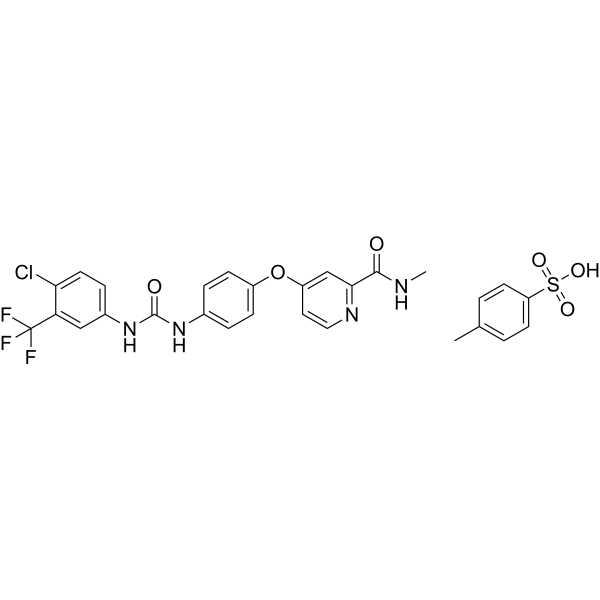
Cat. No.: HY-10201A
CAS No.: 475207-59-1
Purity:  99.75%
Synonyms: Bay 43-9006 tosylate
Sorafenib (Bay 43-9006) tosylate is a potent oral active multikinase inhibitor. Sorafenib blocks autophosphorylation and activity of receptor tyrosine kinases (VEGFR-2, VEGFR-3) and RAF family kinases, thereby suppressing the RAF/MEK/ERK and PI3K/Akt pathways, inhibiting STAT3 phosphorylation, and selectively inhibiting the MAPK pathway in cancer cells. Sorafenib tosylate induces cell cycle arrest, autophagy, apoptosis, and PARP cleavage, reduces Bcl-2, Bcl-XL, cyclin D1 levels, and activates Bak and Bax. Sorafenib tosylate inhibits tumor growth and metastasis in mouse and rat models. Sorafenib tosylate can be used for cancer research, such as colon, breast, non-small-cell lung cancer (NSCLC), ovarian, pancreatic, melanoma, colorectal and hepatocellular carcinoma .
loading...
    loading...
3
3 Cited Publications
Cat. No.: HY-108910
CAS No.: 9004-07-3
Synonyms: EC 3.4.21.1; Chymotrypsin A
Chymotrypsin (EC 3.4.21.1; Chymotrypsin A) is an orally effective inhibitor targeting molecules such as TLR4, NF-κB, MMP-1, TNF-α, IL-1β, and IL-6. Chymotrypsin downregulates the TLR4/NF-κB signaling pathway, inhibiting the release of inflammatory factors, reducing cell infiltration and tissue damage. It also reduces the expression of tumor cell adhesion molecules (such as CD44 and CD54) and can be specifically detected by fluorescent probes (such as NBD-3). Chymotrypsin has anti-inflammatory, hepatoprotective, joint damage-reducing, liver protection against lipotoxicity, and anti-tumor metastasis functions. It can be used in research on diseases such as rheumatoid arthritis, non-alcoholic fatty liver disease, and melanoma metastasis. Chymotrypsin can be used in studies of inflammation, edema, and expectoration .
loading...
    loading...
3
3 Cited Publications
Cat. No.: HY-108910A
CAS No.: 9004-07-3
Synonyms: EC 3.4.21.1 (MS grade); Chymotrypsin A (MS grade)
Chymotrypsin (EC 3.4.21.1; Chymotrypsin A) (MS grade) is an orally effective inhibitor targeting molecules such as TLR4, NF-κB, MMP-1, TNF-α, IL-1β, and IL-6. Chymotrypsin (MS grade) downregulates the TLR4/NF-κB signaling pathway, inhibits the release of inflammatory factors, reduces cell infiltration and tissue damage, and also reduces the expression of tumor cell adhesion molecules (such as CD44 and CD54). It can also be specifically detected by fluorescent probes (such as NBD-3). Chymotrypsin (MS grade) has anti-inflammatory, hepatoprotective, joint damage-reducing, liver protection against lipotoxicity, and anti-tumor metastasis functions, and can be used in the research of diseases such as rheumatoid arthritis, non-alcoholic fatty liver disease, and melanoma metastasis. Chymotrypsin (MS grade) can be used in studies of inflammation, edema, and expectoration .
loading...
    loading...
2
2 Cited Publications
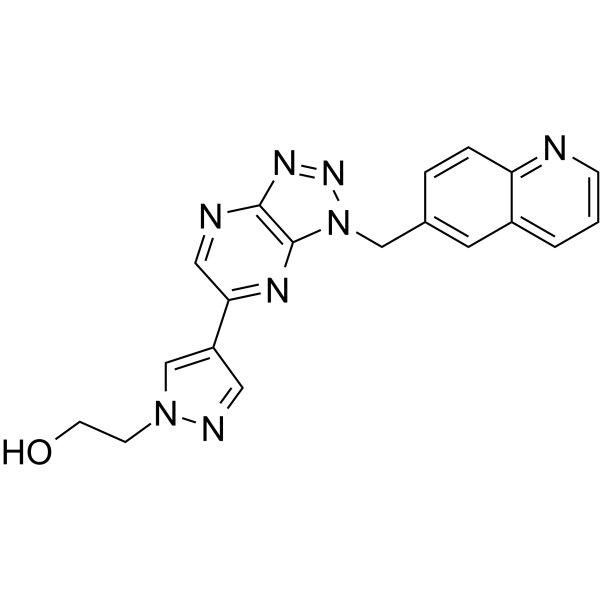
Cat. No.: HY-12017
CAS No.: 956905-27-4
Purity:  99.85%
PF-04217903 is an orally active, highly selective ATP-competitive c-Met kinase inhibitor with a Ki value of 4.8 nM and a Kd value of 4.5 nM. PF-04217903 blocks c-Met and HGF signaling pathways, inhibits MET phosphorylation, and blocks downstream MAPK, PI3K/AKT and PLCγ1 pathways. PF-04217903 suppresses tumor proliferation, survival, migration, invasion, angiogenesis and metastasis, induces apoptosis, and enhances efferocytosis, Annexin A1 expression and resolution of inflammation. PF-04217903 retains activity against several c-Met mutants (M1131T, V1220I, H1094R). PF-04217903 increases the incidence of subarachnoid hemorrhage and reduces survival rate without altering aneurysm formation, and also prevents lymph node metastasis induced by VEGF inhibition. PF-04217903 is applicable to research related to tumors (pancreas, stomach, lung, brain, colon, breast, kidney, melanoma, etc.), intracranial aneurysms and inflammatory diseases (gouty arthritis, neutrophilic pleuritis) .
loading...
    loading...
2
2 Cited Publications
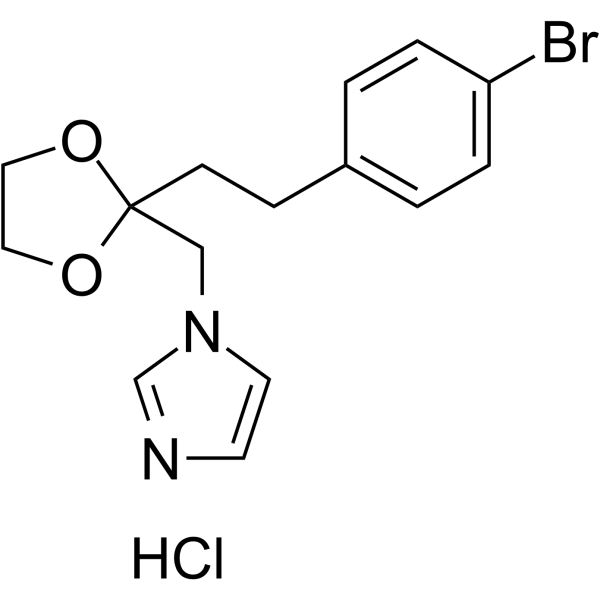
Cat. No.: HY-118487
CAS No.: 939825-12-4
Purity:  98.03%
Research Areas:  

Cancer

OB-24 is a selective small-molecule HO-1 inhibitor (IC50 = 1.9 μM for HO-1 and IC50 for HO-2 >100 μM). OB-24 possesses anti-tumor and anti-metastatic properties. OB-24 can be studies in research such as prostate cancer, melanoma, ovarian carcinoma and lung metastasis .
loading...
    loading...
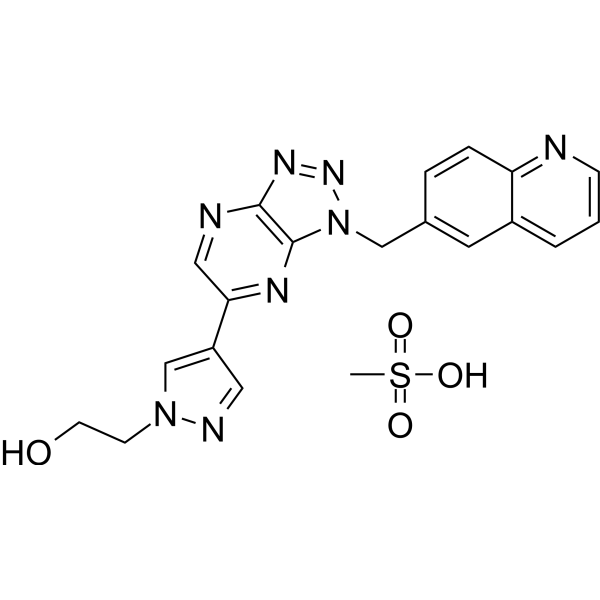
2
2 Cited Publications
Cat. No.: HY-12017A
CAS No.: 956906-93-7
Purity:  99.82%
PF-04217903 mesylate is an orally active, highly selective ATP-competitive c-Met kinase inhibitor with a Ki value of 4.8 nM and a Kd value of 4.5 nM. PF-04217903 mesylate blocks c-Met and HGF signaling pathways, inhibits MET phosphorylation, and blocks downstream MAPK, PI3K/AKT and PLCγ1 pathways. PF-04217903 mesylate suppresses tumor proliferation, survival, migration, invasion, angiogenesis and metastasis, induces apoptosis, and enhances efferocytosis, Annexin A1 expression and resolution of inflammation. PF-04217903 mesylate retains activity against several c-Met mutants (M1131T, V1220I, H1094R). PF-04217903 mesylate increases the incidence of subarachnoid hemorrhage and reduces survival rate without altering aneurysm formation, and also prevents lymph node metastasis induced by VEGF inhibition. PF-04217903 mesylate is applicable to research related to tumors (pancreas, stomach, lung, brain, colon, breast, kidney, melanoma, etc.), intracranial aneurysms and inflammatory diseases (gouty arthritis, neutrophilic pleuritis) .
loading...
    loading...
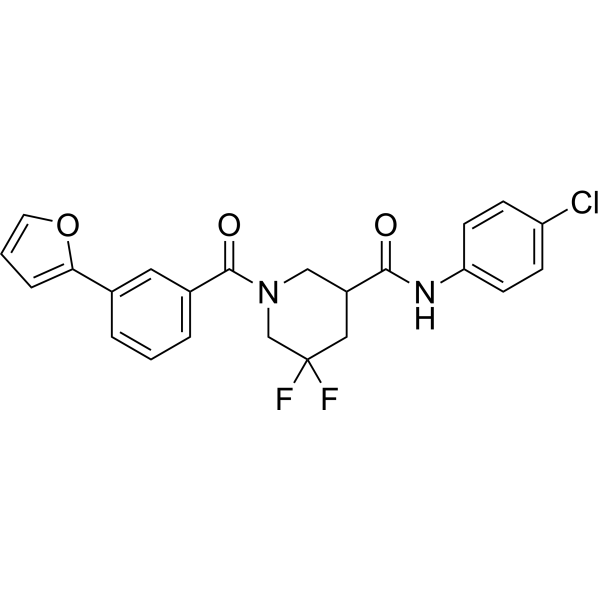
1
1 Cited Publications
Cat. No.: HY-121750
CAS No.: 1922098-69-8
Purity:  99.53%
Target:  

Ras ROCK

Research Areas:  

Cancer

CCG-222740 is an orally active and selective Rho/myocardin-related transcription factor (MRTF) pathway inhibitor . CCG-222740 is also a potent inhibitor of alpha-smooth muscle actin protein expression. CCG-222740 effectively reduces fibrosis in skin and blocks melanoma metastasis .
loading...
    loading...
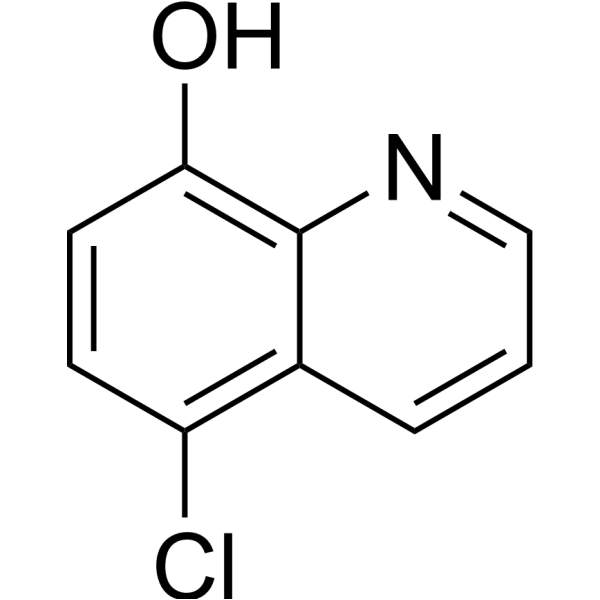
1
1 Cited Publications
Cat. No.: HY-B0963
CAS No.: 130-16-5
Synonyms: 5-Chloro-8-quinolinol
Research Areas:  

Infection Cancer

Cloxiquine (5-Chloro-8-quinolinol) is an antibacterial, antifungal and antiamoebic agent. Cloxiquine can be used for the research of tuberculosis and dermatoses. Cloxiquine suppresses the growth and metastasis of melanoma cells through activation of PPARγ .
loading...
    loading...
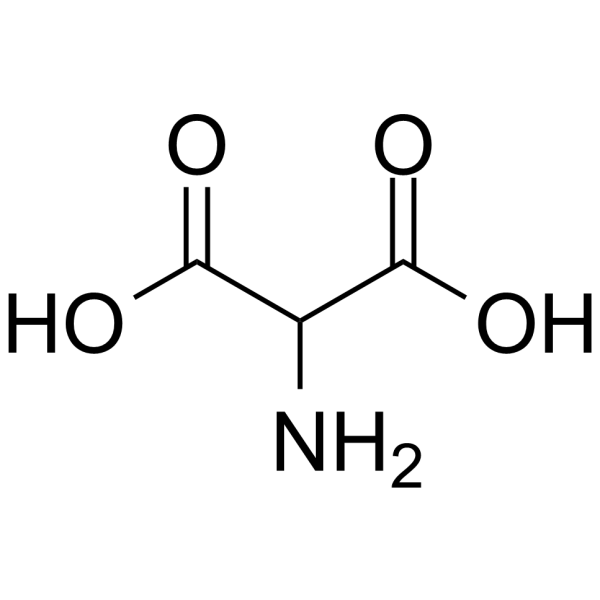
1
1 Cited Publications
Cat. No.: HY-112052
CAS No.: 1068-84-4
Purity:  98.87%
Aminomalonic acid is an amino endogenous metabolite, acts as a strong inhibitor of L-asparagine synthetase from Leukemia 5178Y/AR (Ki= 0.0023 M) and mouse pancreas (Ki= 0.0015 M) in vitro. Aminomalonic acid is a potential biomarker to discriminate between different stages of melanoma metastasis .
loading...
    loading...
1
1 Cited Publications
Cat. No.: HY-10201S
CAS No.: 1130115-44-4
Purity:  98.17%
Synonyms: Donafenib; Bay 43-9006-d3
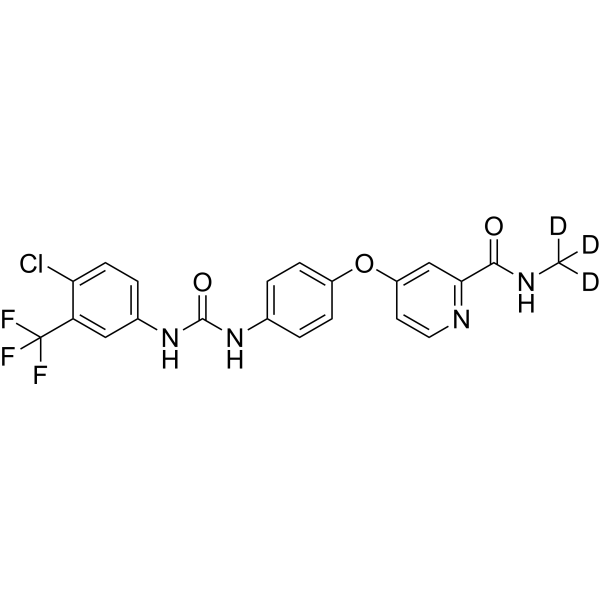
Sorafenib-d3 (Donafenib) is the deuterated-labeled Sorafenib (HY-10201). Sorafenib (Bay 43-9006) is a potent oral active multikinase inhibitor. Sorafenib blocks autophosphorylation and activity of receptor tyrosine kinases (VEGFR-2, VEGFR-3) and RAF family kinases, thereby suppressing the RAF/MEK/ERK and PI3K/Akt pathways, inhibiting STAT3 phosphorylation, and selectively inhibiting the MAPK pathway in cancer cells. Sorafenib induces cell cycle arrest, autophagy, apoptosis, and PARP cleavage, reduces Bcl-2, Bcl-XL, cyclin D1 levels, and activates Bak and Bax. Sorafenib inhibits tumor growth and metastasis in mouse and rat models. Sorafenib can be used for cancer research, such as colon, breast, non-small-cell lung cancer (NSCLC), ovarian, pancreatic, melanoma, colorectal and hepatocellular carcinoma .
loading...
    loading...
1
1 Cited Publications
Cat. No.: HY-10201S2
CAS No.: 1210608-86-8
Purity:  98.35%
Synonyms: Bay 43-9006-13C,d3
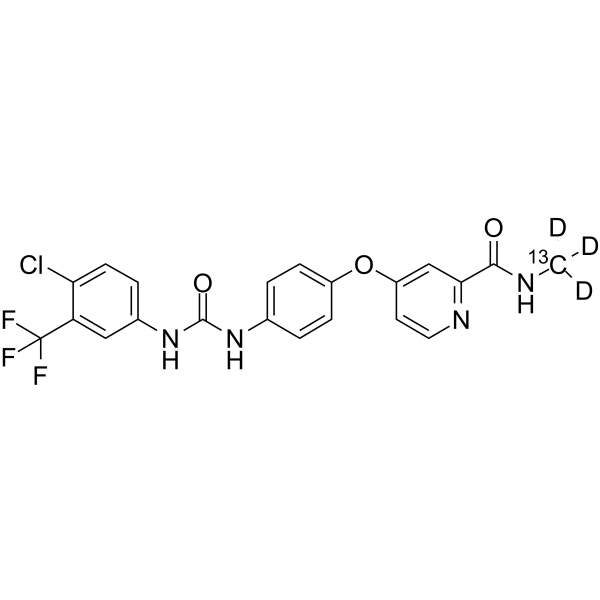
Sorafenib- 13C,d3 (Bay 43-9006- 13C,d3) is the 13C, deuterated-labeled Sorafenib (HY-10201). Sorafenib (Bay 43-9006) is a potent oral active multikinase inhibitor. Sorafenib blocks autophosphorylation and activity of receptor tyrosine kinases (VEGFR-2, VEGFR-3) and RAF family kinases, thereby suppressing the RAF/MEK/ERK and PI3K/Akt pathways, inhibiting STAT3 phosphorylation, and selectively inhibiting the MAPK pathway in cancer cells. Sorafenib induces cell cycle arrest, autophagy, apoptosis, and PARP cleavage, reduces Bcl-2, Bcl-XL, cyclin D1 levels, and activates Bak and Bax. Sorafenib inhibits tumor growth and metastasis in mouse and rat models. Sorafenib can be used for cancer research, such as colon, breast, non-small-cell lung cancer (NSCLC), ovarian, pancreatic, melanoma, colorectal and hepatocellular carcinoma .
loading...
    loading...
Cat. No.: HY-P5423
CAS No.: 107658-43-5
Target:  

Exosomes Liposome

Research Areas:  

Cancer

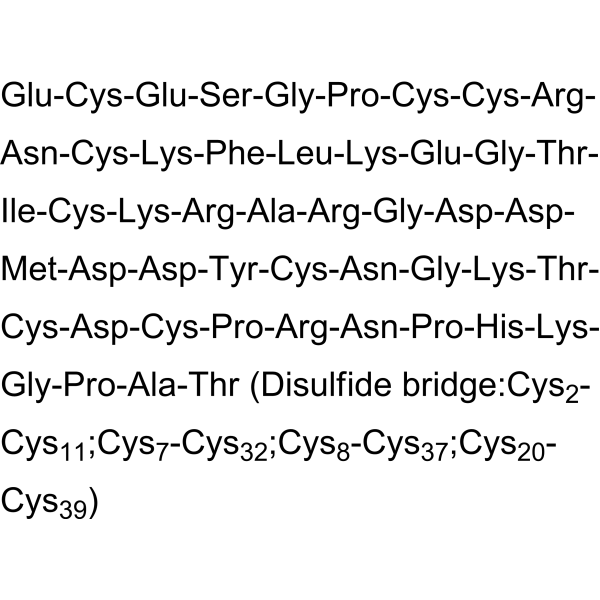
GALA is a pH-responsive amphipathic peptide consisting of 30 amino acids, which acts as a lung endothelium-targeting ligand. GALA undergoes a conformational transition from random coil to α-helix in an acidic environment at pH 5.0, thereby inducing endosomal membrane destabilization and fusion. GALA-modified liposomes traverse lung endothelial cells via clathrin-dependent endocytosis and transcytosis, and specifically accumulate in the lungs after intravenous injection. GALA significantly promotes the cytosolic release of cargos carried by exosomes, plasmids and liposomes, effectively enhances gene transfection efficiency, and drives gene knockdown of functional macromolecules (such as siRNA) in alveolar epithelial cells (with no significant cytotoxicity at effective concentrations). GALA serves as a critical tool for studies on lung cancer metastasis (e.g., melanoma lung metastasis) and lung-targeted drug delivery systems .
loading...
    loading...
Cat. No.: HY-P99781
CAS No.: 1610761-46-0
Synonyms: MLN-1202

Target:  

CCR

Research Areas:  

Inflammation/Immunology Cancer

Plozalizumab (MLN-1202) is a humanized anti-CCR2 IgG1 monoclonal antibody. Plozalizumab blocks the recruitment of myeloid cells to the tumor microenvironment by inhibiting the CCL2/CCR2 axis. In addition, Plozalizumab also ameliorates synovial inflammation in rheumatoid arthritis. Plozalizumab can be used in the research of malignant melanoma and bone metastasis-related cancers. Recommended isotype control: Human IgG1 kappa, Isotype Control (HY-P99001) .
loading...
    loading...
Cat. No.: HY-W011963
CAS No.: 1421-65-4
Synonyms: Levodopa methylester hydrochloride
Melevodopa (Levodopa methylester) hydrochloride is an orally active methylated prodrug of Levodopa (HY-N0304), a dopamine precursor. When used in combination with Carbidopa (HY-B0311) in an effervescent tablet formulation, Melevodopa hydrochloride inhibits motor fluctuations in Parkinson's disease. Melevodopa hydrochloride suppresses subcutaneous tumor growth, pulmonary metastasis proliferation, and primary mass invasiveness of melanoma. Melevodopa hydrochloride induces lipid peroxidation by increasing malondialdehyde levels in melanoma and improves the survival rate of melanoma-bearing mice. Melevodopa hydrochloride can be used in research related to Parkinson's disease (with motor fluctuations) and melanoma .
loading...
    loading...
Cat. No.: HY-119933
CAS No.: 2300982-44-7
Purity:  98.56%
Target:  

RIP kinase

Research Areas:  

Cancer

RIPK1-IN-7 is a potent and selective RIPK1 inhibitor with a Kd of 4 nM and an enzymatic IC50 of 11 nM. RIPK1-IN-7 exhibits excellent antimetastasis activity in the experimental B16 melanoma lung metastasis model .
loading...
    loading...
Cat. No.: HY-P1189
CAS No.: 154303-05-6
Echistatin is a naturally derived RGD-containing snake venom peptide. Echistatin exhibits an IC50 of 0.6 nM against mouse αvβ3 integrin, and acts as an antagonist against αvβ3, αII3, α5β1 integrins, pp125 FAK and paxillin. Echistatin reduces the phosphorylation of pp125 FAK and paxillin, inhibits the autophosphorylation and kinase activity of pp125 FAK, and weakens its binding to pp60src and paxillin. Echistatin disrupts the actin cytoskeleton and focal adhesions, induces melanoma cell detachment from fibronectin, and regulates cell adhesion and motility. Echistatin inhibits osteoclast maturation and migration, bone resorption, platelet aggregation, bone loss, as well as adhesion and metastasis of Lewis lung cancer cells; it also increases the number of osteoclasts and bone coverage area in mice with secondary hyperparathyroidism. Echistatin can be used in research related to melanoma, lung cancer and secondary hyperparathyroidism .
loading...
    loading...
Cat. No.: HY-P11288
CAS No.: 2871680-36-1
Research Areas:  

Cancer

ANT308 is a vasoactive intestinal polypeptide (VIP receptor) antagonist. ANT308 significantly enhances the activation and proliferation of T cells. ANT308 inhibits the migration and metastasis, induces apoptosis of melanoma tumor cells by inhibiting VIP-VPAC2 signaling and reducing the expression of MCAM and N-cadherin. ANT308 can be used for the studies of acute myeloid leukemia (AML) and uveal melanoma (UVM) .
loading...
    loading...
Cat. No.: HY-P11288A
Research Areas:  

Cancer

ANT308 TFA is a vasoactive intestinal polypeptide (VIP receptor) antagonist. ANT308 TFA significantly enhances the activation and proliferation of T cells. ANT308 TFA inhibits the migration and metastasis, induces apoptosis of melanoma tumor cells by inhibiting VIP-VPAC2 signaling and reducing the expression of MCAM and N-cadherin. ANT308 TFA can be used for the study of acute myeloid leukemia (AML) and uveal melanoma (UVM) .
loading...
    loading...
Cat. No.: HY-P2527
CAS No.: 187671-49-4
Target:  

Tyrosinase

Research Areas:  

Cancer

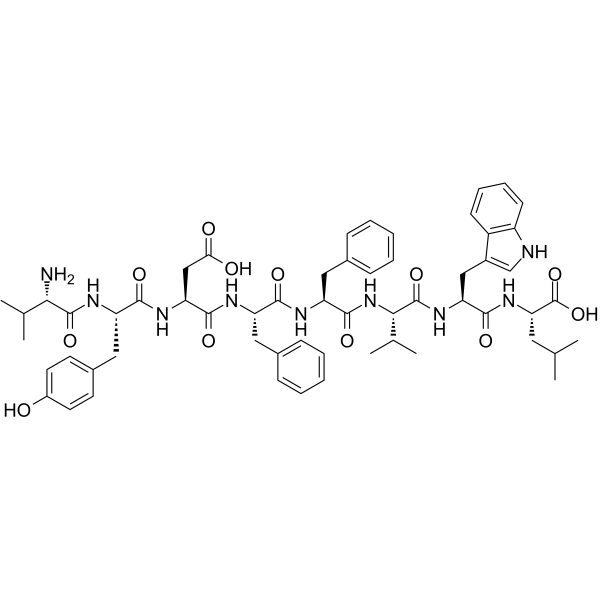
Tyrosinase-related Protein 2 (TRP-2) (181-188) is a peptide epitope of the TRP-2 protein that conforms to the MHC class I H2-Kb binding motif. It is the major reactive epitope within TRP-2 recognized by anti-B16 CTLs, induces TRP-2-specific CTL and CD8 + T cell responses, and mediates antibody-dependent antitumor effects against lung metastasis. Tyrosinase-related Protein 2 (TRP-2) (181-188) is used in melanoma research .
loading...
    loading...

