
Search Result
Results for "
Metastatic lung tumors
" in MedChemExpress (MCE) Product Catalog:
| Cat. No. |
Product Name |
Target |
Research Areas |
Chemical Structure |
-
- HY-164789
-
|
SKB264; MK-2870
|
Antibody-Drug Conjugates (ADCs)
TROP2
|
Cancer
|
|
Sacituzumab tirumotecan is an antibody-drug conjugate and TROP2-directed, topoisomerase I inhibitor payload-delivering agent, with a TROP2 EC50 of 2.787 ng/ml, TROP2 Ka of 0.3083 nM, and topoisomerase I IC50 of 0.7 μmol/L. Sacituzumab tirumotecan can be used for the research of metastatic triple-negative breast cancer, and metastatic non-small cell lung cancer .
|
-
-
- HY-136174
-
RBN-2397
Maximum Cited Publications
17 Publications Verification
|
PARP
|
Cancer
|
|
RBN-2397 is a potent, accross species and orally active NAD + competitive inhibitor of PARP7 (IC50<3 nM). RBN-2397 selectively binds to PARP7 (Kd=0.001 μM) and restores IFN signaling. RBN-2397 has the potential for the study of advanced or metastatic solid tumors .
|
-
-
- HY-P99117
-
|
AK104
|
PD-1/PD-L1
CTLA-4
|
Inflammation/Immunology
Cancer
|
|
Cadonilimab (AK104) is a humanized tetravalent IgG1 bispecific antibody targeting PD1/CTLA4. Cadonilimab blocks both PD-1 and CTLA-4 pathways, thereby relieving their corresponding immunosuppressive effects and reversing tumor specific T cell exhaustion. Cadonilimab significantly downregulates Fc-mediated effector functions, including antibody-dependent cell-mediated cytotoxicity (ADCC), antibody-dependent cellular phagocytosis (ADCP), complement dependent cytotoxicity (CDC). Cadonilimab can be used for research of metastatic cervical cancer, as well as other malignancies such as gastric cancer, GEJ adenocarcinoma and non-small cell lung cancer (NSCLC) .
|
-
-
- HY-P991097
-
|
PM-8002; BNT-327
|
VEGFR
PD-1/PD-L1
|
Cancer
|
|
Pumitamig (PM-8002, BNT-327) is a bispecific antibody targeting PD-L1 and VEGF-A, with immune activation and anti-angiogenic activities. By binding to PD-L1, Pumitamig restores the function of effector T cells, while neutralizing VEGF-A in the tumor microenvironment to reverse its inhibition on the infiltration and activation of immune cells and normalize tumor blood vessels. Pumitamig can also be combined with various ADCs targeting TROP2, B7H3, HER2, HER3 for the research of advanced/metastatic solid tumors, including non-small cell lung cancer, ovarian cancer, triple-negative breast cancer, cervical cancer, etc. Pumitamig also exhibits potential efficacy in "cold" tumors with low PD-L1 expression that are insensitive to immunotherapy .
|
-
-
- HY-106033
-
|
DOTATOC; SDZ-SMT 487; SMT 487
|
Radionuclide-Drug Conjugates (RDCs)
|
Cancer
|
|
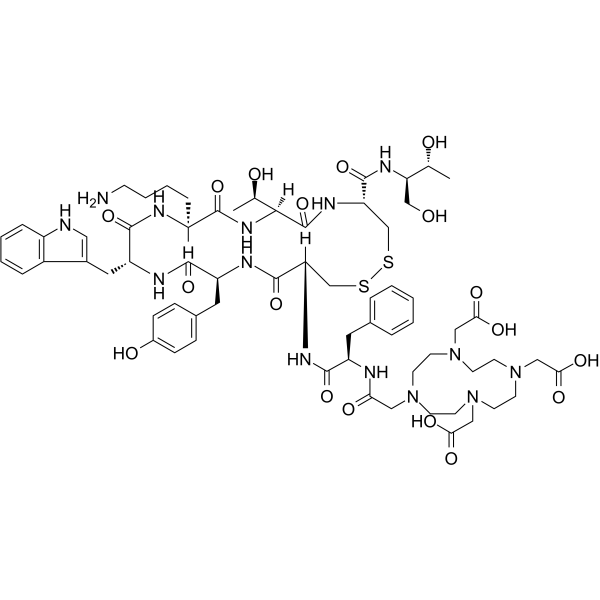
Edotreotide is a ligand that selectively targets SSTR2 and can competitively bind to the receptor. Edotreotide mediates the targeted delivery, while modificated with radionuclides (such as 90Y, 177Lu, and 68Ga) to SSTR-positive tumors and induces tumor cell apoptosis by releasing β rays. Edotreotide has strong tumor targeting and precise killing activity. Edotreotide is used in the synthesis of radionuclide-drug conjugates (RDCs) and is widely used in the field of neuroendocrine tumors (such as metastatic carcinoids, lung and thymus NETs) .
|
-
-
- HY-114169
-
WRG-28
2 Publications Verification
|
Discoidin Domain Receptor
|
Inflammation/Immunology
Cancer
|
|
WRG-28 is a selective, extracellularly acting DDR2 allosteric inhibitor, with an IC50 of 230 nM. WRG-28 inhibits tumor invasion, migration and tumor-supporting effects of cancer-associated fibroblasts (CAFs). WRG-28 inhibits metastatic breast tumor cell colonization in the lungs. WRG-28 also shows good activity of relieving rheumatoid arthritis in CAIA model of mice .
|
-
-
- HY-114358
-
|
ONO-7475
|
TAM Receptor
Trk Receptor
|
Cancer
|
|
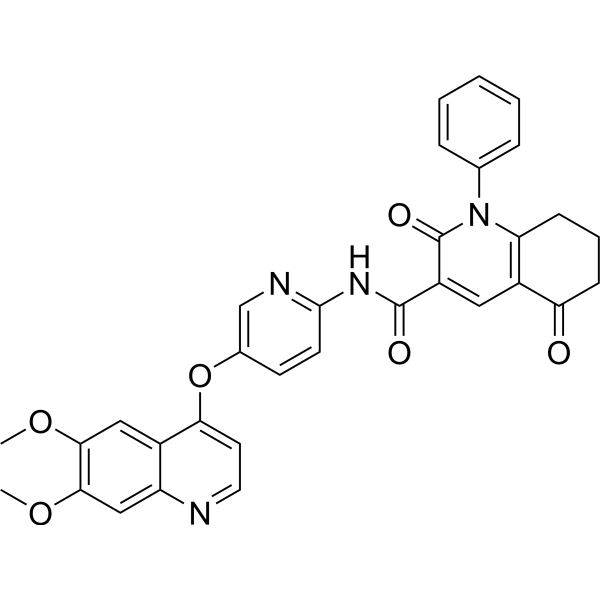
Tamnorzatinib (ONO-7475) is a potent, selective, and orally active Axl/Mer inhibitor with IC50 values of 0.7 nM and 1.0 nM, respectively. Tamnorzatinib sensitizes AXL-overexpressing EGFR-mutant NSCLC cells to the EGFR-TKIs, suppresses the emergence and maintenance of tolerant cells. Tamnorzatinib combines with Osimertinib (HY-15772) provides a bright promise for the study of EGFR-mutated non-small cell lung cancer (NSCLC).
|
-
-
- HY-119217
-
AZ084
2 Publications Verification
|
CCR
|
Inflammation/Immunology
Endocrinology
Cancer
|
|
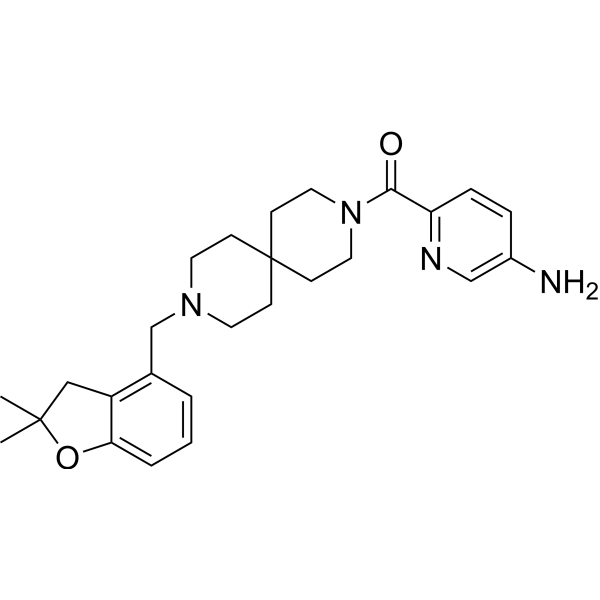
AZ084 is a potent, selective, allosteric and oral active CCR8 allosteric antagonist, with a Ki of 0.9 nM. Has potential to treat asthma . AZ084 restrains the formation of the immunologically tolerant pre-metastatic niche (PMN) and tumor cells metastasis in lung by downregulating Treg differentiation. AZ084 can be used in studies of asthma and cancer .
|
-
-
- HY-P990704
-
|
AZD-2936
|
PD-1/PD-L1
Transmembrane Glycoprotein
|
Cancer
|
|
Rilvegostomig (AZD-2936) is a bispecific humanized IgG1 antibody targeting PD-1 and TIGIT. Rilvegostomig induces tumor growth inhibition and modulates the tumor immune microenvironment. Rilvegostomig exhibits anti-tumor activity in metastatic non-small cell lung cancer (without prior immune checkpoint inhibitor treatment). Rilvegostomig can be used in research related to metastatic non-small cell lung cancer and endometrial cancer .
|
-
-
- HY-118487
-
OB-24
2 Publications Verification
|
Heme Oxygenase (HO)
Reactive Oxygen Species (ROS)
|
Cancer
|
|
OB-24 is a selective small-molecule HO-1 inhibitor (IC50 = 1.9 μM for HO-1 and IC50 for HO-2 >100 μM). OB-24 possesses anti-tumor and anti-metastatic properties. OB-24 can be studies in research such as prostate cancer, melanoma, ovarian carcinoma and lung metastasis .
|
-
-
- HY-12168
-
|
BAY 12-9566
|
MMP
|
Cancer
|
|
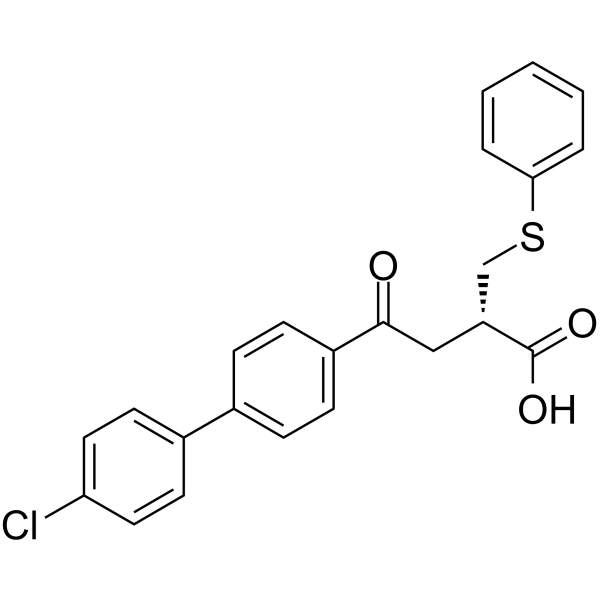
Tanomastat (BAY 12-9566) is an orally bioavailable, non-peptidic biphenyl matrix metalloproteinases (MMPs) inhibitor with a Zn-binding carboxyl group. The Ki values are 11, 143, 301, and 1470 nM for MMP-2, MMP-3, MMP-9, MMP-13 respectively. Tanomastat shows anti-invasive and antimetastatic activity in several experimental tumor models .
|
-
-
- HY-N6893
-
|
|
NF-κB
NOD-like Receptor (NLR)
Apoptosis
Autophagy
|
Neurological Disease
Cancer
|
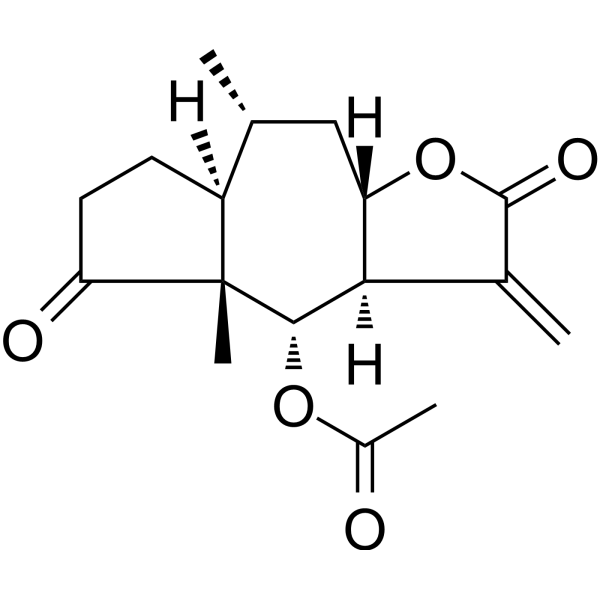
Ergolide is an orally active dual inhibitor targeting NF-κB/p65 and NLRP3. Ergolide blocks the NF-κB signaling pathway and the nuclear translocation of p65, and irreversibly binds to the NACHT domain of NLRP3 to inhibit inflammasome assembly. Ergolide significantly reduces the production of inflammatory mediators (e.g., NO, PGE2) and cytokines, induces cancer cell apoptosis, autophagy and ROS generation. Ergolide also enhances the anti-tumor effect of vincristine. Ergolide alleviates acute lung injury via an NLRP3-dependent mechanism, and effectively improves the survival rate and behavioral function of septic mice and inflammatory zebrafish models. Ergolide is used in the research of metastatic uveal melanoma, neurodegenerative diseases (such as Alzheimer's disease, Parkinson's disease), sepsis and acute lymphoblastic leukemia .
|
-
-
- HY-13747
-
|
|
DNA Alkylator/Crosslinker
DNA/RNA Synthesis
|
Cancer
|
|
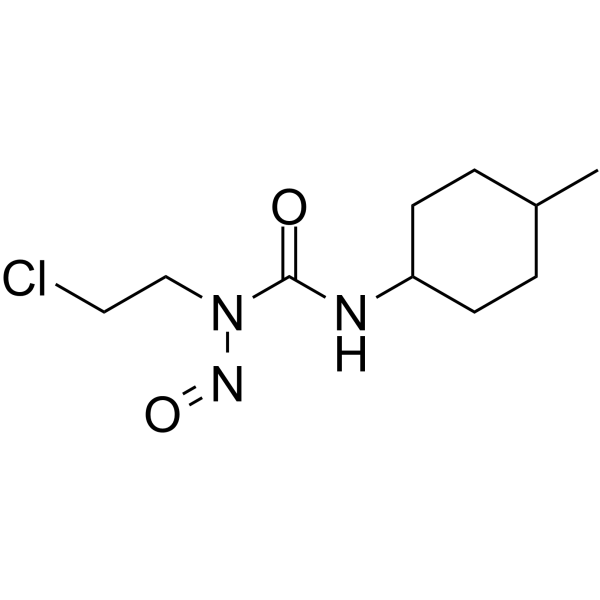
Semustine is an orally active, blood-brain barrier permeable antitumor alkylating agent with a binding affinity of 1.53 × 10 3 M -1 for guanine and thymine residues in bovine DNA. Semustine undergoes major groove-directed alkylation at guanine residues to form O6-chloroethylguanine and N1-O6-ethanoguanine adducts, and generates dG-dC interstrand crosslinks. Semustine induces partial B- to C-type transition of DNA, base stacking and helical structure distortion, mild dehydration, as well as partial DNA double-strand unwinding. Semustine can be used in research related to Lewis lung cancer, leukemia, Hodgkin's lymphoma, malignant melanoma, glioma, and diffuse large B-cell lymphoma .
|
-
-
- HY-164429
-
|
|
Integrin
Elastase
|
Cancer
|
|
VIP236 is a small-molecule drug conjugate targeting αvβ3 integrin. VIP236 achieves tumor homing via specific binding to αvβ3 integrin and delivers its payload to the tumor microenvironment. The linker of VIP236 is cleavable by neutrophil elastase, which is highly expressed in the tumor microenvironment, to release the payload 7-ethylcamptothecin. This payload induces DNA damage by inhibiting topoisomerase 1, thereby exerting anti-tumor effects. VIP236 exhibits excellent plasma stability and tumor targeting property, with a tumor/plasma payload ratio 10-fold higher than that of the single administration. It effectively induces tumor regression, reduces metastasis formation, and shows good tolerance in mouse models. VIP236 has been used in studies related to non-small cell lung cancer, clear cell renal cell carcinoma, colon cancer, triple-negative breast cancer, small cell lung cancer, and metastatic solid tumors .
|
-
-
- HY-P991660
-
|
|
c-Met/HGFR
|
Cancer
|
|
ARGX-111 is an anti-MET antibody. ARGX-111 blocks HGF-dependent and -independent signaling, downregulating MET expression on the tumor cell surface. ARGX-111 depletes MET-expressing circulating tumor cells through enhanced antibody-dependent cell-mediated cytotoxicity (ADCC), thereby inhibiting tumor metastasis. ARGX-111 depletes circulating tumor cells and inhibits bone and lung metastasis in an orthotopic mouse model of metastatic breast cancer. ARGX-111 is promising for research in breast cancer and other cancers .
|
-
-
- HY-P991635
-
|
|
TNF Receptor
|
Cancer
|
|
PF-07329640 is a humanized monoclonal antibody inhibitor targeting TNFRSF3. PF-07329640 can be used for advanced/metastatic solid tumors like non-small cell lung cancer (NSCLC) and colorectal cancer (CRC) research .
|
-
-
- HY-103043
-
|
|
Others
|
Cancer
|
|
Pz 285 is an anti-cancer agent. Pz 285 shows significant inhibitory effect on the viability of MDA-MB-231 breast cancer cells, with an IC50 of 15.0 μM. Pz 285 exhibits remarkable antitumor effects in the mouse tumor xenograft model constructed with highly lung-metastatic MDA-MB-231 LM24 Her2+ breast cancer cells. Pz 285 can be used for the study of breast cancer, especially metastatic breast cancer .
|
-
-
- HY-12168B
-
|
(Rac)-BAY 12-9566
|
MMP
|
Cancer
|
|
(Rac)-Tanomastat ((Rac)-BAY 12-9566) is the racemate of Tanomastat. Tanomastat (BAY 12-9566) is an orally bioavailable, non-peptidic biphenyl matrix metalloproteinases (MMPs) inhibitor with a Zn-binding carboxyl group. The Ki values are 11, 143, 301, and 1470 nM for MMP-2, MMP-3, MMP-9, MMP-13 respectively. Tanomastat shows anti-invasive and antimetastatic activity in several experimental tumor models .
|
-
-
- HY-N8230
-
|
|
HIV
HIV Protease
|
Infection
Inflammation/Immunology
Cancer
|
|
Ganosinensic acid C is a triterpenoid compound that can be extracted from Ganoderma lucidum. Ganosinensic acid C has important biological activities such as anti-tumor, anti-prostate cancer, anti-inflammatory, and inhibition of HIV-I protease. Ganosinensic acid C has an IC50 value of 10.5 μM against human highly metastatic lung cancer cell line 95D. Ganosinensic acid C has an IC50 value of Ganosinensic acid C against cervical cancer cell line Hela is 13.2 μM .
|
-
-
- HY-149695
-
|
|
EGFR
|
Cancer
|
|
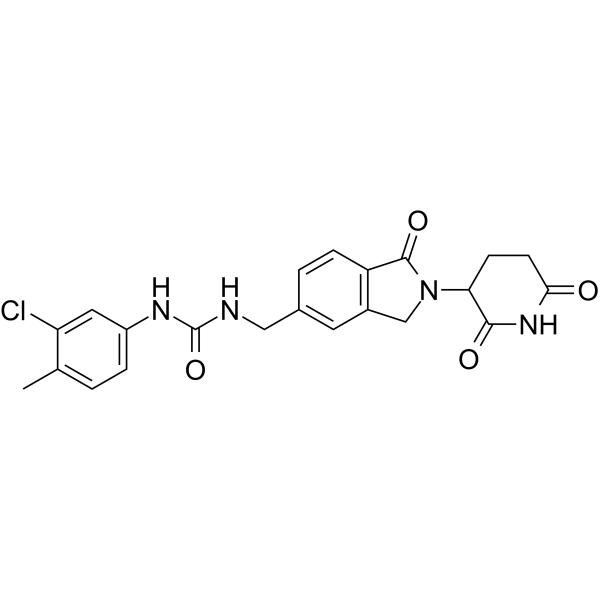
EGFR-IN-91 (compound 9) is an orally available EGFR inhibitor with blood-brain barrier penetrability. EGFR-IN-91 inhibits EGFR L858R/C797S and EGFR exon 19del/C797S, inducing tumor regression in xenograft (PDX) mouse models. EGFR-IN-91 has the potential to inhibit localized and metastatic non-small cell lung cancer (NSCLC) driven by EGFR mutants .
|
-
-
- HY-175409
-
|
|
Liposome
|
Cancer
|
|
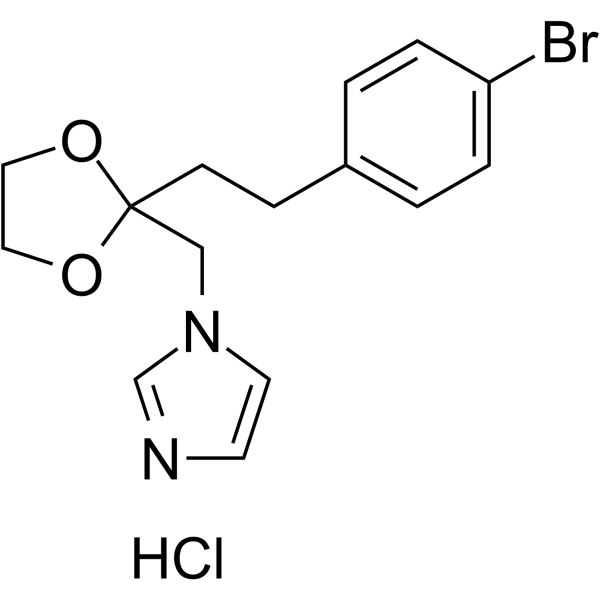
Lipid 35 hydrochloride is an ionizable lipid that can be used for the generation of lipid nanoparticles (LNPs). Lipid 35 hydrochloride can be used for lung-specific mRNA delivery for metastatic lung tumors research .
|
-
-
- HY-183629
-
|
|
Zinc Finger Protein
Apoptosis
|
Cardiovascular Disease
Cancer
|
|
ZNF281-IN-1 is a ZNF281 inhibitor. ZNF281-IN-1 disrupts the binding of transcriptionally active DNA-bound ZNF281 to the promoters of target genes including TRIM35 and ZEB1. ZNF281-IN-1 inhibits tumor cell proliferation, stabilizes P53 and upregulates PUMA to induce apoptosis, while triggering cellular senescence. ZNF281-IN-1 completely prevents Doxorubicin (HY-15142A)-induced cardiotoxicity (AIC), and enhances rather than impairs the antitumor efficacy of Doxorubicin. ZNF281-IN-1 completely blocks the distant metastasis of melanoma to the lungs. ZNF281-IN-1 can be used in the research of cardiotoxicity, lung cancer and metastatic melanoma .
|
-
-
- HY-185050
-
|
|
IFNAR
|
Cancer
|
|
Antitumor agent-210 (Compound 1778) is an NK cell activator. Antitumor agent-210 has a weak proliferative effect on NK92 cells, promoting the activation and degranulation of NK cells, and significantly enhancing the cytotoxicity of NK92 cells against tumor cells. Antitumor agent-210 promotes the release of cytokine granzyme B, perforin, and IFN-γ. Antitumor agent-210 reduces the number of lung metastatic lesions in mice and can be used for the study of melanoma lung metastasis .
|
-
-
- HY-106033R
-
|
DOTATOC (Standard); SDZ-SMT 487 (Standard); SMT 487 (Standard)
|
Reference Standards
Radionuclide-Drug Conjugates (RDCs)
|
Cancer
|
|
Edotreotide (Standard) is the analytical standard of Edotreotide (HY-106033). This product is intended for research and analytical applications. Edotreotide is a ligand that selectively targets SSTR2 and can competitively bind to the receptor. Edotreotide mediates the targeted delivery, while modificated with radionuclides (such as 90Y, 177Lu, and 68Ga) to SSTR-positive tumors and induces tumor cell apoptosis by releasing β rays. Edotreotide has strong tumor targeting and precise killing activity. Edotreotide is used in the synthesis of radionuclide-drug conjugates (RDCs) and is widely used in the field of neuroendocrine tumors (such as metastatic carcinoids, lung and thymus NETs) .
|
-
-
- HY-114214
-
|
|
Drug Derivative
NF-κB
MMP
TNF Receptor
Interleukin Related
Cyclin G-associated Kinase (GAK)
CDK
PI3K
Akt
|
Inflammation/Immunology
Cancer
|
|
CKD-712 is an orally active multi-target tetrahydroisoquinoline derivatived and a potent inhibitor of the NF-κB pathway . CKD-712 selectively inhibits MMP-9 with no effect on MMP-2, downregulates the expression of TNF-α, IL-6, cyclin A, cyclin B, CDK-1 and other proteins, and activates the PI3K/Akt signaling pathway . CKD-712 blocks the activation and nuclear translocation of NF-κB, downregulates inflammatory factors and pro-tumor metastatic proteins, and induces G2/M phase arrest in tumor cells and thereby inhibits the invasion of cancer cells . CKD-712 can be used for the research of sepsis, myocardial ischemia-reperfusion injury and non-small cell lung cancer .
|
-
-
- HY-183246
-
|
|
PAK
Cdc42-binding kinase
|
Cancer
|
|
Rac/Cdc42-IN-1, the major phase I metabolite of the oral Rac/Cdc42 inhibitor MBQ-167 (HY-112842) in vivo, is a selective Rac inhibitor. Rac/Cdc42-IN-1 functions by blocking the GTP-binding activation of Rac1, targeting the autophosphorylation of Thr 423/Thr 402/Thr 436 and Ser 141/Ser 144/Ser 154 in downstream PAK1/2/3, with an inhibitory effect superior to that of MBQ-167. Rac/Cdc42-IN-1 significantly inhibits cell migration, and suppresses tumor growth and distant metastasis to the lung, liver and kidney in HER2+ breast cancer mouse models. Rac/Cdc42-IN-1 can be used for targeted research on metastatic breast cancer .
|
-
| Cat. No. |
Product Name |
Type |
-
- HY-164789
-
|
SKB264; MK-2870
|
Fluorescent Dyes
|
|
Sacituzumab tirumotecan is an antibody-drug conjugate and TROP2-directed, topoisomerase I inhibitor payload-delivering agent, with a TROP2 EC50 of 2.787 ng/ml, TROP2 Ka of 0.3083 nM, and topoisomerase I IC50 of 0.7 μmol/L. Sacituzumab tirumotecan can be used for the research of metastatic triple-negative breast cancer, and metastatic non-small cell lung cancer .
|
| Cat. No. |
Product Name |
Target |
Research Area |
-
- HY-106033
-
|
DOTATOC; SDZ-SMT 487; SMT 487
|
Radionuclide-Drug Conjugates (RDCs)
|
Cancer
|
|
Edotreotide is a ligand that selectively targets SSTR2 and can competitively bind to the receptor. Edotreotide mediates the targeted delivery, while modificated with radionuclides (such as 90Y, 177Lu, and 68Ga) to SSTR-positive tumors and induces tumor cell apoptosis by releasing β rays. Edotreotide has strong tumor targeting and precise killing activity. Edotreotide is used in the synthesis of radionuclide-drug conjugates (RDCs) and is widely used in the field of neuroendocrine tumors (such as metastatic carcinoids, lung and thymus NETs) .
|
-
- HY-106033R
-
|
DOTATOC (Standard); SDZ-SMT 487 (Standard); SMT 487 (Standard)
|
Reference Standards
Radionuclide-Drug Conjugates (RDCs)
|
Cancer
|
|
Edotreotide (Standard) is the analytical standard of Edotreotide (HY-106033). This product is intended for research and analytical applications. Edotreotide is a ligand that selectively targets SSTR2 and can competitively bind to the receptor. Edotreotide mediates the targeted delivery, while modificated with radionuclides (such as 90Y, 177Lu, and 68Ga) to SSTR-positive tumors and induces tumor cell apoptosis by releasing β rays. Edotreotide has strong tumor targeting and precise killing activity. Edotreotide is used in the synthesis of radionuclide-drug conjugates (RDCs) and is widely used in the field of neuroendocrine tumors (such as metastatic carcinoids, lung and thymus NETs) .
|
| Cat. No. |
Product Name |
Target |
Research Area |
Image |
-
- HY-P99117
-
|
AK104
|
PD-1/PD-L1
CTLA-4
|
Inflammation/Immunology
Cancer
|
|
Cadonilimab (AK104) is a humanized tetravalent IgG1 bispecific antibody targeting PD1/CTLA4. Cadonilimab blocks both PD-1 and CTLA-4 pathways, thereby relieving their corresponding immunosuppressive effects and reversing tumor specific T cell exhaustion. Cadonilimab significantly downregulates Fc-mediated effector functions, including antibody-dependent cell-mediated cytotoxicity (ADCC), antibody-dependent cellular phagocytosis (ADCP), complement dependent cytotoxicity (CDC). Cadonilimab can be used for research of metastatic cervical cancer, as well as other malignancies such as gastric cancer, GEJ adenocarcinoma and non-small cell lung cancer (NSCLC) .
|
-
(5)
-
- HY-P991097
-
|
PM-8002; BNT-327
|
VEGFR
PD-1/PD-L1
|
Cancer
|
|
Pumitamig (PM-8002, BNT-327) is a bispecific antibody targeting PD-L1 and VEGF-A, with immune activation and anti-angiogenic activities. By binding to PD-L1, Pumitamig restores the function of effector T cells, while neutralizing VEGF-A in the tumor microenvironment to reverse its inhibition on the infiltration and activation of immune cells and normalize tumor blood vessels. Pumitamig can also be combined with various ADCs targeting TROP2, B7H3, HER2, HER3 for the research of advanced/metastatic solid tumors, including non-small cell lung cancer, ovarian cancer, triple-negative breast cancer, cervical cancer, etc. Pumitamig also exhibits potential efficacy in "cold" tumors with low PD-L1 expression that are insensitive to immunotherapy .
|
-
(5)
-
- HY-P990704
-
|
AZD-2936
|
PD-1/PD-L1
Transmembrane Glycoprotein
|
Cancer
|
|
Rilvegostomig (AZD-2936) is a bispecific humanized IgG1 antibody targeting PD-1 and TIGIT. Rilvegostomig induces tumor growth inhibition and modulates the tumor immune microenvironment. Rilvegostomig exhibits anti-tumor activity in metastatic non-small cell lung cancer (without prior immune checkpoint inhibitor treatment). Rilvegostomig can be used in research related to metastatic non-small cell lung cancer and endometrial cancer .
|
-
(5)
-
- HY-P991660
-
|
|
c-Met/HGFR
|
Cancer
|
|
ARGX-111 is an anti-MET antibody. ARGX-111 blocks HGF-dependent and -independent signaling, downregulating MET expression on the tumor cell surface. ARGX-111 depletes MET-expressing circulating tumor cells through enhanced antibody-dependent cell-mediated cytotoxicity (ADCC), thereby inhibiting tumor metastasis. ARGX-111 depletes circulating tumor cells and inhibits bone and lung metastasis in an orthotopic mouse model of metastatic breast cancer. ARGX-111 is promising for research in breast cancer and other cancers .
|
-
(5)
-
- HY-P991635
-
|
|
TNF Receptor
|
Cancer
|
|
PF-07329640 is a humanized monoclonal antibody inhibitor targeting TNFRSF3. PF-07329640 can be used for advanced/metastatic solid tumors like non-small cell lung cancer (NSCLC) and colorectal cancer (CRC) research .
|
-
(5)
| Cat. No. |
Product Name |
Category |
Target |
Chemical Structure |
-
- HY-N6893
-
|
|
Phyllodium pulchellum (L.) Desv.
Structural Classification
Classification of Application Fields
Ketones, Aldehydes, Acids
Plants
Compositae
Inflammation/Immunology
Disease Research Fields
Piptanthus nepalensis (Hook.) D. Don
Source Classification
|
NF-κB
NOD-like Receptor (NLR)
Apoptosis
Autophagy
|
Ergolide is an orally active dual inhibitor targeting NF-κB/p65 and NLRP3. Ergolide blocks the NF-κB signaling pathway and the nuclear translocation of p65, and irreversibly binds to the NACHT domain of NLRP3 to inhibit inflammasome assembly. Ergolide significantly reduces the production of inflammatory mediators (e.g., NO, PGE2) and cytokines, induces cancer cell apoptosis, autophagy and ROS generation. Ergolide also enhances the anti-tumor effect of vincristine. Ergolide alleviates acute lung injury via an NLRP3-dependent mechanism, and effectively improves the survival rate and behavioral function of septic mice and inflammatory zebrafish models. Ergolide is used in the research of metastatic uveal melanoma, neurodegenerative diseases (such as Alzheimer's disease, Parkinson's disease), sepsis and acute lymphoblastic leukemia .
|
-
-
- HY-N8230
-
|
|
Microorganisms
Ketones, Aldehydes, Acids
Source Classification
|
HIV
HIV Protease
|
|
Ganosinensic acid C is a triterpenoid compound that can be extracted from Ganoderma lucidum. Ganosinensic acid C has important biological activities such as anti-tumor, anti-prostate cancer, anti-inflammatory, and inhibition of HIV-I protease. Ganosinensic acid C has an IC50 value of 10.5 μM against human highly metastatic lung cancer cell line 95D. Ganosinensic acid C has an IC50 value of Ganosinensic acid C against cervical cancer cell line Hela is 13.2 μM .
|
-
| Cat. No. |
Product Name |
|
Classification |
-
- HY-175409
-
|
|
|
Cationic Lipids
|
|
Lipid 35 hydrochloride is an ionizable lipid that can be used for the generation of lipid nanoparticles (LNPs). Lipid 35 hydrochloride can be used for lung-specific mRNA delivery for metastatic lung tumors research .
|
Your information is safe with us. * Required Fields.
Inquiry Information
- Product Name:
- Cat. No.:
- Quantity:
- MCE Japan Authorized Agent:

