Search Result
Results for "
Myeloid Cell Leukemia-1
" in MedChemExpress (MCE) Product Catalog:
1
Biochemical Assay Reagents
3
Isotope-Labeled Compounds
| Cat. No. |
상품명 |
Target |
연구분야 |
Chemical Structure |
-
- HY-100741
-
S63845
Maximum Cited Publications
106 Publications Verification
|
Bcl-2 Family
|
Cancer
|
|
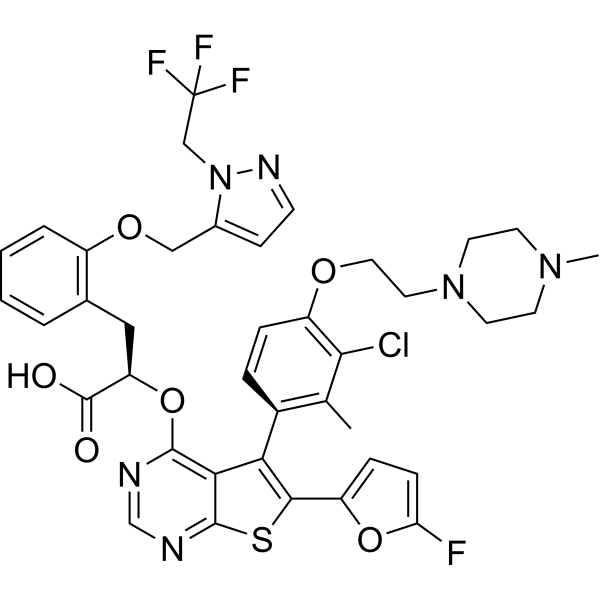
S63845 is a potent and selective myeloid cell leukemia 1 (MCL1) inhibitor with a Kd of 0.19 nM for human MCL1 .
|
-
-
- HY-172262
-
|
|
VDAC
Bcl-2 Family
Apoptosis
|
Cancer
|
|
WEHI-3773 is a VDAC2 ligand and apoptosis modulator. WEHI-3773 directly binds to the β7-β10 region of VDAC2 and disrupts its interaction with BAX and BAK. WEHI-3773 regulates BAX-mediated apoptosis in BAK-deficient cells by modulating conformational activation of BAX, mitochondrial redistribution, and cytochrome c release. WEHI-3773 overcomes Venetoclax (HY-15531) resistance, resensitizes leukemia cells carrying BAX mutations to BH3 mimetics, and enables long-term clonogenic survival of BAK-deficient cells treated with BH3 mimetics. WEHI-3773 is applicable to research related to acute myeloid leukemia .
|
-
-
- HY-113455
-
|
Alpha-dimorphecolic acid
|
Endogenous Metabolite
Apoptosis
Drug Derivative
|
Cancer
|
|
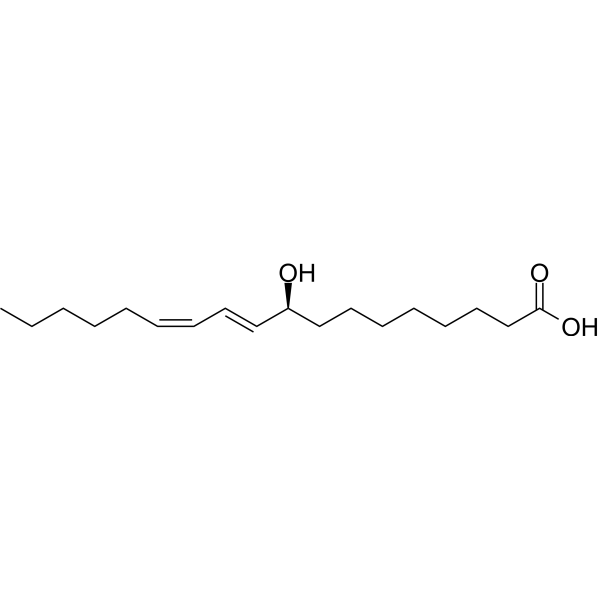
9(S)-HODE (Alpha-dimorphecolic acid) is the major active derivative of Linoleic acid (HY-N0729). 9(S)-HODE regulates the expression of miR-361-3p. 9(S)-HODE reduces cancer cell viability and induces cancer cell apoptosis. 9(S)-HODE can be used in the research of acute myeloid leukemia .
|
-
-
- HY-P991558
-
|
RG-7356
|
Transmembrane Glycoprotein
|
Cancer
|
|
RO-5429083 (RG-7356) is a humanized monoclonal antibody targeting CD44. RO-5429083 binds to the extracellular domain of CD44 and inhibits constitutive EGFR phosphorylation. RO-5429083 suppresses tumor growth in xenograft models and can be used in research related to head and neck squamous cell carcinoma and acute myeloid leukemia .
|
-
-
- HY-172416
-
|
ZE63-0302
|
Epigenetic Reader Domain
|
Cancer
|
|
Balomenib (ZE63-0302) is an orally bioavailable menin-KMT2A interaction inhibitor. Balomenib disrupts menin-KMT2A binding, reverses aberrant HOX gene expression. Balomenib inhibits Meis1 mRNA expression in KMT2A-rearranged acute myeloid leukemia cells. Balomenib can be used for the research of leukemia .
|
-
-
- HY-172581
-
|
|
FLT3
Apoptosis
Ras
p38 MAPK
PI3K
Akt
JAK
STAT
|
Cancer
|
|
Clifutinib is an orally active and selective internal tandem duplication mutation of FMS-like tyrosine kinase 3 (FLT3-ITD) inhibitor with an IC50 value of 15.1 nM. Clifutinib exerts strong antiproliferative effects on FLT3-ITD acute myeloid leukemia (AML) cell lines (MV-4-11: IC50 = 1.5 nM; MOLM-13: IC50 = 1.4 nM). Clifutinib inhibits the activity of FLT3-ITD kinase and blocks the downstream RAS/MAPK, PI3K/AKT, and JAK/STAT5 signaling pathways of FLT3. Clifutinib induces apoptosis of acute myeloid leukemia (AML) cells with FLT3-ITD mutations. Clifutinib demonstrates significant antitumor efficacy in mice bearing MV-4-11 or MOLM-13 xenografts. Clifutinib is promising for research of relapsed/refractory FLT3-ITD-positive acute myeloid leukemia .
|
-
-
- HY-P99910
-
|
AMG-330
|
CD3
Transmembrane Glycoprotein
|
Inflammation/Immunology
Cancer
|
|
Eluvixtamab (AMG-330) is a bispecific T-cell engager. Eluvixtamab binds to CD33 and CD3 on T cells, thereby promoting T cell-mediated cytotoxicity against CD33+ cells. Eluvixtamab can be used in the research of tumors such as relapsed/refractory acute myeloid leukemia .
|
-
-
- HY-155175
-
|
|
Tim3
IFNAR
|
Cancer
|
|
TIM-3-IN-2 is a TIM-3 inhibitor. TIM-3-IN-2 blocks the interactions of TIM-3 with PtdSer, CEACAM1 and Gal-9, and inhibits the immunosuppressive function of TIM-3. TIM-3-IN-2 restores IFNγ release from peripheral blood mononuclear cells. TIM-3-IN-2 inhibits the proliferation of acute myeloid leukemia cells. TIM-3-IN-2 can be used for the research of acute myeloid leukemia .
|
-
-
- HY-118144
-
|
|
Src
Bcr-Abl
p38 MAPK
|
Cancer
|
|
PD166326 is an orally active tyrosine kinase inhibitor with a IC50 of 8 nM against abl tyrosine kinase and a IC50 of 6 nM against src tyrosine kinase. PD166326 blocks Bcr/Abl kinase activity. PD166326 inhibits Bcr/Abl-dependent proliferation and cell cycle progression. PD166326 reduces peripheral blood granulocytosis, alleviates splenomegaly and prolongs survival in a mouse model of chronic myeloid leukemia. PD166326 can be used in research related to chronic myeloid leukemia .
|
-
-
- HY-108894
-
|
|
Ferroptosis
Reactive Oxygen Species (ROS)
|
Cardiovascular Disease
Inflammation/Immunology
Cancer
|
|
Ferumoxytol is an FDA-approved ultrasmall superparamagnetic iron oxide preparation and iron replacement agent that exerts selective activity against leukemia cells with low ferroportin expression. Ferumoxytol increases intracellular iron levels, induces reactive oxygen species (ROS) production via the Fenton reaction, and triggers oxidative stress and cell death. Ferumoxytol reduces disease burden in mouse models and patient-derived leukemia models. As an MRI contrast agent, Ferumoxytol enables imaging of vascular lesions, tumors and lymph nodes. Ferumoxytol can be used in research related to acute myeloid leukemia and blast-phase chronic myeloid leukemia .
|
-
-
- HY-159569
-
|
|
Transferrin Receptor
Ferroptosis
Apoptosis
Necroptosis
|
Cancer
|
|
TfR-1-IN-1 is a transferrin receptor-1 (TfR-1) inhibitor with tumor cell-specific activity. TfR-1-IN-1 reduces TfR-1 expression, impairs mitochondrial function, induces cell apoptosis, necroptosis and ferroptosis, and increases intracellular iron (II) levels. TfR-1-IN-1 decreases the metabolic activity of cancer cells. TfR-1-IN-1 can be used for the research of ovarian cancer, breast cancer and acute myeloid leukemia .
|
-
-
- HY-161615
-
|
|
PROTACs
ATM/ATR
Apoptosis
|
Inflammation/Immunology
Cancer
|
|
PROTAC ATR degrader-2 is a selective ATR PROTAC degrader. PROTAC ATR degrader-2 degrades ATR in acute myeloid leukemia (AML) cells MV-4-11 and MOLM-13, with DC50 values of 22.9 nM and 34.5 nM, respectively. PROTAC ATR degrader-2 has an IC50 of 29.6 nM against ATR, and its IC50 values against ATM and PI3K are both greater than 2000 nM. PROTAC ATR degrader-2 induces apoptosis, DNA damage, and upregulates p53 expression. PROTAC ATR degrader-2 inhibits cancer cell proliferation through the kinase-independent function of ATR protein. PROTAC ATR degrader-2 is applicable to research related to acute myeloid leukemia .
|
-
-
- HY-132307
-
|
|
Bcl-2 Family
Apoptosis
|
Cancer
|
|
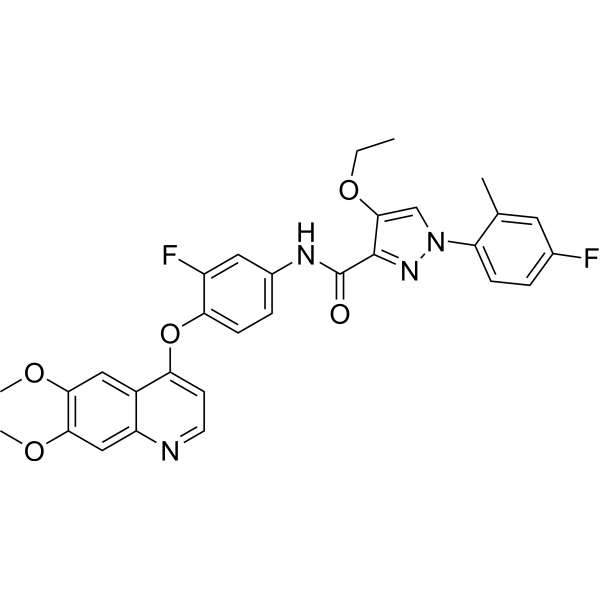
Mcl-1 inhibitor 6 is an orally active, selective myeloid cell leukemia 1 (Mcl-1) protein inhibitor with a Kd of 0.23 nM and a Ki of 0.02 μM. Mcl-1 inhibitor 6 possesses superior selectivity over other Bcl-2 family members (Bcl-2, Bcl2A1, Bcl-xL, and Bcl-w, Kd>10 μM). Mcl-1 inhibitor 6 is a potent antitumor agent .
|
-
-
- HY-141677
-
|
|
Histone Demethylase
|
Cancer
|
|
INCB059872 is a potent, orally active, selective and irreversible Lysine-Specific Demethylase 1 (LSD1) inhibitor that achieves inhibitory activity through the formation of covalent FAD-adducts. INCB059872 can inhibit cell proliferation and induce cell differentiation by upregulating the expression of myeloid differentiation markers CD86 and CD11b. INCB059872 can be used for the research of myeloid leukemia .
|
-
-
- HY-162386
-
|
|
Cuproptosis
Mitochondrial Metabolism
|
Cancer
|
|
UM4118 is a potent copper-selective non-genotoxic copper ionophore that induces cuproptosis in acute myeloid leukemia cells. UM4118 exhibits stronger activity against SF3B1G12C mutant acute myeloid leukemia cells. UM4118 transports extracellular copper into cells, elevates intracellular and mitochondrial copper levels, and triggers lipoylated DLAT aggregation, proteotoxic stress, iron-sulfur cluster protein depletion, reduced lipoylated protein levels, and maximal mitochondrial respiratory damage. UM4118 cytotoxicity can be enhanced by supplementation with extracellular copper, abolished by copper chelation, and shows synthetic lethal effects in the absence of iron-sulfur cluster biosynthesis/transport genes. UM4118 can be used for the study of acute myeloid leukemia .
|
-
-
- HY-153775
-
|
|
E1/E2/E3 Enzyme
Apoptosis
|
Cancer
|
|
UC-764864 is a selective UBE2N inhibitor. UC-764864 covalently binds UBE2N catalytic Cys87, blocks ubiquitin-UBE2N thioester formation and polyubiquitin chain synthesis. UC-764864 blocks ubiquitination of innate immune- and inflammatory-related substrates, and induces cell apoptosis. UC-764864 can be used for the research of acute myeloid leukemia .
|
-
-
- HY-141677A
-
|
|
Histone Demethylase
|
Cancer
|
|
INCB059872 dihydrochloride is a potent, orally active, selective and irreversible Lysine-Specific Demethylase 1 (LSD1) inhibitor that achieves inhibitory activity through the formation of covalent FAD-adducts. INCB059872 dihydrochloride can inhibit cell proliferation and induce cell differentiation by upregulating the expression of myeloid differentiation markers CD86 and CD11b. INCB059872 dihydrochloride can be used for the research of myeloid leukemia .
|
-
-
- HY-100741A
-
|
|
Bcl-2 Family
|
Cancer
|
|
(S,R)-S63845 is the isomer of S63845 (HY-100741), and can be used as an experimental control. S63845 is a potent and selective myeloid cell leukemia 1 (MCL1) inhibitor with a Kd of 0.19 nM for human MCL1 .
|
-
-
- HY-153495
-
|
BP1001
|
Bcl-2 Family
Apoptosis
Reactive Oxygen Species (ROS)
|
Cancer
|
|
Prexigebersen (BP1001) is an antisense oligonucleotide targeting Bcl-2 and Grb2. Prexigebersen exhibits antileukemic activity in cell models. Prexigebersen induces apoptosis (apoptosis), cell cycle arrest and ROS production in leukemia cells. Prexigebersen inhibits Grb2 expression, thereby suppressing tumor growth and survival. Prexigebersen can be used in studies related to acute myeloid leukemia .
|
-
-
- HY-113455S
-
|
Alpha-dimorphecolic acid-d4
|
Isotope-Labeled Compounds
Endogenous Metabolite
Apoptosis
Drug Derivative
|
Cancer
|
|
9(S)-HODE-d4 (Alpha-dimorphecolic acid-d4) is the deuterium labeled 9(S)-HODE (HY-113455). 9(S)-HODE (Alpha-dimorphecolic acid) is the major active derivative of Linoleic acid (HY-N0729). 9(S)-HODE regulates the expression of miR-361-3p. 9(S)-HODE reduces cancer cell viability and induces cancer cell apoptosis. 9(S)-HODE can be used in the research of acute myeloid leukemia .
|
-
-
- HY-178500
-
|
|
Deubiquitinase
Apoptosis
STAT
JAK
Akt
PI3K
|
Cancer
|
|
WCY-8-67 is an orally active and selective USP5 inhibitor, with an IC50 value of 1.33 μM. WCY-8-67 induces apoptosis and suppresses JAK/STAT3 and PI3K/AKT signaling pathways in vitro. WCY-8-67 inhibits proliferation of AE-positive AML cells, induces G1 phase arrest and differentiation of AML cells. WCY-8-67 demonstrates potent anti-leukemic efficacy in mice. WCY-8-67 can be used for the study of acute myeloid leukemia .
|
-
-
- HY-100741C
-
|
|
Bcl-2 Family
Drug Isomer
|
Cancer
|
|
(R,R)-S63845 is the isomer of S63845 (HY-100741), and can be used as an experimental control. S63845 is a potent and selective myeloid cell leukemia 1 (MCL1) inhibitor with a Kd of 0.19 nM for human MCL1 .
|
-
-
- HY-150507
-
|
JNJ-78394355
|
Bcl-2 Family
|
Cancer
|
|
JNJ-4355, a chemical probe, is a highly potent MCL-1 (myeloid cell leukemia-1) inhibitor, with KI of 18 pM. JNJ-4355 shows antitumor activity .
|
-
-
- HY-148203
-
|
|
Bcl-2 Family
|
Cancer
|
|
Mcl-1 inhibitor 9 (example 2) is a myeloid cell leukemia 1 (Mcl-1) inhibitor with IC50 value of 0.21889 nM. Mcl-1 inhibitor 9 shows anti-tumor activity .
|
-
-
- HY-174221
-
|
|
IMPDH
HDAC
|
Cancer
|
|
IMPDH II/HDAC1-IN-1 (Compound C12) is an orally active, selective dual IMPDH II/HDAC1 inhibitor, with an IC50 of 84.69 nM against hIMPDH II and an IC50 of 81.75 nM against HDAC1. IMPDH II/HDAC1-IN-1 inhibits the proliferation of chronic myeloid leukemia cells. IMPDH II/HDAC1-IN-1 can be used for the research of chronic myeloid leukemia .
|
-
-
- HY-178446
-
|
|
METTL3
c-Myc
Bcl-2 Family
|
Cancer
|
|
METTL3-IN-11 is an excellent, selective METTL3 inhibitor (IC50 = 45.31 nM). METTL3-IN-11 exhibits high selectivity towards METTL3 compared to DNMT1, EZH1, MLL1, and PRMT1. METTL3-IN-11 reduces the m6A level of total RNA in MOLM-13 and SKOV3 cells, induces cell apoptosis, and inhibits cell migration. METTL3-IN-11 can reduce the expression of m6A downstream target genes (c-MYC and BCL2). METTL3-IN-11 can be used for the study of ovarian cancer and acute myeloid leukemia .
|
-
-
- HY-179095
-
|
|
Ligands for Target Protein for PROTAC
IRAK
NF-κB
p38 MAPK
|
Cancer
|
|
UR241-2 is an IRAK4 inhibitor. UR241-2 suppresses IL-1–induced IRAK1/4 signaling, NF-κβ activation, and phosphorylation of p65 and p38. UR241-2 selectively inhibits leukemia stem cell clonogenicity. UR241-2 can serve as a ligand for target proteins for PROTAC, facilitating the development and design of PROTAC degraders for IRAK4. UR241-2 can be used in the research of acute myeloid leukemia .
|
-
-
- HY-178500A
-
|
|
Deubiquitinase
Apoptosis
STAT
JAK
Akt
PI3K
|
Cancer
|
|
WCY-8-67 TFA is an orally active and selective USP5 inhibitor, with an IC50 value of 1.33 μM. WCY-8-67 TFA induces apoptosis and suppresses JAK/STAT3 and PI3K/AKT signaling pathways. WCY-8-67 TFA inhibits proliferation of AE-positive AML cells, induces G1 phase arrest and differentiation of AML cells. WCY-8-67 TFA demonstrates potent anti-leukemic efficacy in mice. WCY-8-67 TFA can be used for the study of acute myeloid leukemia .
|
-
-
- HY-154961
-
|
|
Bcl-2 Family
|
Cancer
|
|
Mcl-1 inhibitor 14 (Compound (Ra)-10) is an inhibitor of myeloid cell leukemia-1 (MCL-1) with an Ki of 0.018 nM and can be used for anticancer research .
|
-
-
- HY-163293
-
|
|
Bcl-2 Family
|
Cancer
|
|
Mcl-1 inhibitor 18 (compound 57) is a myeloid cell leukemia 1 (Mcl-1) inhibitor, and can be used for study of cancer .
|
-
-
- HY-171146
-
|
|
FLT3
Bcr-Abl
RET
PDGFR
MNK
|
Cancer
|
|
HSN748 is a Ponatinib (HY-12047) analogue and a multikinase inhibitor. HSN748 has inhibitory activity on FLT3, ABL1, RET, PDGFRα/β, MNK1, MNK2 and other kinases. HSN748 can inhibit the growth of chronic myeloid leukemia and acute myeloid leukemia cell lines and can be used in the study of leukemia .
|
-
-
- HY-18051
-
|
|
Calcium Channel
|
Cancer
|
|
CXL 017 is a sarco/endoplasmic reticulum Ca 2+-ATPase (SERCA) inhibitor. CXL 017 can inhibit the ATPase activity of SERCA by competing with ATP for binding. CXL 017 exhibits selective cytotoxicity against multidrug-resistant acute myeloid leukemia cells HL60/MX2. CXL 017 can be used in the research of tumors such as multidrug-resistant acute myeloid leukemia .
|
-
-
- HY-18714
-
|
|
Others
|
Cancer
|
|
BRD7116 is a cell-non-autonomous inhibitor of leukemic stem cells (LSCs). BRD7116, without directly contacting LSCs, can inhibit LSCs merely by altering the microenvironment. BRD7116 also has any cell-autonomous effects on LSCs and induces transcriptional changes consistent with myeloid differentiation. BRD7116 can be used for the study of leukemia .
|
-
-
- HY-178010
-
|
|
Bcl-2 Family
Apoptosis
|
Cancer
|
|
Mcl-1-IN-17 (Compound 25) is an orally active Myeloid Cell Leukemia 1 (Mcl-1) inhibitor with a Ki < 0.08 nM. Mcl-1-IN-17 has a significant antiproliferative activity (GI50s of 39 and 105 nM for H929 and A427 cells, respectively) and inhibits cell apoptosis. Mcl-1-IN-17 can be used for hematological and solid cancers research .
|
-
-
- HY-123121
-
|
|
Antibiotic
Apoptosis
Bacterial
NF-κB
|
Infection
Inflammation/Immunology
Cancer
|
|
Nargenicin A1 is an antibiotic agent against various Gram-positive bacteria. Nargenicin A1 shows anti-inflammatory activity. Nargenicin A1 protects HINAE cells against Tacrolimus (HY-13756)-induced DNA damage and apoptosis. Nargenicin A1 can also be used for the research of acute myeloid leukemia .
|
-
-
- HY-128607
-
|
|
Bcl-2 Family
|
Cancer
|
|
Mcl1-IN-9 is a potent myeloid cell leukemia-1 (Mcl-1) Inhibitor with an IC50 of 446 nM in reengineered BCR-ABL+ B-ALL cells and a Ki of 0.03 nM .
|
-
-
- HY-171777
-
|
ErPC3; Erucylphosphohomocholine
|
PI3K
Akt
Ras
Raf
p38 MAPK
|
Cancer
|
|
Erufosine is an inhibitor of PI3K/Akt and Ras/Raf/MAPK signaling pathways. Erufosine inhibits the activity of breast cancer cell lines MCF-7 and MDA-MB 231 (IC50: 40.95/40.8 μM). Erufosine reduces the phosphorylation of PI3K (p85), Akt (PKB), and cRaf. Erufosine can be used in the study of breast cancer and myeloid leukemia .
|
-
-
- HY-158618
-
|
|
Aurora Kinase
Apoptosis
|
Cancer
|
|
Aurora kinase inhibitor-14 (Compound 79) is an orally active and highly selective inhibitor of Aurora kinases with IC50 values of 0.5 nM and 1.2 nM for Aurora A and Aurora B, respectively. Aurora kinase inhibitor-14 binds to the ATP-binding site of Aurora kinases to block chromosome segregation during mitosis and induce apoptosis in tumor cells. Aurora kinase inhibitor-14 is promising for research of various solid tumors and hematological malignancies, such as non-small cell lung cancer, breast cancer, and acute myeloid leukemia .
|
-
-
- HY-141876
-
|
|
Histone Methyltransferase
Notch
PI3K
Akt
Bcl-2 Family
DNA/RNA Synthesis
|
Cancer
|
|
PRT543 is an orally active selective PRMT5 inhibitor. PRT543 reduces intracellular symmetric dimethylarginine (sDMA) levels, downregulates the expression of genes related to DNA damage repair and DNA replication pathways, and induces abnormal alternative splicing. PRT543 inhibits the MYB, NOTCH1 and PI3K/AKT signaling pathways, promotes nuclear translocation of FOXO1, upregulates the pro-apoptotic protein BAX, and enhances cellular sensitivity to BCL-2 inhibition. PRT543 disrupts the normal RNA splicing process and exerts a synthetic lethal effect on myeloid tumor cells carrying splicing factor mutations. PRT543 can be used in research related to various cancers including breast cancer, ovarian cancer and acute myeloid leukemia .
|
-
-
- HY-178008
-
|
|
Bcl-2 Family
Caspase
Apoptosis
|
Cancer
|
|
Mcl-1-IN-16 is an effective macrocyclic myeloid cell leukemia 1 (Mcl-1) inhibitor with a Ki of below 0.08 nM. Mcl-1-IN-16 maintains high selectivity (>50,000-fold) for Mcl-1 over other antiapoptotic Bcl-2 family members Bcl-2 and Bcl-xL. Mcl-1-IN-16 leads to the activation of caspase-3/7, thereby initiating cell apoptosis. Mcl-1-IN-16 achieves tumor regression in a lung cancer-derived tumor xenograft mice model. Mcl-1-IN-16 can be used in the research of solid tumor such as nonsmall cell lung cancer (NSCLC) .
|
-
-
- HY-139996
-
|
|
PROTACs
Apoptosis
FLT3
c-Kit
FGFR
VEGFR
PDGFR
c-Fms
|
Cancer
|
|
Pomalidomide-C5-Dovitinib (compound 2) is a PROTAC containing Pomalidomide, Dovitinib and connected with CRBN. Pomalidomide-C5-Dovitinib shows enhanced antiproliferative effects against FLT3-ITD+ AML cells. Pomalidomide-C5-Dovitinib induces the degradation of the FLT3-ITD and KIT proteins in a ubiquitin-proteasome-dependent manner and completely blocks their downstream signaling pathway. Pomalidomide-C5-Dovitinib has the potential for the research of FLT3-ITD + acute myeloid leukemia .
|
-
-
- HY-170763
-
|
|
Apoptosis
Bcl-2 Family
|
Cancer
|
|
Mcl-1 inhibitor 22 (Example 36) is a myeloid cell leukemia-1 (MCL-1) inhibitor which inhibits the antiapoptotoic activity of MCL-1 by inhibiting its interaction with proapototic proteins. Mcl-1 inhibitor 22 exhibits anti-proliferation activities against various cancer cell lines and can be utilized in cancer research .
|
-
-
- HY-170763A
-
|
|
Apoptosis
Bcl-2 Family
|
Cancer
|
|
(+)-Mcl-1 inhibitor 22 (Example 37) is a myeloid cell leukemia-1 (MCL-1) inhibitor which inhibits the antiapoptotoic activity of MCL-1 by inhibiting its interaction with proapototic proteins. (+)-Mcl-1 inhibitor 22 exhibits anti-proliferation activities against various cancer cell lines and can be utilized in cancer research .
|
-
-
- HY-125908
-
-
-
- HY-168475
-
|
|
Apoptosis
WDR5
HDAC
|
Cancer
|
|
DD0-2363 (Compound 32d) is a dual-target inhibitor of WDR5-MLL1/HDAC. DD0-2363 inhibits cells proliferation and induces apoptosis in acute myeloid leukemia cells. DD0-2363 has antitumor activity and can be used in the research of acute myeloid leukemia .
|
-
-
- HY-141677B
-
|
|
Histone Demethylase
|
Cancer
|
|
INCB059872 tosylate is a potent, orally active, selective and irreversible Lysine-Specific Demethylase 1 (LSD1) inhibitor that achieves inhibitory activity through the formation of covalent FAD-adducts. INCB059872 tosylate can inhibit cell proliferation and induce cell differentiation by upregulating the expression of myeloid differentiation markers CD86 and CD11b. INCB059872 tosylate can be used for the research of myeloid leukemia .
|
-
-
- HY-172154
-
|
|
CXCR
Apoptosis
|
Cancer
|
|
SSB-2548 is a CXCR-4 inhibitor. SSB-2548 can inhibit the proliferation, migration and induce apoptosis of acute myeloid leukemia cells. SSB-2548 has good gastrointestinal absorption and can be used in the research of leukemia .
|
-
-
- HY-149981
-
|
|
P-glycoprotein
|
Cancer
|
P-gp inhibitor 13 is a P-gp inhibitor. P-gp inhibitor 13 can reverse P-glycoprotein-mediated paclitaxel resistance in A2780/T cell. P-gp inhibitor 13 can be used for the research of advanced acute myeloid leukemia .
|
-
-
- HY-162489
-
|
|
Bcr-Abl
|
Others
|
|
Tyrosine kinase-IN-8 (compound 4e) is a BCR‐ABL1 tyrosine kinase inhibitor (TKI). Tyrosine kinase-IN-8 shows anti-proliferative activity against K562 cells, a chronic myeloid leukemia (CML) cell line (CC50=0.8 µM). Tyrosine kinase-IN-8 can be used in the study of chronic leukemia .
|
-
-
- HY-126920
-
|
|
FLT3
Apoptosis
|
Cancer
|
|
AFG206 is a first-generation ATP competitive “type II” FLT3 inhibitor. AFG206 potently inhibits cell proliferation (IC50 around 0.1 µM) via induction of Apoptosis in FLT3-ITD-Ba/F3 cells and D835Y-Ba/F3 cells. AFG206 is promising for research of acute myeloid leukemia .
|
-
- HY-W286906
-
|
|
Bcl-2 Family
Apoptosis
|
Cancer
|
|
Mcl1-IN-15 (Compound 7) is the inhibitor for myeloid cell leukemia 1 (Mcl-1) with an IC50 of 8.73 μM. Mcl1-IN-15 inhibits Mcl1-BH3 peptide interaction, activates the Bak/Bax-mediated apoptosis and exhibits antitumor activity .
|
-
- HY-168605
-
|
|
MMP
Apoptosis
|
Cancer
|
|
DH-18 is a matrix metalloproteinase-2 (MMP-2) inhibitor with the IC50 values of 139.45 nM, 518.11 nM and 833.34 nM for MMP-2, MMP-9 and MMP-8, respectively. DH-18 induces cell apoptosis and arrests cell cycle in the G0/G1 phase. DH-18 inhibits cell growth and can be used for study of chronic myeloid leukemia .
|
-
- HY-169389
-
|
|
PROTACs
WDR5
|
Cancer
|
|
OICR41114 is a WDR5 PROTAC degrader with an EC50 of 40 nM. OICR41114 binds both DCAF1 and WDR5, and its binding affinity for DCAF1 is significantly enhanced in the presence of WDR5 (KD increases from 59 nM to 5 nM). OICR41114 exerts antiproliferative effects on MV4-11 cells. OICR41114 can be used for the research of acute myeloid leukemia .
|
-
- HY-168741
-
|
|
FLT3
|
Cancer
|
|
FLT3-ITD-IN-2 (Compound A1) is an inhibitor for FLT3-ITD kinase with an IC50 of 2.12 nM. FLT3-ITD-IN-2 inhibits the proliferation of FLT3-dependent human AML cell line MOLM-13 with an IC50 of 25.65 nM. FLT3-ITD-IN-2 exhibits antitumor efficacy against acute myeloid leukemia .
|
-
- HY-123201
-
|
|
FLT3
|
Cancer
|
|
KRN383 analog is an analog of KRN383. KRN383 is an orally active Flt3 inhibitor that inhibits the autophosphorylation of Flt3 bearing internal tandem duplications (ITDs) and the Asp835Tyr (D835Y) point mutation with IC50 values of < or =5.9 and 43 nM, respectively. KRN383 also inhibits the proliferation of the ITD-positive cell lines with IC50 values of < or =2.9 nM. KRN383 can be used for the research of acute myeloid leukemia .
|
-
- HY-162936
-
|
|
FLT3
Apoptosis
|
Cancer
|
|
SILA-123 is a FLT3 inhibitor (FLT3-WT: IC50=2.1 nM; FLT3-ITD: IC50=1.0 nM). SILA-123 inhibits FLT3 phosphorylation and downstream signaling pathways, leading to apoptosis by arresting cell cycle progression at the G0/G1 phase. SILA-123 can be used in the study of acute myeloid leukemia .
|
-
- HY-173123
-
|
|
Histone Demethylase
Apoptosis
|
Cancer
|
|
LSD1-IN-40 (Compound 9e) is a potent LSD1 inhibitor, with an IC50 of 9.85 nM. LSD1-IN-40 exhibits exceptional selectivity for LSD1 over both MAOs and hERG. LSD1-IN-40 exhibits significant inhibitory activity against leukemia cells (MV-4-11, HL-60, and THP-1 cells). LSD1-IN-40 can induce apoptosis in MV-4-11 cells. LSD1-IN-40 has the potential for the research of acute myeloid leukemia .
|
-
- HY-168493
-
|
|
FLT3
VEGFR
HDAC
STAT
PERK
|
Cancer
|
|
FLT3/VEGFR2-IN-1 (Compound 26) is a FLT3/VEGFR2/HDAC inhibitor with IC50 values of 14.5 nM, 3.9 nM, and 30.8 nM for FLT3, VEGFR2, and HDAC1, respectively. FLT3/VEGFR2-IN-1 can inhibit the phosphorylation of STAT3 and ERK1/2 and the proliferation of leukemia cells. FLT3/VEGFR2-IN-1 has anti-tumor activity and can be used for the research of acute myeloid leukemia .
|
-
- HY-124693
-
|
|
Apoptosis
|
Cancer
|
|
DB1055 is a HOXA9 inhibitor that competes with HOXA9 binding to DNA (blocking its DNA interaction activity). DB1055 induces in vitro cell growth reduction, cell apoptosis, and differentiation in human acute myeloid leukemia (AML) cells. DB1055 leads to monocyte-to-macrophage differentiation and exhibits antileukemic activities in a human THP-1 AML in vivo model. DB1055 does not impact human CD34+ bone marrow cells. DB1055 can be used for the research of acute myeloid leukemia[1].
|
-
- HY-182082
-
|
|
PROTACs
Epigenetic Reader Domain
|
Cancer
|
|
XYD270 is an orally active BRD9 PROTAC degrader. XYD270 inhibits the proliferation of cancer cells. XYD270 suppresses tumor growth in a mouse model of acute myeloid leukemia. XYD270 can be used in research related to synovial sarcoma and acute myeloid leukemia .
|
-
- HY-N19664
-
|
|
Others
|
Cancer
|
|
14-Deoxy-12-methoxyandrographolide, an ent-labdane-type diterpenoid found in the aerial parts of Andrographis paniculata, is a cell differentiation inducer. 14-Deoxy-12-methoxyandrographolide induces differentiation of myeloid leukemia cells via increased phagocytosis of polystyrene latex particles. 14-Deoxy-12-methoxyandrographolide can be used for the research of myeloid leukemia .
|
-
- HY-141677C
-
|
|
Histone Demethylase
|
Cancer
|
|
INCB059872 TFA is a potent, orally active, selective and irreversible Lysine-Specific Demethylase 1 (LSD1) inhibitor that achieves inhibitory activity through the formation of covalent FAD-adducts. INCB059872 TFA can inhibit cell proliferation and induce cell differentiation by upregulating the expression of myeloid differentiation markers CD86 and CD11b. INCB059872 TFA can be used for the research of myeloid leukemia .
|
-
- HY-181132
-
|
|
PROTACs
Caspase
NF-κB
Apoptosis
|
Cancer
|
|
dCASP1-55 is a cereblon-dependent caspase-1 (CASP1) PROTAC degrader. dCASP1-55 induces excessive NF-κB activation, apoptosis, and moderate S-phase arrest in leukemic cells. dCASP1-55 suppresses colony formation of leukemic cells. dCASP1-55 can be used for the research of cancer, such as myeloid malignancies and acute myeloid leukemia .
|
-
- HY-119126
-
|
|
Microtubule/Tubulin
|
Cancer
|
|
PK-3 is a cancer cell growth inhibitor with microtubule-binding activity. PK-3 binds to tubulin, disrupts the intracellular microtubule network required for mitosis, and induces cell death. PK-3 can be used in research related to chronic myeloid leukemia .
|
-
- HY-168213
-
|
|
FLT3
|
Cancer
|
|
FLT3-IN-27 (compound 49) is a FLT3-ITD inhibitor with the IC50 of 174 nM. FLT3-IN-27 inhibits cell growth and increases the number of cells in the G1 phase of the cell cycle and can be used for study of acute myeloid leukemia .
|
-
- HY-181951
-
|
|
PROTACs
Epigenetic Reader Domain
|
Cancer
|
|
PROTAC BRD9 Degrader-11 is a VHL-based BRD9 PROTAC degraderwith an IC50 of 0.66 μM. PROTAC BRD9 Degrader-11 induces selective, proteasome-dependent degradation of BRD9 via the ubiquitin-proteasome system. PROTAC BRD9 Degrader-11 impairs cell viability, suppresses proliferation, and arrests growth of acute myeloid leukemia cells. PROTAC BRD9 Degrader-11 can be used for the research of acute myeloid leukemia .
|
-
- HY-181959
-
|
|
Eukaryotic Initiation Factor (eIF)
|
Cancer
|
|
APL-4098 is an orally active, selective, ATP-competitive GCN2 inhibitor with a Ki of 4.39 nM and a Kd of 2.9 nM. APL-4098 reduces the phosphorylation level of eIF2α and the expression level of ATF4. APL-4098 impairs mitochondrial function and exerts cytotoxic effects on primary acute myeloid leukemia cells. APL-4098 is applicable to research related to acute myeloid leukemia .
|
-
- HY-183265
-
|
|
Creatine Kinase
ATP Synthase
Mitochondrial Metabolism
Reactive Oxygen Species (ROS)
|
Cancer
|
|
GO847 is an orally active casein kinase 2 (CK2) inhibitor with an IC50 of 40.2 nM. GO847 increases intracellular ATP levels, impairs Mitochondrial metabolic flexibility, and promotes excessive mitochondrial ROS production. GO847 alters the period length of cellular circadian rhythms. GO847 inhibits the growth of acute myeloid leukemia cells. GO847 can be used for the research of acute myeloid leukemia .
|
-
- HY-120089
-
|
|
FLT3
ERK
Akt
STAT
Apoptosis
|
Cancer
|
|
UNC1666 is an ATP-competitive dual-target Mer/Flt3 tyrosine kinase inhibitor with IC50 values of 0.55 nM and 0.69 nM, and Ki values of 0.16 nM and 0.67 nM, respectively. UNC1666 reduces the phosphorylation levels of Mer and Flt3, suppresses downstream pro-survival signaling pathways (Erk1/2, Akt and Stat), induces cell apoptosis, and decreases colony formation of acute myeloid leukemia cells. UNC1666 is applicable to research related to acute myeloid leukemia .
|
-
- HY-182550
-
|
|
Dihydroorotate Dehydrogenase
|
Cancer
|
|
Indoluidin D is a selective dihydroorotate dehydrogenase (DHODH) inhibitor with a human DHODH IC50 of 210 nM. Indoluidin D selectively inhibits human DHODH activity, with induced effects rescuable by orotic acid. Indoluidin D promotes myeloid differentiation and inhibits cancer cell proliferation. Indoluidin D can be used for the research of acute promyelocytic leukemia .
|
-
- HY-181949
-
|
|
PROTACs
Epigenetic Reader Domain
|
Cancer
|
|
PROTAC BRD9 Degrader-10 is a PROTAC degrader targeting BRD9, with an IC50 of 2.97 μM against BRD9. PROTAC BRD9 Degrader-10 induces BRD9 degradation via the ubiquitin-proteasome system by recruiting the VHL E3 ubiquitin ligase. PROTAC BRD9 Degrader-10 reduces the viability and inhibits the proliferation of myeloid leukemia cells. PROTAC BRD9 Degrader-10 is applicable for the research of acute myeloid leukemia .
|
-
- HY-181166
-
|
|
EGFR
Apoptosis
|
Cancer
|
|
EGFR-IN-194 is a potent EGFR tyrosine kinase inhibitor with an IC50 of 54.3 nM against human EGFR. EGFR-IN-194 induces apoptosis, inhibits migration in cancer cells, selectively promotes invasion in cancer cells, and exhibits antiproliferative effects across multiple cancer cell lines. EGFR-IN-194 can be used for the research of prostate adenocarcinoma, non-small cell lung carcinoma, breast carcinoma, chronic myeloid leukemia .
|
-
- HY-119159
-
|
|
NAMPT
Caspase
Apoptosis
|
Cancer
|
|
AS1604498 is a highly specific competitive inhibitor of human NAMPT, with an IC50 of 44.4 nM. AS1604498 functionally inhibits NAMPT enzymatic activity, reduces nicotinamide mononucleotide production, decreases intracellular NAD levels, activates caspase 3/7 and induces cancer cell apoptosis. AS1604498 is applicable to research related to chronic myeloid leukemia .
|
-
- HY-181925
-
|
|
Apoptosis
Pim
mTOR
|
Cancer
|
|
FD2024 is a pan-PIM kinase inhibitor with IC50 values of 0.17 nM, 1.86 nM, and 0.38 nM against PIM-1, PIM-2, and PIM-3, respectively. FD2024 induces cell apoptosis. FD2024 inhibits the phosphorylation of mTOR, p70S6K, S6, 4EBP1, and BAD proteins. FD2024 exhibits anti-acute myeloid leukemia activity. FD2024 can be used in studies related to acute myeloid leukemia .
|
-
- HY-181854
-
|
|
PROTACs
Epigenetic Reader Domain
Histone Acetyltransferase
c-Myc
Caspase
Apoptosis
|
Cancer
|
|
ZX079 is a dual BRD4 and CBP PROTAC degrader with a BRD4 DC50 value of 0.035 nM and a CBP DC50 value of < 0.02 nM. ZX079 induces dose- and time-dependent degradation of BRD4 and CBP proteins through recruitment of the cereblon E3 ligase. ZX079 induces apoptosis in MV4-11 and MOLM-13 cells, reduces tumor growth in an acute myeloid leukemia xenograft model. ZX079 can be used for the research of acute myeloid leukemia .
|
-
- HY-182019
-
|
|
HDAC
SHMT
Apoptosis
Reactive Oxygen Species (ROS)
Ferroptosis
|
Cancer
|
|
HDAC11-IN-5 is a selective, potent and orally active HDAC11 inhibitor with an IC50 of 0.021 μM. HDAC11-IN-5 increases fatty acylation levels of substrate SHMT2 in AML cells. HDAC11-IN-5 induces apoptosis, G1 phase cell cycle arrest, ferroptosis, ROS production and terminal myeloid differentiation in AML cells. HDAC11-IN-5 demonstrates anti-tumor potency in an MLL-AF9-induced mouse AML model. HDAC11-IN-5 can be used for the research of cancer, such as acute myeloid leukemia .
|
-
- HY-148014
-
-
- HY-182891
-
|
|
Histone Demethylase
|
Cancer
|
|
MC4455 is a LSD1/PRMT5 dual inhibitor. MC4455 inhibits the LSD1/CoREST and PRMT5/MEP50 complex with IC50 values of 0.104 μM and 0.014 μM. MC4455 covalently binds to LSD1’s FAD cofactor, stabilizes the LSD1/CoREST complex. MC4455 induces myeloid differentiation, alters transcriptomic profiles, drives alternative splicing changes, and impairs leukemic cell viability in AML cells. MC4455 can be used for the research of acute myeloid leukemia .
|
-
- HY-182956
-
|
|
Molecular Glues
DNA Methyltransferase
|
Cancer
|
|
DNMT1 Degrader-1 is a selective DNMT1 degrader with an IC50 of 202.87 nM and a Kd value of 122 nM. As a molecular glue, DNMT1 Degrader-1 forms a ternary complex with DNMT1 and UHRF1, thereby triggering UHRF1-mediated ubiquitination and degradation of DNMT1, and inhibiting the enzymatic activity of DNMT1. DNMT1 Degrader-1 inhibits the proliferation of primary acute myeloid leukemia cells and exerts anti-tumor activity. DNMT1 Degrader-1 can be used for the research of acute myeloid leukemia .
|
-
- HY-181869
-
|
|
PROTACs
Epigenetic Reader Domain
Apoptosis
|
Cancer
|
PROTAC BET Degrader-17 is a potent BET protein PROTAC degrader. By recruiting the VHL E3 ligase, PROTAC BET Degrader-17 specifically degrades BRD2, BRD3 (DC50=0.09 nM) and BRD4 (IC50=4.3 nM). PROTAC BET Degrader-17 exhibits strong anti-tumor activity in acute myeloid leukemia (AML) studies; it not only inhibits cancer cell proliferation, induces cell cycle arrest and apoptosis, but also effectively suppresses tumor growth in xenograft mouse models. PROTAC BET Degrader-17 can be used to explore targeted therapies for acute myeloid leukemia .
|
-
- HY-182892
-
|
|
Histone Demethylase
Histone Methyltransferase
|
Cancer
|
|
MC4491 is a selective LSD1/PRMT5 inhibitor, with an IC50 of 0.152 μM against the LSD1/CoREST complex and an IC50 of 0.043 μM against the PRMT5/MEP50 complex. MC4491 induces transcriptomic changes and splicing alterations in AML cells. MC4491 is applicable for the research of acute myeloid leukemia .
|
-
- HY-122275
-
|
|
Bcl-2 Family
|
Cancer
|
|
A-371191 is a selective Bcl-XL antagonist with a Ki <0.5 μM, and also acts as a mitochondria-targeting agent and chemosensitizer. A-371191 restores the sensitivity of cancer cells overexpressing Bcl-XL to Cisplatin (HY-17394) and Doxorubicin (HY-15142A). A-371191 reduces tumor volume in mice with intraperitoneal tumors. A-371191 can be used in the research of acute myeloid leukemia .
|
-
- HY-183825
-
|
|
Epigenetic Reader Domain
c-Myc
|
Cancer
|
|
Eleven-Nineteen-Leukemia Protein IN-4 is a ENL YEATS domain inhibitor with an IC50 of 62.0 nM and a Kd of 100.4 nM. Eleven-Nineteen-Leukemia Protein IN-4 downregulates MYC expression and inhibits cancer cell growth; it exerts a synergistic effect with the bromodomain inhibitor JQ-1 (HY-13030). Eleven-Nineteen-Leukemia Protein IN-4 can be used in the research of acute myeloid leukemia .
|
-
- HY-182912
-
|
|
Molecular Glues
Epigenetic Reader Domain
|
Cancer
|
|
PLX-4104 is an orally active BRD4 molecular glue degrader with a DC50 of 2 nM. PLX-4104 selectively promotes BRD4 degradation via DCAF11 recruitment, triggering ubiquitination and proteasomal breakdown. PLX-4104 inhibits cancer cell proliferation. PLX-4104 induces complete regression of AML xenograft tumors. PLX-4104 can be used for the research of acute myeloid leukemia .
|
-
- HY-182004
-
|
|
FLT3
ERK
|
Cancer
|
|
FLT3-IN-40 is a type I ATP-competitive FLT3 inhibitor with an IC50 of 16.26 nM. FLT3-IN-40 reduces the autophosphorylation level of FLT3 and the phosphorylation level of downstream ERK. FLT3-IN-40 exhibits antiproliferative, cell cycle regulatory and apoptosis-inducing activities. FLT3-IN-40 can be used in research related to acute myeloid leukemia .
|
-
- HY-180981
-
|
|
PROTACs
Bcr-Abl
|
Cancer
|
|
P19As is a BCR-ABL PROTAC degrader based on Asciminib (HY-104010), with a DC50 value of approximately 200 nM for the wild-type BCR-ABL protein. P19As can degrade the T315I mutant and exhibits potent anti-proliferative activity in BaF3-BCR-ABL (T315I) cells. P19As can be used for the study of chronic myeloid leukemia and acute lymphoblastic leukemia .
|
-
- HY-182937
-
|
|
FLT3
STAT
Akt
ERK
Caspase
PARP
Bcl-2 Family
Apoptosis
|
Cancer
|
|
FLC-8 is an orally active FLT3 inhibitor with IC50 values of 10.2 nM, 11.6 nM and 24.10 nM against human FLT3-WT, FLT3-G697R and FLT3-N676D, respectively. FLC-8 inhibits FLT3 autophosphorylation and downstream STAT5, AKT and ERK signaling pathways, and induces apoptosis in acute myeloid leukemia (AML) cells. FLC-8 exhibits potent antitumor activity in the MV4-11 xenograft model. FLC-8 can be used for the research of acute myeloid leukemia .
|
-
- HY-180979
-
|
|
PROTACs
Bcr-Abl
|
Cancer
|
|
P22D is a BCR-ABL PROTAC degrader based on Dasatinib (HY-10181), with a DC50 value of approximately 10 nM for the wild-type BCR-ABL protein. P22D cannot degrade the BCR-ABL T315I mutant. P22D has inhibitory activity against K562 cells (wild type), but is ineffective against BaF3-BCR-ABL (T315I) cells. P22D can be used for research on chronic myeloid leukemia and acute lymphocytic leukemia .
|
-
- HY-180912
-
|
|
CDK
Apoptosis
|
Cancer
|
|
HS-36 is a highly selective and orally active dual inhibitor of CDK4 and CDK9 with IC50 values of 18.9 and 4.2 nM respectively. HS-36 exhibits nanomolar-level potent activity against various cancer cells, inducing G0/G1 phase arrest and promoting cell apoptosis. HS-36 efficiently inhibits tumor growth in a mouse model of MV-4-11 tumors. HS-36 can be used for the study of acute myeloid leukemia .
|
-
- HY-165532
-
|
SGX70393
|
Bcr-Abl
|
Cancer
|
|
SGX393 (SGX70393) is a Bcr-Abl kinase inhibitor. SGX393 binds to the active conformation of the kinase domains of both wild-type and T315I mutant Bcr-Abl, thereby inhibiting kinase activity. SGX393 exhibits antiproliferative effects in cells expressing wild-type or T315I mutant Bcr-Abl, and suppresses T315I-driven tumor growth. SGX393 can be used for the research of chronic myeloid leukemia .
|
-
- HY-183870
-
|
|
Sirtuin
Apoptosis
Caspase
Atg8/LC3
Autophagy
Mitochondrial Metabolism
|
Cancer
|
|
NCO-90 is a selective SIRT2 inhibitor with an IC50 of 1.0 μM. NCO-90 induces Apoptosis via Caspase activation and mitochondrial superoxide anion production, and also induces Autophagic cell death by increasing LC3-II levels and autophagosome accumulation. NCO-90 exhibits anticancer activity against leukemia. NCO-90 can be used in research related to acute lymphoblastic leukemia and acute myeloid leukemia .
|
-
- HY-183683
-
|
|
Proteasome
Apoptosis
|
Cancer
|
|
DQ-9 is a selective immunoproteasome β5i inhibitor (IC50=0.0019 μM). DQ-9 generates additional inhibitory substances via iron-mediated intracellular activation, and induces oxidative stress, carbon-centered free radicals and macromolecular damage through its artemisinin domain. DQ-9 induces apoptosis in leukemia and multiple myeloma cells. DQ-9 exhibits selective cytotoxicity against leukemia and multiple myeloma cells by elevating the labile iron pool. DQ-9 can be used in the research of hematological malignancies (leukemia, multiple myeloma, mantle cell lymphoma, acute myeloid leukemia) .
|
-
- HY-181781
-
|
|
Histone Demethylase
CD44
Apoptosis
|
Cancer
|
|
LSD1-IN-48 is a tranylcypromine-pyrimidine derivative and selective LSD1 inhibitor with a human IC50 of 7.87 nM. LSD1-IN-48 increases H3K4me1/2 histone methylation levels. LSD1-IN-48 induces apoptosis, upregulates CD86, downregulates SOX2 and CD44, inhibits proliferation in cancer cells. LSD1-IN-48 can be used for the research of acute myeloid leukemia .
|
-
- HY-181023
-
|
|
PROTACs
HDAC
|
Cancer
|
|
PROTAC HDAC8 Degrader-3 (Compound BP1) is an efficient and selective HDAC8 PROTAC degrader with a DC50 of 20 nM. PROTAC HDAC8 Degrader-3 exhibits IC50 for HDAC8 and CRBN of 0.46 and 7.5 μM, respectively. PROTAC HDAC8 Degrader-3 exhibits potent anti-proliferative activity against MM.1S and HL-60 cells. PROTAC HDAC8 Degrader-3 can be used for research on multiple myeloma and acute myeloid leukemia .
|
-
- HY-180983
-
|
|
PROTACs
Bcr-Abl
|
Cancer
|
|
Azo-PROTAC-4C-trans is a BCR-ABL PROTAC degrader that can efficiently degrade the BCR-ABL fusion protein and ABL protein. Azo-PROTAC-4C-trans exhibits potent selective anti-proliferative activity against K562 cells. Azo-PROTAC-4C-trans allows real-time, reversible regulation of its activity via UV (to inactivate it) /visible light (to activate it) irradiation. Azo-PROTAC-4C-trans can be used for the study of myeloid leukemia .
|
-
- HY-182281
-
|
|
FLT3
STAT
Akt
ERK
Apoptosis
|
Cancer
|
|
FLT3-IN-41 is a highly potent FLT3 inhibitor. The IC50 values of FLT3-IN-41 against human FLT3-ITD and FLT3-WT are 3.16 nM and 294.7 nM, respectively. By binding to the ATP-binding pockets of FLT3-ITD and FLT3-WT and forming hydrogen bonds with hinge region residues and Phe830, FLT3-IN-41 inhibits the STAT5, Akt and Erk signaling pathways. FLT3-IN-41 induces G2/M phase arrest and promotes apoptosis in FLT3-ITD-positive acute myeloid leukemia cells, exhibiting significant antiproliferative activity. FLT3-IN-41 serves as a valuable tool for the study of acute myeloid leukemia .
|
-
- HY-181868
-
|
|
E3 Ligase Ligand-Linker Conjugates
|
Cancer
|
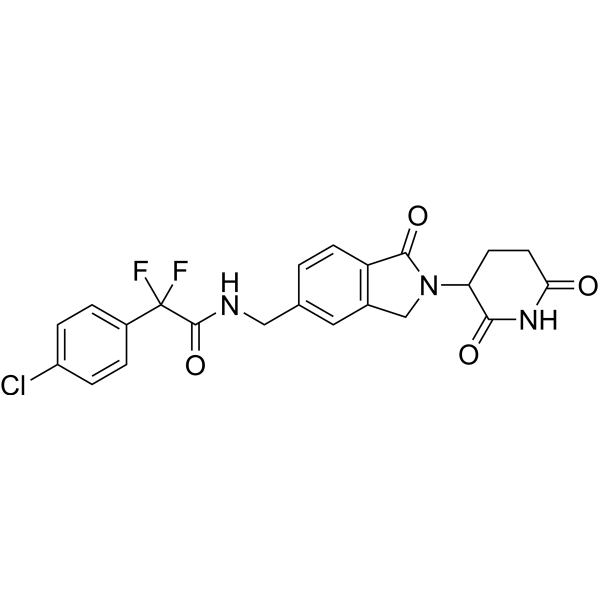
Lenalidomide-CO-C7-NH2 is a CRBN-dependent intermediate of BET PROTAC degrader. Consisting of the E3 ubiquitin ligase ligand Lenalidomide (HY-A0003) conjugated with a PROTAC linker, Lenalidomide-CO-C7-NH2 induces the protein degradation. By depleting BRD4, PROTAC BET Degrader-16 effectively inhibits cancer cell proliferation, induces cell cycle arrest and promotes apoptosis, thereby exhibiting significant anti-tumor activity in xenograft models. Lenalidomide-CO-C7-NH2 serves as an important tool molecule for the study of acute myeloid leukemia .
|
-
- HY-115541
-
|
|
Epigenetic Reader Domain
JAK
FLT3
RET
ROS Kinase
PDGFR
FGFR
c-Myc
STAT
Apoptosis
PARP
|
Cancer
|
|
BRD4-IN-41 is a BRD4 inhibitor with an IC50 of 34 nM. BRD4-IN-41 also inhibits JAK2, FLT3, RET, ROS1, NTRK3, PDGFRb, and FGFR1 kinases with IC50 values ranging from 0.9 nM to 43 nM. BRD4-IN-41 inhibits acetyl-lysine binding site of BRD4, downregulates c-MYC, reduces phosphorylated STAT3 levels, induces G1 cell cycle arrest and apoptosis, thereby inhibiting cancer cells growth. BRD4-IN-41 can be used for the research of cancer, such as multiple myeloma and acute myeloid leukemia .
|
-
- HY-182800
-
|
|
Molecular Glues
Casein Kinase
|
Cancer
|
|
IBA-11 is a selective CRBN-dependented CK1α molecular glue degrader. IBA-11 binds to the canonical tri-tryptophan pocket of CRBN, forming a ternary complex with CK1α to mediate its degradation. IBA-11 induces CRBN-dependent ubiquitin-proteasome system-mediated degradation of CK1α. IBA-11 exhibits cytotoxicity against cancer cells. IBA-11 demonstrates in vitro metabolic stability in rat liver microsomes and minimal hERG inhibition. IBA-11 can be used for the research of cancer, such as acute myeloid leukemia .
|
-
- HY-181867
-
|
|
PROTACs
Epigenetic Reader Domain
Apoptosis
|
Cancer
|
|
PROTAC BET Degrader-16 (Compound A10) is a BET PROTAC degrader with a DC50 of 0.31 nM against BRD4, and it preferentially targets BRD4 over other BET family members. PROTAC BET Degrader-16 degrades BRD2, BRD3 and BRD4 via the ubiquitin-proteasome system, a process that requires target binding and recruitment of the CRBN E3 ligase. PROTAC BET Degrader-16 induces cell cycle arrest and promotes apoptosis. PROTAC BET Degrader-16 exerts anti-tumor activity against acute myeloid leukemia .
|
-
- HY-181945
-
|
|
FLT3
Apoptosis
Reactive Oxygen Species (ROS)
|
Cancer
|
|
FLT3-IN-39 (Compound W4) is a selective FLT3 inhibitor, with an IC50 value of 16.0 nM against FLT3-ITD and an IC50 value of 20.4 nM against FLT3-D835Y. FLT3-IN-39 inhibits FLT3-ITD and FLT3-D835Y mutant kinases. FLT3-IN-39 induces G0/G1 cell cycle arrest and Apoptosis in cancer cells, and reduces intracellular ROS levels. FLT3-IN-39 exhibits anti-tumor activity against acute myeloid leukemia .
|
-
- HY-181678
-
|
|
DNA-PK
HDAC
Apoptosis
Mitochondrial Metabolism
DNA/RNA Synthesis
|
Cancer
|
|
DNA-PK/HDAC6-IN-1 is a selcetive and orally active dual DNA-PK and HDAC6 inhibitor with IC50 values of 84.2 and 64.8 nM. DNA-PK/HDAC6-IN-1 suppresses cancer cells proliferation, induces cancer cell cycle G2/M arrest, apoptosis, and decreases the mitochondrial membrane potential. DNA-PK/HDAC6-IN-1 induces DNA damage and elevates γ-H2AX levels. DNA-PK/HDAC6-IN-1 exhibits antitumor efficacy in AML animal mouse model. DNA-PK/HDAC6-IN-1 can be used for the research of acute myeloid leukemia .
|
-
- HY-177766
-
|
|
Molecular Glues
Apoptosis
|
Cancer
|
|
GSPT1 degrader-17 (Compound 9q) is a potent and selective cereblon-based molecular glue degrader that targets G1 to S phase transition 1 (GSPT1). GSPT1 degrader-17 degrades GSPT1 in U937 cells with a DC50 of 35 nM and Dmax of 81.65%. GSPT1 degrader-17 has a strong inhibitory effect on U937, MOLT-4 and MV4-11 cells with IC50 values of 0.019, 0.006 and 0.027 μM. GSPT1 degrader-17 can induce cells apoptosis and G0/G1 phase arrest. GSPT1 degrader-17 can be used for the research of cancer, such as acute myeloid leukemia .
|
-
- HY-183575
-
|
|
PROTACs
Epigenetic Reader Domain
|
Cancer
|
|
JQ1-JX5 is a DCAF16-based BRD4 PROTAC degrader. JQ1-JX5 covalently modifies Cys58 of DCAF16, promotes ternary complex formation with BRD4, enables BRD4 ubiquitination and proteasomal degradation. JQ1-JX5 induces time-dependent degradation of BRD4 long and short isoforms in AGS cells with DC50 of 43.97 and 16.77 nM. JQ1-JX5 can be used for the research of cancer, such as acute myeloid leukemia .
|
-
- HY-170824
-
|
|
PROTACs
SWI/SNF Complex
Epigenetic Reader Domain
|
Cancer
|
|
SMD-3236 is a SMARCA2 PROTAC degrader with a DC50 of 0.5 nM, a Dmax of 98%, and an IC50 of 42.2 nM against human SMARCA2. SMD-3236 induces proteasome- and ubiquitin-like modification-dependent degradation of SMARCA2 protein by binding to SMARCA2 and VHL-1. SMD-3236 inhibits the growth of SMARCA4-deficient cancer cells. SMD-3236 induces significant and persistent depletion of SMARCA2 in tumor tissues. SMD-3236 suppresses tumor growth in SMARCA4-deficient human cancer xenograft models. SMD-3236 can be used in research related to SMARCA4-deficient cancers such as melanoma, non-small cell lung cancer, and acute myeloid leukemia .
|
-
- HY-179382
-
|
|
FLT3
Apoptosis
|
Cancer
|
|
HSB401 is an orally active FLT3 inhibitor (IC50: 28, 5, 72, 51 nM for FLT3-WT, FLT3-D835Y, FLT3-ITD-F691L, FLT3-ITD, respectively). HSB401 downregulates FLT3 signaling and induces cell cycle arrest and apoptosis. HSB401 spares c-KIT inhibition, thereby reducing the risk of myelosuppression. HSB401 significantly suppresses tumor growth in the MV4-11 xenograft mouse model. HSB401 can be used for the research of acute myeloid leukemia .
|
-
- HY-G0017
-
|
Norimatinib; Imatinib metabolite N-Desmethyl imatinib; CGP 74588
|
Drug Metabolite
P-glycoprotein
Apoptosis
|
Neurological Disease
Cancer
|
|
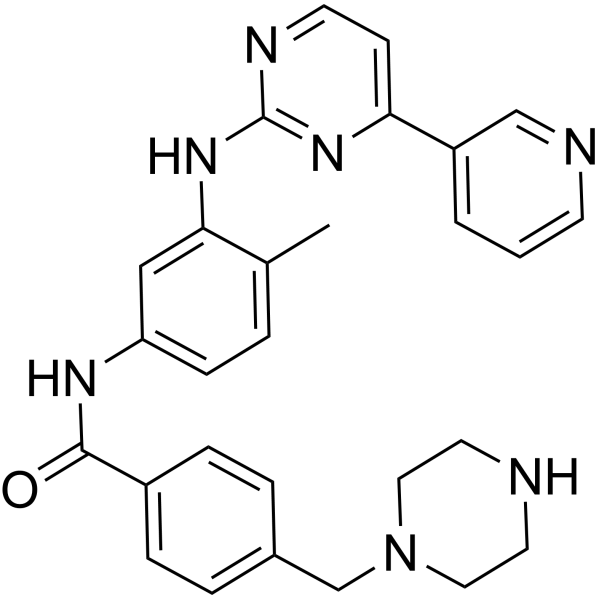
N‑Desmethyl imatinib (Norimatinib) is an active metabolite of Imatinib (HY-15463), a selective c‑Abl inhibitor, and a substrate of P‑glycoprotein. N-Desmethyl imatinib binds to the c-Abl catalytic domain to prevent substrate phosphorylation, inhibits c-Abl-mediated α-synuclein activation and downstream inflammatory signaling pathways. N-Desmethyl imatinib induces apoptosis in K562 human leukemia cells. N-Desmethyl imatinib shows significantly elevated plasma levels in gastrointestinal stromal tumor (GIST) models with mild SARS-CoV-2 infection. N-Desmethyl imatinib can be used for the research of Parkinson’s disease, gastrointestinal stromal tumor, and chronic myeloid leukemia .
|
-
- HY-G0017A
-
|
Norimatinib mesylate; Imatinib metabolite N-Desmethyl imatinib mesylate; CGP 74588 mesylate
|
Drug Metabolite
P-glycoprotein
Apoptosis
|
Neurological Disease
Cancer
|
|
N-Desmethyl imatinib mesylate (Norimatinib mesylate) is an active metabolite of Imatinib (HY-15463), a selective c‑Abl inhibitor, and a substrate of P‑glycoprotein. N-Desmethyl imatinib mesylate binds to the c-Abl catalytic domain to prevent substrate phosphorylation, inhibits c-Abl-mediated α-synuclein activation and downstream inflammatory signaling pathways. N-Desmethyl imatinib mesylate induces apoptosis in K562 human leukemia cells. N-Desmethyl imatinib mesylate exhibits significantly elevated plasma levels in gastrointestinal stromal tumor (GIST) settings following mild SARS CoV 2 infection. N-Desmethyl imatinib mesylate can be used for the research of Parkinson’s disease, gastrointestinal stromal tumor, and chronic myeloid leukemia .
|
-
- HY-164542
-
|
|
Isocitrate Dehydrogenase (IDH)
|
Cancer
|
|
TQ05310 is an orally available inhibitor of IDH2 mutants, targeting both IDH2-R140Q (IC50=136.9 nM) and IDH2-R172K (IC50=37.9 nM) mutants. TQ05310 inhibits the production of 2-hydroxyglutarate (2-HG) and induces differentiation of cells expressing IDH2-R140Q and IDH2-R172K by inhibiting the enzymatic activity of mutant IDH2. TQ05310 can be used for the study of acute myeloid leukemia .
|
-
- HY-183105
-
|
|
Histone Demethylase
Apoptosis
|
Cancer
|
|
DC551040 is an orally active and selective lysine demethylase 1 (LSD1) inhibitor with a human IC50 of 2.14 nM. DC551040 binds to LSD1 via π-π stacking with Trp552, polar interactions with Phe538, and covalent adduct formation with FAD, and disrupts the LSD1-GFI1B-CoREST complex. DC551040 induces H3K4me2 accumulation, apoptosis, and cell differentiation, activates STAT5, NF-κB, AKT, and IL6-STAT3 pathways, and upregulates IL6 expression. DC551040 can be used for the research of acute myeloid leukemia .
|
-
- HY-N11011
-
|
|
NF-κB
STAT
PERK
JNK
p38 MAPK
PGE synthase
Interleukin Related
TNF Receptor
COX
|
Inflammation/Immunology
Cancer
|
|
Withaphysalin A is a withanolide compound with anti-inflammatory and antioxidant activities. Withaphysalin A inhibits LPS (HY-D1056)-induced nuclear translocation of NF-κB p65, as well as phosphorylation of STAT3, ERK, JNK and p38 MAPK. Withaphysalin A upregulates the expression of HO-1. Withaphysalin A inhibits LPS-induced production of NO, PGE2, IL-1β, IL-6 and TNF-α. Withaphysalin A downregulates LPS-induced expression of iNOS and COX-2. Withaphysalin A interacts with B-cell activating factor protein (BAFF) to exert inhibitory effects. Withaphysalin A exhibits ELOVL6 inhibitory activity. Withaphysalin A can be used in the research of inflammatory diseases, nephrotic syndrome and chronic myeloid leukemia .
|
-
- HY-G0017S1
-
|
Norimatinib-d4; Imatinib metabolite N-Desmethyl imatinib-d4; CGP 74588-d4
|
Isotope-Labeled Compounds
Drug Metabolite
P-glycoprotein
Apoptosis
|
Neurological Disease
Cancer
|
|
N-Desmethyl imatinib-d4 is the deuterium-labeled N-Desmethyl imatinib (HY-G0017). N‑Desmethyl imatinib (Norimatinib) is an active metabolite of Imatinib (HY-15463), a selective c‑Abl inhibitor, and a substrate of P‑glycoprotein. N-Desmethyl imatinib binds to the c-Abl catalytic domain to prevent substrate phosphorylation, inhibits c-Abl-mediated α-synuclein activation and downstream inflammatory signaling pathways. N-Desmethyl imatinib induces apoptosis in K562 human leukemia cells. N-Desmethyl imatinib exhibits significantly elevated plasma levels in gastrointestinal stromal tumor (GIST) settings following mild SARS CoV 2 infection. N-Desmethyl imatinib can be used for the research of Parkinson’s disease, gastrointestinal stromal tumor, and chronic myeloid leukemia .
|
-
- HY-172158
-
|
|
Anaplastic lymphoma kinase (ALK)
Caspase
|
Cancer
|
|
ALKBH5-IN-5 is a highly selective ALKBH5 (IC50 = 0.62 μM, Kd = 804 nM). ALKBH5-IN-5 disrupts ALKBH5 binding to m 6A-RNA and 6mA-DNA substrates. ALKBH5-IN-5 promotes differentiation, induces apoptosis, cause G2-M phase arrest and exerts strong antiproliferative effects in cancer cells. ALKBH5-IN-5 reduces TACC3 and MYC protein levels and increases cleaved caspase-3 levels. ALKBH5-IN-5 exerts antitumor activity in tumor xenograft mice models. ALKBH5-IN-5 can be used for the research of acute myeloid leukemia .
|
-
- HY-180977
-
|
|
PROTACs
Bcr-Abl
|
Cancer
|
|
P19P is a BCR-ABL PROTAC degrader based on Ponatinib (HY-12047), with a DC50 value of approximately 20 nM for the wild-type BCR-ABL protein. P19P can effectively degrade various drug-resistant mutants such as T315I, E255K, H396R, and V468F, and exhibits potent anti-proliferative activity in BaF3-BCR-ABL (T315I) cells. P19P maintains strong inhibitory activity against ABL (T315I), with a IC50 of 13.1 nM. P19P does not inhibit the formation of vascular lumens in HUVEC. P19P can be used for research on chronic myeloid leukemia and acute lymphoblastic leukemia .
|
-
- HY-B1165
-
|
|
p38 MAPK
Checkpoint Kinase (Chk)
Histamine Receptor
5-HT Receptor
CDK
PARP
Apoptosis
|
Cancer
|
|
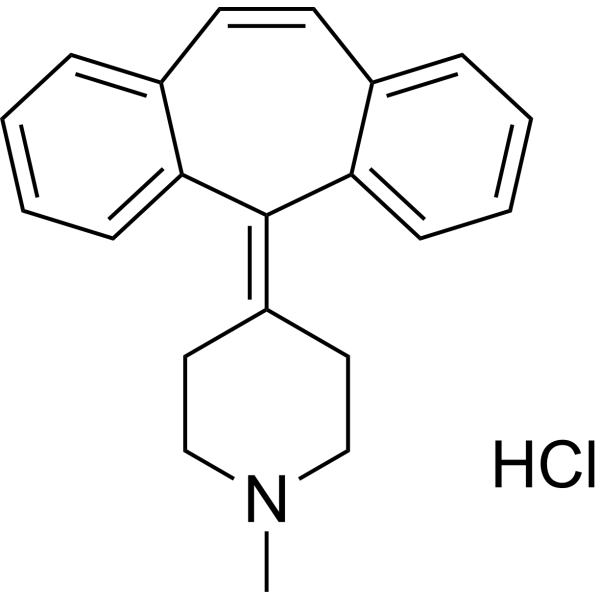
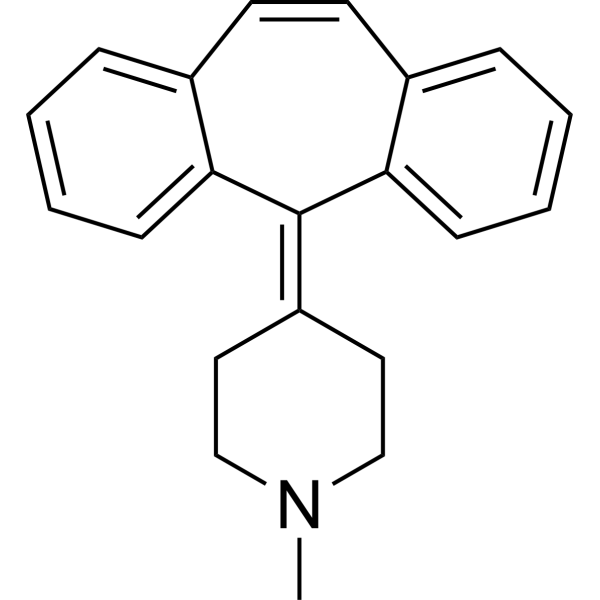
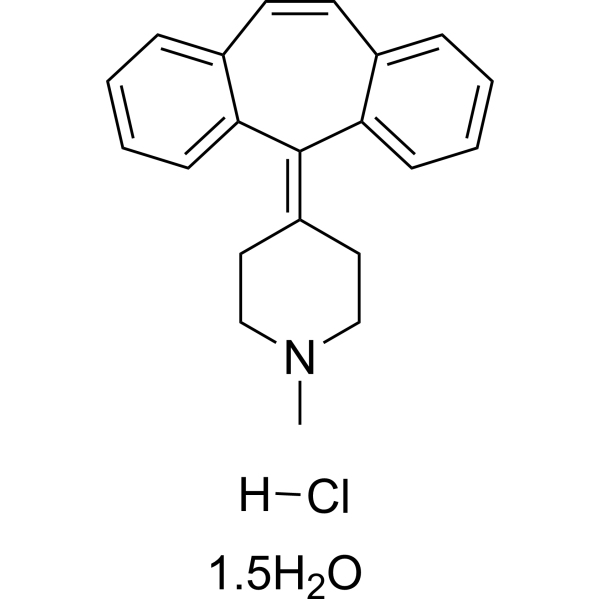
Cyproheptadine hydrochloride sesquihydrate acts as a p38 MAP kinase activator, CHK2 activator, histamine H1 receptor inhibitor and serotonin receptor inhibitor. Cyproheptadine hydrochloride sesquihydrate mediates cell cycle arrest via G1 phase arrest, G1/S transition arrest, G0/G1 phase arrest, reduced expression of cyclins D1/D2/D3, upregulated expression of HBP1, p16, p21, p27, and decreased phosphorylation of retinoblastoma protein. Cyproheptadine hydrochloride sesquihydrate induces Apoptosis by increasing PARP and cleaved PARP, as well as activating the mitochondrial caspase pathway. Cyproheptadine hydrochloride sesquihydrate inhibits tumor growth with extremely low toxicity to normal cells. Cyproheptadine hydrochloride sesquihydrate can be used in research related to hepatocellular carcinoma, multiple myeloma and acute myeloid leukemia .
|
-
- HY-G0017S
-
|
Norimatinib-d8; Imatinib metabolite N-Desmethyl imatinib-d8; CGP 74588-d8
|
Isotope-Labeled Compounds
Drug Metabolite
P-glycoprotein
Apoptosis
|
Neurological Disease
Cancer
|
|
N-Desmethyl imatinib-d8 is a deuterium labeled Imatinib metabolite N-Desmethyl Imatinib (HY-G0017). N‑Desmethyl imatinib (Norimatinib) is an active metabolite of Imatinib (HY-15463), a selective c‑Abl inhibitor, and a substrate of P‑glycoprotein. N-Desmethyl imatinib binds to the c-Abl catalytic domain to prevent substrate phosphorylation, inhibits c-Abl-mediated α-synuclein activation and downstream inflammatory signaling pathways. N-Desmethyl imatinib induces apoptosis in K562 human leukemia cells. N-Desmethyl imatinib exhibits significantly elevated plasma levels in gastrointestinal stromal tumor (GIST) settings following mild SARS CoV 2 infection. N-Desmethyl imatinib can be used for the research of Parkinson’s disease, gastrointestinal stromal tumor, and chronic myeloid leukemia .
|
-
- HY-159520
-
|
Ofirnoflast; HT-6184
|
NEKs
NOD-like Receptor (NLR)
Caspase
Apoptosis
Pyroptosis
NF-κB
|
Cardiovascular Disease
Inflammation/Immunology
Cancer
|
|
Ofirnoflastum (Ofirnoflast) is an orally active first-in-class allosteric NEK7 inhibitor with an IC50 of 46 nM. Ofirnoflastum binds an allosteric site adjacent to NEK7’s ATP-binding pocket, induces conformational shifts, disrupts NEK7-NLRP3 binding, blocks NLRP3 inflammasome assembly, spares NEK7’s physiological functions, and suppresses caspase-1, caspase-8, NF-κB, and TNF activity. Ofirnoflastum reduces pro-inflammatory cytokine production, suppresses ASC specks, IL-1β release, pyroptotic cell death, and leukemic burden, induces apoptosis and erythroid differentiation, restores hematopoiesis, and improves outcomes in colitis models. Ofirnoflastum can be used for the research of myelodysplastic syndromes, chronic myelomonocytic leukemia, and acute myeloid leukemia .
|
-
- HY-G0017R
-
|
Norimatinib (Standard); Imatinib metabolite N-Desmethyl imatinib (Standard); CGP 74588 (Standard)
|
Reference Standards
Drug Metabolite
P-glycoprotein
Apoptosis
|
Others
|
|
N‑Desmethyl imatinib (Standard) is the analytical standard of N‑Desmethyl imatinib (Norimatinib) (HY-G0017R). This product is intended for research and analytical applications. N‑Desmethyl imatinib (Norimatinib) is an active metabolite of Imatinib (HY-15463), a selective c‑Abl inhibitor, and a substrate of P‑glycoprotein. N-Desmethyl imatinib binds to the c-Abl catalytic domain to prevent substrate phosphorylation, inhibits c-Abl-mediated α-synuclein activation and downstream inflammatory signaling pathways. N-Desmethyl imatinib induces apoptosis in K562 human leukemia cells. N-Desmethyl imatinib exhibits significantly elevated plasma levels in gastrointestinal stromal tumor (GIST) settings following mild SARS CoV 2 infection. N-Desmethyl imatinib can be used for the research of Parkinson’s disease, gastrointestinal stromal tumor, and chronic myeloid leukemia .
|
-
- HY-181078
-
|
|
c-Myc
Apoptosis
Bcl-2 Family
|
Cancer
|
|
Cephalotaxine-ester-(R)-1-ethoxy-3-mercaptopropan-2-ol-Ph (3,4OMe) is an anti-leukemic agent with potent ribosome-targeting protein synthesis inhibition. Cephalotaxine-ester-(R)-1-ethoxy-3-mercaptopropan-2-ol-Ph (3,4OMe) downregulates short-lived oncoproteins, including c-Myc and Mcl-1, by inhibiting protein synthesis. Cephalotaxine-ester-(R)-1-ethoxy-3-mercaptopropan-2-ol-Ph (3,4OMe) induces cell cycle arrest at the G0/G1 phase and triggers mitochondrial pathway-mediated apoptosis in acute myeloid leukemia (AML) cells. Cephalotaxine-ester-(R)-1-ethoxy-3-mercaptopropan-2-ol-Ph (3,4OMe) is applicable for research on leukemia .
|
-
- HY-12292G
-
|
|
NF-κB
STAT
GSK-3
β-catenin
Bcr-Abl
|
Cancer
|
|
IM-12 GMP is IM-12 (HY-12292) produced by using GMP guidelines. GMP small molecules works appropriately as an auxiliary reagent for cell therapy manufacture. IM-12 is an orally active anti-inflammatory agent that targets and inhibits the NF-κB and STAT3 signaling pathways. IM-12 activates the Wnt signaling pathway and promotes the nuclear translocation of β-catenin by inhibiting GSK3β, while also blocking the tyrosine kinase activity of p210BCR/ABL. IM-12 reduces the levels of IL-6, IL-17, NO, prostaglandin E2, iNOS and COX-2, and induces ER stress, Ca 2+ release, autophagy and apoptosis. IM-12 is heat-sensitive and does not induce autophagy in IM-resistant p210BCR/ABL T315I mutant cells. IM-12 is also a component of the 5iLA medium used for naive pluripotent stem cell research. IM-12 has been applied in studies related to carrageenan (HY-125474)-induced hind paw edema, TNBS-induced colitis, and acute and chronic myeloid leukemia .
|
-
-
- HY-12292G
-
|
|
Fluorescent Dyes
|
|
IM-12 GMP is IM-12 (HY-12292) produced by using GMP guidelines. GMP small molecules works appropriately as an auxiliary reagent for cell therapy manufacture. IM-12 is an orally active anti-inflammatory agent that targets and inhibits the NF-κB and STAT3 signaling pathways. IM-12 activates the Wnt signaling pathway and promotes the nuclear translocation of β-catenin by inhibiting GSK3β, while also blocking the tyrosine kinase activity of p210BCR/ABL. IM-12 reduces the levels of IL-6, IL-17, NO, prostaglandin E2, iNOS and COX-2, and induces ER stress, Ca 2+ release, autophagy and apoptosis. IM-12 is heat-sensitive and does not induce autophagy in IM-resistant p210BCR/ABL T315I mutant cells. IM-12 is also a component of the 5iLA medium used for naive pluripotent stem cell research. IM-12 has been applied in studies related to carrageenan (HY-125474)-induced hind paw edema, TNBS-induced colitis, and acute and chronic myeloid leukemia .
|
-
- HY-12292G
-
|
|
Biochemical Assay Reagents
|
|
IM-12 GMP is IM-12 (HY-12292) produced by using GMP guidelines. GMP small molecules works appropriately as an auxiliary reagent for cell therapy manufacture. IM-12 is an orally active anti-inflammatory agent that targets and inhibits the NF-κB and STAT3 signaling pathways. IM-12 activates the Wnt signaling pathway and promotes the nuclear translocation of β-catenin by inhibiting GSK3β, while also blocking the tyrosine kinase activity of p210BCR/ABL. IM-12 reduces the levels of IL-6, IL-17, NO, prostaglandin E2, iNOS and COX-2, and induces ER stress, Ca 2+ release, autophagy and apoptosis. IM-12 is heat-sensitive and does not induce autophagy in IM-resistant p210BCR/ABL T315I mutant cells. IM-12 is also a component of the 5iLA medium used for naive pluripotent stem cell research. IM-12 has been applied in studies related to carrageenan (HY-125474)-induced hind paw edema, TNBS-induced colitis, and acute and chronic myeloid leukemia .
|
| Cat. No. |
상품명 |
Target |
Research Area |
Image |
-
- HY-P991558
-
|
RG-7356
|
Transmembrane Glycoprotein
|
Cancer
|
|
RO-5429083 (RG-7356) is a humanized monoclonal antibody targeting CD44. RO-5429083 binds to the extracellular domain of CD44 and inhibits constitutive EGFR phosphorylation. RO-5429083 suppresses tumor growth in xenograft models and can be used in research related to head and neck squamous cell carcinoma and acute myeloid leukemia .
|
-
(5)
-
- HY-P99910
-
|
AMG-330
|
CD3
Transmembrane Glycoprotein
|
Inflammation/Immunology
Cancer
|
|
Eluvixtamab (AMG-330) is a bispecific T-cell engager. Eluvixtamab binds to CD33 and CD3 on T cells, thereby promoting T cell-mediated cytotoxicity against CD33+ cells. Eluvixtamab can be used in the research of tumors such as relapsed/refractory acute myeloid leukemia .
|
-
(5)
| Cat. No. |
상품명 |
Category |
Target |
Chemical Structure |
| Cat. No. |
상품명 |
Chemical Structure |
-
- HY-113455S
-
|
|
|
9(S)-HODE-d4 (Alpha-dimorphecolic acid-d4) is the deuterium labeled 9(S)-HODE (HY-113455). 9(S)-HODE (Alpha-dimorphecolic acid) is the major active derivative of Linoleic acid (HY-N0729). 9(S)-HODE regulates the expression of miR-361-3p. 9(S)-HODE reduces cancer cell viability and induces cancer cell apoptosis. 9(S)-HODE can be used in the research of acute myeloid leukemia .
|
-
-
- HY-G0017S
-
|
|
|
N-Desmethyl imatinib-d8 is a deuterium labeled Imatinib metabolite N-Desmethyl Imatinib (HY-G0017). N‑Desmethyl imatinib (Norimatinib) is an active metabolite of Imatinib (HY-15463), a selective c‑Abl inhibitor, and a substrate of P‑glycoprotein. N-Desmethyl imatinib binds to the c-Abl catalytic domain to prevent substrate phosphorylation, inhibits c-Abl-mediated α-synuclein activation and downstream inflammatory signaling pathways. N-Desmethyl imatinib induces apoptosis in K562 human leukemia cells. N-Desmethyl imatinib exhibits significantly elevated plasma levels in gastrointestinal stromal tumor (GIST) settings following mild SARS CoV 2 infection. N-Desmethyl imatinib can be used for the research of Parkinson’s disease, gastrointestinal stromal tumor, and chronic myeloid leukemia .
|
-
-
- HY-G0017S1
-
|
|
|
N-Desmethyl imatinib-d4 is the deuterium-labeled N-Desmethyl imatinib (HY-G0017). N‑Desmethyl imatinib (Norimatinib) is an active metabolite of Imatinib (HY-15463), a selective c‑Abl inhibitor, and a substrate of P‑glycoprotein. N-Desmethyl imatinib binds to the c-Abl catalytic domain to prevent substrate phosphorylation, inhibits c-Abl-mediated α-synuclein activation and downstream inflammatory signaling pathways. N-Desmethyl imatinib induces apoptosis in K562 human leukemia cells. N-Desmethyl imatinib exhibits significantly elevated plasma levels in gastrointestinal stromal tumor (GIST) settings following mild SARS CoV 2 infection. N-Desmethyl imatinib can be used for the research of Parkinson’s disease, gastrointestinal stromal tumor, and chronic myeloid leukemia .
|
-
| Cat. No. |
상품명 |
|
Classification |
-
- HY-153495
-
|
BP1001
|
|
Antisense Oligonucleotides
|
|
Prexigebersen (BP1001) is an antisense oligonucleotide targeting Bcl-2 and Grb2. Prexigebersen exhibits antileukemic activity in cell models. Prexigebersen induces apoptosis (apoptosis), cell cycle arrest and ROS production in leukemia cells. Prexigebersen inhibits Grb2 expression, thereby suppressing tumor growth and survival. Prexigebersen can be used in studies related to acute myeloid leukemia .
|
| Cat. No. |
상품명 |
Target |
연구분야 |
Chemical Structure |
-
- HY-12292G
-
|
|
NF-κB
STAT
GSK-3
β-catenin
Bcr-Abl
|
Cancer
|
|
IM-12 GMP is IM-12 (HY-12292) produced by using GMP guidelines. GMP small molecules works appropriately as an auxiliary reagent for cell therapy manufacture. IM-12 is an orally active anti-inflammatory agent that targets and inhibits the NF-κB and STAT3 signaling pathways. IM-12 activates the Wnt signaling pathway and promotes the nuclear translocation of β-catenin by inhibiting GSK3β, while also blocking the tyrosine kinase activity of p210BCR/ABL. IM-12 reduces the levels of IL-6, IL-17, NO, prostaglandin E2, iNOS and COX-2, and induces ER stress, Ca 2+ release, autophagy and apoptosis. IM-12 is heat-sensitive and does not induce autophagy in IM-resistant p210BCR/ABL T315I mutant cells. IM-12 is also a component of the 5iLA medium used for naive pluripotent stem cell research. IM-12 has been applied in studies related to carrageenan (HY-125474)-induced hind paw edema, TNBS-induced colitis, and acute and chronic myeloid leukemia .
|
-
Your information is safe with us. * Required Fields.
Inquiry Information
- 상품명:
- Cat. No.:
- 수량:
- MCE Japan Authorized Agent:

