1. Search Result
Search Result
Results for "

Plant growth

" in MedChemExpress (MCE) Product Catalog:

378

Inhibitors & Agonists

3

Screening Libraries

51

Biochemical Assay Reagents

6

Peptides

143

Natural
Products

36

Isotope-Labeled Compounds

1

Click Chemistry

Cat. No. 상품명 Target 연구분야 Chemical Structure
  • HY-18569
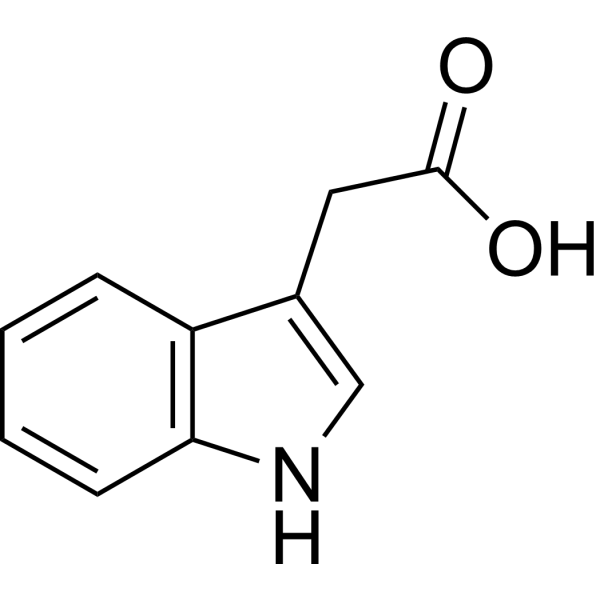
    3-Indoleacetic acid
    Maximum Cited Publications
    21 Publications Verification

    Indole-3-acetic acid; 3-IAA

    Environmental Pollutants Endogenous Metabolite Metabolic Disease
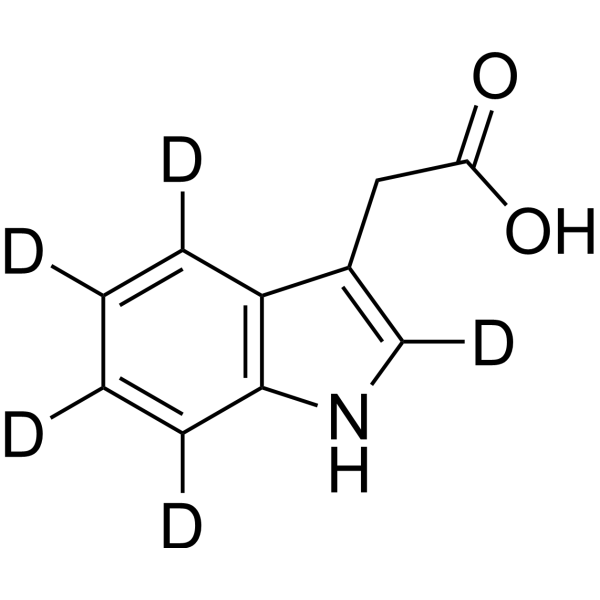
    3-Indoleacetic acid is is an IAA hormone and growth regulator that can promote plant nutritional growth through processes such as cell expansion, differentiation, morphogenesis, and organogenesis .
    3-Indoleacetic acid
  • HY-N1964
    Gibberellic acid
    1 Publications Verification

    Gibberellin A3

    Environmental Pollutants Drug Derivative Metabolic Disease
    Gibberellic acid (GA3) is a natural plant growth regulator with oral bioactivity. Gibberellic acid governs multiple plant developmental events, including seed germination, cell elongation, floral organ formation, and rice spikelet fertility. Gibberellic acid optimizes root morphology and secondary metabolite production in Echinacea purpurea hairy roots, and serves as a bioactive seed priming agent to improve chilling stress tolerance in chickpea. Gibberellic acid mediates modulation of enzyme activity and secondary metabolism in plants and exerts tissue-specific regulatory effects on antioxidant systems and lipid peroxidation in rats. Gibberellic acid can be used in studies of plant growth, metabolism, and abiotic stress responses .
    Gibberellic acid
  • HY-13643
    Daminozide
    3 Publications Verification

    Environmental Pollutants Histone Demethylase Cancer
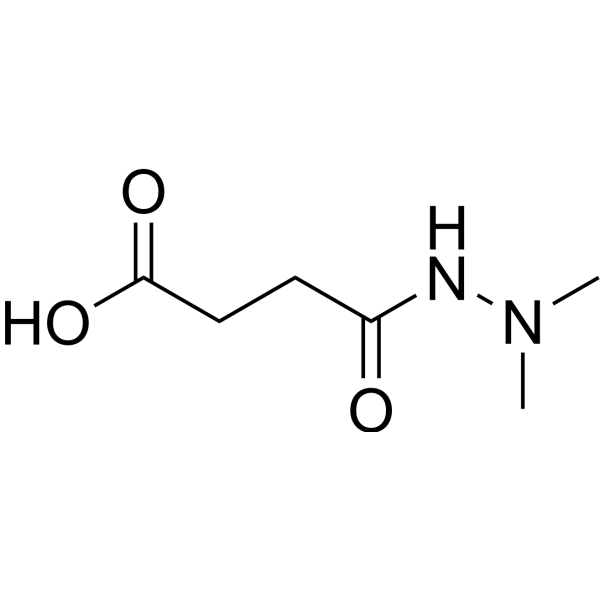
    Daminozide, a plant growth regulator, is a selective inhibitor of the human KDM2/7 histone demethylases, with IC50s of 0.55, 1.5 and 2.1 μM for PHF8, KDM2A, and KIAA1718, respectively. Daminozide has >100-fold selectivity for KDM2/7 subfamily versus other demethylase subfamily members tested .
    Daminozide
  • HY-B1008
    4-Aminobenzoic acid
    1 Publications Verification

    PABA; p-Aminobenzoic acid

    Environmental Pollutants Endogenous Metabolite Bacterial Infection
    4-Aminobenzoic acid is an intermediate in the synthesis of folic acid by bacteria, plants and fungi. 4-Aminobenzoic acid has antibacterial and plant growth regulating properties .
    4-Aminobenzoic acid
  • HY-50730
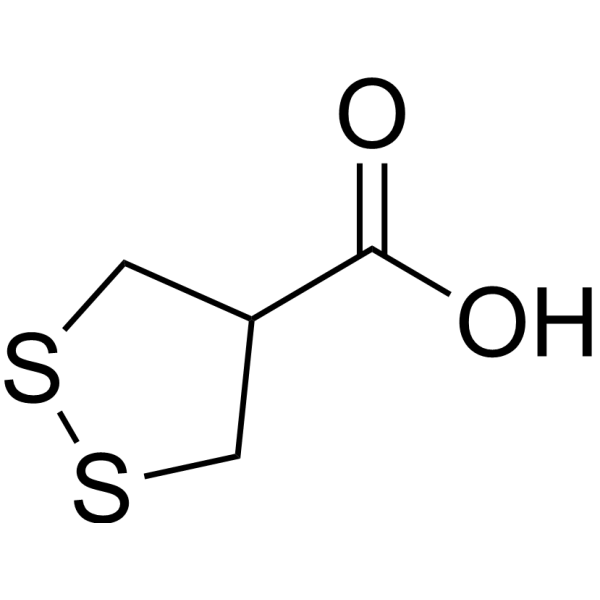
    Asparagusic acid
    4 Publications Verification

    Parasite Endogenous Metabolite Infection
    Asparagusic acid is a sulfur-containing flavor component produced by Asparagus officinalis Linn., with anti-parasitic effect. Asparagusic acid is a plant growth inhibitor .
    Asparagusic acid
  • HY-N0273
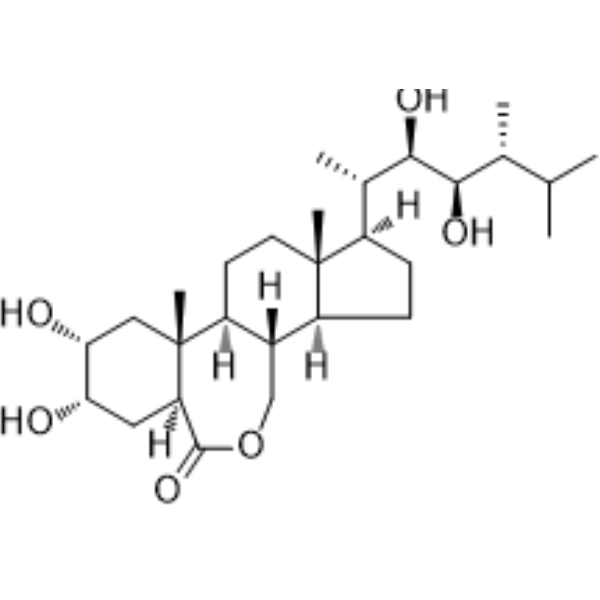
    Brassinolide
    4 Publications Verification

    Brassin lactone

    Apoptosis Cancer
    Brassinolide is a predominant plant growth modulator that regulate plant cell elongation.
    Brassinolide
  • HY-N0848
    Epibrassinolide
    15+ Cited Publications

    24-Epibrassinolide; B1105; BP55

    Environmental Pollutants Apoptosis Cancer
    Epibrassinolide (24-Epibrassinolide) is a ubiquitously occurring plant growth hormone which shows great potential to alleviate heavy metals and pesticide stress in plants . Epibrassinolide is a potential apoptotic inducer in various cancer cells without affecting the non-tumor cell growth .
    Epibrassinolide
  • HY-N6933

    Triacontan-1-ol

    Environmental Pollutants Cancer
    1-​Triacontanol is a naturally occurring plant growth regulator. 1-​Triacontanol is a saturated long-chain alcohol that has growth-promoting activities on a number of plants. 1-Triacontanol has anticancer activity .
    1-​Triacontanol
  • HY-N0186
    Indole-3-butyric acid
    1 Publications Verification

    Indolebutyric acid

    Environmental Pollutants Endogenous Metabolite Others
    Indole-3-butyric acid (3-indolebutyric acid) is a plant growth auxin and a good rooting agent. It can promote herbs and woody ornamental plant rooting and used for improving fruit rate. Indole 3-butyric acid is an auxin precursor, and is converted to indole 3-acetic acid (IAA) in a peroxisomal β-oxidation process .
    Indole-3-butyric acid
  • HY-121161A
    Brassinazole
    2 Publications Verification

    Cytochrome P450 Others
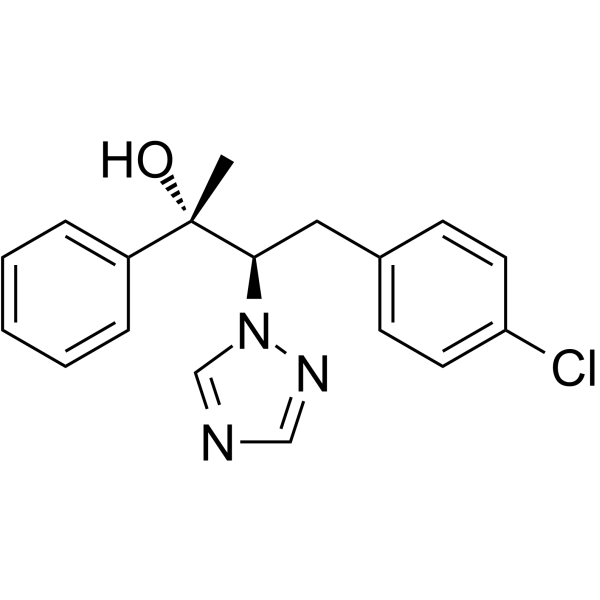
    Brassinazole is a selective triazole-type brassinosteroid (BR) biosynthesis inhibitor. Brassinazole is used for regulating plant growth and development .
    Brassinazole
  • HY-B0853
    Paclobutrazol
    2 Publications Verification

    Environmental Pollutants Fungal Infection
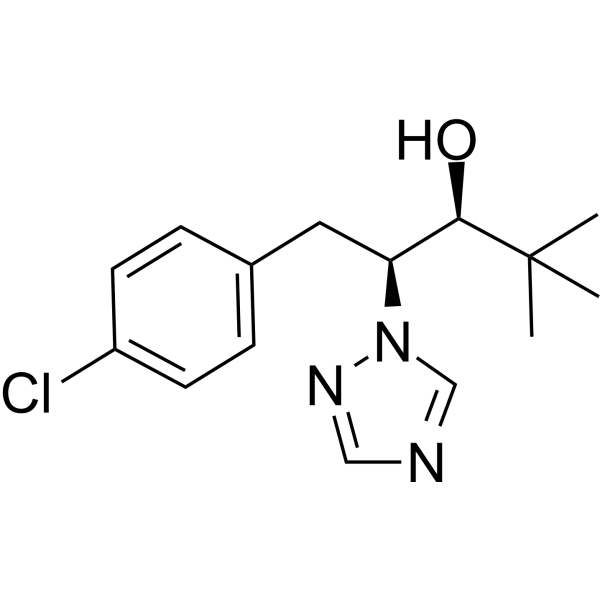
    Paclobutrazol is a triazole-containing plant growth retardant that is known to inhibit the biosynthesis of gibberellins. Paclobutrazol also has antifungal activities. Paclobutrazol, transported acropetally in plants, can also suppress the synthesis of abscisic acid and induce chilling tolerance in plants. Paclobutrazol is typically used to support research on the role of gibberellins in plant biology .
    Paclobutrazol
  • HY-18570
    1-Naphthaleneacetic acid
    1 Publications Verification

    1-Naphthylacetic acid

    Environmental Pollutants Phospholipase Others
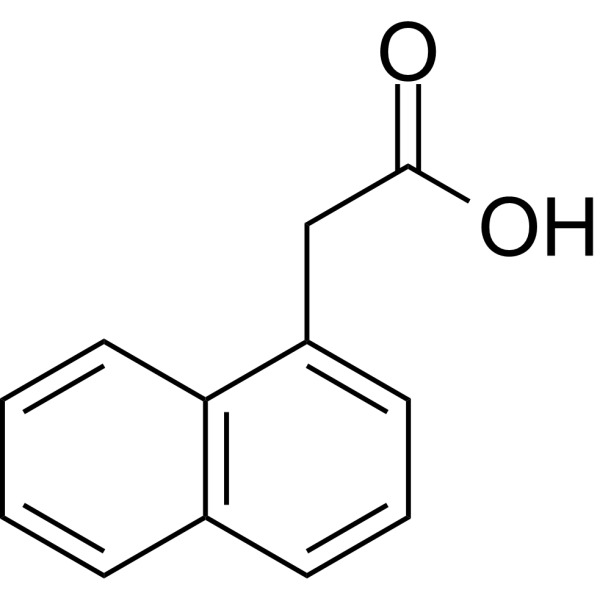
    1-Naphthaleneacetic acid (1-Naphthylacetic acid), a auxin, can promote plant growth. 1-Naphthaleneacetic acid is also an inhibitor of PLA2, with an IC50 of 13.16 μM .
    1-Naphthaleneacetic acid
  • HY-B0941
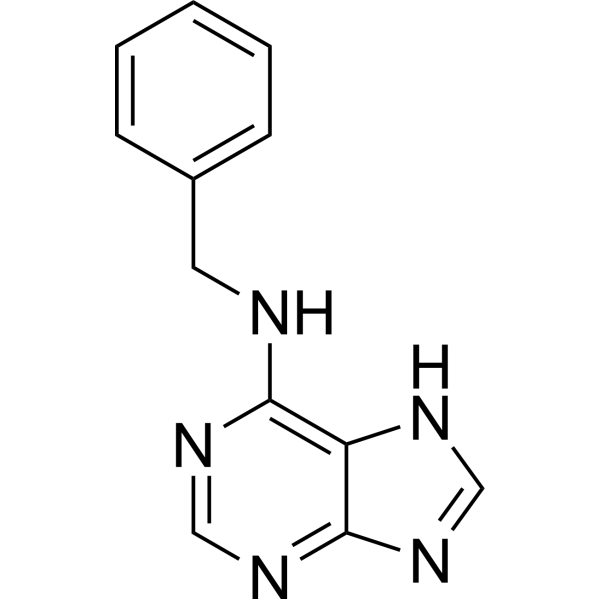
    6-Benzylaminopurine
    4 Publications Verification

    Benzyladenine; 6-BAP; N6-Benzyladenine

    Environmental Pollutants Endogenous Metabolite Others
    6-Benzylaminopurine (Benzyladenine) is a cytokinin that causes plant growth and development by stimulating cell division and inhibiting respiratory kinases, thereby prolonging the preservation of green vegetables .
    6-Benzylaminopurine
  • HY-18569B

    IAA

    Endogenous Metabolite Infection
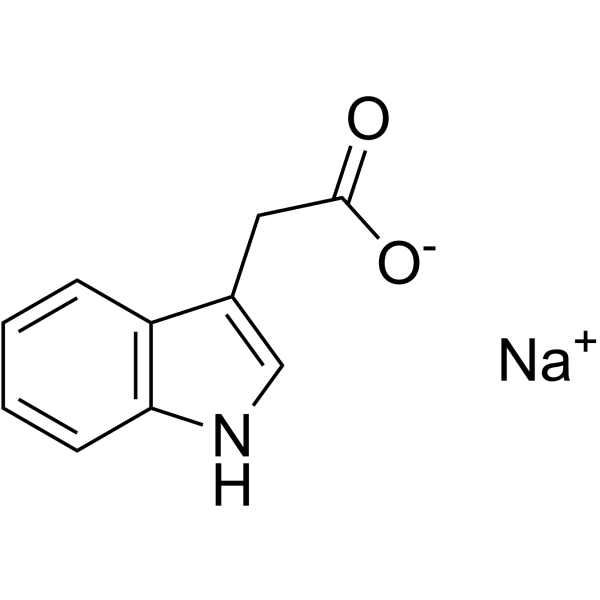
    3-Indoleacetic acid, suitable for plant cell culture (IAA), is a naturally occurring plant growth hormone that is widely present in plants, bacteria, and fungi. 3-Indoleacetic acid, suitable for plant cell culture, is a plant growth-promoting hormone that not only promotes plant growth but also protects bacteria from the toxic damage to cell membrane potential caused by other indole intermediate products (such as I3P) produced during their own metabolic processes. 3-Indoleacetic acid, suitable for plant cell culture, can be used in plant cell culture .
    3-Indoleacetic acid,suitable for plant cell culture
  • HY-W131845
    Ethephon
    1 Publications Verification

    Environmental Pollutants Biochemical Assay Reagents Others
    Ethephon is a plant growth regulator .
    Ethephon
  • HY-112103

    N6-(2-lsopentenyl)adenine; Isopentenyladenine

    Others Others
    6-(γ,γ-Dimethylallylamino)purine is a plant growth substance.
    6-(γ,γ-Dimethylallylamino)purine
  • HY-18570B

    NAA

    Biochemical Assay Reagents Others
    1-Naphthaleneacetic acid,suitable for plant cell culture (NAA) is a plant growth hormone. 1-Naphthaleneacetic acid,suitable for plant cell culture promotes plant growth and induces root cluster formation. Naphthaleneacetic acid,suitable for plant cell culture is applicable for plant cell culture .
    1-Naphthaleneacetic acid,suitable for plant cell culture
  • HY-B1886

    Phytohormone Others
    Chlorocholine chloride is an effective plant growth regulator. Chlorocholine chloride can inhibit gibberellin (GA) biosynthesis. Chlorocholine chloride can be used for the research of the mechanisms and effects of GA on plant cell growth and differentiation .
    Chlorocholine chloride
  • HY-N10568

    Phytohormone Others
    Gibberellin A9 is a plant hormone that targets gibberellin receptor GID1. Gibberellin A9 binds to GID1 to form a GA-GID1-DELLA protein complex, which promotes the degradation of DELLA proteins. This relieves the inhibitory effect of DELLA proteins on plant growth, thereby promoting plant cell elongation and division, and increasing seed germination rate. Gibberellin A9 is promising for use in studies on plant growth and development, such as stem elongation and flowering induction .
    Gibberellin A9
  • HY-136302

    Phytohormone Others
    Karrikinolide is a plant-active compound. Karrikinolide can be extracted from smoke water (SW). Karrikinolide promotes total Cytokinin production. Plants treated with Karrikinolide exhibit superior growth in terms of rooting, leaf and bulb size, and fresh weight .
    Karrikinolide
  • HY-N7719

    Endogenous Metabolite Bacterial Fungal Parasite Apoptosis Reactive Oxygen Species (ROS) Caspase HSV Infection Inflammation/Immunology Cancer
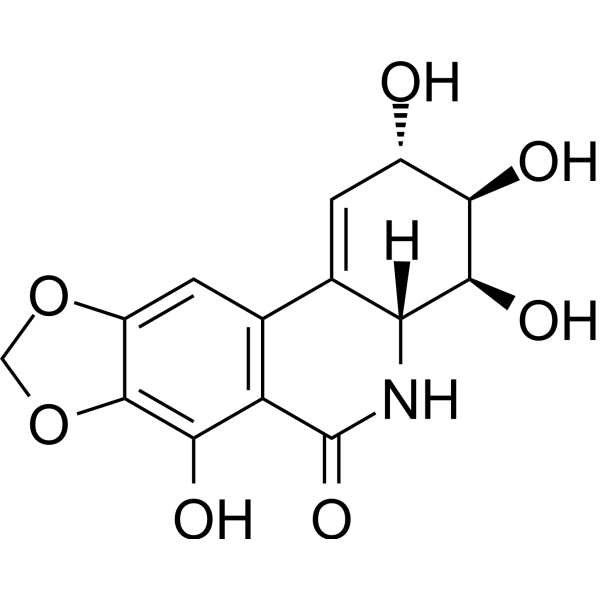
    Oosporein is a microbial metabolite and a red crystalline toxin produced by various fungi. Oosporein can promote the reproduction of fungi in host bodies by inhibiting insect immunity, and possesses multiple activities such as antibacterial, antiviral (HSV), and insecticidal effects. Oosporein can inhibit plant growth. In addition, Oosporein can also induce apoptosis, cell membrane damage, oxidative stress, and mitochondrial damage. Oosporein has certain antitumor activity .
    Oosporein
  • HY-112105

    BX-112

    Environmental Pollutants Biochemical Assay Reagents Others
    Prohexadione (BX-112) calcium is a plant growth regulator. Prohexadione inhibits gibberellin biosynthesis of plants .
    Prohexadione calcium
  • HY-112106A

    DA-6 citrate; 2-Diethylaminoethyl hexanoate citrate

    Phytohormone Others
    Diethyl aminoethyl hexanoate citrate is a compound that is widely used as a plant growth regulator.
    Diethyl aminoethyl hexanoate citrate
  • HY-107805

    Cholinesterase (ChE) Bacterial Infection Neurological Disease Cancer
    Dihydroactinidiolide, existing in plant leaves and fruits, is a potent plant growth inhibitor, a regulator of gene expression and is responsible for photo acclimation in Arabidopsis. Dihydroactinidiolide has antioxidant activity, antibacterial activity, anticancer activity and neuroprotective effect . Dihydroactinidiolide is also an inhibitor of AChE (IC50=34.03 nM) and has scavenging activities for DPPH and (.NO). Dihydroactinidiolide is present in plant leaves and fruits and is a potent plant growth inhibitor, regulator of gene expression, and responsible for light adaptation in Arabidopsis.
    Dihydroactinidiolide
  • HY-Y1031

    Endogenous Metabolite Metabolic Disease
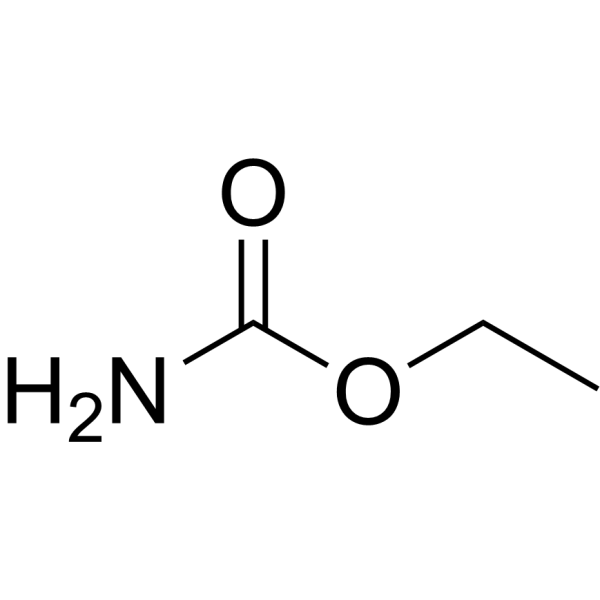
    3-Ethoxy-3-oxopropanoic acid is an endogenous metabolite. 3-Ethoxy-3-oxopropanoic acid promotes plant growth .
    3-Ethoxy-3-oxopropanoic acid
  • HY-Y1031A

    Endogenous Metabolite Metabolic Disease
    3-Ethoxy-3-oxopropanoic acid potassium is an endogenous metabolite. 3-Ethoxy-3-oxopropanoic acid potassium promotes plant growth .
    3-Ethoxy-3-oxopropanoic acid potassium
  • HY-18570A
    1-Naphthaleneacetic acid potassium salt
    1 Publications Verification

    Potassium 1-Naphthaleneacetate

    Environmental Pollutants Phospholipase Others
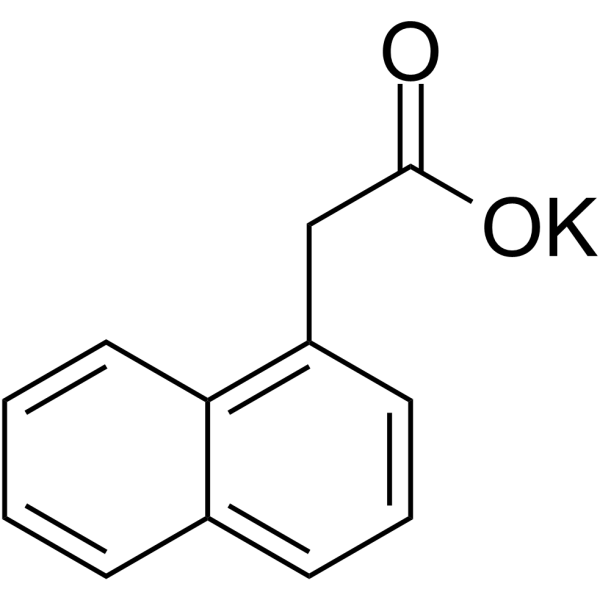
    1-Naphthaleneacetic acid potassium salt (Potassium 1-Naphthaleneacetate), a synthetic auxin, can promote plant growth. 1-Naphthaleneacetic acid potassium salt is also an inhibitor of PLA2, with an IC50 of 13.16 μM .
    1-Naphthaleneacetic acid potassium salt
  • HY-W045071

    Bacterial Infection
    N-Hexanoyl-DL-homoserine lactone is a bacterial quorum sensing molecule produced in the rhizosphere. N-Hexanoyl-DL-homoserine lactone, a bacterial quorum sensing signal, induces transcriptional changes in Arabidopsis and may contribute to tuning plant growth to the microbial composition of the rhizosphere .
    N-Hexanoyl-DL-homoserine lactone
  • HY-W011151
    trans-Zeatinriboside
    1 Publications Verification

    Phytohormone Others
    trans-Zeatinriboside is a zeatin-type cytokinin and plant growth regulator. trans-Zeatinriboside is produced by the terrestrial filamentous cyanobacterium Nostoc sp. HK-01 and Agrobacterium tumefaciens (including Ti plasmid-dependent and Ti plasmid-independent strains). trans-Zeatinriboside is detectable as a cytokinin component in growing crown galls, and accumulates in large amounts in CHRK1-silenced transgenic tobacco accompanied by pleiotropic developmental abnormalities. trans-Zeatinriboside can be used in studies related to crown galls .
    trans-Zeatinriboside
  • HY-122464A

    (-)-Jasmonic acid

    Drug Derivative Others
    Jasmonic acid ((-)-Jasmonic acid) is a plant growth regulator and a derivative of Linolenic acid (HY-N0728). Jasmonic acid enhances plant resistance and is widely used as a stress protectant. Jasmonic acid is an endogenous plant hormone and a plant growth inhibitor .
    Jasmonic acid
  • HY-18569R
    3-Indoleacetic acid (standard)
    Maximum Cited Publications
    21 Publications Verification

    Indole-3-acetic acid (standard); 3-IAA (standard)

    Molecular Glues Reference Standards Endogenous Metabolite Others
    3-Indoleacetic acid (Standard) is the analytical standard of 3-Indoleacetic acid. This product is intended for research and analytical applications. 3-Indoleacetic acid is is an IAA hormone and growth regulator that can promote plant nutritional growth through processes such as cell expansion, differentiation, morphogenesis, and organogenesis .
    3-Indoleacetic acid (standard)
  • HY-131116

    Drug Derivative Others
    Dihydrojasmonic acid is a plant growth regulator .
    Dihydrojasmonic acid
  • HY-17527

    Insecticide Others
    Cloxyfonac is a plant growth regulator and a chemical transformation product pesticide.
    Cloxyfonac
  • HY-59354

    Environmental Pollutants DNA/RNA Synthesis Cancer
    Maleic hydrazide is extensively used as a systemic plant growth regulator and as a herbicide. Maleic hydrazide acts as an inhibitor of the synthesis of nucleic acids and proteins .
    Maleic hydrazide
  • HY-N0186A
    Indole-3-butyric acid potassium
    1 Publications Verification

    Indolebutyric acid potassium

    Endogenous Metabolite Others
    Indole-3-butyric acid (Indolebutyric acid) potassium is a plant growth auxin and a good rooting agent. It can promote herbs and woody ornamental plant rooting and used for improving fruit rate. Indole 3-butyric acid potassium is an auxin precursor, and is converted to indole 3-acetic acid (IAA) in a peroxisomal β-oxidation process .
    Indole-3-butyric acid potassium
  • HY-W041831

    Ethanedioic acid ammonium

    Environmental Pollutants Biochemical Assay Reagents Others
    Oxalic acid (ammonium) is a oxalic acid bound to ammonium. Oxalic acid has high acidity, reducibility, and chelation ability. Oxalic acid plays important roles in the regulation of plant growth and development, the response to both biotic and abiotic stresses such as plant defense and heavy metals detoxification, and food quality .
    Oxalic acid ammonium
  • HY-N0186R

    Indolebutyric acid (Standard)

    Reference Standards Endogenous Metabolite Others
    Indole-3-butyric acid (Standard) is the analytical standard of Indole-3-butyric acid. This product is intended for research and analytical applications. Indole-3-butyric acid (3-indolebutyric acid) is a plant growth auxin and a good rooting agent. It can promote herbs and woody ornamental plant rooting and used for improving fruit rate. Indole 3-butyric acid is an auxin precursor, and is converted to indole 3-acetic acid (IAA) in a peroxisomal β-oxidation process .
    Indole-3-butyric acid (Standard)
  • HY-112107

    3-Acetylthiazolidine-4-carboxylic acid

    Phytohormone Others
    Folcisteine is a plant growth regulator.
    Folcisteine
  • HY-N7659A

    Phytohormone Microtubule/Tubulin Apoptosis Others
    Glucobrassicin potassium is an indole-based anticancer agent and plant growth-regulating hormone. Glucobrassicin potassium exerts its biological activity by disrupting the integrity of microtubule networks in both plant and mammalian cells. At high concentrations, Glucobrassicin potassium inhibits seed germination and root growth; it can also specifically induce apoptosis in mammalian cancer cells and interfere with the intercellular transmission of viruses that rely on microtubules. In plants, Glucobrassicin potassium can be catalyzed by myrosinase to release growth-regulating substances, exhibiting a concentration-dependent growth-regulating effect .
    Glucobrassicin potassium
  • HY-N7659

    Phytohormone Apoptosis Microtubule/Tubulin Cancer
    Glucobrassicin is an indole-based anticancer agent and plant growth-regulating hormone. Glucobrassicin exerts its biological activity by disrupting the integrity of microtubule networks in both plant and mammalian cells. At high concentrations, Glucobrassicin inhibits seed germination and root growth; it can also specifically induce apoptosis in mammalian cancer cells and interfere with the intercellular transmission of viruses that rely on microtubules. In plants, Glucobrassicin can be catalyzed by myrosinase to release growth-regulating substances, exhibiting a concentration-dependent growth-regulating effect .
    Glucobrassicin
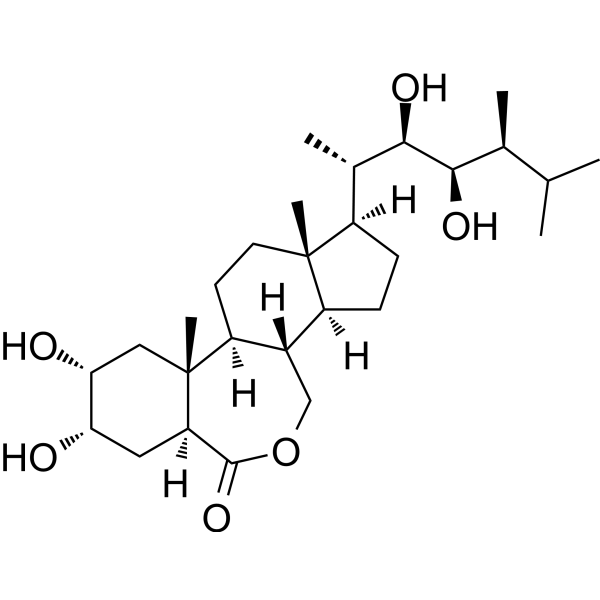
  • HY-N0273R

    Brassin lactone (Standard)

    Apoptosis Reference Standards Cancer
    Brassinolide (Standard) is the analytical standard of Brassinolide. This product is intended for research and analytical applications. Brassinolide is a predominant plant growth modulator that regulate plant cell elongation.
    Brassinolide (Standard)
  • HY-W010169
    Sodium 4-aminobenzoate
    1 Publications Verification

    Endogenous Metabolite Bacterial Infection
    Sodium 4-aminobenzoate is an intermediate in the synthesis of folic acid by bacteria, plants and fungi. Sodium 4-aminobenzoate has antibacterial and plant growth regulating properties .
    Sodium 4-aminobenzoate
  • HY-B0853R

    Reference Standards Fungal Infection
    Paclobutrazol (Standard) is the analytical standard of Paclobutrazol. This product is intended for research and analytical applications. Paclobutrazol is a triazole-containing plant growth retardant that is known to inhibit the biosynthesis of gibberellins. Paclobutrazol also has antifungal activities. Paclobutrazol, transported acropetally in plants, can also suppress the synthesis of abscisic acid and induce chilling tolerance in plants. Paclobutrazol is typically used to support research on the role of gibberellins in plant biology .
    Paclobutrazol (Standard)
  • HY-W016187

    2-Naphthylacetic acid

    Biochemical Assay Reagents Metabolic Disease
    2-(Naphthalen-2-yl)acetic acid (2-Naphthylacetic acid) is a plant growth regulator that can improve the quality and yield of crops such as bean sprouts. In addition, 2-(Naphthalen-2-yl)acetic acid can be used as a probe to study the distribution of amino acid conjugation mechanisms in different species .
    2-(Naphthalen-2-yl)acetic acid
  • HY-115770

    Bacterial Inflammation/Immunology
    8-Methylsulfinyloctyl isothiocyanate, an isothiocyanate, has antimicrobial activity and remarkable inhibitory activity against plant growth . 8-Methylsulfinyloctyl isothiocyanate impair COX-2 mediated inflammatory responses in LPS stimulated raw macrophages .
    8-Methylsulfinyloctyl isothiocyanate
  • HY-N7719R

    Endogenous Metabolite Reference Standards Bacterial Fungal Parasite Apoptosis Reactive Oxygen Species (ROS) Caspase HSV Infection Inflammation/Immunology Cancer
    Oosporein (Standard) is the analytical standard of Oosporein (HY-N7719). This product is intended for research and analytical applications. Oosporein is a microbial metabolite and a red crystalline toxin produced by various fungi. Oosporein can promote the reproduction of fungi in host bodies by inhibiting insect immunity, and possesses multiple activities such as antibacterial, antiviral (HSV), and insecticidal effects. Oosporein can inhibit plant growth. In addition, Oosporein can also induce apoptosis, cell membrane damage, oxidative stress, and mitochondrial damage. Oosporein has certain antitumor activity .
    Oosporein (Standard)
  • HY-N8744

    (±)-Vestitol

    Fungal Infection
    Vestitol ((±)-Vestitol) is an isoflavonoid phytoalexin and Antifungal agent. Vestitol can be isolated from the leaves of Trifolium arvense. Vestitol inhibits the mycelial growth of Helminthosporium carbonum with a ED50 of 17 μg/mL. Vestitol can be used in the research of fungal infections (Helminthosporium carbonum-induced plant diseases) .
    Vestitol
  • HY-N0848R

    24-Epibrassinolide (Standard); B1105 (Standard); BP55 (Standard)

    Reference Standards Apoptosis Cancer
    Epibrassinolide (Standard) is the analytical standard of Epibrassinolide. This product is intended for research and analytical applications. Epibrassinolide (24-Epibrassinolide) is a ubiquitously occurring plant growth hormone which shows great potential to alleviate heavy metals and pesticide stress in plants[1]. Epibrassinolide is a potential apoptotic inducer in various cancer cells without affecting the non-tumor cell growth[2].
    Epibrassinolide (Standard)
  • HY-N0186B

    IBA

    Biochemical Assay Reagents Others
    Indole-3-butyric acid,suitable for plant cell culture (IBA) is a plant auxin and a good rooting agent. Indole-3-butyric acid,suitable for plant cell culture can promote rooting of herbaceous and woody ornamental plants and is used to increase fruiting rate. Indole-3-butyric acid is an auxin precursor that is converted into indole 3-acetic acid (IAA) during peroxisomal β-oxidation. Indole-3-butyric acid,suitable for plant cell culture can be used for cell culture .
    Indole-3-butyric acid,suitable for plant cell culture
  • HY-19698A

    4-CPA sodium; p-Chlorophenoxyacetic acid sodium

    Biochemical Assay Reagents Herbicide Others
    4-Chlorophenoxyacetic acid sodium is a widely used herbicide and plant growth regulator. 4-Chlorophenoxyacetic acid sodium mimics endogenous auxin and regulates plant cell division, differentiation and gene expression. 4-Chlorophenoxyacetic acid sodium is used to control weeds and promote fruit growth .
    4-Chlorophenoxyacetic acid sodium

온라인 문의

Your information is safe with us. * Required Fields.

호칭


Country or Region *

고객명 *


회사명 *

Department *


메일주소 *


상품명 *

Cat. No.


Requested quantity *

전화번호 *


비고

온라인 문의

Inquiry Information

상품명:
Cat. No.:
수량:
MCE Japan Authorized Agent:

