

From 11:00 pm to 12:00 pm EST ( 8:00 pm to 9:00 pm PST ) on January 6th, the website will be under maintenance. We are sorry for the inconvenience. Please arrange your schedule properly.
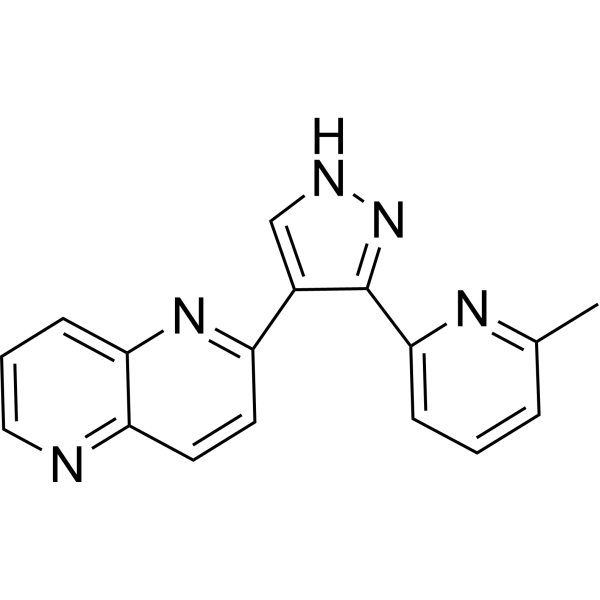
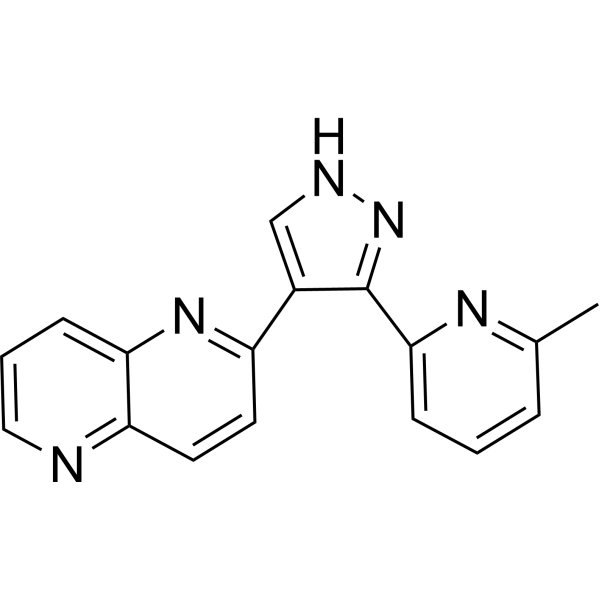
RepSox (E-616452) is a potent and selective transforming growth factor-beta receptor I/activin like kinase 5 (TGF-β-RI/ALK5) inhibitor. RepSox inhibits ALK5 autophosphorylation with an IC50 value of 4 nM. RepSox can be used for the research of obesity and associated metabolic diseases such as type 2 diabetes .
RepSox (E-616452) (GMP) is a RepSox (HY-13012) produced by using GMP guidelines. GMP small molecules works appropriately as an auxiliary reagent for cell therapy manufacture. RepSox is a potent and selective TGF-β-RI/ALK5 inhibitor .
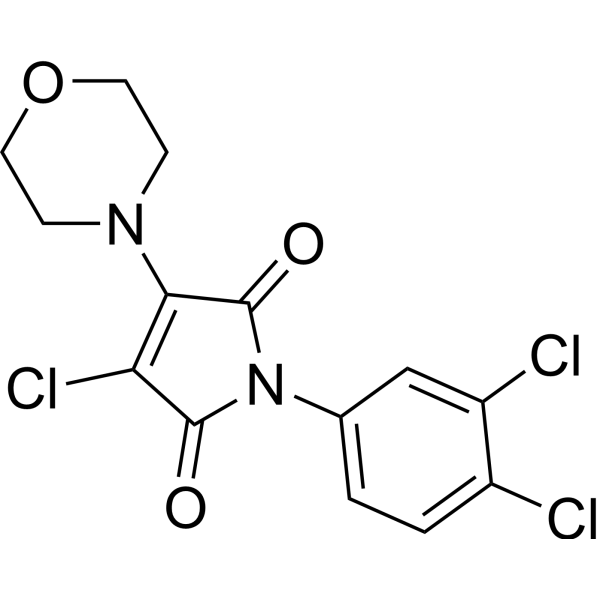
RI-1 is a RAD51 inhibitor, with IC50s ranging from 5 to 30 μM. RI-1 binds covalently to the surface of RAD51 protein at cysteine 319. RI-1 inactivates RAD51 by directly binding to a protein surface that serves as an interface between protein subunits in RAD51 filaments. RI-1 can disrupt homologous recombination in human cells .
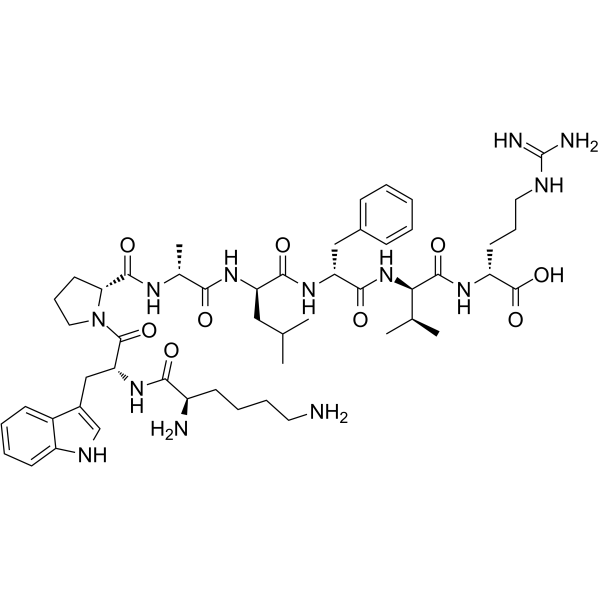
P8RI (D-P8RI) is a biomimetic peptide of CD31 and a CD31 agonist. P8RI binds to the juxtamembrane amino acid sequence of the ectodomain of CD31, shows an immunosuppressive effect through restoration of the CD31 inhibitory pathway .
Gevokizumab is a potent anti-IL-1β antibody, negatively modulates IL-1β signaling through an allosteric mechanism. Gevokizumab selectively decreases the binding affinity of IL-1β for the IL-1 receptor type I (IL-1RI) signaling receptor instead of IL-1 counter-regulatory decoy receptor (IL-1 receptor type II) .
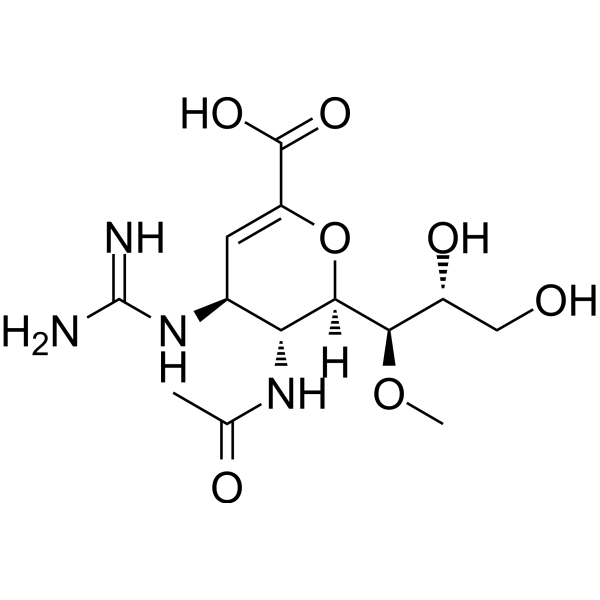
Laninamivir (R 125489) is a potent influenza neuraminidase (NA) inhibitor with IC50s of 0.90 nM, 1.83 nM and 3.12 nM for avian H12N5 NA (N5), pH1N1 N1 NA (p09N1) and A/RI/5+/1957 H2N2 N2 (p57N2), respectively .
RI-AG03 acetate is a proteolytically stable tau aggregation inhibitor that crosses the blood-brain barrier and exhibits oral efficacy. RI-AG03 acetate inhibits tau aggregation and promotes the formation of alternative amorphous aggregates that are non-amyloidogenic. RI-AG03 acetate mediates cellular uptake through direct membrane penetration and macropinocytosis, and its conjugation with cell-penetrating peptide sequences (CPPs) enhances the binding of cells to liposomes. RI-AG03 acetate suppresses aggregation-dependent neurodegenerative and behavioral phenotypes, and extends the lifespan of Drosophila models of tauopathy. RI-AG03 acetate can be used for research on tau-related diseases such as Alzheimer's disease .
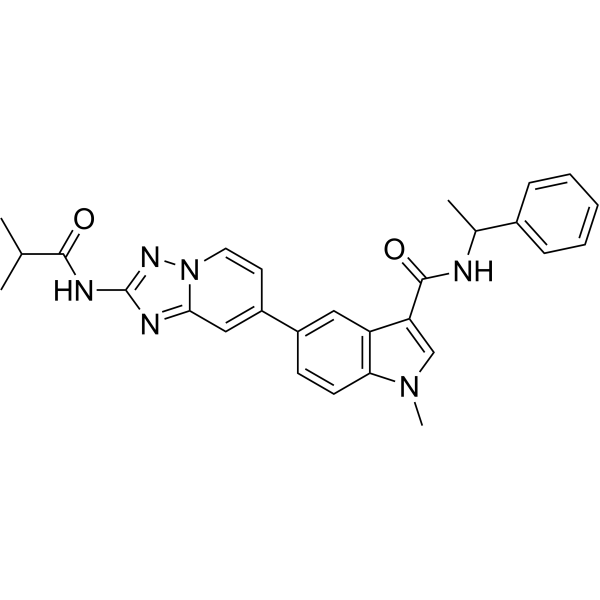
Birelentinib (DZD8586) is an orally effective, selective, non-covalent inhibitor targeting LYN tyrosine kinase and BTK tyrosine kinase, capable of penetrating the blood-brain barrier. Birelentinib exhibits concentration-dependent antiproliferative effects in RI-1 cells and diffuse large B-cell lymphoma (DLBCL) cell lines carrying BTK resistance mutations (such as C481X, V416L, etc.). Birelentinib blocks both BTK-dependent and independent signaling of the B-cell receptor (BCR), thereby inhibiting tumor cell proliferation and inducing cell death. Birelentinib can be used in research to overcome resistance to existing covalent and non-covalent BTK inhibitors in B-cell non-Hodgkin lymphoma (B-NHL) .
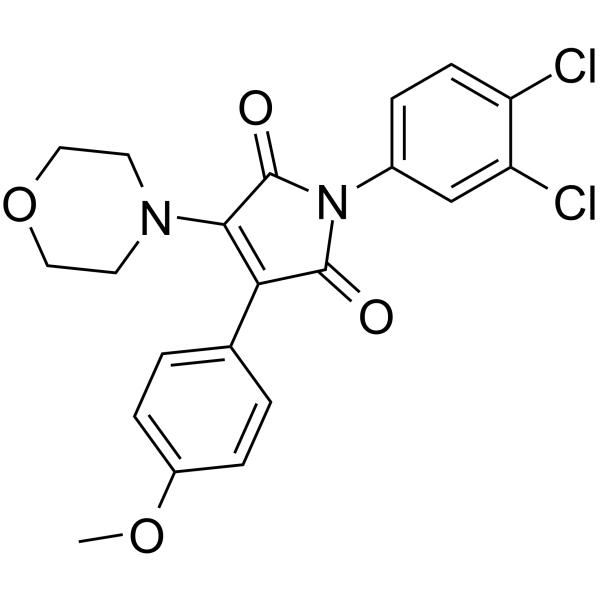
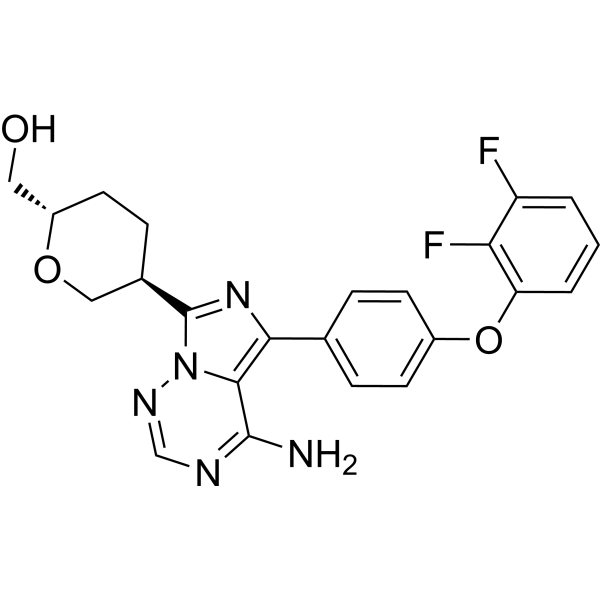
RI-962 is a potent and selective receptor-interacting protein kinase 1 (RIPK1) inhibitor. RI-962 inhibits RIPK1 with an IC50 value of 35.0 nM. RI-962 can be used for the research of nervous system diseases and inflammatory diseases .
RI-AG03 is a proteolytically stable tau aggregation inhibitor that crosses the blood-brain barrier and exhibits oral efficacy. RI-AG03 inhibits tau aggregation and promotes the formation of alternative amorphous aggregates that are non-amyloidogenic. RI-AG03 mediates cellular uptake through direct membrane penetration and macropinocytosis, and its conjugation with cell-penetrating peptide sequences (CPPs) enhances the binding of cells to liposomes. RI-AG03 suppresses aggregation-dependent neurodegenerative and behavioral phenotypes, and extends the lifespan of Drosophila models of tauopathy. RI-AG03 can be used for research on tau-related diseases such as Alzheimer's disease .
RI(dl)-2 TFA is a potent and selective RAD51-mediated D-loop formation inhibitor with an IC50 of 11.1 μM. RI(dl)-2 TFA does not influence RAD51 binding to ssDNA and inhibits homologous recombination (HR) activity in human cells (IC50 of 3.0 μM) .
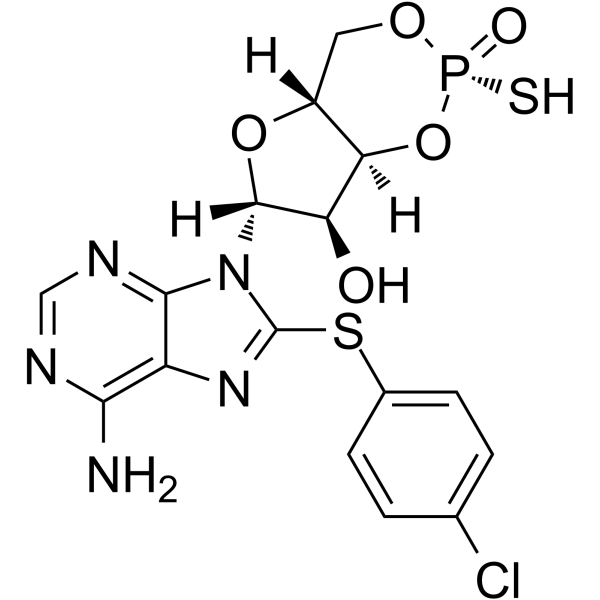
Sp-8-CPT-cAMPS, a cAMP analog, is a potent and selective activator of the cAMP-dependent protein kinas A (PKA I and PKA II). Sp-8-CPT-cAMPS selects site A of RI compares to site A of RII by 153-fold and site B of RII compares to site B of RI by 59-fold .
Cy3 MicroRNA Antagomir Negative Control is a Cy3-labeled MicroRNA Antagomir Negative Control (HY-RI04602A). The sequence of MicroRNA Antagomir Negative Control is derived from cel-mir-239b. It has minimal sequence identity with miRNAs in human, mouse, and rat .
FAM-MicroRNA Inhibitor Negative Control is a FAM labeled FAM-MicroRNA Inhibitor Negative Control (HY-RI04602). MicroRNA Inhibitor Negative Control is a full-length nucleotide 2'-methoxy modified oligonucleotide, and can be used as a negative control. The sequence of MicroRNA Inhibitor Negative Control is derived from cel-mir-239b. It has minimal sequence identity with miRNAs in human, mouse, and rat.
RI-STAD-2 is a high-affinity interfering peptide that regulates the subunit RI of protein kinase A (PKA). RI-STAD-2 interferes with the binding of AKAPs and PKA-RI by simulating the interaction between AKAPs' α-helix domain and PKA-RI's dimerization/anchoration (D/D) domain, thereby affecting PKA activity and intracellular localization. RI-STAD-2 can be used to study the role of AKAPs interaction with PKA-RI in pathological processes such as cardiovascular disease and cancer .
Rp-8-CPT-cAMPS, a cAMP analog, is a potent and competitive antagonist of cAMP-induced activation of cAMP-dependent PKA I and II. Rp-8-CPT-cAMPS preferentially selects site A of RI compares to site A of RII and site B of RII compares to site B of RI .
PPO-IN-15 (compound (R)-I-5) is a protoporphyrinogen IX oxidase (PPO) inhibitor that is effective against resistant weeds and safer in wheat and rice .
RepSox (Standard) is the analytical standard of RepSox. This product is intended for research and analytical applications. RepSox (E-616452) is a potent and selective transforming growth factor-beta receptor I/activin like kinase 5 (TGF-β-RI/ALK5) inhibitor. RepSox inhibits ALK5 autophosphorylation with an IC50 value of 4 nM. RepSox can be used for the research of obesity and associated metabolic diseases such as type 2 diabetes .
RI-18 is an antimicrobial peptide. RI-18 exhibits high affinity for bacterial plasma membranes, inducing rapid membrane permeabilization and rupture. RI-18 exhibits potent antimicrobial activity against bacteria in planktonic and biofilmforms .
RI-61 is a compound that has activity in suppressing migraine, cluster headache, new daily persistent headache and cyclical vomiting syndrome. RI-61 has shown significant efficacy in relieving the symptoms of these disorders. RI-61 helps relieve pain and other related symptoms by modulating the action of neurotransmitters .
RI-OR2-TAT is a brain-penetrant inhibitor of β-Amyloid oligomerization, which is produced by adding the HIV protein transduction domain TAT to RI-OR2. RI-OR2-TAT binds to Aβ42 fibrils with a Kd value of 58-125 nM. RI-OR2-TAT reduces Aβ aggregation and plaque levels, reduces activation of microglia and oxidative damage, and increases the number of young neurons in the dentate gyrus .
RI-OR2, a retro-inverso peptide, is an amyloid-β (Aβ) oligomerization inhibitor. RI-OR2 binds to immobilized β-Amyloid (1-42) (HY-P1363A) monomers and fibrils, with an apparent Kd of 9-12 μM, and also acted as an inhibitor of Aβ(1-42) fibril extension .
RI(dl)-2 blocks RAD51’s D-loop activity in biochemical systems with an IC50 value of 11.1 µM and inhibits homologous recombination (HR) activity with an IC50 value of 3.0 µM. RI(dl)-2 inhibits HR-mediated repair of DNA double strand breaks and sensitizes different cancer cell lines .
Rp-8-CPT-cAMPS sodium, a cAMP analog, is a potent and competitive antagonist of cAMP-induced activation of cAMP-dependent PKA I and II. Rp-8-CPT-cAMPS sodium preferentially selects site A of RI compares to site A of RII and site B of RII compares to site B of RI .
Adora1 Mouse Pre-designed siRNA Set A contains three designed siRNAs for Adora1 gene (Mouse), as well as a negative control, a positive control, and a FAM-labeled negative control.
GEM231 is an 18mer antisense oligonucleotide targeting the mRNA of the PKA-I (RIα regulatory subunit of cAMP dependent protein kinase type I ). GEM231 induces cell growth arrest, apoptosis, and differentiation in a variety of cancer cell lines in vitro and in tumors in vivo.
GEM231 sodium is an 18mer antisense oligonucleotide targeting the mRNA of the PKA-I (RIα regulatory subunit of cAMP dependent protein kinase type I ). GEM231 sodium induces cell growth arrest, apoptosis, and differentiation in a variety of cancer cell lines in vitro and in tumors in vivo.
RepSox hydrochloride is a potent and selective inhibitor of transforming growth factor-β receptor I/activin-like kinase 5 (TGF-β-RI/ALK5). RepSox hydrochloride inhibits ALK5 autophosphorylation with an IC50 value of 4 nM. RepSox hydrochloride can be used in the study of obesity and related metabolic diseases such as type 2 diabetes.
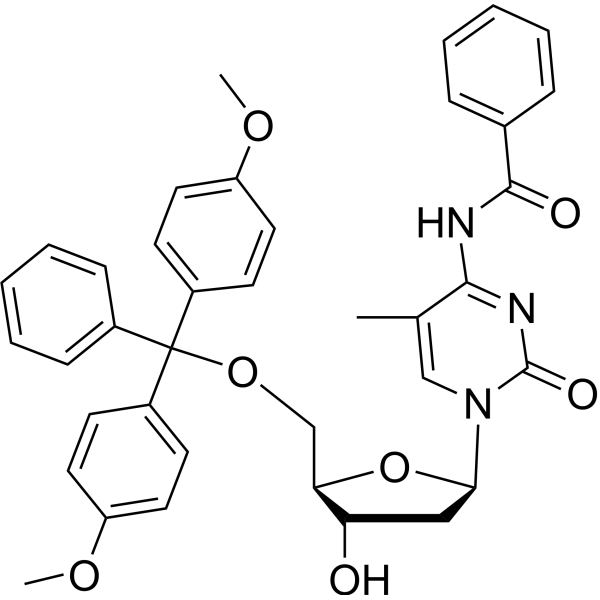
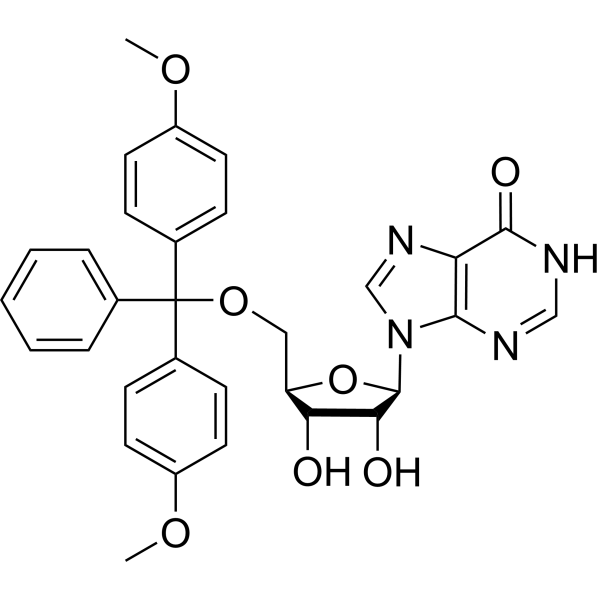
5'-O-TBDMS-dG is a modified nucleoside. 5'-O-DMT-2'-O-TBDMS-rI can be used in the synthesis of deoxyribonucleic acid or nucleic acid. 7-TFA-ap-7-Deaza-dG is a click chemistry reagent, it contains an Alkyne group and can undergo copper-catalyzed azide-alkyne cycloaddition (CuAAc) with molecules containing Azide groups.
Laninamivir (Standard) is the analytical standard of Laninamivir. This product is intended for research and analytical applications. Laninamivir (R 125489) is a potent influenza neuraminidase (NA) inhibitor with IC50s of 0.90 nM, 1.83 nM and 3.12 nM for avian H12N5 NA (N5), pH1N1 N1 NA (p09N1) and A/RI/5+/1957 H2N2 N2 (p57N2), respectively .
5-HT2A receptor agonist-10 (Compound (R)-I-121.HCl) is a 5-HT2A receptor agonist, with an IC50 of 2192.39 nM for h5-HT2A and h5-HT1A, respectively. 5-HT2A receptor agonist-10 can be used for the research of psychosis, mental illnesses and CNS disorders .
Laninamivir- 13C, 15N2 (R 125489- 13C, 15N2) is 13C and 15N labeled Laninamivir. Laninamivir (R 125489) is a potent influenza neuraminidase (NA) inhibitor with IC50s of 0.90 nM, 1.83 nM and 3.12 nM for avian H12N5 NA (N5), pH1N1 N1 NA (p09N1) and A/RI/5+/1957 H2N2 N2 (p57N2), respectively .
Anti-CD64 Antibody (10.1) recognizes an epitope on human CD64 (Fc_RI). Fc gamma receptors (Fc_Rs) are membrane-bound proteins which control and mediate communication of IgG antibodies within the immune system. Recommend Isotype Controls: Mouse IgG1 kappa, Isotype Control (HY-P99977) .
RepSox-d5 (E-616452-d5) is the deuterium labeled RepSox (HY-13012). RepSox (E-616452) is a potent and selective transforming growth factor-beta receptor I/activin like kinase 5 (TGF-β-RI/ALK5) inhibitor. RepSox inhibits ALK5 autophosphorylation with an IC50 value of 4 nM. RepSox can be used for the research of obesity and associated metabolic diseases such as type 2 diabetes .
RepSox (E-616452) (GMP) is a RepSox (HY-13012) produced by using GMP guidelines. GMP small molecules works appropriately as an auxiliary reagent for cell therapy manufacture. RepSox is a potent and selective TGF-β-RI/ALK5 inhibitor .
P8RI (D-P8RI) is a biomimetic peptide of CD31 and a CD31 agonist. P8RI binds to the juxtamembrane amino acid sequence of the ectodomain of CD31, shows an immunosuppressive effect through restoration of the CD31 inhibitory pathway .
RI-AG03 acetate is a proteolytically stable tau aggregation inhibitor that crosses the blood-brain barrier and exhibits oral efficacy. RI-AG03 acetate inhibits tau aggregation and promotes the formation of alternative amorphous aggregates that are non-amyloidogenic. RI-AG03 acetate mediates cellular uptake through direct membrane penetration and macropinocytosis, and its conjugation with cell-penetrating peptide sequences (CPPs) enhances the binding of cells to liposomes. RI-AG03 acetate suppresses aggregation-dependent neurodegenerative and behavioral phenotypes, and extends the lifespan of Drosophila models of tauopathy. RI-AG03 acetate can be used for research on tau-related diseases such as Alzheimer's disease .
RI-AG03 is a proteolytically stable tau aggregation inhibitor that crosses the blood-brain barrier and exhibits oral efficacy. RI-AG03 inhibits tau aggregation and promotes the formation of alternative amorphous aggregates that are non-amyloidogenic. RI-AG03 mediates cellular uptake through direct membrane penetration and macropinocytosis, and its conjugation with cell-penetrating peptide sequences (CPPs) enhances the binding of cells to liposomes. RI-AG03 suppresses aggregation-dependent neurodegenerative and behavioral phenotypes, and extends the lifespan of Drosophila models of tauopathy. RI-AG03 can be used for research on tau-related diseases such as Alzheimer's disease .
RI-STAD-2 is a high-affinity interfering peptide that regulates the subunit RI of protein kinase A (PKA). RI-STAD-2 interferes with the binding of AKAPs and PKA-RI by simulating the interaction between AKAPs' α-helix domain and PKA-RI's dimerization/anchoration (D/D) domain, thereby affecting PKA activity and intracellular localization. RI-STAD-2 can be used to study the role of AKAPs interaction with PKA-RI in pathological processes such as cardiovascular disease and cancer .
RI-18 is an antimicrobial peptide. RI-18 exhibits high affinity for bacterial plasma membranes, inducing rapid membrane permeabilization and rupture. RI-18 exhibits potent antimicrobial activity against bacteria in planktonic and biofilmforms .
RI-61 is a compound that has activity in suppressing migraine, cluster headache, new daily persistent headache and cyclical vomiting syndrome. RI-61 has shown significant efficacy in relieving the symptoms of these disorders. RI-61 helps relieve pain and other related symptoms by modulating the action of neurotransmitters .
RI-OR2-TAT is a brain-penetrant inhibitor of β-Amyloid oligomerization, which is produced by adding the HIV protein transduction domain TAT to RI-OR2. RI-OR2-TAT binds to Aβ42 fibrils with a Kd value of 58-125 nM. RI-OR2-TAT reduces Aβ aggregation and plaque levels, reduces activation of microglia and oxidative damage, and increases the number of young neurons in the dentate gyrus .
RI-OR2, a retro-inverso peptide, is an amyloid-β (Aβ) oligomerization inhibitor. RI-OR2 binds to immobilized β-Amyloid (1-42) (HY-P1363A) monomers and fibrils, with an apparent Kd of 9-12 μM, and also acted as an inhibitor of Aβ(1-42) fibril extension .
Gevokizumab is a potent anti-IL-1β antibody, negatively modulates IL-1β signaling through an allosteric mechanism. Gevokizumab selectively decreases the binding affinity of IL-1β for the IL-1 receptor type I (IL-1RI) signaling receptor instead of IL-1 counter-regulatory decoy receptor (IL-1 receptor type II) .
Anti-CD64 Antibody (10.1) recognizes an epitope on human CD64 (Fc_RI). Fc gamma receptors (Fc_Rs) are membrane-bound proteins which control and mediate communication of IgG antibodies within the immune system. Recommend Isotype Controls: Mouse IgG1 kappa, Isotype Control (HY-P99977) .
TNFRSF1A Protein exhibits a deficiency in conserved residue(s) crucial for feature annotation propagation. TNF RI/TNFRSF1A Protein, Cynomolgus (HEK293, His) is the recombinant cynomolgus-derived TNFRSF1A protein, expressed by HEK293 , with C-His labeled tag.
TNFRSF1A (TNF RI) protein has a high
ability to bind with tumor necrosis factor-alpha (TNF-α). TNFRSF1A is a STAT3
target gene that regulates the NF-κB pathway. TNFRSF1A activate NF-κB, mediate
apoptosis, and function as a regulator of inflammation. TNFRSF1A Protein, Human
(CHO) is expressed by CHO and has a transmembrane region (D41-N201) .
TNFRSF1A (TNF RI) protein has a high ability to
bind with tumor necrosis factor-alpha (TNF-α). TNFRSF1A is a STAT3 target gene
that regulates the NF-κB pathway. TNFRSF1A activate NF-κB, mediate apoptosis,
and function as a regulator of inflammation. TNF RI/TNFRSF1A Protein, Human (His) is
expressed by E. coli with a 6*His tag at the N-terminus.
TGFBR1/ALK-5 proteins cooperate with TGFBR2 to form dedicated receptors for TGFB1, TGFB2, and TGFB3, transmitting signals and coordinating different physiological and pathological processes. It induces cell cycle arrest, modulates mesenchymal cell dynamics, contributes to wound healing, and affects immunosuppression and carcinogenesis. TGFBR1/ALK-5 Protein, Human (HEK293, mFc-Avi) is the recombinant human-derived TGFBR1/ALK-5 protein, expressed by HEK293 , with C-Avi, C-mFc labeled tag.
Fc epsilon RI alpha; Fc epsilon RI alpha chain ; high affinity I; receptor for; alpha subunit; Fc fragment of IgE; high affinity I; receptor for; alpha polypeptide; Fc IgE receptor; alpha chain; Fc IgE receptor; alpha polypeptide; Fc-epsilon RI-alpha; FCE 1A; FCE1A; FCER1A; Fcer1a; FCERA_HUMAN; FceRI alpha; FcERI; high affinity IgE receptor;
The Fc epsilon RIA/FCER1A protein is a high-affinity receptor for IgE and critically mediates IgE effector function in myeloid cells. After binding to IgE and cross-linking with antigen, it activates signaling pathways that induce myeloid cell activation and differentiation. Fc epsilon RIA/FCER1A Protein, Human (His-SUMO) is the recombinant human-derived Fc epsilon RIA/FCER1A protein, expressed by E. coli , with N-6*His, N-SUMO labeled tag.
Fc epsilon RI alpha; Fc epsilon RI alpha chain ; high affinity I; receptor for; alpha subunit; Fc fragment of IgE; high affinity I; receptor for; alpha polypeptide; Fc IgE receptor; alpha chain; Fc IgE receptor; alpha polypeptide; Fc-epsilon RI-alpha; FCE 1A; FCE1A; FCER1A; Fcer1a; FCERA_HUMAN; FceRI alpha; FcERI; high affinity IgE receptor;
The Fc epsilon RIA/FCER1A protein is a high-affinity receptor for IgE and critically mediates IgE effector function in myeloid cells. After binding to IgE and cross-linking with antigen, it activates signaling pathways that induce myeloid cell activation and differentiation. Fc epsilon RIA/FCER1A Protein, Human (HEK293,His) is the recombinant human-derived Fc epsilon RIA/FCER1A protein, expressed by HEK293, with C-His labeled tag.
Fc epsilon RI alpha; Fc epsilon RI alpha chain ; high affinity I; receptor for; alpha subunit; Fc fragment of IgE; high affinity I; receptor for; alpha polypeptide; Fc IgE receptor; alpha chain; Fc IgE receptor; alpha polypeptide; Fc-epsilon RI-alpha; FCE 1A; FCE1A; FCER1A; Fcer1a; FCERA_HUMAN; FceRI alpha; FcERI; high affinity IgE receptor;
The Fc epsilon RIA/FCER1A protein is a high-affinity receptor for IgE and critically mediates IgE effector function in myeloid cells. After binding to IgE and cross-linking with antigen, it activates signaling pathways that induce myeloid cell activation and differentiation. Fc epsilon RIA/FCER1A Protein, Human (HEK293) is the recombinant human-derived Fc epsilon RIA/FCER1A protein, expressed by HEK293, with tag free.
Fc epsilon RI alpha; Fc epsilon RI alpha chain ; high affinity I; receptor for; alpha subunit; Fc fragment of IgE; high affinity I; receptor for; alpha polypeptide; Fc IgE receptor; alpha chain; Fc IgE receptor; alpha polypeptide; Fc-epsilon RI-alpha; FCE 1A; FCE1A; FCER1A; Fcer1a; FCERA_HUMAN; FceRI alpha; FcERI; high affinity IgE receptor;
The Fc epsilon RIA/FCER1A protein is a high-affinity receptor for IgE and critically mediates IgE effector function in myeloid cells. After binding to IgE and cross-linking with antigen, it activates signaling pathways that induce myeloid cell activation and differentiation. Fc epsilon RIA/FCER1A Protein, Human (HEK293, Fc) is the recombinant human-derived Fc epsilon RIA/FCER1A protein, expressed by HEK293, with C-hFc labeled tag.
Fc epsilon RI alpha; Fc epsilon RI alpha chain ; high affinity I; receptor for; alpha subunit; Fc fragment of IgE; high affinity I; receptor for; alpha polypeptide; Fc IgE receptor; alpha chain; Fc IgE receptor; alpha polypeptide; Fc-epsilon RI-alpha; FCE 1A; FCE1A; FCER1A; Fcer1a; FCERA_HUMAN; FceRI alpha; FcERI; high affinity IgE receptor
Fc epsilon RIA/FCER1A protein is a high-affinity receptor for immunoglobulin epsilon/IgE and is critical for mediating IgE effector function. It activates and differentiates myeloid cells after binding IgE and cross-linking with antigens/allergens, causing mast cells, basophils, and eosinophils to secrete mediators and cytokines. Fc epsilon RIA/FCER1A Protein, Mouse (HEK293, Fc) is the recombinant mouse-derived Fc epsilon RIA/FCER1A protein, expressed by HEK293 , with C-hFc labeled tag.
TNFRSF1A (TNF RI) protein has a high
ability to bind with tumor necrosis factor-alpha (TNF-α). TNFRSF1A is a STAT3
target gene that regulates the NF-κB pathway. TNFRSF1A activate NF-κB, mediate
apoptosis, and function as a regulator of inflammation. TNF RI/TNFRSF1A
Protein, Mouse is expressed by E. coli and has a
transmembrane region (I22-A212).
TNFRSF1A (TNF RI) protein has a high ability
to bind with tumor necrosis factor-alpha (TNF-α). TNFRSF1A is a STAT3 target
gene that regulates the NF-κB pathway. TNFRSF1A activate NF-κB, mediate
apoptosis, and function as a regulator of inflammation. TNF RI/TNFRSF1A Protein,
Mouse (HEK293, Fc) is expressed by HEK 293 cells and has a transmembrane region
with a Fc tag at the C-terminus.
TNFRSF1A (TNF RI) protein has a high
ability to bind with tumor necrosis factor-alpha (TNF-α). TNFRSF1A is a STAT3
target gene that regulates the NF-κB pathway. TNFRSF1A activate NF-kappaB,
mediate apoptosis, and function as a regulator of inflammation. TNF RI/TNFRSF1A
Protein, Mouse (HEK293, His) is expressed by HEK 293 cells and has a
transmembrane region with a His tag at the
C-terminus.
TNFRSF1A (TNF RI) protein has a high
ability to bind with tumor necrosis factor-alpha (TNF-α). TNFRSF1A is a STAT3
target gene that regulates the NF-κB pathway. TNFRSF1A activate NF-κB, mediate
apoptosis, and function as a regulator of inflammation. TNFRSF1A Protein, Rat
(HEK293, His) is expressed by HEK293 and has a transmembrane region (M1-A211) with
a His tag at the C-terminus.
The TNFR-1/CD120a protein is a receptor for TNFSF2/TNF-α and TNFSF1/lymphotoxin-α, and initiates caspase-8-mediated apoptosis upon TNF binding. It induces non-cytocidal TNF action, activates acid sphingomyelinase and establishes an antiviral state. TNFR-1/CD120a Protein, Human (HEK293, His) is the recombinant human-derived TNFR-1/CD120a protein, expressed by HEK293 , with C-8*His labeled tag.
The TNFR-1/CD120a protein is a receptor for TNFSF2/TNF-α and TNFSF1/lymphotoxin-α, and initiates caspase-8-mediated apoptosis upon TNF binding. It induces non-cytocidal TNF action, activates acid sphingomyelinase and establishes an antiviral state. TNFR-1/CD120a Protein, Human (HEK293, Fc) is the recombinant human-derived TNFR-1/CD120a protein, expressed by HEK293 , with C-hFc labeled tag.
TNFRSF1A (TNF RI) protein has a high
ability to bind with tumor necrosis factor-alpha (TNF-α). TNFRSF1A is a STAT3
target gene that regulates the NF-κB pathway. TNFRSF1A activate NF-κB, mediate
apoptosis, and function as a regulator of inflammation. TNFRSF1A Protein, Rat
(HEK293, Fc) is expressed by HEK293 and has a transmembrane region with a Fc tag at the C-terminus.
The CD64 protein is a high-affinity receptor for the immunoglobulin gamma Fc region and plays a key role in innate and adaptive immune responses. It prevents FCGR1A degradation by interacting with FCERG1 and FLNA to form a functional signaling complex. CD64 Protein, Rabbit (HEK293, His) is the recombinant Rabbit-derived CD64 protein, expressed by HEK293 , with C-His labeled tag.
CD64 protein, a high affinity receptor, mediates IgG effector functions, triggering antibody-dependent cellular cytotoxicity (ADCC). It interacts with IGHG1 and forms a signaling complex with FCERG1, contributing to immune responses. CD64 also interacts with FLNA, EPB41L2, LAT, PPL, HCK, and LYN to prevent degradation of FCGR1A and regulate immune function. CD64 Protein, Human (HEK293, His-Avi) is the recombinant human-derived CD64 protein, expressed by HEK293 , with C-Avi, C-His labeled tag.
IL-1R1 (CD121a) belongs to IL-1 receptor, and binds to IL-1α, IL-1β, IL-1Ra and IL-38 with comparable affinities (Kd: 0.1-1 nM). IL-1R1 regulates the transcription of multiple proinflammatory cytokines and mediates immune and inflammatory responses, including the activation of NF-κB and MAPK pathway. IL-1R1 Protein, Mouse (HEK293, His) is a recombinant mouse extracellular region of IL-1R1 (L20-K338) with a C terminal 6*His tag, which is produced in HEK293 cells.
Laninamivir- 13C, 15N2 (R 125489- 13C, 15N2) is 13C and 15N labeled Laninamivir. Laninamivir (R 125489) is a potent influenza neuraminidase (NA) inhibitor with IC50s of 0.90 nM, 1.83 nM and 3.12 nM for avian H12N5 NA (N5), pH1N1 N1 NA (p09N1) and A/RI/5+/1957 H2N2 N2 (p57N2), respectively .
RepSox-d5 (E-616452-d5) is the deuterium labeled RepSox (HY-13012). RepSox (E-616452) is a potent and selective transforming growth factor-beta receptor I/activin like kinase 5 (TGF-β-RI/ALK5) inhibitor. RepSox inhibits ALK5 autophosphorylation with an IC50 value of 4 nM. RepSox can be used for the research of obesity and associated metabolic diseases such as type 2 diabetes .
Cy3 MicroRNA Antagomir Negative Control is a Cy3-labeled MicroRNA Antagomir Negative Control (HY-RI04602A). The sequence of MicroRNA Antagomir Negative Control is derived from cel-mir-239b. It has minimal sequence identity with miRNAs in human, mouse, and rat .
FAM-MicroRNA Inhibitor Negative Control is a FAM labeled FAM-MicroRNA Inhibitor Negative Control (HY-RI04602). MicroRNA Inhibitor Negative Control is a full-length nucleotide 2'-methoxy modified oligonucleotide, and can be used as a negative control. The sequence of MicroRNA Inhibitor Negative Control is derived from cel-mir-239b. It has minimal sequence identity with miRNAs in human, mouse, and rat.
Adora1 Mouse Pre-designed siRNA Set A contains three designed siRNAs for Adora1 gene (Mouse), as well as a negative control, a positive control, and a FAM-labeled negative control.
GEM231 is an 18mer antisense oligonucleotide targeting the mRNA of the PKA-I (RIα regulatory subunit of cAMP dependent protein kinase type I ). GEM231 induces cell growth arrest, apoptosis, and differentiation in a variety of cancer cell lines in vitro and in tumors in vivo.
GEM231 sodium is an 18mer antisense oligonucleotide targeting the mRNA of the PKA-I (RIα regulatory subunit of cAMP dependent protein kinase type I ). GEM231 sodium induces cell growth arrest, apoptosis, and differentiation in a variety of cancer cell lines in vitro and in tumors in vivo.
5'-O-TBDMS-dG is a modified nucleoside. 5'-O-DMT-2'-O-TBDMS-rI can be used in the synthesis of deoxyribonucleic acid or nucleic acid. 7-TFA-ap-7-Deaza-dG is a click chemistry reagent, it contains an Alkyne group and can undergo copper-catalyzed azide-alkyne cycloaddition (CuAAc) with molecules containing Azide groups.
RepSox (E-616452) (GMP) is a RepSox (HY-13012) produced by using GMP guidelines. GMP small molecules works appropriately as an auxiliary reagent for cell therapy manufacture. RepSox is a potent and selective TGF-β-RI/ALK5 inhibitor .
Inquiry Online
Your information is safe with us. * Required Fields.
Western blot analysis of extracts from THP-1(lane 2(20μg), Jurkat (lane 3(20μg) and NIH3T3(lane 4(20μg) using FOXO1A (HY-P80132) Rabbit mAb. Proteins were transferred
to a PVDF membrane and blocked with 5% non-fat milk in TBST for 2 hour at room temperature. The primary antibody (1/1000) and Loading control antibody (Beta Actin, HY-P80438, 1/10000) was
used in 5% non-fat milk in TBST at 4°C overnight. Goat Anti-Mouse/Rabbit IgG-HRP Secondary Antibody (1/10000) was used for 1 hour at room temperature.
Western blot analysis of extracts from THP-1(lane 2(20μg), Jurkat (lane 3(20μg) and NIH3T3(lane 4(20μg) using FOXO1A (HY-P80132) Rabbit mAb. Proteins were transferred
to a PVDF membrane and blocked with 5% non-fat milk in TBST for 2 hour at room temperature. The primary antibody (1/1000) and Loading control antibody (Beta Actin, HY-P80438, 1/10000) was
used in 5% non-fat milk in TBST at 4°C overnight. Goat Anti-Mouse/Rabbit IgG-HRP Secondary Antibody (1/10000) was used for 1 hour at room temperature.
Western blot analysis of extracts from THP-1(lane 2(20μg), Jurkat (lane 3(20μg) and NIH3T3(lane 4(20μg) using FOXO1A (HY-P80132) Rabbit mAb. Proteins were transferred
to a PVDF membrane and blocked with 5% non-fat milk in TBST for 2 hour at room temperature. The primary antibody (1/1000) and Loading control antibody (Beta Actin, HY-P80438, 1/10000) was
used in 5% non-fat milk in TBST at 4°C overnight. Goat Anti-Mouse/Rabbit IgG-HRP Secondary Antibody (1/10000) was used for 1 hour at room temperature.
Western blot analysis of extracts from THP-1(lane 2(20μg), Jurkat (lane 3(20μg) and NIH3T3(lane 4(20μg) using FOXO1A (HY-P80132) Rabbit mAb. Proteins were transferred
to a PVDF membrane and blocked with 5% non-fat milk in TBST for 2 hour at room temperature. The primary antibody (1/1000) and Loading control antibody (Beta Actin, HY-P80438, 1/10000) was
MedchemExpress Validation 03
Western blot analysis of extracts from THP-1(lane 2(20μg), Jurkat (lane 3(20μg) and NIH3T3(lane 4(20μg) using FOXO1A (HY-P80132) Rabbit mAb. Proteins were transferred
MedchemExpress Validation 04
Western blot analysis of extracts from THP-1(lane 2(20μg), Jurkat (lane 3(20μg) and NIH3T3(lane 4(20μg) using FOXO1A (HY-P80132) Rabbit mAb. Proteins were transferred
to a PVDF membrane and blocked with 5% non-fat milk in TBST for 2 hour at room temperature. The primary antibody (1/1000) and Loading control antibody (Beta Actin, HY-P80438, 1/10000) was
used in 5% non-fat milk in TBST at 4°C overnight. Goat Anti-Mouse/Rabbit IgG-HRP Secondary Antibody (1/10000) was used for 1 hour at room temperature.
MedchemExpress Validation
Western blot analysis of extracts from THP-1(lane 2(20μg), Jurkat (lane 3(20μg) and NIH3T3(lane 4(20μg) using FOXO1A (HY-P80132) Rabbit mAb. Proteins were transferred
to a PVDF membrane and blocked with 5% non-fat milk in TBST for 2 hour at room temperature. The primary antibody (1/1000) and Loading control antibody (Beta Actin, HY-P80438, 1/10000) was
used in 5% non-fat milk in TBST at 4°C overnight. Goat Anti-Mouse/Rabbit IgG-HRP Secondary Antibody (1/10000) was used for 1 hour at room temperature.
Western blot analysis of extracts from THP-1(lane 2(20μg), Jurkat (lane 3(20μg) and NIH3T3(lane 4(20μg) using FOXO1A (HY-P80132) Rabbit mAb. Proteins were transferred
to a PVDF membrane and blocked with 5% non-fat milk in TBST for 2 hour at room temperature. The primary antibody (1/1000) and Loading control antibody (Beta Actin, HY-P80438, 1/10000) was
used in 5% non-fat milk in TBST at 4°C overnight. Goat Anti-Mouse/Rabbit IgG-HRP Secondary Antibody (1/10000) was used for 1 hour at room temperature.
MedchemExpress Validation
Western blot analysis of extracts from THP-1(lane 2(20μg), Jurkat (lane 3(20μg) and NIH3T3(lane 4(20μg) using FOXO1A (HY-P80132) Rabbit mAb. Proteins were transferred
to a PVDF membrane and blocked with 5% non-fat milk in TBST for 2 hour at room temperature. The primary antibody (1/1000) and Loading control antibody (Beta Actin, HY-P80438, 1/10000) was
used in 5% non-fat milk in TBST at 4°C overnight. Goat Anti-Mouse/Rabbit IgG-HRP Secondary Antibody (1/10000) was used for 1 hour at room temperature.
MedchemExpress Validation
Western blot analysis of extracts from THP-1(lane 2(20μg), Jurkat (lane 3(20μg) and NIH3T3(lane 4(20μg) using FOXO1A (HY-P80132) Rabbit mAb. Proteins were transferred
to a PVDF membrane and blocked with 5% non-fat milk in TBST for 2 hour at room temperature. The primary antibody (1/1000) and Loading control antibody (Beta Actin, HY-P80438, 1/10000) was
used in 5% non-fat milk in TBST at 4°C overnight. Goat Anti-Mouse/Rabbit IgG-HRP Secondary Antibody (1/10000) was used for 1 hour at room temperature.
MedchemExpress Validation
Western blot analysis of extracts from THP-1(lane 2(20μg), Jurkat (lane 3(20μg) and NIH3T3(lane 4(20μg) using FOXO1A (HY-P80132) Rabbit mAb. Proteins were transferred
to a PVDF membrane and blocked with 5% non-fat milk in TBST for 2 hour at room temperature. The primary antibody (1/1000) and Loading control antibody (Beta Actin, HY-P80438, 1/10000) was
used in 5% non-fat milk in TBST at 4°C overnight. Goat Anti-Mouse/Rabbit IgG-HRP Secondary Antibody (1/10000) was used for 1 hour at room temperature.
MedchemExpress Validation
Western blot analysis of extracts from THP-1(lane 2(20μg), Jurkat (lane 3(20μg) and NIH3T3(lane 4(20μg) using FOXO1A (HY-P80132) Rabbit mAb. Proteins were transferred
to a PVDF membrane and blocked with 5% non-fat milk in TBST for 2 hour at room temperature. The primary antibody (1/1000) and Loading control antibody (Beta Actin, HY-P80438, 1/10000) was
used in 5% non-fat milk in TBST at 4°C overnight. Goat Anti-Mouse/Rabbit IgG-HRP Secondary Antibody (1/10000) was used for 1 hour at room temperature.
MedchemExpress Validation
Western blot analysis of extracts from THP-1(lane 2(20μg), Jurkat (lane 3(20μg) and NIH3T3(lane 4(20μg) using FOXO1A (HY-P80132) Rabbit mAb. Proteins were transferred
to a PVDF membrane and blocked with 5% non-fat milk in TBST for 2 hour at room temperature. The primary antibody (1/1000) and Loading control antibody (Beta Actin, HY-P80438, 1/10000) was
used in 5% non-fat milk in TBST at 4°C overnight. Goat Anti-Mouse/Rabbit IgG-HRP Secondary Antibody (1/10000) was used for 1 hour at room temperature.
MedchemExpress Validation
Western blot analysis of extracts from THP-1(lane 2(20μg), Jurkat (lane 3(20μg) and NIH3T3(lane 4(20μg) using FOXO1A (HY-P80132) Rabbit mAb. Proteins were transferred
to a PVDF membrane and blocked with 5% non-fat milk in TBST for 2 hour at room temperature. The primary antibody (1/1000) and Loading control antibody (Beta Actin, HY-P80438, 1/10000) was
used in 5% non-fat milk in TBST at 4°C overnight. Goat Anti-Mouse/Rabbit IgG-HRP Secondary Antibody (1/10000) was used for 1 hour at room temperature.
MedChemExpress values your privacy and your trust is important to us. We use cookies to enhance your website experience. Some cookies are necessary to run the website.
Privacy and Cookie Policy

