211 Results for "

Renal diseases

" in MedChemExpress (MCE) Product Catalog:
Products (211)

211 Results for "Renal diseases" in MCE Product Catalog:

186
186 Publications Verification
Cat. No.: HY-125944
CAS No.: 1569257-94-8
Purity:  98.03%
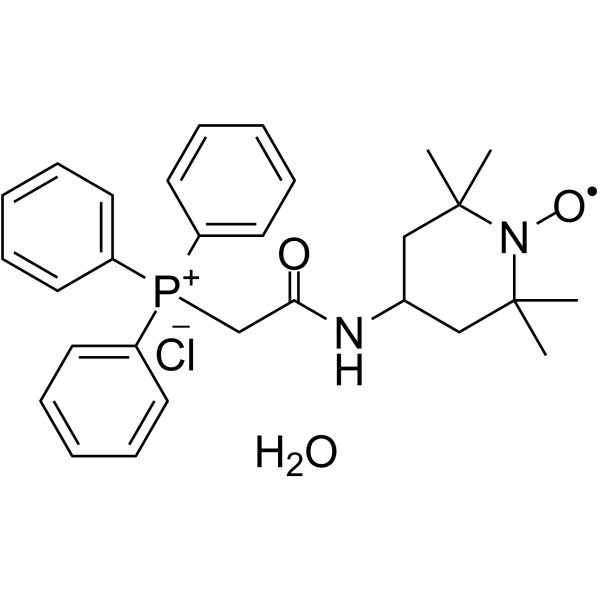
MitoTEMPO hydrate is a mitochondria-targeted antioxidant . MitoTEMPO hydrate induces mitophagy by activating the PINK1/Parkin pathway, inhibits NLRP3 inflammasome activation, restores mitochondrial membrane potential, and improves renal function and podocyte injury. MitoTEMPO hydrate regulates Ca 2+ homeostasis, inhibits Bnip3 overexpression, shortens action potential duration, and exerts antiarrhythmic effects. MitoTEMPO hydrate reverses premature senescence, reduces trabecular bone loss, and decreases cell apoptosis. MitoTEMPO hydrate can be used in studies of chronic kidney disease, age-related cardiac dysfunction, postmenopausal osteoporosis, and ischemic stroke .
loading...
    loading...
186
186 Publications Verification
Cat. No.: HY-112879
CAS No.: 1334850-99-5
Purity:  99.19%
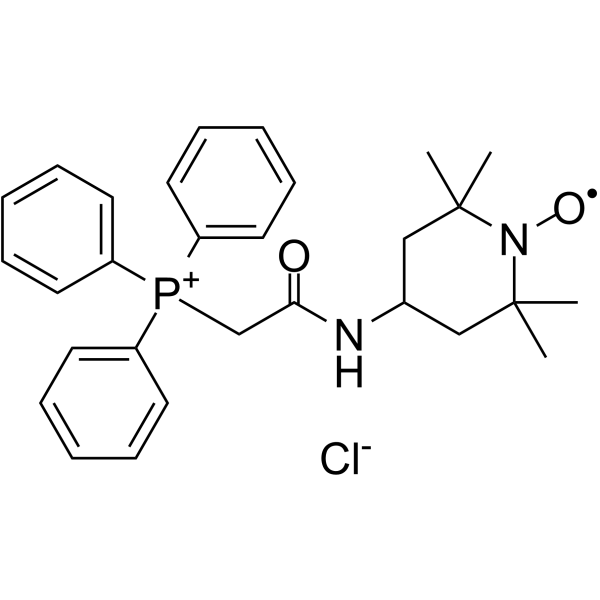
Mito-TEMPO is a mitochondria-targeted antioxidant. Mito-TEMPO induces mitophagy by activating the PINK1/Parkin pathway, inhibits NLRP3 inflammasome activation, restores mitochondrial membrane potential, and improves renal function and podocyte injury. Mito-TEMPO regulates Ca 2+ homeostasis, inhibits Bnip3 overexpression, shortens action potential duration, and exerts antiarrhythmic effects. Mito-TEMPO reverses premature senescence, reduces trabecular bone loss, and decreases cell apoptosis. Mito-TEMPO can be used in studies of chronic kidney disease, age-related cardiac dysfunction, postmenopausal osteoporosis, and ischemic stroke .
loading...
    loading...
111
111 Cited Publications
Cat. No.: HY-19696B
CAS No.: 117609-50-4
Synonyms: Tauroursodeoxycholic acid dihydrate; TUDCA dihydrate; UR 906 dihydrate
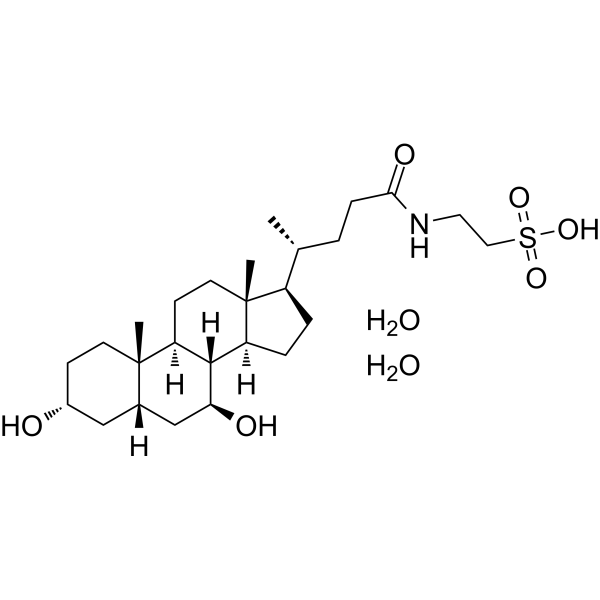
Tauroursodeoxycholate dehydrate is an orally active taurine conjugate of Ursodeoxycholic acid (HY-13771). Tauroursodeoxycholate dehydrate inhibits caspase-3/7, Apoptosis, IRE1α/TRAF2/NF-κB, prevents JNK phosphorylation, inhibits ROS generation, and activates Akt signaling. Tauroursodeoxycholate dehydrate prevents cataract formation, reduces renal tubular damage in type 2 diabetic mice, reduces I/R injury in liver, and inhibits intestinal inflammation and barrier disruption in nonalcoholic fatty liver disease .
loading...
    loading...
14
14 Cited Publications
Cat. No.: HY-18627A
CAS No.: 1627607-87-7
Synonyms: (R)-PFI-2 hydrochloride
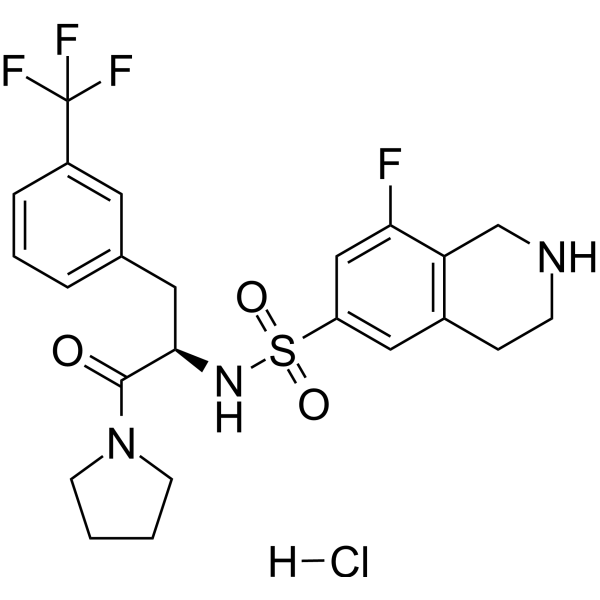
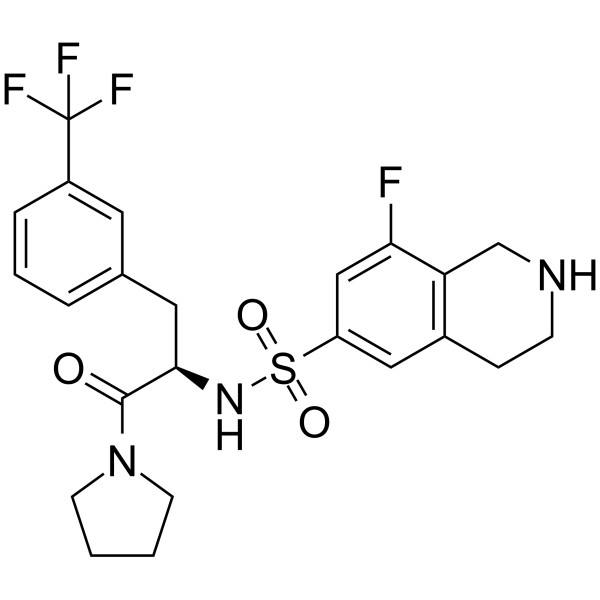
PFI-2 ((R)-PFI-2 hydrochloride) hydrochloride is a potent and selective SET domain containing lysine methyltransferase 7 (SETD7) inhibitor. (R)-PFI-2 shows high inhibiting activity with IC50 value of 2.0  nM and (S)-PFI-2 shows inhibiting activity with IC50  value of 1.0  μM. PFI-2 hydrochloride can be used for the research of chronic kidney disease and inflammation response in the development of renal fibrosis .
loading...
    loading...
14
14 Cited Publications
Cat. No.: HY-18627
CAS No.: 1627676-59-8
Synonyms: (R)-PFI-2
PFI-2 ((R)-PFI-2 hydrochloride) hydrochloride, a chemical probe, is a potent and selective SET domain containing lysine methyltransferase 7 (SETD7) inhibitor. (R)-PFI-2 shows high inhibiting activity with IC50 value of 2.0 nM and (S)-PFI-2 shows inhibiting activity with IC50 value of 1.0 μM. PFI-2 hydrochloride can be used for the research of chronic kidney disease and inflammation response in the development of renal fibrosis .
loading...
    loading...
13
13 Cited Publications
Cat. No.: HY-127105
CAS No.: 1644670-37-0
Purity:  99.93%
Synonyms: LNP023
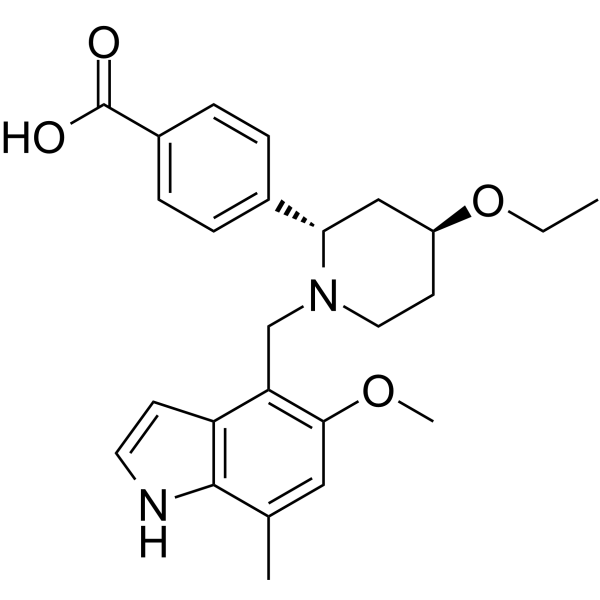
Iptacopan (LNP023) is an effective and orally-active highly selective factor B inhibitor with an IC50 value of 10 nM and KD of 7.9 nM. Iptacopan exerts a proximal effect in the complement cascade reaction, preventing the destruction (hemolysis) of red blood cells in PNH and the damage of renal cells in IgAN and C3G. Iptacopan can be used for the study of complement-mediated diseases, particularly paroxysmal nocturnal hemoglobinuria (PNH), primary immunoglobulin A nephropathy (IgAN), and complement 3 glomerulopathy (C3G) .
loading...
    loading...
13
13 Cited Publications
Cat. No.: HY-127105A
CAS No.: 1646321-63-2
Purity:  99.83%
Synonyms: LNP023 hydrochloride
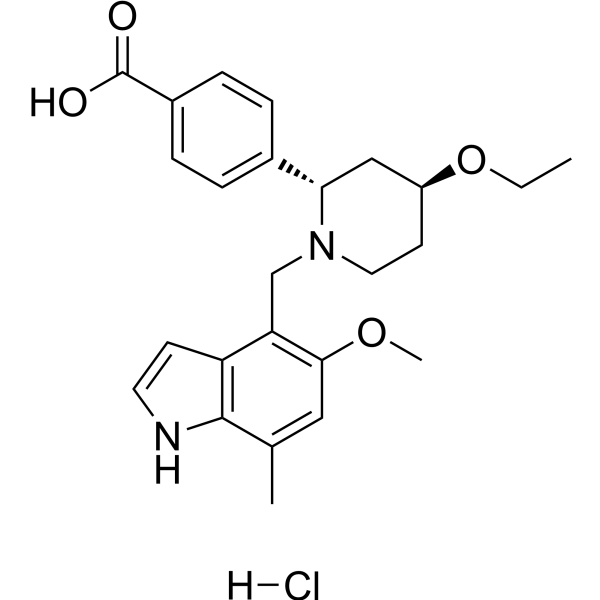
Iptacopan (LNP023) hydrochloride is an effective and orally-active highly selective factor B inhibitor with an IC50 value of 10 nM and KD of 7.9 nM. Iptacopan hydrochloride exerts a proximal effect in the complement cascade reaction, preventing the destruction (hemolysis) of red blood cells in PNH and the damage of renal cells in IgAN and C3G. Iptacopan hydrochloride can be used for the study of complement-mediated diseases, particularly paroxysmal nocturnal hemoglobinuria (PNH), primary immunoglobulin A nephropathy (IgAN), and complement 3 glomerulopathy (C3G) .
loading...
    loading...
13
13 Cited Publications
Cat. No.: HY-B0331
CAS No.: 75847-73-3
Synonyms: MK-421
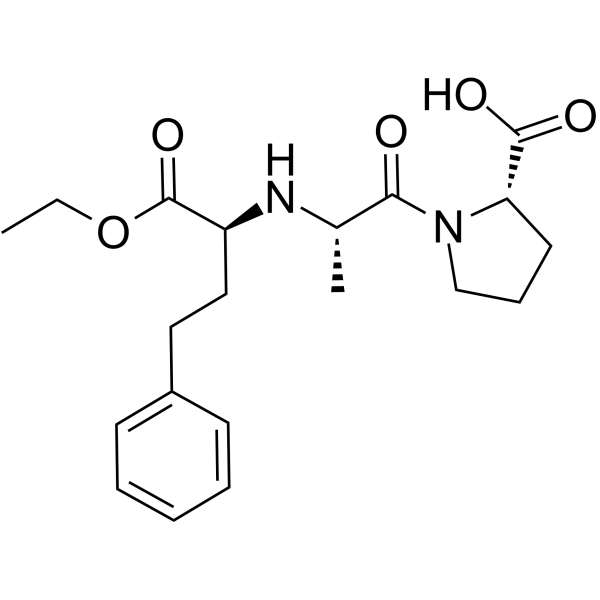
Enalapril (MK-421) is an orally active angiotensin-converting enzyme inhibitor. Enalapril blocks the conversion of angiotensin I to angiotensin II, regulates the renin-angiotensin system, reduces preload and afterload, and decreases plasma angiotensin II levels. Enalapril inhibits apoptosis, reduces nitric oxide metabolite levels, stabilizes endothelial cells, enhances endothelial antioxidant defense, scavenges reactive oxygen species (ROS), and alleviates neuronal damage. Enalapril attenuates glutathione depletion, protein/lipid oxidation, tissue damage, and type III collagen immunolabeling in organs of diabetic rats. Enalapril reduces systolic blood pressure and urinary albumin excretion, and delays the progression of diabetic cardiac/renal injury. Enalapril is used in research related to asymptomatic left ventricular dysfunction, congestive heart failure, Alzheimer's disease, diabetes mellitus, acute myocardial infarction, atrial fibrillation, hypertension, cerebral ischemia, chronic heart failure, and single-ventricle physiology .
loading...
    loading...
13
13 Cited Publications
Cat. No.: HY-B0331A
CAS No.: 76095-16-4
Synonyms: MK-421 maleate
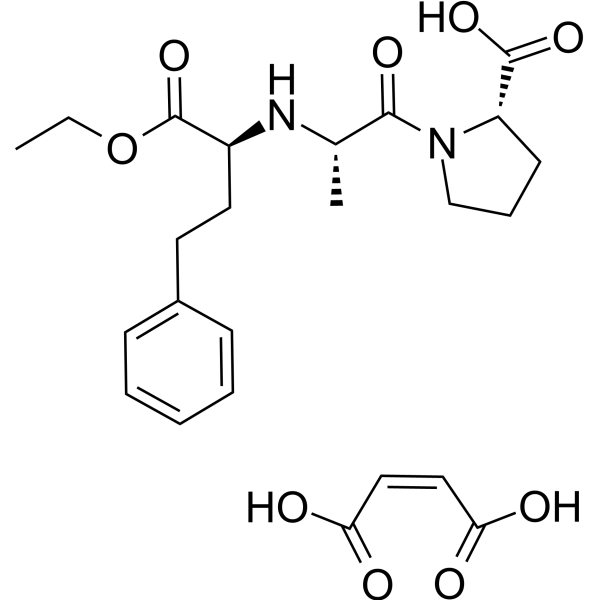
Enalapril maleate (MK-421 maleate) is an orally active angiotensin-converting enzyme inhibitor. Enalapril maleate blocks the conversion of angiotensin I to angiotensin II, regulates the renin-angiotensin system, reduces preload and afterload, and decreases plasma angiotensin II levels. Enalapril maleate inhibits apoptosis, reduces nitric oxide metabolite levels, stabilizes endothelial cells, enhances endothelial antioxidant defense, scavenges reactive oxygen species (ROS), and alleviates neuronal damage. Enalapril maleate attenuates glutathione depletion, protein/lipid oxidation, tissue damage, and type III collagen immunolabeling in organs of diabetic rats. Enalapril maleate reduces systolic blood pressure and urinary albumin excretion, and delays the progression of diabetic cardiac/renal injury. Enalapril maleate is used in research related to asymptomatic left ventricular dysfunction, congestive heart failure, Alzheimer's disease, diabetes mellitus, acute myocardial infarction, atrial fibrillation, hypertension, cerebral ischemia, chronic heart failure, and single-ventricle physiology .
loading...
    loading...
9
9 Cited Publications
Cat. No.: HY-32348
CAS No.: 54573-75-0
Synonyms: 1.alpha.-Hydroxyvitamin D2
Research Areas:  

Metabolic Disease Cancer

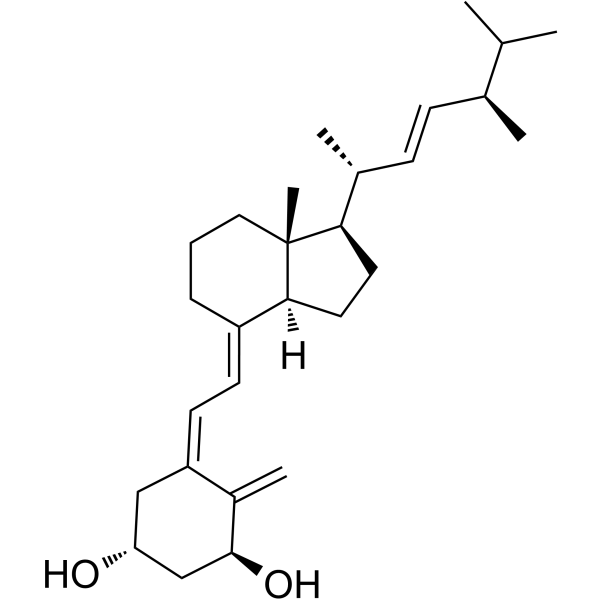
Doxercalciferol is a Vitamin D2 analog, acts as an activator of Vitamin D receptor, and prevent renal disease.
loading...
    loading...
8
8 Cited Publications
Cat. No.: HY-12654
CAS No.: 1154028-82-6
Purity:  98.58%
Synonyms: BAY 85-3934
Research Areas:  

Cardiovascular Disease

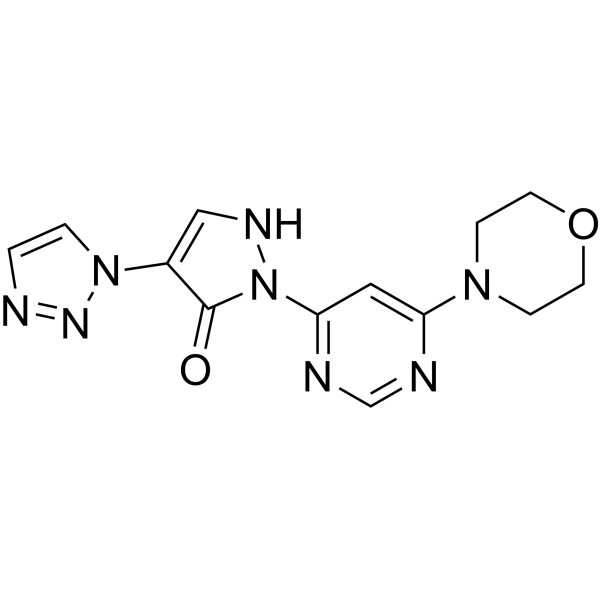
Molidustat (BAY 85-3934) is an orally active inhibitor of hypoxia-inducible factor prolyl hydroxylase (HIF-PH) with IC50 values of 480 nM, 280 nM, and 450 nM for PHD1, PHD2, and PHD3, respectively. Molidustat can elevate the levels of circulating erythropoietin (EPO) to near-normal physiological ranges. Molidustat can be utilized in the research of renal anemia .
loading...
    loading...
8
8 Cited Publications
Cat. No.: HY-B0202
CAS No.: 138402-11-6
Synonyms: SR-47436; BMS-186295
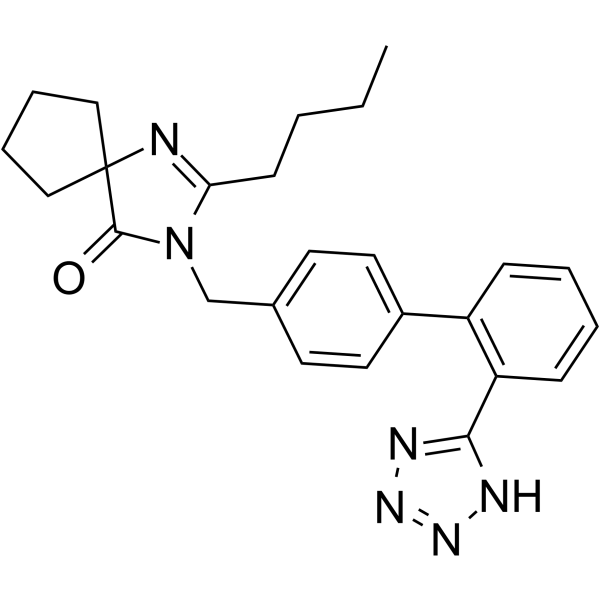
Irbesartan (SR-47436) is an orally active Ang II type 1 (AT1) receptor blocker (ARB). Irbesartan can relax the blood vessels, low blood pressure and increase the supply of blood and oxygen to the heart. Irbesartan can be used for the research of high blood pressure, heart failure, and diabetic kidney disease .
loading...
    loading...
7
7 Cited Publications
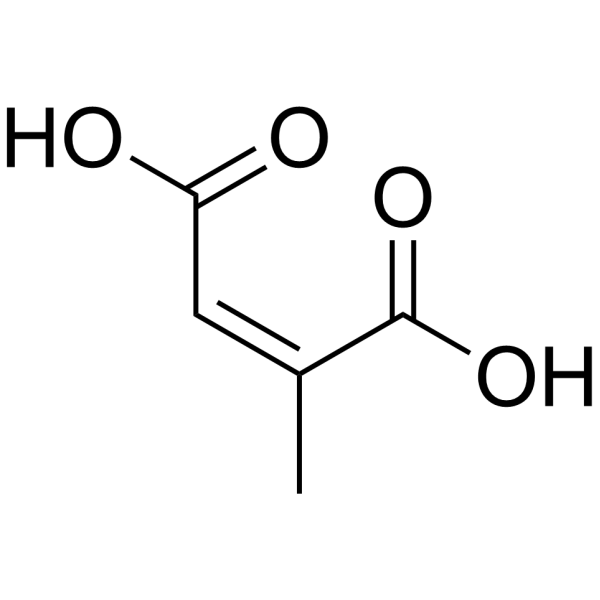
Cat. No.: HY-113298
CAS No.: 498-23-7
Purity:  98.73%
Synonyms: Methylmaleic acid; Citraconate
Citraconic acid (Methylmaleic acid) is an orally active inhibitor targeting the NLRP3 inflammasome and Keap1-Nrf2 pathway. Citraconic acid reduces reactive oxygen species (ROS) generation by inhibiting succinate dehydrogenase (SDH) activity. Citraconic acid also modifies the conformation of Keap1 protein, relieves its inhibition of Nrf2, promotes antioxidant gene expression, and inhibits NLRP3 activation and the release of pro-inflammatory factors such as IL-1β and IL-18. Citraconic acid has anti-inflammatory and antioxidant activities, can reduce oxidative stress and cell pyroptosis, improve tissue damage, and can be used for the research of inflammation-related diseases such as acute renal ischemia-reperfusion injury. Citraconic acid is an isomer of Itaconic acid (HY-Y052) .
loading...
    loading...
6
6 Cited Publications
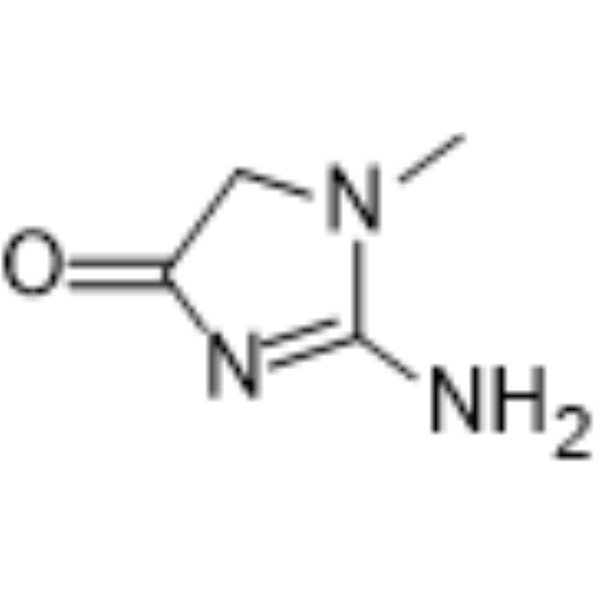
Cat. No.: HY-B0504
CAS No.: 60-27-5
Synonyms: NSC13123
Creatinine (NSC13123) is an orally active, blood-brain barrier-permeable modulator of GABAA and NMDA receptors, with activities of antioxidation and metabolic regulation. Creatinine is generated via non-enzymatic conversion of creatine and phosphocreatine in muscle. Creatinine serum levels correlate with muscle mass, glomerular filtration rate, and extrarenal clearance, serving as an evaluation biomarker for renal function, muscle mass, and clinical outcomes, and used for perioperative renal risk assessment. In addition, Creatinine can induce specific Cryptococcus species to produce creatinine deiminase and act as their nitrogen source, while it can be secreted via renal tubules. Creatinine is widely used in research related to various diseases such as neurodegenerative diseases, psychiatric disorders, acute kidney injury, chronic kidney disease, and renal failure .
loading...
    loading...
5
5 Cited Publications
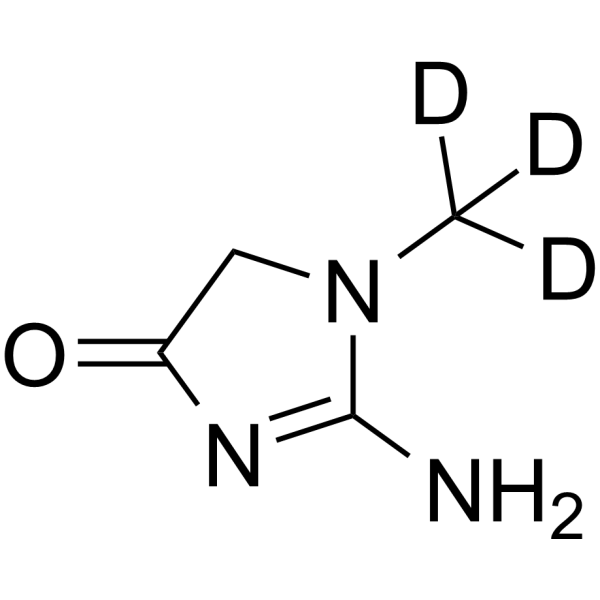
Cat. No.: HY-B0504S
CAS No.: 143827-20-7
Synonyms: NSC13123-d3
Creatinine-d3 is a deuterium labeled Creatinine. Creatinine (NSC13123) is an orally active, blood-brain barrier-permeable modulator of GABAA and NMDA receptors, with activities of antioxidation and metabolic regulation. Creatinine is generated via non-enzymatic conversion of creatine and phosphocreatine in muscle. Creatinine serum levels correlate with muscle mass, glomerular filtration rate, and extrarenal clearance, serving as an evaluation biomarker for renal function, muscle mass, and clinical outcomes, and used for perioperative renal risk assessment. In addition, Creatinine can induce specific Cryptococcus species to produce creatinine deiminase and act as their nitrogen source, while it can be secreted via renal tubules. Creatinine is widely used in research related to various diseases such as neurodegenerative diseases, psychiatric disorders, acute kidney injury, chronic kidney disease, and renal failure .
loading...
    loading...
5
5 Cited Publications
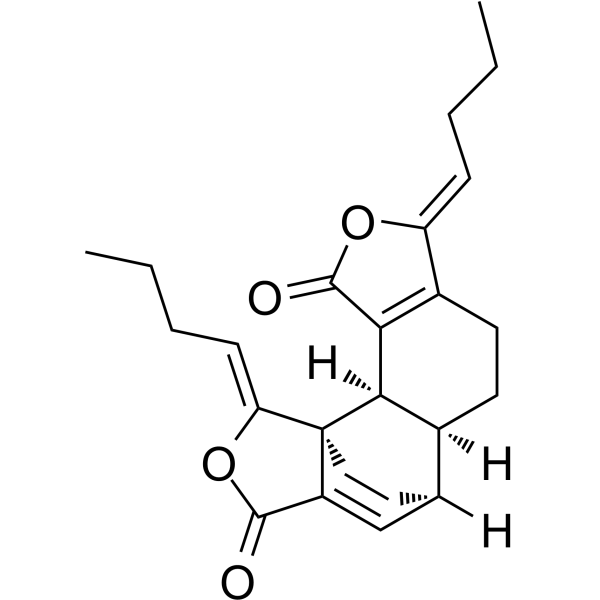
Cat. No.: HY-N1472
CAS No.: 88182-33-6
Levistolide A is an apoptosis inducer and a PEDV virus inhibitor. Levistolide A can induce apoptosis in colon cancer cells and suppress the replication of porcine epidemic diarrhea virus (PEDV) by promoting ROS generation. Levistolide A activates peroxisome proliferator-activated receptor γ (PPARγ) in N2a/APP695swe cells and reduces excessive phosphorylation of tau through the GSK3α/β pathway, improving symptoms in Alzheimer’s mice. Levistolide A improves kidney damage in 5/6 nephrectomy (Nx) mice by inhibiting the RAS,TGF-β1/Smad, and MAPK pathways .
loading...
    loading...
4
4 Cited Publications
Cat. No.: HY-W040821
CAS No.: 454-29-5
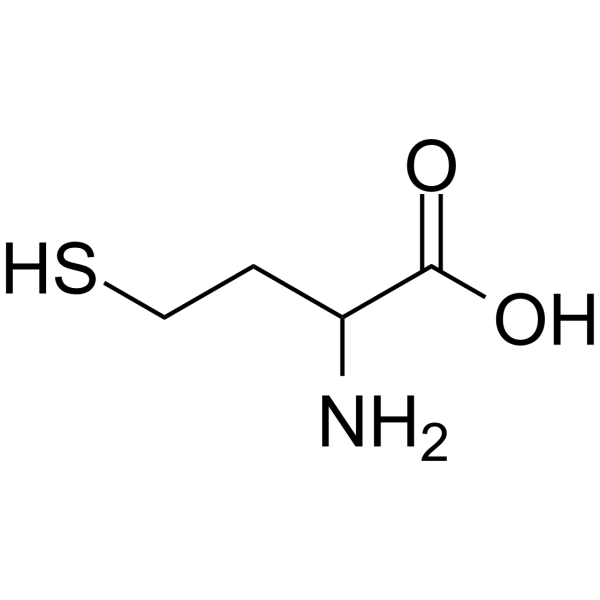
DL-Homocysteine is a weak neurotoxin, and can affect the production of kynurenic acid in the brain. DL-Homocysteine is correlated with Vitamin B12, renal functions and folate levels, affects the cross-sectional cognition indirectly through white matter microstructural integrity .
loading...
    loading...
3
3 Cited Publications
Cat. No.: HY-N2181
CAS No.: 24502-78-1
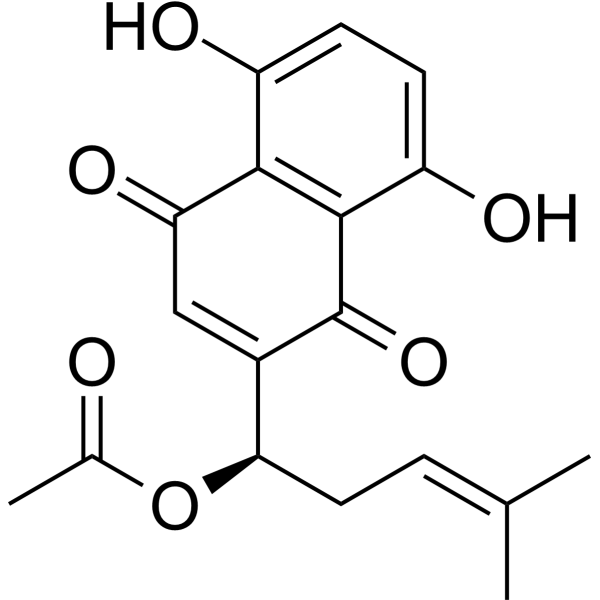
Acetylshikonin is an oral active anti-cancer, anti-inflammatory, antioxidant, anti-fertility, antibacterial, and neuroprotective agent. Acetylshikonin is a inhibitor of acetylcholinase (AChE) (IC50=34.6 μM) and nonselective cytochrome P450. Acetylshikonin can induce Apoptosis and Autophagy in cancer cells. Acetylshikonin regulates blood glucose, liver fat metabolism, and renal fibrosis, and is used in the study of diabetes, diabetic nephropathy (DN), obesity, and nonalcoholic fatty liver disease (NAFLD) .
loading...
    loading...
3
3 Cited Publications
Cat. No.: HY-17403
CAS No.: 89226-75-5
Synonyms: CV-4093
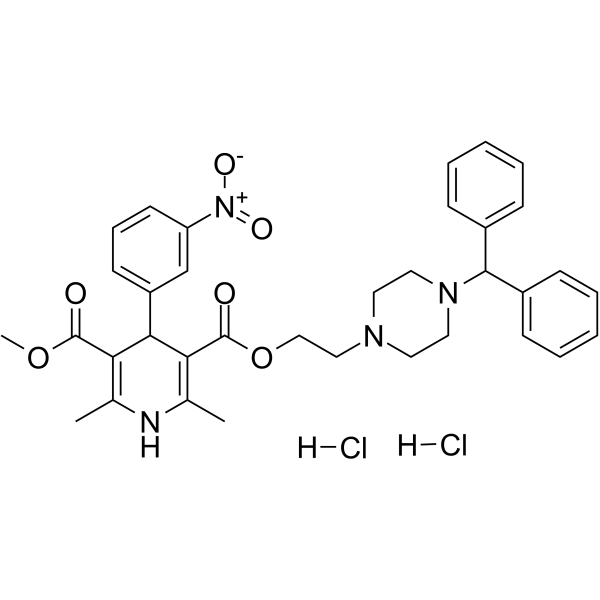
Manidipine dihydrochloride is a third-generation, lipophilic, orally active and highly vasoselective calcium channel antagonist (IC50 = 2.6 nM in guinea-pig ventricular cells) and acts as an antihypertensive agent. Manidipine effectively reduces blood pressure as well as improving insulin sensitivity, renal protection, and antiatherosclerotic activity. Manidipine also exerts anti-inflammatory activity mediated by NF-κB and antiviral activity against many flavivirus and negative-strand RNA viruses through the inhibition of calcium channel. Manidipine is widely applied to research of cardiovascular, metabolic disease and infection .
loading...
    loading...
2
2 Cited Publications
Cat. No.: HY-B0384
CAS No.: 110221-44-8
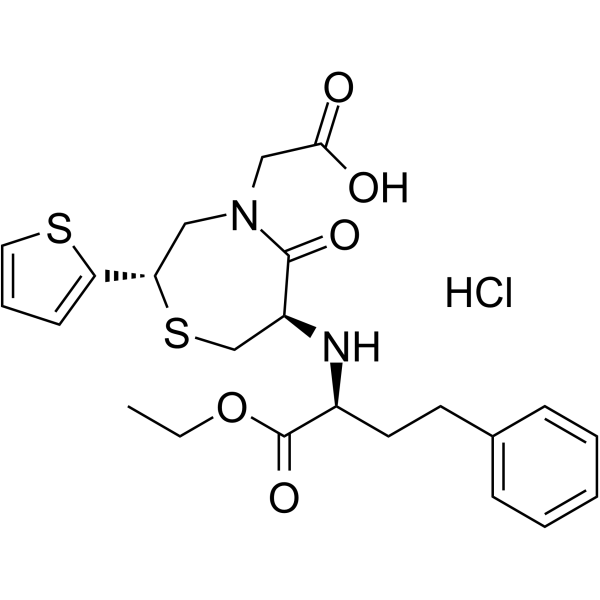
Temocapril hydrochloride is an orally active angiotensin-converting enzyme (ACE) inhibitor. Temocapril hydrochloride can be used for the research of hypertension, congestive heart failure, acute myocardial infarction, insulin resistance, and renal diseases .
loading...
    loading...

